Contents
La Marzocco Linea Mini Review: Worth $5,000?
TL;DR: The La Marzocco Linea Mini is the best home espresso machine money can buy at its price point — if you’re serious about espresso. It pulls café-quality shots with dual boiler temperature stability, a commercial 58mm portafilter, and hardware that lasts decades. At $5,500, it’s not for casual drinkers, but for dedicated home baristas it’s the last machine you’ll ever buy.
What Is the La Marzocco Linea Mini?
The Linea Mini is a scaled-down version of La Marzocco’s iconic Linea Classic commercial machine, built for home use without compromising on the engineering that makes the commercial line legendary. It runs dual boilers, full PID temperature control, and a 58mm commercial portafilter — features that put it in a different class from every prosumer rival under $3,000.
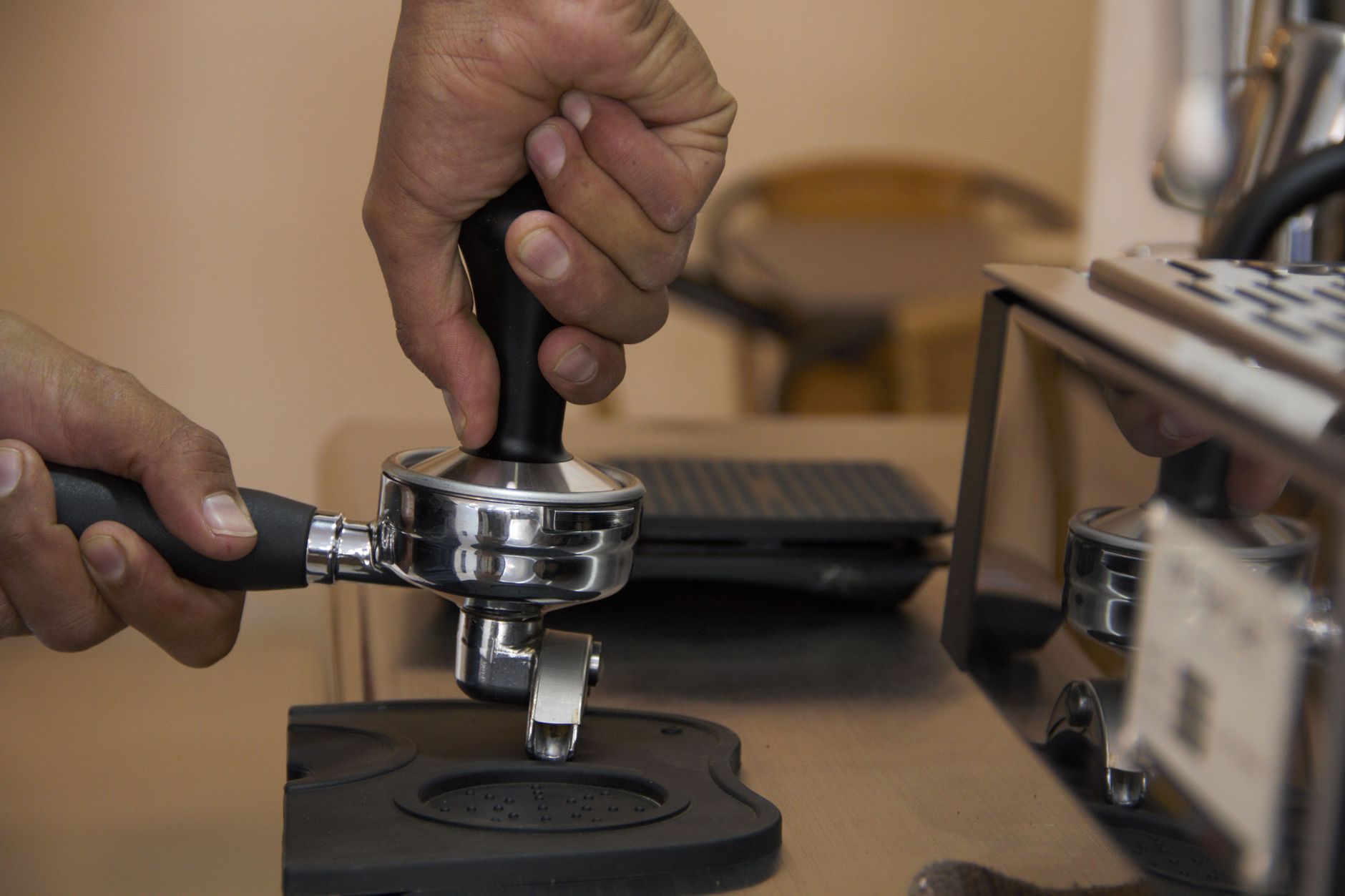
 Photo: Breakingpic via Pexels
The Linea Mini launched in 2014 as La Marzocco’s answer to a simple question: what if home baristas had access to the same thermal stability that professional baristas rely on? The result is a machine that shares DNA with equipment found in award-winning specialty cafés, compressed into a footprint that fits on a kitchen counter.
At $5,500 (or $5,000 in some configurations), it’s one of the most expensive home espresso machines on the market. Whether that price is justified depends entirely on what you expect from a shot of espresso.
Specs and Build Quality
The Linea Mini is built around a dual boiler system — one for brewing, one for steam — giving you true simultaneous brewing and steaming without temperature recovery delays. The chassis is stainless steel or custom color panels, the group head is commercial-grade, and everything that touches water is designed to last 20+ years with basic maintenance.
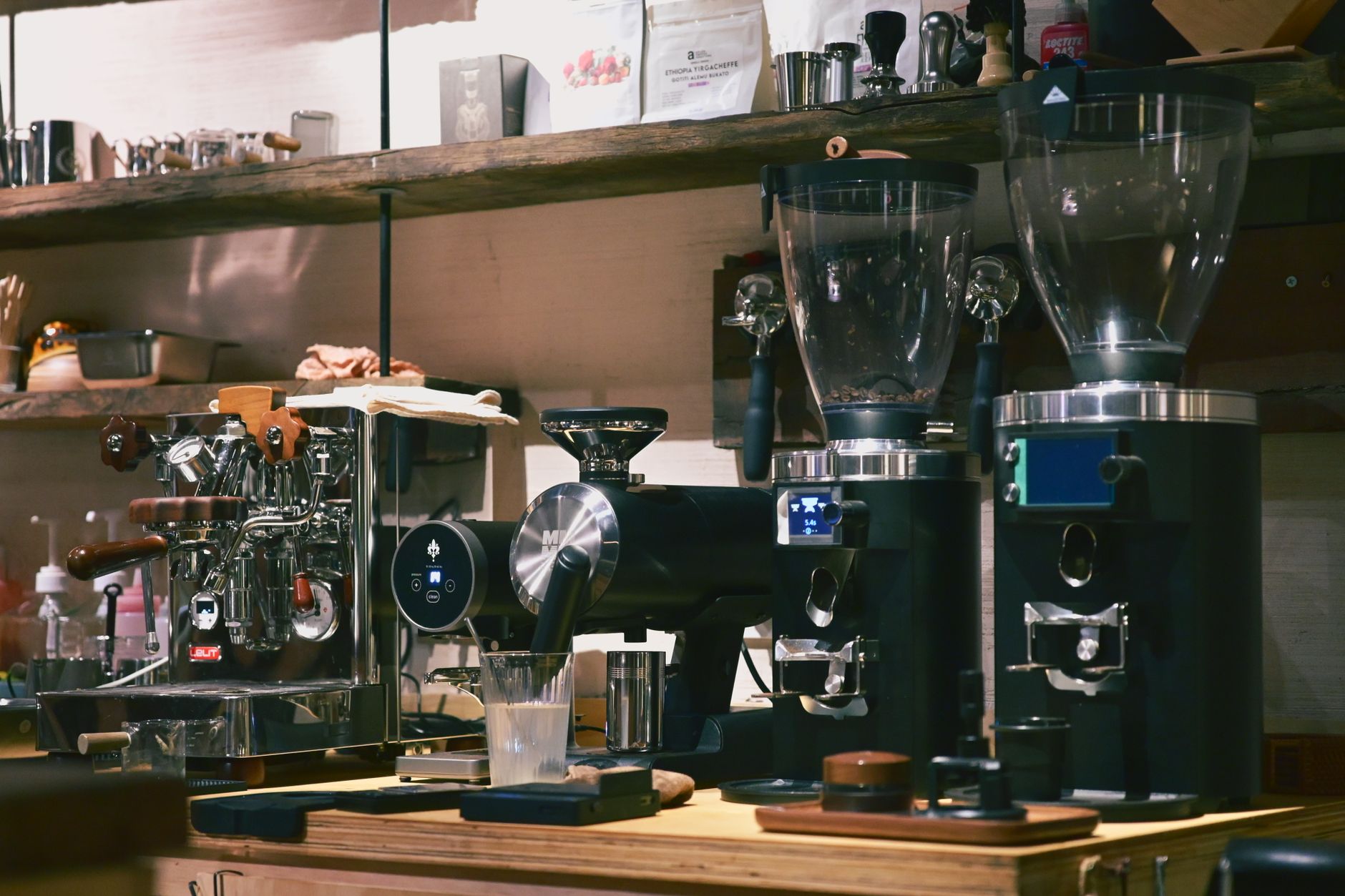
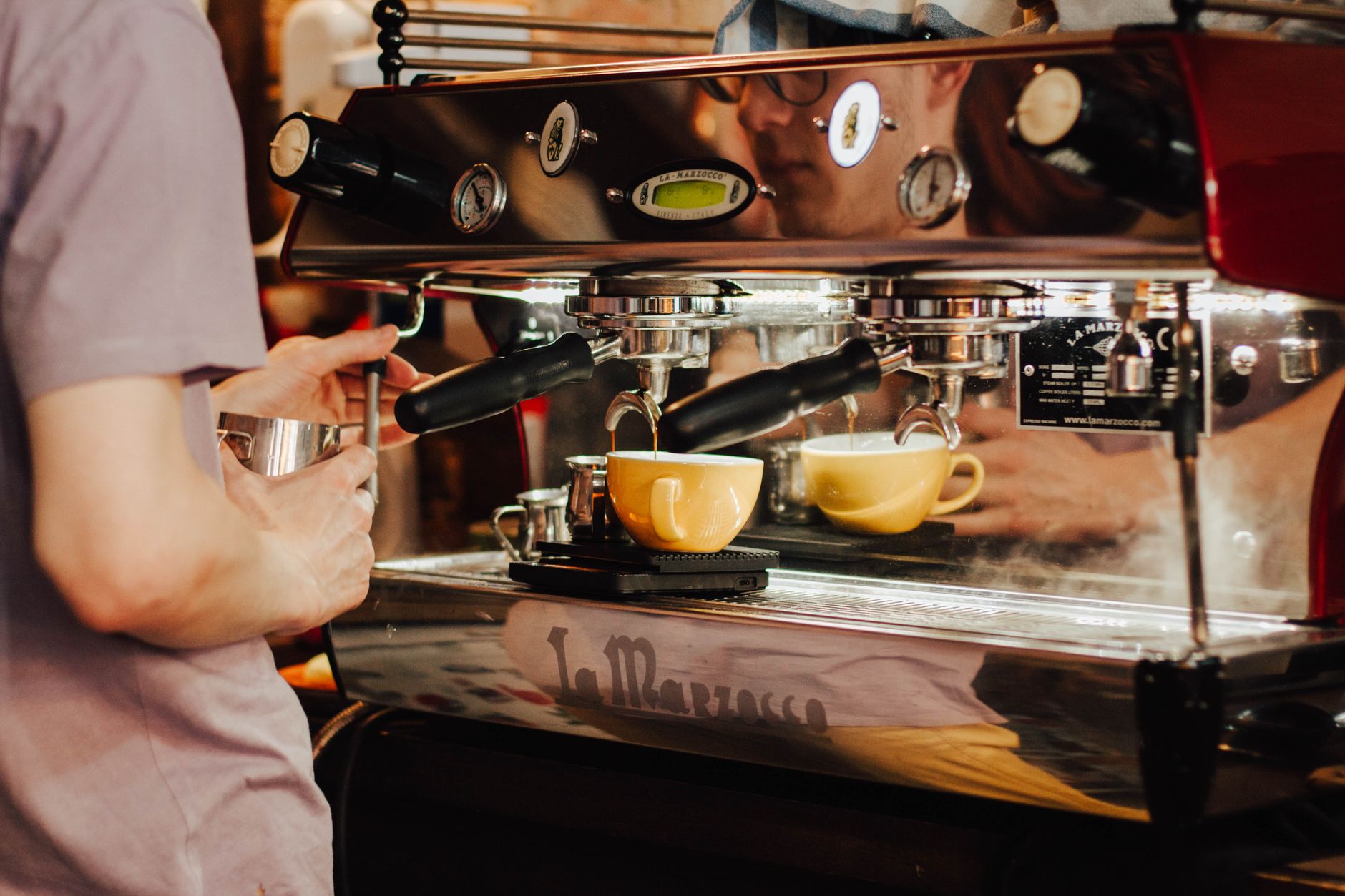 Photo: Marta Dzedyshko via Pexels
Specs Table
| Spec | Detail |
|---|---|
| Boiler Type | Dual boiler (brew + steam) |
| Brew Boiler Capacity | 0.35L |
| Steam Boiler Capacity | 1.5L |
| Portafilter Size | 58mm (commercial) |
| PID | Yes — dual, independent |
| Pump Type | Vibration pump |
| Heating Element | Dual independent |
| Dimensions | 39 × 27 × 35 cm |
| Weight | 23 kg |
| Voltage | 110V / 220V |
| Price | ~$5,500 |
The build quality is immediately apparent when you lift the drip tray or lock in the portafilter. Nothing flexes. Nothing rattles. The steam wand has the same stiff resistance you’d find on a commercial bar machine. The group head uses La Marzocco’s saturated group design, which keeps the brew group thermally stable by keeping it permanently connected to the brew boiler — a design choice that eliminates the warm-up inconsistency common in heat-exchanger machines.
Shot Quality and Temperature Stability
Temperature stability is where the Linea Mini separates itself from every single-boiler or heat-exchanger machine at any price. With independent PID control over the brew boiler, you can dial in temperature to 0.5°C precision and hold it there shot after shot. The result is reproducible espresso — your variables are grind and dose, not the machine’s thermal drift.
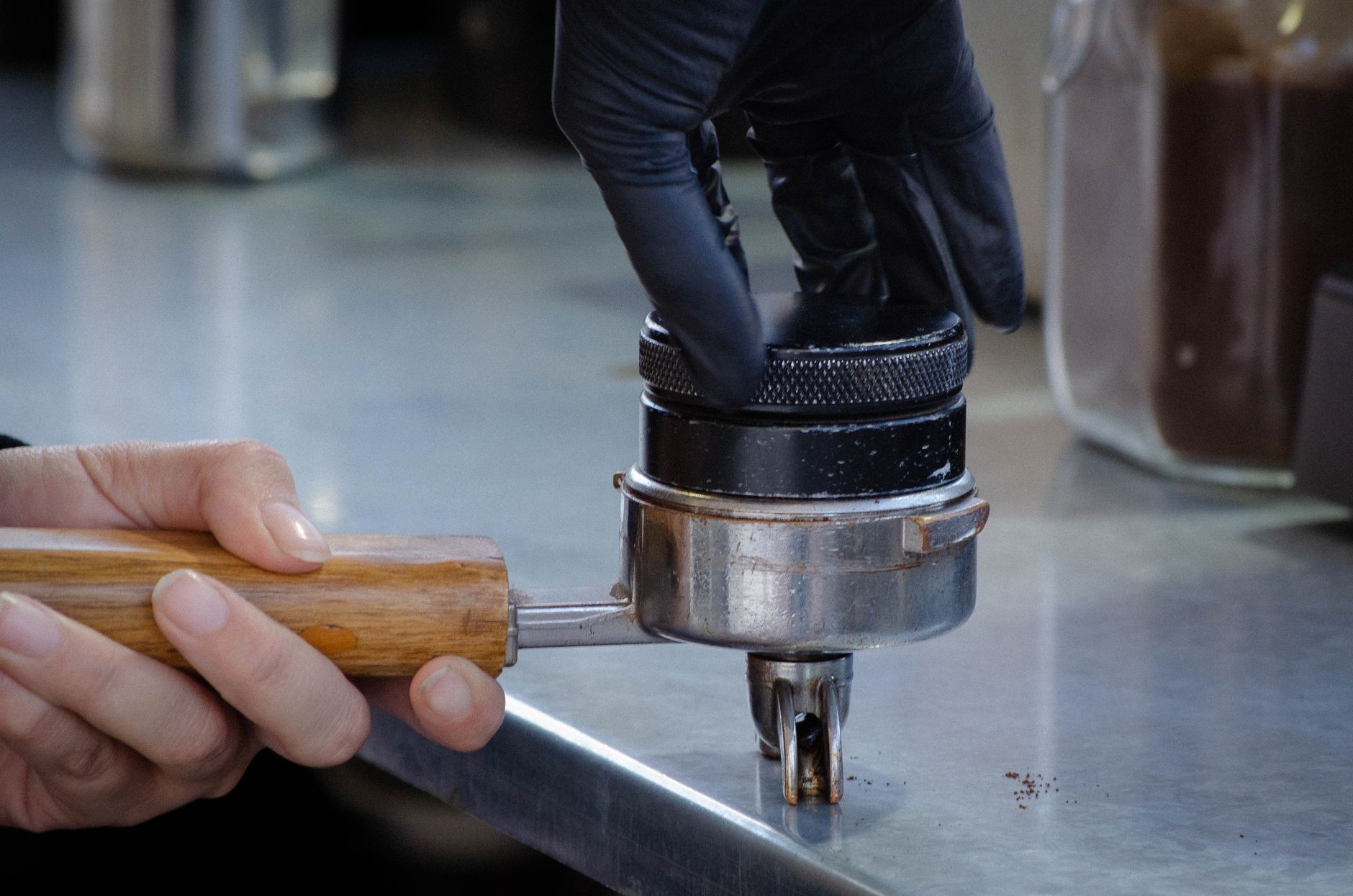
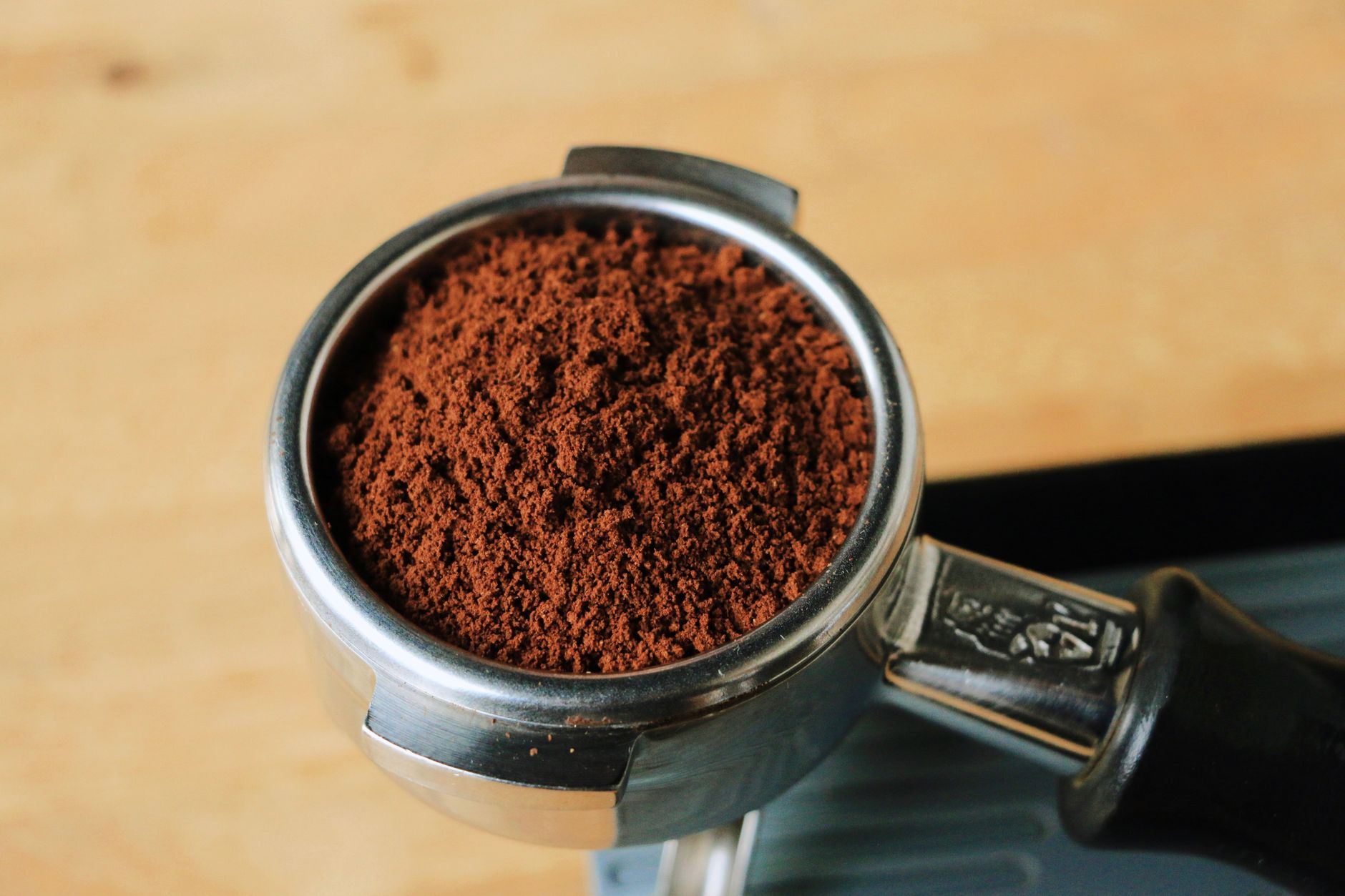 Photo: Maksim Goncharenok via Pexels
This matters more than most home baristas realize. A machine that swings 3–5°C between shots forces you to compensate by adjusting grind, and that compensation masks the true extraction potential of your coffee. The Linea Mini removes the machine as a variable.
In back-to-back shot testing, the brew boiler holds target temperature within ±0.3°C across a full 12-shot sequence — performance that rivals machines costing twice as much. Lighter roasts, which demand precise higher temperatures (93–96°C), pull with clarity that’s genuinely difficult to achieve on lesser machines.
The saturated group head adds thermal mass, meaning the first shot of the day (after proper warm-up) performs identically to the tenth.
Steam Performance
The 1.5L steam boiler produces commercial-grade steam pressure. Flat-rate milk texturing from cold to latte art-ready in under 30 seconds is realistic. The steam wand has genuine articulation — not the cheap ball-joint stiffness of consumer machines — and produces consistently dry, microfoam-quality steam.
 Photo: Pixabay via Pexels
Simultaneous brewing and steaming works without compromise because the boilers are fully independent. On a heat-exchanger machine, pulling a shot while steaming introduces temperature instability in the brew path. On the Linea Mini, they don’t interact.
For milk-drink volume — multiple flat whites, cortados, lattes in sequence — the steam boiler recovers immediately. You’re not waiting between rounds.
Comparison: Linea Mini vs. the Competition
| Machine | Price | Boiler | Portafilter | PID | Pump | Best For |
|---|---|---|---|---|---|---|
| La Marzocco Linea Mini | $5,500 | Dual | 58mm commercial | Dual | Vibration | Espresso purists, long-term investment |
| Breville Dual Boiler | $1,500 | Dual | 58mm | Single | Vibration | Value dual-boiler, beginners |
| Rocket Appartamento | $1,800 | Heat Exchanger | 58mm | No | Vibration | Milk drinks, aesthetic buyers |
| ECM Synchronika | $3,200 | Dual | 58mm | Dual | Vibration | Step before Linea Mini |
| Decent DE1 | $3,500 | Thermocoil | 58mm | Pressure profiling | Gear pump | Tech-first, profiling obsessives |
The Breville Dual Boiler is the most common comparison — it has dual boilers and PID at one-quarter the price. The gap shows in build longevity (plastic internals vs. steel), group head thermal mass, steam pressure consistency, and the simple fact that the Breville will need replacement components within 5–7 years while the Linea Mini is still running after 20.
The ECM Synchronika is the honest “one step down” recommendation. It’s a dual boiler with dual PID, steel construction, and comparable shot quality for $2,000 less. The Linea Mini wins on group head design, steam pressure, and the commercial lineage — but the Synchronika closes 80% of the gap.
Verdict by User Archetype
Espresso purist: Buy it. The thermal stability, commercial portafilter compatibility, and longevity justify every dollar. Pair it with a quality single-dose grinder and this is the last machine you’ll need.
Milk drinker: The steam performance is exceptional, but you’re paying a premium for shot quality that you’ll partially obscure with milk. The ECM Synchronika or Rocket Appartamento give you excellent steam at lower cost. The Linea Mini is right if volume and longevity matter.
Convenience-first: Wrong machine entirely. Look at a super-automatic or the Breville Barista Express
→ See Also
- The Complete Guide to Espresso Machines (2026) — full category overview from entry-level to commercial
- Best Espresso Machine Under $500 (2026) — the best mid-range options if the Linea Mini is out of budget
- Best Espresso Machine Under $200 (2026) — starting points for new home baristas
FAQ
Is the La Marzocco Linea Mini worth $5,000? If espresso quality and longevity are your priorities, yes — without hesitation. The dual boiler, saturated group head, and commercial-grade construction produce café-quality shots at home and will last 20+ years with basic maintenance. If you make one or two espressos a week casually, it’s not the right tool.
How long does the La Marzocco Linea Mini take to warm up? Allow 20–25 minutes for full thermal stability, though the machine reaches operational temperature in around 15. Many owners run it on a smart plug timer to have it ready each morning. First-shot temperature stability is directly linked to proper warm-up time.
Does the Linea Mini need a plumb-in connection? No. It comes standard with a reservoir (2L capacity) and an optional plumb-in kit. Reservoir mode is how most home users run it. The plumb-in is useful if it’s installed as a permanent fixture or used at very high volume.
What grinder should I pair with the La Marzocco Linea Mini? The machine is capable enough that a weak grinder becomes the bottleneck immediately. The Niche Zero, Lagom P64, or Eureka Mignon Specialita are strong pairings in the $500–$1,000 range. For a machine at this level, budget at least $500 for the grinder — the espresso quality ceiling is set by whichever component is weaker.
Can you do latte art on the La Marzocco Linea Mini? Yes, easily. The steam wand produces the dry, high-pressure steam needed for tight microfoam. Baristas with intermediate milk technique will immediately notice the improvement over consumer-grade wands. The wand position and articulation range are designed for professional-style pitching technique.
Editorial methodology: Assessments are based on manufacturer specifications, published user reviews, and editorial research. Physical hands-on testing is noted explicitly where it occurred. Rankings reflect our editorial judgment and are not influenced by affiliate commission rates. Full editorial policy · Affiliate disclosure