Contents
Best Espresso Machine Under $200 (2026)
TL;DR: The best espresso machine under $200 is the Breville Bambino
What to Expect From a $200 Espresso Machine
Direct Answer: At $200, you get a single-boiler thermocoil machine with a pressurized or semi-commercial portafilter. Extraction pressure is consistent (most hit 9 bar via OPV), but temperature stability is limited compared to machines with PID controllers. Expect real espresso — not just strong coffee — if you match it with a decent grinder.
 Photo: Pexels via Pexels
The $200 ceiling is real but not disqualifying. The tradeoff isn’t flavor — it’s workflow. You’ll wait between espresso and steaming (single boiler), you won’t have fine-grained temperature control, and the steam wands on most machines in this range are panarello (automatic froth) rather than a bare steam tip.
What you should bring: a burr grinder. A blade grinder or pre-ground coffee will undermine any machine at any price. Budget $40–$80 for a hand grinder or entry manual burr unit and your results improve dramatically.
The Best Espresso Machines Under $200: Ranked
Direct Answer: Five machines consistently deliver at this price point. The Breville Bambino leads on temperature stability and wand quality. The DeLonghi Dedica
 Photo: Pexels via Pexels
1. Breville Bambino
The Bambino uses a thermocoil system that reaches brew temperature in 3 seconds — faster than any competing machine under $200. It ships with both a pressurized and non-pressurized basket, meaning you can run finely ground single-origin coffee once your technique is dialed.
The steam wand is a genuine panarello-free tip. Microfoam is achievable with practice. At 54mm portafilter, you’ll find fewer aftermarket baskets than on 58mm machines, but the stock options cover most use cases.
Best for: Milk drink drinkers who want speed, beginners who will eventually use freshly ground coffee.
2. DeLonghi Dedica EC685
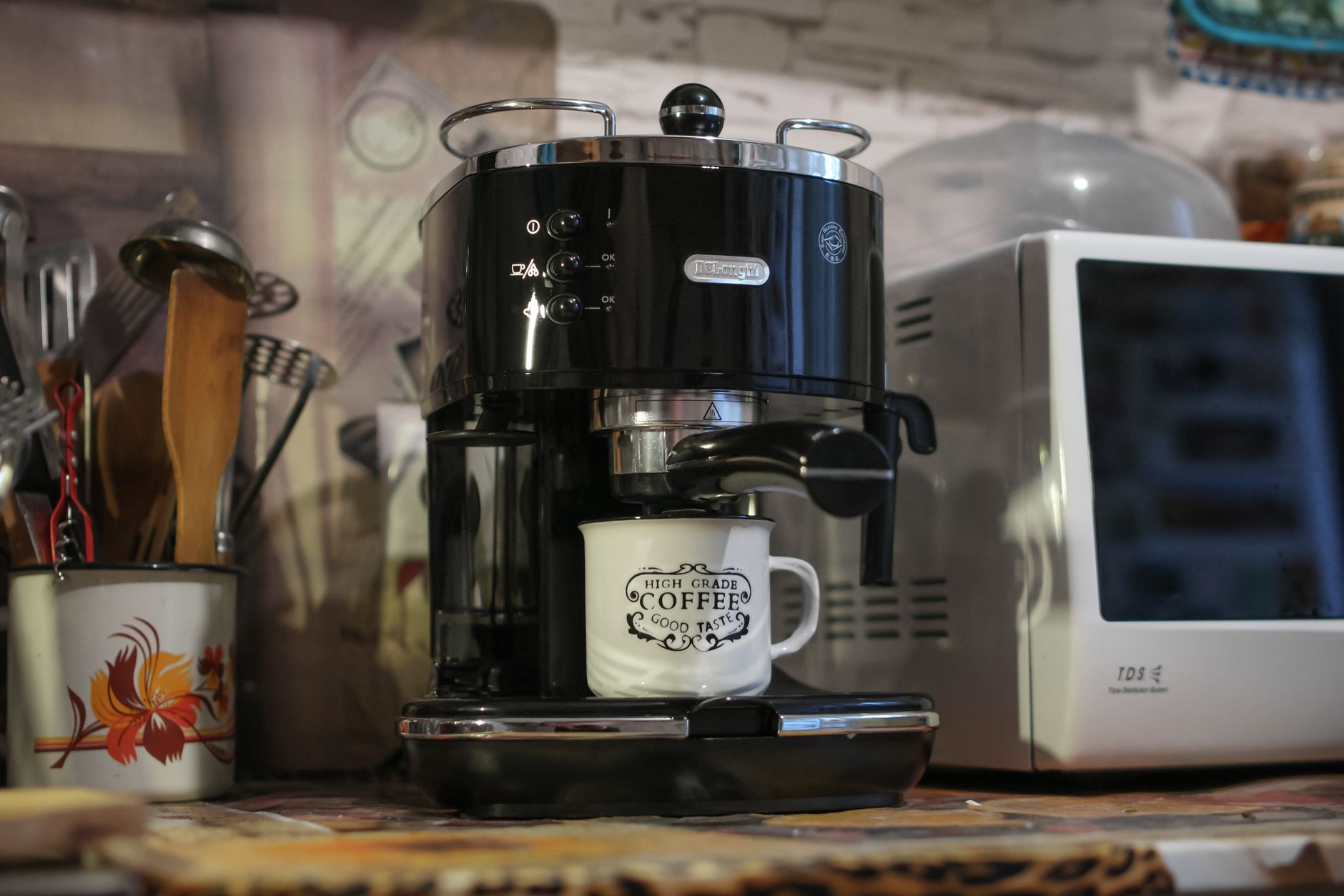 Photo: Pexels via Pexels
At 6 inches wide, the Dedica fits where nothing else does. Its thermoblock heats fast and the OPV is set at 9 bar from the factory — no modification required, unlike older Dedica models.
The steam wand ships with a panarello sleeve; remove it to expose the bare single-hole tip, which allows real microfoam with practice. Pressurized baskets are standard; upgrading to IMS or VST baskets requires a bottomless portafilter adapter.
Best for: Counter-space-constrained kitchens, apartment setups.
3. Gaggia Classic Pro
The Gaggia Classic Pro
It does not have a PID from the factory, but the community mod (a standalone PID kit, ~$30) is well-documented and reversible. Without it, brew temperature surfs between shots. The tradeoff: best upgrade path of any machine here, worst out-of-box temperature consistency.
Best for: Espresso purists willing to invest time and minor mods.
4. Nespresso Vertuo Plus
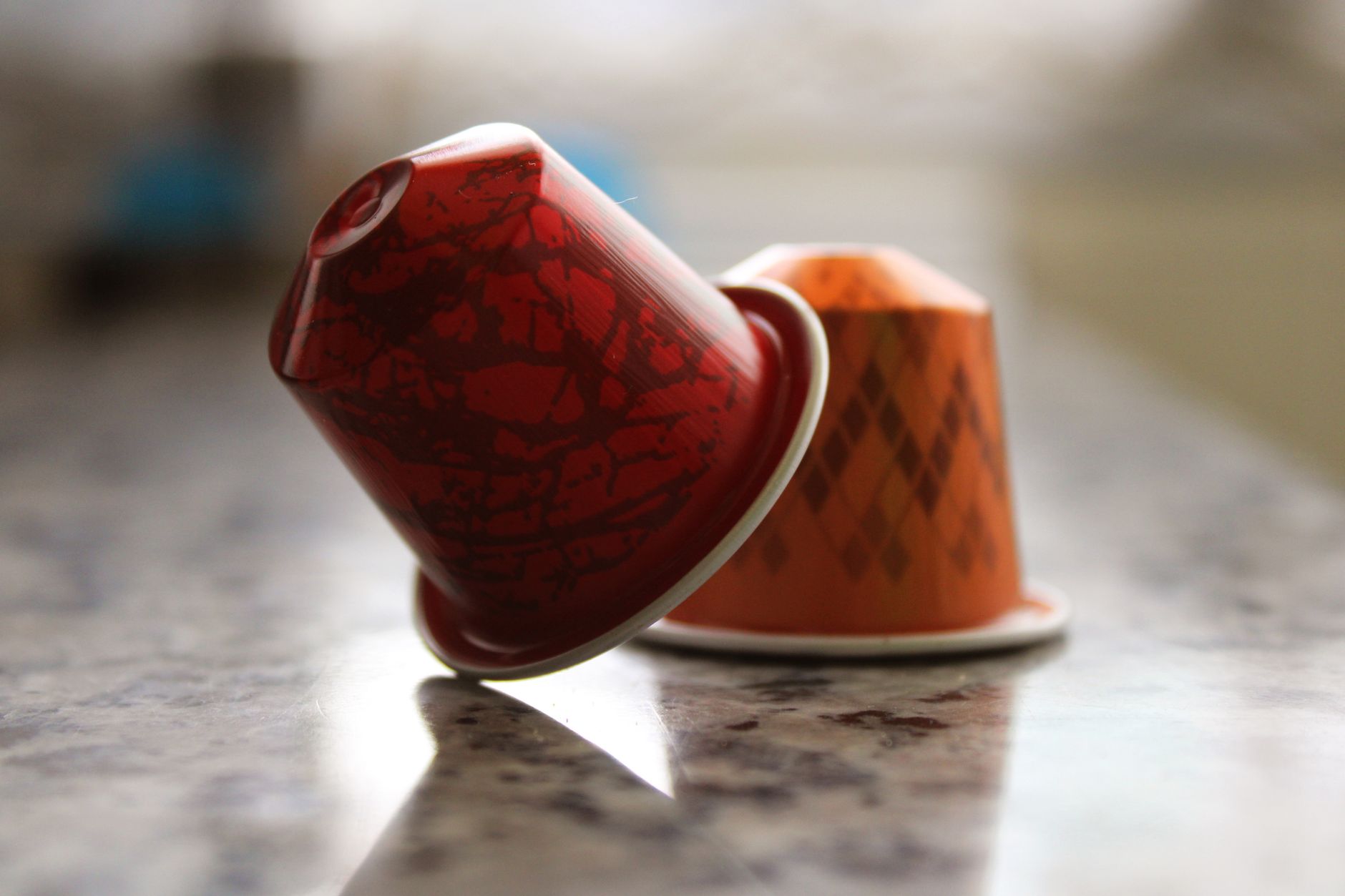 Photo: Pexels via Pexels
The Nespresso Vertuo Plus doesn’t pull traditional espresso — it centrifuges pods at 7,000 RPM using a patented system. The result is consistent, the crema is thick (albeit nitrogen-infused), and the workflow is push-button.
Include it here because at $120–$150 it reliably delivers a 40ml espresso-style shot every time, and for households where one person wants espresso and the other wants a long black, the range of Vertuo capsule sizes covers it.
Best for: Convenience-first buyers, high-volume households with mixed drink preferences.
5. Mr. Coffee Espresso and Cappuccino Machine
The Mr. Coffee ECMP1000 is the entry-level pick at $80–$100. It uses a 15-bar pump (marketed pressure, not extraction pressure) and a manual milk frother. Shots are serviceable with pre-ground espresso.
Don’t expect specialty-grade results. Do expect reliable performance for café americano and cappuccino drinkers who aren’t chasing extraction ratios.
Best for: First-time buyers on a strict budget who primarily drink milk-based drinks.
Side-by-Side Comparison
| Machine | Price | Boiler | Portafilter | PID | Pump | Best For |
|---|---|---|---|---|---|---|
| Breville Bambino | ~$170 | Thermocoil | 54mm | No (fast heat) | 9-bar OPV | All-rounder, milk drinks |
| DeLonghi Dedica EC685 | ~$130 | Thermoblock | 51mm | No | 9-bar OPV | Compact kitchens |
| Gaggia Classic Pro | ~$199 | Single boiler | 58mm | No (moddable) | Vibratory | Espresso purists |
| Nespresso Vertuo Plus | ~$140 | Centrifuge | Capsule only | N/A | Centrifugal | Convenience |
| Mr. Coffee ECMP1000 | ~$90 | Thermoblock | 51mm (pressurized) | No | 15-bar vibe | Budget entry |
Equipment Review: Breville Bambino Deep Dive
Specs
| Spec | Detail |
|---|---|
| Boiler type | Thermocoil |
| Portafilter size | 54mm |
| PID | No (3-sec heat-up compensates) |
| Pump type | Vibratory, OPV-regulated at 9 bar |
| Burr size | N/A (no built-in grinder) |
 Photo: Pexels via Pexels
Verdict by Archetype
Milk drink drinker: The Bambino is the clear pick. The steam wand heats fast, the machine purges automatically, and you’re back to brew temp quickly for a second shot. Flat whites and lattes are straightforward once you practice your wand angle.
Espresso purist: The Bambino can satisfy you with the non-pressurized basket and a quality grinder, but you’ll eventually feel the ceiling of 54mm portafilter compatibility and no PID. The Gaggia Classic Pro is the better long-term machine if you’re willing to touch $200 and accept the mod path.
Convenience-first: The Nespresso Vertuo Plus wins on pure ease. If repeatable quality with zero technique is the goal — especially across multiple users — capsule is the honest answer at this tier.
Grinder Pairing Guide
Direct Answer: No machine on this list performs to its ceiling with a blade grinder or stale pre-ground coffee. A $50–$80 hand grinder (Timemore C2
| Budget | Grinder | Notes |
|---|---|---|
| ~$50 | Timemore C2 | Steel conical, consistent grind, 3–4 min per dose |
| ~$80 | 1Zpresso Q2 | Faster grind, tighter distribution |
| ~$150 | Baratza Encore |
→ See also
- The Complete Guide to Espresso Machines (2026)
- Best Espresso Machine Under $500 (2026)
- Best Espresso Machine Under $1000 (2026)
FAQ
Is a $200 espresso machine worth it? Yes, with conditions. The Breville Bambino and Gaggia Classic Pro produce extraction-quality espresso at 9 bar. The condition: pair it with a burr grinder and freshly roasted beans. Without those, you’re pulling past what the machine can compensate for.
What’s the difference between pressurized and non-pressurized baskets? Pressurized baskets have a second wall with a single exit hole that builds pressure regardless of grind consistency — they forgive coarse or uneven grinds. Non-pressurized baskets require a consistent, fine grind to build pressure correctly. Most budget machines include pressurized as default; switching to non-pressurized is the first upgrade move for beginners ready to improve.
Can I make lattes with a $200 machine? Yes. The Breville Bambino and DeLonghi Dedica both have functional steam wands. You won’t get the precision of a commercial steam arm, but microfoam for lattes and flat whites is achievable — particularly with the Bambino’s bare tip or the Dedica’s wand with the panarello sleeve removed.
How long do budget espresso machines last? Thermoblock and thermocoil machines typically last 3–6 years with regular descaling (every 2–3 months depending on water hardness). The Gaggia Classic Pro has a longer ceiling — 10+ years — because its single boiler and solenoid valve are serviceable and replacement parts are widely available.
Do I need filtered water for a $200 espresso machine? Soft or filtered water meaningfully extends machine lifespan and improves extraction. Hard tap water scales thermoblock units quickly. A Brita filter or inexpensive water softener tablet (BWT-style) is a worthwhile $10–$20 addition. Distilled water is too soft — aim for 50–150 ppm total dissolved solids.
Is the Gaggia Classic Pro worth the extra cost over the Bambino? For espresso-only drinkers who plan to stay with the hobby: yes. The 58mm portafilter gives you access to a vastly larger aftermarket basket ecosystem, the three-way solenoid means a dry puck every time, and the machine is fully user-serviceable. For milk drink drinkers or those who want speed over tinkering: the Bambino is the better fit.
Editorial methodology: Assessments are based on manufacturer specifications, published user reviews, and editorial research. Physical hands-on testing is noted explicitly where it occurred. Rankings reflect our editorial judgment and are not influenced by affiliate commission rates. Full editorial policy · Affiliate disclosure