Contents
Gaggia Classic Pro vs Breville Barista Express: Full Comparison
TL;DR: The Gaggia Classic Pro vs Breville Barista Express debate comes down to one trade-off: the Classic Pro gives you better espresso hardware in a smaller package, while the Barista Express bundles a built-in grinder for convenience. If you already own a decent grinder, the Classic Pro wins. If you’re starting from zero, the Barista Express saves counter space and money.
Head-to-Head: What You’re Actually Choosing Between
**The Gaggia Classic Pro
 Photo: 🇻🇳🇻🇳 Việt Anh Nguyễn 🇻🇳🇻🇳 via Pexels
| Feature | Gaggia Classic Pro | Breville Barista Express |
|---|---|---|
| Built-in grinder | No | Yes (conical burr) |
| Portafilter | 58mm commercial | 54mm |
| Boiler type | Single, brass | Single, thermocoil |
| PID | No (stock) | Yes |
| Pump | Vibratory | Vibratory |
| Steam wand | Commercial-style | Panarello/auto |
| Price (approx.) | ~$500 | ~$700 |
| Weight | 8.5 kg | 10.5 kg |
Espresso Quality: Which Pulls a Better Shot?
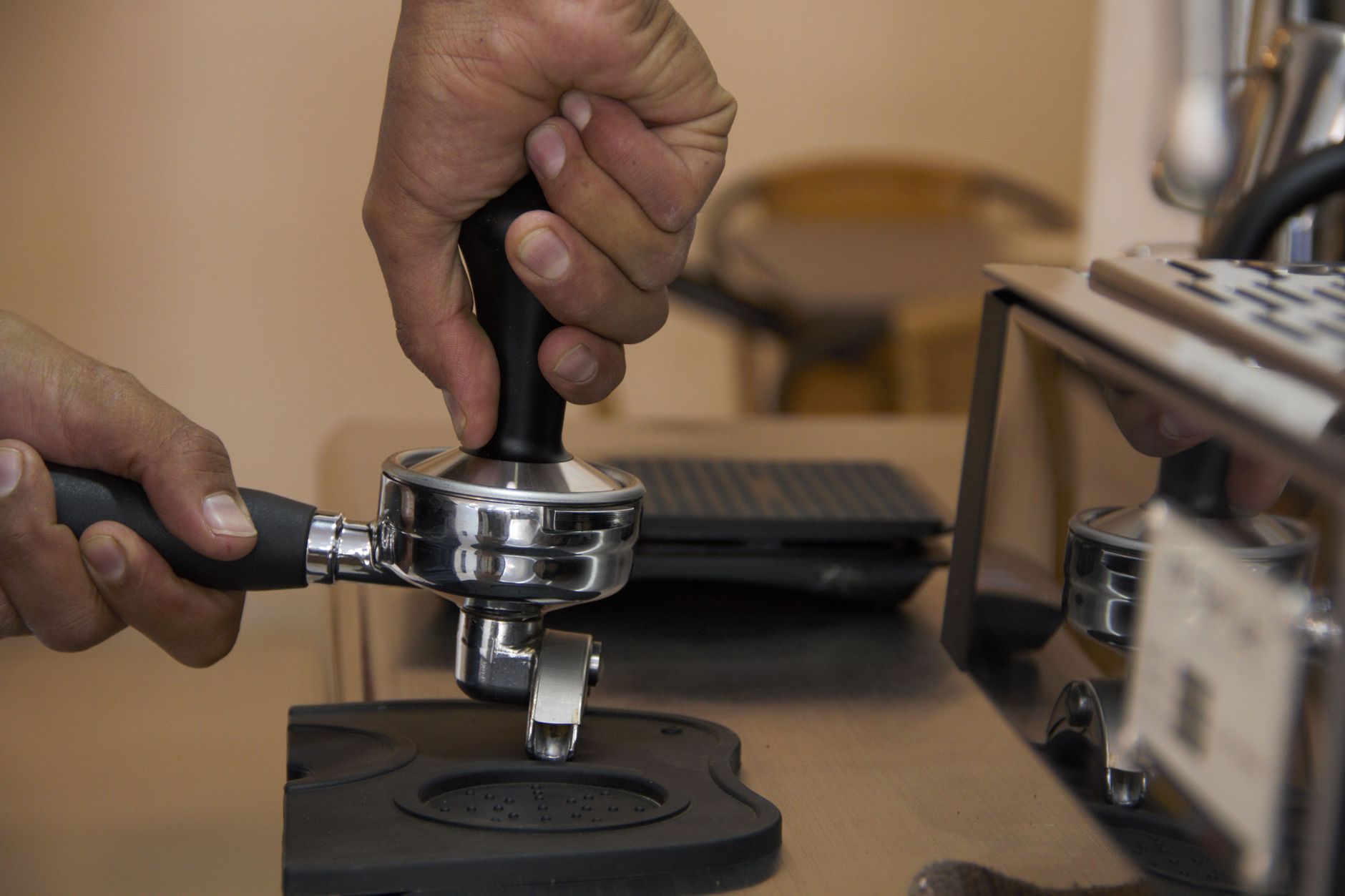
The Classic Pro pulls better espresso, stock for stock. Its brass boiler holds temperature more consistently than the Barista Express’s thermocoil, and the 58mm portafilter means a wider puck with more even extraction. Add a $30 PID mod and it punches well above its price.
 Photo: thecactusena via Pexels
The Barista Express has a PID from the factory, which is a real advantage out of the box — it hits temperature fast and holds it reasonably well. But the 54mm portafilter is a limitation. Smaller puck diameter means less margin for error in your tamp and distribution.
For espresso purists chasing high-extraction, textbook shots: the Classic Pro is the better canvas, especially once modded. For someone who wants good espresso without touching internals: the Barista Express’s PID and faster heat-up (roughly 30 seconds vs. 5–10 minutes warm-up preference for the Classic Pro) make it more forgiving daily.
The Grinder Question
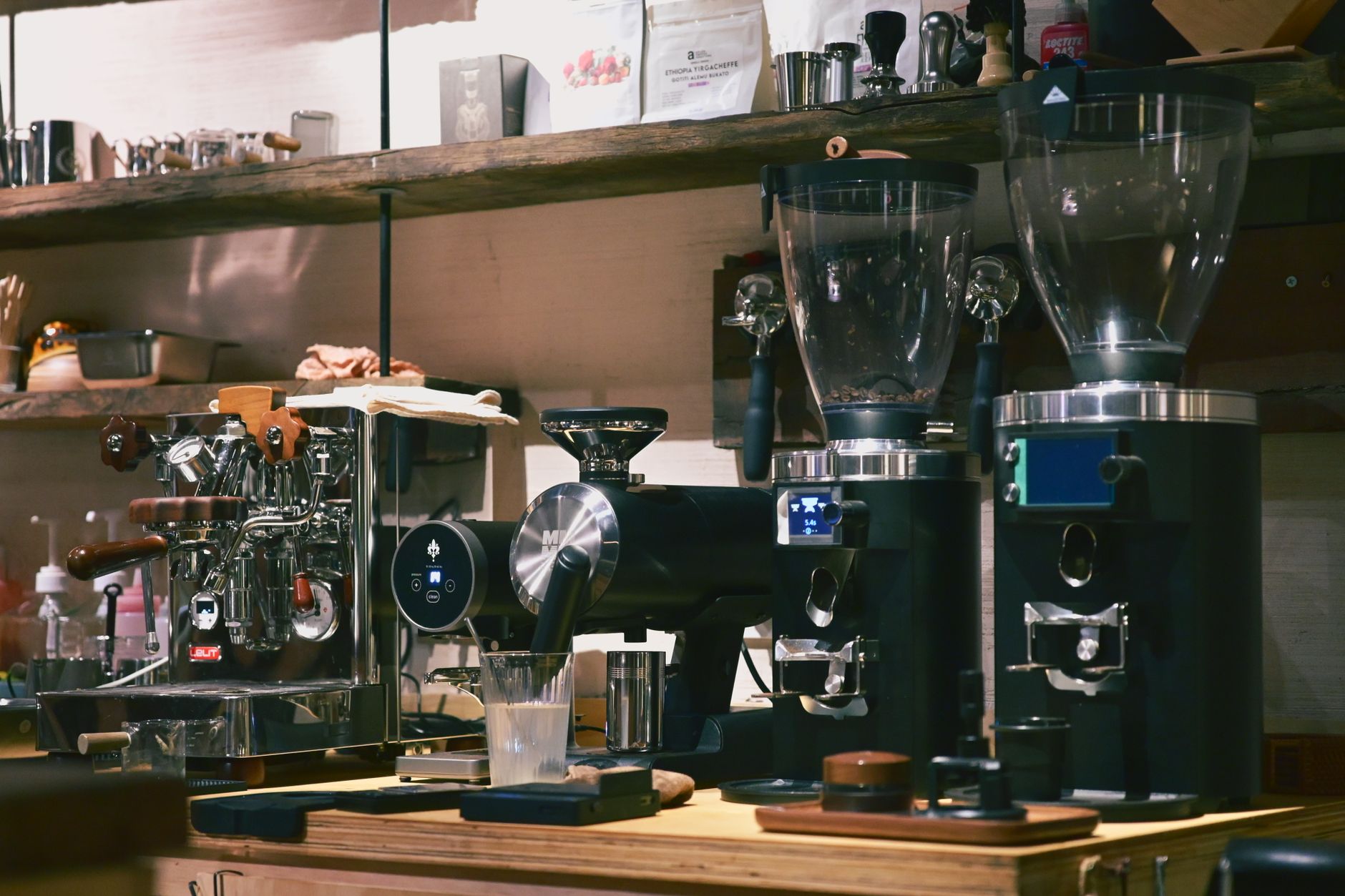
The Barista Express’s built-in grinder is a conical burr unit capable of grinding fresh for each shot. It’s not exceptional — dedicated $200+ grinders beat it — but it’s adequate for the espresso it’s paired with, and it saves buying and placing a separate grinder.
 Photo: rana aldemir via Pexels
If you’re building a setup from scratch, factor in grinder cost. The Classic Pro at ~$500 plus a Baratza Sette 270 or Eureka Mignon Silenzio puts you at $900+. The Barista Express at ~$700 all-in wins on total cost for a first setup.
If you already have a capable grinder — or plan to upgrade — the Classic Pro is the smarter buy. The Barista Express’s grinder can’t be removed or upgraded independently; you’re locked to it.
Steam and Milk Drinks
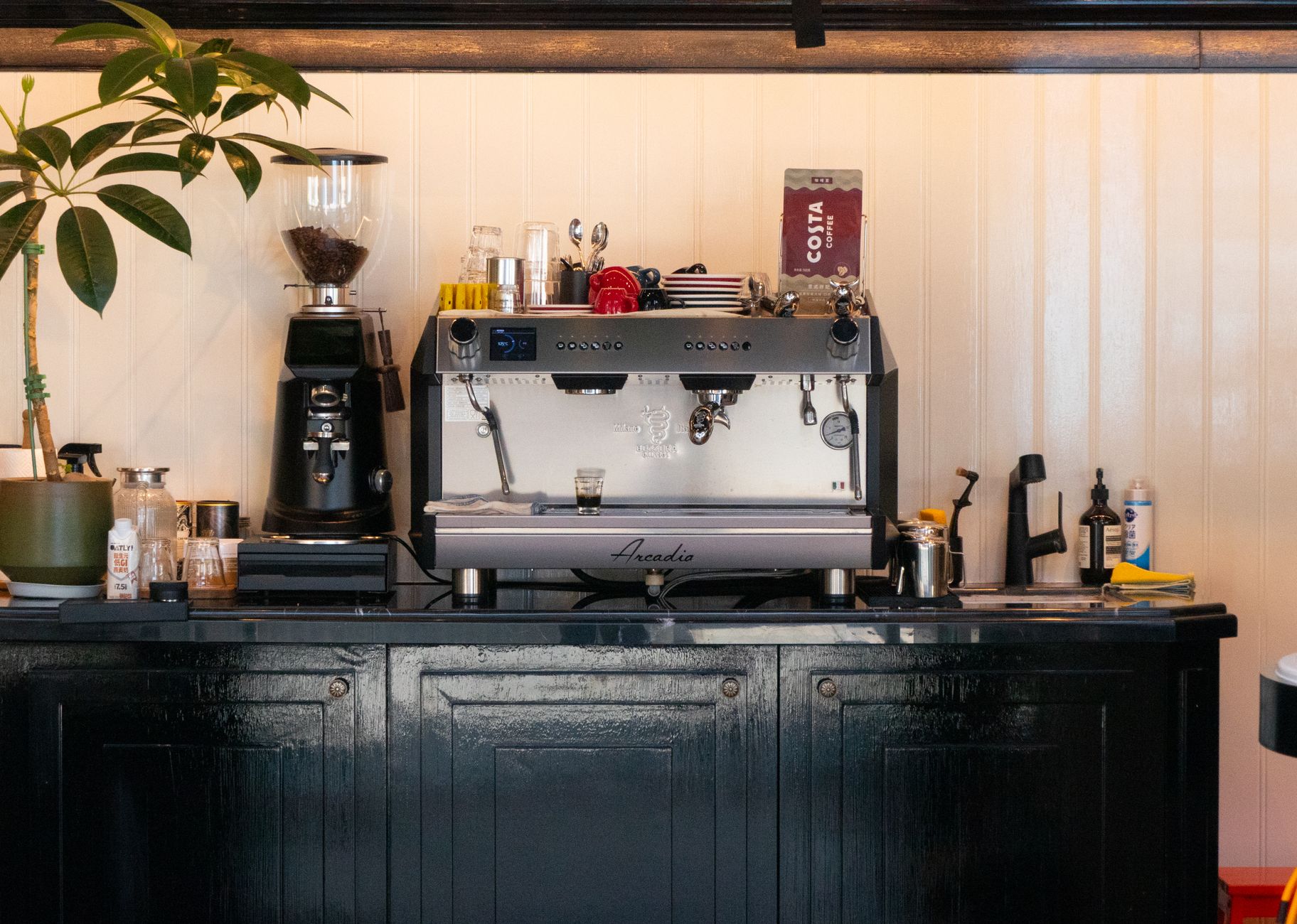
The Classic Pro has a commercial-style steam wand that requires technique but produces proper microfoam. The Barista Express uses a Panarello-style wand (on older models) or a steam tip that auto-injects air — easier, but the foam quality ceiling is lower.
 Photo: Yunus Tuğ via Pexels
For flat whites, lattes, and cappuccinos done properly, the Classic Pro’s wand wins. It takes a few weeks to learn steam pressure and wand angle, but once dialled in, you’re making third-wave-café-quality microfoam.
The Barista Express is more forgiving for beginners — the assisted steam creates acceptable foam without technique. If you never intend to learn latte art, this matters less. If you do, the Classic Pro gives you the right tool.
Build Quality and Longevity
The Classic Pro is built like equipment, not an appliance. Steel panels, brass boiler, commercial group head — these machines run 15–20 years with basic maintenance. The Barista Express is well-built but uses more plastic internals and a thermocoil that’s more sensitive to scale buildup.
The Classic Pro’s Achilles heel stock is the pressurized basket it ships with. Replace it immediately with an unpressurized single-wall basket (IMS or VST) — that single change dramatically improves extraction quality.
For long-term reliability: the Classic Pro has a deep aftermarket community, cheap spare parts, and a mod ecosystem (PID, OPV adjustment, silicone group gasket). The Barista Express is harder to service and has fewer community modifications.
Equipment Review Specs
Gaggia Classic Pro
| Spec | Detail |
|---|---|
| Boiler type | Single, brass |
| Portafilter size | 58mm |
| PID | No (stock) |
| Pump type | Vibratory (ULKA) |
| Burr size | N/A |
Breville Barista Express
| Spec | Detail |
|---|---|
| Boiler type | Single, thermocoil |
| Portafilter size | 54mm |
| PID | Yes |
| Pump type | Vibratory |
| Burr size | 40mm conical |
Full Comparison Table
| Machine | Price | Boiler | Portafilter | PID | Pump | Best For |
|---|---|---|---|---|---|---|
| Gaggia Classic Pro | ~$500 | Brass single | 58mm | No (moddable) | Vibratory | Espresso purists, upgraders |
| Breville Barista Express | ~$700 | Thermocoil | 54mm | Yes | Vibratory | All-in-one beginners, space-limited |
Verdict by User Archetype
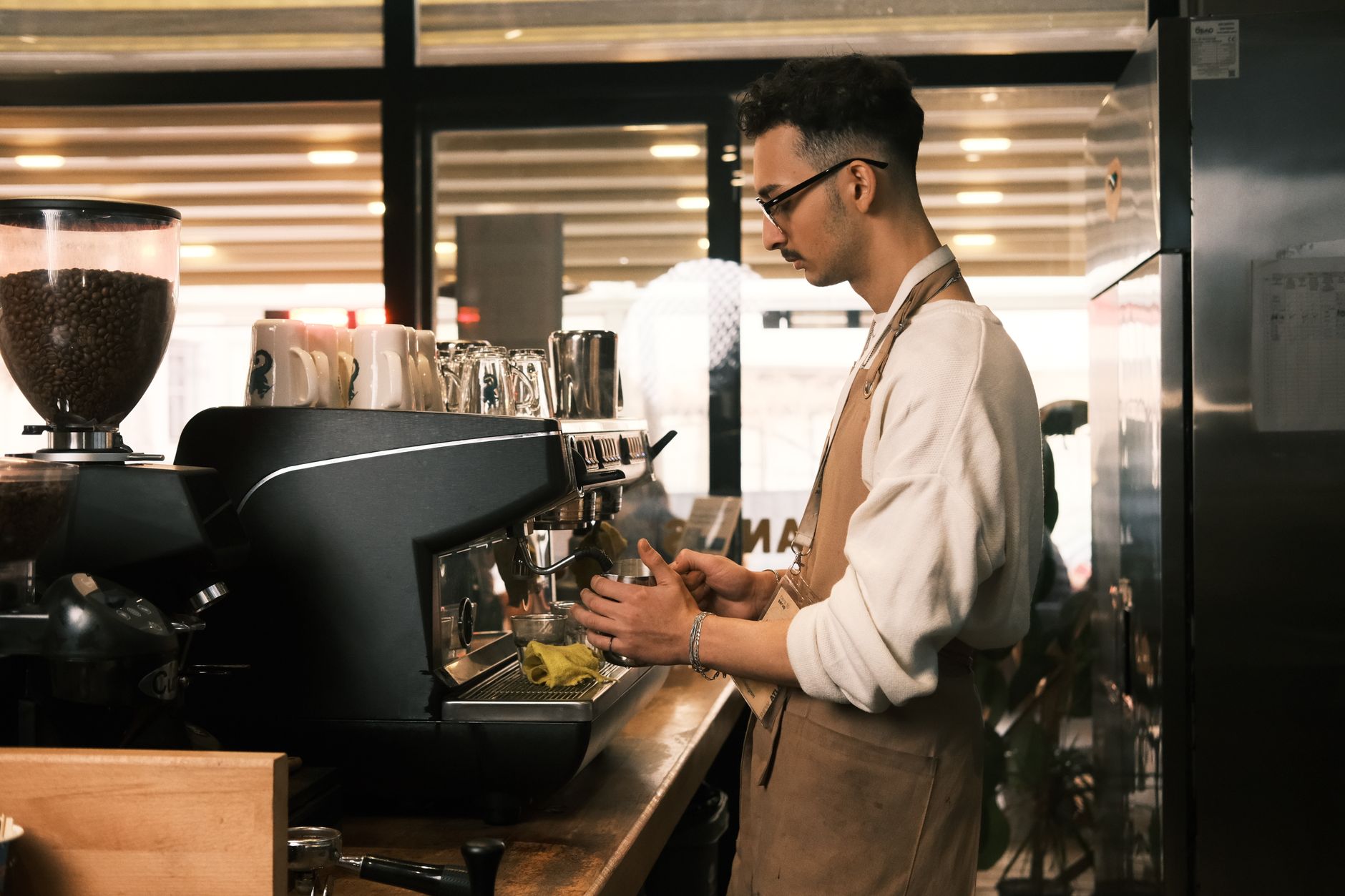
Milk drinker: Barista Express if you want easy foam; Classic Pro if you want to learn proper steaming technique and produce café-quality microfoam.
Espresso purist: Classic Pro, no question. Better puck geometry, moddable internals, commercial wand, longer lifespan. Budget for a PID mod and a proper grinder.
Convenience-first: Barista Express. One machine, one power cord, PID built-in, 30-second heat-up, adequate grinder for daily use. Less to manage.
 Photo: Eddie O. via Pexels
→ See Also
- The Complete Guide to Espresso Machines (2026)
- Best Espresso Machine Under $200 (2026)
- Best Espresso Machine Under $500 (2026)
FAQ
Can the Gaggia Classic Pro be upgraded with a PID? Yes — the Shelly Plus 1PM PID mod is the most popular option and costs around $30. It clips inline on the boiler thermostat circuit and gives you precise temperature control without permanently modifying the machine. Most owners consider it essential.
Is the Breville Barista Express grinder good enough? For paired use with the Barista Express, yes. It produces an adequate grind for espresso and covers the 54mm puck size well. Compared to standalone burr grinders in the $200+ range, it loses on grind consistency and retention, but for a bundled unit it’s competent.
Which machine has a bigger portafilter and why does it matter? The Gaggia Classic Pro uses a 58mm portafilter — the industry standard. The Barista Express uses 54mm. A larger portafilter creates a wider, thinner puck, which distributes water more evenly and gives you more tolerance for imperfect tamping and distribution.
How long does the Gaggia Classic Pro take to heat up? It reaches brewing temperature in about 5 minutes from cold. Most users let it warm for 8–10 minutes for full thermal stability across the group head and portafilter. Backflushing with a blank basket during warm-up helps saturate the group.
Can I use the Barista Express with an external grinder? Yes — the portafilter accepts ground coffee directly like any other machine. But the grinder dosing system is designed to grind into the portafilter, so you’d be bypassing a feature you paid for. If you plan to use an external grinder, buy the Classic Pro and save $200.
Which is easier to clean and maintain? The Barista Express has an auto-clean cycle for the grinder and a relatively straightforward backflush routine. The Classic Pro requires manual cleaning but is simpler mechanically — no grinder burrs to clean, fewer moving parts. Long-term, the Classic Pro’s brass boiler and commercial parts are easier and cheaper to service.
Editorial methodology: Assessments are based on manufacturer specifications, published user reviews, and editorial research. Physical hands-on testing is noted explicitly where it occurred. Rankings reflect our editorial judgment and are not influenced by affiliate commission rates. Full editorial policy · Affiliate disclosure