Contents
Water Temperature for Coffee Brewing: The Complete Guide
TL;DR: The ideal water temperature for coffee brewing is 195–205°F (90–96°C) — about 30 seconds off a full boil. Too hot scorches the grounds; too cool under-extracts them. For espresso, 200–204°F (93–95.5°C) is the standard target.
Why Water Temperature Matters in Coffee Brewing
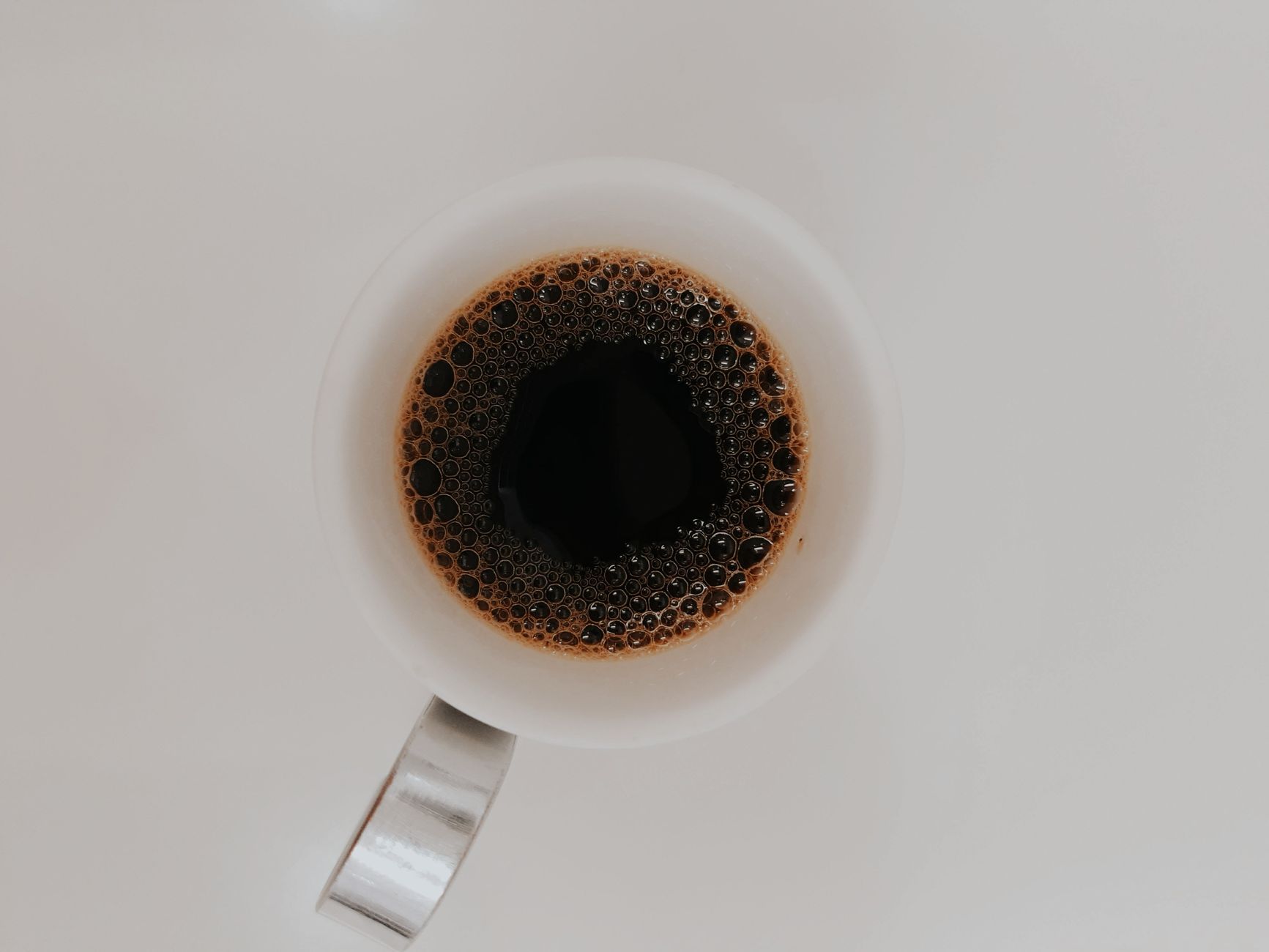
Water temperature is the extraction throttle. Too high and you pull bitter, harsh compounds; too low and the cup tastes sour, thin, and flat. The 195–205°F window balances solubles efficiently across every major brew method — drip, pour-over, French press, AeroPress, and espresso.
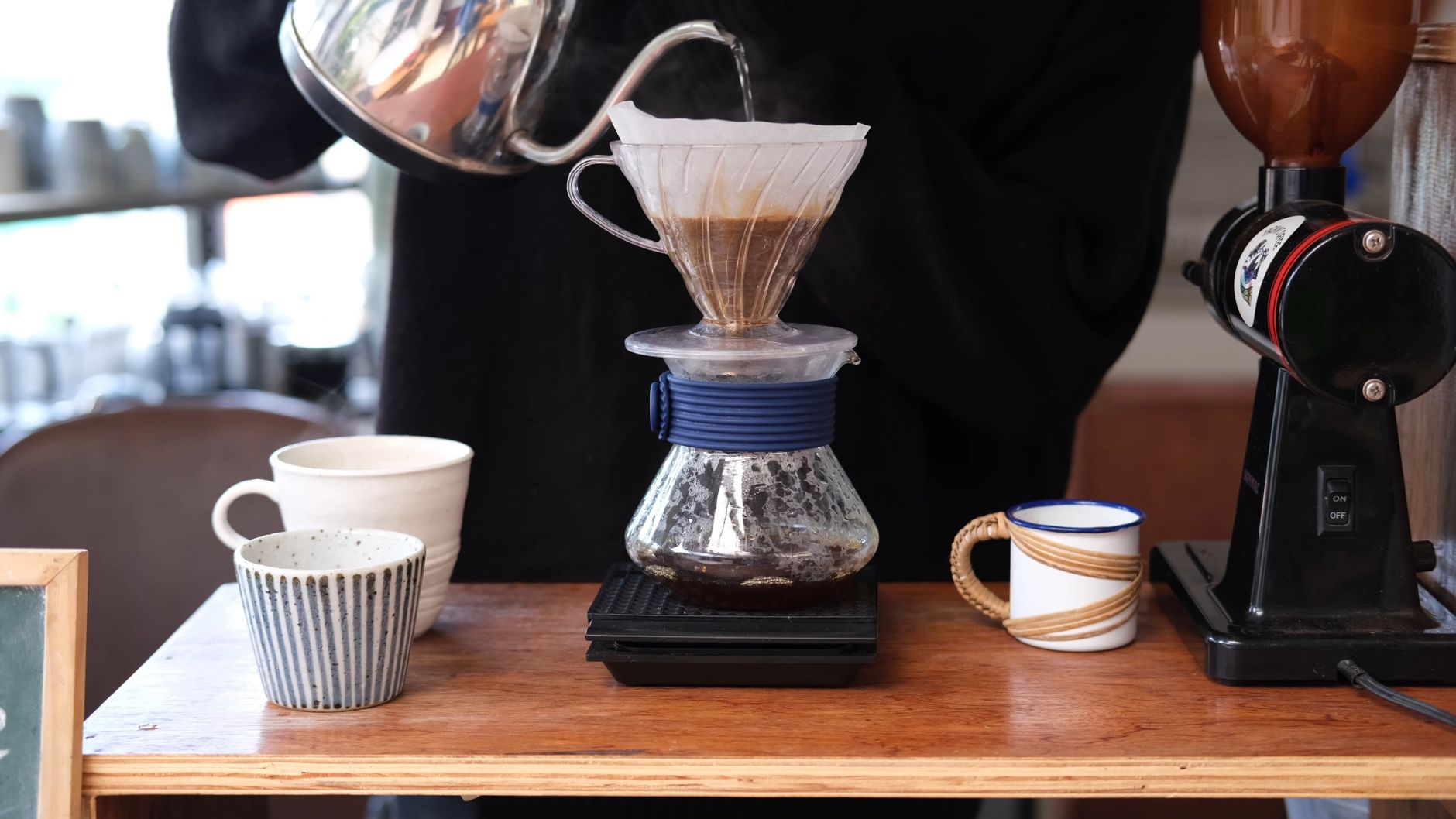 Photo: Leonid Demidov via Pexels
Coffee solubles — acids, sugars, melanoidins, chlorogenic acids — dissolve at different rates depending on temperature. Under-extracted coffee (below ~18% extraction) has a sharp, sour bite because the acids come out first. Over-extracted coffee (above ~22%) turns bitter and astringent because you’ve pulled cell wall compounds that should stay in the grounds.
The sweet spot sits between 195–205°F because that range reliably hits 18–22% extraction in typical brew times without requiring compensation elsewhere.
Ideal Water Temperature by Brew Method
Each method has a slightly different thermal target because contact time, agitation, and grind size all interact with temperature. Espresso tolerates a narrower window; immersion methods like French press are more forgiving.
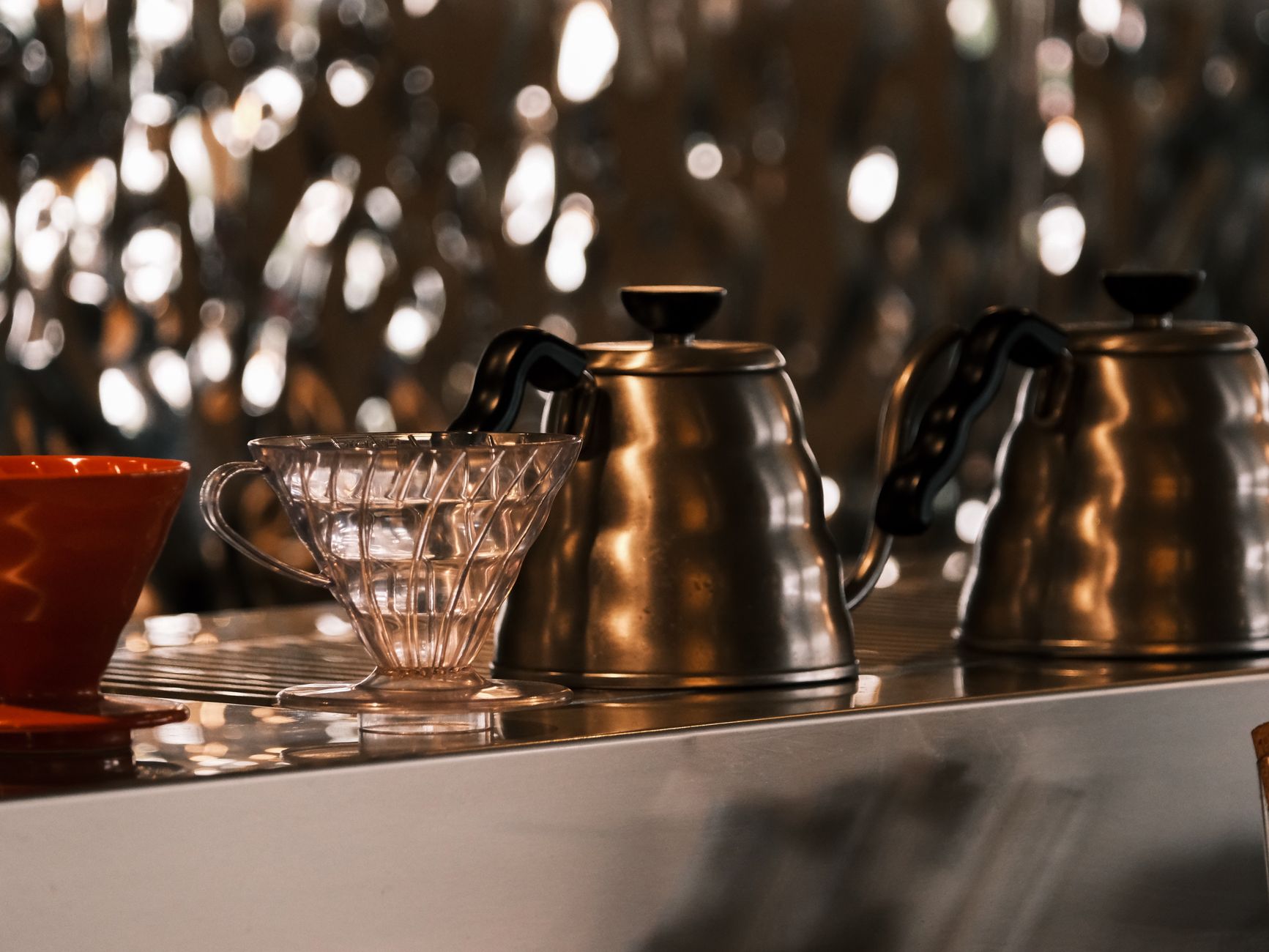 Photo: rana aldemir via Pexels
| Brew Method | Target Temp (°F) | Target Temp (°C) | Notes |
|---|---|---|---|
| Espresso | 200–204°F | 93–95.5°C | Tightest tolerance; machine-controlled |
| Pour-over | 200–205°F | 93–96°C | Light roasts want higher end |
| French Press | 195–205°F | 90–96°C | Immersion is more forgiving |
| AeroPress | 175–205°F | 79–96°C | Intentionally wide; method-dependent |
| Cold Brew | 35–45°F | 2–7°C | 12–24hr extraction at fridge temp |
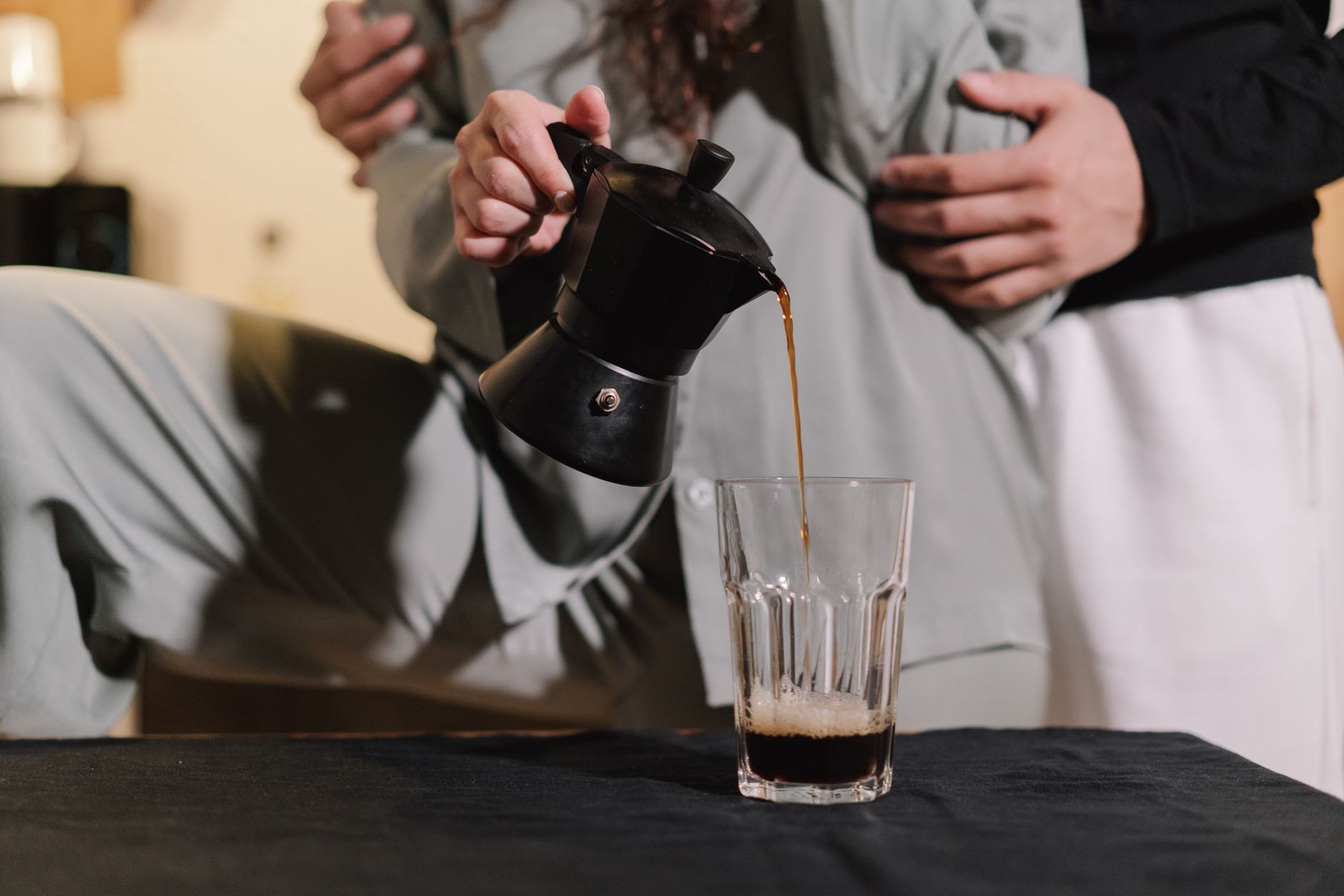
| Moka Pot | 140–160°F | 60–71°C | Fill with pre-heated water only |
Light vs. Dark Roasts
Light roasts are denser, less porous, and harder to extract. Push to the upper range — 203–205°F. Dark roasts have been thermally degraded during roasting; their cell structure is open and fragile. Drop to 195–200°F to avoid amplifying burnt, bitter notes.
AeroPress Low-Temp Brewing
The AeroPress is the one method where 175°F intentionally works. Low-temperature AeroPress (invented by James Hoffmann and popularized in the specialty community) produces a sweeter, less acidic cup by stretching contact time and using a finer grind to compensate. It’s not under-extraction — it’s a deliberate trade-off.
How to Hit the Right Temperature Without a Thermometer
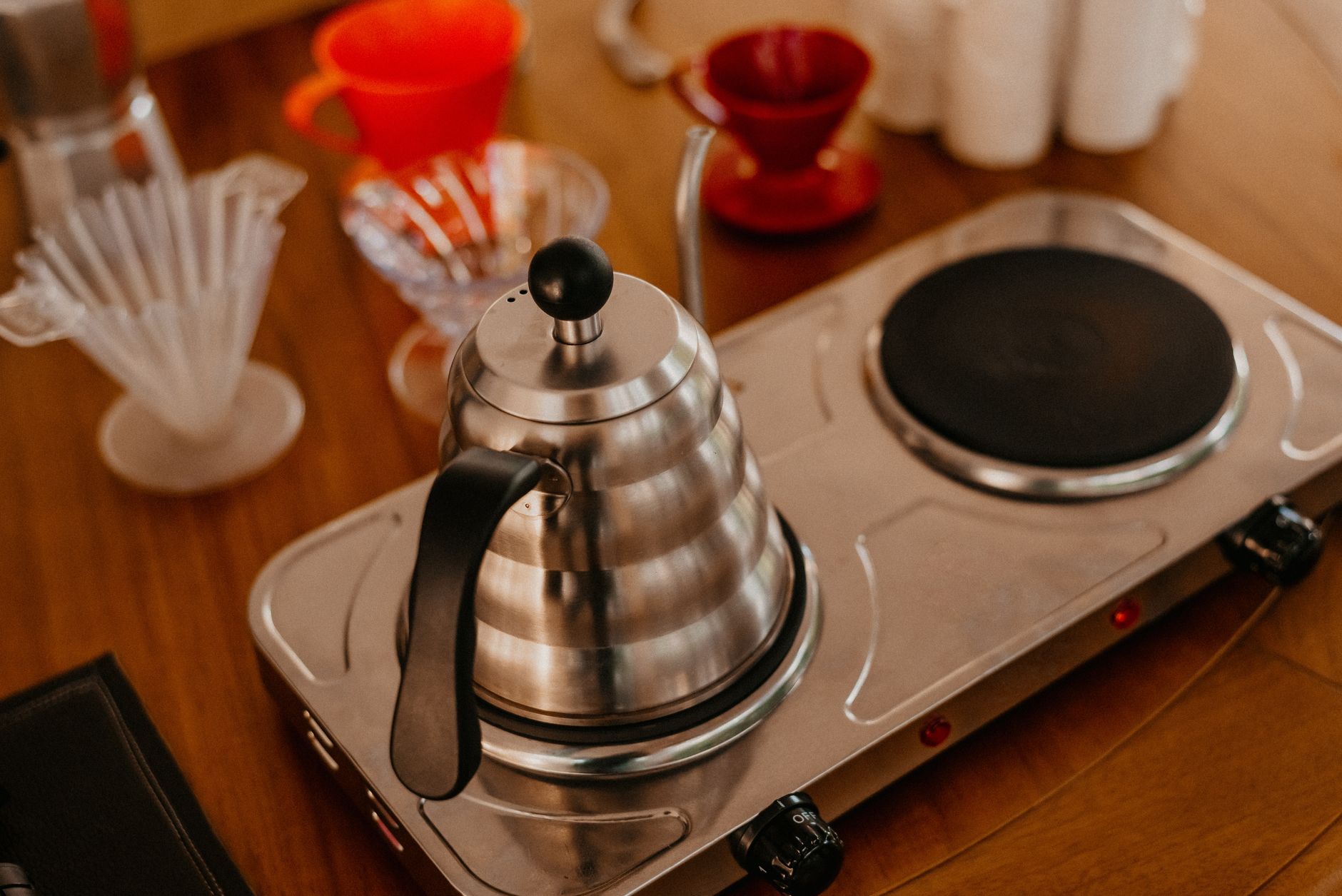
You don’t need a thermometer to brew good coffee. A full boil is 212°F at sea level — letting it sit off heat for 30–45 seconds drops it to the 200–205°F range. That’s accurate enough for most pour-over and French press work.
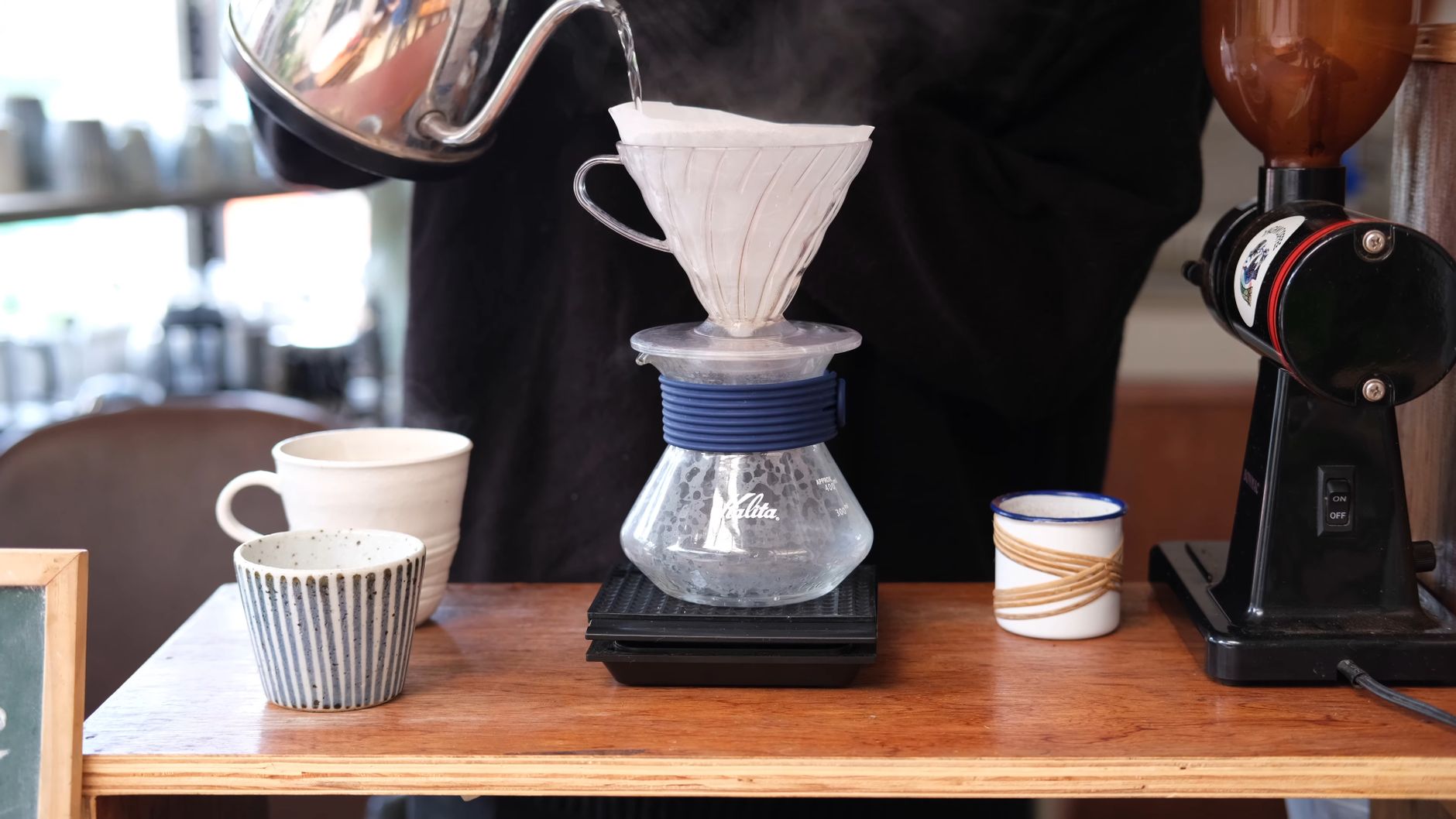 Photo: Leonid Demidov via Pexels
Practical rules:
- 30 seconds off boil → ~200–205°F (pour-over, French press, AeroPress)
- 45–60 seconds off boil → ~195–200°F (darker roasts)
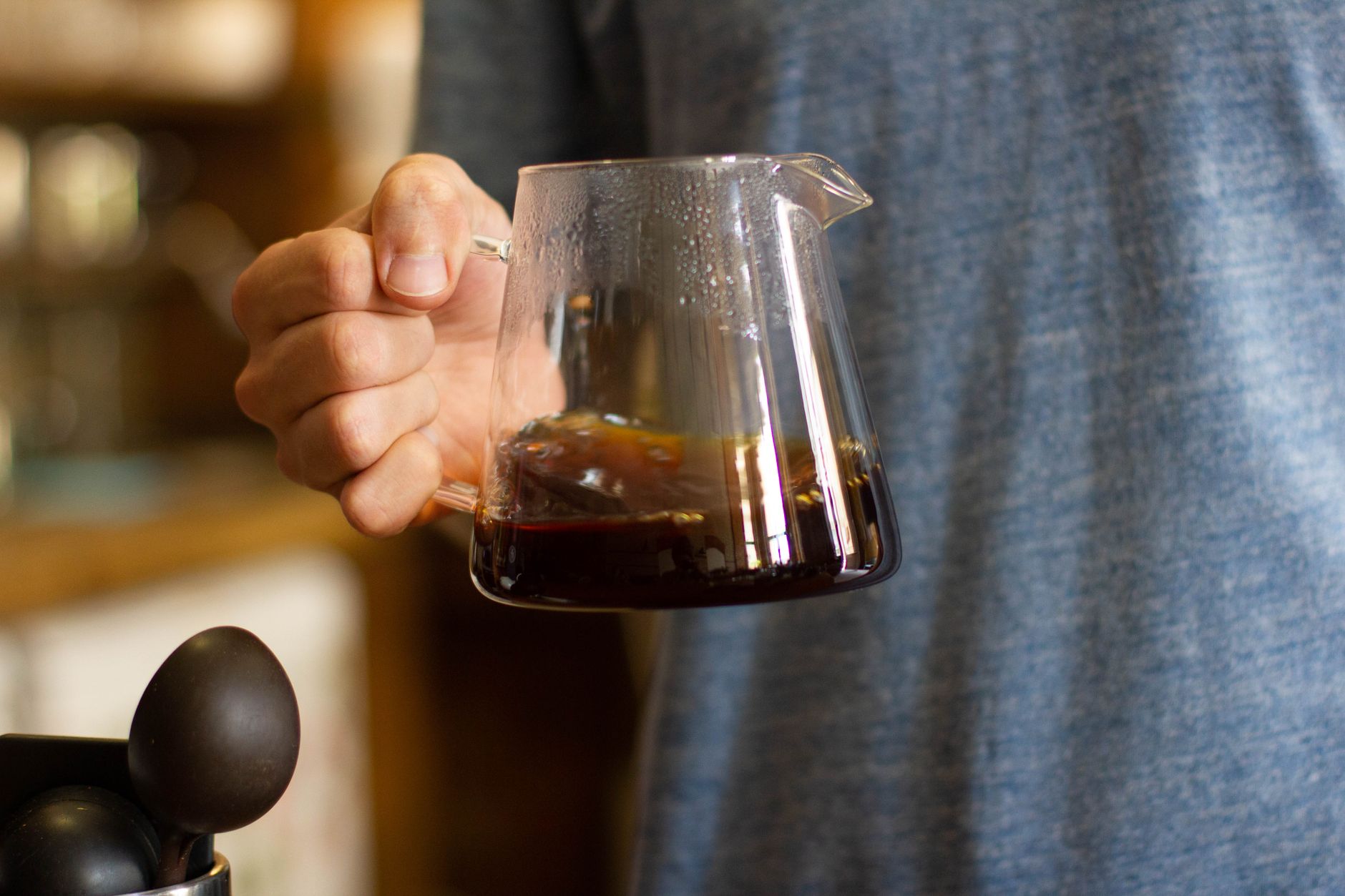
- Boil, then pour into cold server → drops ~5°F instantly (useful to cool quickly)
- Altitude adjustment: Water boils at a lower temp at altitude. At 5,000ft, boiling point is ~202°F — you’re already close to the target. No rest needed.
A variable-temperature gooseneck kettle like the Fellow Stagg EKG removes all guesswork and holds temperature precisely for the duration of a pour-over.
Coffee Module B — Brewing Guide (Temperature-Focused Pour-Over)
Extraction Parameters
| Parameter | Value |
|---|---|
| Dose | 15g coffee |
| Yield | 250g water |
| Ratio | 1:16.7 |
| Time | 3:00–3:30 |
| Temperature | 202°F / 94°C |
| Grind | Medium-fine (sea salt texture) |
Puck Prep / Bed Prep
WDT (Weiss Distribution Technique): Stir dry grounds in the filter basket or dripper with a needle tool before adding water. Breaks up clumps and creates a uniform bed.
Leveling: Tap or shake the dripper to level the bed before the bloom pour.
Pre-infusion / Bloom: Pour 2× the dose weight in water (30g) over 30–45 seconds, wetting all grounds. This degasses CO₂, which otherwise causes channeling and uneven extraction.
Channeling prevention: Pour in slow, controlled circles from center out. Never pour directly on the filter wall. Keep a consistent height (3–5cm above the bed) for even agitation.
Temperature consistency: If using a gooseneck kettle, fill it hot and start pouring within 60 seconds. Don’t let it sit — every minute of rest drops 2–3°F.
Troubleshooting Matrix
| Symptom | Likely Cause | Fix |
|---|---|---|
| Sour, sharp, thin cup | Water too cool (<195°F) | Increase temp by 3–5°F |
| Bitter, harsh, dry finish | Water too hot (>205°F) | Drop temp 3–5°F; try 200°F |
| Bland, no sweetness | Under-extraction compound issue | Raise temp AND grind finer |
| Burnt, flat, no brightness | Over-extracted dark roast | Drop to 195–197°F |
| Inconsistent cup to cup | No temperature control | Use variable-temp kettle |
| Light roast tastes acidic | Extracting too low | Push to 204–205°F |
→ See also
- How to Brew Coffee at Home: Complete Method Guide
- French Press Coffee: Complete Brewing Guide (Ratios + Technique)
- French Press Coffee-to-Water Ratio Calculator
FAQ
Does water temperature affect caffeine extraction? Not meaningfully within the 195–205°F range. Caffeine is highly soluble across that entire window and extracts early in the brew. Temperature matters far more for flavor compounds — specifically acids and bitter melanoidins — than for caffeine yield.
Can I use boiling water for coffee? For most methods, 212°F is 7–17°F above the ideal range and will scorch lighter, more delicate roasts. For dark roasts with heavy body, a brief boil pour won’t ruin the cup, but you’ll amplify bitter notes. Letting it rest 30 seconds is always the better call.
Why does my AeroPress recipe call for 175°F? Low-temp AeroPress is a specific technique — longer contact time with cooler water selectively extracts sweet, low-acid compounds while leaving harsh bitters behind. It requires a finer grind and extended steep time (2–3 minutes minimum). It’s not a shortcut; it’s a different extraction model.
Does altitude change what temperature I should brew at? Yes. At 5,000ft, water boils at ~202°F. At 10,000ft, it boils at ~194°F — below the ideal floor. At high altitude, you need to either use a pressure vessel (like a moka pot, which builds its own pressure) or accept slightly lower extraction efficiency. A variable-temperature kettle set to 205°F will still reach 205°F regardless of altitude — just don’t rely on “boiling point” as your target.
What water temperature does espresso need? Espresso targets 200–204°F (93–95.5°C), with most specialty machines allowing adjustment in 0.5°F increments. PID-controlled machines like the Breville Barista Express
Editorial methodology: Assessments are based on manufacturer specifications, published user reviews, and editorial research. Physical hands-on testing is noted explicitly where it occurred. Rankings reflect our editorial judgment and are not influenced by affiliate commission rates. Full editorial policy · Affiliate disclosure