Contents
Coffee Bloom Explained: Why Pre-Wet Your Grounds?
TL;DR: Coffee bloom is the 30–45 second pre-infusion step where you wet grounds with a small amount of hot water and let them degas before the main pour. Skipping it traps CO₂ inside the grounds, creating uneven extraction and sour, flat-tasting coffee. Coffee bloom explained simply: fresh CO₂ repels water, so you release it first.
What Is Coffee Bloom?
Coffee bloom is degassing in action. When hot water hits freshly roasted coffee grounds, dissolved CO₂ escapes rapidly, causing the bed to bubble and swell. This 30–45 second pause before the main brew allows that gas to vent so water can saturate the grounds evenly and extract flavor compounds without interference.
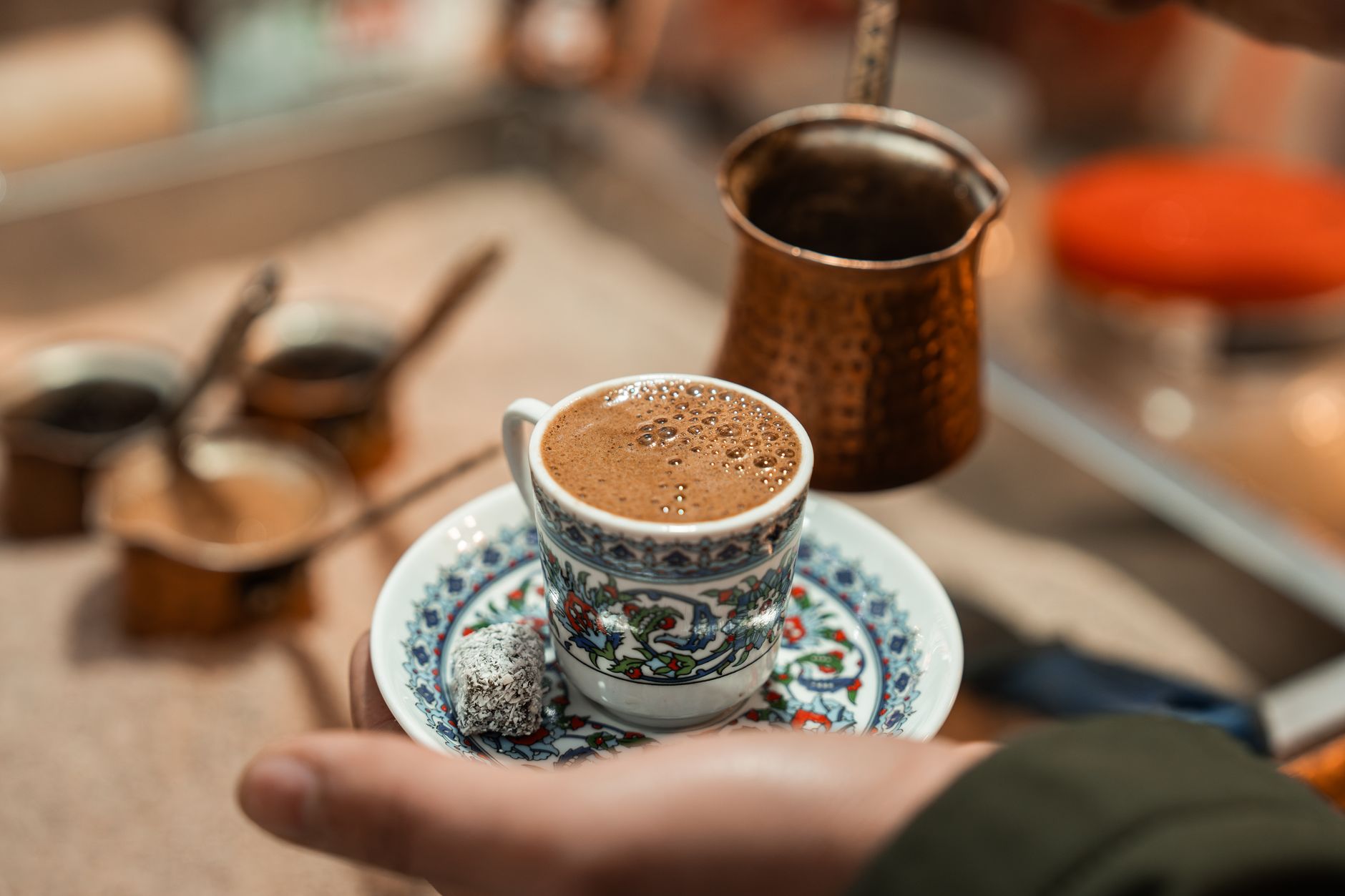
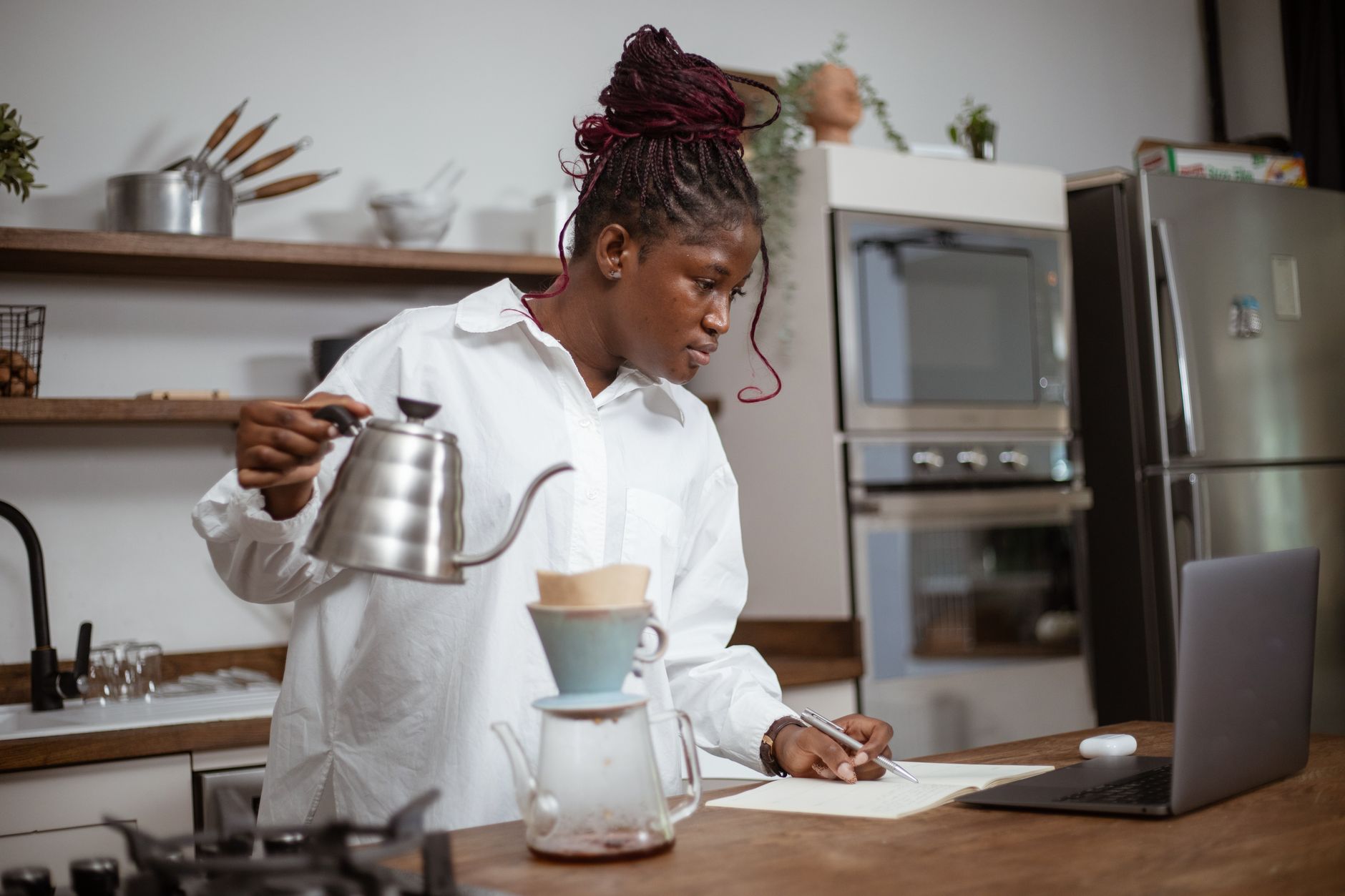 Photo: Kübra Arslaner via Pexels
Roasted coffee is essentially a CO₂ sponge. The roasting process drives carbon dioxide deep into the bean’s cell structure, and it continues off-gassing for days to weeks after roast. Grind the beans and the surface area explodes — so does the rate of CO₂ release.
When you add water without blooming, that escaping gas forms a barrier between water and ground coffee. Water gets deflected unevenly. Some grounds get over-extracted, others barely touched. The result: flat, sour, or muddled flavor with none of the brightness and clarity specialty coffee delivers.
How to Bloom Coffee Correctly
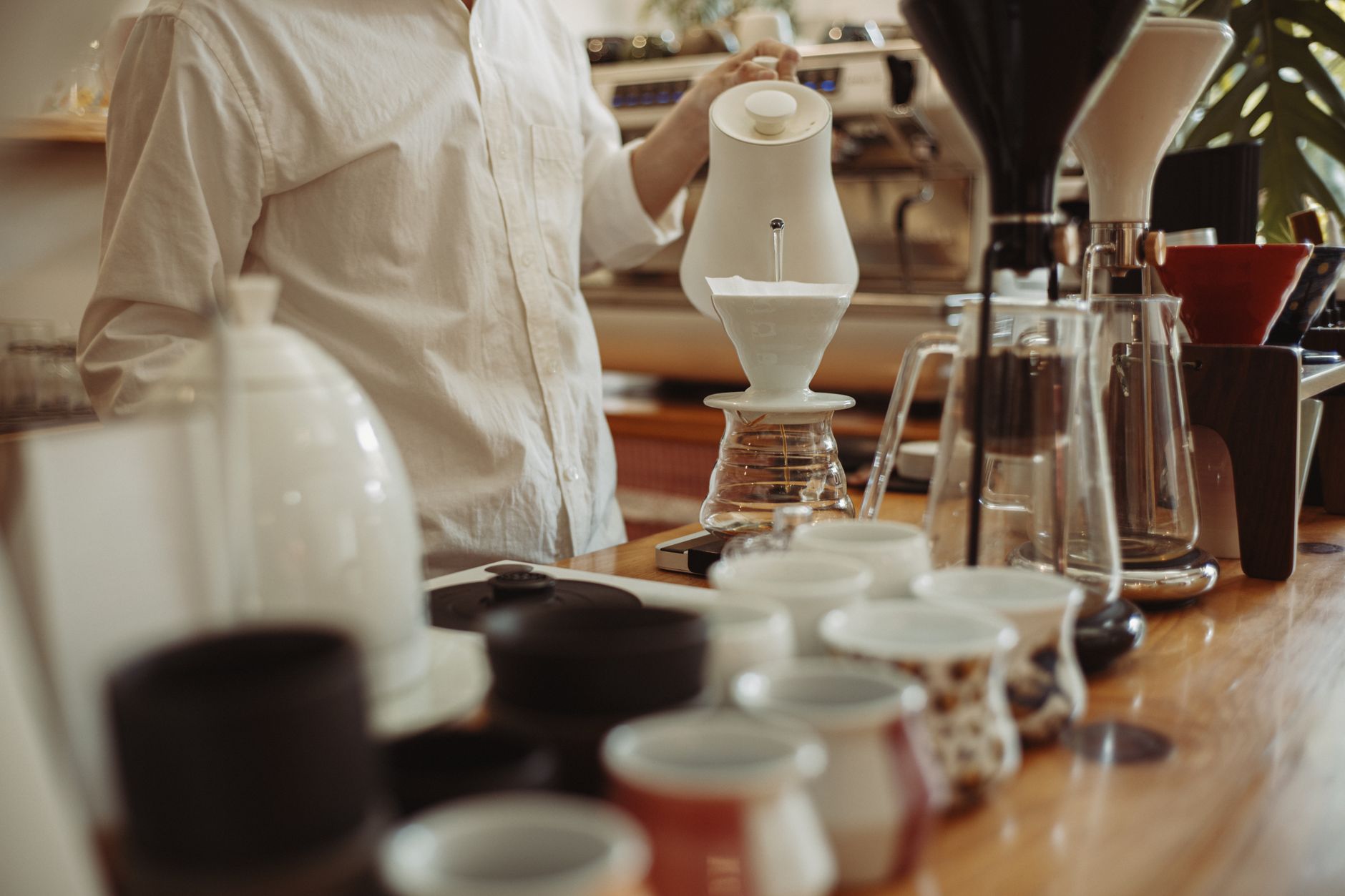
Use 2× the weight of your coffee dose in water. Pour slowly and evenly over all the grounds, ensuring full saturation. Wait 30–45 seconds. Then proceed with your main pour. Fresher coffee blooms more aggressively — that’s a feature, not a problem.
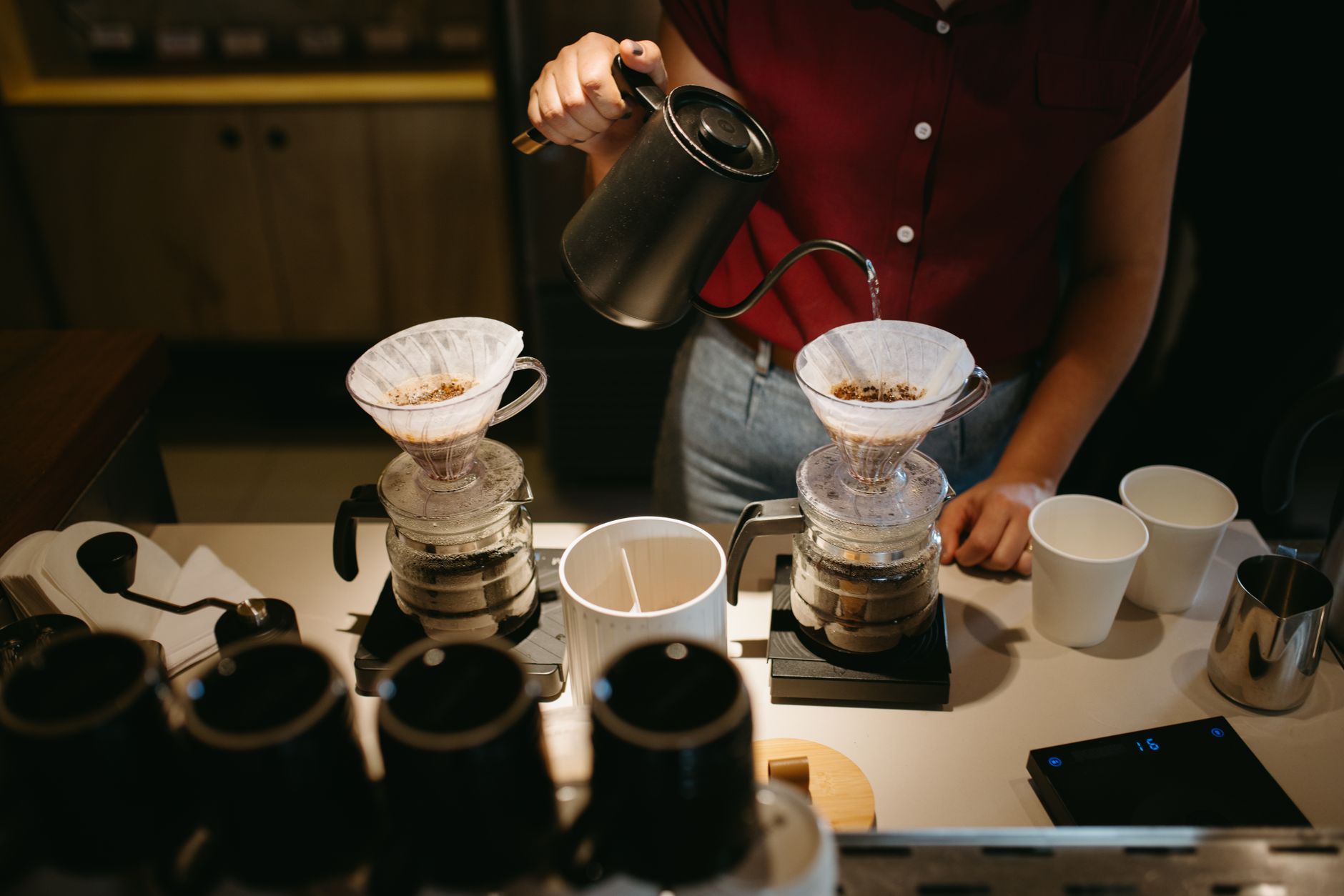 Photo: Jonathan Borba via Pexels
The ratio matters. Too little water and some grounds stay dry; too much and you’ve already started extraction before degassing finishes. The 2:1 water-to-coffee ratio (e.g., 60g water for 30g coffee) hits the sweet spot across most brew methods.
Timing depends on roast age:
- Roasted within 1 week: bloom for 45 seconds — high CO₂, needs the full window
- Roasted 1–3 weeks: 30–40 seconds works well
- Roasted 4+ weeks: 20–30 seconds; CO₂ has already dissipated naturally
Watch the bloom as a freshness indicator. A vigorous dome with visible bubbling means high-quality, recently roasted coffee. A flat, barely-reactive bloom suggests stale beans — no blooming technique will fix that.
Does Bloom Matter for All Brew Methods?
Bloom is most critical for pour over, AeroPress, and French press. Espresso machines handle it through pre-infusion. Drip machines mostly skip it unless they have a built-in bloom setting — which is why most drip coffee tastes flatter than pour over brewed from the same beans.
 Photo: Ersan Yılmaz via Pexels
Pour Over
Pour over brewing is where bloom has the most dramatic impact. The gravity-fed, open-air environment has no mechanism to force water through CO₂ resistance — uneven saturation directly equals uneven extraction. A proper bloom is non-negotiable for a clean, balanced cup.
AeroPress
The AeroPress benefits from bloom whether you use the standard or inverted method. Add the bloom water, stir once gently to ensure full coverage, and wait 30 seconds before adding the remaining water.
French Press
French press bloom is underused but effective. Add bloom water, give the grounds a slow stir to saturate the bed, and wait 30 seconds before adding the rest. This alone often eliminates the muddy, bitter notes that make people dismiss French press coffee.
Drip Machines
Most drip machines don’t bloom — water hits the grounds and immediately passes through. Higher-end machines like the Breville Precision Brewer and Technivorm Moccamaster include a bloom/pre-infusion setting that pauses after the initial saturation. If your machine doesn’t have this, you can pre-bloom manually by wetting the grounds in the basket before starting the brew cycle.
Bloom Brewing Guide
Extraction parameters for a standard pour over bloom:
| Parameter | Value |
|---|---|
| Dose | 15–30g coffee |
| Bloom water | 2× dose weight (30–60g) |
| Bloom time | 30–45 seconds |
| Total water | 15× dose weight |
| Temperature | 93–96°C (199–205°F) |
| Grind | Medium to medium-fine |
Puck prep / bed prep:
- Rinse your filter before adding grounds to remove paper taste and pre-heat the vessel
- Level the ground bed with a gentle tap before blooming — uneven beds bloom unevenly
- Pour bloom water in slow, tight circles from center outward to saturate all grounds
- Do not stir during bloom — let CO₂ vent naturally
- Watch for the dome to collapse slightly before adding remaining water
Troubleshooting:
| Symptom | Likely Cause | Fix |
|---|---|---|
| Bloom doesn’t bubble | Stale coffee or too-coarse grind | Use fresher beans; check grind size |
| Coffee tastes sour after blooming | Bloom too short, extraction under | Extend bloom to 45s; increase brew temp |
| Coffee tastes bitter | Bloom too long, water too hot | Reduce bloom to 30s; drop temp 2°C |
| Uneven saturation during bloom | Poor pour technique or dry grind | Use gooseneck kettle; pour slowly in circles |
| Over-extracted despite bloom | Grind too fine | Coarsen grind one notch |
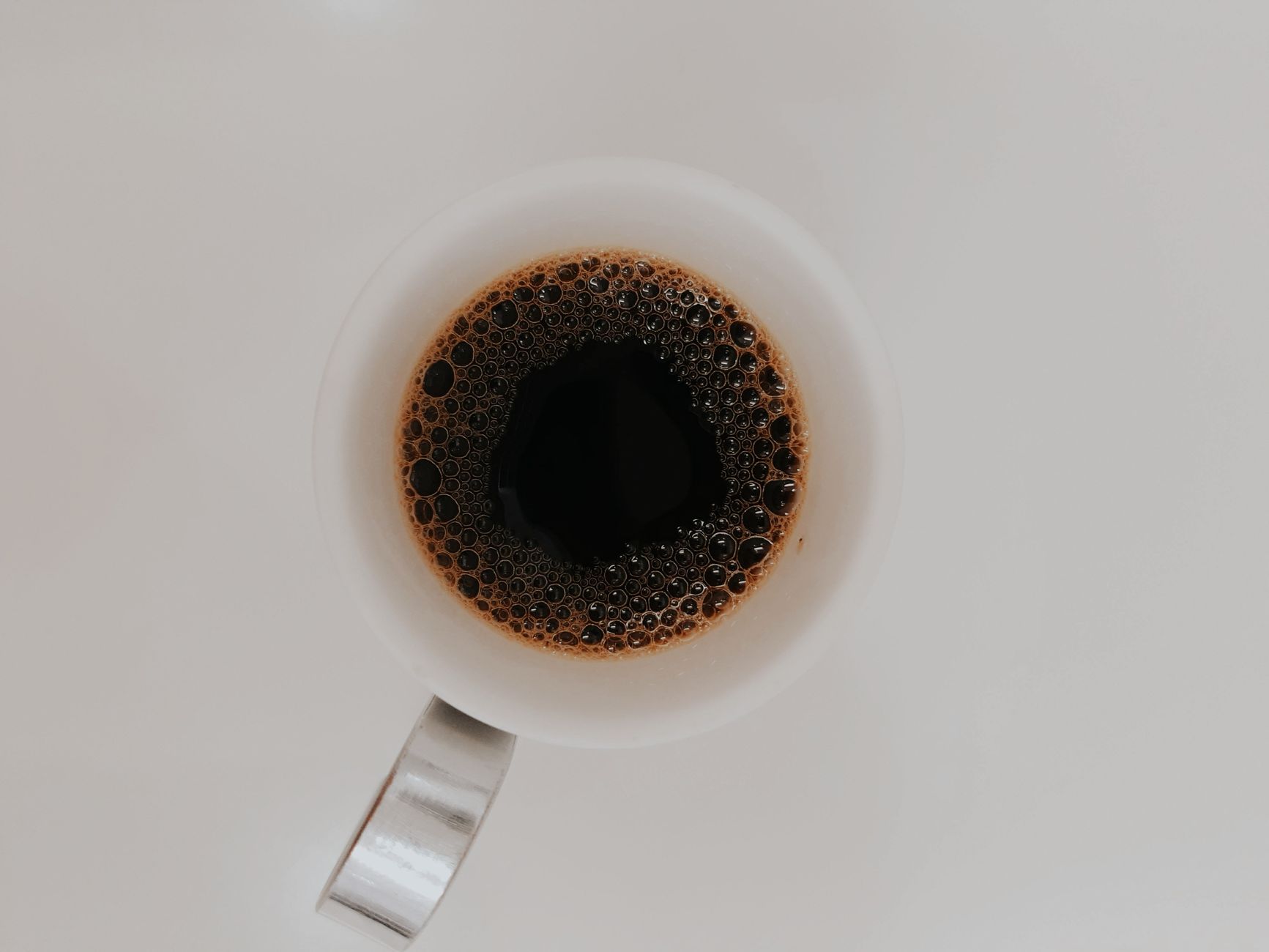
 Photo: Mikhail Nilov via Pexels
→ See also:
- How to Brew Coffee at Home: Complete Method Guide
- French Press Coffee: Complete Brewing Guide (Ratios + Technique)
- French Press Coffee-to-Water Ratio Calculator
FAQ
Does coffee bloom affect taste that much? Yes — especially with fresh coffee roasted within two weeks. Skipping the bloom produces noticeably flat, sour, or muddy cups because CO₂ disrupts even water contact with the grounds. With older beans (4+ weeks from roast), the difference is smaller since most CO₂ has already dissipated.
How long should I bloom coffee? 30–45 seconds is the standard window. Fresh, recently roasted coffee needs closer to 45 seconds; older coffee benefits from 25–30 seconds. If you’re unsure, 35 seconds covers most scenarios without over- or under-blooming.
Can you bloom coffee in a drip machine? Yes, manually. Add the grounds to the basket, pour hot water from a kettle to saturate them (about 2× the coffee weight), wait 30 seconds, then start the machine. It adds a step but meaningfully improves flavor, especially with fresh beans.
Why does my coffee bloom so much? Heavy blooming means your coffee is very fresh and high in CO₂ — this is a good sign. Beans roasted within a few days will bloom aggressively. Some specialty roasters recommend waiting 3–7 days after roast date before brewing to let CO₂ dissipate to a level that balances bloom activity with extraction stability.
Does water temperature affect the bloom? Yes. Hotter water (95°C+) accelerates CO₂ release and speeds up the bloom reaction. Cooler water (88–90°C) blooms more slowly. Use the same temperature for your bloom water as your main brew water — switching temps mid-brew introduces inconsistency.
Editorial methodology: Assessments are based on manufacturer specifications, published user reviews, and editorial research. Physical hands-on testing is noted explicitly where it occurred. Rankings reflect our editorial judgment and are not influenced by affiliate commission rates. Full editorial policy · Affiliate disclosure