Contents
Siphon Coffee Maker Guide: Is It Worth the Effort?
TL;DR: A siphon coffee maker produces a remarkably clean, tea-like cup that highlights delicate floral and fruit notes better than almost any other method. It’s genuinely worth the effort if you’re chasing clarity and complexity — but it’s theatrical, fragile, and slow. This siphon coffee maker guide covers everything from setup to troubleshooting so you can decide before you buy.
What Is a Siphon Coffee Maker?
A siphon (vacuum pot) brews coffee using vapor pressure and vacuum suction. Heat forces water up into an upper chamber where it steeps with grounds; removing heat creates a vacuum that pulls brewed coffee back down through a filter. The result is a sediment-free, full-immersion cup with unusual clarity and body.
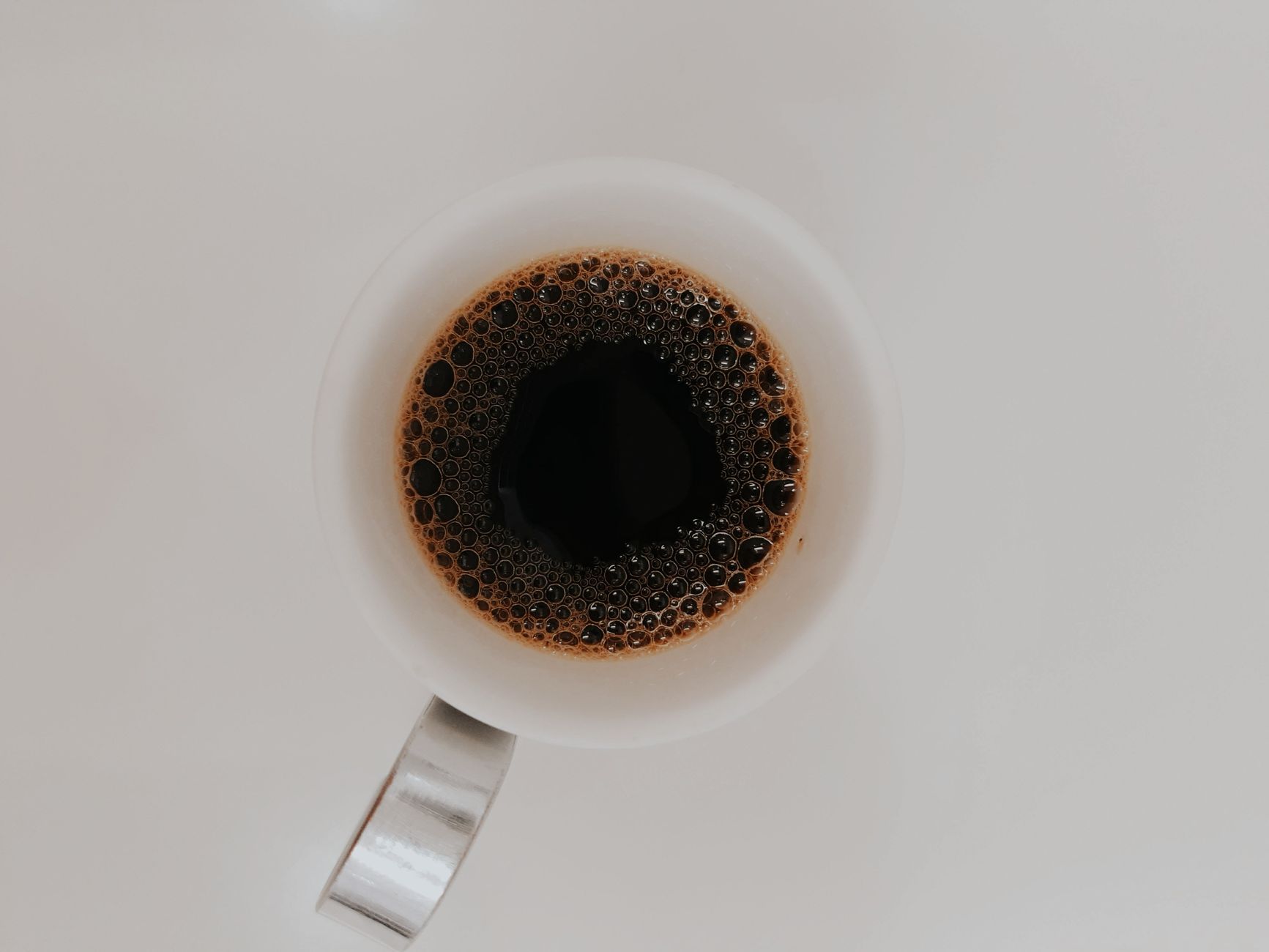
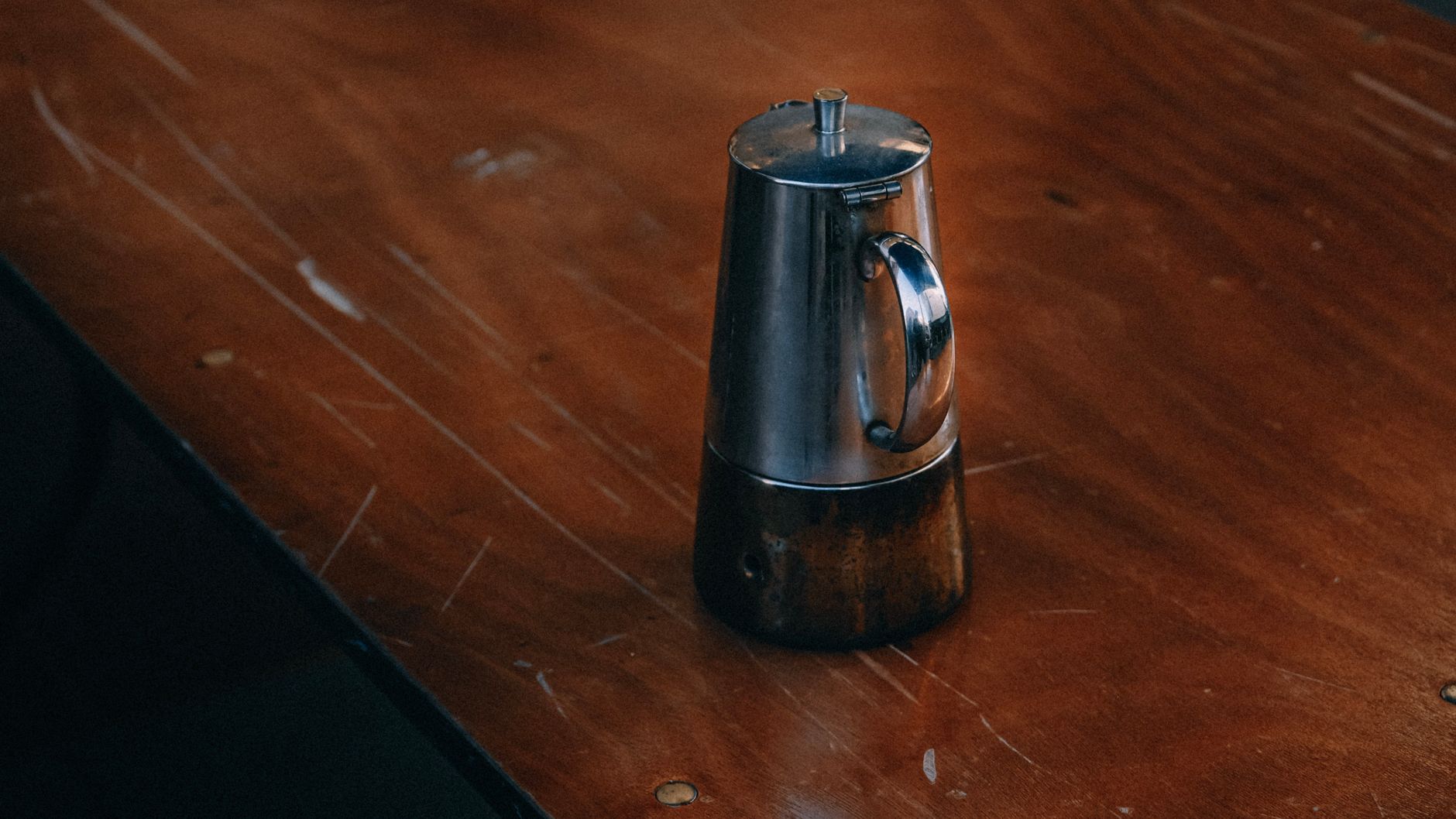 Photo: Mathias Reding via Pexels
Also called a vacuum pot or vac pot, the siphon dates to 1830s Europe. The physics haven’t changed: sealed lower chamber → vapor pressure pushes water up → steep → seal broken → vacuum draws coffee down. It looks like a chemistry experiment because it basically is one.
Modern siphons come in glass, metal, or ceramic upper chambers, and use cloth, paper, or metal mesh filters. Cloth filters produce the most complex cup; paper filters add a bit more clarity.
Siphon vs. Other Brewing Methods
Head-to-head against pour over and French press, siphon sits in a unique middle ground: the full-immersion extraction depth of French press with the sediment-free clarity of pour over. It brews hotter than most methods (~92–96°C at the grounds), which matters for extracting delicate high-grown coffees.
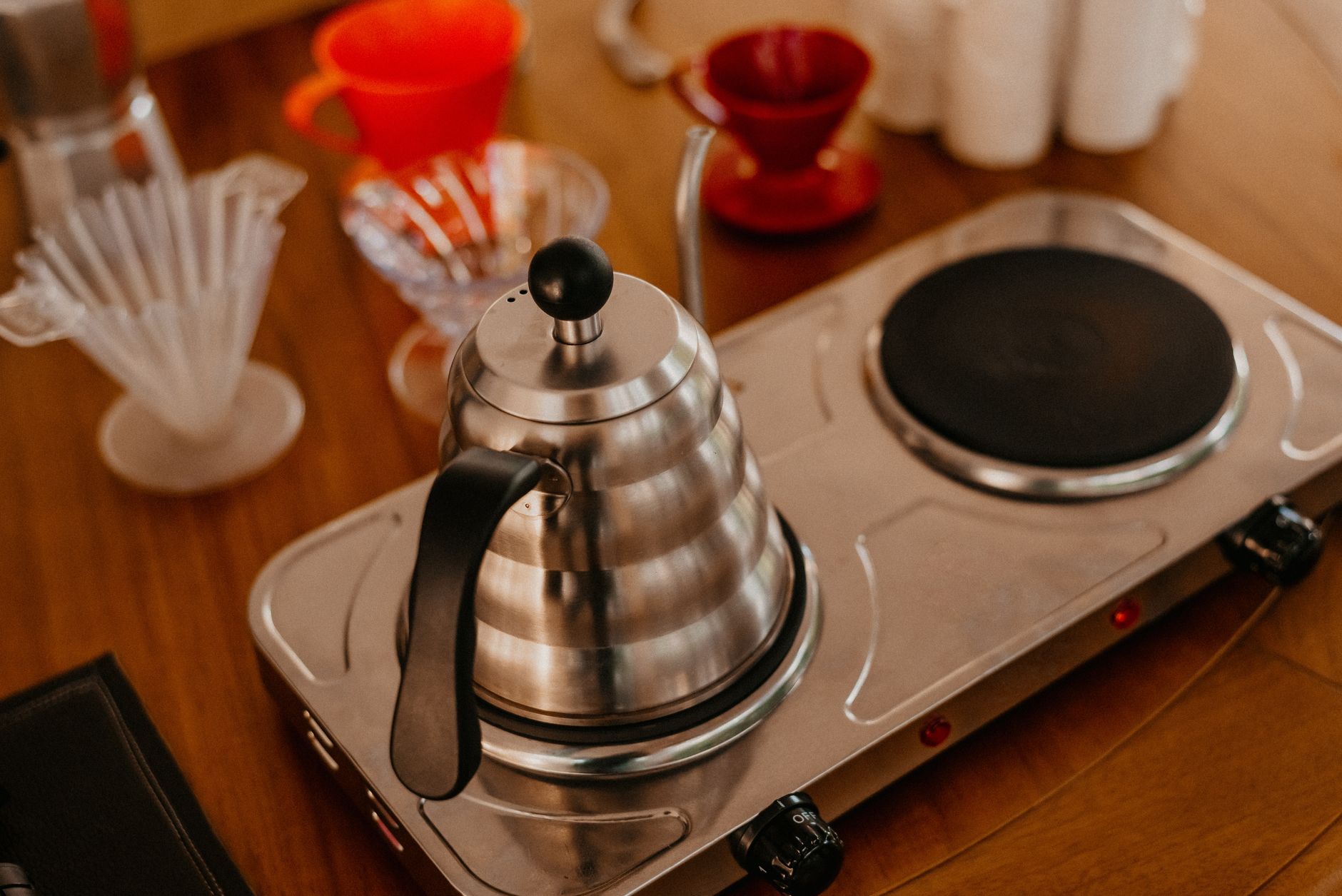
 Photo: Ron Lach via Pexels
| Feature | Siphon | French Press | Pour Over |
|---|---|---|---|
| Clarity | High | Low (sediment) | High |
| Body | Medium-full | Heavy | Light-medium |
| Brew time | 3–5 min total | 4 min steep | 3–4 min |
| Difficulty | High | Low | Medium |
| Equipment cost | $60–$250+ | $20–$60 | $15–$80 |
| Fragility | High (glass) | Medium | Low–medium |
| Ideal for | Floral/fruity light roasts | Bold, oils-heavy roasts | Nuanced single origins |
How to Brew: Siphon Coffee Maker Step-by-Step
The siphon rewards precision. Inconsistent grind, wrong dose, or pulling the heat too early all flatten the cup. Once dialed in, the process is repeatable — but it takes 3–5 practice brews to feel natural.
Extraction Parameters
| Parameter | Target |
|---|---|
| Dose | 15–17 g per 240 ml |
| Yield | 200–220 ml (accounting for absorption) |
| Ratio | 1:14 to 1:15 |
| Brew temp | 92–96°C at the upper chamber |
| Total time | 60–90 sec steep after full water rise |
| Grind | Medium (slightly coarser than pour over) |
Equipment You’ll Need
- Siphon brewer (Hario Technica or Yama Glass are reliable entry points)
- Butane burner or halogen beam heater
- Digital scale
- Timer
- Bamboo paddle or stir stick
Step-by-Step Process
1. Pre-wet the filter. Soak a cloth filter in hot water for 30 seconds before attaching. This removes any fiber taste and seats it properly.
2. Add water to the lower globe. Measure your water (240 ml) into the bottom chamber. For speed, use near-boiling water — cold water takes 4–5 minutes to rise.
3. Attach the upper chamber. Seat it firmly but at a slight angle until the water begins to rise, then lock it vertical.
4. Apply heat. Over a butane burner, water rises in 60–90 seconds. Watch for a consistent slow bubble in the upper chamber — that’s your signal it’s ready.
5. Add grounds and stir. Pour grounds in, start your timer, and stir gently in a figure-8 pattern for 10 seconds to saturate evenly.
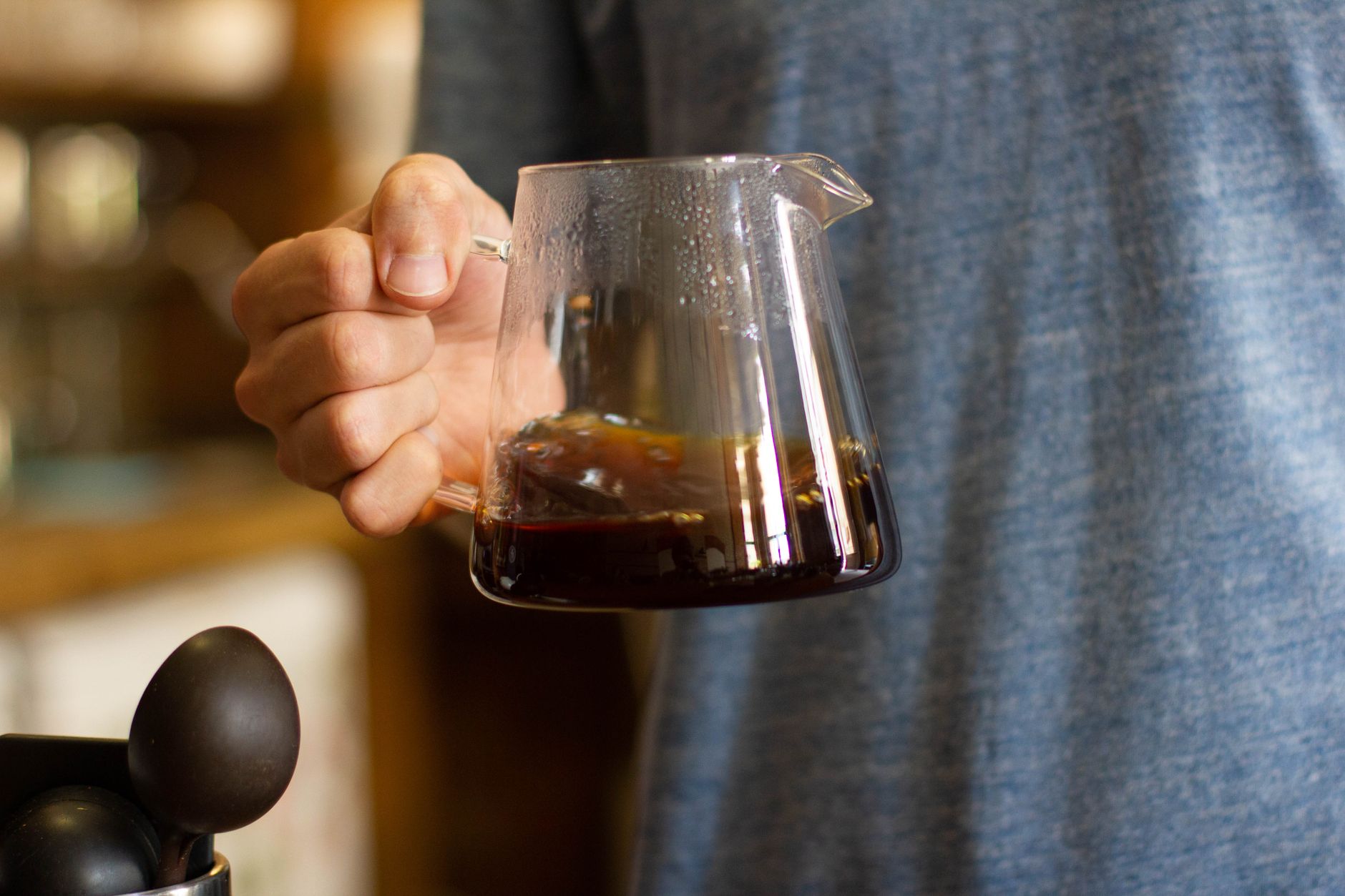
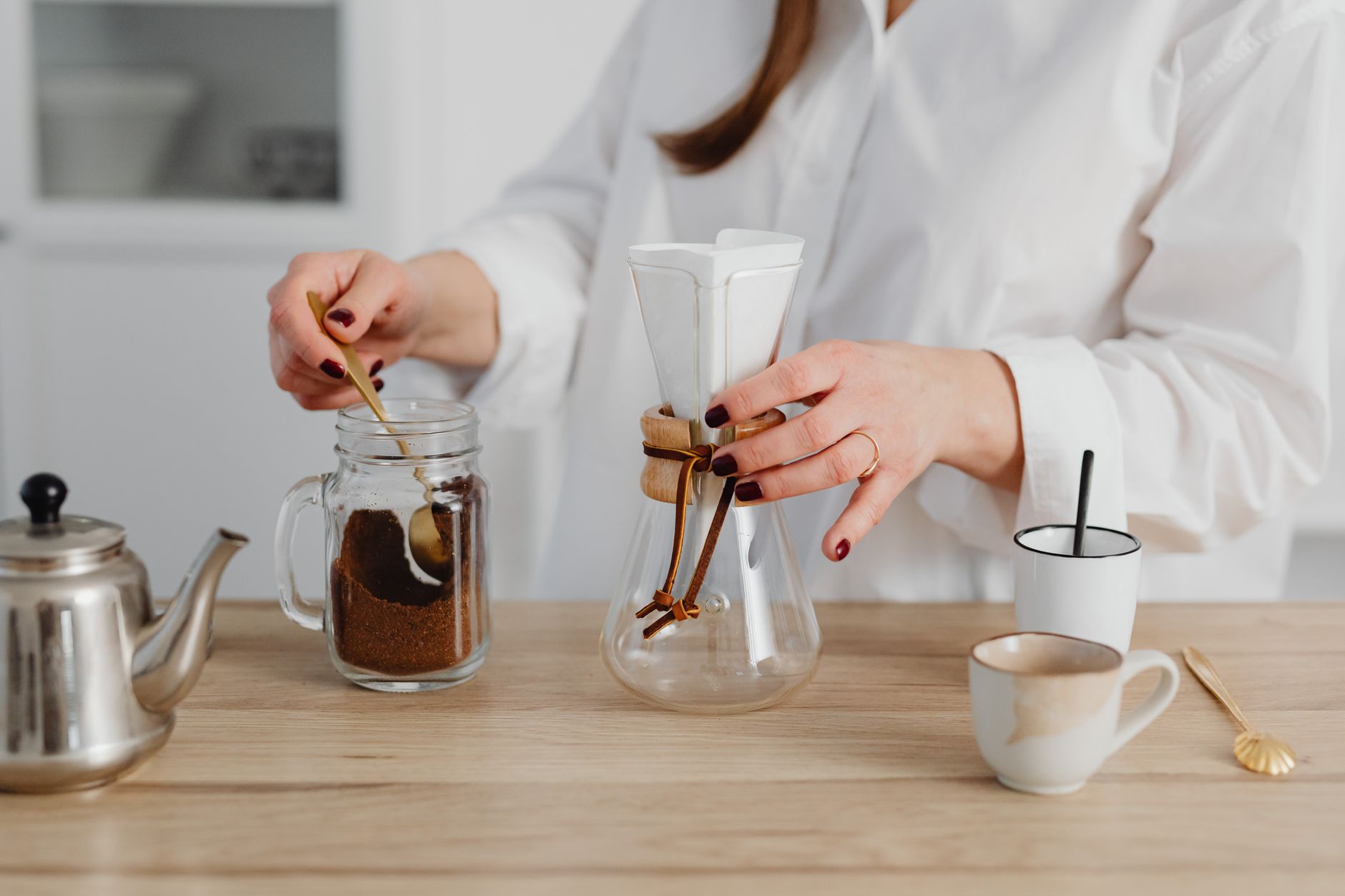 Photo: https://kaboompics.com/ via Pexels
6. Steep. 60–75 seconds for most light roasts. Stir once at the 30-second mark.
7. Remove heat. Pull the burner away (or turn it off). The vacuum draws the coffee down in 30–45 seconds. A dome of grounds should form above the filter — this is correct.
8. Serve immediately. Siphon coffee cools fast. Warm your cups beforehand.
Puck Prep and Extraction Notes
Unlike espresso, there’s no puck to prep — but distribution matters. An uneven pour of grounds creates channeling in the downward draw, producing bitter streaks. Stir twice: once at the start, once mid-steep.
Pre-infusion equivalent: The 10-second initial stir functions like pre-infusion, saturating grounds and releasing CO₂ before extraction begins.
Channeling prevention: Use a consistent circular stir motion and make sure the filter is centered before you add grounds.
Troubleshooting Matrix
| Symptom | Likely Cause | Fix |
|---|---|---|
| Bitter, over-extracted cup | Steep too long or grind too fine | Reduce steep to 60 sec; coarsen grind one step |
| Weak, watery cup | Grind too coarse or under-dosed | Dose up 1–2 g or fine-tune grind finer |
| Slow drawdown (>90 sec) | Filter clogged or grind too fine | Replace/clean cloth filter; coarsen grind |
| Grounds in the cup | Filter not sealed properly | Re-seat filter; use a new cloth if worn |
| Water won’t rise fully | Seal broken between chambers | Check upper chamber lock; look for cracks |
| Flat, dull flavor | Coffee too old or wrong roast level | Use fresh beans <2 weeks off roast; try a light roast |
Best Coffees for Siphon Brewing
Light to medium roasts with natural or washed process shine brightest in a siphon. The clean extraction amplifies floral, citrus, and stone fruit notes that darker roasts bury. Ethiopian Yirgacheffe, Kenyan AA, and Panamanian Geisha are benchmark choices.
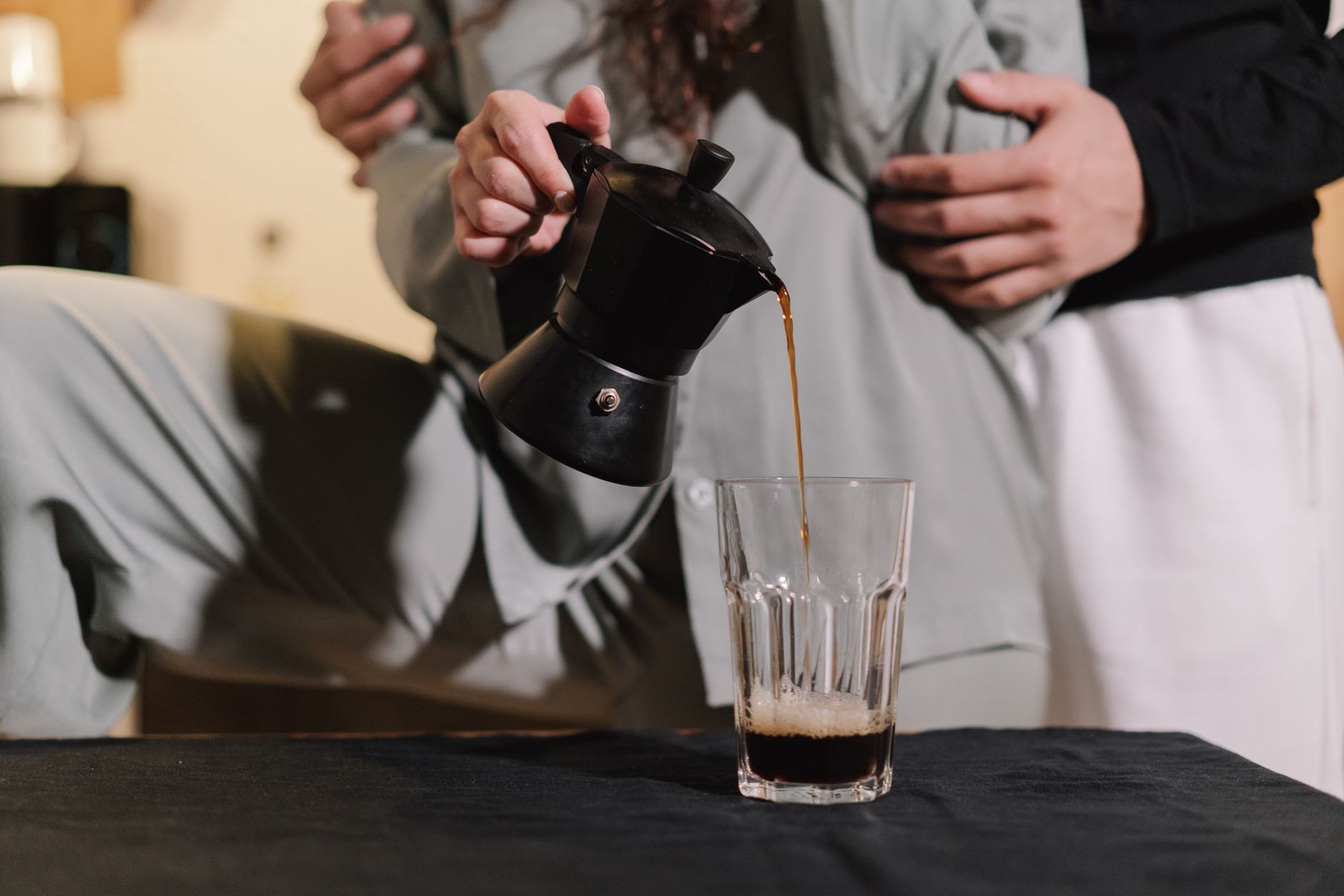
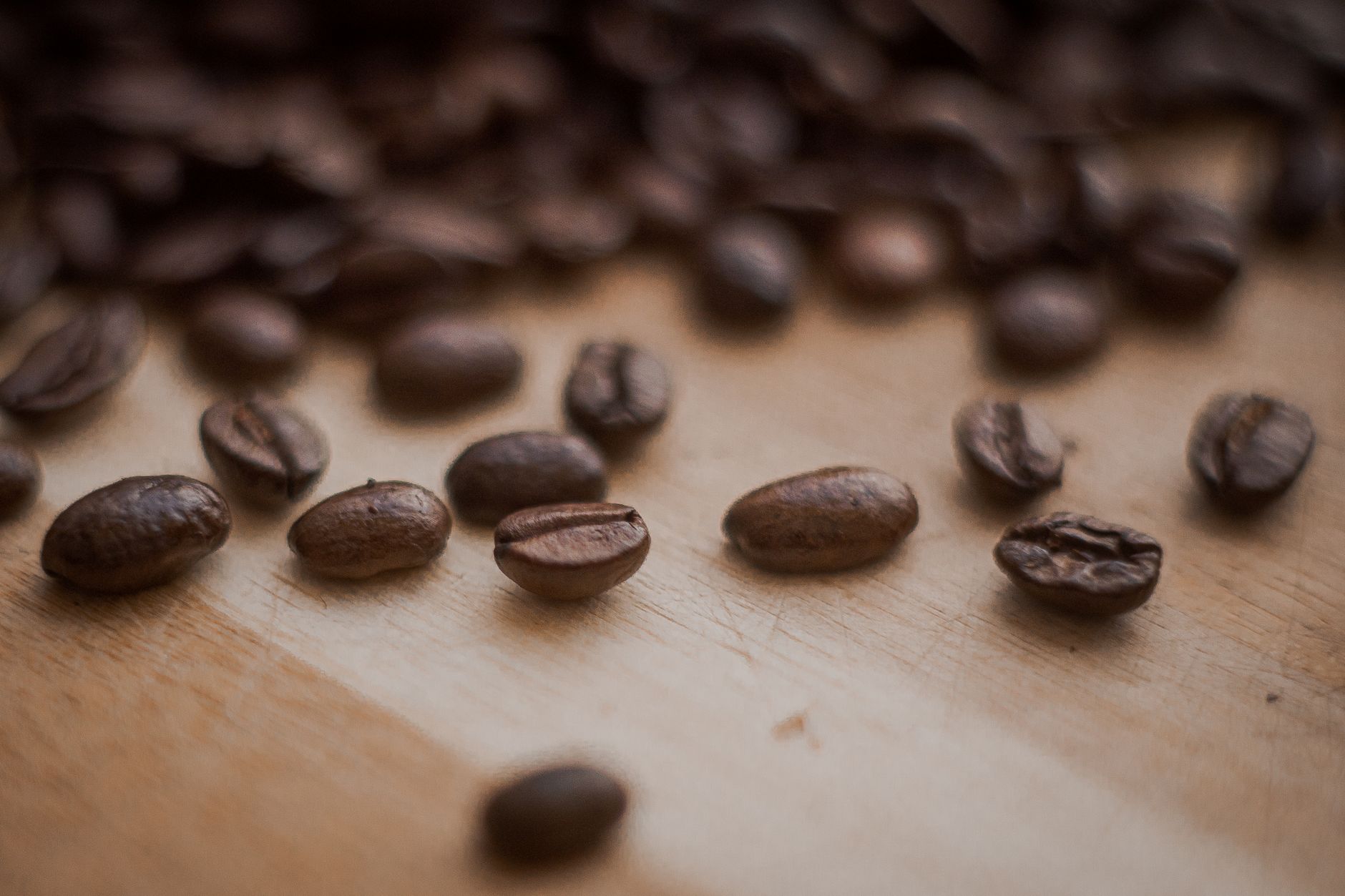 Photo: Becca Mitchell via Pexels
Dark roasts aren’t wrong — they produce a bold, clean cup without French press sludge — but the method’s advantage (clarity) is wasted on heavily roasted beans where oils dominate anyway.
Avoid anything older than 3–4 weeks off-roast. The siphon’s full-immersion extraction exposes stale CO₂ degassing more than most methods.
Is a Siphon Coffee Maker Worth Buying?
Yes, with conditions. If you brew for one or two people and genuinely enjoy the process as part of the experience, the siphon delivers a cup quality that’s hard to match. If you want fast, low-maintenance coffee, buy a quality pour-over setup instead.
| You’ll love it if… | You’ll hate it if… |
|---|---|
| You enjoy the ritual | You brew on autopilot before work |
| You drink light, floral roasts | You prefer bold, heavy body |
| You have 10–15 min to brew | You need coffee in under 5 min |
| You like gear as an aesthetic object | You want minimal kitchen clutter |
| You’re hosting and want a showpiece | You’re brewing for a crowd |
The hardware investment is modest — a Hario Technica runs around $65, and a decent butane burner adds $20–30. The real cost is time and attention.
→ See Also
- How to Brew Coffee at Home: Complete Method Guide
- French Press Coffee: Complete Brewing Guide (Ratios + Technique)
- French Press Coffee-to-Water Ratio Calculator
FAQ
What grind size should I use for a siphon coffee maker? Medium grind — slightly coarser than pour over, finer than French press. On a stepped grinder like a Baratza Encore, settings 15–18 work well as a starting point. Adjust based on drawdown speed: if it takes longer than 90 seconds, go coarser.
Can I use a siphon coffee maker on an electric stove? Not with a halogen or induction burner element built for it, which is the ideal. Standard electric coil burners work but make heat control difficult. A tabletop butane burner ($15–25) is the practical solution for most home kitchens.
How do I clean a siphon coffee maker? Rinse the glass immediately after each use — dried coffee oils are hard to remove. The cloth filter needs to be rinsed in hot water and stored wet in the fridge (or dry fully before storing) to prevent mold. Disassemble fully once a week and wash with warm soapy water, avoiding abrasive scrubbers on the glass.
Why does my siphon coffee taste bitter? Most bitterness in siphon brewing comes from over-extraction: steep time too long, grind too fine, or brew temperature too high. Start at 60 seconds steep with a medium grind. If it’s still bitter, coarsen the grind before shortening steep time — grind size has a larger impact on extraction rate than time in this method.
What’s the difference between a cloth and paper siphon filter? Cloth filters (typically flannel) produce a slightly heavier body with more oils in the cup and a fuller mouthfeel. Paper filters strip more oils and produce a lighter, cleaner cup similar to pour over. Most siphon enthusiasts use cloth; paper is easier to maintain hygienically.
Editorial methodology: Assessments are based on manufacturer specifications, published user reviews, and editorial research. Physical hands-on testing is noted explicitly where it occurred. Rankings reflect our editorial judgment and are not influenced by affiliate commission rates. Full editorial policy · Affiliate disclosure