
Contents
Vibration Pump vs Rotary Pump Espresso Machines
TL;DR: For home use, a vibration pump vs rotary pump espresso machine comes down to noise, cost, and plumbing. Vibration pumps are loud, cheaper, and ideal for occasional home use. Rotary pumps run quietly, last longer, and suit high-volume or plumbed-in setups — but cost significantly more.
What’s the Actual Difference?
Vibration pumps (vibe pumps) use an electromagnetic coil to push a piston back and forth, generating pressure in pulses. Rotary pumps use a spinning motor-driven disc to move water smoothly and continuously. The result: vibe pumps are cheap and compact; rotary pumps are quiet, consistent, and built for volume.
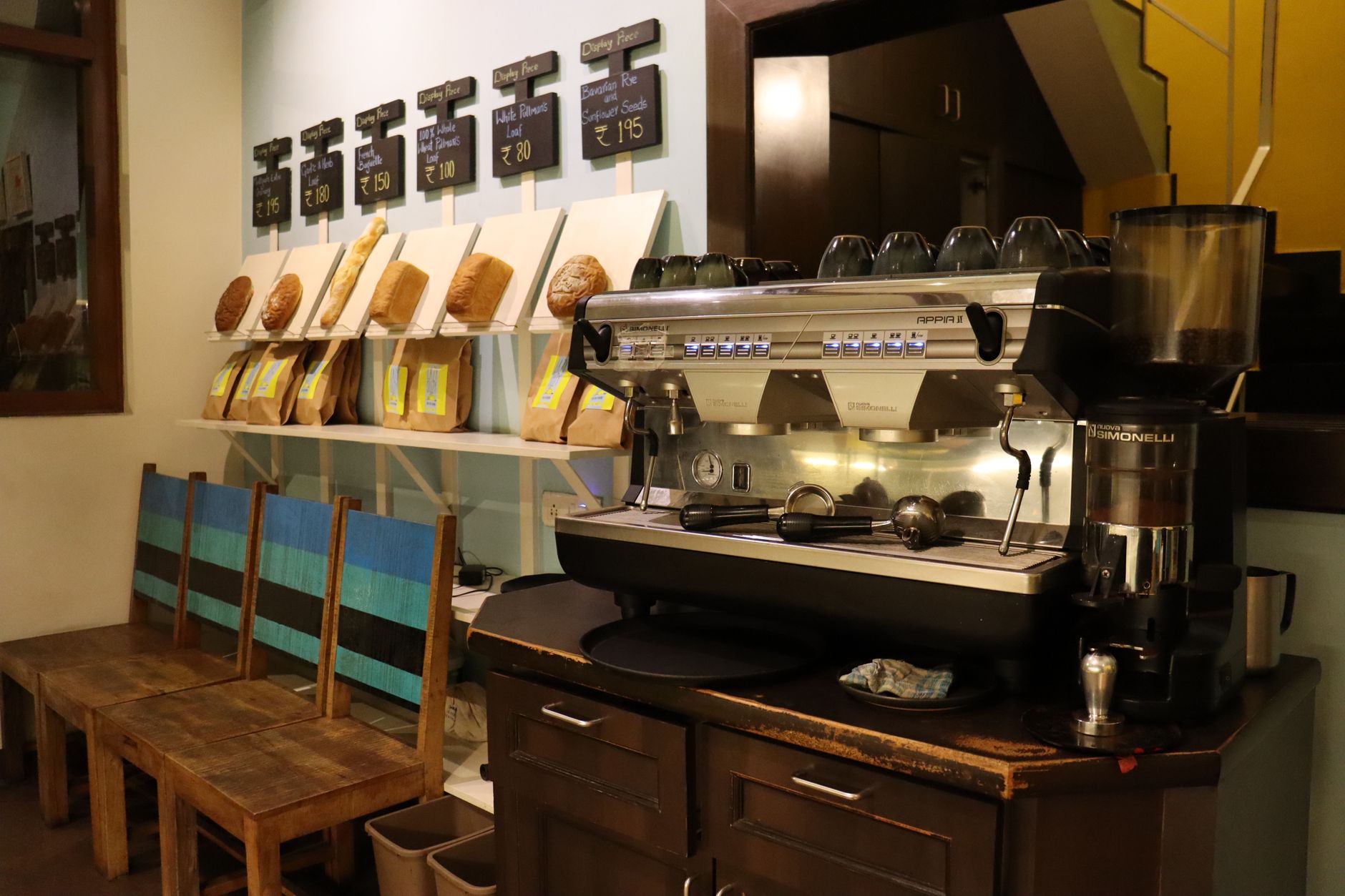 Photo: Aaryan Jain via Pexels
Both types target 9 bar of extraction pressure, but how they get there differs meaningfully:
- Vibe pumps pulse at 50–60 Hz (matching mains frequency), creating audible vibration and slight pressure oscillation. That pulsing is mostly irrelevant to shot quality at home — your puck prep matters far more.
- Rotary pumps spin continuously, delivering steady pressure with near-silent operation. They also accept direct plumbing (no reservoir needed) and handle back-pressure better, which matters for machines with pre-infusion or flow control.
The pressure consistency difference is real but small in practice. Both can pull excellent espresso. The practical gap is noise, longevity, and cost.
Noise: The Most Noticeable Difference
A vibe pump sounds like a loud electric razor for the duration of your shot — 20 to 30 seconds of 60–75 dB. A rotary pump hums quietly under the machine, typically under 55 dB. If you pull shots early morning in a shared space, this gap is decisive.
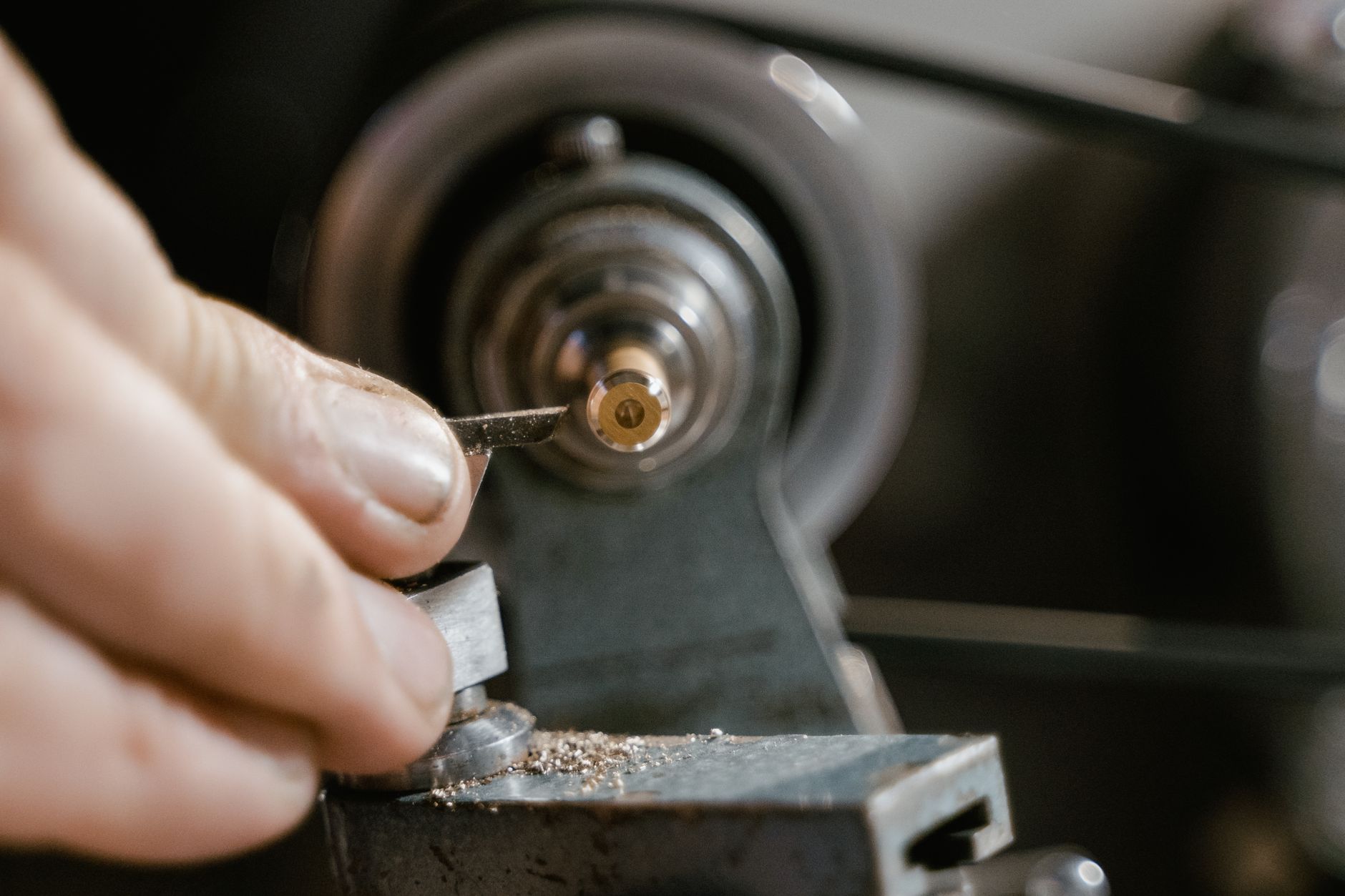 Photo: Tima Miroshnichenko via Pexels
Vibe pump noise comes from the piston hammering against a spring at mains frequency. You can dampen it slightly by placing the machine on a rubber mat, but you cannot eliminate it. Some prosumer machines like the ECM Synchronika use rubber-mounted vibe pumps to reduce resonance — it helps, but it’s still louder than any rotary.
Rotary pump machines like the La Marzocco Linea Mini or Rocket Espresso R Nine One produce a low, barely-audible whir. In a café environment, you’d miss it entirely.
Cost and Longevity
Vibe pumps cost $15–$40 to replace and last 1,000–2,000 hours of run time. Rotary pumps cost $150–$400 to replace and can run 10,000+ hours. For home users pulling two shots a day, a vibe pump lasts years; for a café pulling 200+ shots daily, a rotary is the only practical choice.
| Factor | Vibration Pump | Rotary Pump |
|---|---|---|
| Unit cost | $15–$40 | $150–$400 |
| Noise level | 60–75 dB | 45–55 dB |
| Lifespan | 1,000–2,000 hrs | 10,000+ hrs |
| Pressure delivery | Pulsed | Continuous |
| Direct plumb capable | No | Yes |
| Typical machine price range | $200–$1,500 | $1,500–$5,000+ |
Pressure Consistency and Shot Quality
In blind tasting, shots from vibe and rotary pump machines are indistinguishable when grind and dose are matched. The pulsing of a vibe pump doesn’t meaningfully harm extraction. Where rotary pumps genuinely win on quality is in flow control — their steady pressure makes pre-infusion and pressure profiling more precise.
 Photo: İbrahim KARASU via Pexels
Machines with pressure profiling — like the Decent Espresso DE1 — pair better with rotary pumps because they can modulate flow without fighting pulsation. But for a standard 9-bar extraction, this is theoretical for most home users.
One real quality advantage: rotary pumps maintain pressure better under load. Pull back-to-back shots or steam milk simultaneously and a vibe pump can show pressure drop. A rotary holds steady.
Pre-Infusion and Flow Control
Pre-infusion — wetting the puck at low pressure before full extraction — improves shot consistency, especially with lighter roasts. Vibe pump machines can implement passive pre-infusion (via a chamber or solenoid restriction), but active pressure profiling requires the smooth modulation a rotary delivers.
If you’re buying a machine specifically for pressure profiling or flow control paddles, prioritize rotary. If you want pre-infusion for shot quality at home, a vibe pump machine with a built-in pre-infusion chamber (like the Breville Dual Boiler ) handles it well.
Direct Plumbing: The Rotary Pump’s Practical Edge
Only rotary pump machines can be plumbed directly to a water line — vibe pumps can’t handle the back-pressure from mains water. If you want a reservoir-free setup or are installing in a kitchen with under-counter water lines, a rotary is your only option.
 Photo: Ketut Subiyanto via Pexels
Direct plumbing removes the chore of refilling a reservoir, and for commercial use it’s non-negotiable. For home use it’s a genuine convenience upgrade — particularly on dual boiler machines that drink water quickly during back-to-back sessions.
Which Pump Type Is Right for You?
| User Type | Recommendation | Reason |
|---|---|---|
| Home user, 1–3 shots/day | Vibration pump | Cost-effective, shot quality equivalent |
| Early morning, shared space | Rotary pump | Noise difference is real |
| Café / commercial | Rotary pump | Volume and longevity requirements |
| Plumbed-in kitchen setup | Rotary pump | Only option for direct line |
| Pressure profiling enthusiast | Rotary pump | Smoother modulation |
| Budget under $1,000 | Vibration pump | Rotary machines rarely appear below $1,500 |
→ See Also
- The Complete Guide to Espresso Machines (2026)
- Best Espresso Machine Under $200 (2026)
- Best Espresso Machine Under $500 (2026)
FAQ
Does pump type affect espresso taste? For standard 9-bar extraction, no — controlled tests show no detectable taste difference between vibration and rotary pump machines when all other variables match. Where pump type influences flavor is in advanced pressure profiling, which requires the smooth output of a rotary pump to execute precise ramp curves.
How long does a vibration pump last in a home machine? Most vibe pumps last 1,000–2,000 hours of active run time. At two shots per day, that’s roughly 5–10 years before replacement becomes likely. They’re also cheap and straightforward to swap — a Ulka EP5, the most common OEM pump, costs around $25.
Can I convert a vibration pump machine to rotary? Technically possible but not practical — rotary pumps are physically larger, require different mounting, and some machines need revised plumbing to handle the different pressure characteristics. It’s almost always cheaper and simpler to buy a rotary machine outright than to retrofit one.
Why are rotary pump machines so much more expensive? The pump itself is only part of the cost differential. Machines specced with rotary pumps are typically built to higher overall standards: commercial-grade boilers, all-metal groupheads, and stainless frames. Manufacturers don’t drop a rotary pump into a plasticky machine — the pump signals the whole build tier.
Is a rotary pump worth it for home use? If noise is a genuine concern, you want direct plumbing, or you’re spending over $2,000 on a machine anyway, yes. If you’re in the $500–$1,500 range and noise isn’t a problem, a well-built vibe pump machine pulls espresso that’s every bit as good — spend the savings on a better grinder instead.
Do prosumer vibe pump machines close the quality gap with rotary? Yes, significantly. Machines like the Profitec Pro 300 use vibration-dampened mounts, larger boilers, and commercial-spec groupheads that isolate the pump’s weaknesses. The noise gap remains; the quality gap largely disappears.
Editorial methodology: Assessments are based on manufacturer specifications, published user reviews, and editorial research. Physical hands-on testing is noted explicitly where it occurred. Rankings reflect our editorial judgment and are not influenced by affiliate commission rates. Full editorial policy · Affiliate disclosure