Contents
Smeg Espresso Machine Review: Style vs Substance?
TL;DR: The Smeg espresso machine delivers genuine espresso quality from a 15-bar thermoblock system in an iconic retro-chrome body — but it’s a mid-range performer at a premium-design price. If aesthetics drive your kitchen decisions and you pull 1–2 shots daily, it earns its keep. Espresso purists chasing extraction precision should look elsewhere.
What Is the Smeg Espresso Machine?
The Smeg EGF03 and ECF01 are semi-automatic espresso machines with 15-bar pumps, thermoblock heating, and a 54mm pressurized portafilter. They’re designed for the home user who wants real espresso without a dedicated brew station — and who cares deeply about how their kitchen looks.
 Photo: Darina Belonogova via Pexels
Smeg built its reputation on refrigerators and toasters, not espresso machines. The coffee lineup — launched in collaboration with Dolce & Gabbana for one limited run, and sold widely as the EGF03 — leans hard into 1950s Italian styling. Polished chrome, curved edges, pastel colorways. It’s the machine people buy to match their KitchenAid.
That’s not an insult. It’s useful context for the smeg espresso machine review that follows: understand what this machine is optimized for before judging what it isn’t.
Smeg EGF03 Specifications
The EGF03 is Smeg’s flagship bean-to-cup espresso machine. The ECF01 is the manual version — same thermal engine, different workflow. Both share the same fundamental extraction architecture.
 Photo: Emre Gokceoglu via Pexels
Specs Table
| Feature | Smeg EGF03 | Smeg ECF01 |
|---|---|---|
| Boiler type | Thermoblock | Thermoblock |
| Portafilter size | 54mm (pressurized) | 54mm (pressurized) |
| PID | No | No |
| Pump type | Vibratory (15-bar) | Vibratory (15-bar) |
| Burr size | N/A (bean-to-cup: built-in grinder) | N/A |
| Boiler capacity | 1.4L | 1.4L |
| Steam wand | Panarello (auto-froth) | Panarello |
| Weight | 8.5kg | 5.8kg |
| Dimensions | 33 × 26 × 38cm | 28 × 24 × 31cm |
No PID is the spec that matters most here. Temperature consistency depends entirely on the thermoblock’s ramp-up behavior — repeatable enough for daily home use, not tight enough for dialing in single-origin espresso.
How Does It Pull Espresso?
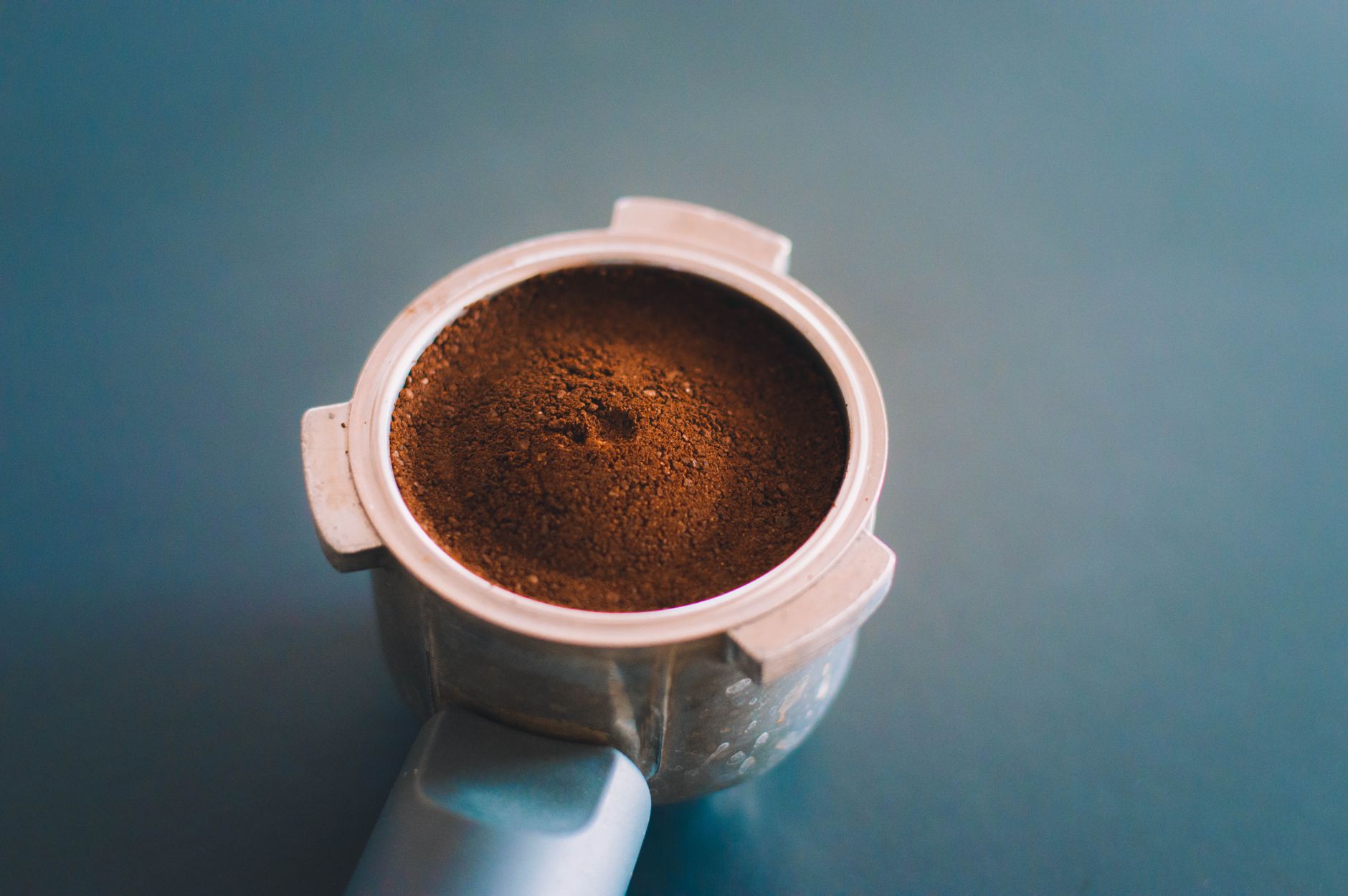
Extraction is solid for a pressurized portafilter at this price. Pre-infusion is minimal, temperature stability is adequate, and crema is thick — partly genuine, partly from the pressurized basket amplifying CO₂. Experienced palates will notice. Beginners won’t.
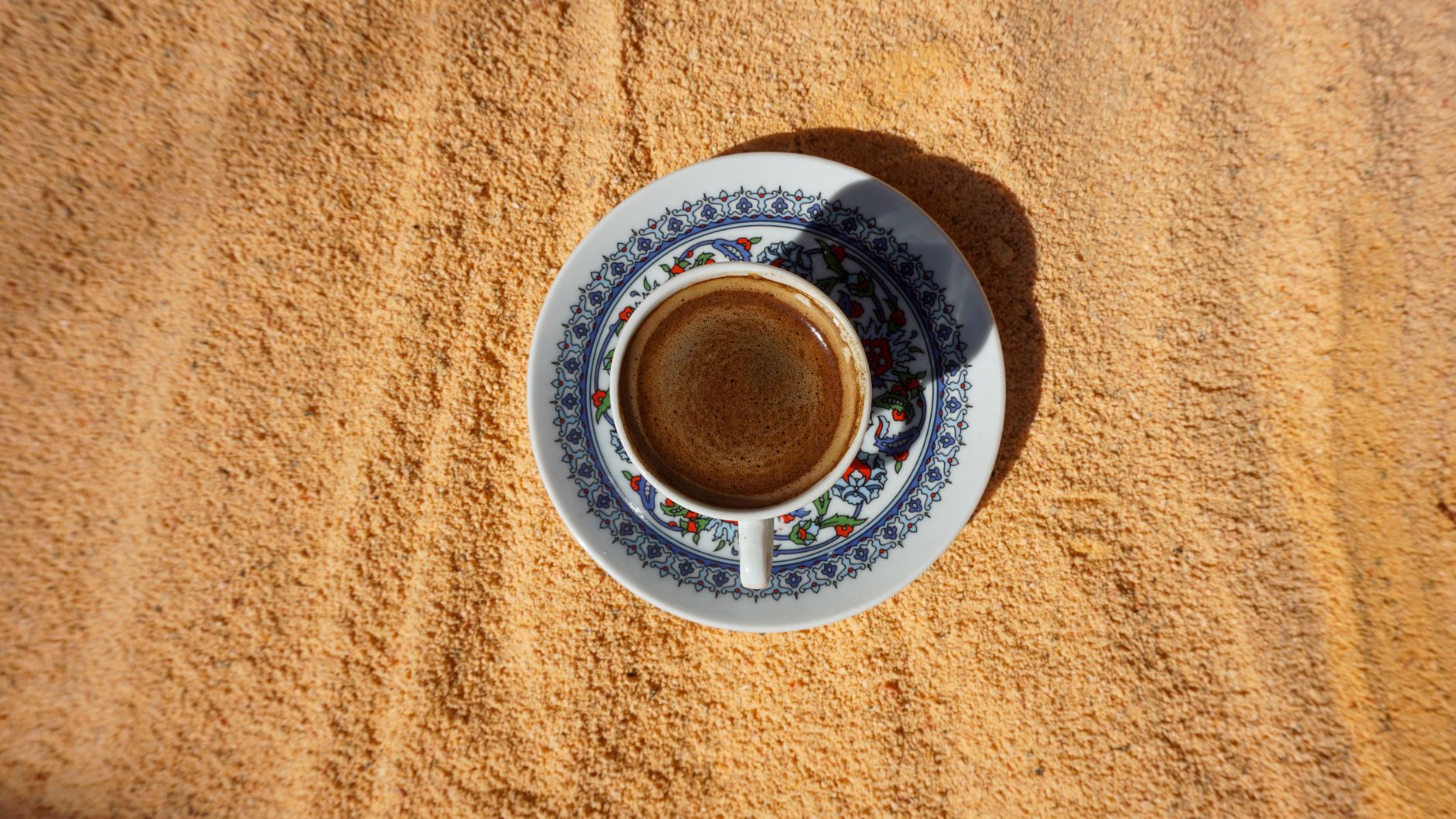 Photo: Ebru DOĞAN via Pexels
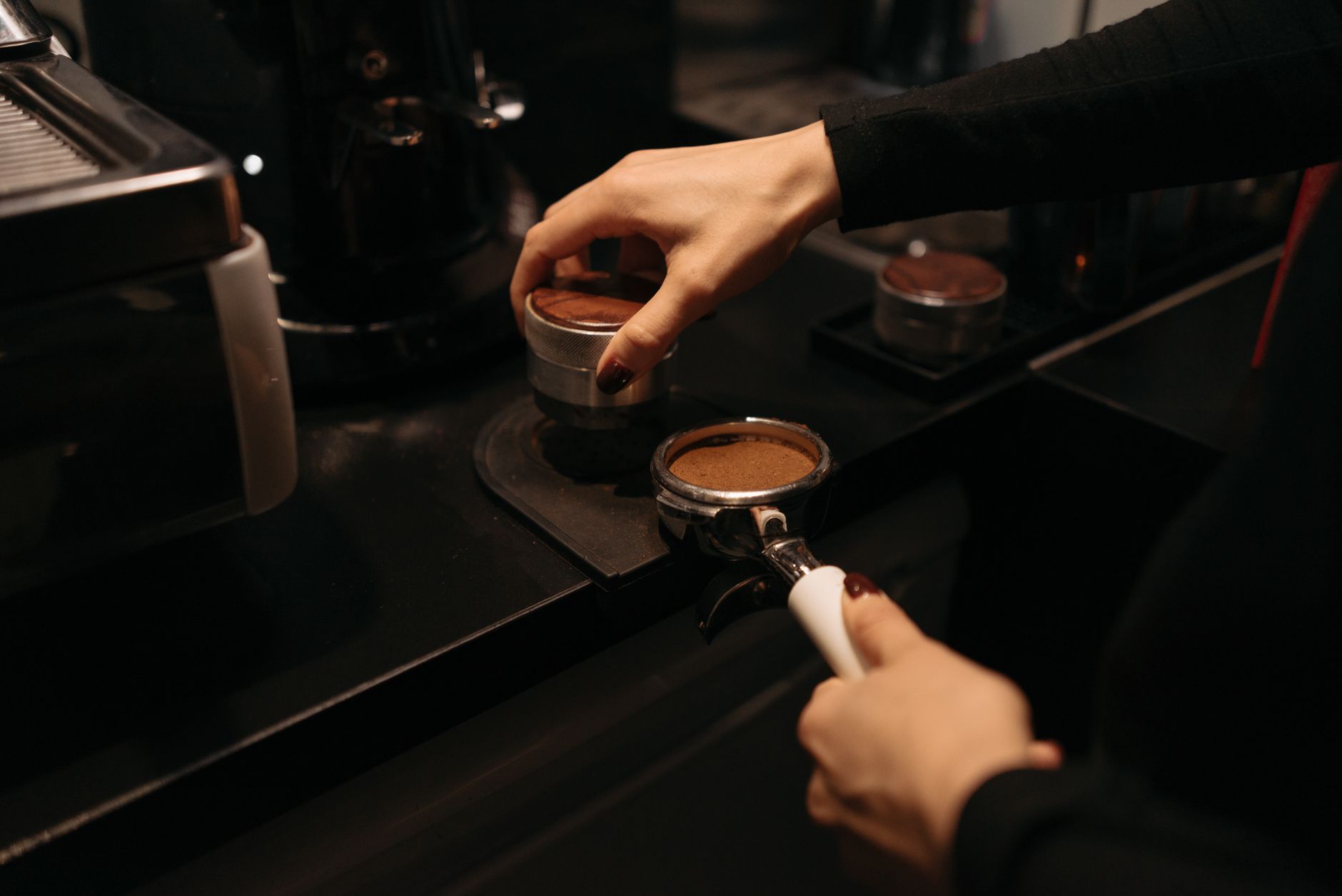
The pressurized portafilter basket is forgiving: it compensates for uneven tamping and coarser grind settings. That’s genuinely useful for new espresso drinkers. The downside is a ceiling — switch to a non-pressurized basket (aftermarket 54mm baskets exist) and extraction quality improves meaningfully, but you’ll need a conical burr grinder that costs as much as the machine.
Thermoblock heat-up time is around 40 seconds — faster than a single boiler heat-exchanger machine, slower than a dual-boiler. Back-to-back shots see temperature drift; allow 90 seconds between pulls.
Steam performance from the panarello wand produces microfoam adequate for flat whites and cappuccinos, not the silky texture espresso bars chase. Milk drinks made at home? Perfectly good. Latte art practice? You’ll hit a wall.
Build Quality and Design
The chrome body is die-cast metal — genuinely substantial, not plastic chrome. Buttons and controls have a satisfying weight. The drip tray and water tank are plastic, which is standard at this tier.
The portafilter is chrome-plated zinc alloy, not stainless. It won’t affect flavor but will show wear faster than machines in the $700–$900 range. The water tank (1.4L) is accessible from the front — a small practical win in tight kitchens.
Color options include chrome, matte black, cream, pink, and red. Each finish is consistent with Smeg’s broader kitchen lineup — if you own the toaster and blender, the matching set is a real thing people buy intentionally.
How Does Smeg Compare to Competitors?
| Machine | Price | Boiler | Portafilter | PID | Pump | Best For |
|---|---|---|---|---|---|---|
| Smeg EGF03 | ~$700 | Thermoblock | 54mm pressurized | No | Vibratory | Design-first buyers |
| De’Longhi La Specialista Arte | ~$600 | Thermoblock | 51mm | No | Vibratory | Grinder-included value |
| Breville Bambino Plus | ~$500 | Thermojet | 54mm (non-pressurized) | No | Vibratory | Extraction quality per dollar |
| Gaggia Classic Pro | ~$450 | Single boiler | 58mm commercial | No | Vibratory | Upgrade-path espresso |
| Rancilio Silvia Pro X | ~$1,100 | Dual boiler | 58mm commercial | Yes | Vibratory | Daily serious espresso |
 Photo: Huỳnh Như Mavi via Pexels
The Breville Bambino Plus
The Gaggia Classic Pro
Verdict by User Archetype
Milk drinker: The panarello wand handles daily lattes without complaint. If your espresso ratio is one shot to four ounces of milk, the extraction ceiling won’t matter. Smeg is a strong choice here — especially if you want the kitchen aesthetic.
Espresso purist: Pass. No PID, pressurized portafilter, and thermoblock temperature variance will frustrate you within a month. The Gaggia Classic Pro or a used Rancilio Silvia is the better spend.
Convenience-first: The EGF03’s bean-to-cup workflow (grind-to-shot in one unit) and 40-second heat-up make it the most friction-free option in this review. If your goal is good-enough espresso with no fussing, it delivers exactly that.
→ See Also
- The Complete Guide to Espresso Machines (2026)
- Best Espresso Machine Under $200 (2026)
- Best Espresso Machine Under $500 (2026)
FAQ
Is the Smeg espresso machine worth the money? At ~$700, you’re paying a significant design premium over machines with equivalent or better extraction capability. If kitchen aesthetics are part of your purchase criteria and you’ll make 1–2 milk-based drinks daily, the Smeg justifies its price. If you’re evaluating purely on espresso quality, the De’Longhi or Breville options offer more technical value per dollar.
Does the Smeg espresso machine use real espresso or pods? The ECF01 and EGF03 use ground coffee in a portafilter basket — real espresso extraction, not pods. Some regional Smeg models accept ESE pods via an adapter, but the standard machines are designed for fresh ground coffee.
Can you use the Smeg espresso machine without a separate grinder? The EGF03 has a built-in conical burr grinder, so no separate grinder is needed. The ECF01 is portafilter-only — you’ll need pre-ground coffee or a standalone grinder. For the ECF01, budget at least $150–$200 for a grinder that won’t limit the machine.
How long does the Smeg espresso machine take to heat up? The thermoblock system reaches brewing temperature in approximately 40 seconds from cold. Steam is ready roughly 15–20 seconds after that. It’s faster than traditional single-boiler machines but slower than the Breville Thermojet platform (~3 seconds).
What grind size works best with the Smeg espresso machine? The pressurized portafilter basket is tolerant of medium-fine grinds — roughly the consistency of fine table salt. You have more latitude than a non-pressurized machine, but avoid too-fine espresso grinds: the pressurized basket can channel and produce bitter, uneven shots if grind is too aggressive.
Editorial methodology: Assessments are based on manufacturer specifications, published user reviews, and editorial research. Physical hands-on testing is noted explicitly where it occurred. Rankings reflect our editorial judgment and are not influenced by affiliate commission rates. Full editorial policy · Affiliate disclosure