Contents
Lelit Bianca Review: Is It the Best Prosumer Espresso Machine?
TL;DR: The Lelit Bianca is the most capable home espresso machine under $3,000. A dual boiler with flow control, PID, and E61 group head gives you café-grade extraction control in a compact footprint. It’s not the easiest machine to dial in, but for serious espresso drinkers it’s hard to beat.
What Is the Lelit Bianca?
The Lelit Bianca is a dual-boiler, flow-control espresso machine built around an E61 group head. It targets the prosumer segment: buyers who want professional-level pressure profiling without spending $5,000+ on a La Marzocco Linea Mini. Flow control is the headline feature — you can manipulate brew pressure throughout the shot, not just set it and forget it.
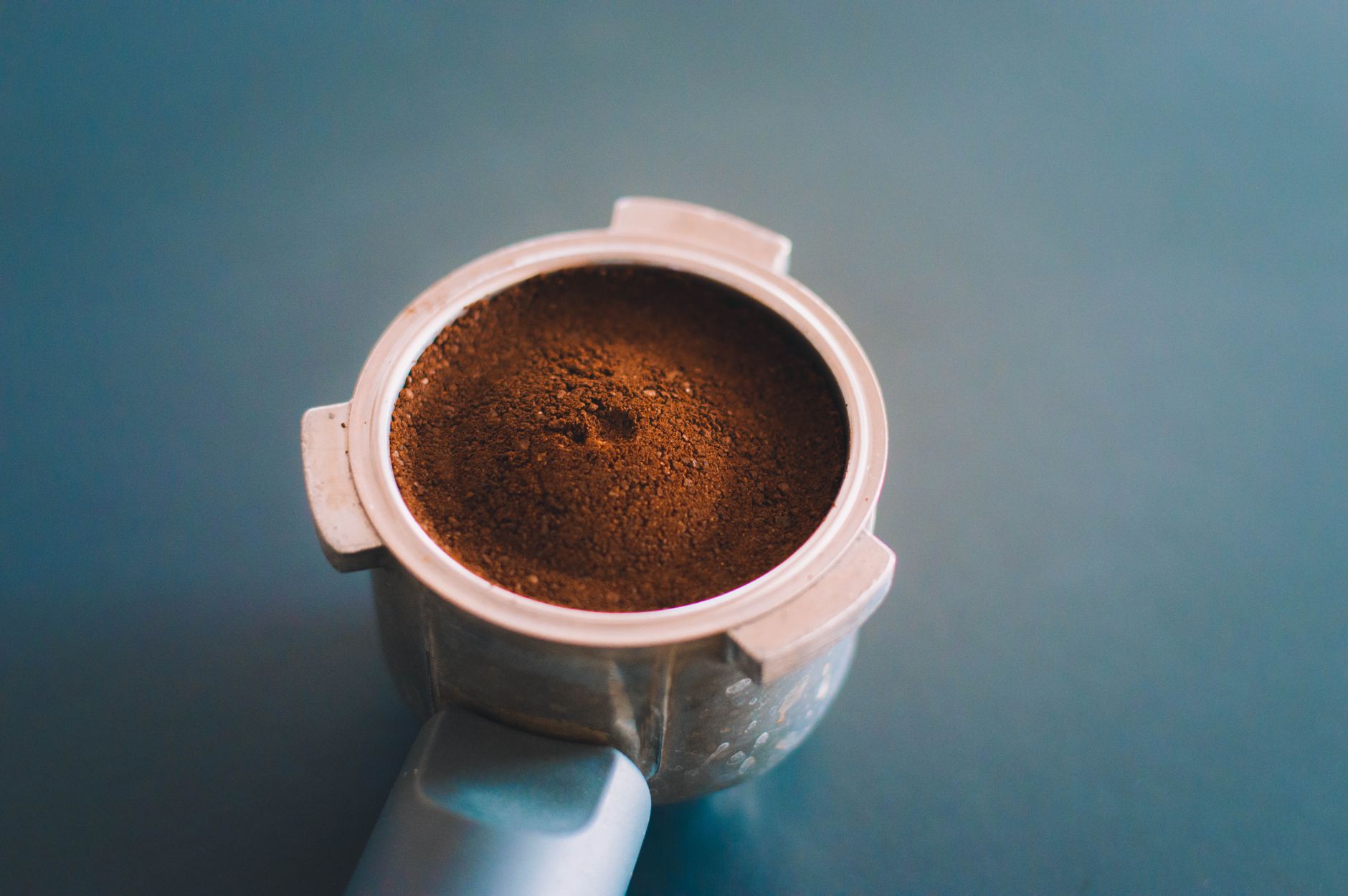
 Photo: Cheese Nya via Pexels
Released in 2018 and now in its V3 iteration, the Bianca runs a 0.5L brew boiler and 1.5L steam boiler, both PID-controlled. The paddle on top isn’t decorative — it mechanically restricts water flow to the group, giving you pre-infusion, ramp, and pressure-profile control via physical feel rather than a touchscreen.
This is a machine built for people who want to understand espresso, not just produce it.
Lelit Bianca Specs
| Feature | Spec |
|---|---|
| Boiler type | Dual boiler (0.5L brew / 1.5L steam) |
| Portafilter size | 58mm |
| PID | Dual PID (brew + steam) |
| Pump type | Rotary (V3) / Vibration (V1–V2) |
| Group head | E61 (thermosyphon) |
| Flow control | Mechanical paddle |
| Dimensions | 28 × 44 × 41 cm |
| Weight | 20 kg |
| Voltage | 110V / 220V |
| Price (approx.) | $2,500–$2,900 USD |
Flow Control: The Differentiator
No other machine at this price point gives you mechanical flow control through an E61 group. Paddle up = full pressure, paddle down = restricted. Between those extremes, you’re profiling. Pre-infuse at 2 bar, ramp to 9, drop back to 6 for a long extraction — all from feel, no app required.
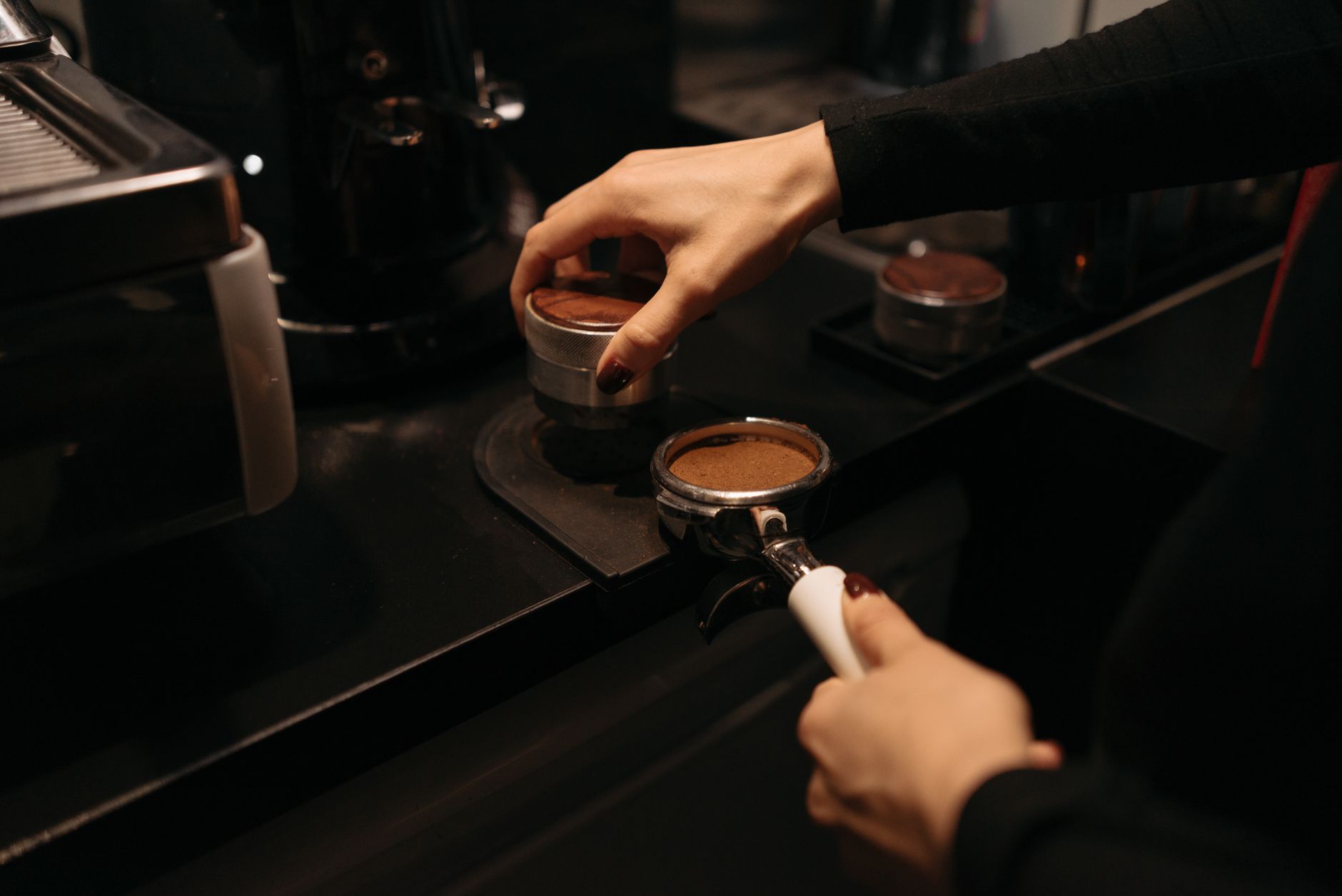
 Photo: Meruyert Gonullu via Pexels
This matters most for lighter roasts and single origins where high initial pressure can channel and blow out. A slow pre-infusion saturates the puck before full pressure hits, producing more even extraction and sweeter cups. With medium and dark roasts, even a simple 4-bar pre-infusion noticeably improves body.
Learning Curve
The paddle has no position markings. You develop calibration by feel, shot after shot. Experienced baristas will adapt within a week; beginners should expect 2–4 weeks before they’re profiling intentionally rather than accidentally. If you want preset profiles you can recall, look at the ECM Synchronika or a machine with pressure profiling via app.
Build Quality and Design
The Bianca is built to last decades. Stainless steel panels, commercial-grade brass fittings, and a rotary pump (V3) that’s quieter and longer-lasting than the vibration pumps in the V1/V2. The wood accents on handles and knobs are a polarizing aesthetic choice — most people either love them or consider them the first thing to swap out.
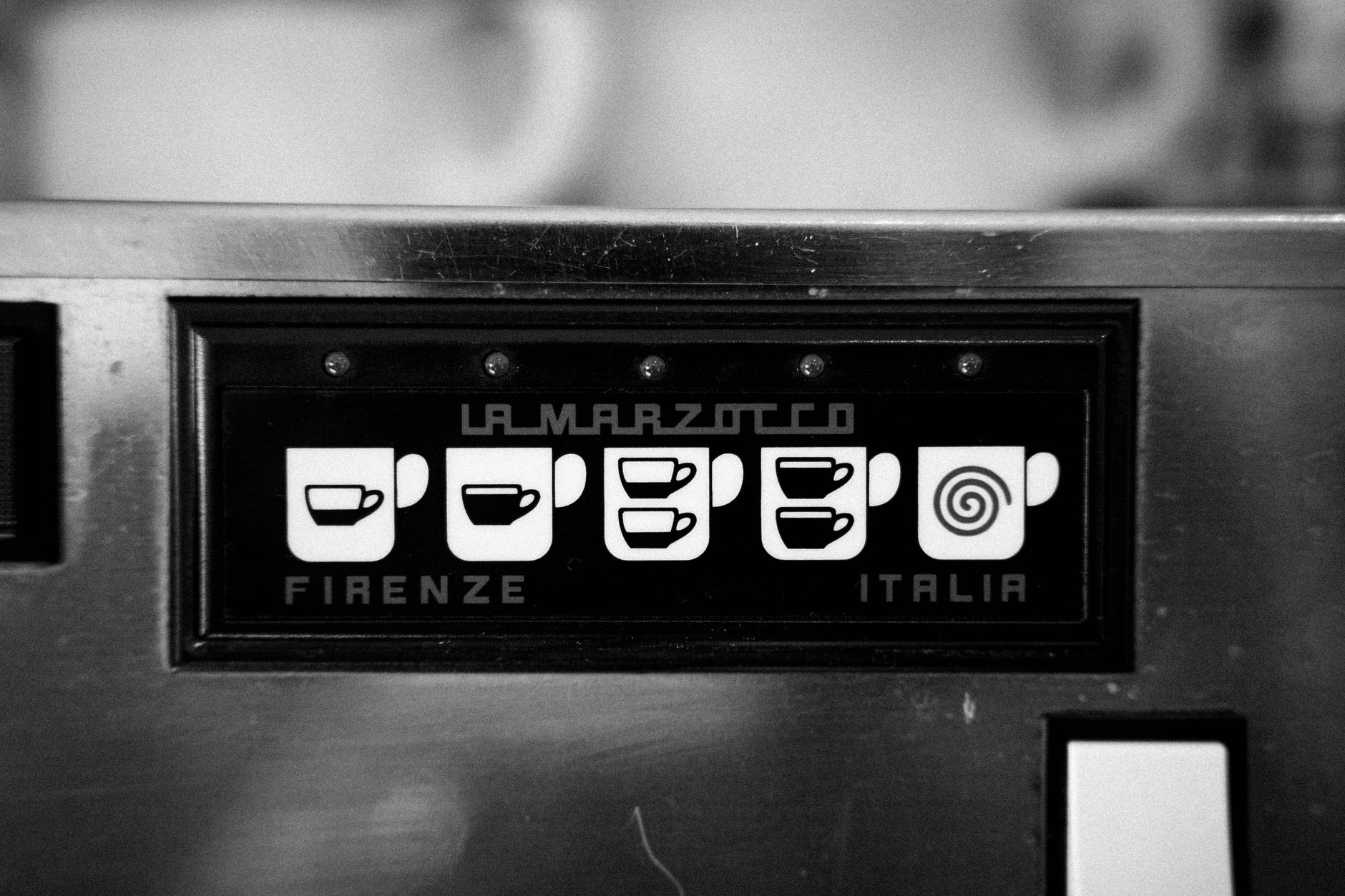
 Photo: Tim Douglas via Pexels
The drip tray is deeper than average — useful, given how much water moves through a dual boiler during warm-up and flush cycles. Build tolerance is tight; nothing rattles or feels provisional. The group head gasket is a standard E61 size, easy to replace when it eventually hardens.
One legitimate complaint: the Bianca V1 and V2 shipped with a vibration pump that ran loud and wore faster. V3 corrected this with a rotary. If you’re buying used, confirm which version you’re getting. The V3 is identifiable by its pump sound and the updated flow-control paddle design.
Espresso Performance
Extraction quality on the Bianca competes with machines at twice the price. The E61 group provides excellent thermal stability once saturated, and the dual PID means brew and steam temperatures hold within ±0.3°C. Shots pulled after a 20–25 minute warm-up are consistent and repeatable.
 Photo: Ketut Subiyanto via Pexels
Brew temperature range: 85°C–96°C, adjustable in 1°C increments. The E61’s thermal mass means changes take a few minutes to stabilize — set it and wait before pulling your next shot.
For milk drinks, the 1.5L steam boiler produces genuine steam pressure, not the watered-down steam of single-boiler machines. Flat whites, cappuccinos, and lattes with proper microfoam are straightforward. Recovery between drinks is fast enough for a 4–5 drink service at home without waiting.
How It Compares
| Machine | Price | Boiler | Portafilter | PID | Pump | Best For |
|---|---|---|---|---|---|---|
| Lelit Bianca V3 | ~$2,700 | Dual | 58mm | Dual | Rotary | Espresso purists, flow profiling |
| ECM Synchronika | ~$2,800 | Dual | 58mm | Dual | Rotary | Build quality, classic workflow |
| Profitec Pro 700 | ~$2,600 | Dual | 58mm | Dual | Rotary | Set-and-forget reliability |
| La Marzocco Linea Mini | ~$4,000 | Dual (saturated) | 58mm | Dual | Rotary | Commercial build, no flow control |
| Breville Dual Boiler | ~$1,400 | Dual | 58mm | Dual | Vibration | Budget dual boiler, programmable |
The Bianca’s closest competitor is the ECM Synchronika — comparable price, similar build, rotary pump, E61 group. The Synchronika lacks flow control but has arguably more intuitive controls. If you’re not interested in pressure profiling, the Synchronika or Profitec Pro 700 are worth equal consideration.
Verdict by User Type
Espresso purist: The Bianca is your machine. Flow control, dual PID, rotary pump, 58mm commercial portafilter — it’s a serious tool that will grow with your skill for years.
Milk-drink-first buyer: It’ll pull excellent shots and steam well, but you’re paying a premium for flow control you may rarely use. The Profitec Pro 700 gives you a comparable milk experience at a lower price.
Convenience-first: Look elsewhere. The Bianca rewards attention and punishes inattention. Dial-in is demanding, warm-up takes 20+ minutes, and there’s no automation. A super-automatic or even the Breville Barista Express will serve you better.
→ See Also
- The Complete Guide to Espresso Machines (2026)
- Best Espresso Machine Under $500 (2026)
- Best Espresso Machine Under $200 (2026)
FAQ
Is the Lelit Bianca worth the price? For home baristas serious about espresso quality and willing to invest time in dialing in, yes. The flow control alone separates it from competitors at the price, and the rotary pump and dual boiler mean it will reliably pull great shots for 10+ years with basic maintenance. If you’re not planning to use pressure profiling, there are equally capable machines for $200–$400 less.
How long does the Lelit Bianca take to warm up? Allow 20–25 minutes for full thermal saturation of the E61 group head. Some users run a shot timer and pull a blank shot at 15 minutes to accelerate the process. A smart plug on a timer can solve this entirely — set it to power on 30 minutes before you wake up.
What grinder pairs best with the Lelit Bianca? The Bianca’s extraction capability will expose grinder limitations quickly. At minimum, pair it with a flat burr grinder capable of fine espresso adjustments — the Eureka Mignon Specialità, Niche Zero, or DF64 are common recommendations in the $350–$550 range. Step grinders like the Baratza Encore will bottleneck your results.
Is the Lelit Bianca V3 significantly better than V2? The V3 upgrade from vibration to rotary pump is meaningful — quieter, longer-lasting, and more stable pressure delivery. The flow-control paddle was also refined. If the price difference between a used V2 and new V3 is under $400, the V3 is worth it. At larger gaps, a well-maintained V2 still produces excellent espresso.
Can the Lelit Bianca make regular coffee, not just espresso? The Bianca makes espresso and espresso-based drinks only — Americano (espresso + water), lungo, ristretto. It has no drip or filter function. For households that drink both espresso and filter coffee, you’ll need a separate brewer.
Editorial methodology: Assessments are based on manufacturer specifications, published user reviews, and editorial research. Physical hands-on testing is noted explicitly where it occurred. Rankings reflect our editorial judgment and are not influenced by affiliate commission rates. Full editorial policy · Affiliate disclosure