Contents
ECM Synchronika Review (2026): Still Worth $2,400?
TL;DR: The ECM Synchronika is a dual-boiler, heat exchanger-capable espresso machine built for serious home baristas who want café-level control without a commercial footprint. In this ECM Synchronika review, the verdict is clear: it’s one of the best prosumer machines available if you pull multiple drinks and want genuine boiler independence. The price is steep, but the build quality and shot consistency justify it for espresso purists.
What Is the ECM Synchronika?
The ECM Synchronika is a dual-boiler E61 group head machine made in Germany, priced around $2,400. It gives you independent temperature control for brewing and steaming, a PID controller on both boilers, and rotary pump operation — features usually reserved for machines costing significantly more.
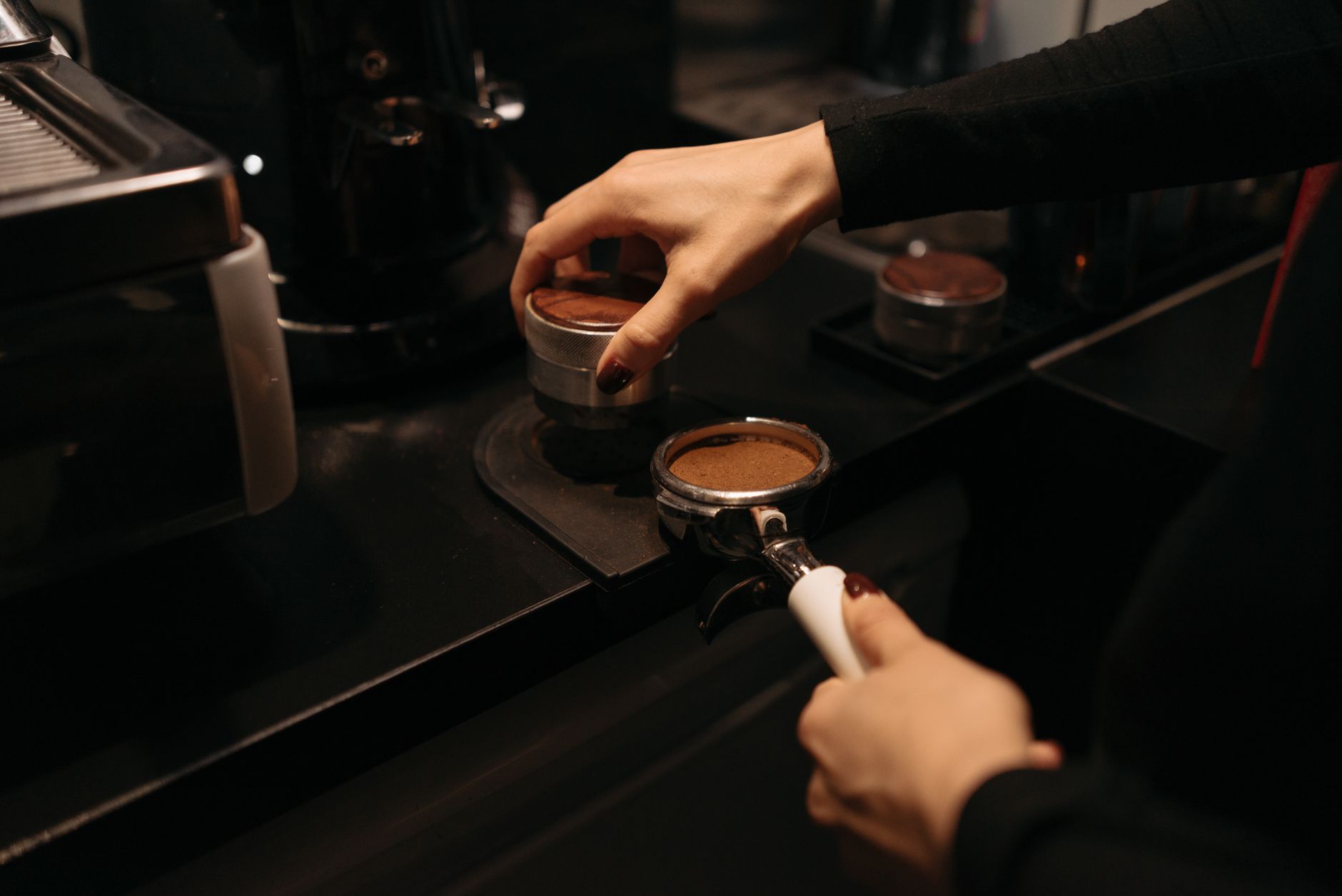
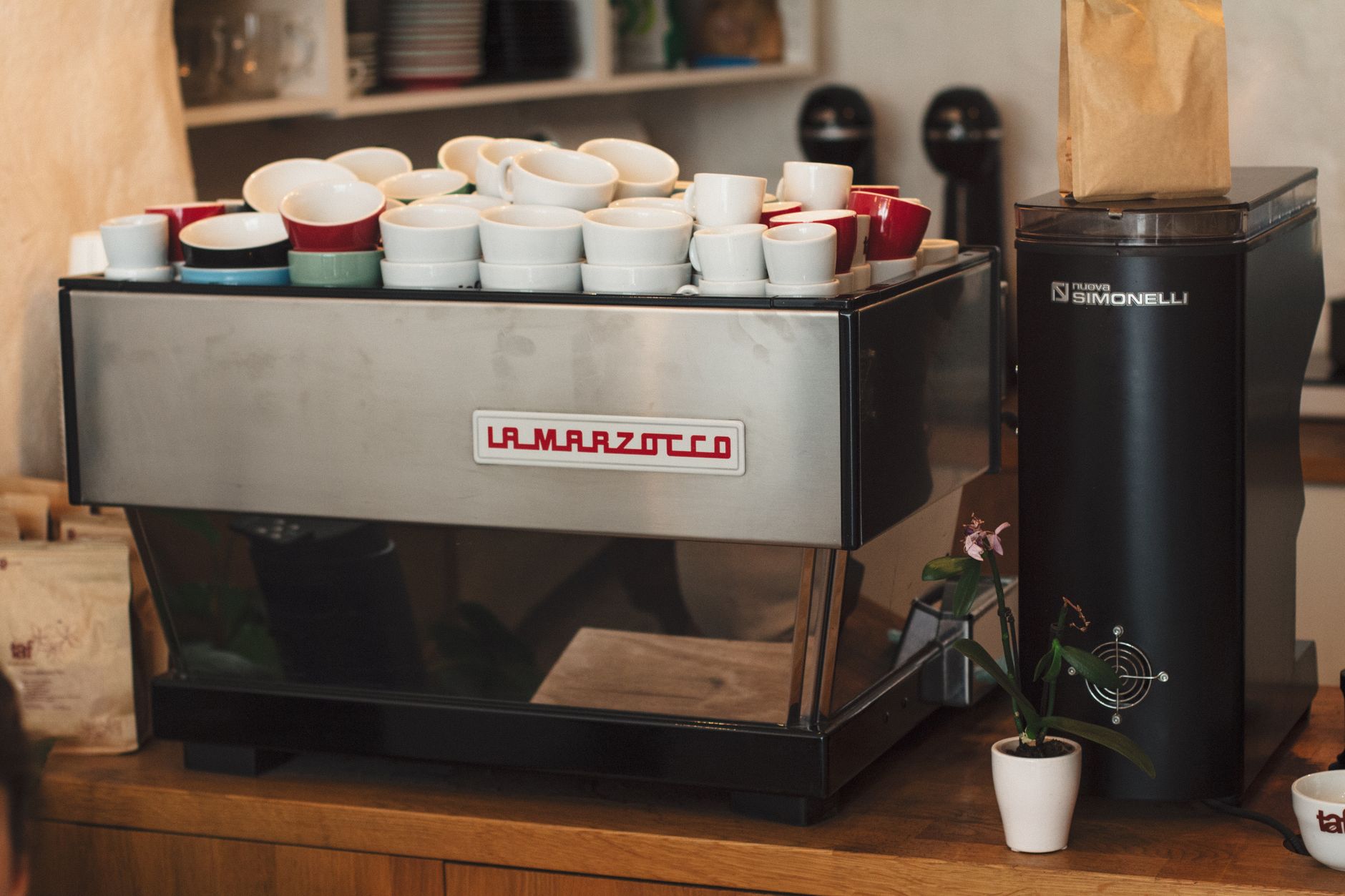 Photo: Raymond Petrik via Pexels
ECM is a German manufacturer with decades of experience building machines that are meant to last. The Synchronika sits at the top of their home lineup. Unlike single-boiler or heat-exchanger machines, the dual-boiler design means the brew boiler and steam boiler never interfere with each other. You get full steam pressure the moment you want it, and your brew temperature stays stable throughout the pull.
The E61 group head is a thermosiphon design that keeps the group at a stable temperature passively. It adds thermal mass and a pre-infusion stage that many baristas credit for improving shot consistency — particularly with lighter roasts.
ECM Synchronika Specs
| Feature | Detail |
|---|---|
| Boiler type | Dual boiler (stainless steel) |
| Brew boiler | 0.75L |
| Steam boiler | 2.0L |
| Portafilter size | 58mm |
| PID | Yes — both boilers |
| Pump type | Rotary (vibration optional) |
| Pre-infusion | Mechanical (E61) |
| Power | 1400W |
| Dimensions | 14“ W × 12.5“ D × 15.5“ H |
| Weight | 44 lbs |
| Country of origin | Germany |
Shot Quality and Brew Performance
The Synchronika produces textbook espresso shots. The dual-boiler arrangement eliminates thermal recovery waits between drinks, and the PID-controlled brew boiler holds within ±1°C across a session. On lighter roasts — where brew temperature matters most — this precision shows up directly in the cup.
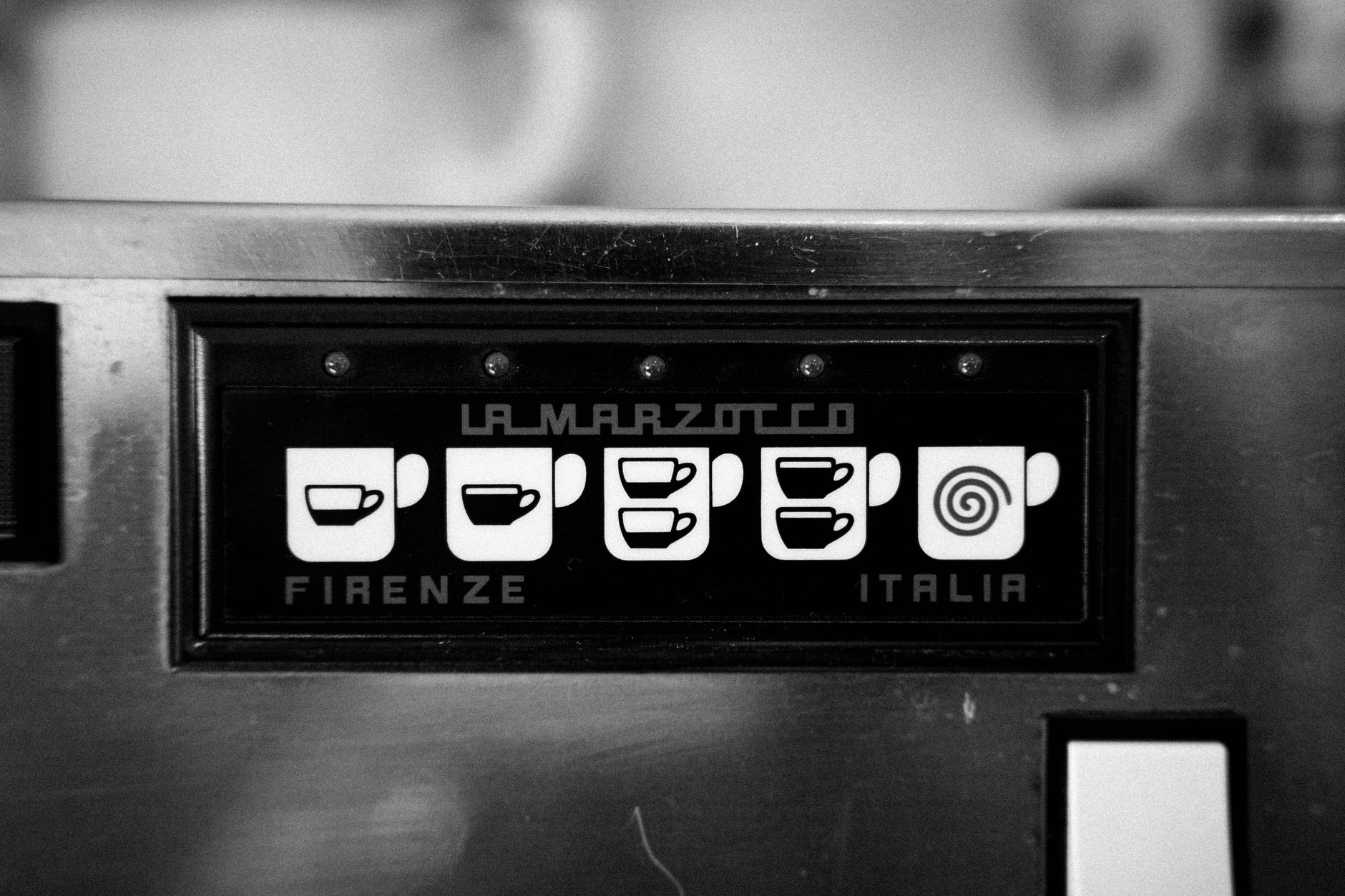
 Photo: Ersan Yılmaz via Pexels
Dialing in is straightforward. You set brew temperature through the PID display on the front panel, and the machine holds it reliably. The E61 group adds passive pre-infusion, which means the puck sees lower pressure before the rotary pump ramps up — helpful for avoiding channeling with medium-fine grinds.
The flow rate through the group is consistent across consecutive shots, which matters when you’re pulling back-to-back drinks for guests. Where a single-boiler machine needs 20–30 minutes to stabilize and a heat exchanger needs a temperature surf, the Synchronika is ready when you are.
Grind Pairing
You won’t unlock the Synchronika’s potential with a mediocre grinder. At this price point, pair it with a flat burr grinder — the Niche Zero, Fellow Ode (with SSP burrs), or any 64mm+ flat burr commercial-grade grinder. The machine is resolving enough that grind quality becomes the binding constraint, not the machine itself.
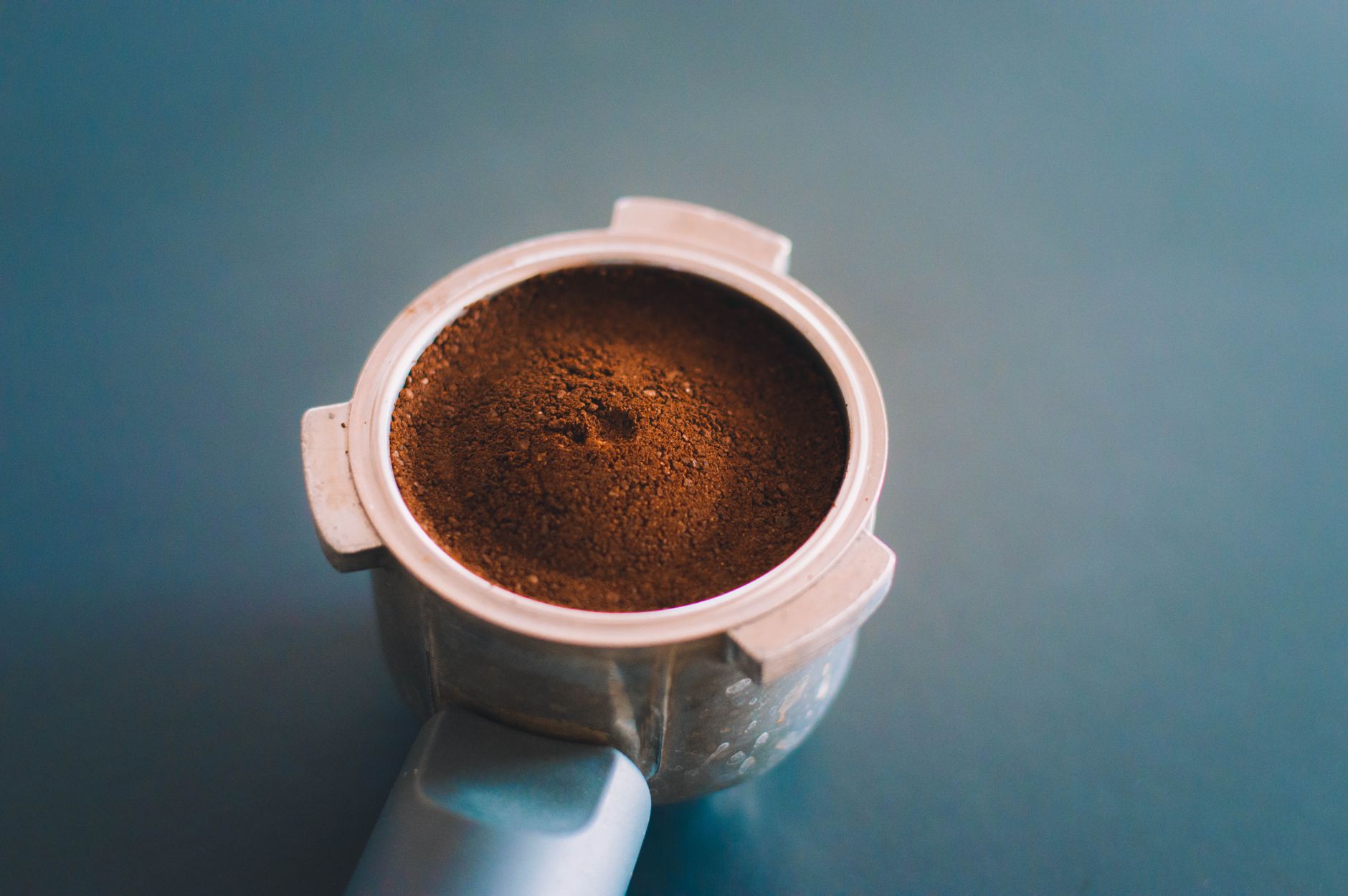
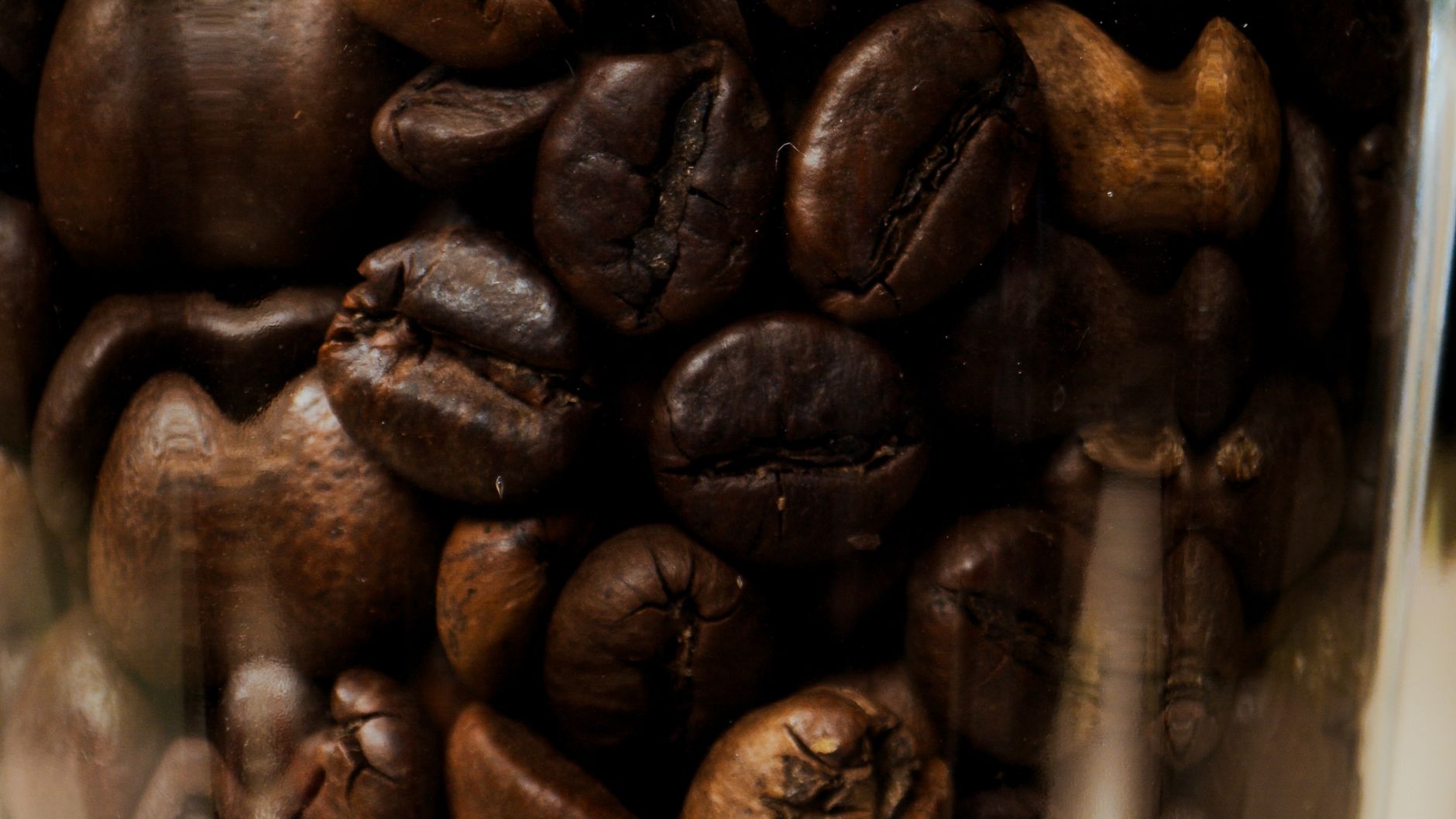 Photo: Tima Miroshnichenko via Pexels
Steam Power and Milk Drinks
The 2.0L steam boiler delivers strong, dry steam on demand. Latte art is achievable within a few sessions of practice. Steam pressure is adjustable, and the wand has a two-hole tip — upgrade to a four-hole for faster texturing if you pull high milk volume.
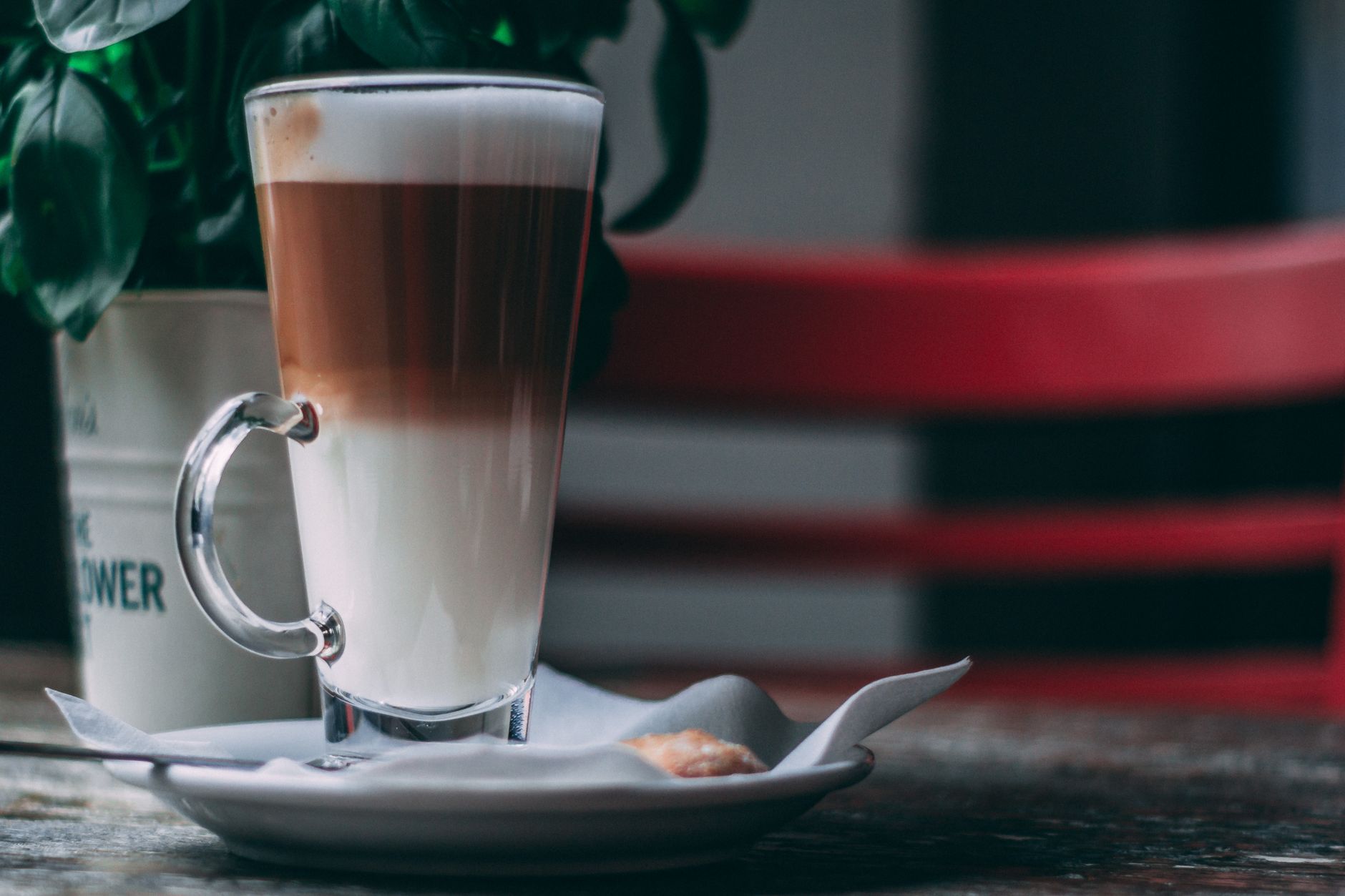 Photo: Georgi Petrov via Pexels
Because the steam boiler is fully independent, you can froth milk at the same time someone else is pulling a shot. For households with two coffee drinkers or anyone running a small gathering, this is a practical advantage over heat exchanger machines like the Rocket Appartamento or Lelit Mara X, where you lose that independence.
Build Quality and Design
The Synchronika is built to a standard that’s obvious the moment you handle it. The portafilter is solid brass. The knobs and levers have no play. The stainless steel body is polished and thick — no flex, no rattle. ECM includes a 2-year warranty and German service infrastructure, with parts available long-term.
The footprint is substantial. At 14 inches wide and 15.5 inches tall, it requires a cabinet clearance check before purchasing. It’s also 44 lbs — once it’s on the counter, it stays there.
ECM Synchronika vs. Competitors
| Machine | Price | Boiler | Portafilter | PID | Pump | Best For |
|---|---|---|---|---|---|---|
| ECM Synchronika | ~$2,400 | Dual | 58mm | Both boilers | Rotary | Espresso purist + milk drinks |
| Rocket Appartamento | ~$1,700 | Heat exchanger | 58mm | No | Vibration | Milk-forward, tighter budget |
| Lelit Bianca V3 | ~$2,800 | Dual boiler | 58mm | Yes | Rotary | Flow control priority |
| Breville Dual Boiler | ~$1,500 | Dual | 58mm | Yes | Vibration | Feature-rich, lower spend |
| La Marzocco Linea Mini | ~$4,000 | Dual (saturated) | 58mm | Yes | Rotary | Commercial feel at home |
The Synchronika competes directly with the Lelit Bianca V3. The Bianca adds flow control via paddle — which lets you dial pre-infusion and ramp profiles manually. The Synchronika does not have a flow control paddle in its standard configuration, though aftermarket options exist. If flow profiling is a priority, the Bianca is the stronger pick at a slight premium. If you want German reliability and don’t need flow control, the Synchronika wins on build consistency and parts longevity.
Verdict by User Archetype
Espresso purist: Buy it. Stable dual-boiler performance, 58mm group, rotary pump, PID on both boilers — this is everything you want without unnecessary complexity. The lack of native flow control is the one gap; the rest is excellent.
Milk drinker: Strong recommendation. The 2.0L steam boiler is large enough for high-volume milk sessions. You’ll have steam ready when the shot finishes.
Convenience-first: Consider the Breville Dual Boiler instead. The Synchronika rewards attention — it takes time to warm up (~20 minutes), requires regular backflushing and occasional descaling, and doesn’t have automated milk systems. For push-button convenience, look elsewhere.
→ See Also
- The Complete Guide to Espresso Machines (2026)
- Best Espresso Machine Under $200 (2026)
- Best Espresso Machine Under $500 (2026)
FAQ
Is the ECM Synchronika worth $2,400? For a serious home barista who pulls multiple drinks daily and wants stable, repeatable espresso without managing temperature surfing, yes. The dual-boiler setup, German build quality, and long parts availability make it a machine you buy once. If your budget cap is closer to $1,500, the Breville Dual Boiler covers most of the same ground.
How long does the ECM Synchronika take to warm up? Around 20–25 minutes for both boilers to fully stabilize. Many owners use a smart plug or the built-in timer (where available) to pre-schedule warm-up. The E61 group adds additional thermal mass, so skipping warm-up time produces inconsistent shots.
Does the ECM Synchronika have flow control? Not in the standard configuration. It uses a rotary pump at fixed pressure with mechanical E61 pre-infusion. Aftermarket flow control devices (like the Decent pressure gauge kits or third-party needle valves) can be installed, but it’s not plug-and-play. If flow profiling matters, the Lelit Bianca V3 is the direct alternative with a native paddle.
How does the ECM Synchronika compare to the Rocket Appartamento? The Appartamento is a heat exchanger with a vibration pump, priced around $700 less. You get strong steam and good espresso, but you manage brew temperature through temperature surfing rather than a PID. The Synchronika’s dual-boiler design eliminates that variable entirely and adds genuine boiler independence. The gap justifies the cost if shot consistency and milk drinks matter equally.
What grinder should I pair with the ECM Synchronika? Budget at least $400–600 for a grinder that matches this machine’s resolution. The Niche Zero (conical) and Fellow Ode Gen 2 with SSP burrs (flat) are common pairings. Commercial-grade 64mm flat burr grinders like the Eureka Mignon Specialita or DF64 are also strong matches. A $150 grinder will cap this machine well below its potential.
Editorial methodology: Assessments are based on manufacturer specifications, published user reviews, and editorial research. Physical hands-on testing is noted explicitly where it occurred. Rankings reflect our editorial judgment and are not influenced by affiliate commission rates. Full editorial policy · Affiliate disclosure