Contents
Profitec Pro 500 Review (2026): Still Worth It?
TL;DR: The Profitec Pro 500 is a dual-boiler espresso machine built for home baristas who want café-grade temperature stability without a commercial footprint. It pulls consistent, repeatable espresso shots with genuine PID control over both boilers, and it steams milk with serious authority. At ~$1,800, it’s a significant investment — but one that holds up over years of daily use.
What Is the Profitec Pro 500?
The Profitec Pro 500 is a heat exchange (HX) machine with a single boiler handling both brew and steam — a common architecture at this price point. What separates it from cheaper HX machines is build quality: stainless internals, a rotary pump, and a genuine PID that gives you real control over brew temperature. This is a machine designed to last a decade, not two years.
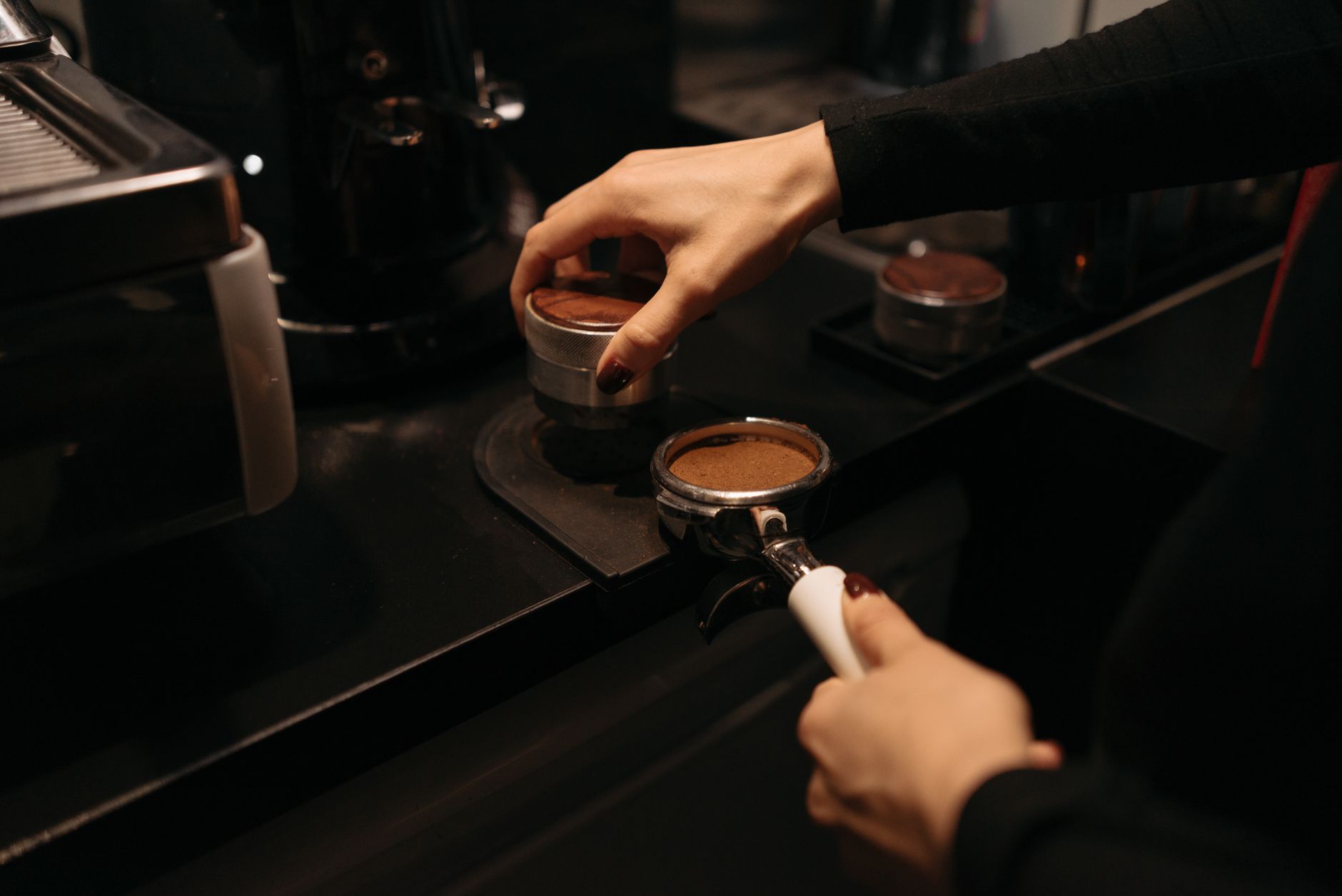
 Photo: Kampus Production via Pexels
The Pro 500 occupies a specific position in Profitec’s lineup — above the entry-level Pro 300 and below the full dual-boiler Pro 600. It targets the home barista who pulls two to four shots a day, occasionally steams milk, and wants a machine that doesn’t require a 45-minute warm-up ritual or babysitting.
The rotary pump is worth calling out specifically. Compared to the vibration pumps on most sub-$1,000 machines, a rotary runs quieter, produces more consistent pressure, and connects directly to a plumbed water line if you choose to go that route. For apartments, the noise difference alone matters.
Profitec Pro 500 Specs
| Feature | Detail |
|---|---|
| Boiler type | Heat exchanger (HX), brass |
| Boiler size | 1.5L |
| Portafilter size | 58mm commercial |
| PID | Yes — brew temperature only |
| Pump type | Rotary |
| Pressure gauge | Dual (boiler + pump) |
| Dimensions (W×D×H) | 270 × 460 × 395mm |
| Weight | 22 kg |
| Voltage | 120V / 1400W |
| Water reservoir | 2.8L (or plumbed) |
Build Quality and Design
Profitec machines feel like they were built to outlast their owners. The Pro 500 is no exception: stainless steel shell, solid brass boiler, commercial-spec 58mm group head. There’s nothing flimsy here. The drip tray has real capacity, the knobs have genuine resistance, and the steam wand moves exactly where you put it.
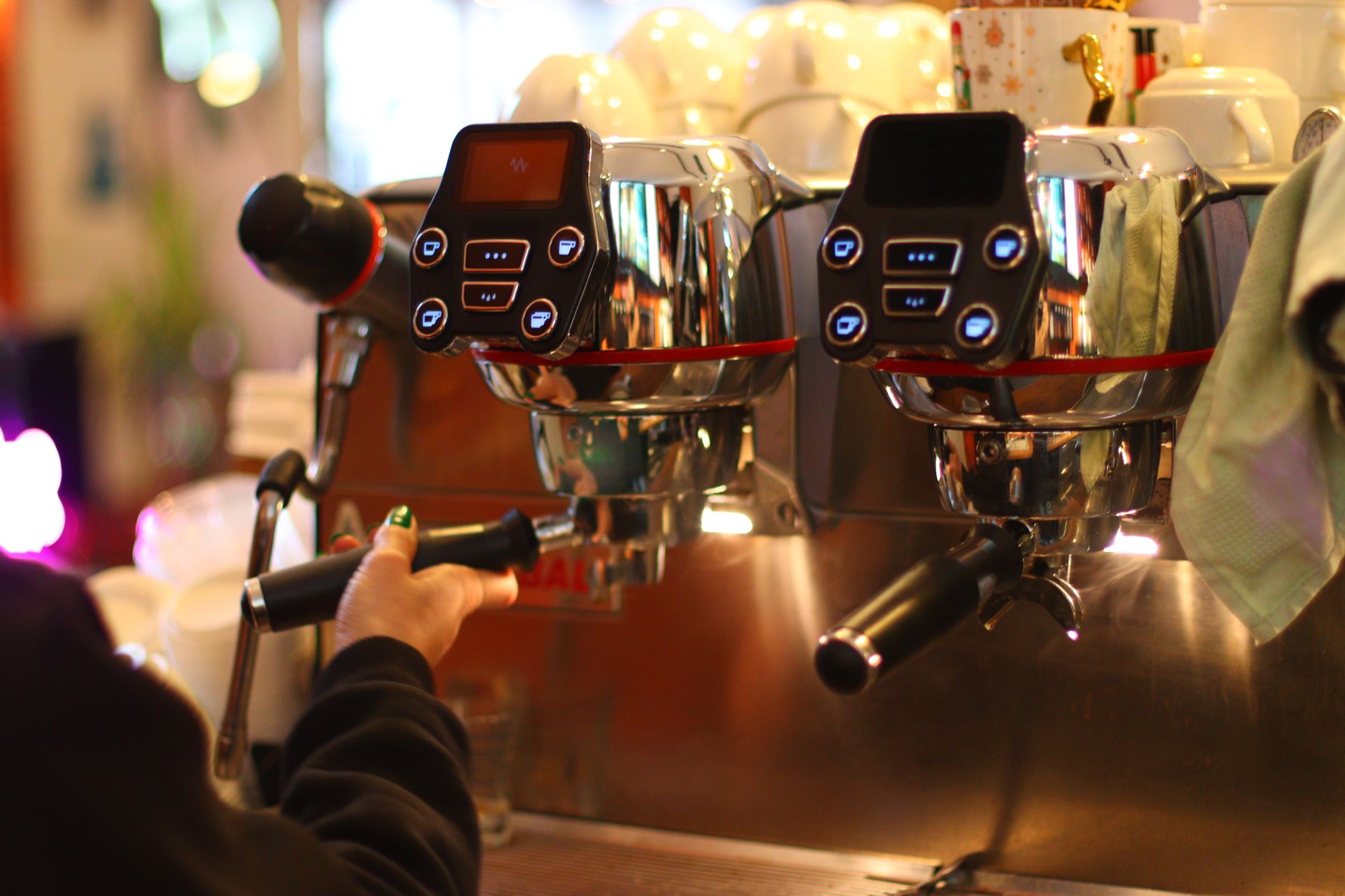 Photo: Efe Burak Baydar via Pexels
The aesthetics are classic Italian — chrome lever handles, clean lines, no touchscreen gimmicks. It looks the part on a kitchen counter, but it also takes up a substantial chunk of one. Measure your space: 270mm wide, 460mm deep, and nearly 400mm tall including the cup rail.
One minor gripe: the power switch is on the left side panel rather than the front. It’s a small annoyance that you stop noticing after the first week, but it’s worth flagging if you’re coming from a machine with a front-mounted rocker.
Espresso Performance
Shot quality on the Pro 500 is excellent for its class. The HX architecture means you’re working around temperature surfing — flushing a few ounces before pulling — but once you build that habit, shot-to-shot consistency is tight. The 58mm group head and rotary pump deliver even extraction with good clarity and a persistent golden crema.
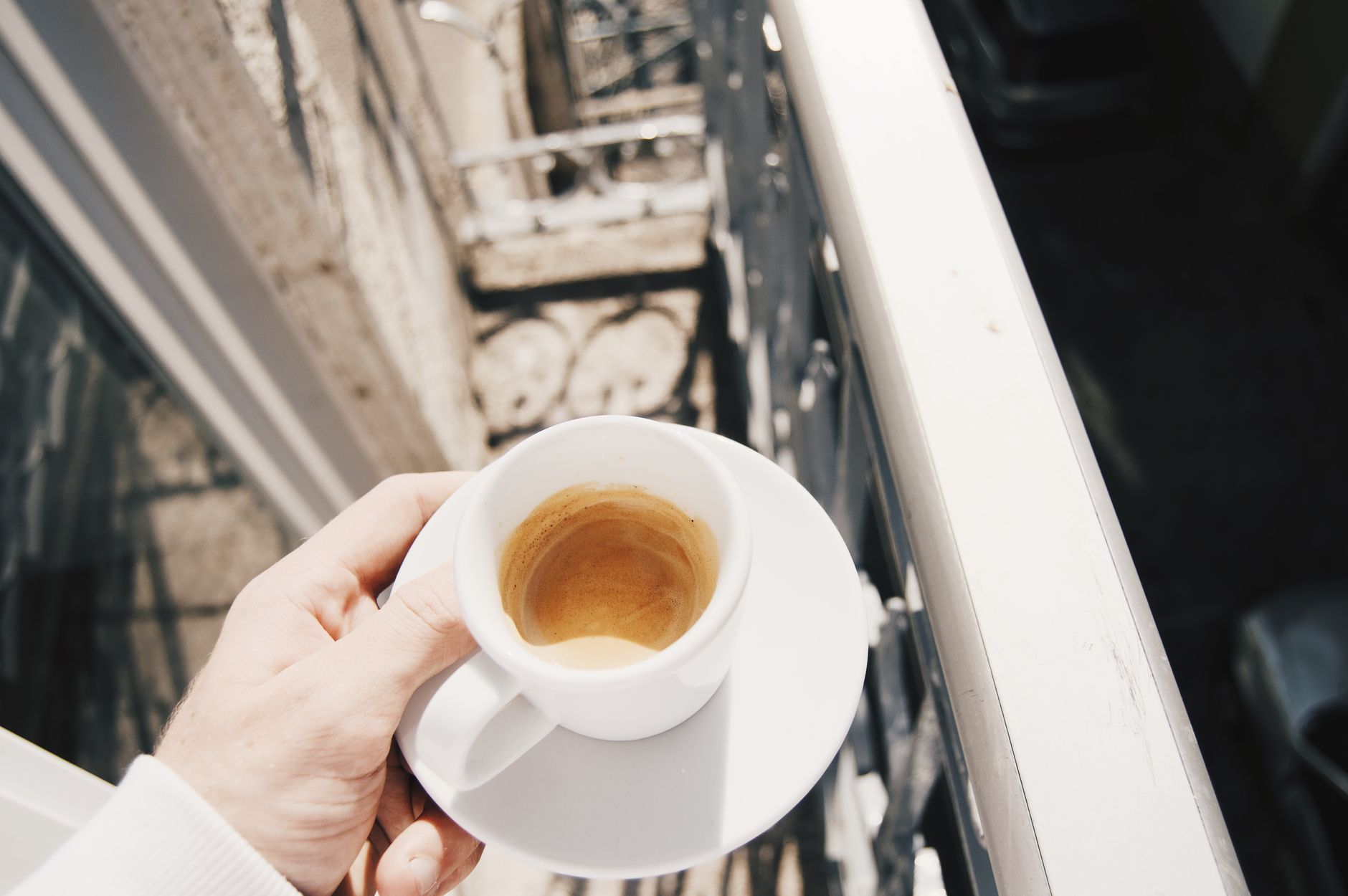 Photo: Callum Hilton via Pexels
Temperature Stability
The PID controls boiler temperature, not brew temperature directly — that’s the HX tradeoff. You set a boiler setpoint and learn your flush routine. Most Pro 500 owners land between 118–122°C on the boiler to hit their target brew temp. After the initial learning curve, repeatability is very good.
If you want dial-in-and-forget brew temperature with zero flushing, a dual-boiler like the Profitec Pro 600 or ECM Synchronika removes that variable entirely. The Pro 500 asks slightly more of you in exchange for a lower price and smaller boiler.
Pressure and Extraction
The rotary pump maintains consistent nine-bar pressure without the oscillation you get from vibration pumps. This matters most when you’re chasing even extraction on lighter roasts — any inconsistency in pressure shows up as channeling or uneven puck development. With the Pro 500’s rotary, that variable is effectively eliminated.
Milk Steaming
The Pro 500’s steam wand is a genuine highlight. A 1.5L boiler at steam pressure produces strong, consistent steam that textures milk quickly — flat whites in under 60 seconds, no problem. The single-hole tip gives you control; the ball-joint articulation lets you position it precisely.
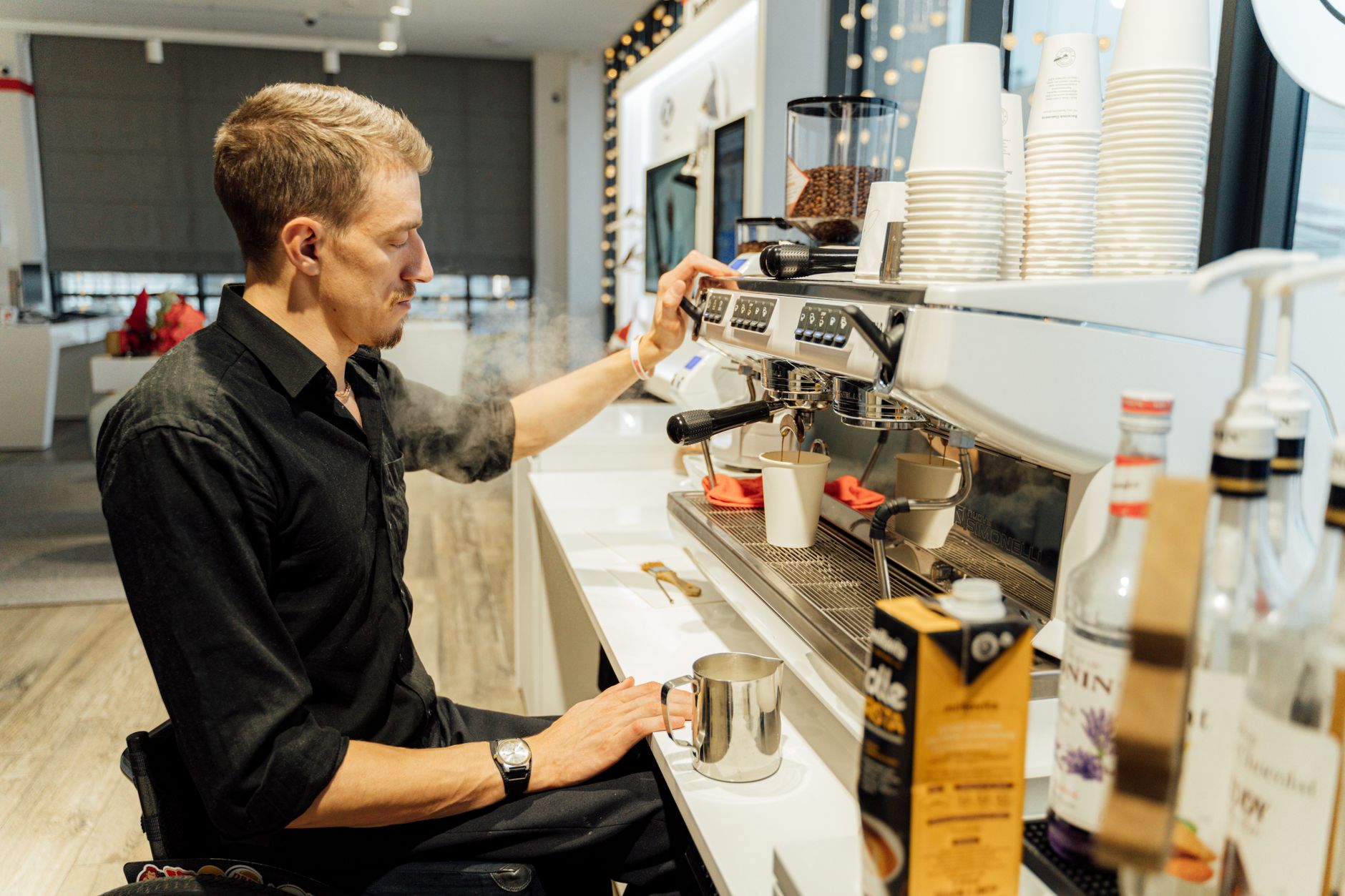 Photo: Adventure Studio via Pexels
For milk-forward drinks, this machine is well-matched. The only limitation is sequential workflow: you pull your shot first, then steam. On a dual-boiler machine you can do both simultaneously. For a home setting pulling one or two drinks, the HX single-boiler workflow is rarely a practical problem.
Profitec Pro 500 vs. Competitors
| Machine | Price | Boiler | Portafilter | PID | Pump | Best For |
|---|---|---|---|---|---|---|
| Profitec Pro 500 | ~$1,800 | HX 1.5L | 58mm | Yes | Rotary | Espresso-first, plumb-ready |
| ECM Classika PID | ~$1,700 | Single 0.75L | 58mm | Yes | Rotary | Minimalists, single-origin focus |
| Breville Dual Boiler | ~$1,400 | Dual | 58mm | Yes | Vibration | Budget dual-boiler, simultaneous brew/steam |
| Profitec Pro 600 | ~$2,400 | Dual 0.75L+2L | 58mm | Yes (dual) | Rotary | Café workflow, max precision |
| Rocket Appartamento | ~$1,600 | HX 1.8L | 58mm | No | Rotary | Aesthetics-first buyers |
The Rocket Appartamento is the most direct aesthetic competitor — beautiful machine, slightly larger boiler, no PID. If temperature precision matters to you (and it should), the Pro 500 wins that comparison clearly. The Breville Dual Boiler is the only machine here that offers simultaneous brew and steam at a lower price, but the vibration pump and plastic-heavy construction reflect the cost difference.
Who Should Buy the Profitec Pro 500?
Espresso Purist
Strong fit. The rotary pump, 58mm group, and PID give you the tools for serious dial-in. The HX architecture rewards the kind of methodical workflow espresso purists already prefer.
Milk Drinker
Good fit with one caveat. The steam performance is genuinely excellent, but sequential workflow means your latte takes slightly longer than on a dual-boiler. If you’re making multiple milk drinks in a row (hosting guests, household of four), that friction compounds. Consider the Pro 600 instead.
Convenience-First
Not ideal. This machine has no auto-start timer, no push-button shot volume (you stop shots by feel or with a scale), and requires learning the flush routine. It rewards investment in technique. If you want to press a button and walk away, look at super-autos or prosumer machines with volumetric dosing.
→ See Also
- The Complete Guide to Espresso Machines (2026)
- Best Espresso Machine Under $200 (2026)
- Best Espresso Machine Under $500 (2026)
FAQ
Is the Profitec Pro 500 worth the price in 2026? Yes, if your daily routine involves espresso and you’re ready to invest in technique. The rotary pump, commercial-spec group head, and build quality justify the price over a 5–10 year ownership horizon. Compared to mid-range vibes pumps in the same category, the Pro 500 holds its value well on the used market too.
Does the Profitec Pro 500 require plumbing? No. It ships as a reservoir machine with a 2.8L tank. The rotary pump is plumb-ready, so you can add a direct water line later without modifying the machine. Most home users run it on reservoir indefinitely.
How long does the Profitec Pro 500 take to warm up? Typically 20–30 minutes for full thermal stability. The PID reaches setpoint faster, but the brass boiler and group head take time to saturate. Some owners use a smart plug on a timer to have it ready before they wake up.
What grinder pairs well with the Profitec Pro 500? Any flat-burr grinder that can hit espresso-fine with good stepless adjustment. Common pairings at this price point include the Niche Zero, DF64 Gen 2, and Lagom P64. Don’t pair a $1,800 machine with a sub-$200 grinder — the grinder is 50% of shot quality.
Can you use the Profitec Pro 500 for high-volume home use? Yes, within reason. The 1.5L boiler recovers quickly between shots. A household pulling four to six shots a day will have no issues. Above that, or in a small office setting, the Pro 600’s dedicated steam boiler becomes noticeably more practical.
Editorial methodology: Assessments are based on manufacturer specifications, published user reviews, and editorial research. Physical hands-on testing is noted explicitly where it occurred. Rankings reflect our editorial judgment and are not influenced by affiliate commission rates. Full editorial policy · Affiliate disclosure