Contents
Single Origin vs Blend Coffee: What’s the Difference?
TL;DR: Single origin coffee comes from one farm, region, or country — giving you a distinct, traceable flavor profile. Blends combine beans from multiple sources to hit a consistent, balanced cup. Neither is objectively better; single origin vs blend coffee is a question of what you’re after: transparency and terroir, or repeatability and body.
What Is Single Origin Coffee?
Single origin means the coffee is sourced from one defined place — a specific farm, cooperative, or micro-region within a country. That location is the whole story: the soil, altitude, processing method, and harvest all show up in the cup. You’re tasting geography.
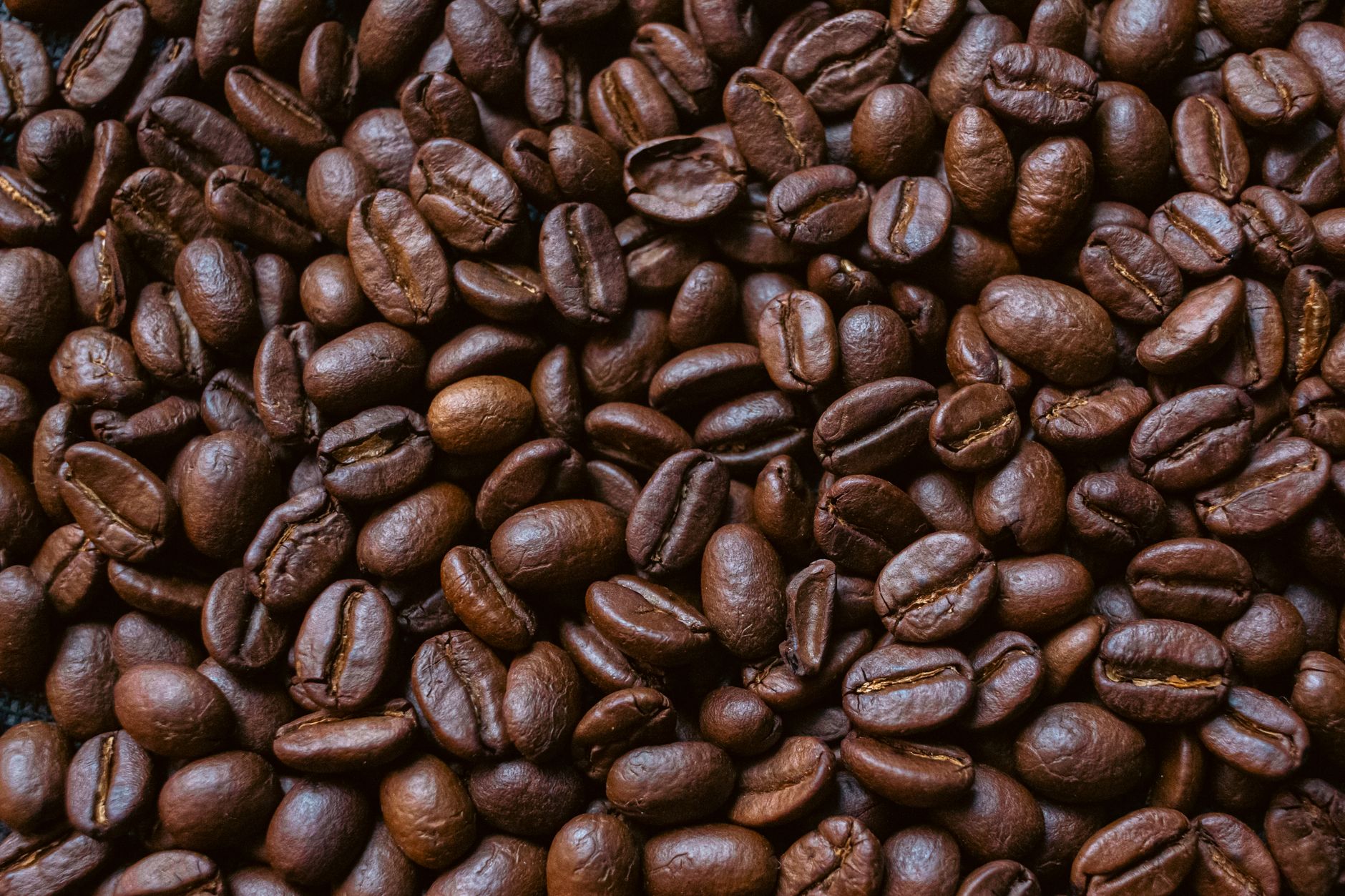
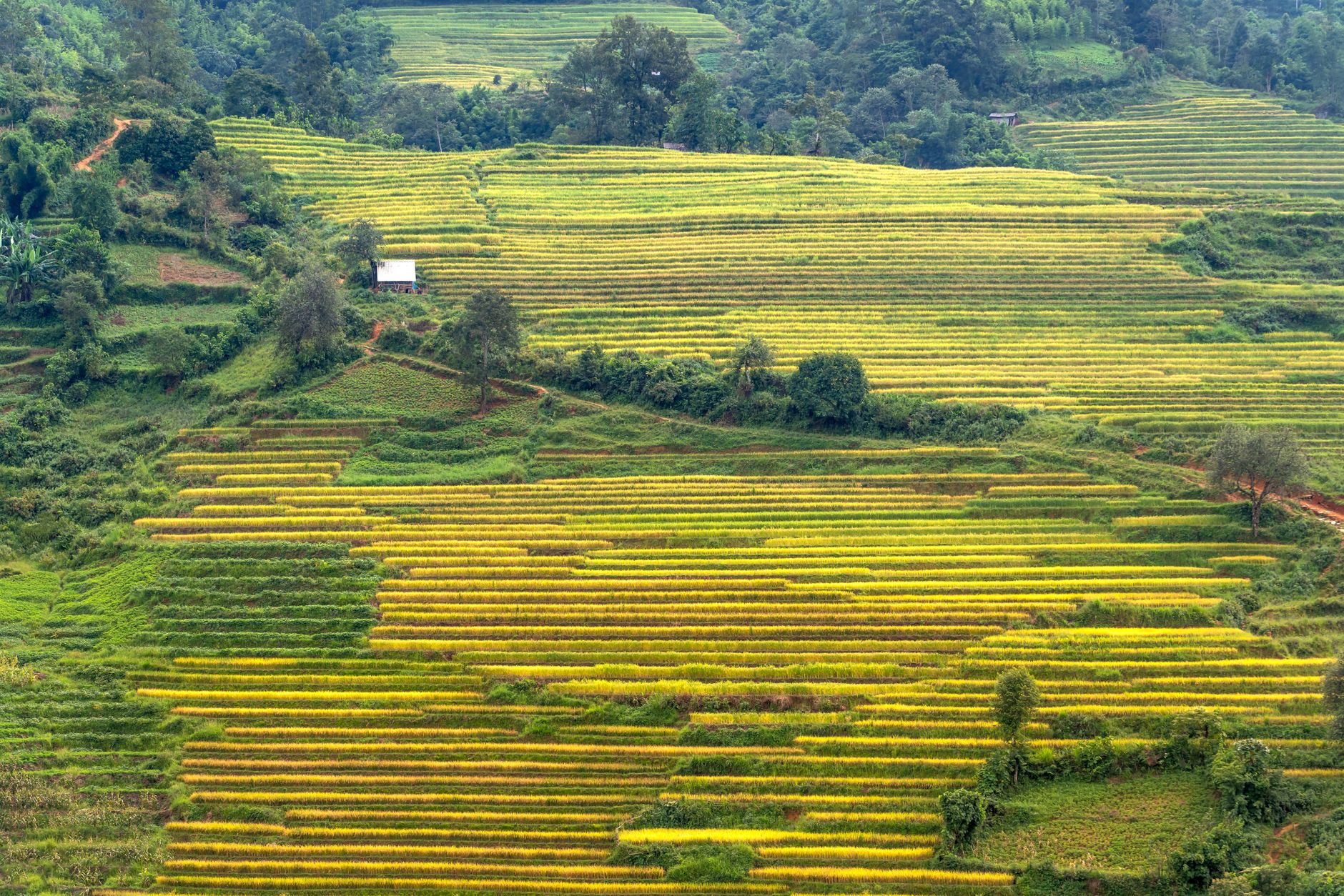 Photo: Quang Nguyen Vinh via Pexels
“Single origin” isn’t a regulated term, so it covers a spectrum. A bag labeled “Ethiopia” is single origin. So is a bag labeled “Yirgacheffe, Kochere Cooperative, Lot 7.” The more specific the sourcing, the more the cup reflects a specific producer’s decisions — and the more premium (and variable) the coffee tends to be.
What Makes It Distinctive
High traceability is the main draw. When something unusual is in the cup — a floral note, a fermented brightness, a deep chocolate finish — you can trace it back to actual conditions: altitude, varietal, drying method. That context makes the flavor meaningful, not just pleasant.
Single origins also shift with the harvest. A coffee that tasted like bergamot and stone fruit in 2024 may taste more like dark cherry in 2026 if rainfall patterns changed. That’s either a feature or a bug depending on what you value.
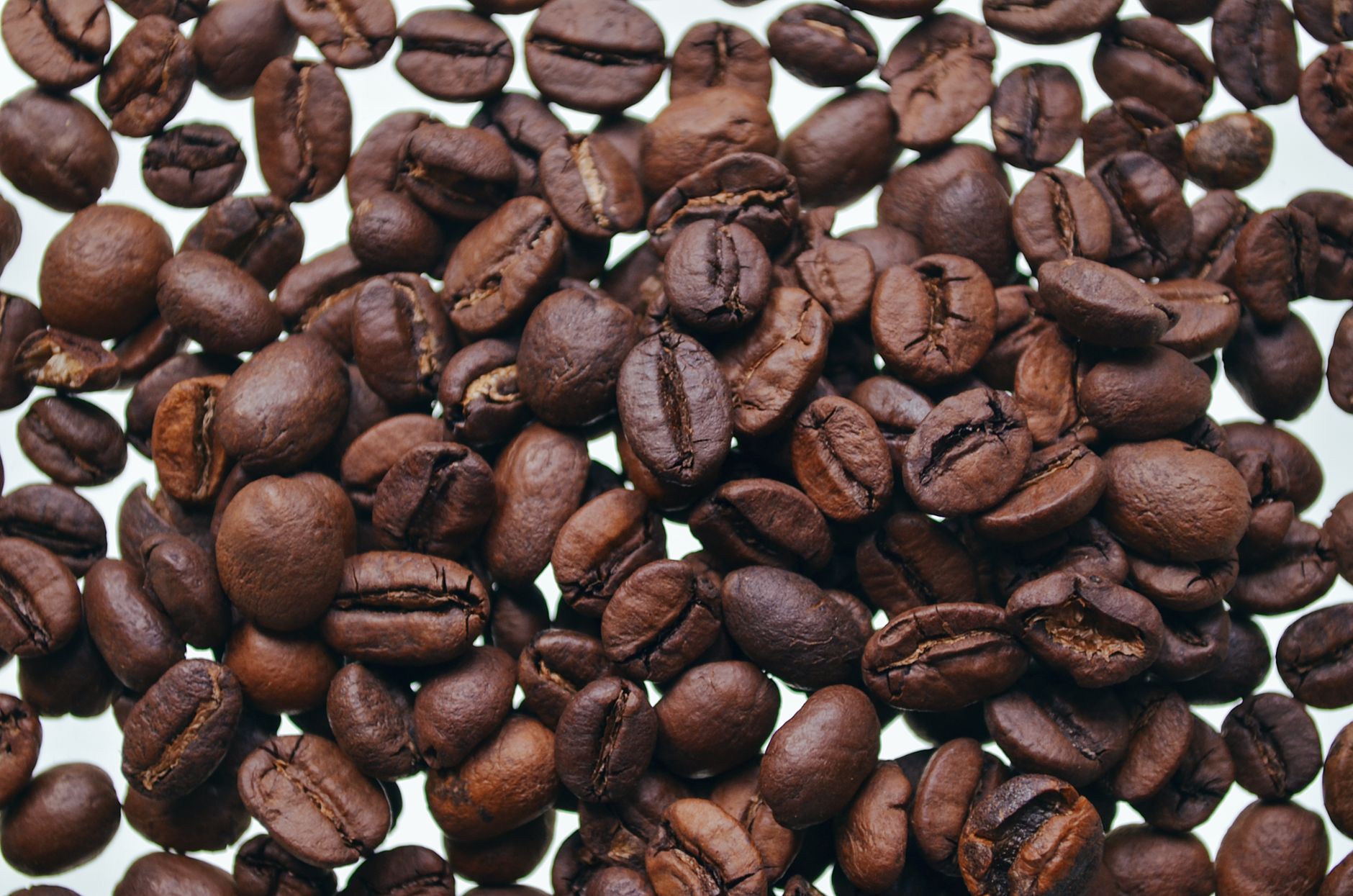
 Photo: FOX ^.ᆽ.^= ∫ via Pexels
What Is a Coffee Blend?
A blend is a deliberate mix of two or more coffees — different origins, processing styles, or roast levels — designed to produce a flavor profile that’s greater than the sum of its parts, or simply more consistent from bag to bag. Most espresso you’ve had at a café is a blend.
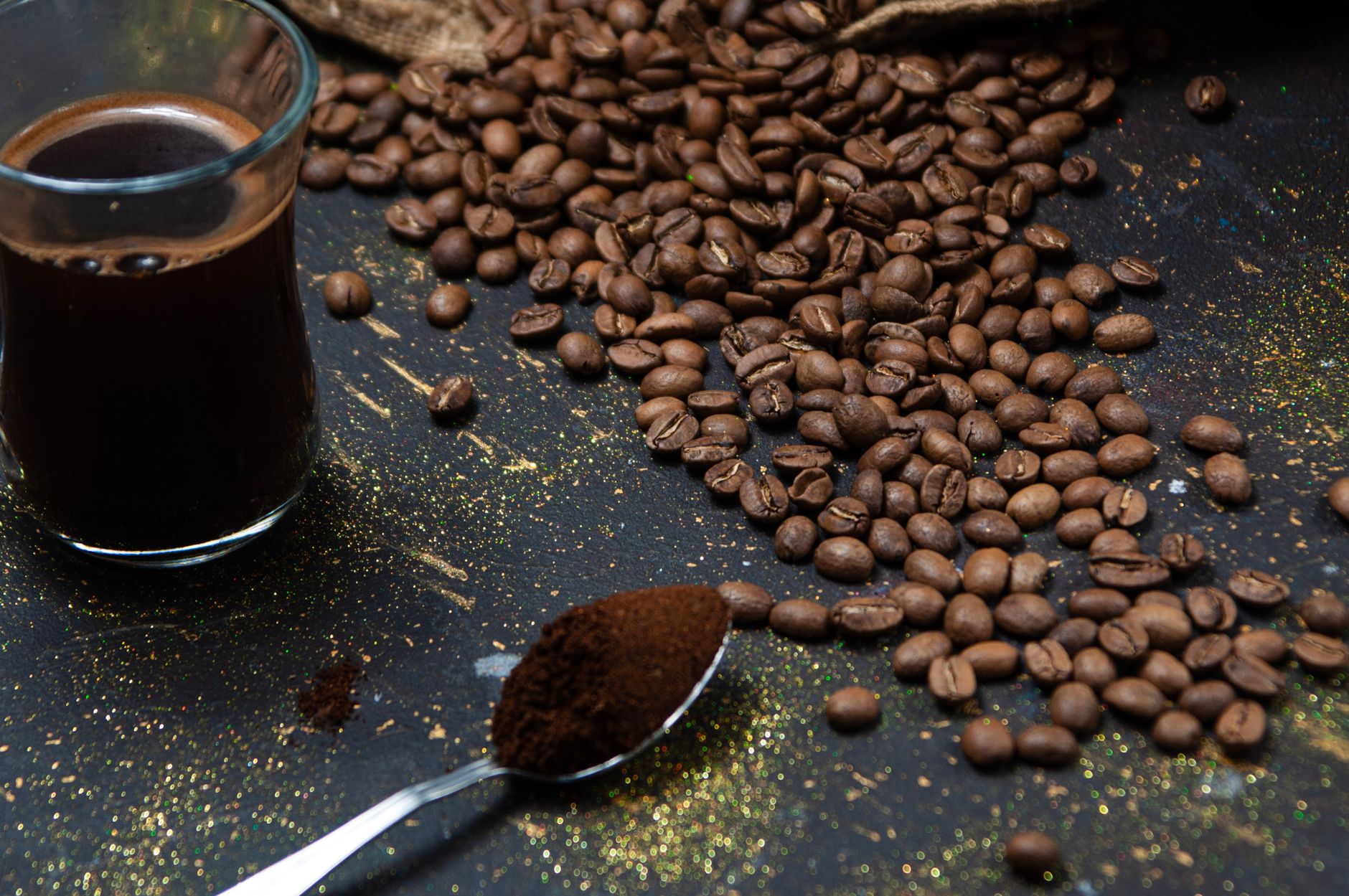
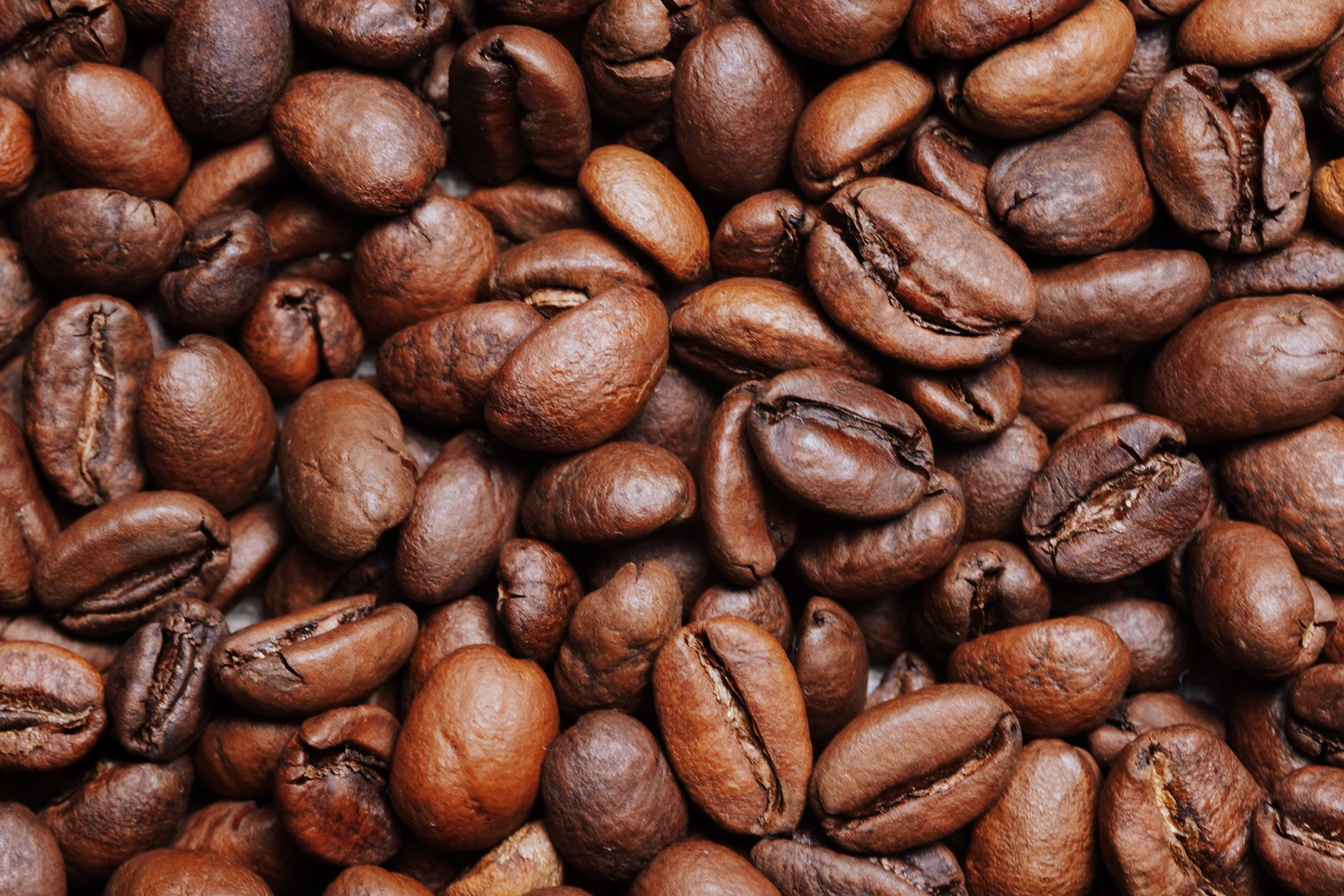 Photo: K via Pexels
Blenders work backwards from a target cup: a roaster who wants a chocolate-forward espresso with crema stability and low acidity will pull beans from Brazil (body, nutty base), Guatemala (clean sweetness), and maybe Ethiopia (fruit lift) and calibrate ratios until the shot lands reliably. When one origin has a weak harvest, they swap in something comparable.
Why Roasters Use Blends
- Consistency: Same flavor month after month, regardless of harvest variation
- Cost management: Balance expensive, complex beans with affordable, reliable ones
- Espresso performance: Milk drinks need body and sweetness; blends tuned for espresso hold up under pressure and foam
- Complexity on a budget: A $16/lb blend can outperform a $16/lb single origin if the roaster knows what they’re doing
Single Origin vs Blend: Head-to-Head
| Factor | Single Origin | Blend |
|---|---|---|
| Traceability | Full — farm/region/lot | Partial — origins often listed, ratios rarely |
| Flavor consistency | Varies harvest to harvest | Designed for batch-to-batch stability |
| Flavor complexity | Terroir-driven, often unusual | Engineered balance — predictable |
| Best brew methods | Pour over, Chemex, AeroPress, filter | Espresso, moka pot, batch brew |
| Price | Often higher (specialty tiers) | Usually more accessible |
| Roast level | Light to medium (to preserve origin character) | Medium to dark (for integration) |
| Good for milk drinks? | Rarely — delicate notes disappear | Yes — built for it |
| Seasonal availability | Yes — harvest-limited | No — ongoing blending maintains supply |
Coffee Module C — Beans & Origins
Origin Profiles: Single Origin Benchmarks
| Country | Altitude (MASL) | Processing | Roast | Tasting Notes |
|---|---|---|---|---|
| Ethiopia (Yirgacheffe) | 1,800–2,200 | Washed | Light | Jasmine, bergamot, lemon, tea-like body |
| Ethiopia (Sidama) | 1,500–2,200 | Natural | Light–Medium | Blueberry, strawberry jam, wine |
| Colombia (Huila) | 1,500–2,000 | Washed | Medium | Caramel, red apple, brown sugar, mild acidity |
| Guatemala (Antigua) | 1,500–1,700 | Washed | Medium | Dark chocolate, almond, mild citrus |
| Brazil (Cerrado) | 900–1,200 | Natural/Pulped Natural | Medium–Dark | Peanut, milk chocolate, low acidity, heavy body |
| Kenya (Nyeri) | 1,600–2,100 | Washed (AA) | Light–Medium | Black currant, tomato, bright citrus |
Brew Method Pairing & Adjustments
Pour over / Chemex / V60 — ideal for washed Ethiopian or Kenyan single origins. Use a medium-fine grind, 92–94°C water. These methods highlight brightness and clarity; darker-roasted blends will taste flat.
Espresso — blends dominate here. If you’re pulling single origin espresso, drop dose 0.5–1g and lower extraction temperature by 1–2°C (90–92°C) to prevent over-extraction of delicate acids. Expect a thinner crema and wilder flavor variance.
AeroPress — single origin shines here too. Coarser grind, inverted method, 93°C, 2-minute steep. Tolerant of both light single origins and medium blends.
French press / Cold brew — blends with natural-processed Brazilian base perform best. Heavy body holds up through immersion and dilution.
Freshness Guide
| Stage | Single Origin | Blend |
|---|---|---|
| Post-roast degassing | 5–10 days (light roast) / 3–5 days (medium) | 3–7 days |
| Peak window | Days 10–28 post-roast | Days 7–21 post-roast |
| Storage | Airtight container, away from light and heat, room temp | Same |
| Shelf life after opening | 3–4 weeks for best flavor | 3–4 weeks |
| Grind fresh? | Critical — pre-ground degrades within hours | Yes, but more forgiving |
Which Should You Buy?
Buy single origin if: you’re brewing filter coffee, you care about where your coffee comes from, you want to taste how processing and altitude change a cup, or you’re dialing in brew technique and want a clean reference point.
Buy a blend if: you’re pulling espresso, you drink milk drinks, you want the same reliable cup every morning, or you’re feeding an office — consistency over exploration.
Many serious home baristas keep both: a rotating single origin for morning pour-overs and a tuned house blend for espresso. That’s not fence-sitting — it’s using the right tool.
→ See Also
- Coffee Bean Guide: Origins, Roasts, and How to Choose
- Best Coffee Subscription Boxes (2026 Ranked)
- Trade Coffee Review (2026): Is It Worth It?
FAQ
Is single origin coffee always better quality than blends? No. Quality is determined by how the coffee was grown, processed, and roasted — not whether it’s blended. A well-crafted blend from a serious roaster will outperform a poorly processed single origin every time. “Single origin” signals traceability and specificity, not superiority.
Can you use single origin coffee for espresso? Yes, but it requires adjustment. Single origins — especially light-roasted washed coffees — are more sensitive to temperature and extraction time. Pull at 90–92°C, use a slightly lower dose, and expect more acidity and less crema than a purpose-built espresso blend. Some cafés specialize in single origin espresso and do it brilliantly.
Why do most espresso blends use Brazilian beans? Brazil’s low-altitude naturals bring a heavy body, low acidity, and nutty sweetness that act as a stable base under pressure. They’re also consistent year-round and relatively affordable, making them a reliable anchor while other origins add complexity on top.
What does “single farm” mean versus “single origin”? Single farm is a more specific subset of single origin — all the coffee comes from one producer’s land rather than a cooperative or regional lot. It typically costs more, offers more traceable flavor, and is more sensitive to harvest variation. Think of single origin as the category and single farm as the most granular tier within it.
Do blends hide low-quality coffee? They can, but they don’t have to. Historically, blending was used to dilute bad lots with better ones. At specialty roasters, the opposite is true — blending is a deliberate craft decision, and every component is selected for how it contributes to the target profile. Check whether your roaster lists their blend’s components; transparency is a good proxy for quality intention.
How do I know if a single origin coffee is worth the price? Look for specificity on the label: farm name or cooperative, altitude, processing method, and harvest date. Vague labels (“Ethiopia Natural,” no other detail) at a premium price are a yellow flag. Good roasters tell you exactly where the coffee came from and when it was roasted — that information is the product.
Editorial methodology: Assessments are based on manufacturer specifications, published user reviews, and editorial research. Physical hands-on testing is noted explicitly where it occurred. Rankings reflect our editorial judgment and are not influenced by affiliate commission rates. Full editorial policy · Affiliate disclosure