Contents
Light vs Medium vs Dark Roast Coffee: Which Is Best?
TL;DR: There’s no objectively best roast — light roast preserves the most origin character and caffeine, medium balances brightness with body, and dark roast trades complexity for boldness and lower acidity. For light vs medium vs dark roast coffee, the right pick comes down to brew method, flavor preference, and what you’re doing with the bean.
What Actually Changes When Coffee Is Roasted
Direct Answer: Roasting drives off moisture, develops sugars through Maillard reactions, and degrades chlorogenic acids. Light roasts retain more of those acids (brightness, complexity), more caffeine by mass, and more of what makes the origin bean distinctive. Dark roasts lose most of that — what you taste is mostly the roast itself.
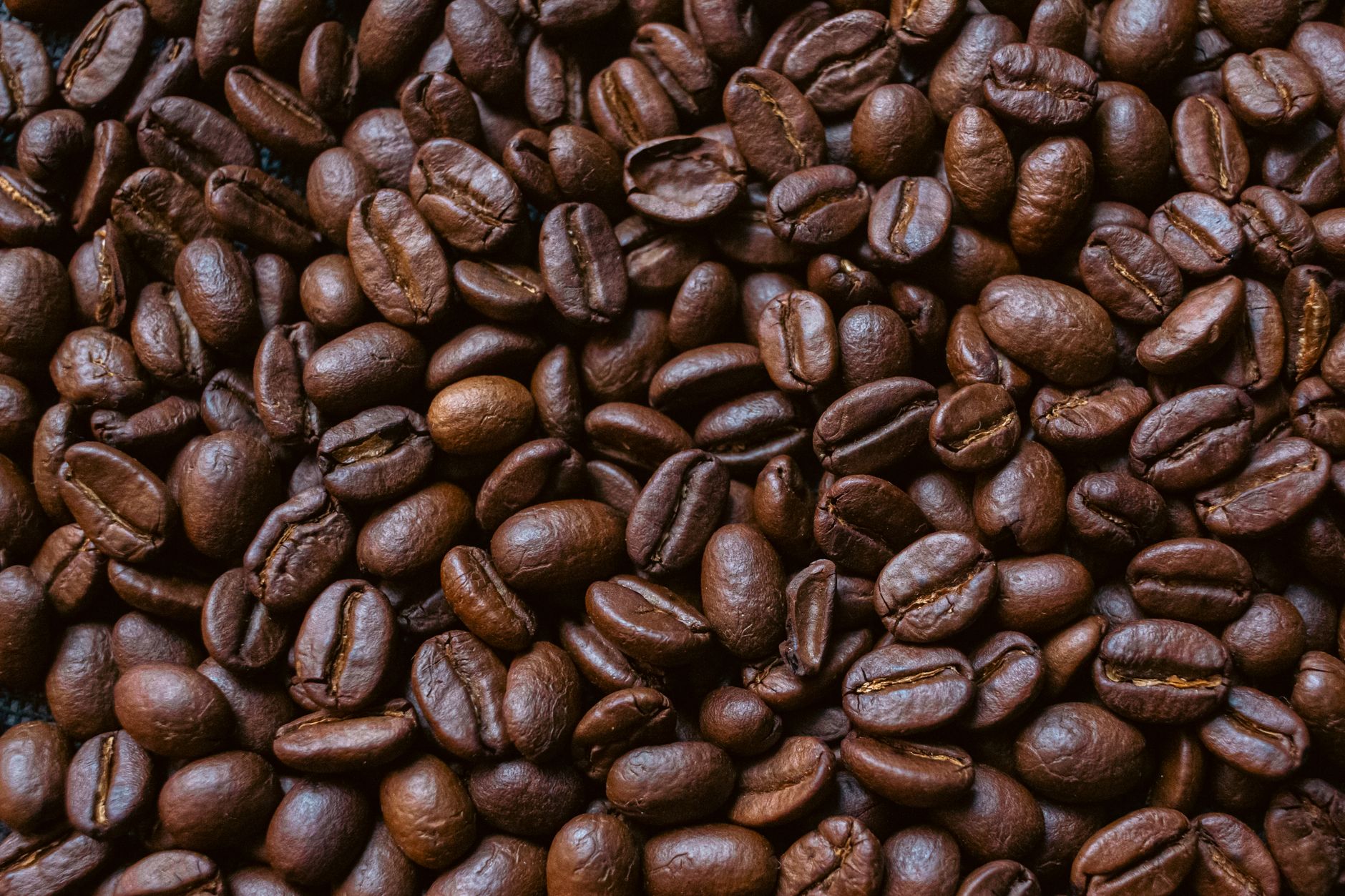
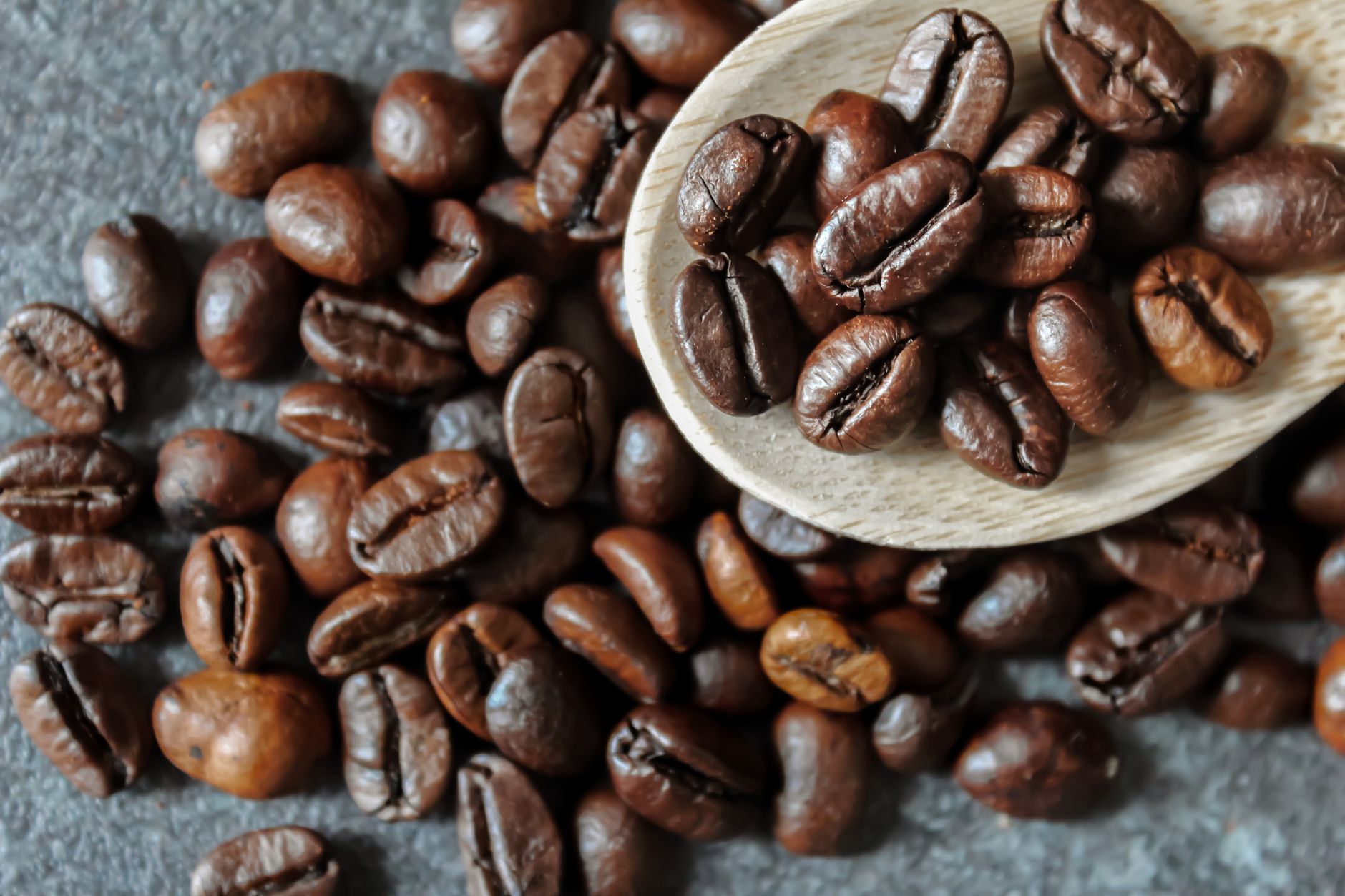 Photo: Sara via Pexels
The roasting process runs from roughly 180°C to 240°C. The key milestones:
- First crack (~196°C): The bean expands, cell walls break — this is the minimum point for drinkable coffee. Light roasts stop here or just after.
- Between cracks: Medium roast territory. Development time matters more than temperature alone.
- Second crack (~224°C): Oils push to the surface. Dark roasts live here. Past second crack, you’re cooking away everything the farmer worked to develop.
Caffeine is surprisingly stable under heat, but light roast beans are denser — so by weight, light roast has slightly more caffeine. By volume (scoops), it’s roughly equal.
Light Roast: High Complexity, Not for Everyone
Direct Answer: Light roast is the barista’s choice for showcasing terroir. Expect fruit, floral, and bright acidity — sometimes almost tea-like. It performs best in pour-over or AeroPress, and punishes bad extraction brutally. If your grinder is mediocre, this roast will expose it.
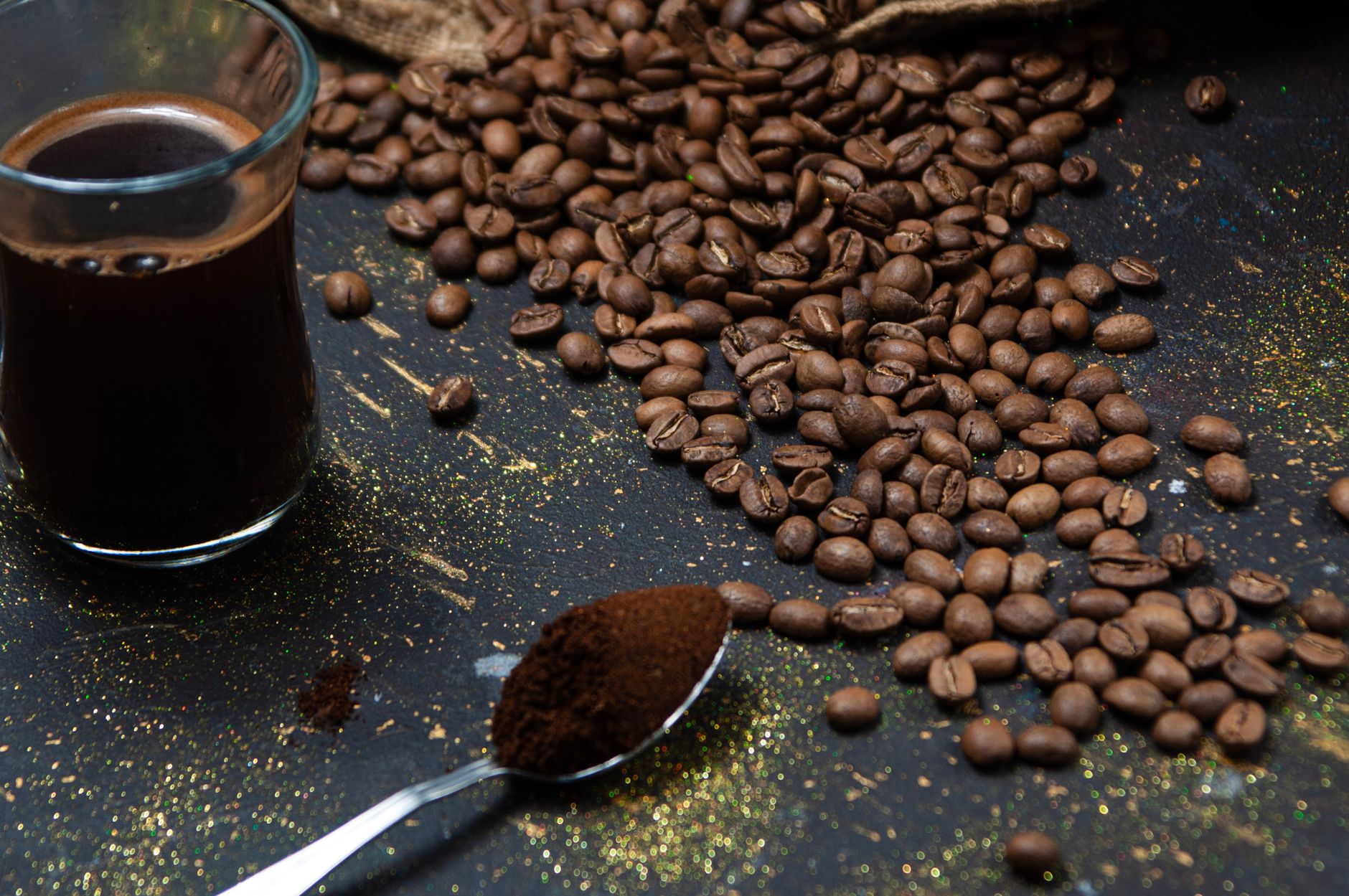
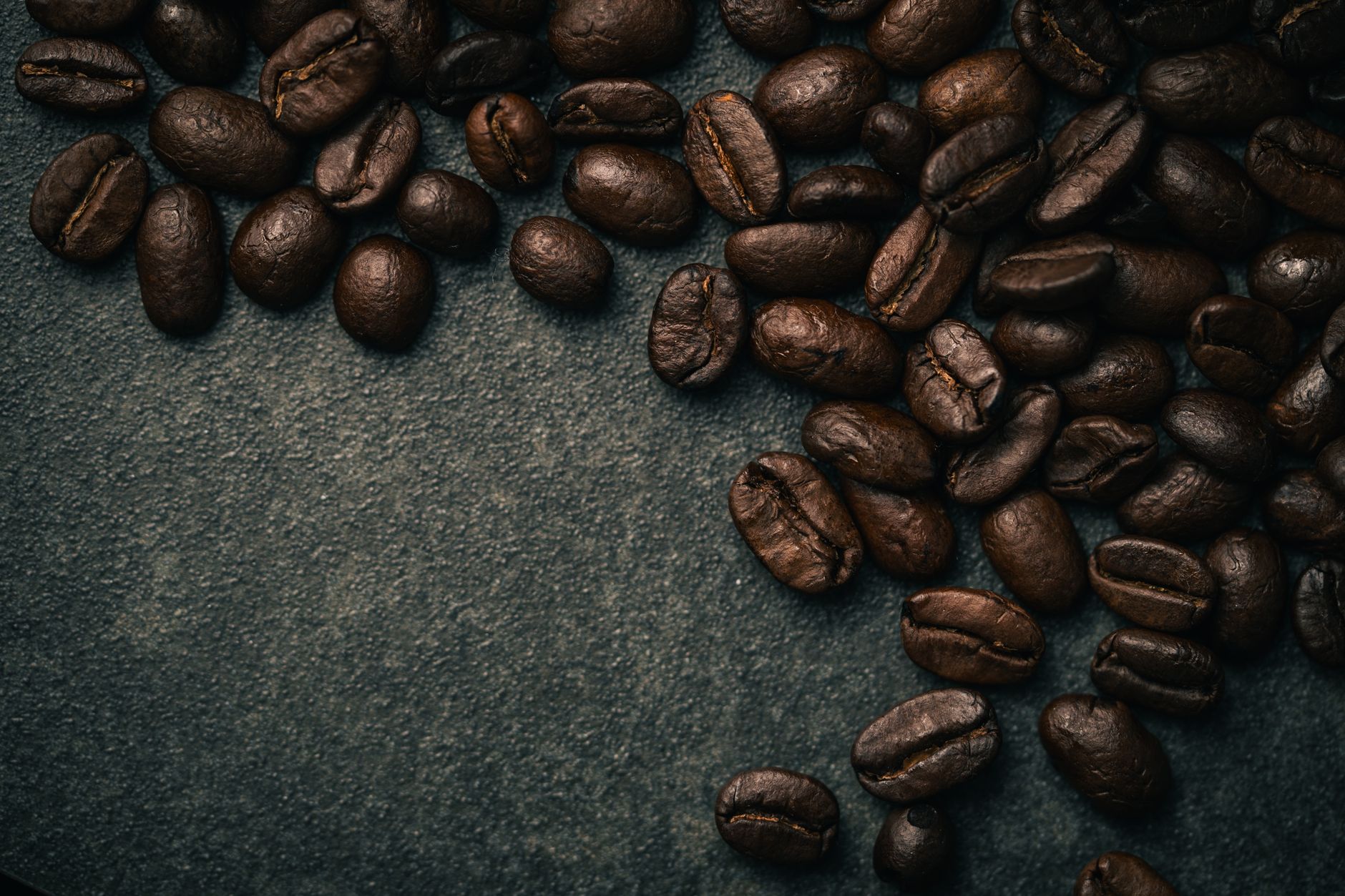 Photo: Erik Mclean via Pexels
Flavor Profile
Tasting notes in light roast are highly origin-dependent: Ethiopian naturals bring blueberry and jasmine; Colombian washed lots lean citrus and brown sugar; Kenyan AA delivers blackcurrant and tomato. That range is only possible because the roaster stopped before caramelization buried it.
The acidity reads as brightness, not sourness — though underextraction tips it into sourness fast. Grind fine, use water around 94–96°C, and extend contact time slightly versus medium roast.
Best Brew Methods for Light Roast
| Method | Why It Works |
|---|---|
| Pour-over (V60, Chemex) | Highlights clarity and floral notes |
| AeroPress (inverted, long steep) | Control over temperature and pressure |
| Cold brew | Long extraction compensates for density |
| Espresso | Requires a skilled dialer — long ratio (1:2.5+), higher temp |
Medium Roast: The Crowd Pleaser That Deserves More Credit
Direct Answer: Medium roast is where origin character and roast development coexist. You get caramel sweetness, mild acidity, and enough body to work in most brew methods — including drip machines that can’t dial variables like pour-over can. It’s the most forgiving and the most versatile roast level.
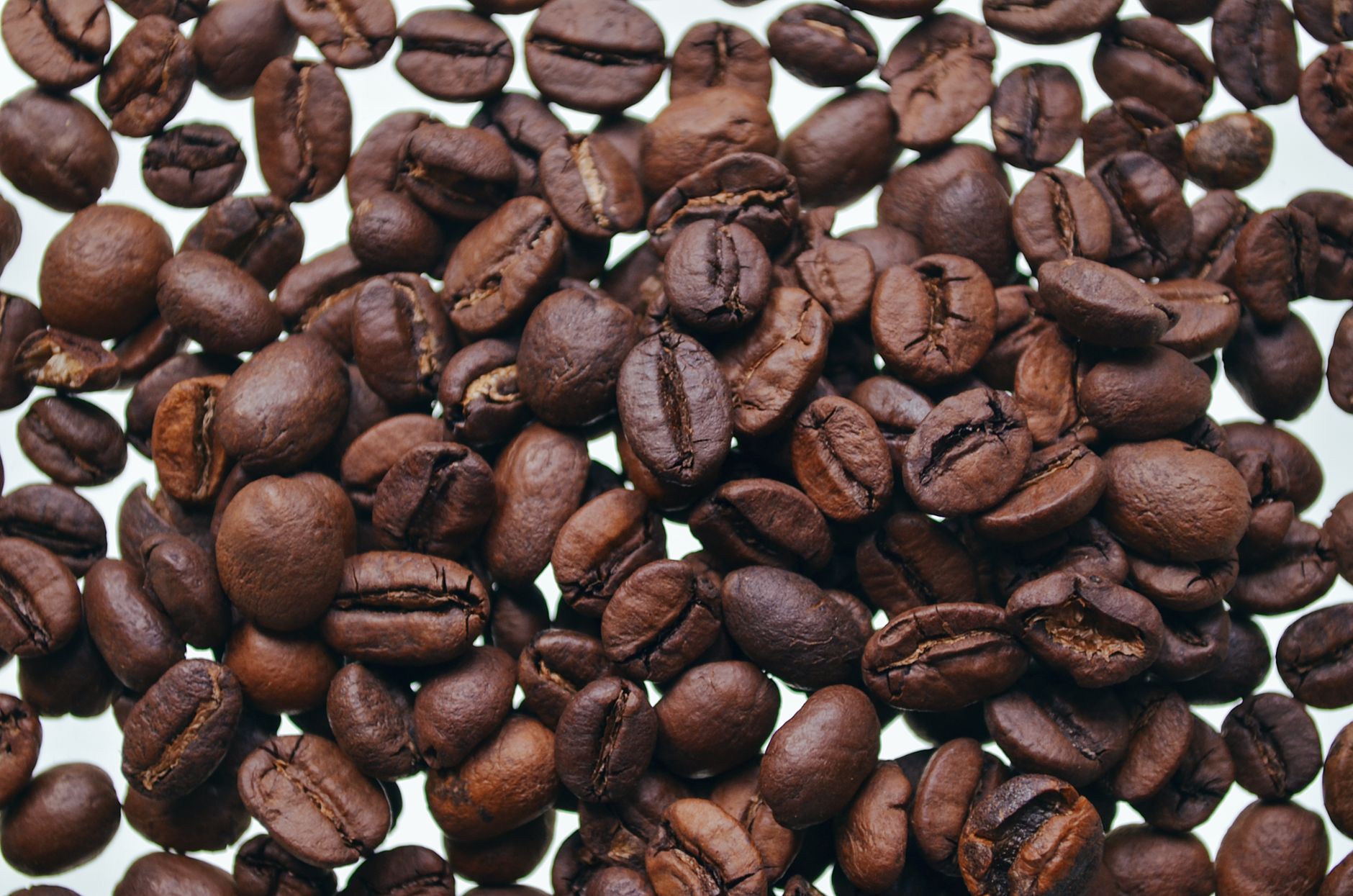
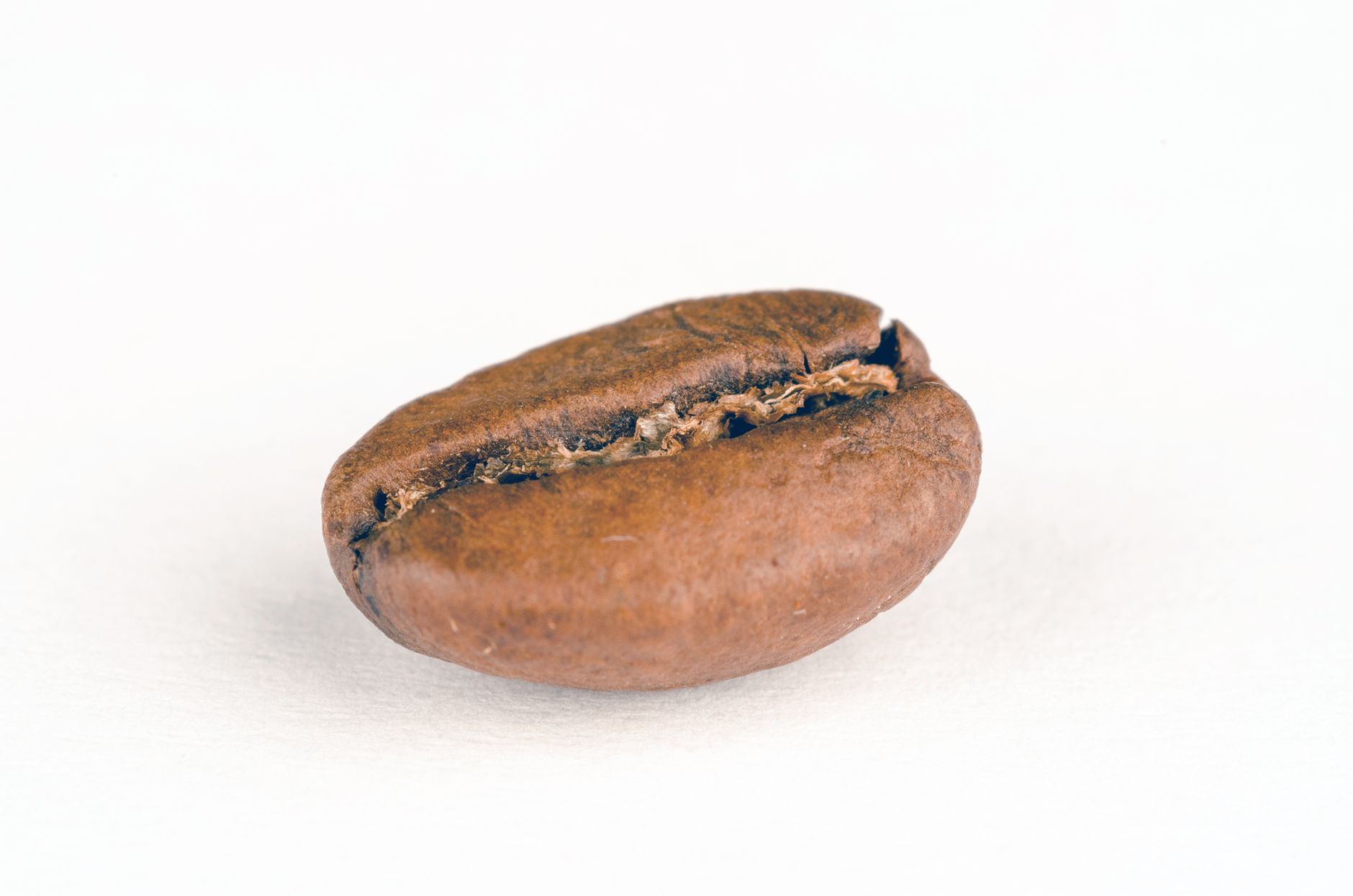 Photo: Lukas Blazek via Pexels
Flavor Profile
Expect chocolate, caramel, toasted nut, and mild fruit. The acidity softens but doesn’t disappear. Body is fuller than light roast because more sugars have caramelized. For most home brewers using an automatic drip machine or French press, medium roast is the highest-yield choice — good results without precision.
Espresso works excellently here at standard parameters: 93°C, 9 bar, 1:2 ratio. No compensation needed.
Best Brew Methods for Medium Roast
| Method | Notes |
|---|---|
| Drip / automatic | Works perfectly — low-error brew method |
| French press | Full body, chocolate notes shine |
| Espresso | Standard parameters, reliable crema |
| Moka pot | Sweet and balanced, not bitter |
Dark Roast: Bold, Low-Acid, and Often Misunderstood
Direct Answer: Dark roast isn’t stronger in caffeine — it’s stronger in roast flavor. You’re tasting carbon, bittersweetness, and smoke, not the bean. That’s a feature for some drinkers, especially those sensitive to acidity or who drink coffee with milk. It’s a problem if you paid a premium for a single-origin bean.
 Photo: Abdullah Öğük via Pexels
Flavor Profile
Dominant notes: dark chocolate, tobacco, smoky, sometimes ash. Acidity is low — often the top reason people prefer dark roast. Body is heavy. Oils on the surface mean faster staleness (oxidation accelerates with surface lipids) — buy in smaller quantities and grind right before brewing.
Espresso from dark roast needs a coarser grind and shorter ratio (1:1.5 to 1:2) to avoid over-extracted bitterness. Pull at 91–92°C.
Best Brew Methods for Dark Roast
| Method | Notes |
|---|---|
| Espresso | Lower temp, shorter ratio |
| French press | Oils stay in — amplifies body |
| Cold brew | Smooth and very low-acid result |
| Moka pot | Classic Italian style, robust |
Head-to-Head Comparison
| Factor | Light Roast | Medium Roast | Dark Roast |
|---|---|---|---|
| Caffeine (by weight) | Highest | Middle | Lowest |
| Acidity | High | Moderate | Low |
| Body | Light | Medium | Heavy |
| Origin character | Maximum | Present | Minimal |
| Roast character | None | Balanced | Dominant |
| Surface oils | None | None | Present |
| Best for espresso | Advanced (high temp, long ratio) | Standard params | Lower temp, shorter ratio |
| Forgiveness in brew | Low | High | Medium |
| Price sensitivity | High (single-origin focus) | Moderate | Low |
Coffee Module C — Beans & Origins
Origin Table: How Roast Level Intersects With Source
| Country | Altitude (MASL) | Processing | Roast Fit | Tasting Notes |
|---|---|---|---|---|
| Ethiopia (Yirgacheffe) | 1,750–2,200 | Washed | Light | Jasmine, lemon, bergamot |
| Colombia (Huila) | 1,500–2,000 | Washed | Light–Medium | Red apple, caramel, milk chocolate |
| Brazil (Cerrado) | 900–1,200 | Natural | Medium–Dark | Nutty, chocolate, low acid |
| Sumatra (Mandheling) | 1,200–1,500 | Wet-hulled | Dark | Earthy, cedar, dark chocolate |
| Kenya (Nyeri) | 1,700–2,100 | Washed | Light | Blackcurrant, tomato, brown sugar |
| Guatemala (Antigua) | 1,500–1,700 | Washed | Medium | Cocoa, apple, brown spice |
Brew Adjustments by Roast
- Light: Grind 1–2 steps finer than baseline. Water 94–96°C. Extend pour-over drawdown by 15–20 seconds.
- Medium: Standard grind. 92–94°C. No adjustments needed.
- Dark: Grind 1–2 steps coarser. Water 89–92°C. Shorter espresso ratio (1:1.5–1:2).
Espresso dose/temp offset:
- Light: +1–2°C above standard, +2g dose, longer pre-infusion
- Dark: −2°C below standard, standard dose, no pre-infusion needed
Freshness Guide
| Roast | Degassing (days post-roast) | Storage | Shelf Life (after opening) |
|---|---|---|---|
| Light | 5–10 days | Airtight valve bag, room temp | 3–4 weeks |
| Medium | 4–8 days | Same | 3–4 weeks |
| Dark | 2–5 days (oils speed off-gassing) | Same, use quickly | 2 weeks max |
Buy light and medium roast at 7–14 days post-roast. For dark roast, 5–10 days. All three: store away from light and heat, never the freezer for daily-use beans.
→ See Also
- Coffee Bean Guide: Origins, Roasts, and How to Choose
- Best Coffee Subscription Boxes (2026 Ranked)
- Trade Coffee Review (2026): Is It Worth It?
FAQ
Is light roast really stronger than dark roast? By caffeine content per gram, yes — light roast retains slightly more caffeine because heat degrades it over time. The difference is small (under 10%) and irrelevant to most drinkers. “Stronger” in common usage usually means more intense flavor, which is dark roast territory.
Why does dark roast taste bitter? Bitterness in dark roast comes from degraded chlorogenic acids breaking down into bitter phenolic compounds, plus carbonization at second crack and beyond. It’s not a flaw per se — many people enjoy it — but it’s a roast artifact, not origin character.
Which roast is best for espresso? Medium roast is the most consistent for espresso — forgiving parameters, reliable crema, balanced flavor. Light roast espresso can be exceptional but requires precise temperature control and a high-quality grinder. Dark roast works well for milk drinks (flat white, cappuccino) where bold flavor needs to cut through steamed milk.
Which roast has the least acidity? Dark roast. Chlorogenic acids break down significantly during extended roasting, which is why dark roast is often recommended for people with acid sensitivity or reflux. Cold brew with dark roast reduces acidity further.
Does roast level affect how long coffee stays fresh? Yes. Dark roast has surface oils that oxidize quickly, cutting shelf life to around two weeks after opening. Light and medium roast last three to four weeks in an airtight container. All roasts degrade fast once ground — grind immediately before brewing.
Can I use any roast in a French press or drip machine? French press works with all three — dark roast amplifies body since the oils stay in; light roast can taste thin or astringent if under-extracted. Drip machines are most forgiving with medium roast. Light roast in a drip machine often underextracts unless the machine brews at 93°C or higher and you grind fine.
Editorial methodology: Assessments are based on manufacturer specifications, published user reviews, and editorial research. Physical hands-on testing is noted explicitly where it occurred. Rankings reflect our editorial judgment and are not influenced by affiliate commission rates. Full editorial policy · Affiliate disclosure