Contents
Coffee Bean Guide: Origins, Roasts & How to Choose
TL;DR: A good coffee bean guide starts with origin (where it grew), processing (how it was prepared), and roast (how it was transformed). Arabica dominates specialty shelves; Robusta adds body and crema. Match the bean to your brew method, buy freshly roasted, and you’ll taste the difference immediately.
What Are Coffee Beans, Actually?
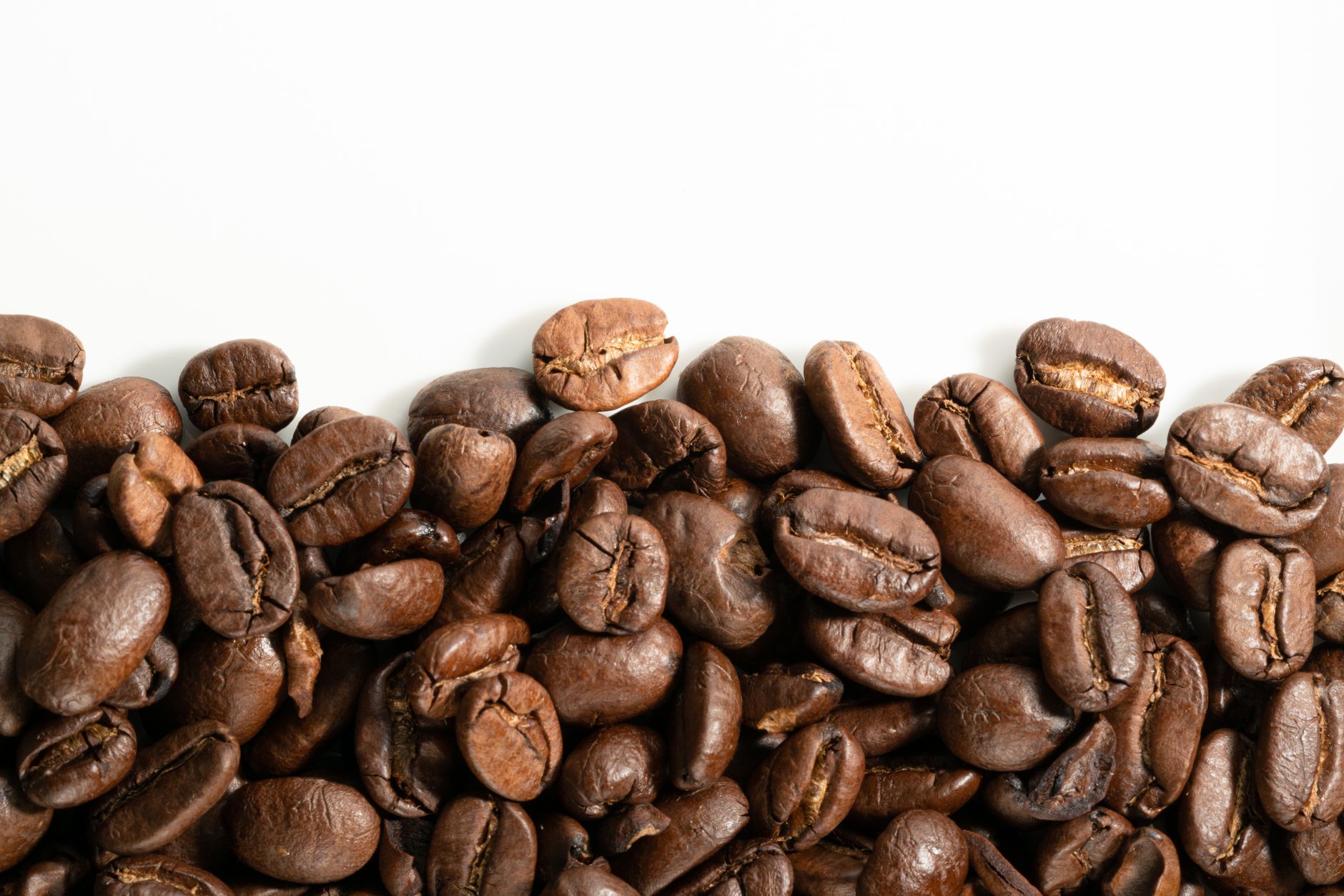
Direct Answer: Coffee beans are the seeds of the Coffea plant — two seeds sit inside a cherry-like fruit. After harvest, they’re processed, dried, sorted, and roasted. What you buy is the roasted seed. The species, altitude, soil, and processing method determine everything about flavor before the roaster touches it.
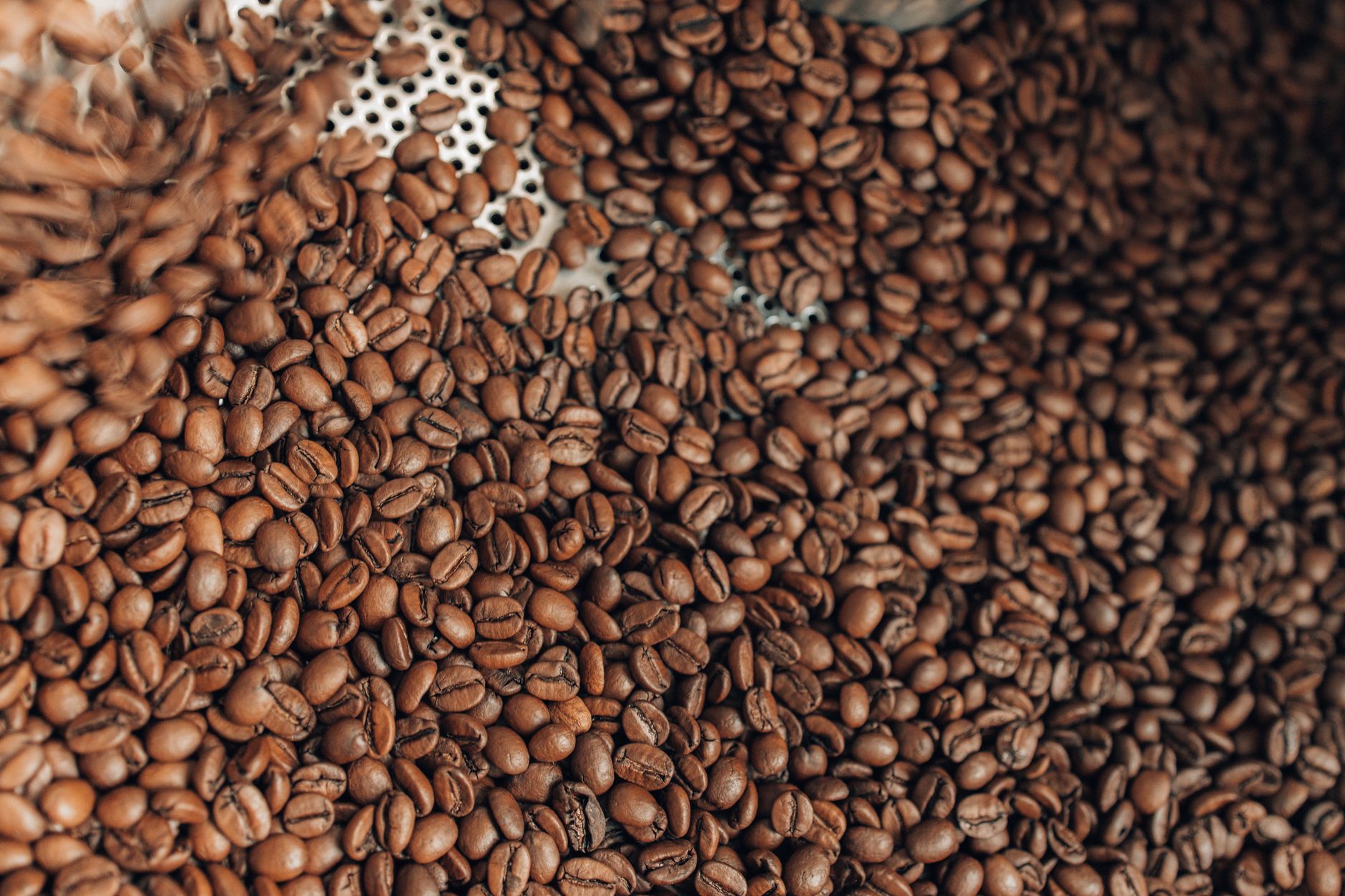 Photo: Maksim Goncharenok via Pexels
Two species dominate commercial coffee:
| Species | Caffeine | Altitude | Flavor Profile | Best For |
|---|---|---|---|---|
| Coffea arabica | ~1.2% | 1,000–2,200 MASL | Fruit, floral, bright acidity | Specialty, filter, espresso |
| Coffea canephora (Robusta) | ~2.7% | 0–800 MASL | Earthy, harsh, rubber notes | Espresso blends, instant |
| Coffea liberica | ~1.5% | Low-elevation | Woody, smoky, bold | Niche markets (Philippines, Malaysia) |
Arabica’s lower caffeine and higher sugar content make it the default for specialty coffee. Robusta isn’t inherently inferior — a well-grown Robusta from Uganda or Vietnam adds crema thickness and a caffeine spike that many espresso roasters deliberately use. The stigma is mostly against poorly-grown commodity Robusta.
Coffee Origins: Where Beans Come From Matters
Direct Answer: Origin shapes the flavor ceiling of a bean. Ethiopian Yirgacheffe and Colombian Huila don’t taste alike because the soil, climate, and altitude differ fundamentally — roasting can enhance what’s there, but it can’t invent what isn’t.
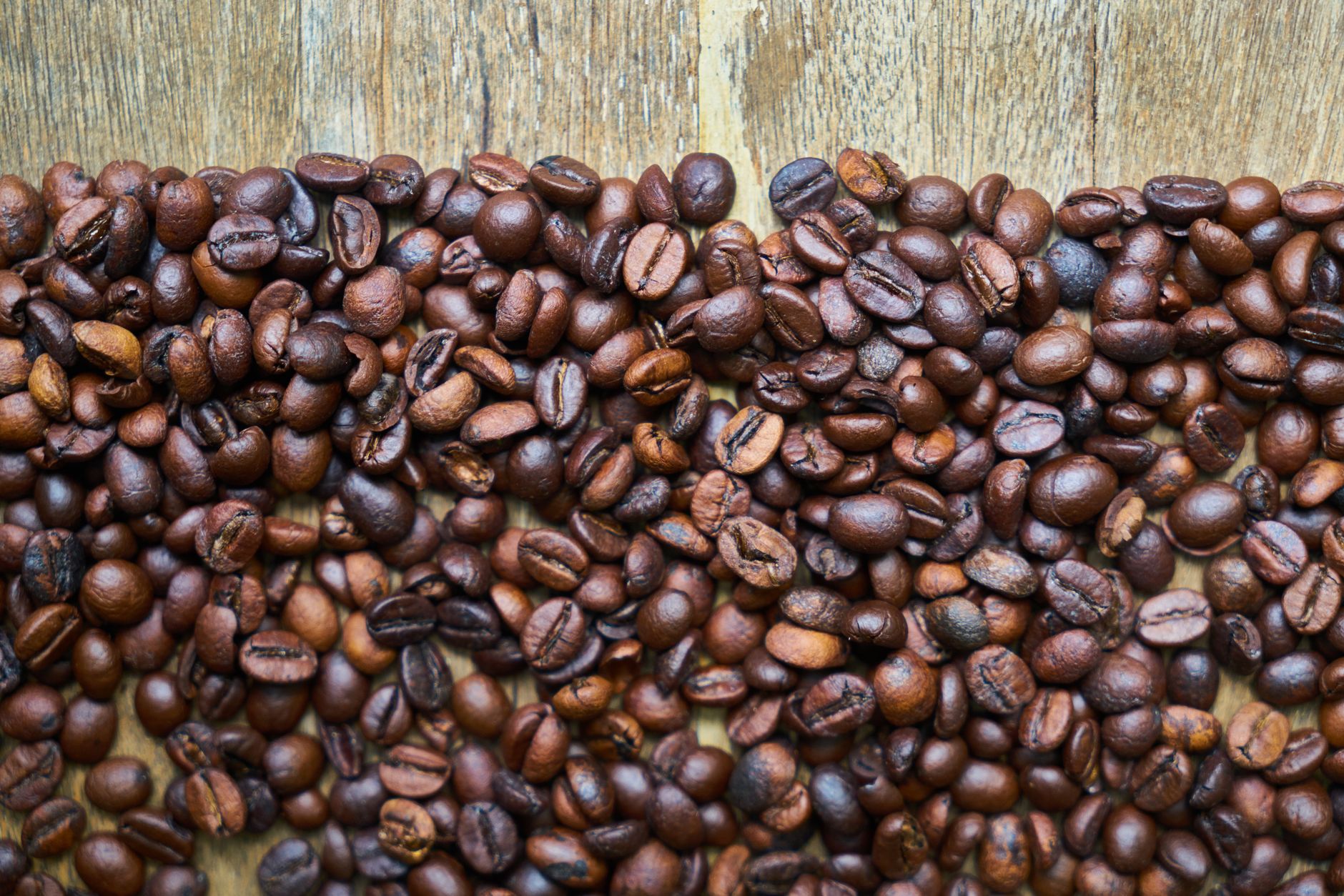
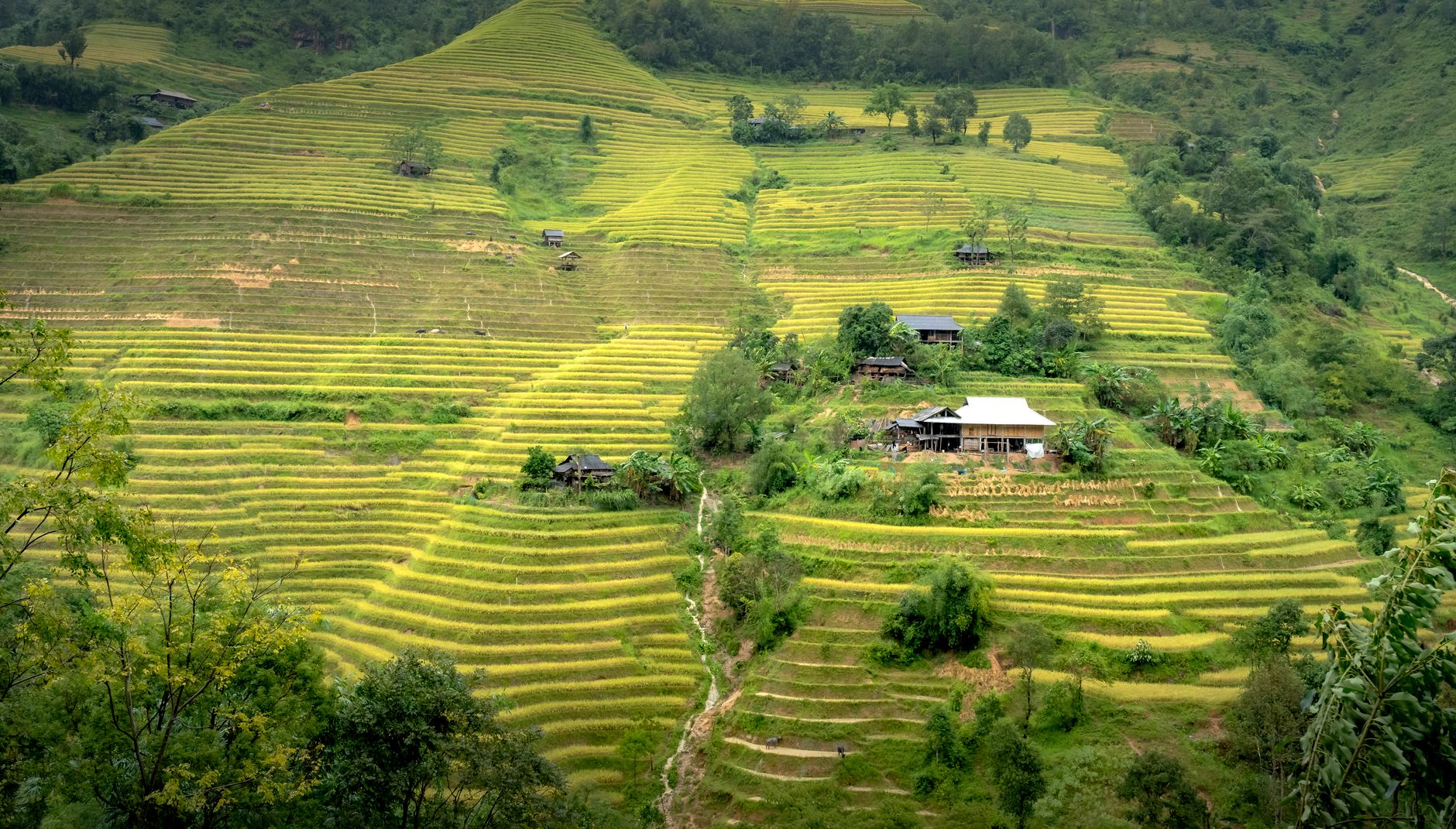 Photo: Quang Nguyen Vinh via Pexels
The Major Growing Regions
Africa
Africa is where Coffea arabica originated. Ethiopian beans — particularly from Yirgacheffe, Sidama, and Guji — tend toward jasmine, bergamot, stone fruit, and bright citric acidity. Kenyan beans are often described as blackcurrant, tomato, and winey complexity, driven by the SL28/SL34 varieties and Kenya’s high-altitude volcanic soils.
| Country | Altitude (MASL) | Processing | Roast Range | Tasting Notes |
|---|---|---|---|---|
| Ethiopia (Yirgacheffe) | 1,750–2,200 | Natural, Washed | Light–Medium | Jasmine, blueberry, lemon zest |
| Ethiopia (Sidama) | 1,550–2,200 | Washed | Light–Medium | Peach, bergamot, clean finish |
| Kenya | 1,400–2,100 | Washed (double) | Light–Medium | Blackcurrant, tomato, bright acidity |
| Rwanda | 1,700–2,000 | Washed | Light–Medium | Red plum, hibiscus, chocolate |
| Burundi | 1,500–2,000 | Washed, Natural | Light–Medium | Stone fruit, brown sugar, caramel |
Brew pairing: African beans are filter-first. A Chemex or V60 at 93–94°C will pull the florals out without scorching the delicate aromatics. If you’re pulling espresso from an Ethiopian natural, drop your extraction temperature to 88–90°C and go slightly coarser — these beans stall fast.
Latin America
Latin America produces the world’s most commercially reliable specialty coffee. Colombia, Guatemala, and Costa Rica sit in a flavor band of caramel, brown sugar, stone fruit, and mild citrus. Brazil is different — lower altitude, natural-process dominant, heavy body, and chocolate/nut notes that make it the backbone of most espresso blends.
| Country | Altitude (MASL) | Processing | Roast Range | Tasting Notes |
|---|---|---|---|---|
| Colombia (Huila/Nariño) | 1,500–2,200 | Washed | Light–Medium | Red apple, caramel, mild citrus |
| Brazil (Minas Gerais) | 800–1,300 | Natural, Pulped Natural | Medium–Dark | Chocolate, hazelnut, low acidity |
| Guatemala (Antigua) | 1,500–1,700 | Washed | Medium | Brown sugar, peach, mild smoke |
| Costa Rica (Tarrazú) | 1,200–1,900 | Honey, Washed | Light–Medium | Nectarine, citrus, clean |
| Panama (Geisha) | 1,600–1,900 | Washed, Natural | Light | Jasmine, tropical fruit, tea-like |
Brew pairing: Colombian and Guatemalan beans work in almost every brew method. Brazilian naturals shine in espresso — the low acidity and chocolate base pull balanced shots without the brightness that can read as sour on poorly calibrated machines.
Asia-Pacific
Indonesia dominates this region commercially. Sumatra Mandheling is processed via wet-hulling (Giling Basah) — a method unique to the region that removes the parchment while the bean is still wet, producing the earthy, low-acid, cedar and dark chocolate profile that divides coffee drinkers sharply. Papua New Guinea and Sulawesi offer cleaner profiles with more fruit clarity.
| Country | Altitude (MASL) | Processing | Roast Range | Tasting Notes |
|---|---|---|---|---|
| Sumatra (Mandheling) | 1,100–1,600 | Wet-hulled | Medium–Dark | Cedar, tobacco, dark chocolate, low acid |
| Papua New Guinea | 1,400–1,800 | Washed | Medium | Brown sugar, stone fruit, mild earthiness |
| Sulawesi (Toraja) | 1,400–1,800 | Wet-hulled, Washed | Medium | Dark chocolate, black cherry, earthy |
| Yemen | 1,500–2,500 | Natural (ancient method) | Light–Medium | Dried fruit, wine, leather |
Coffee Processing: The Step Most Buyers Ignore
Direct Answer: Processing method has as much flavor impact as origin. The same Ethiopian farm will produce radically different cups depending on whether the cherry is fermented with the fruit intact (natural) or stripped immediately after picking (washed).
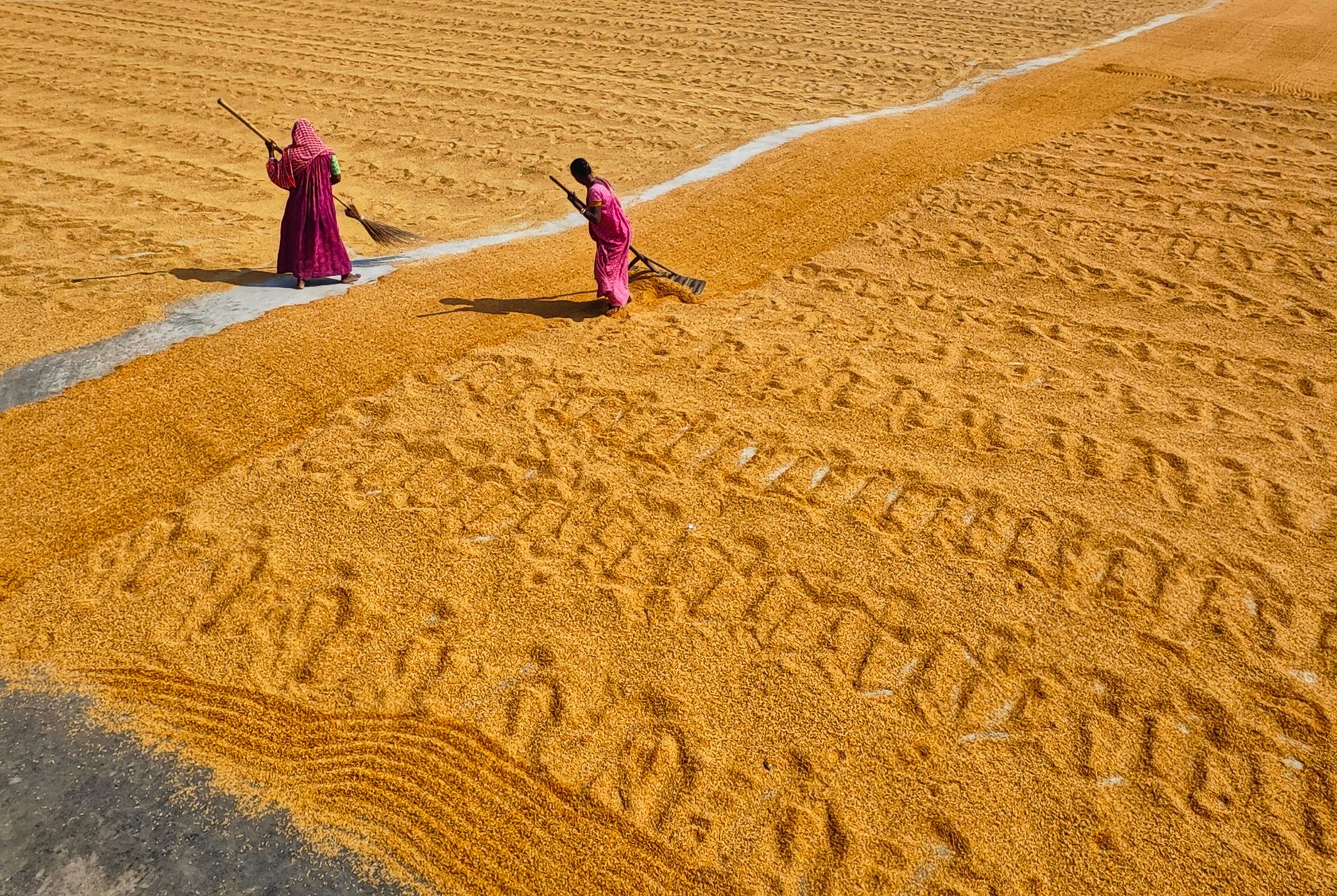 Photo: Dibakar Roy via Pexels
Washed (Wet Process)
The fruit pulp is removed within hours of harvest, then the beans ferment in water tanks for 12–72 hours to dissolve the remaining mucilage. The result is a clean cup — origin flavors come through clearly, acidity is vibrant and well-defined.
Best for: tasting the terroir, filter brewing, competition-grade coffees.
Natural (Dry Process)
Whole cherries dry in the sun for 3–6 weeks on raised beds. The sugars from the fruit migrate into the bean during drying. Result: heavy body, fruit-forward, wine-like complexity — but also inconsistency risk if drying conditions aren’t controlled.
Best for: espresso with fruit notes, French press, drinkers who like a full body.
Honey Process
A middle ground — some mucilage is left on the bean during drying. Yellow honey (little mucilage) reads closer to washed; black honey (most mucilage left) reads closer to natural.
| Process | Mucilage Remaining | Cup Clarity | Body | Fruit Notes |
|---|---|---|---|---|
| Washed | None | High | Low–Medium | Subtle |
| Yellow Honey | 25–50% | Medium-High | Medium | Mild |
| Red Honey | 50–75% | Medium | Medium-Full | Moderate |
| Black Honey | 75–100% | Low | Full | Strong |
| Natural | 100% | Low | Heavy | Intense |
Anaerobic & Experimental Fermentation
Controlled anaerobic fermentation — cherries or washed beans sealed in oxygen-free tanks with wild or cultured yeasts — amplifies specific flavor compounds. You’ll see tropical, funky, or almost alcoholic notes. It’s a legitimate processing innovation, not a gimmick, but quality depends heavily on the producer’s control.
Coffee Roast Levels: What the Roaster Does to the Bean
Direct Answer: Roasting transforms the bean chemically — Maillard reactions and caramelization develop the hundreds of flavor compounds in the final cup. Lighter roasts preserve origin character; darker roasts develop roast character. Neither is better — they’re for different palates and brew methods.
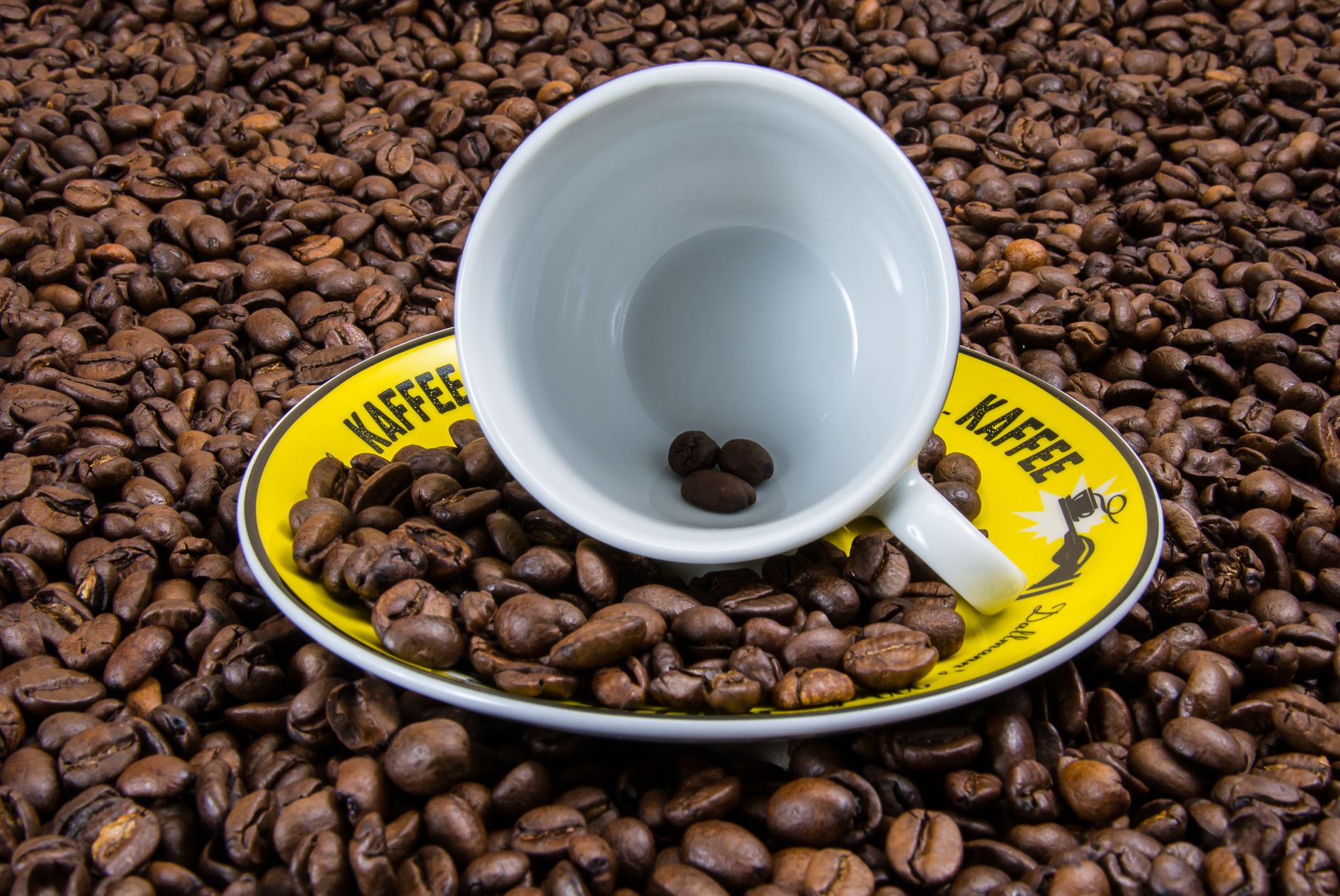 Photo: Pixabay via Pexels
The Roast Spectrum
| Roast Level | Internal Bean Temp | First/Second Crack | Surface | Flavor Profile |
|---|---|---|---|---|
| Light (Cinnamon, City) | 196–205°C | After first crack | Dry, light brown | Floral, fruit, high acidity, tea-like body |
| Medium (City+, Full City) | 210–220°C | At/before second crack | Dry to slight sheen | Balanced, caramel, moderate acidity, more body |
| Medium-Dark (Vienna, Full City+) | 225–230°C | Just into second crack | Light oil | Chocolate, dark sugar, low acidity |
| Dark (French, Italian) | 230–245°C | Well into second crack | Oily | Roast-dominant, bitter, smoky, no origin notes |
The light roast misconception: Light-roasted beans are not “weaker.” They have more caffeine (heat degrades caffeine slightly) and more complex origin flavors. They do require more precision to brew — underextracted light roasts taste sour and grassy, so grind finer than you think, use hotter water (94–96°C), and extend contact time.
When to go dark: Dark roasts forgive extraction errors, work well in milk-based drinks (bitterness cuts through), and suit certain espresso traditions (Italian, Neapolitan). If you’re buying dark roast specialty beans, look for “developed dark” not “scorched” — the roaster should list second crack development time.
Roast and Brew Method Matching
| Brew Method | Ideal Roast | Why |
|---|---|---|
| Espresso | Medium to Medium-Dark | Pressure extraction amplifies acidity — lighter roasts need precision |
| Filter (V60, Chemex, batch) | Light to Medium | Long contact time and heat bring out origin character |
| French Press | Medium to Dark | Full-immersion extraction benefits from body-forward roasts |
| Cold Brew | Medium-Dark to Dark | Long cold extraction needs body; light roasts can read thin |
| AeroPress | Light to Medium | Flexible method handles the acidity of lighter roasts well |
| Moka Pot | Medium-Dark | High heat and pressure — lighter roasts stall and go sour |
How to Choose Coffee Beans: A Practical Framework
Direct Answer: Match beans to your brew method first, then chase the flavor profile you actually enjoy. Don’t default to the same bag out of habit — rotating origins and roasters is how you develop a real palate.
Step 1 — Identify Your Brew Method
This is the hard constraint. Espresso machines, moka pots, and French presses each extract differently. Buying a delicate light-roast Ethiopian for a moka pot is a mismatch — you’ll get a sour, underdeveloped shot.
Step 2 — Nail Down Your Flavor Preference
Most buyers fall into one of three camps:
- Fruit-forward: Natural Ethiopian, Kenyan washed, Panamanian Geisha
- Balanced / sweet: Colombian, Costa Rican, Guatemalan washed
- Bold / low-acid: Brazilian natural, Sumatran wet-hulled, dark-roast blends
Step 3 — Buy Fresh and Buy Local
Roast date matters more than almost any other variable. Coffee is at peak flavor 7–21 days post-roast. After 30 days the volatile aromatics have largely degassed. After 60 days you’re drinking stale coffee regardless of how carefully you’ve stored it.
Degassing timeline:
- Espresso: best at 7–14 days post-roast (CO₂ needs to off-gas enough for even extraction)
- Filter: best at 5–21 days post-roast
- Avoid anything with a roast date older than 4 weeks unless you’re using it for cold brew
Storage: One-way valve bag, airtight container, cool dark location. Do not freeze unless you’re vacuum-sealing individual doses and never thawing partially. Do not refrigerate — condensation introduction is worse than room-temperature storage.
Step 4 — Understand Grind Freshly
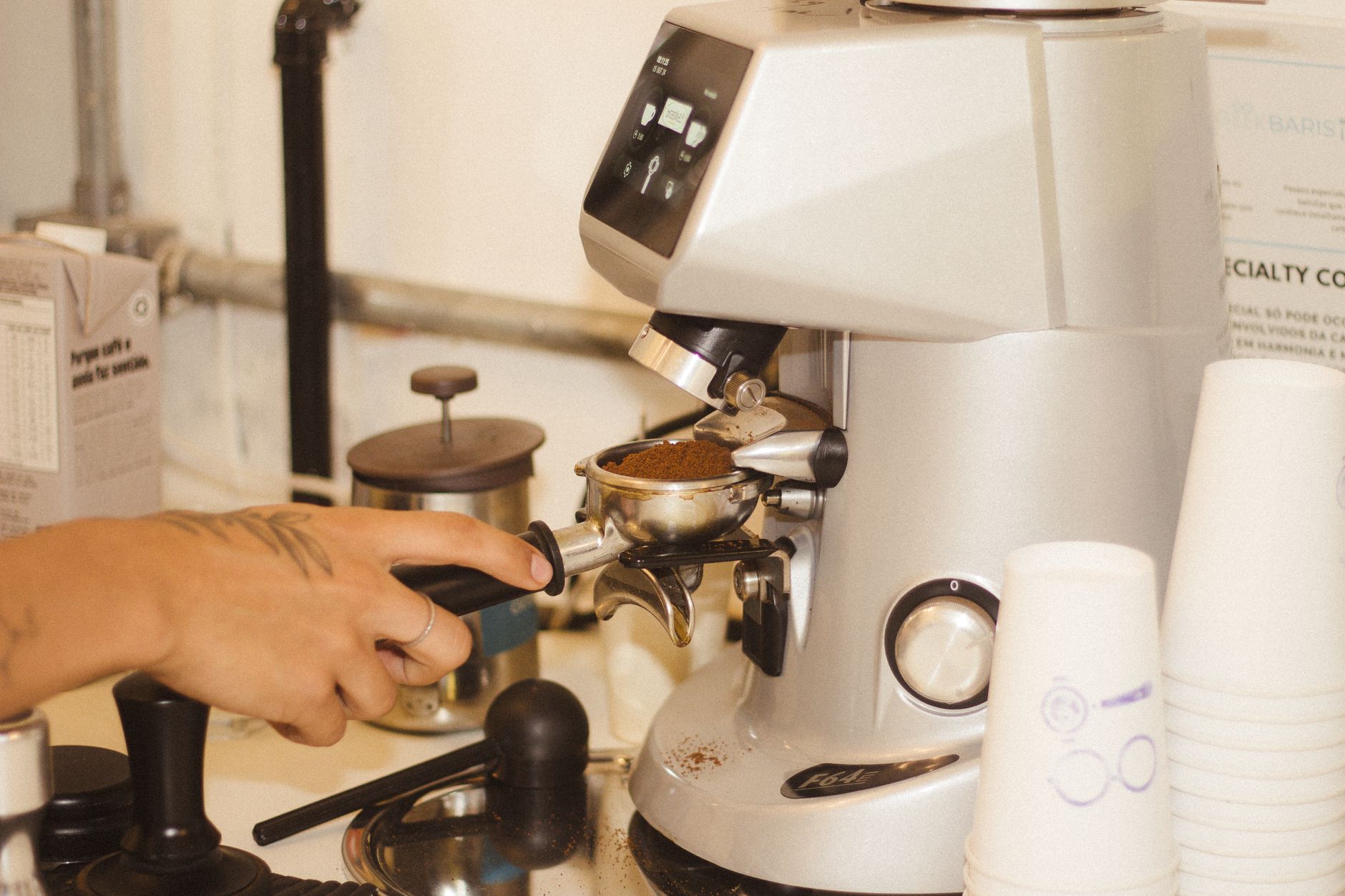
Pre-ground coffee loses 60–70% of aromatics within 15 minutes of grinding. A burr grinder — even an entry-level Baratza Encore
Blade grinders produce uneven particle distribution, which causes simultaneous over- and under-extraction in every cup. The step up to a burr grinder is the single highest-ROI upgrade in home coffee.
Beans & Origins: Complete Module
Origin Deep-Dive Table
| Country | Altitude (MASL) | Processing | Roast | Tasting Notes |
|---|---|---|---|---|
| Ethiopia (Yirgacheffe) | 1,750–2,200 | Washed, Natural | Light | Jasmine, blueberry, lemon zest |
| Ethiopia (Guji) | 1,800–2,200 | Natural | Light | Strawberry, wine, dark chocolate |
| Kenya | 1,400–2,100 | Washed (double) | Light–Medium | Blackcurrant, tomato, bright |
| Colombia (Huila) | 1,500–2,200 | Washed | Light–Medium | Red apple, caramel, mild citrus |
| Colombia (Nariño) | 1,700–2,300 | Washed | Light | Green apple, stone fruit, floral |
| Guatemala (Antigua) | 1,500–1,700 | Washed | Medium | Brown sugar, peach, mild smoke |
| Costa Rica (Tarrazú) | 1,200–1,900 | Honey, Washed | Light–Medium | Nectarine, citrus, clean |
| Panama (Geisha) | 1,600–1,900 | Washed, Natural | Light | Jasmine, tropical, tea-like |
| Brazil (Minas Gerais) | 800–1,300 | Natural | Medium–Dark | Chocolate, hazelnut, low acid |
| Sumatra (Mandheling) | 1,100–1,600 | Wet-hulled | Medium–Dark | Cedar, tobacco, dark chocolate |
| Yemen | 1,500–2,500 | Natural | Light–Medium | Dried fruit, wine, leather |
| Rwanda | 1,700–2,000 | Washed | Light–Medium | Red plum, hibiscus, chocolate |
Brew Method Pairing by Origin
Ethiopian (washed): V60, Chemex. Grind slightly finer than usual. Water at 93–94°C. 1:15 ratio. The florals bloom at slightly lower temps.
Ethiopian (natural): AeroPress inverted, or flat-bed filter. Coarser grind compensates for the sticky outer layer. 88–90°C espresso pulls if the roaster recommends it.
Kenyan: Chemex or Kalita Wave. The double-washed process means high extraction clarity — these beans handle slightly higher extraction without turning harsh. Try 1:16 for filter.
Colombian: All-rounder. Works in espresso (especially medium roast), V60, and batch brew. Start with standard parameters.
Brazilian: Espresso baseline bean. Low acid, high body, forgives slight under-extraction. Most Italian espresso blends are 60–70% Brazilian as the foundation.
Sumatran: French press, moka pot, or a dark-roast espresso blend. The earthiness is a feature, not a flaw — but it needs the body of immersion or pressure to come through correctly.
Espresso Dose and Temperature Offsets
| Bean Origin/Processing | Dose Adjustment | Water Temp | Notes |
|---|---|---|---|
| Light washed Ethiopian | +0.5–1g | 88–91°C | High solubility; lower temp prevents sourness |
| Natural Ethiopian | Standard | 88–90°C | Fruity naturals extract fast; watch for channeling |
| Kenyan washed | Standard | 90–93°C | High acidity; standard to slightly lower temp |
| Colombian washed | Standard | 92–94°C | Forgiving, flexible |
| Brazilian natural | −0.5g | 93–95°C | Needs heat to develop; low acid holds higher temps |
| Sumatran wet-hulled | Standard | 93–95°C | Dense beans; higher temp unlocks body |
Freshness Reference
| Stage | Filter Brewing | Espresso |
|---|---|---|
| 0–4 days post-roast | Off-gassing, avoid | Off-gassing, avoid |
| 5–7 days | Acceptable | Too gassy for espresso |
| 7–14 days | Peak | Approaching peak |
| 14–21 days | Still good | Peak window |
| 21–30 days | Acceptable | Past peak |
| 30+ days | Noticeably stale | Significantly stale |
Storage shelf life after opening: 2–3 weeks in an airtight one-way valve container at room temperature. Beyond that, volatile aromatics drop below the threshold of a noticeably good cup.
Single Origin vs. Blends
Direct Answer: Single origins showcase terroir; blends are engineered for consistency and balance. Neither is superior — they serve different goals.
Single-origin beans let you taste a specific farm, region, or processing lot. They’re ideal for filter brewing where the goal is nuance. The tradeoff is seasonal availability and batch-to-batch variation.
Blends are formulated to hit a consistent flavor profile year-round. A well-built espresso blend compensates for seasonal variation in the component beans by adjusting percentages — which is why your daily driver bag from a good roaster tastes the same in February and August even though the actual beans sourced may have shifted.
For espresso specifically, blends often outperform single origins for milk drinks. The designed balance holds up under steamed milk in a way that a bright single-origin Kenyan might not.
Specialty vs. Commodity Coffee
Direct Answer: Specialty coffee is scored by licensed Q-Graders on the SCA 100-point scale. 80+ points qualifies as specialty. Most retail supermarket coffee doesn’t meet that threshold — it’s commodity-grade Arabica or blended Robusta.
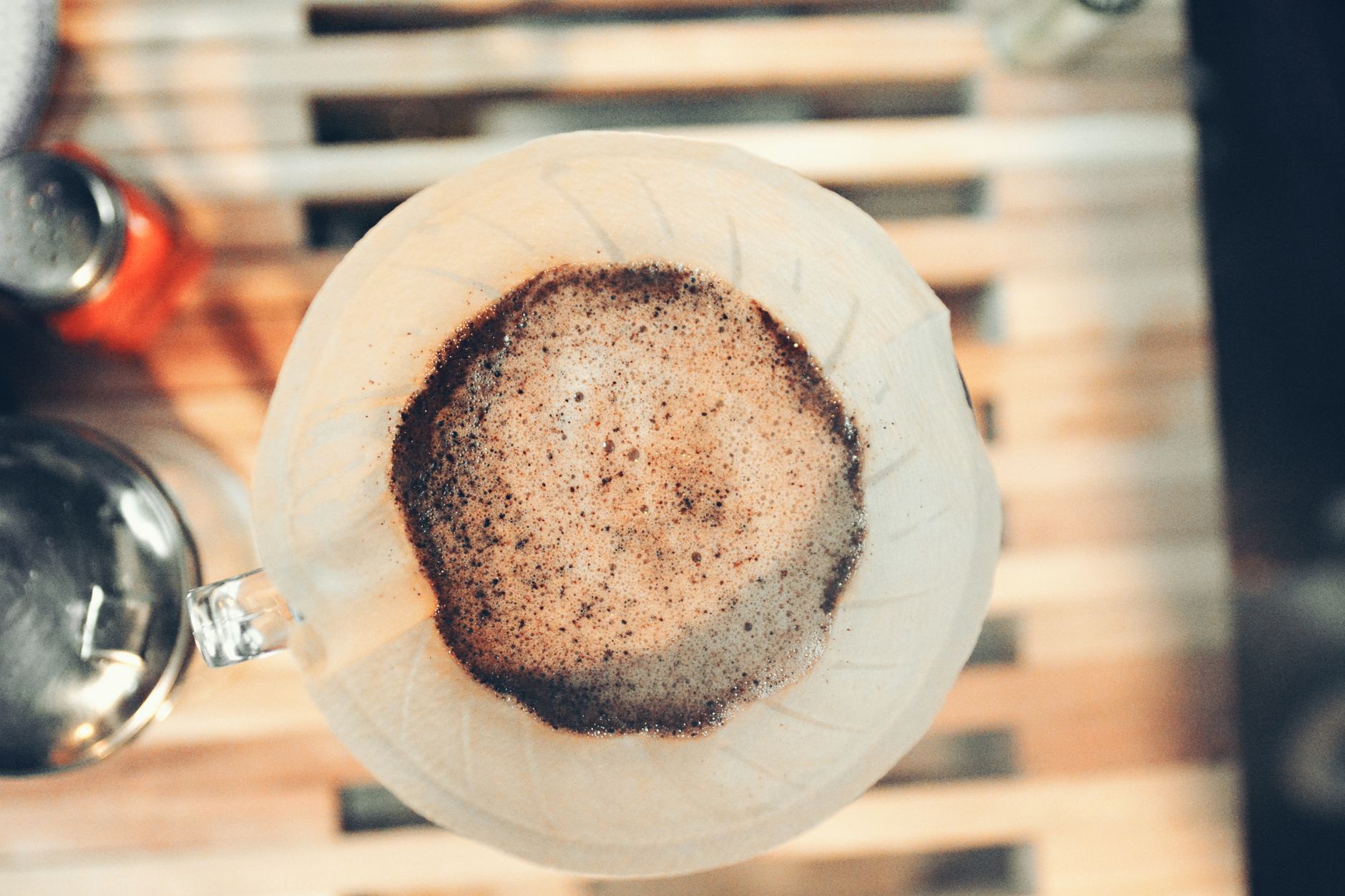 Photo: DΛVΞ GΛRCIΛ via Pexels
The SCA scoring evaluates:
- Fragrance/Aroma
- Flavor
- Aftertaste
- Acidity
- Body
- Balance
- Uniformity
- Clean Cup
- Sweetness
- Overall impression
A 90+ SCA score (“outstanding”) is rare and commands premium pricing. 85–89 (“excellent”) covers most of what’s sold at quality roasters. 80–84 (“very good”) is the entry point for specialty.
When a roaster doesn’t publish SCA scores, look at:
- Roast date on the bag (not “best by” — roast date)
- Origin specificity (farm or cooperative name, not just “Colombia”)
- Processing method listed
- Tasting notes that are specific (“mandarin peel, hazelnut, brown sugar”) not vague (“rich, smooth, full-bodied”)
Vague tasting notes are a red flag. Any roaster worth buying from can describe what’s in the bag precisely.
→ See also:
- Best Coffee Subscription Boxes (2026 Ranked) — if you want fresh beans delivered before the roast date expires
- Trade Coffee Review (2026): Is It Worth It? — the most comprehensive bean-matching subscription currently available
FAQ
What’s the difference between Arabica and Robusta coffee beans? Arabica contains roughly half the caffeine of Robusta and has more complex sugars, producing fruit, floral, and sweet flavor profiles. Robusta grows at lower altitudes, resists disease more easily, and produces an earthy, harsh cup with significantly more crema in espresso. Specialty coffee almost exclusively uses Arabica; Robusta appears in blends for body and cost reduction.
How do I know if coffee beans are fresh? Look for the roast date, not the “best by” date — they’re not the same. Fresh beans are 7–21 days post-roast for most methods. Fresh whole beans bloom visibly when hot water hits them (CO₂ off-gassing); flat, no-bloom coffee is stale regardless of what the bag says.
What roast level has the most caffeine? Light roasts, by mass. Roasting reduces caffeine content slightly and also reduces bean density. When you scoop by volume (a common home method), dark roasts have slightly more caffeine because the beans are lighter and you’re fitting more of them in the scoop. By weight — which is how specialty coffee is measured — light roasts have marginally more caffeine.
Why do Ethiopian coffee beans taste like fruit and flowers? Two reasons: variety and processing. Ethiopia contains enormous genetic diversity in wild and landrace Arabica cultivars, many of which produce inherent fruit and floral precursor compounds. Natural processing (drying with the fruit intact) then amplifies those notes by infusing fruit sugars into the bean. Washed Ethiopian coffees are more delicate and jasmine-forward; naturals are intensely fruit-forward.
Is single-origin coffee always better than a blend? No. “Better” depends on the use case. Single origins demonstrate terroir and are ideal for filter brewing where nuance is the goal. Espresso blends are engineered for balance and consistency — a well-built blend often produces a more reliable daily espresso than a rotating single origin. Many serious espresso drinkers run a blend as their workhorse and single origins as occasional filter brews.
How should I store coffee beans? In an airtight container with a one-way CO₂ valve, at room temperature, away from light. Don’t refrigerate — moisture and absorbing food odors do more damage than mild temperature variation. Don’t freeze unless you’re vacuum-sealing individual doses with no intention of partial thawing. Buy in quantities you’ll use within 2–3 weeks of opening.
What does “processing method” mean on a coffee bag? Processing refers to how the harvested coffee cherry is prepared before export. Washed coffees have the fruit removed quickly, producing clean and bright cups. Natural (dry process) coffees dry whole, transferring fruit sugars to the bean and producing heavy, fruit-forward cups. Honey process is the middle ground. The method is often as influential on flavor as the origin itself.
Do expensive coffee beans taste better? Not always, and the relationship isn’t linear. Geisha variety and microlot beans from specific farms command high prices because of yield rarity and scoring, not just marketing. But a well-grown, freshly roasted Colombian from a $20/250g bag will outperform a poorly stored $50 Geisha. Freshness and correct brew technique matter more than price above a baseline of ~$15–18/250g for specialty-grade beans.
Editorial methodology: Assessments are based on manufacturer specifications, published user reviews, and editorial research. Physical hands-on testing is noted explicitly where it occurred. Rankings reflect our editorial judgment and are not influenced by affiliate commission rates. Full editorial policy · Affiliate disclosure