Contents
Arabica vs Robusta Coffee: Everything You Need to Know
TL;DR: Arabica beans are sweeter, more complex, and make up ~60% of global coffee production — Robusta is stronger, more bitter, has double the caffeine, and costs less. For specialty espresso and pour-over, choose Arabica. For a caffeine kick on a budget, or as a crema-boosting espresso blend component, Robusta earns its place.
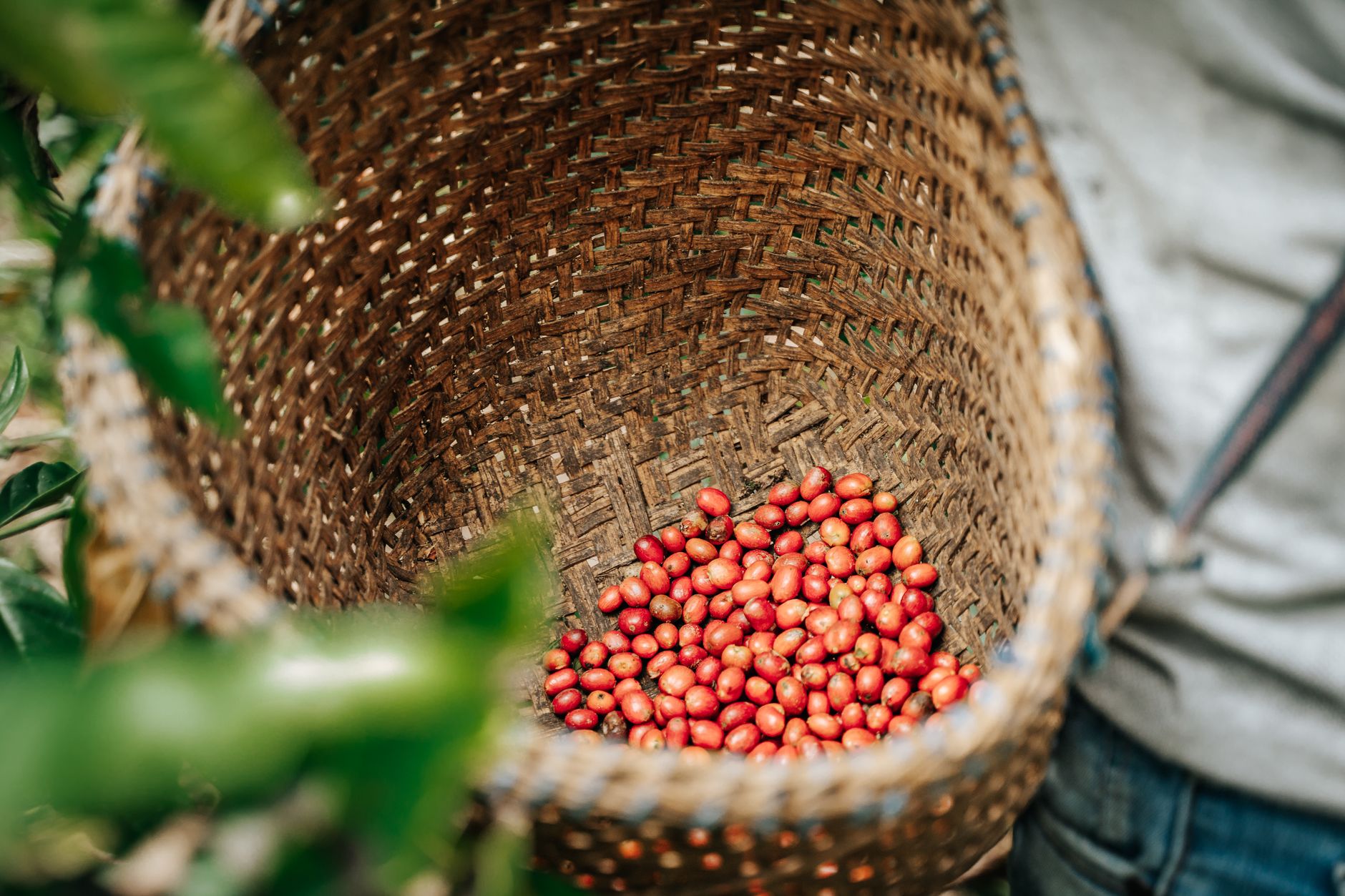 Photo: Maik Kleinert via Pexels
What’s the Real Difference Between Arabica and Robusta?
Arabica (Coffea arabica) grows at high altitude, produces a sweeter, more acidic cup with fruit, floral, and chocolate notes. Robusta (Coffea canephora) thrives at low altitude, delivers a harsher, earthier cup with twice the caffeine (2.7% vs 1.5%) and nearly double the chlorogenic acids — which explains the bitterness.
The differences start at the plant level. Arabica is a self-pollinating tetraploid with 44 chromosomes; Robusta requires cross-pollination and has 22. Arabica is fussier — susceptible to disease, climate-sensitive, requires elevations of 600–2,200 MASL. Robusta is a workhorse: resistant to pests, tolerant of heat and rain, producing higher yields at lower cost.
That biological difference shows up directly in the cup. Arabica’s higher fat content (60% more lipids) and lower caffeine make it smoother. Robusta’s elevated caffeine acts as a natural insecticide, which is why the plant doesn’t need as much help from altitude or cool temperatures.
Flavor Profile: What Do They Actually Taste Like?
Arabica tastes sweet, complex, and bright — expect stone fruit, berries, citrus, caramel, and chocolate depending on origin and roast. Robusta tastes bold, grainy, and bitter — think dark chocolate, rubber, earth, and wood. Neither is “better” in isolation; they solve different problems.
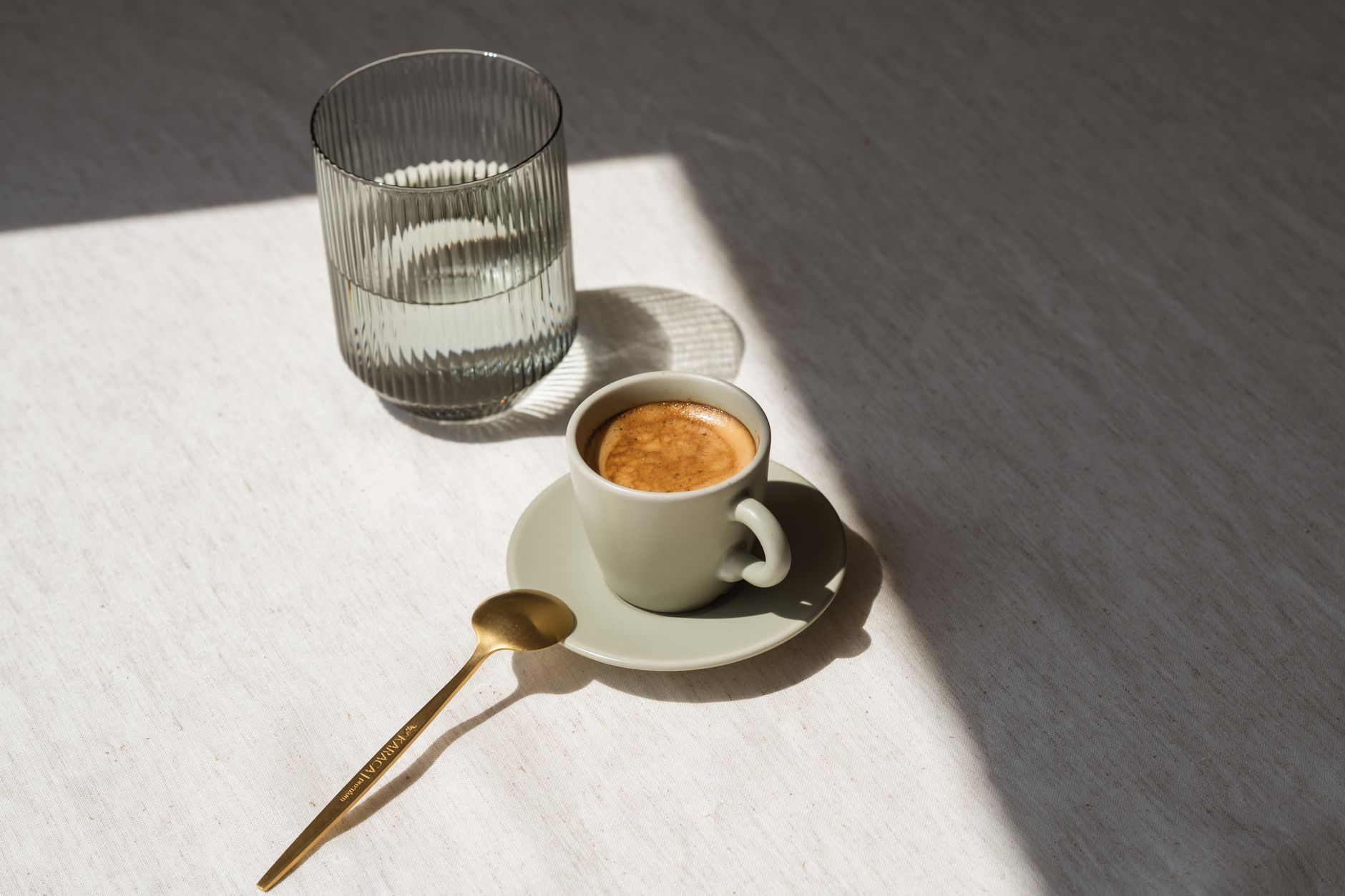 Photo: Gül Işık via Pexels
Arabica Flavor Range
The flavor range in Arabica is enormous, driven by origin, processing, and altitude:
- Ethiopian Yirgacheffe (natural process): blueberry, jasmine, wine
- Colombian Huila (washed): red apple, caramel, hazelnut
- Guatemalan Antigua (washed): dark chocolate, dried fruit, walnut
This complexity makes Arabica the default for single-origin work, pour-over, and any brew method that highlights nuance — AeroPress, V60, Chemex.
Robusta Flavor Range
Robusta’s flavor ceiling is lower, but its floor is serviceable in the right context:
- Instant coffee and espresso blends (Italian-style) lean heavily on Robusta
- Vietnamese cà phê uses Robusta with sweetened condensed milk — a correct pairing, not a compromise
- Dark-roasted Robusta loses most of its harshness; at 80%+ dark, the difference narrows
Key practical point: A 10–20% Robusta addition to an espresso blend increases crema thickness and persistence significantly. The oils and lower fat content in Robusta produce a denser foam. Many Italian espresso houses use exactly this ratio.
Caffeine Content: The Numbers
| Property | Arabica | Robusta |
|---|---|---|
| Caffeine (% dry weight) | ~1.2–1.5% | ~2.2–2.7% |
| Caffeine per 8oz cup | ~95–120 mg | ~150–200 mg |
| Chlorogenic acids | ~6–7% | ~9–10% |
| Lipid content | ~15–17% | ~10–11% |
| Sugar content | ~6–9% | ~3–7% |
Higher chlorogenic acid content is why Robusta tastes more bitter and acidic in an unpleasant way — it degrades differently during roasting than the fruit acids in Arabica.
Origins and Growing Regions
Arabica dominates Ethiopia, Colombia, Brazil’s high-altitude regions, Guatemala, Panama, and Kenya. Robusta dominates Vietnam (world’s second-largest producer), Uganda, Indonesia, and Ivory Coast. The altitude rule: Arabica above 600 MASL, Robusta below.
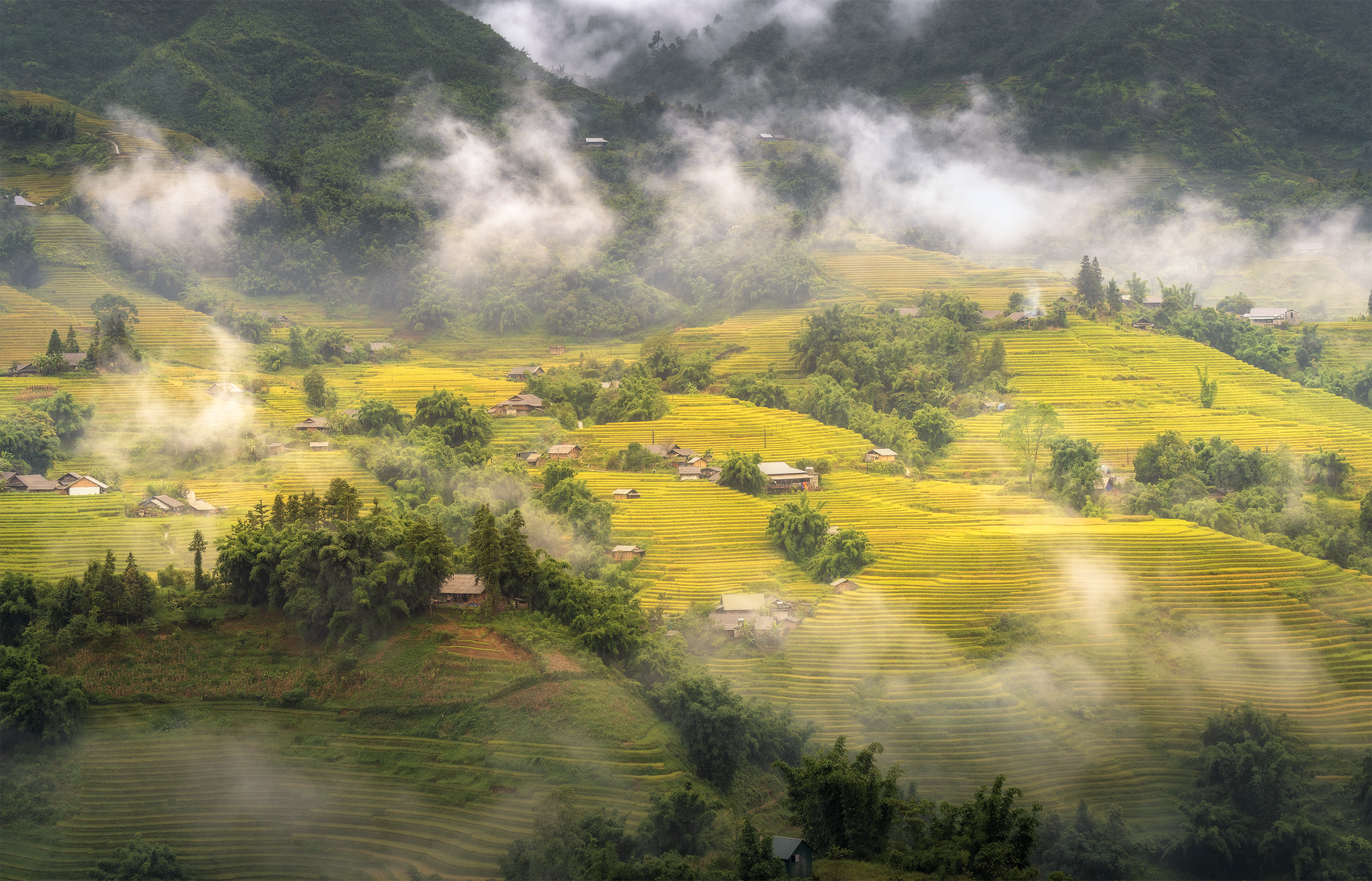 Photo: Linh Tran via Pexels
Origin Reference Table
| Country | Primary Species | Altitude (MASL) | Processing | Tasting Notes |
|---|---|---|---|---|
| Ethiopia | Arabica | 1,700–2,200 | Natural / Washed | Blueberry, jasmine, lemon |
| Colombia | Arabica | 1,200–2,000 | Washed | Apple, caramel, hazelnut |
| Brazil | Arabica | 800–1,300 | Natural / Pulped natural | Chocolate, nuts, low acid |
| Vietnam | Robusta | 500–900 | Wet hulled | Dark chocolate, earth, rubber |
| Uganda | Robusta | 900–1,500 | Natural / Washed | Tobacco, wood, dark fruit |
| Indonesia (Sumatra) | Arabica / Robusta mix | 1,000–1,500 | Wet hulled | Cedar, dark chocolate, earthy |
| Guatemala | Arabica | 1,300–1,800 | Washed | Brown sugar, peach, mild spice |
| Kenya | Arabica | 1,400–2,000 | Washed (AA grade) | Blackcurrant, grapefruit, tomato |
Brewing and Grind Considerations
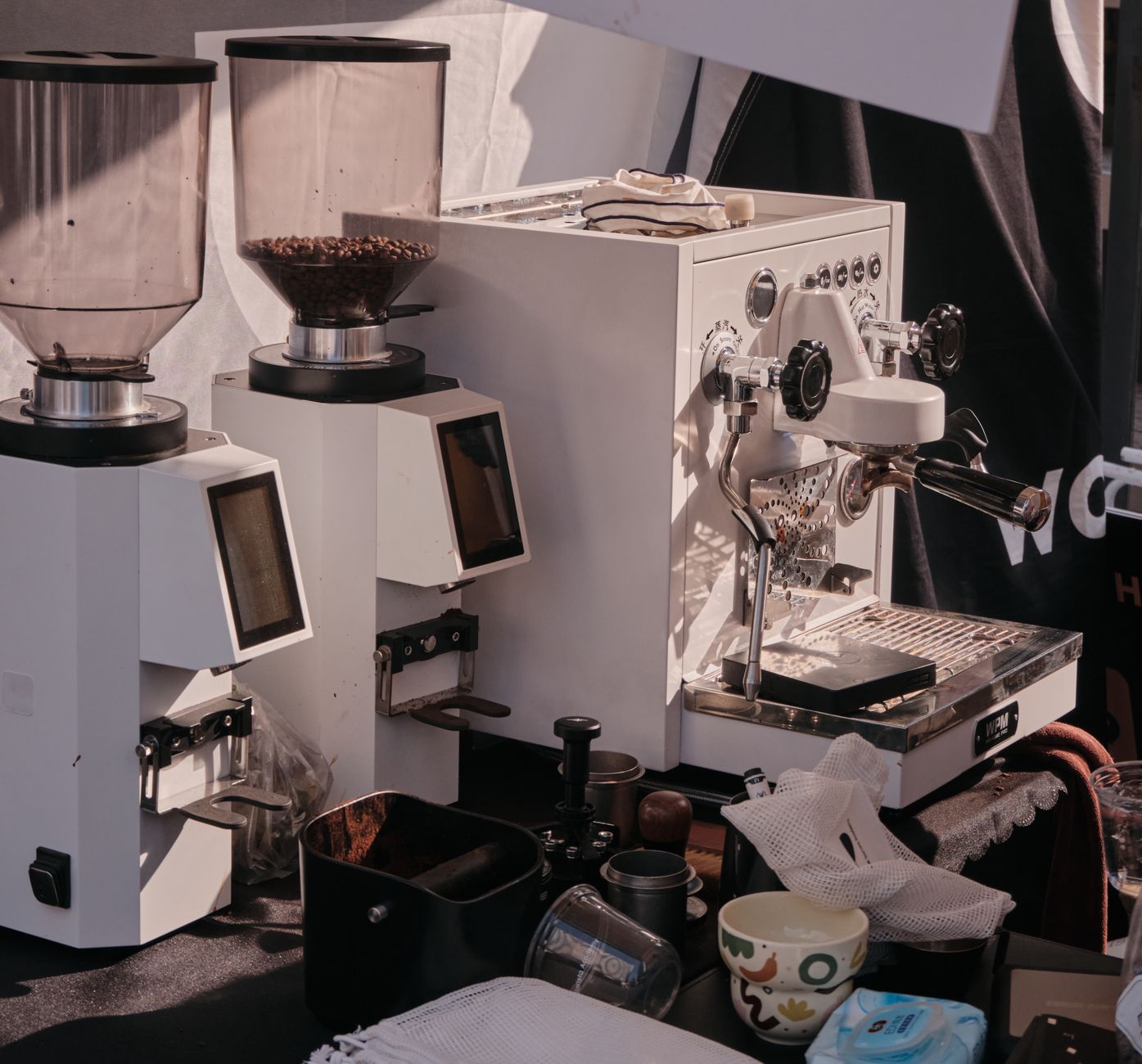 Photo: Wenhao Sun via Pexels
Arabica Brew Method Pairings
- Pour-over (V60, Chemex): Washed Arabica shines — clean body, bright acidity, full transparency
- AeroPress: Natural-processed Arabica, medium-fine grind, 80°C water — highlights fruit without extracting tannins
- Espresso: Single-origin Arabica at 93–94°C, 18–20g dose, 9 bar — longer pre-infusion (5–8s) helps with lighter roasts
- Cold brew: High-density Arabica (Colombian, Guatemalan) at coarse grind, 12–16hr steep — the natural sweetness amplifies cold
Robusta Brew Method Pairings
- Espresso blend: 10–20% Robusta for crema; lower dose offset (+0.5–1g) to reduce bitterness
- Vietnamese drip (Phin filter): 100% Robusta, coarse grind, slow drip — designed for the flavor profile
- Moka pot: Robusta or Arabica/Robusta blend handles the high-pressure extraction cleanly
- Espresso temperature offset: Drop brew temp 1–2°C vs Arabica to reduce harsh phenolic extraction
Freshness Guide
| Species | Degassing (post-roast) | Peak window | Storage | After opening |
|---|---|---|---|---|
| Arabica (espresso) | 5–10 days | 10–25 days | Airtight, room temp, dark | Use within 6 weeks |
| Arabica (filter) | 2–5 days | 7–21 days | Same | Use within 4 weeks |
| Robusta | 3–7 days | 10–30 days | Same | Use within 8 weeks |
Robusta’s lower fat content means slower oxidation — it has a longer effective shelf life post-opening, which is one practical reason it dominates commodity and commercial blends.
Price and Market Reality
Arabica trades at roughly 2–3× the price of Robusta on commodity markets. C-market Arabica futures (ICE) typically run $1.50–$2.50/lb green; Robusta (LIFFE) runs $0.80–$1.40/lb. Specialty-grade Arabica from a direct-trade roaster easily hits $10–$25/lb retail for the roasted product.
That gap is why supermarket blends and almost all instant coffee are Robusta-dominant. The “100% Arabica” label on mainstream grocery brands is a marketing move that technically includes commodity-grade Arabica, which shares little in common with a specialty single-origin.
Which Should You Buy?
For specialty coffee — single-origin pour-over, light-roast espresso, anything where you want to taste the origin — buy Arabica from a specialty roaster. Subscriptions that rotate single origins give you the fastest education on how much variety exists within Arabica alone.
If you’re building espresso blends at home, a 15% Robusta addition from a quality source (India Kaapi Royale or a Uganda natural Robusta) improves crema without wrecking the cup. Avoid cheap commodity Robusta in fine-grind applications — defect-heavy lots extract harshly.
For Vietnamese iced coffee or traditional Italian-style espresso, Robusta is not a compromise. It’s the correct ingredient.
→ See also:
- Coffee Bean Guide: Origins, Roasts, and How to Choose
- Best Coffee Subscription Boxes (2026 Ranked)
- Trade Coffee Review (2026): Is It Worth It?
FAQ
Is Arabica always better than Robusta? No. “Better” depends entirely on use case. Arabica is more complex and better suited for pour-over and single-origin espresso. Robusta has higher caffeine, better crema in espresso blends, and is the correct choice for Vietnamese coffee, moka-style brewing, and budget-friendly daily drivers. Quality Robusta from Uganda or India beats commodity Arabica on any dimension that matters.
Why does Robusta taste more bitter? Robusta contains roughly 40–50% more chlorogenic acids than Arabica. These compounds break down differently during roasting, producing more quinic acid and phenolic compounds that read on the palate as harsh bitterness. Higher caffeine (itself bitter) compounds the effect.
Can you mix Arabica and Robusta? Yes, and Italian espresso houses have done it for decades. A 10–20% Robusta addition to an Arabica espresso blend increases crema thickness, adds body, and boosts caffeine without overwhelming the Arabica’s flavor characteristics. The ratio is the variable — most home blenders start at 10%.
Does Arabica have less caffeine than Robusta? Yes. Arabica averages 1.2–1.5% caffeine by dry weight; Robusta averages 2.2–2.7%. In a standard 8oz cup, that translates to roughly 95–120mg (Arabica) vs 150–200mg (Robusta). If you’re drinking for caffeine, Robusta is more efficient.
What does “100% Arabica” on a bag actually mean? It means the bag contains only Coffea arabica with no Robusta, but it says nothing about quality. Commodity-grade Arabica with significant defects, poor processing, or a stale roast can be labeled 100% Arabica. The meaningful qualifier is “specialty grade” (SCA score 80+), not species alone.
Is Robusta worse for espresso? Not inherently. The problem is that low-quality Robusta — defect-heavy, poorly processed commodity lots — is what most people encounter, and it extracts harshly. A high-grade Robusta (Indian monsooned, Uganda natural, or Vietnamese Culi grade) in a well-calibrated espresso machine at slightly lower temperature produces a legitimate, full-bodied shot. The species isn’t the limit; the sourcing is.
Editorial methodology: Assessments are based on manufacturer specifications, published user reviews, and editorial research. Physical hands-on testing is noted explicitly where it occurred. Rankings reflect our editorial judgment and are not influenced by affiliate commission rates. Full editorial policy · Affiliate disclosure