Contents
Bean Box Review (2026): Is It Still Worth the Hype?
TL;DR: Bean Box delivers genuine specialty coffee sourced from Seattle’s top roasters, with consistent quality and flexible subscription options. It’s the best choice for curious drinkers who want curated variety over algorithmic personalization. Expect to pay a premium — but you’re getting roaster-direct quality, not warehouse coffee.
What Is Bean Box?
Bean Box is a Seattle-based coffee subscription that curates bags from a rotating roster of specialty roasters, rather than roasting in-house. Each delivery is a mini-tasting flight — typically 4 sample-sized bags (1.8 oz each) or full-size bags from a single roaster.
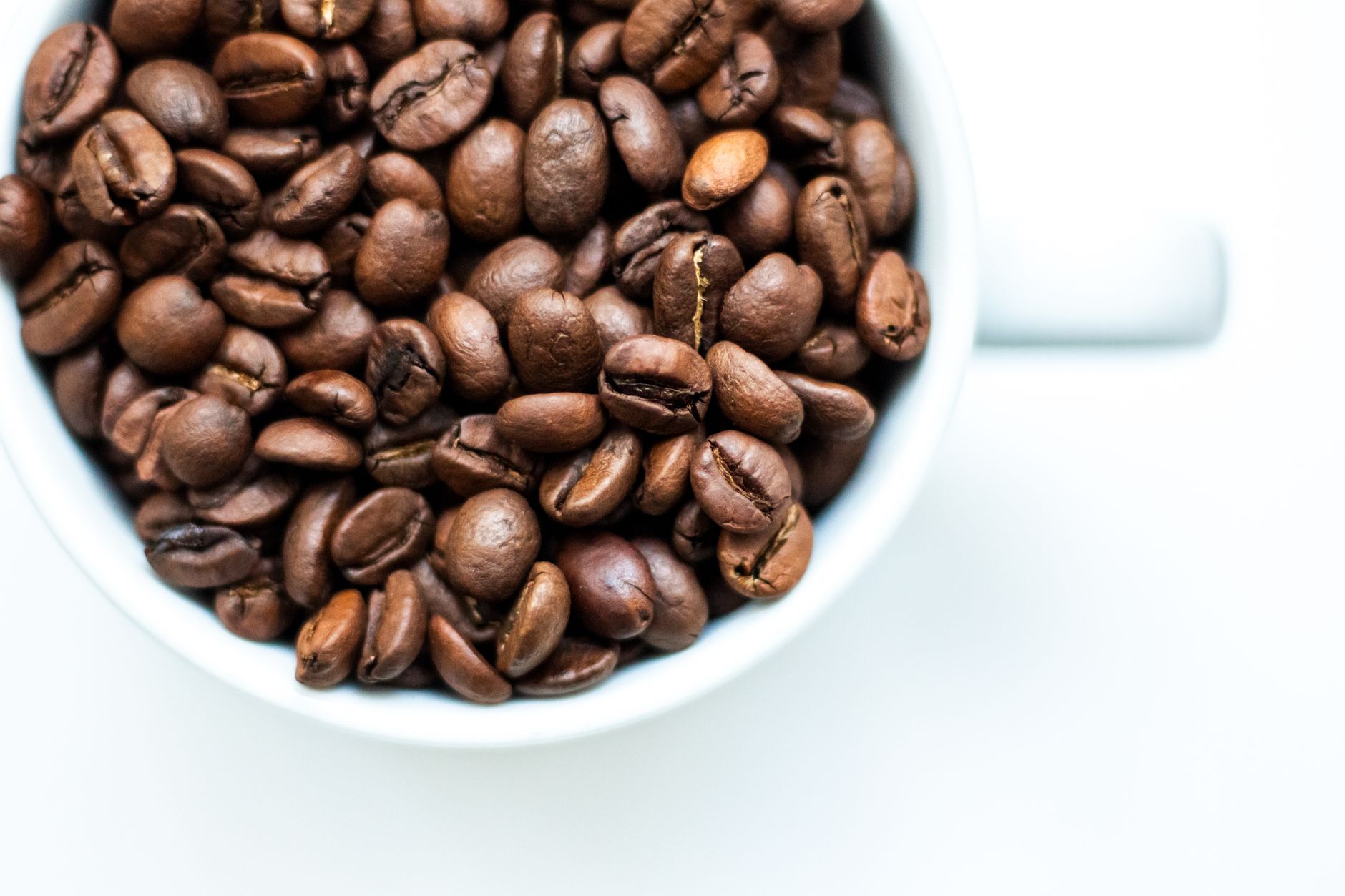
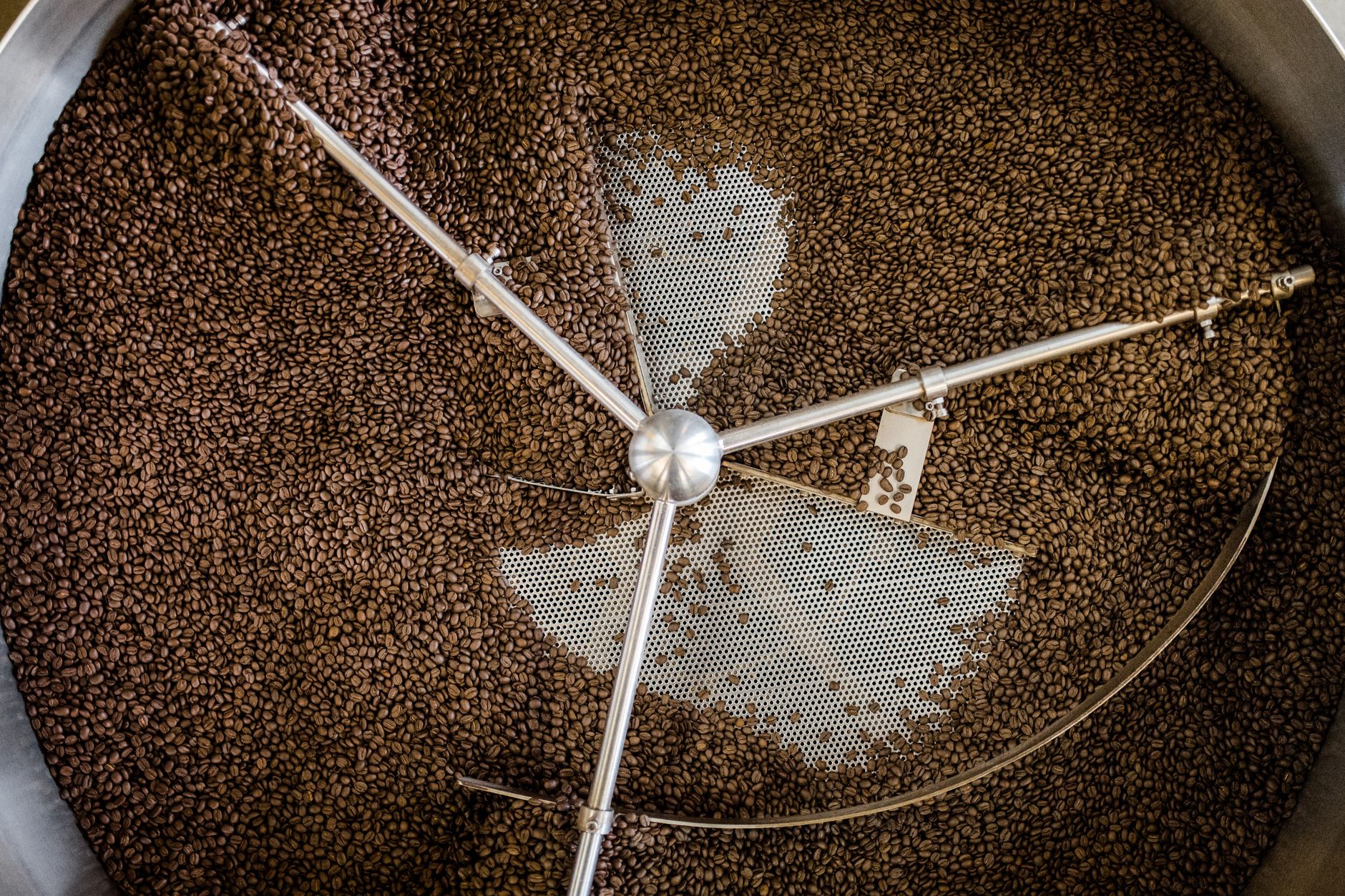 Photo: Andrew Neel via Pexels
Bean Box has operated since 2014, and its founding premise still holds: Seattle has one of the densest concentrations of top-tier specialty roasters in North America. Bean Box acts as a curator, giving subscribers access to beans from names like Lighthouse, Herkimer, and Caffe Vita without requiring separate subscriptions to each.
The model works because sourcing is genuinely editorial. Roasters are vetted, not just aggregated. You won’t find grocery-tier coffee repackaged as “specialty.”
Bean Box Plans, Pricing, and Sizing
Bean Box offers three main subscription formats: the Tasting Box (four 1.8 oz samples), full-size 12 oz bags, and a Coffee of the Month option. Pricing runs $28–$45/month depending on size and frequency. Discounts of 10–15% apply on subscriptions vs. one-time purchases.
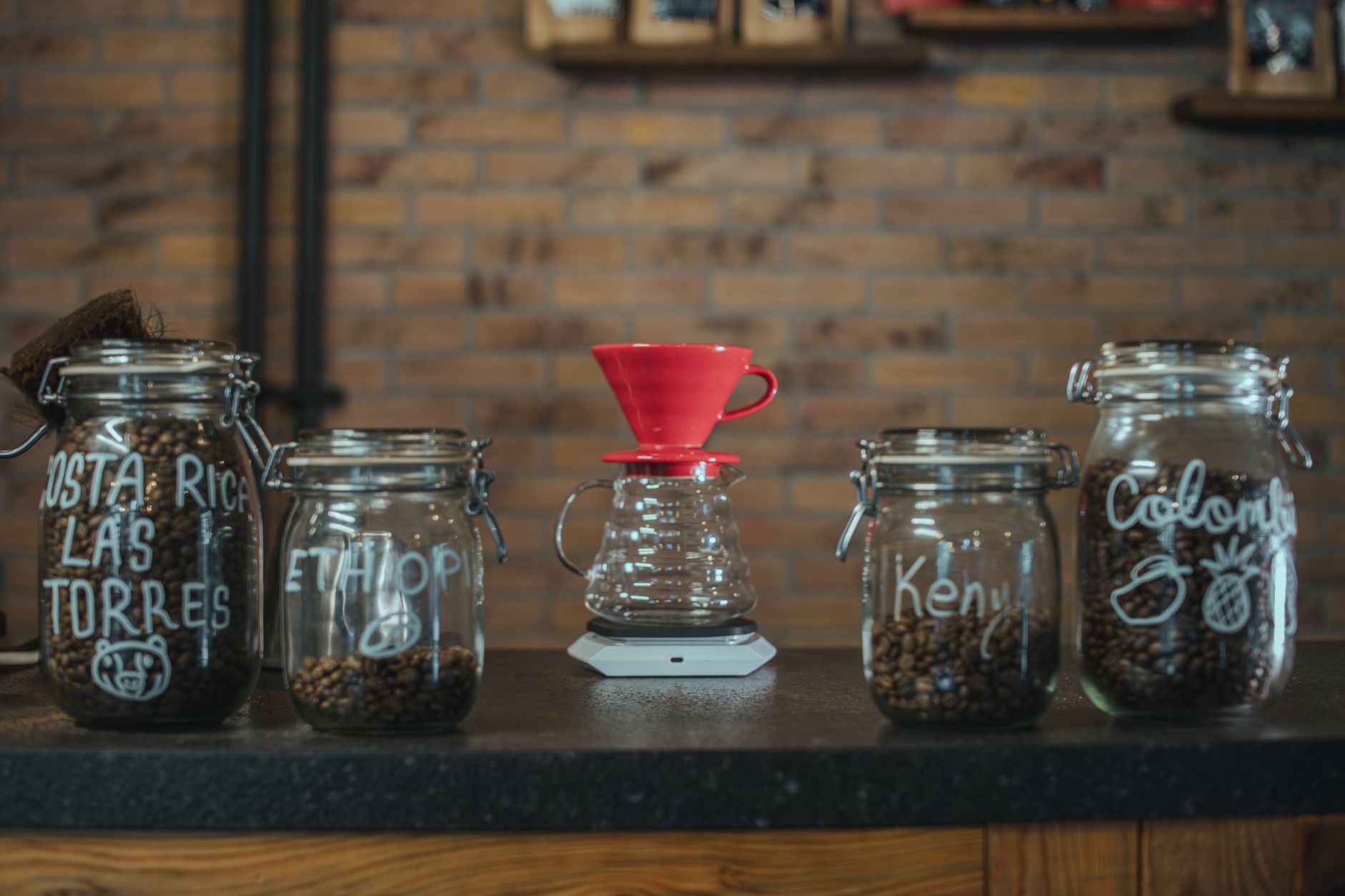 Photo: Yasin Onuş via Pexels
| Plan | Bag Count | Size | Approx. Price | Best For |
|---|---|---|---|---|
| Tasting Box | 4 bags | 1.8 oz each | ~$28/mo | Exploring roasters |
| Full-Bag Box | 1–2 bags | 12 oz each | ~$34–$42/mo | Weekly drinkers |
| Coffee of the Month | 1 bag | 12 oz | ~$28/mo | Committed regulars |
| Gift Box (one-time) | 4 bags | 1.8 oz each | ~$38 | Gifting |
Shipping is free on subscriptions; one-time orders add $5–$7. Frequency options: weekly, bi-weekly, or monthly.
How Fresh Is the Coffee?
This is where Bean Box earns its premium. Bags ship within days of roasting — the company has direct relationships with Seattle roasters and doesn’t warehouse inventory long-term. Most bags arrive within 3–7 days of roast date, which puts them inside the optimal brew window for most single-origins and many espresso blends.
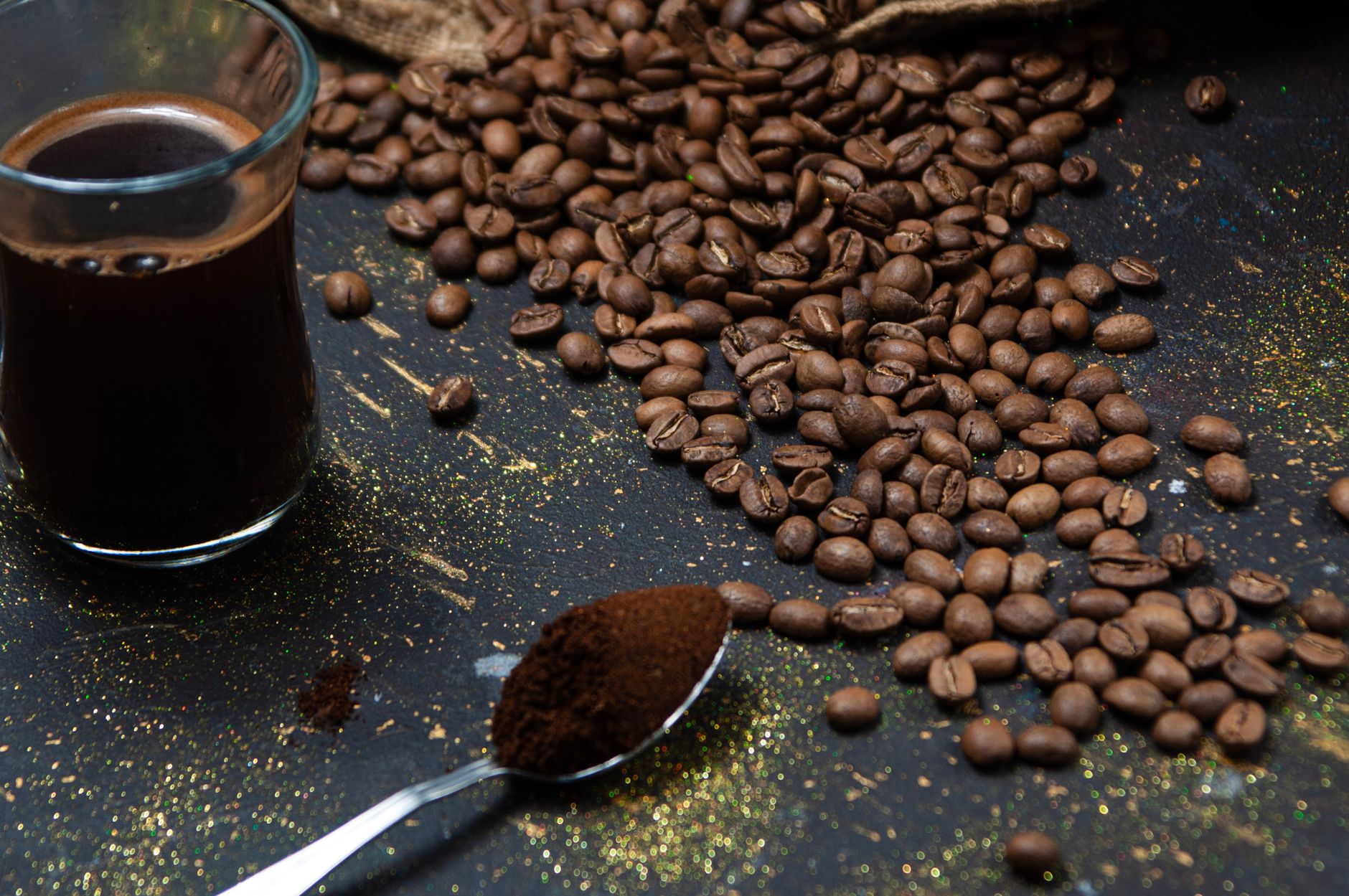
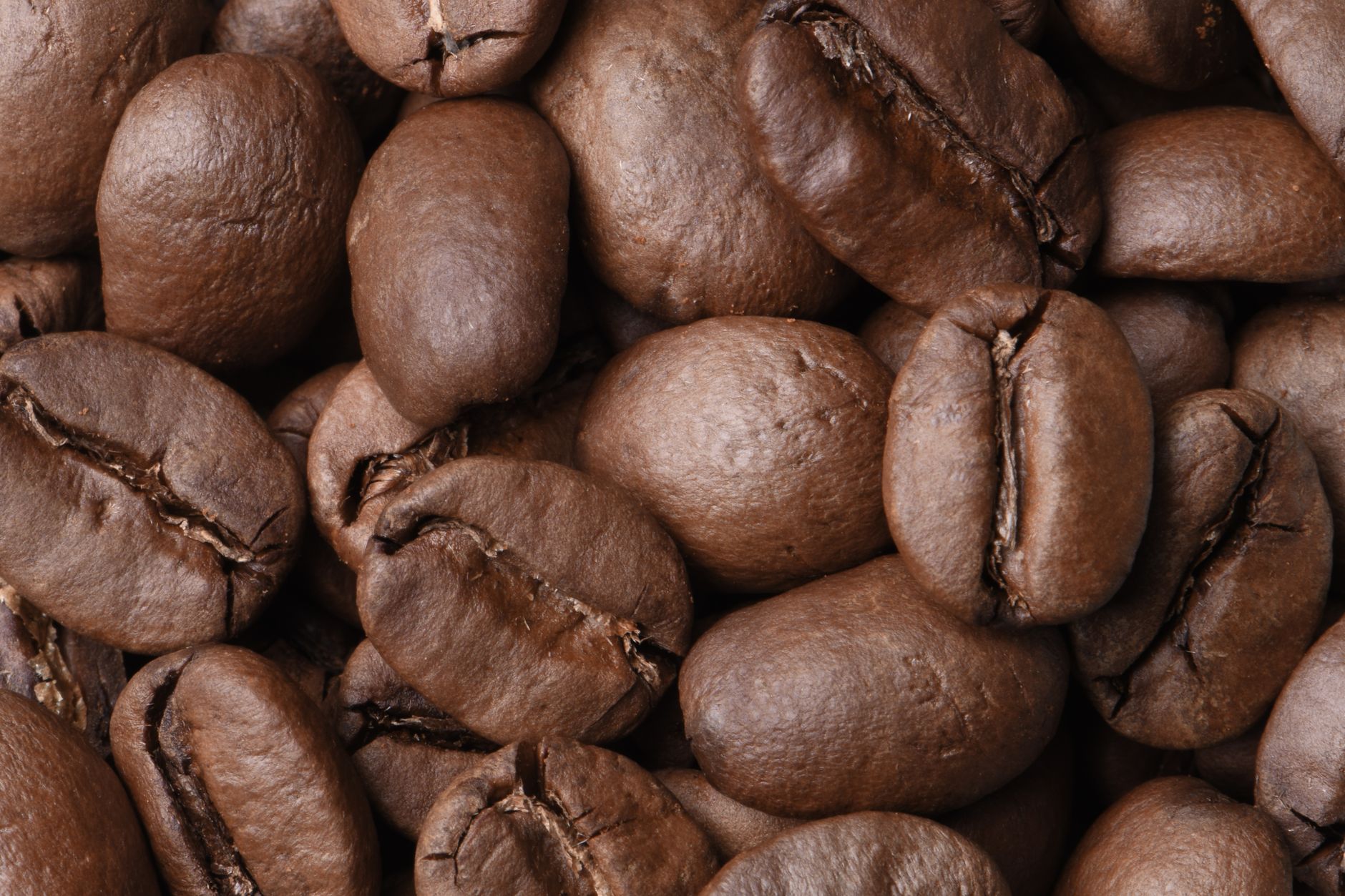 Photo: Hannoversche Kaffeemanufaktur via Pexels
Bean Quality and Roaster Network
The roaster network is Bean Box’s core product. The current lineup spans 20+ Seattle-area specialty roasters, covering a full range of roast levels and origins. Quality is consistently SCA-adjacent — these are roasters winning awards and placing in competitions, not contract roasters filling private-label bags.
Origins and Roast Range
| Roaster | Style | Notable Origins | Roast Range |
|---|---|---|---|
| Lighthouse Coffee | Light–medium | Ethiopia, Kenya | Light |
| Caffe Vita | Classic espresso | Central America, blends | Medium–dark |
| Herkimer | Balanced, accessible | Colombia, Guatemala | Medium |
| Victrola | Award-winning | Ethiopia, Panama Geisha | Light–medium |
| Fonte | Commercial-friendly | Brazil, blends | Medium–dark |
The tasting box format genuinely shines here: you can compare a washed Ethiopian from Lighthouse against a natural Brazilian from Herkimer in the same week, which accelerates palate development faster than buying one bag at a time.
Grind, Dose, and Brew Adjustments by Origin
{{IMG:coffee grinder burr conical single dose pour over}
- Light roasted Ethiopians (Lighthouse, Victrola): Use a finer grind than you’d expect for pour-over; these beans are denser. For espresso, drop dose to 17–18 g and push temperature to 94–96°C to extract without sourness.
- Medium Colombians/Guatemalans (Herkimer): Dial in normally. Forgiving extraction windows, good starting point for dialing in new gear.
- Dark blends (Caffe Vita, Fonte): Back off on temperature (90–92°C for espresso), coarser grind to avoid bitter overextraction.
Degassing and Freshness Window
| Roast Type | Degassing Period | Peak Brew Window | Storage After Opening |
|---|---|---|---|
| Light roast | 4–7 days | Day 7–21 | Airtight container, cool/dark, 2–3 weeks |
| Medium roast | 3–5 days | Day 5–18 | Same, use within 2 weeks |
| Dark roast | 1–3 days | Day 3–14 | Use within 10 days of opening |
The 1.8 oz sample bags are convenient for freshness management: you’re not opening a 12 oz bag and racing to finish it before it stales.
Personalization: How Much Control Do You Get?
Bean Box lets you filter by roast level (light / medium / dark) and by brew method (drip, espresso, cold brew, French press). There’s no machine-learning taste profile — curation is human-editorial, not algorithmic. That’s a feature if you trust their taste; a limitation if you want granular control.
Compared to Trade Coffee — which uses a quiz-driven algorithm to match you with roasters from a national pool — Bean Box is narrower in geography but deeper in Seattle-specific expertise. Trade wins on variety; Bean Box wins on curation depth and roaster relationships.
| Feature | Bean Box | Trade Coffee |
|---|---|---|
| Roaster pool | ~20+ (Seattle-focused) | 55+ (national) |
| Personalization | Manual filters | Algorithm + quiz |
| Sample sizes | Yes (1.8 oz) | No (full bags only) |
| Avg freshness at delivery | 3–7 days post-roast | 3–14 days (varies) |
| Price range (subscription) | $28–$45/mo | $14–$25/mo |
| Espresso-optimized options | Yes | Yes |
What Bean Box Does Well (and Where It Falls Short)
The strongest argument for Bean Box is quality consistency and curation trust. The weakest argument is price-per-ounce — you’re paying a meaningful premium over buying direct from the same roasters.
Strengths
- Roaster relationships are genuine; freshness is a real differentiator
- Sample-size tasting boxes are unique in the market
- Packaging is gift-quality without being wasteful
- Customer service is responsive (human, not bot-loop)
Weaknesses
- Geographic focus means limited exposure to non-Pacific-Northwest roasters
- No decaf-only subscription tier (decaf available but mixed in)
- Sample bags aren’t ideal for dialing in espresso — too small to waste on calibration pulls
- Pricing is among the highest in the category
→ See also:
- Coffee Bean Guide: Origins, Roasts, and How to Choose
- Best Coffee Subscription Boxes (2026 Ranked)
- Trade Coffee Review (2026): Is It Worth It?
FAQ
Is Bean Box worth it for espresso drinkers? Yes, with a caveat: the 1.8 oz sample bags are too small to dial in espresso properly — you’ll burn through a bag before you’ve dialed in your grinder. Choose the full-size 12 oz subscription and filter for “espresso” roast profiles. The quality of roasters like Caffe Vita and Victrola justifies the price if you’re pulling shots daily.
How does Bean Box compare to Atlas Coffee Club? Atlas focuses on single-origin coffees from one country per month with an educational angle; Bean Box focuses on Seattle roaster variety. If you want to explore global origins, Atlas is the better fit. If you want to explore what different roasters do with similar beans, Bean Box wins.
Can you pause or cancel a Bean Box subscription easily? Yes. Pause, skip, or cancel directly from your account dashboard — no cancellation phone call required. Subscriptions can be paused up to 3 months before they auto-resume.
Does Bean Box offer whole bean and ground options? Both. At checkout you select whole bean or grind type (drip, French press, espresso). Whole bean is strongly recommended for any subscription — pre-ground stales faster than sample bag sizes can handle, especially light roasts.
What happens if you don’t like a box? Bean Box has a satisfaction guarantee on their subscriptions. Contact support within a reasonable window and they’ll either replace the box or credit your account. The policy is generous compared to most subscription services.
Editorial methodology: Assessments are based on manufacturer specifications, published user reviews, and editorial research. Physical hands-on testing is noted explicitly where it occurred. Rankings reflect our editorial judgment and are not influenced by affiliate commission rates. Full editorial policy · Affiliate disclosure