Contents
Trade Coffee Review (2026): Is It Worth It?
TL;DR: Trade Coffee is a specialty subscription service that matches you to roasters based on a taste quiz. It consistently delivers freshly roasted, third-wave coffee from top-tier U.S. roasters — making it one of the strongest picks for anyone serious about cup quality. The main trade-off is price: you’re paying premium rates for premium sourcing.
What Is Trade Coffee?
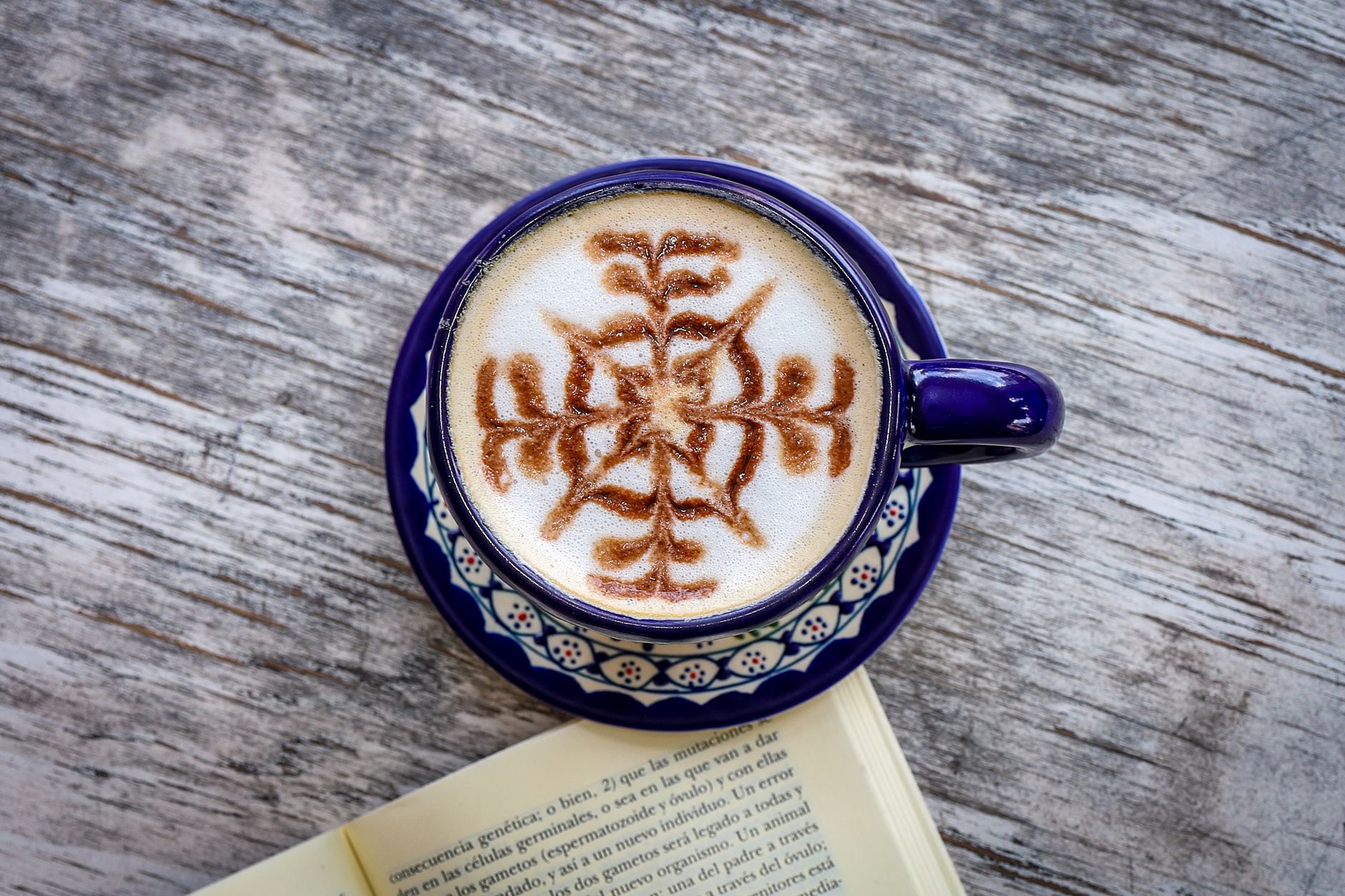
Trade Coffee is a subscription platform — not a roaster — that connects you directly to 50+ independent specialty roasters across the U.S. You fill out a taste profile, and their algorithm (refined by human coffee experts) selects and ships freshly roasted bags matched to your preferences. Bags arrive within days of roasting.
 Photo: FOX ^.ᆽ.^= ∫ via Pexels
Trade launched in 2018 with a clear thesis: most grocery-store coffee is stale before it hits the shelf, and most consumers don’t know it. Their fix is algorithmic freshness routing — your bag ships from the roaster directly, not from a warehouse.
The roster includes household names like Intelligentsia, Onyx, and Counter Culture, alongside smaller regional roasters you’d struggle to find otherwise. That breadth is the platform’s core value.
How the Subscription Works
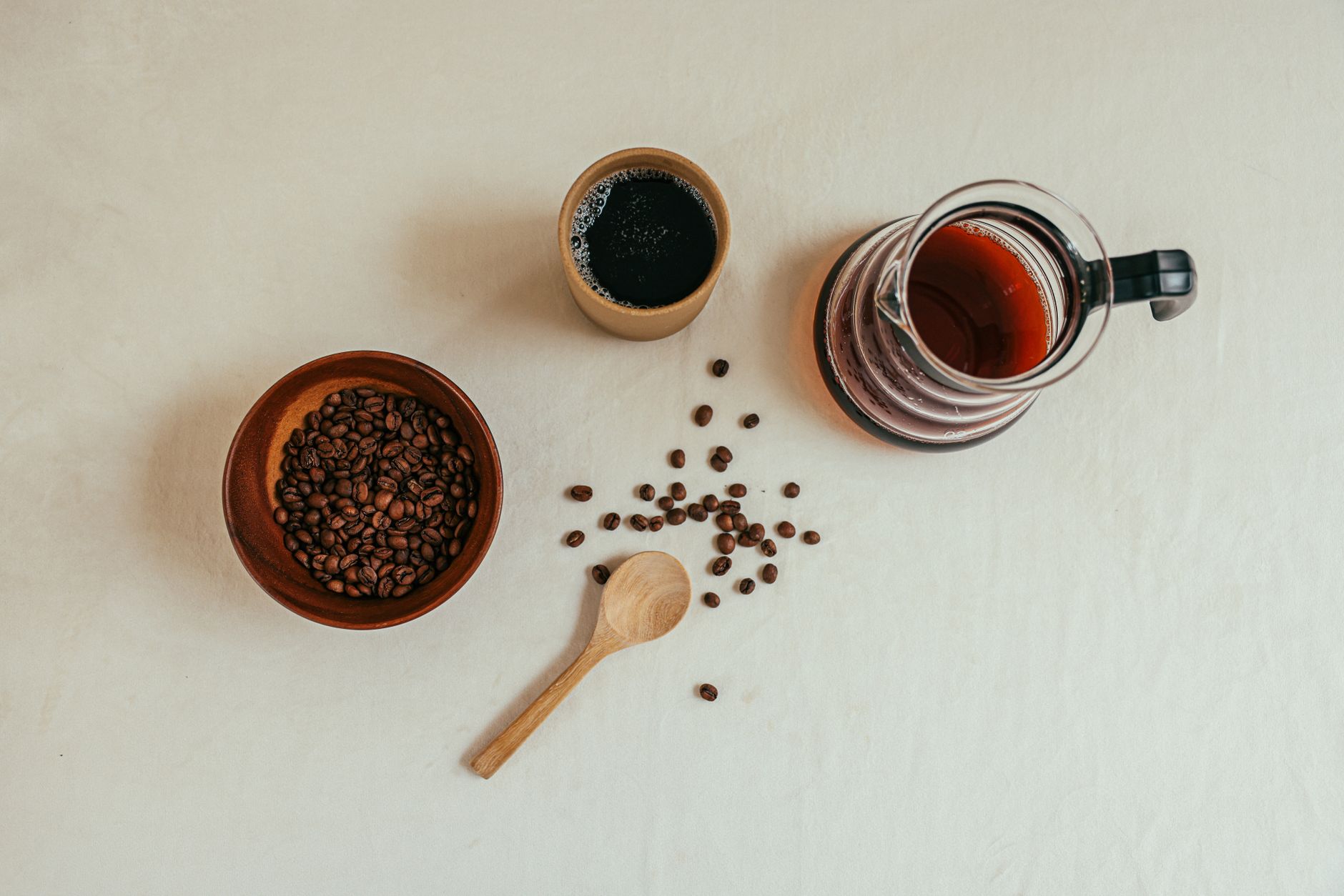
You start with a six-question taste quiz covering brew method, flavor preferences (fruity vs. nutty vs. chocolatey), roast preference, and caffeine needs. Trade’s system then selects a bag and ships it. You rate it, and future selections improve. Cancel, pause, or adjust frequency anytime — no contracts.
 Photo: Ray Suarez via Pexels
Subscription Options
| Plan | Bag Size | Price Per Bag | Frequency Options |
|---|---|---|---|
| Single bag | 10–12 oz | $17–$22 | One-time |
| Subscription | 10–12 oz | $14–$18 | Weekly / biweekly / monthly |
| Whole bean or ground | Both available | Same pricing | Your choice |
The first bag is typically discounted (often $9–$14) as a trial. After that, you’re at full subscription pricing. Shipping is free on subscriptions; one-time orders may have a fee.
You can also browse and hand-pick specific roasters or bags instead of relying on the algorithm — useful once you’ve identified a roaster you love.
Coffee Quality: What You’re Actually Getting
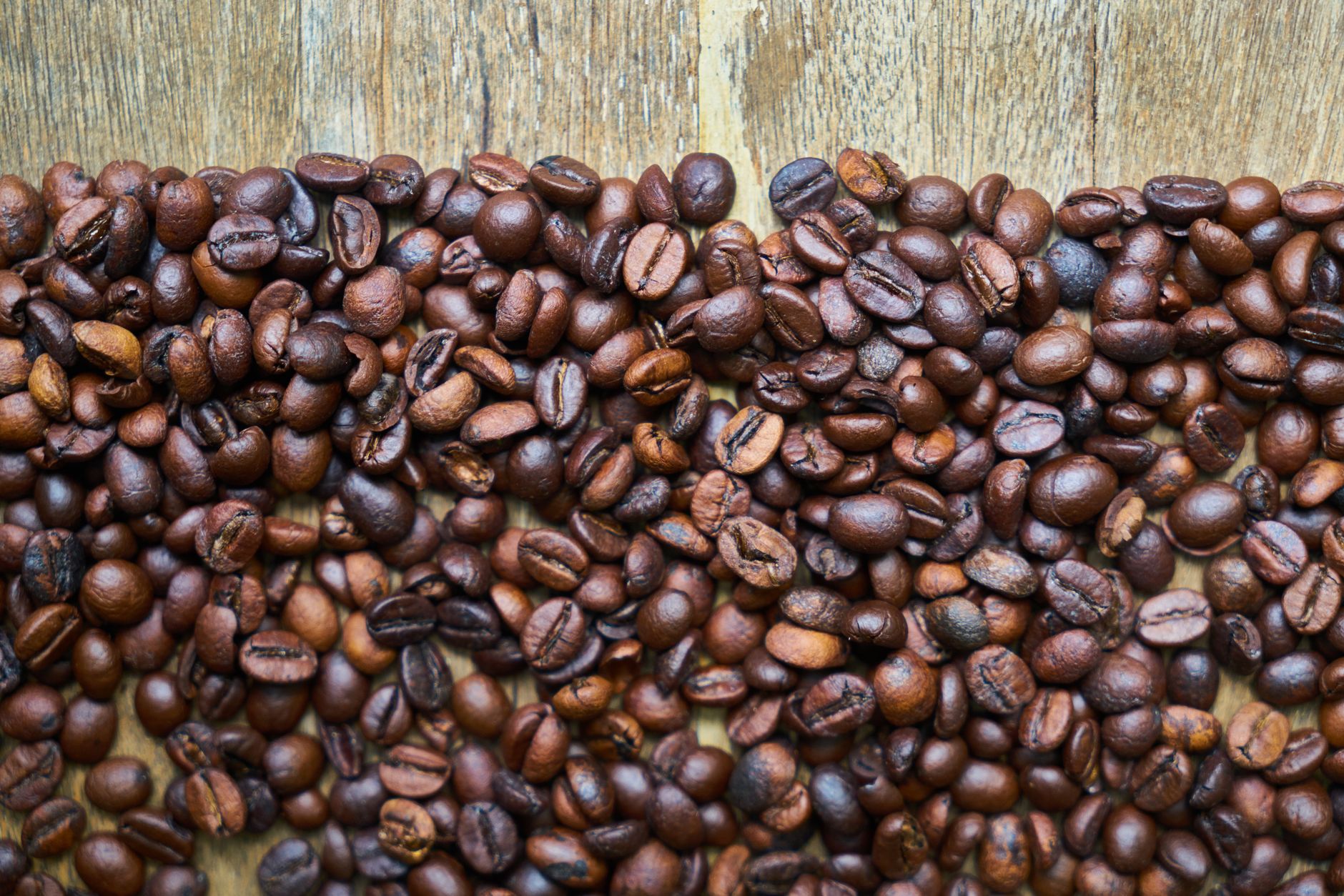
Trade sources only specialty-grade coffee (scoring 80+ on the SCA scale). Every roaster in their network is vetted — Trade reportedly rejects around 70% of applicants. The result is a consistently high floor: even the “misses” are still good coffee. The ceiling is some of the best coffee roasted in the U.S.
 Photo: Gu Ko via Pexels
Roaster Network Highlights
| Roaster | Base | Known For |
|---|---|---|
| Intelligentsia | Chicago / L.A. | Direct trade pioneer, precise espresso |
| Onyx Coffee Lab | Bentonville, AR | Competition-grade naturals, fruit-forward |
| Counter Culture | Durham, NC | Consistent quality, great for espresso |
| PT’s Coffee | Topeka, KS | Clean washed Ethiopians |
| Equator Coffees | San Rafael, CA | Sustainability-focused, bright profiles |
If you drink light roast single-origin, Trade is exceptional — the roaster network skews specialty and third-wave. If you prefer dark roast blends, options exist but the selection narrows.
Coffee Module C — Beans & Origins
Trade’s catalog spans most major growing regions, with particular depth in East Africa and Latin America. Profiles shift seasonally as harvest lots rotate.
Representative Origin Table
| Country | Altitude (MASL) | Processing | Roast | Tasting Notes |
|---|---|---|---|---|
| Ethiopia (Yirgacheffe) | 1,800–2,200 | Washed | Light | Jasmine, lemon, peach |
| Colombia (Huila) | 1,600–2,000 | Washed | Light–Medium | Brown sugar, red apple, almond |
| Guatemala (Huehuetenango) | 1,500–2,000 | Washed | Medium | Dark chocolate, walnut, caramel |
| Kenya (Nyeri) | 1,700–2,100 | Washed (double) | Light | Blackcurrant, tomato, grapefruit |
| Brazil (Cerrado) | 800–1,200 | Natural | Medium–Dark | Chocolate, hazelnut, low acidity |
Brew Pairing & Grind Guidance
- Light Ethiopians / Kenyans: Pour over (Hario V60, Chemex), 94–96°C water. Grind medium-fine. For espresso: pull at 93°C, consider a 1:2.5 ratio to manage brightness.
- Colombian washed: Versatile. Excellent as espresso (standard 93°C, 1:2 ratio) or drip. Medium grind.
- Brazilian naturals: French press or moka pot shine. Coarser grind, 90–92°C. Espresso: 92°C, tighter 1:2 ratio for body.
Freshness Protocol
- Degassing: Light roasts need 5–10 days post-roast before peak extraction. Naturals may need 7–14 days.
- Storage: Airtight container, away from light and heat. A one-way valve bag (what Trade ships in) works fine if resealed.
- Shelf life after opening: 2–3 weeks for whole bean at room temp. Grind only what you use.
Trade Coffee vs. Competitors
 Photo: Rudra Dev via Pexels
| Feature | Trade Coffee | Atlas Coffee Club | Angel’s Cup | Mistobox |
|---|---|---|---|---|
| Roaster network | 50+ U.S. roasters | In-house sourcing | Multiple roasters | 50+ roasters |
| Geographic focus | U.S. specialty | Global single-origin | U.S. roasters | U.S. specialty |
| Personalization | Taste quiz + ratings | Subscription tiers | Blind tasting focus | Quiz-based |
| Price per bag | $14–$22 | $14–$19 | $11–$17 | $13–$18 |
| Best for | Broad discovery | Origin exploration | Adventurous palates | Heavy customization |
Trade wins on roaster breadth and personalization feedback loop. Atlas wins if you want to explore single countries deeply. Mistobox is the closest competitor in structure.
What Trade Coffee Does Well
- Freshness routing is real and measurable — bags consistently arrive within 5–10 days of roast date, which is printed on the bag
- The rating system works — after 3–4 bags, selections noticeably improve
- Flexibility — pause, skip, or cancel without friction; adjust frequency or bag size easily
- Discovery — surfaces roasters you’d never find at retail
Where Trade Falls Short
- Price — $17–$22 per bag is toward the high end; comparable specialty coffee bought direct from some roasters costs less
- Algorithm cold start — the first 1–2 bags can miss if your taste profile is unusual (very dark roast preference, for example)
- No international roasters — if you want European or Australian third-wave, Trade doesn’t have it
- Whole-bean bias — the platform skews toward whole bean; if you need pre-ground, some bags aren’t available ground
Pricing Breakdown: Is Trade Coffee Worth the Cost?
A Trade subscription runs roughly $56–$72/month for biweekly delivery (2 bags). At a consumption rate of 1 bag per week, that’s $28–$44 per bag-equivalent — competitive with buying directly from specialty roasters at retail.
For context: a bag of comparable quality from Onyx or Intelligentsia bought direct runs $18–$22. Trade’s value isn’t primarily price savings — it’s curation and discovery. If you already have a roaster you love, buy direct. If you want to explore the U.S. specialty scene without doing the research yourself, Trade is efficient.
→ See also:
- Coffee Bean Guide: Origins, Roasts, and How to Choose
- Best Coffee Subscription Boxes (2026 Ranked)
- Atlas Coffee Club Review (2026)
FAQ
Is Trade Coffee actually fresh? Yes — Trade prints the roast date on every bag, and their direct-from-roaster shipping model means most orders arrive within 5–10 days of roasting. That’s meaningfully fresher than most retail options, where bags can sit warehoused for weeks or months before hitting shelves.
Can you choose your own coffee on Trade? Yes. While the default experience is algorithm-driven, Trade lets you browse the full catalog and select specific roasters or bags manually. This is useful once you’ve identified a roaster through the subscription you want to revisit.
How does Trade Coffee compare to a local roaster subscription? Local roaster subscriptions often win on price and hyper-freshness (sometimes same-day roast to door). Trade wins on variety — you’re not locked to one roaster’s lineup. If you live near a strong local roaster, buy from them. If you don’t, Trade is the next best thing.
Is Trade Coffee good for espresso? It works well for espresso, but the catalog skews toward filter-roast profiles (light to medium). Dedicated espresso blends exist in the network — Counter Culture’s Forty-Six and similar — but if you need dark, oily espresso blends, the selection is thinner than a roaster focused on that style.
What happens if you don’t like a bag? Trade has a satisfaction guarantee on the first bag. For subsequent bags, their rating system lets you flag a miss, and they credit your account or adjust future selections. It’s not a formal return policy but a practical feedback mechanism.
Editorial methodology: Assessments are based on manufacturer specifications, published user reviews, and editorial research. Physical hands-on testing is noted explicitly where it occurred. Rankings reflect our editorial judgment and are not influenced by affiliate commission rates. Full editorial policy · Affiliate disclosure