Contents
Nespresso vs Espresso Machine: Which Is Right for You?
TL;DR: Nespresso makes espresso-style coffee fast, cheaply, and consistently — but you’re locked into pods and the result isn’t true espresso. A traditional espresso machine gives you real espresso with full control, better flavor ceiling, and lower long-term cost, but demands skill and investment. Choose Nespresso for convenience; choose an espresso machine if quality and craft matter.
What’s the Actual Difference?
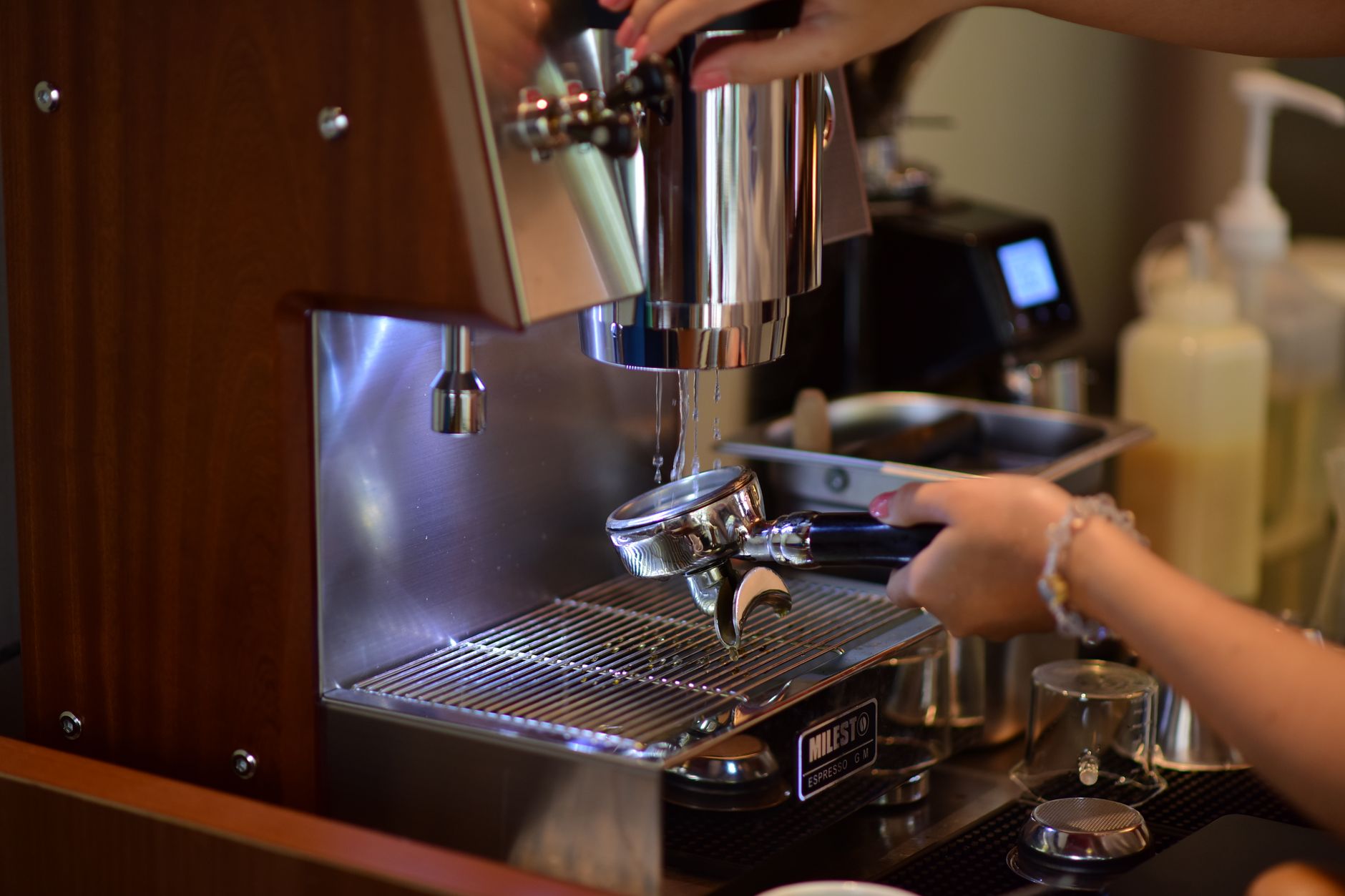
Nespresso machines use pre-measured, sealed pods and a fixed 19-bar pump to produce a concentrated coffee shot with crema. Traditional espresso machines pull shots from freshly ground coffee at 9 bars of stable pressure — the standard for true espresso. The pod system trades flavor ceiling for consistency and speed; the traditional machine rewards effort with quality.
 Photo: Susanne Jutzeler, suju-foto via Pexels
“Espresso” from a Nespresso is technically a misnomer. The Specialty Coffee Association defines espresso as coffee brewed at 9 bars — Nespresso’s 19-bar claim sounds impressive but the actual brew pressure at the puck is different, and pod coffee can’t replicate the freshness of grinding seconds before extraction. What you get from a Nespresso is a very good approximation: a concentrated, crema-topped shot that drinks like espresso to most palates.
Traditional espresso machines — whether a prosumer semi-automatic like the Breville Barista Express or a commercial-grade machine — extract from fresh grounds. The variables you control (grind size, dose, tamp, temperature, pressure profile) are exactly what separate a flat, bitter shot from a balanced, complex one. That control is the feature and the challenge.
Cost Comparison: Upfront vs. Long-Term
Nespresso machines cost $100–$250; pods run $0.70–$1.50 each. Entry-level espresso machines start at $300–$500 and require a $100–$300 grinder. At two shots daily, Nespresso pod costs overtake the machine + grinder investment within 18–24 months for most users.
 Photo: Meryemce via Pexels
| Nespresso (Original) | Nespresso (Vertuo) | Entry Espresso Machine | Mid-Range Espresso Setup | |
|---|---|---|---|---|
| Machine cost | $100–$200 | $150–$250 | $300–$600 | $500–$1,200 |
| Grinder needed | No | No | Yes ($100–$300) | Yes ($200–$500) |
| Cost per shot | $0.70–$1.50 | $0.85–$1.50 | $0.20–$0.60 | $0.15–$0.50 |
| 2 shots/day, 1 year | $511–$1,095 | $620–$1,095 | $146–$438 | $110–$365 |
| Coffee variety | Pods only | Pods only | Any bean | Any bean |
The economics strongly favor traditional espresso at volume. If you drink two shots a day, pod costs compound fast. But the upfront gear investment and learning curve are real barriers — and if a machine sits unused because it’s intimidating, it’s no bargain.
Espresso Quality: What You Actually Taste
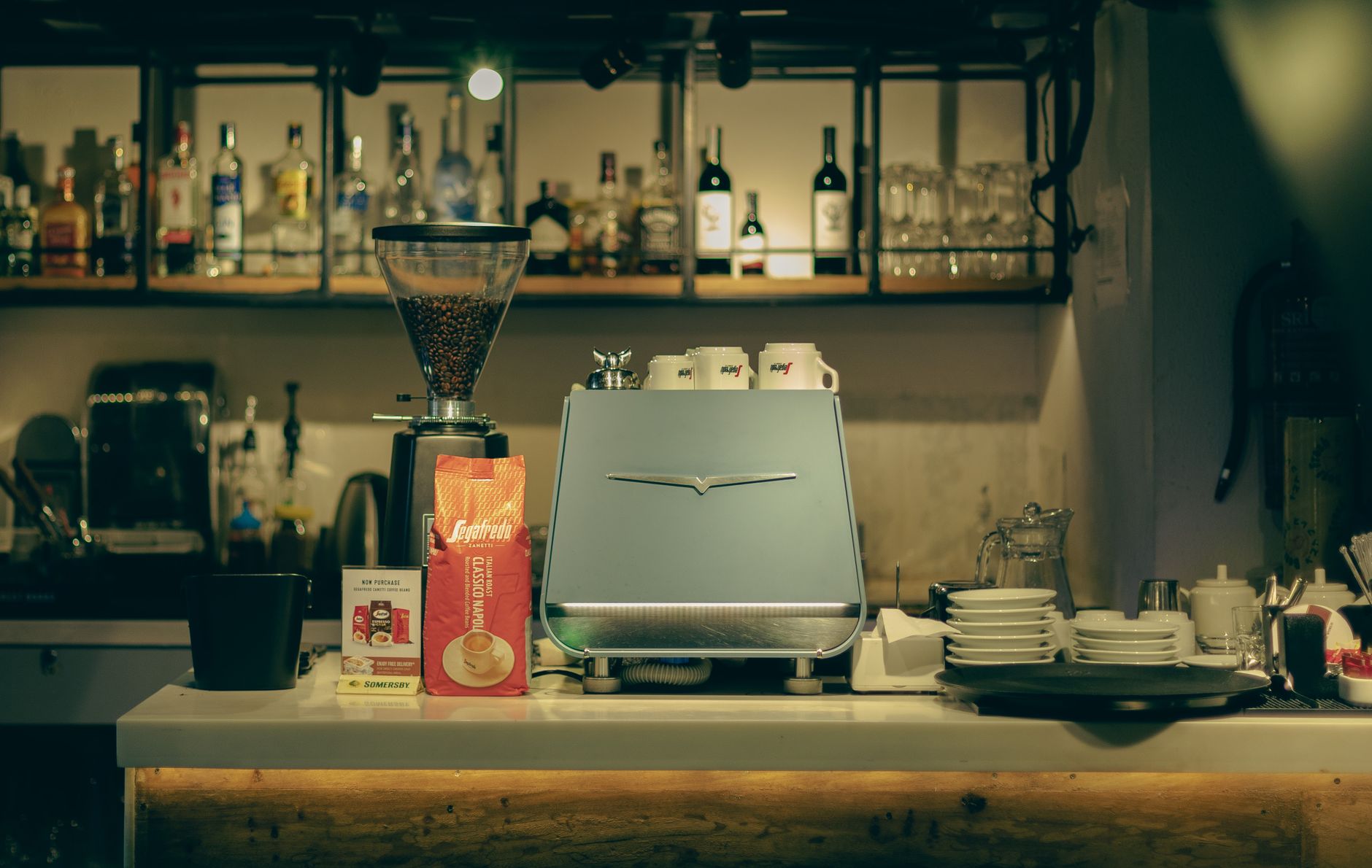
Nespresso produces consistent, drinkable results at roughly the quality of a decent café. A dialed-in espresso machine with fresh beans beats it substantially. The gap narrows for milk drinks like lattes and cappuccinos; it’s most obvious in straight shots.
 Photo: Karolina Grabowska www.kaboompics.com via Pexels
Nespresso’s pods are nitrogen-flushed and sealed for freshness, which does preserve flavor better than stale pre-ground coffee. Vertuo uses centrifugal extraction (spinning the capsule up to 7,000 rpm) — it’s proprietary, only works with Nespresso capsules, and cannot be hacked with third-party pods. Original-line Nespresso uses a standard pump and works with compatible third-party pods from brands like Gourmesso and Lavazza.
On a calibrated traditional machine, you’re extracting coffee that was ground minutes ago from a single-origin bean or carefully balanced blend. The flavor complexity — acidity, sweetness, mouthfeel, aftertaste — is simply not reachable with pre-ground, sealed pods. Espresso geeks will always hear the ceiling in a Nespresso shot. Casual drinkers and milk-drink lovers often don’t.
Milk Drinks and Versatility
Both systems can produce lattes and cappuccinos. Nespresso Aeroccino and built-in frothers are competent. A traditional machine’s steam wand produces microfoam capable of latte art — the froth texture is meaningfully better for quality milk drinks.
Nespresso bundles a milk frother (Aeroccino) with many machines or sells it separately. It heats and froths milk adequately — fine for a latte at home. What it can’t do is texture milk to the silky, integrated microfoam that a proper steam wand produces. If you’re making flat whites or want to practice latte art, a steam wand matters.
Higher-end Nespresso machines (Lattissima series) have built-in milk systems that automate lattes and cappuccinos — convenient, but still limited in quality ceiling compared to a prosumer machine’s manual steam wand.
Equipment Deep Dive: Espresso Machine Specs
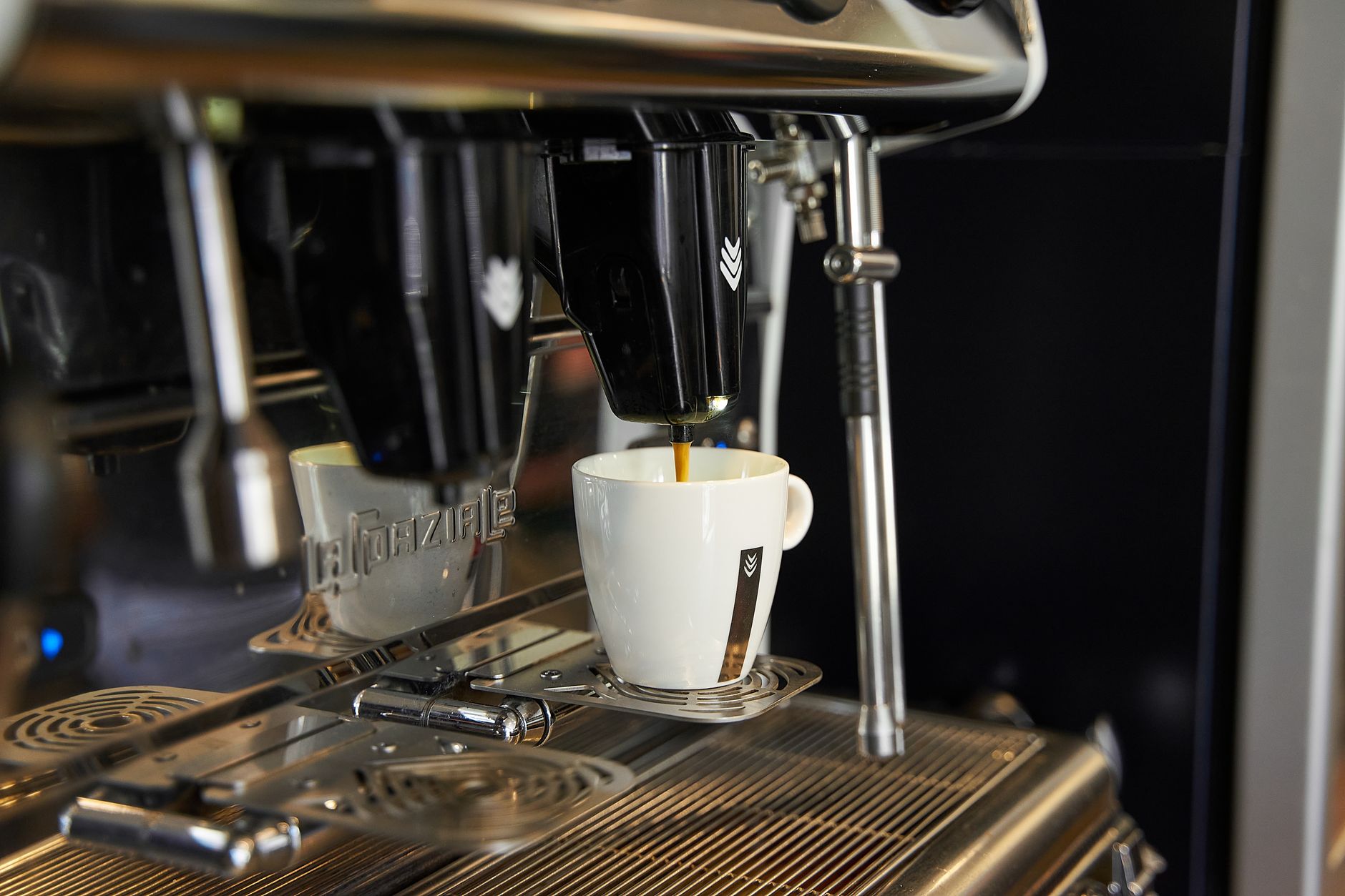
For traditional espresso machines, boiler type and pump type are the variables that matter most. Single boiler machines are fine for espresso; heat-exchange and dual boilers let you pull shots and steam simultaneously without waiting.
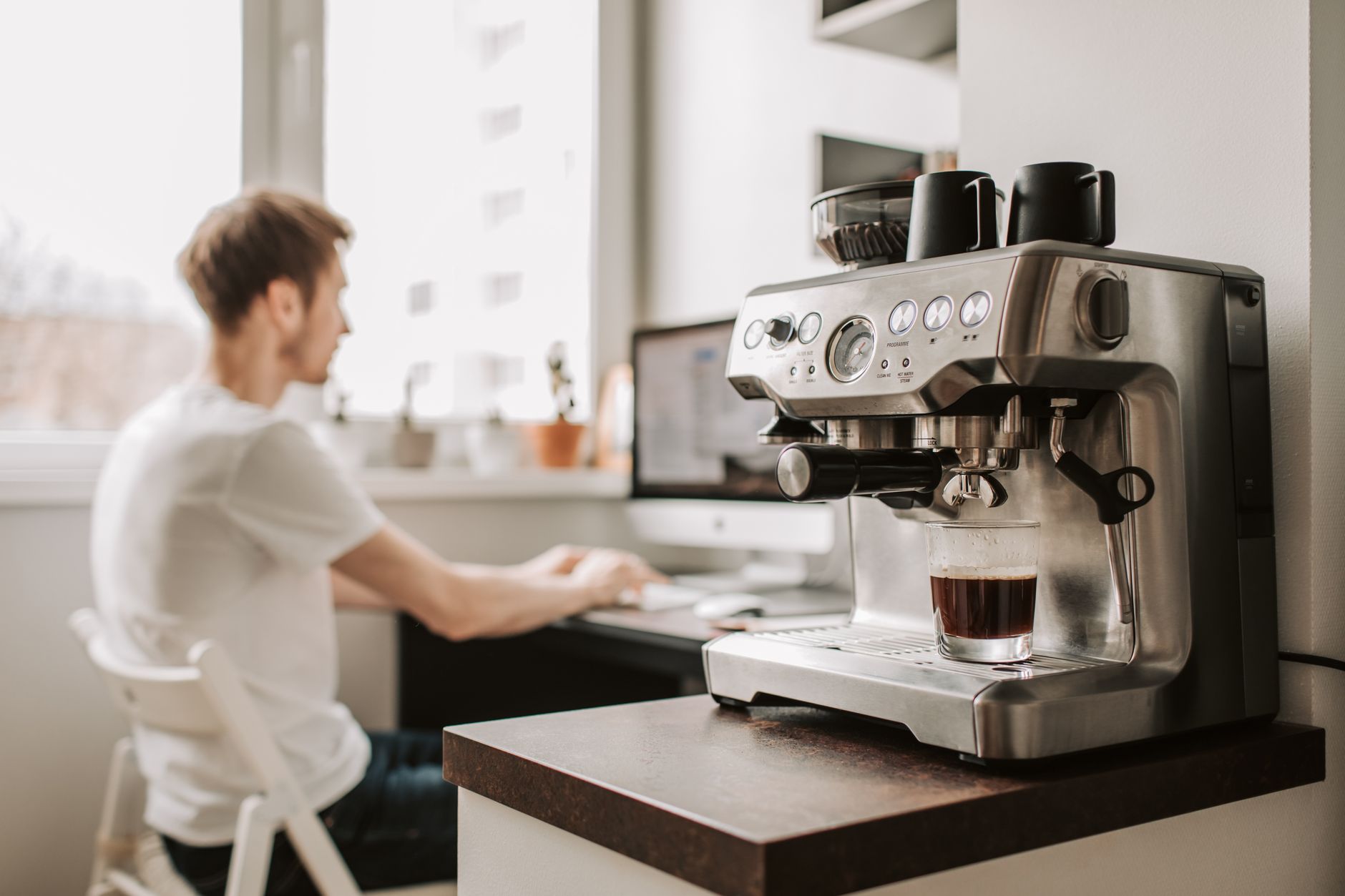 Photo: Vlada Karpovich via Pexels
Specs: Mid-Range Espresso Machines Worth Considering
| Machine | Boiler | Portafilter | PID | Pump | Best For |
|---|---|---|---|---|---|
| Breville Barista Express |
Verdict by user archetype:
- Milk drink focus (lattes, cappuccinos): Breville Barista Express gives you built-in grinder, PID, and a capable steam wand in one package. Lowest friction entry into real espresso.
- Espresso purist: Gaggia Classic Pro with a dedicated grinder like the Baratza Encore
When Nespresso Wins
Nespresso makes sense when: you want espresso-style coffee in under 60 seconds with no cleanup, you share a machine with people who won’t learn to dial in a grinder, you travel or have a secondary kitchen, or you genuinely don’t want to think about coffee — you just want it done.
Office environments are the clearest Nespresso use case. Shared equipment that gets used by 20 people cannot be dialed in — Nespresso is the pragmatic answer.
When a Traditional Espresso Machine Wins
A traditional espresso machine wins when: you care about flavor and want a high ceiling, you drink two or more shots daily (economics tip quickly), you enjoy the process of dialing in a shot, or you want to use specialty coffee from local roasters rather than pods.
The learning curve is front-loaded — most people who commit to a traditional machine plateau to consistently good shots within 2–4 weeks of daily use.
→ See Also
- The Complete Guide to Espresso Machines (2026)
- Best Espresso Machine Under $200 (2026)
- Best Espresso Machine Under $500 (2026)
FAQ
Is Nespresso actually espresso? Not by the Specialty Coffee Association definition, which requires 9 bars of stable pressure on freshly ground coffee. Nespresso produces a concentrated, crema-topped coffee that resembles espresso and satisfies most people — but it’s technically a pod-brewed coffee concentrate, not true espresso.
Can you use Nespresso pods in a regular espresso machine? No. Nespresso machines use a proprietary pressurized system designed for sealed capsules. You can’t use pods in a traditional portafilter machine, and you can’t use regular ground coffee in a Nespresso. They’re completely different systems.
Which is cheaper long-term: Nespresso or espresso machine? A traditional espresso machine with a decent grinder becomes cheaper after roughly 18–24 months at two shots per day. Pod costs of $0.70–$1.50 per shot compound quickly; buying fresh beans and grinding them costs $0.20–$0.60 per shot once the gear is paid off.
What’s the difference between Nespresso Original and Vertuo? Original uses a standard 19-bar pump and works with compatible third-party pods. Vertuo uses a proprietary centrifugal brewing system (up to 7,000 rpm) with barcode-scanned capsules — it only works with official Nespresso Vertuo pods, so you have no third-party options. Original gives more flexibility; Vertuo gives larger drink sizes.
Do I need a grinder if I buy an espresso machine? Yes — unless you buy a machine with a built-in grinder (like the Breville Barista Express) or a super-automatic. Pre-ground coffee goes stale within minutes of grinding; pulling shots with stale grounds is the fastest route to bad espresso. A burr grinder is not optional, it’s part of the system.
How long does an espresso machine last compared to Nespresso? Quality espresso machines last 10–20 years with basic maintenance. Nespresso machines typically last 5–8 years. Commercial-portafilter machines like the Gaggia Classic have user-serviceable parts and active repair communities — they routinely outlast their owners.
Editorial methodology: Assessments are based on manufacturer specifications, published user reviews, and editorial research. Physical hands-on testing is noted explicitly where it occurred. Rankings reflect our editorial judgment and are not influenced by affiliate commission rates. Full editorial policy · Affiliate disclosure