Contents
Espresso Machine Weekly Maintenance Checklist
TL;DR: A consistent espresso machine maintenance checklist prevents channeling, protects seals, and extends machine life by years. Weekly: backflush, wipe gaskets, purge the steam wand, and descale monthly. Five minutes a day, thirty minutes a week — that’s the whole system.
Why Maintenance Is the Skill Most Espresso Owners Skip
Most espresso problems — bitter shots, weak pressure, leaking portafilters — trace back to a neglected machine, not bad technique. Old coffee oils oxidize in group heads and baskets. Scale builds on heating elements. Steam wands clog with milk proteins. A weekly routine catches all of it before it costs you.
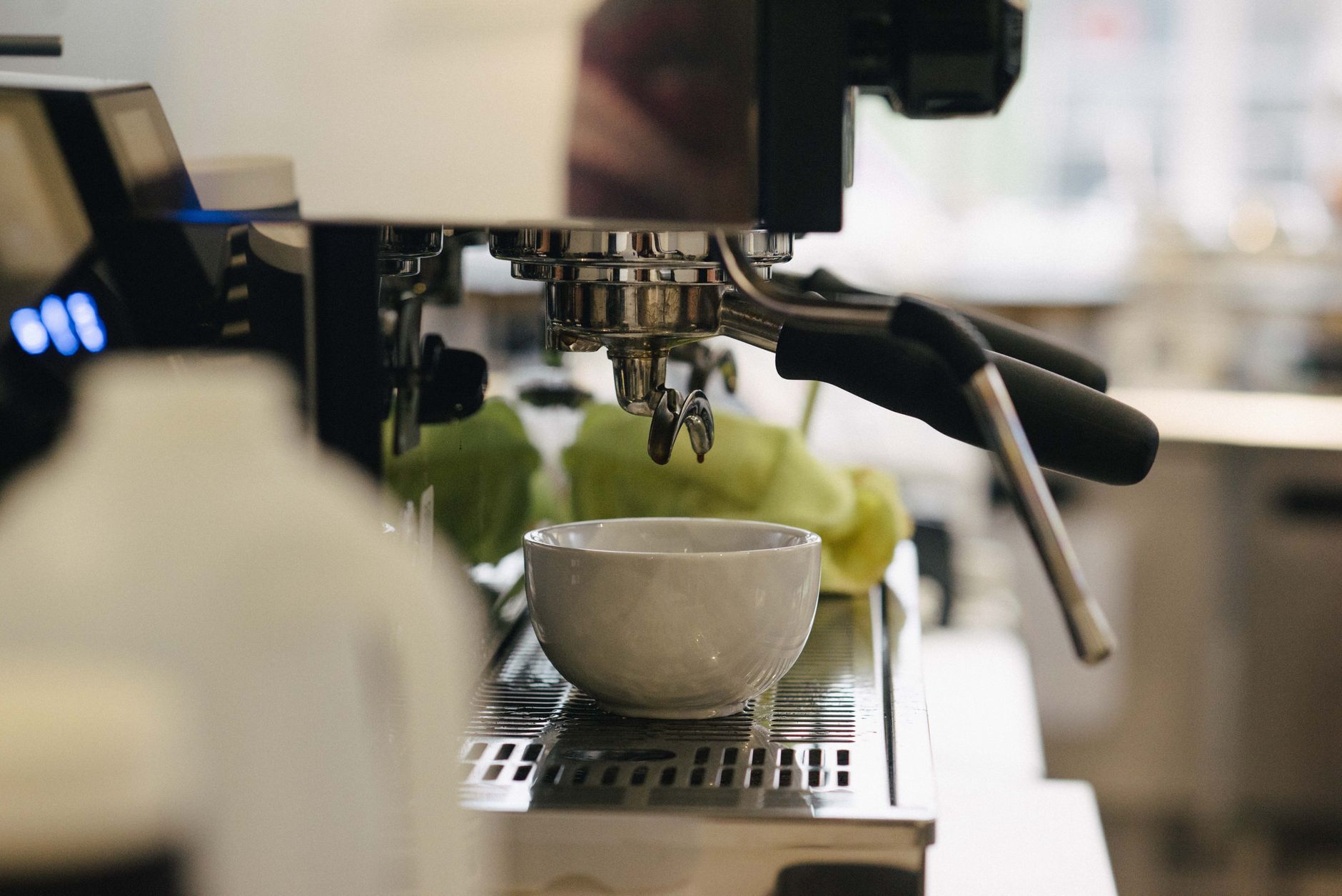
 Photo: Philip Justin Mamelic via Pexels
The good news: maintenance doesn’t require barista school. It requires a schedule. What follows is a complete espresso machine maintenance checklist organized by frequency — daily habits take under two minutes, weekly tasks under thirty.
Daily Maintenance (2 Minutes)
Do this every session, before and after pulling shots. These micro-habits prevent the buildup that makes weekly cleaning hard.
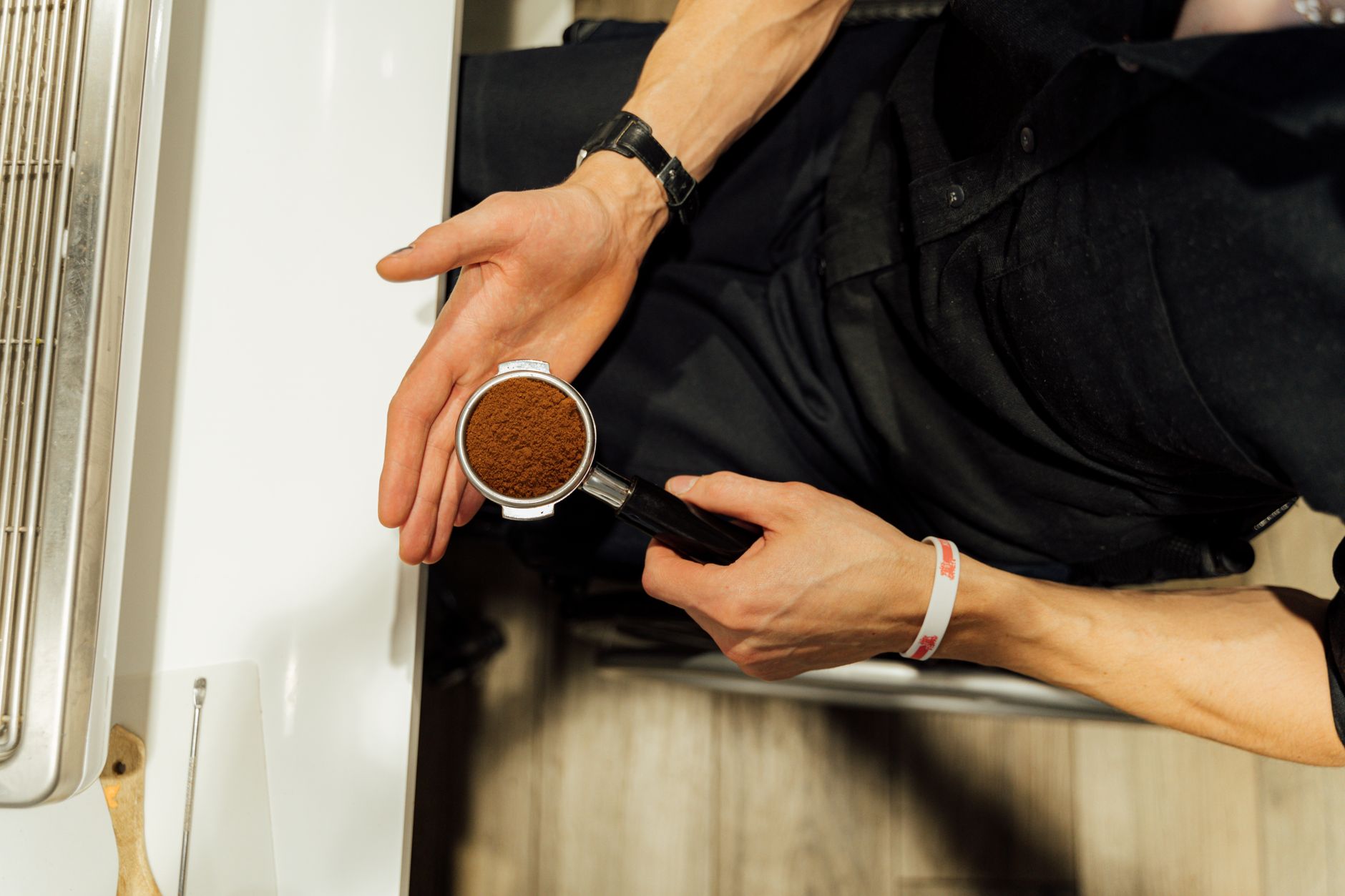
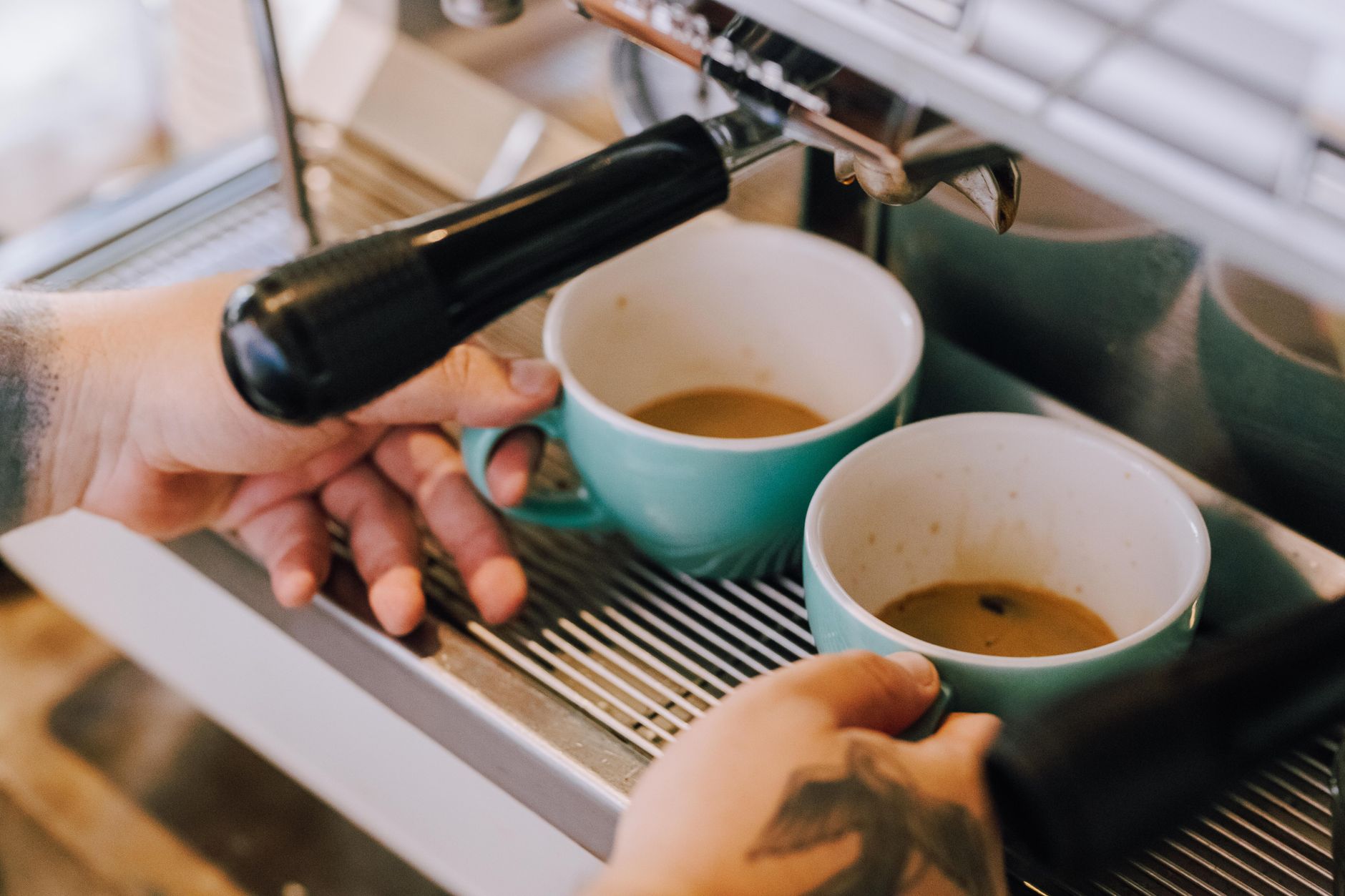 Photo: Gera Cejas via Pexels
Before Your First Shot
- Flush the group head for 3–5 seconds. This clears any debris that settled overnight and brings the head to temperature.
- Rinse the portafilter under hot water. Cold metal shocks your puck and drops extraction temperature.
- Purge the steam wand for 1 second before steaming to clear condensed water.
After Your Last Shot
- Knock and rinse the portafilter basket immediately — dried pucks are harder to clean and leave oils behind.
- Wipe the steam wand with a damp cloth within 10 seconds of steaming. Dried milk proteins require soaking to remove.
- Purge the steam wand again after wiping to clear any milk pulled back inside the tip.
- Lock the portafilter back in the group head loosely — keeping the gasket warm and under slight pressure extends its life.
Weekly Espresso Machine Maintenance Checklist
This is your core espresso machine maintenance checklist. Miss it for two weeks and you’ll taste it in the cup — rancid oils produce a bitter, acrid edge that better beans won’t fix.
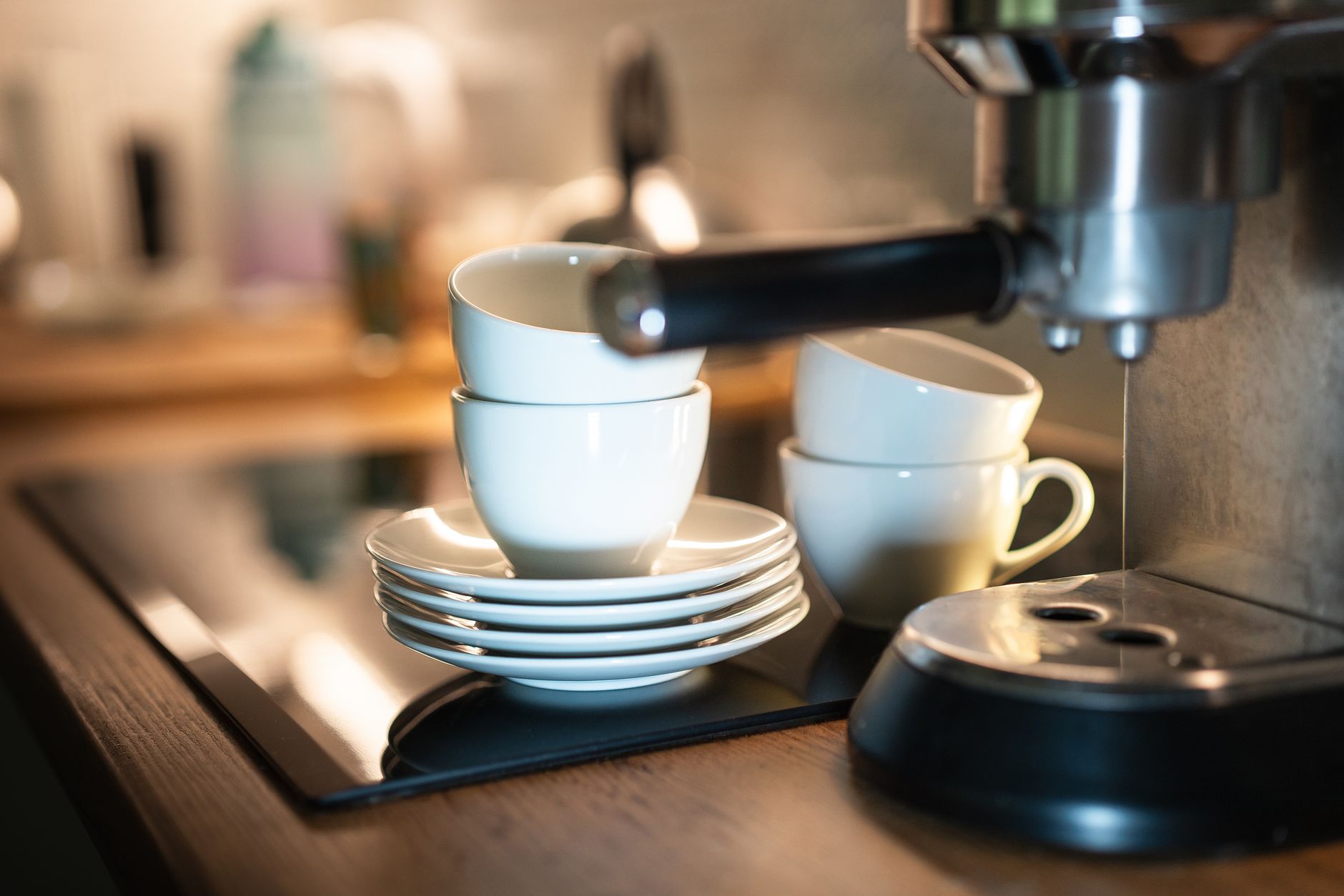
 Photo: 🇻🇳🇻🇳Nguyễn Tiến Thịnh 🇻🇳🇻🇳 via Pexels
Backflushing (Machines with 3-Way Solenoid Valve)
Only applies to machines with a solenoid valve — most prosumer and commercial machines. Single-boiler home machines without a solenoid (e.g., many Delonghi models) skip this step.
- Insert a blind basket (no holes) into the portafilter.
- Add 1/2 tsp of espresso machine cleaner (Cafiza or equivalent). No detergent on natural rubber gaskets without rinsing thoroughly.
- Lock the portafilter in and start a brew cycle for 10 seconds, then stop for 10 seconds. Repeat 5–10 times.
- Remove the cleaner, lock in the blind basket empty, and run 5–10 rinse cycles the same way.
- Pull a sacrificial shot and discard — this clears detergent residue.
Group Head Gasket and Shower Screen
- Remove the shower screen (usually one center screw).
- Scrub the shower screen with a stiff brush and hot water. If you use a cleaner tablet in the backflush, the screen gets dosed too — remove it before scrubbing.
- Wipe the group head gasket with a damp cloth. Look for cracks, hardening, or coffee debris seated in the groove. A healthy gasket is firm, slightly flexible, and flush with the head.
- Reinstall the shower screen snugly but don’t overtighten — the screw strips easily.
Portafilter and Baskets
- Soak baskets in hot water + 1/2 tsp Cafiza for 20 minutes.
- Scrub basket holes with a stiff brush. Clogged holes cause uneven pre-infusion and channeling.
- Check the portafilter spout for dried coffee oils — a Q-tip handles tight angles.
Drip Tray and Water Reservoir
- Empty and rinse the drip tray. Mold grows in stagnant water within days.
- Wash with mild dish soap, rinse well.
- If your machine has a removable water reservoir, wipe the interior with a damp cloth. Don’t use soap — rinse residue affects taste.
Monthly Maintenance
Monthly tasks address mineral scale and deep lubrication — things weekly cleaning doesn’t touch.
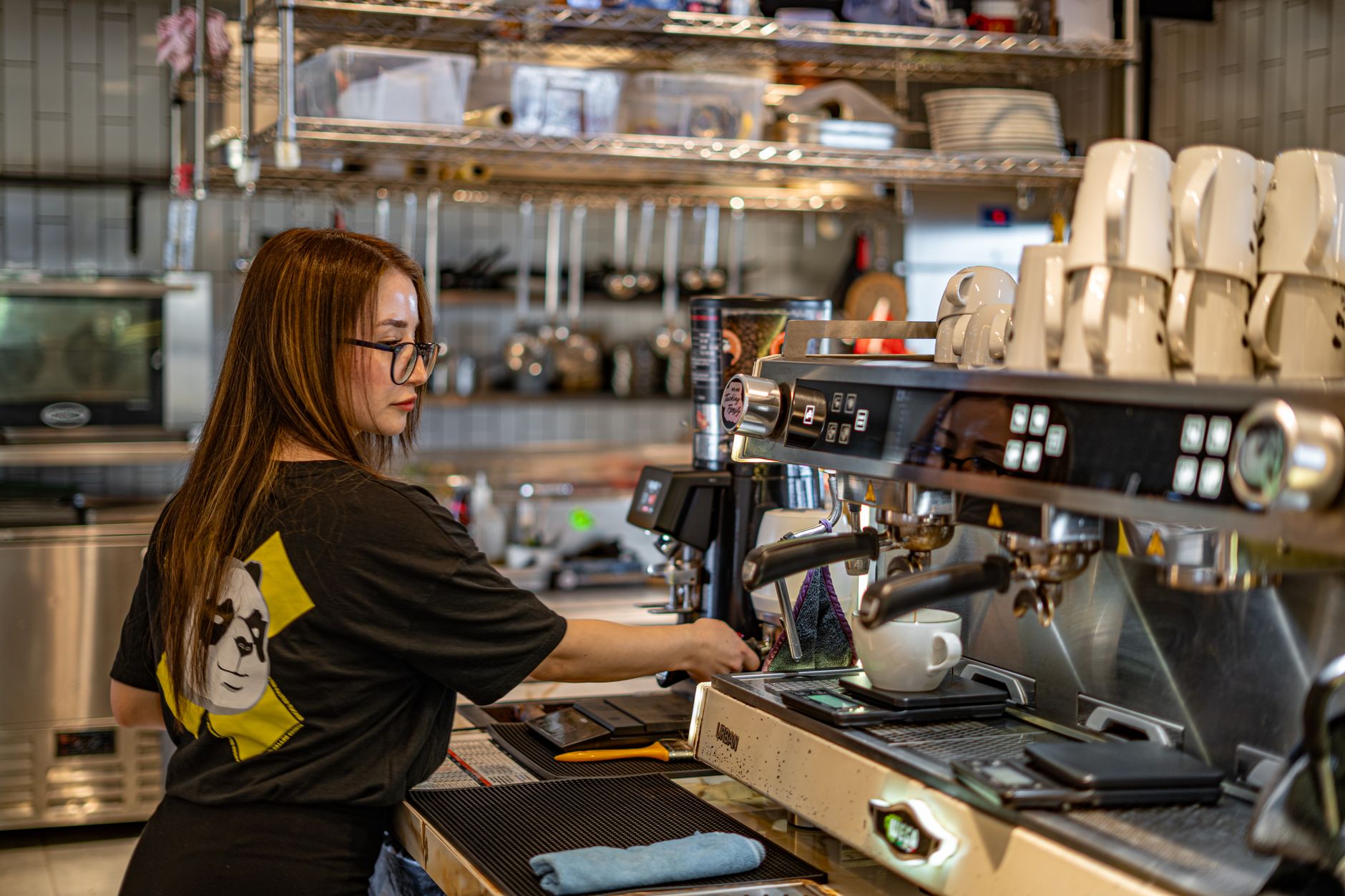
 Photo: Hamza Khalid via Pexels
Descaling
Scale is the silent machine killer. Even in soft water areas, calcium carbonate deposits on heating elements over time. Hard water areas may need descaling every 4–6 weeks.
| Water Hardness | Descale Frequency |
|---|---|
| Soft (0–7 gpg) | Every 3 months |
| Moderate (7–15 gpg) | Every 6–8 weeks |
| Hard (15+ gpg) | Every 4 weeks |
Use a purpose-made descaler — Dezcal or your machine manufacturer’s solution. White vinegar is too weak for modern boilers and leaves an odor that lingers.
General descaling process:
- Empty and remove the water reservoir.
- Mix descaler per package instructions and fill the reservoir.
- Run the machine through its descale cycle (consult your manual — most machines have a dedicated mode).
- Run two full reservoir rinse cycles with fresh water before making coffee.
Lubrication (Where Applicable)
Dual boiler and heat exchanger machines with group head cam levers benefit from food-safe silicone grease on the portafilter lugs every 1–3 months. Dry metal-on-metal contact wears the lugs and makes locking stiff.
Annual Maintenance
Once a year, replace consumables before they fail:
| Part | Typical Lifespan | Signs It’s Time |
|---|---|---|
| Group head gasket | 12–18 months | Coffee grounds in cup, portafilter wobble, leaking |
| Shower screen | 2–3 years | Pitting, clogging that scrubbing doesn’t clear |
| Steam wand O-rings | 1–2 years | Steam leaking from base of wand |
| Water softener cartridge | Per manufacturer | Scale buildup despite regular descaling |
Gaskets and screens are inexpensive ($5–15) and DIY-replaceable on most machines. Waiting until they fail means a ruined seal seat or a service call.
Common Maintenance Mistakes
- Using dish soap in the group head — surfactant residue ruins shot flavor for days.
- Skipping rinse cycles after backflushing — Cafiza is a strong alkaline cleaner; any residue in the cup is unpleasant and not food-safe at concentration.
- Descaling with vinegar — acetic acid attacks aluminum components and leaves taste contamination.
- Ignoring the steam wand tip — most are removable and should be soaked weekly; a blocked tip creates uneven steam pressure and poor foam texture.
→ See also:
- The Complete Guide to Espresso Machines (2026)
- Best Espresso Machine Under $200 (2026)
- Best Espresso Machine Under $500 (2026)
FAQ
How often should I backflush my espresso machine? Once a week with detergent is standard for home use; daily backflushing with plain water (no cleaner) is fine and recommended if you pull 4+ shots per day. Commercial machines are backflushed multiple times daily.
Can I use any cleaning tablet for backflushing? Use only espresso-specific alkaline cleaners like Cafiza, Puly Caff, or your machine manufacturer’s product. General dish detergents foam excessively, leave residue, and can damage rubber seals.
How do I know if my group head gasket needs replacing? Three signs: coffee grounds appearing in your cup, the portafilter feeling loose or wobbly when locked in, or water visibly leaking around the portafilter collar during extraction. A healthy gasket holds the portafilter firmly at the 6 o’clock position.
My shots taste bitter even with fresh beans — could maintenance be the cause? Yes. Rancid coffee oils in the group head, basket, or shower screen are a common cause of persistent bitterness that better beans don’t fix. Run a backflush cycle with Cafiza, soak your baskets, and scrub the shower screen. If bitterness clears, that was the problem.
How do I clean a steam wand correctly? Purge immediately after each use, wipe with a damp cloth while hot, then purge again. Weekly: remove the tip (most unscrew), soak in hot water for 20 minutes, and clear any blocked holes with a pin. Never let milk dry on the wand — proteins harden quickly and require prolonged soaking to dissolve.
Do pod/capsule machines need the same maintenance? Pod machines need descaling on the same schedule as bean-to-cup machines — scale affects heating elements regardless of coffee format. They don’t need backflushing since there’s no group head, but drip trays and water tanks still need weekly cleaning.
Editorial methodology: Assessments are based on manufacturer specifications, published user reviews, and editorial research. Physical hands-on testing is noted explicitly where it occurred. Rankings reflect our editorial judgment and are not influenced by affiliate commission rates. Full editorial policy · Affiliate disclosure