Contents
Espresso Extraction Explained: Under, Over, and Perfect
TL;DR: Espresso extraction is the process of dissolving soluble compounds from coffee grounds using hot, pressurized water. Under-extracted espresso tastes sour and thin; over-extracted tastes bitter and dry; properly extracted espresso is balanced, sweet, and complex. Dialing in espresso extraction explained simply means adjusting grind size, dose, and yield until your shot hits that window.
What Is Espresso Extraction?
Espresso extraction is the percentage of a coffee puck’s total mass that dissolves into your cup. For espresso, the target is 18–22% extraction yield. Below that range you get sourness and weakness; above it you get bitterness and astringency. Every variable you touch — grind, dose, temperature, time — moves that number.
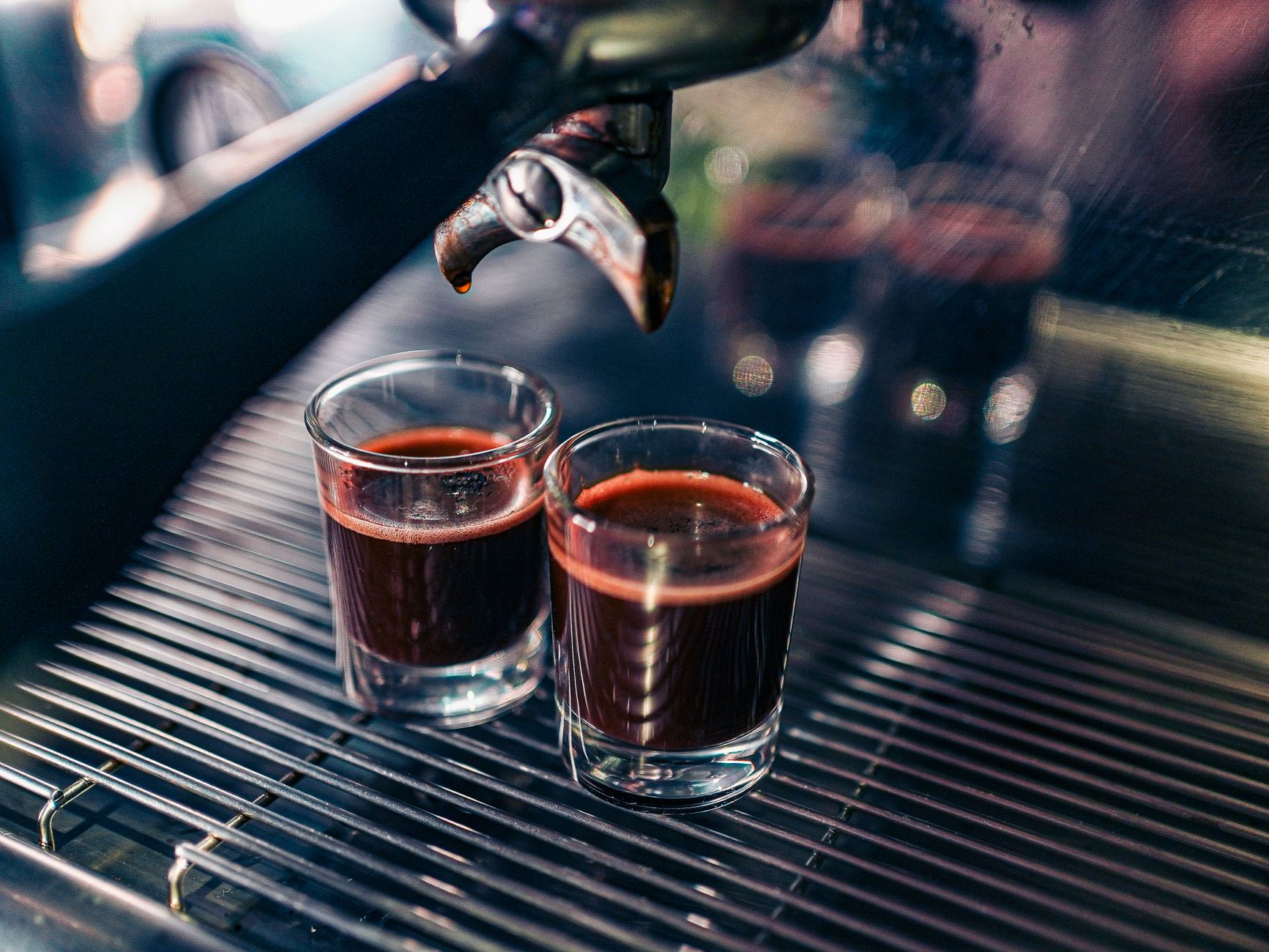
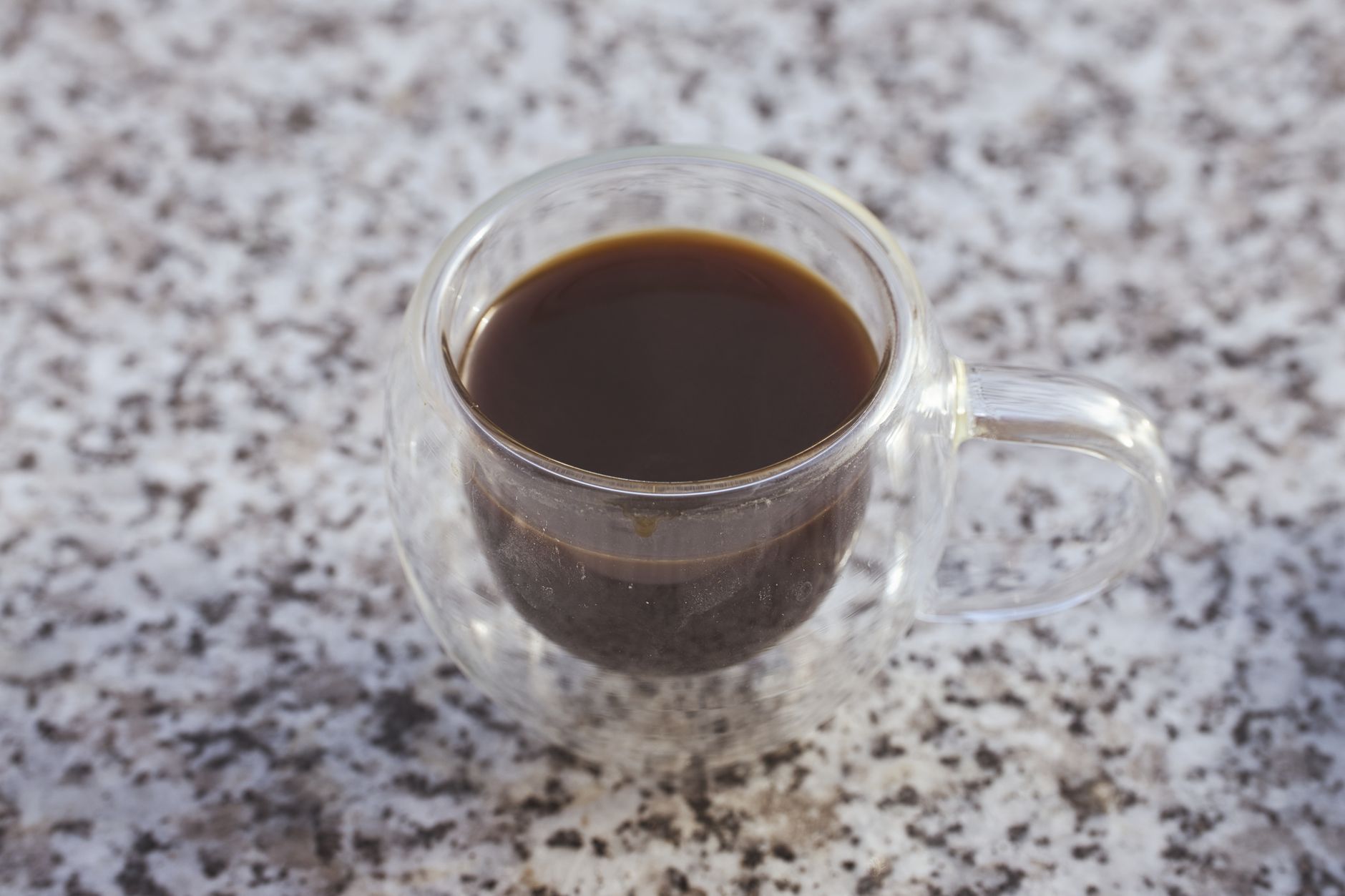 Photo: Patrick via Pexels
Water moves through a puck in a specific order. First it pulls acids, fruity compounds, and sugars — the pleasant, bright flavors. Then it reaches the heavier bitter and astringent compounds. Stop the shot too early and you capture only the first wave. Let it run too long and you take everything, including what you don’t want.
This sequence is why timing matters, but timing alone doesn’t tell the whole story. A 25-second shot can be under-extracted with a coarse grind or over-extracted with a fine one. The actual extraction yield depends on the interaction of grind size, dose, water temperature, and pressure — not any single variable in isolation.
Under-Extraction: What It Sounds Like in the Cup
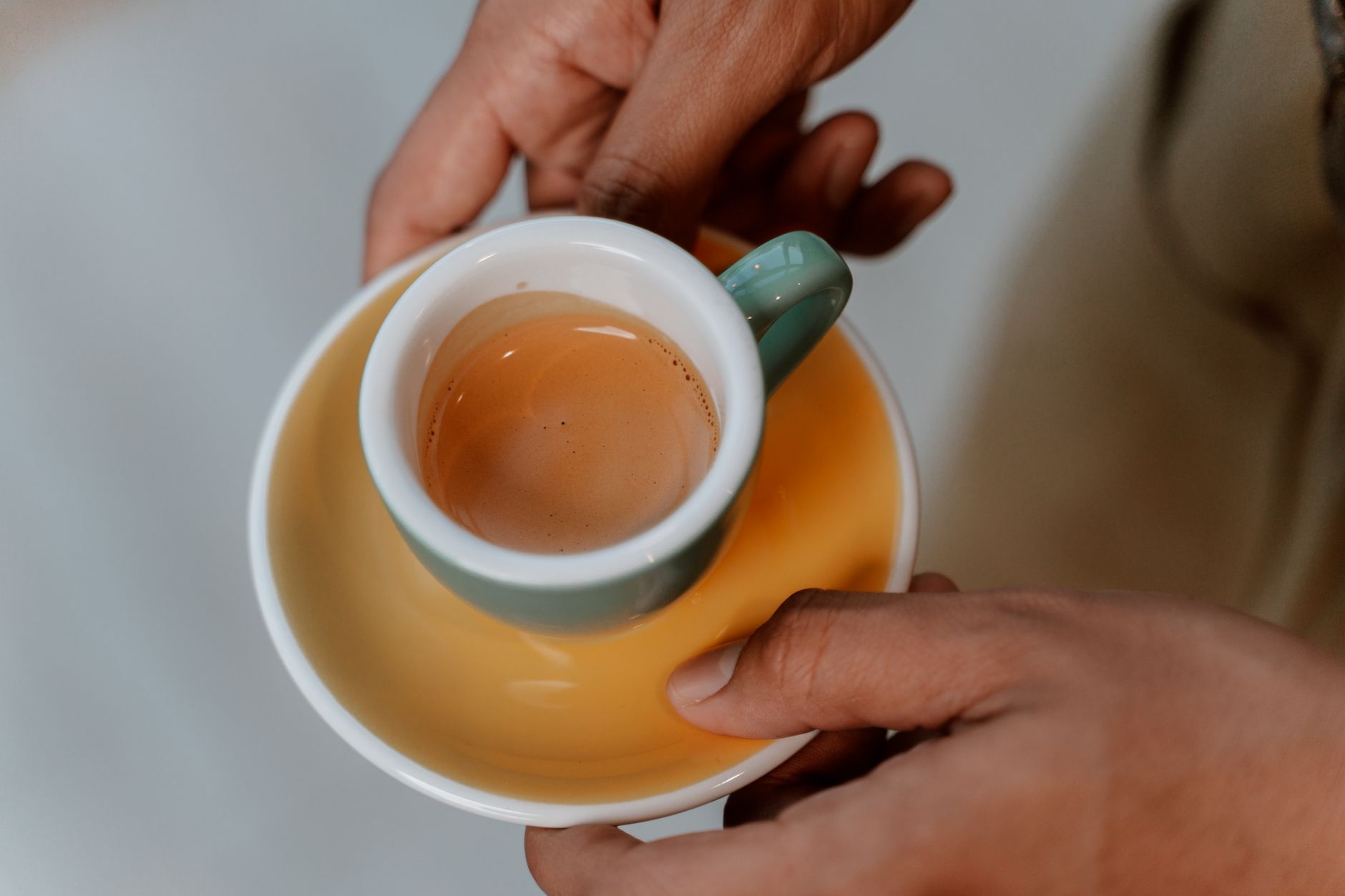
Under-extracted espresso tastes sour, sharp, and thin. It finishes quickly with a hollow, almost watery aftertaste. You might also notice a salty quality — a sign that the sweet middle compounds never made it into the cup.
 Photo: Jean-Paul Wright via Pexels
Why Under-Extraction Happens
The most common cause is grind that’s too coarse. Water flows through a loosely packed puck too fast, contacting fewer grounds and dissolving only the fast-extracting acids.
Other causes:
| Cause | Result |
|---|---|
| Grind too coarse | Fast flow, short contact time |
| Dose too low | Thin puck, channeling risk |
| Water too cool | Slower dissolution, less sugar extraction |
| Shot pulled too short | Insufficient total dissolved mass |
| Under-tamped puck | Uneven density, water finds easy paths |
The fix is almost always to grind finer first. Finer grounds increase surface area and slow flow, giving water more time to extract the full spectrum of compounds.
Over-Extraction: Bitterness That Lingers
Over-extracted espresso is bitter, dry, and sometimes hollow. The finish is long in the wrong way — a coating, chalky bitterness that sits on the back of your palate. Unlike the sharp sourness of under-extraction, over-extraction has a muted, heavy character.
 Photo: ARNAUD VIGNE via Pexels
Why Over-Extraction Happens
A grind that’s too fine is the main culprit. Extremely fine grounds slow water to a crawl, maximizing extraction time and pulling harsh compounds that should stay in the puck.
| Cause | Result |
|---|---|
| Grind too fine | Slow flow, excessive contact time |
| Dose too high | Dense puck, restricted flow |
| Water too hot | Aggressive extraction of bitter compounds |
| Yield too high | More dissolved solids, including unwanted ones |
| Channeling on fine grind | Localized over-extraction in channels |
Grinding coarser is the first move. If bitterness persists after adjusting grind, check water temperature — 90–96°C is standard, with lighter roasts needing higher temps and dark roasts needing lower.
The Extraction Window: What a Good Shot Tastes Like
A well-extracted espresso is balanced. Sweet and fruity notes lead, followed by body and a pleasant bitterness that rounds out the finish without dominating. The aftertaste lingers cleanly — caramel, chocolate, or fruit depending on the bean — rather than coating your palate with chalk or fading into nothing.
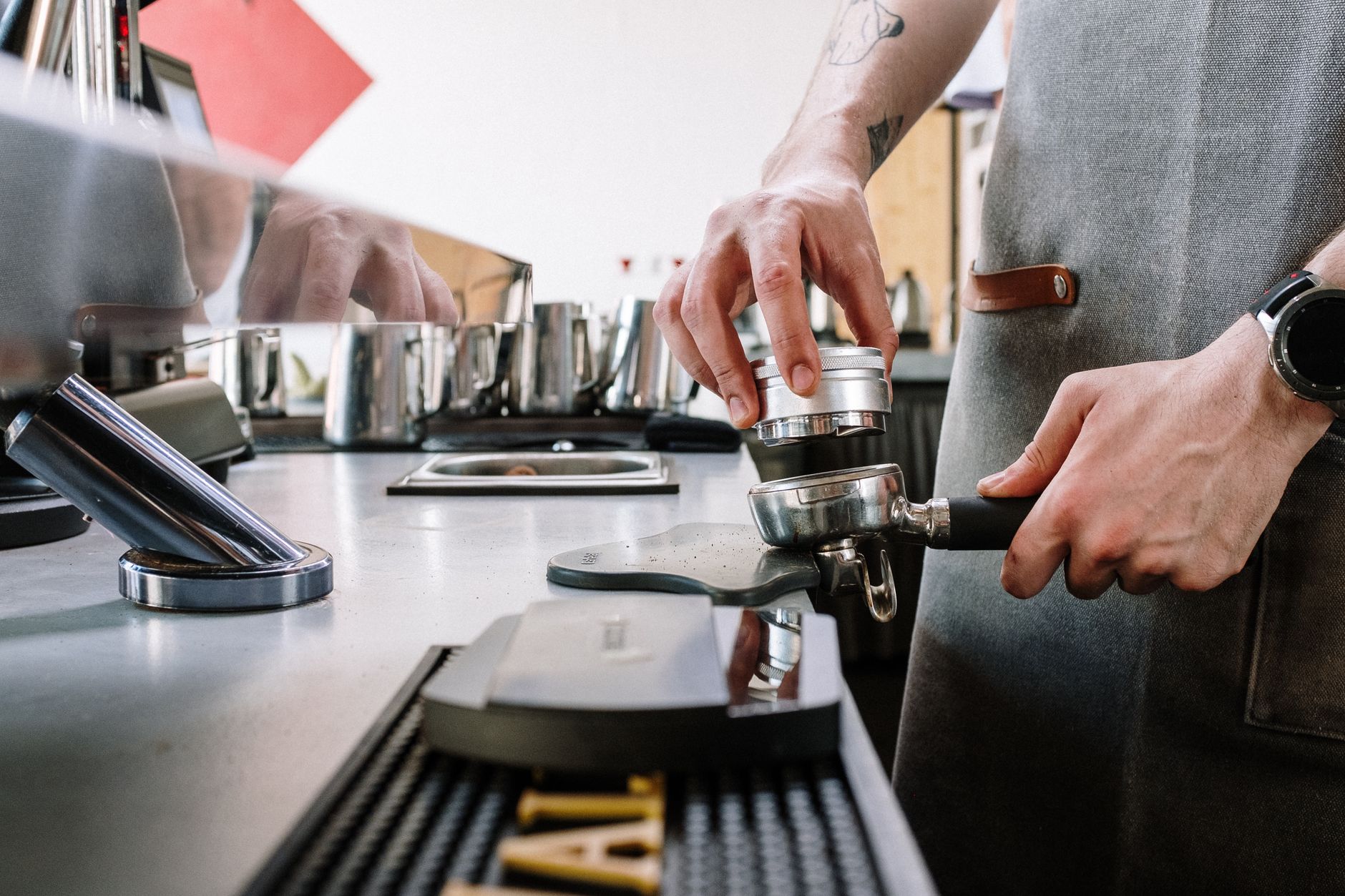
 Photo: Magda Ehlers via Pexels
Visually, a well-extracted shot runs as a steady, dark-honey-colored stream that gradually lightens to caramel. It doesn’t blonde out immediately (under) or run syrup-thick and dark throughout (can indicate channeling or excessive resistance).
Extraction by the Numbers
| Parameter | Under | Target | Over |
|---|---|---|---|
| Extraction yield | < 18% | 18–22% | > 22% |
| TDS (total dissolved solids) | < 8% | 8–12% | > 12% |
| Flow rate | Fast | 1–3 ml/sec | Very slow |
| Taste | Sour, thin, salty | Balanced, sweet, complex | Bitter, dry, chalky |
TDS meters (refractometers) let you measure extraction yield precisely. They’re useful for dialing in a new coffee but not necessary for day-to-day brewing once you’ve trained your palate.
Coffee Module B — Brewing Guide
Extraction Parameters
| Parameter | Value |
|---|---|
| Dose | 18–20g (double basket) |
| Yield | 36–40g (1:2 ratio starting point) |
| Ratio | 1:2 (dose:yield) |
| Time | 25–35 seconds |
| Temperature | 90–96°C (194–205°F) |
| Pressure | 9 bar (some profiles ramp 6→9) |
Puck Prep
WDT (Weiss Distribution Technique): After dosing, use a thin needle tool to break up clumps and distribute grounds evenly before leveling. Clumps create channels — one of the most common causes of mixed over/under extraction in the same shot.
Leveling: Use a distributor or the NSEW technique (tap the portafilter lightly in four directions) to settle grounds evenly. A level surface means even water distribution.
Tamping: Apply 15–20kg of pressure, straight down. The exact pressure matters less than consistency and levelness — a tilted tamp creates a thicker side that resists water, forcing it through the thin side and channeling.
Channeling prevention: Inspect the puck surface before tamping. Voids or uneven areas are future channel paths. A light WDT pass fixes most issues before they start.
Pre-infusion: 5–10 seconds at low pressure (2–4 bar) before ramping to full pressure saturates the puck evenly and reduces channeling risk. Worth using on lighter, less-developed roasts.
Troubleshooting Matrix
| Symptom | Likely Cause | Fix |
|---|---|---|
| Sour, thin finish | Under-extracted — grind too coarse | Grind finer |
| Shot runs in under 20 sec | Too coarse or dose too low | Grind finer, check dose |
| Bitter, chalky finish | Over-extracted — grind too fine | Grind coarser |
| Shot runs in over 40 sec | Too fine or dose too high | Grind coarser, reduce dose |
| Tiger-striping then blonde | Normal — no action needed | — |
| Immediate blonde, watery | Severe under-extraction or channeling | Grind finer + check puck prep |
| Sour AND bitter in same shot | Channeling | Improve WDT, level more carefully |
| Correct time, still bitter | Water too hot | Drop temp 1–2°C |
| Correct time, still sour | Water too cool | Raise temp 1–2°C |
→ See also
- How to Dial In Espresso: Step-by-Step Decision Tree — the full workflow that uses extraction diagnosis as its core input
- How to Tamp Espresso Correctly (Pressure, Technique, Tools) — puck prep done right, so extraction problems don’t start at the tamp
- Espresso Dose, Yield and Ratio Guide — how changing your ratio shifts extraction yield and flavor
FAQ
What is the ideal espresso extraction percentage? Most specialty coffee professionals target 18–22% extraction yield for espresso. That range captures the sweet, acidic, and body-contributing compounds without pulling the harsh bitter ones that dominate above 22%. Where you land within that window depends on the bean — lighter roasts often taste best near the top of the range; darker roasts near the bottom.
How do I know if my espresso is under or over-extracted without a refractometer? Taste it. Sour, sharp, and thin with a quick finish points to under-extraction. Bitter, dry, and coating — especially a lingering chalky aftertaste — points to over-extraction. A shot that’s both sour and bitter in the same sip usually means channeling: parts of the puck over-extracted while water bypassed other sections entirely.
Does grind size or shot time matter more for espresso extraction? Grind size is primary because it sets the resistance the water faces, which determines contact time. Shot time is a downstream result of grind size (and dose). Chasing a specific time without considering grind size leads you in circles. Adjust grind first, observe how time changes, then fine-tune from there.
Can water temperature fix under or over-extraction? Temperature is a secondary lever, not the first one to reach for. It moves extraction yield by 1–3% across the 90–96°C range, which is meaningful once grind and dose are dialed. If you’ve corrected grind and the shot still tastes sour on a light roast, bumping temperature 1–2°C can push it over the line. For dark roasts tasting bitter, dropping temperature slightly softens extraction of harsh compounds.
Why does my shot taste sour and bitter at the same time? This almost always means channeling — a path of least resistance through the puck where water flows fast and extracts heavily in one spot while undertreating the rest. The channel over-extracts locally (bitter) while surrounding grounds stay under-extracted (sour). Fix it by improving WDT before tamping, ensuring a level puck surface, and tamping straight.
Editorial methodology: Assessments are based on manufacturer specifications, published user reviews, and editorial research. Physical hands-on testing is noted explicitly where it occurred. Rankings reflect our editorial judgment and are not influenced by affiliate commission rates. Full editorial policy · Affiliate disclosure