Contents
Espresso Dose, Yield and Ratio Guide
TL;DR: Espresso dose yield ratio is the single most controllable variable in espresso. A standard shot uses 18–20 g of coffee (dose) to produce 36–40 g of liquid espresso (yield), giving a 1:2 ratio in roughly 25–30 seconds. Nail this before touching grind size or temperature.
What Is Espresso Dose, Yield, and Ratio?
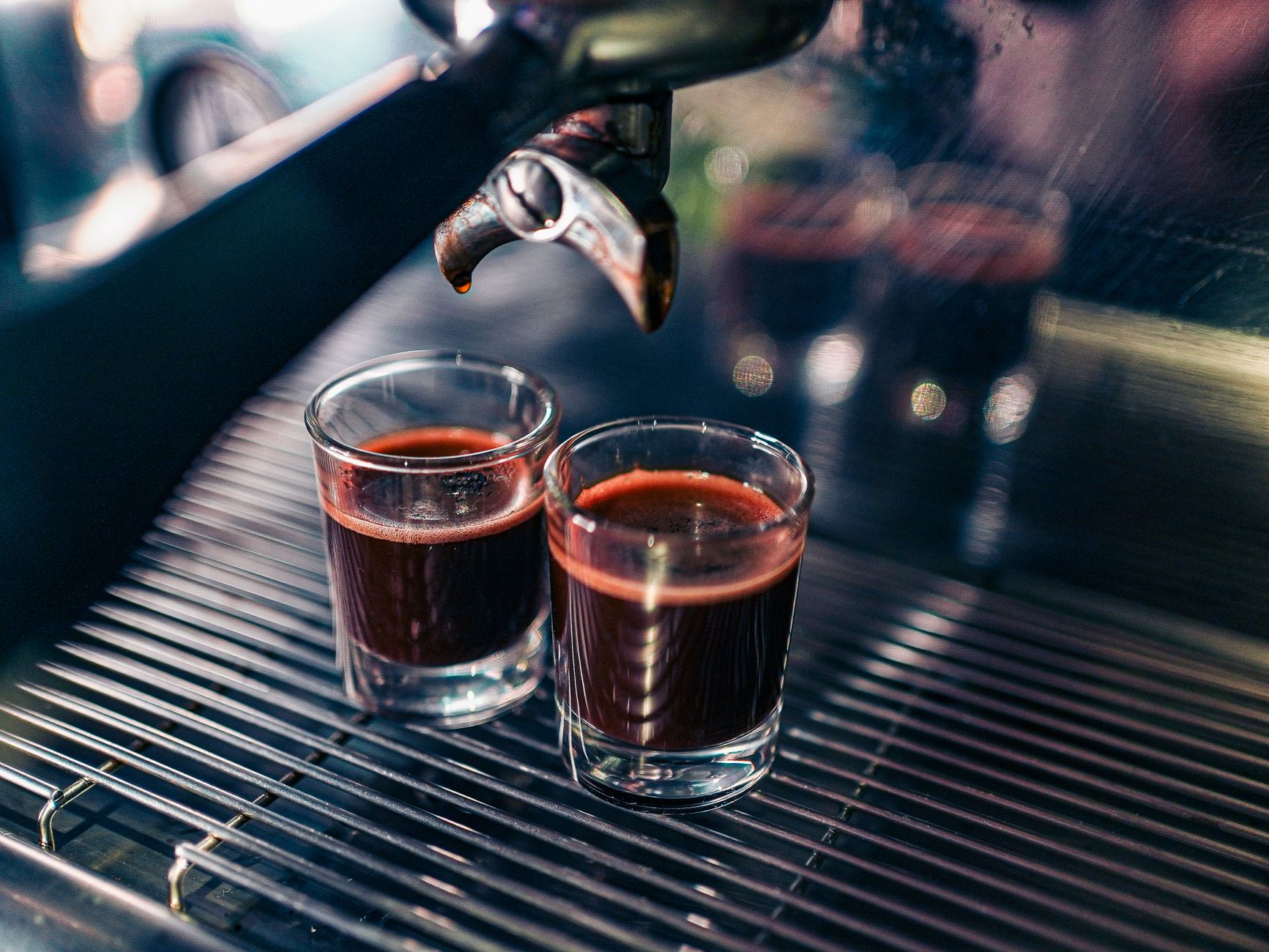
Dose is the dry coffee weight in your portafilter. Yield is the liquid espresso weight in your cup. Ratio is yield divided by dose. These three numbers define the fundamental geometry of every espresso shot — get them wrong and no other adjustment will save you.
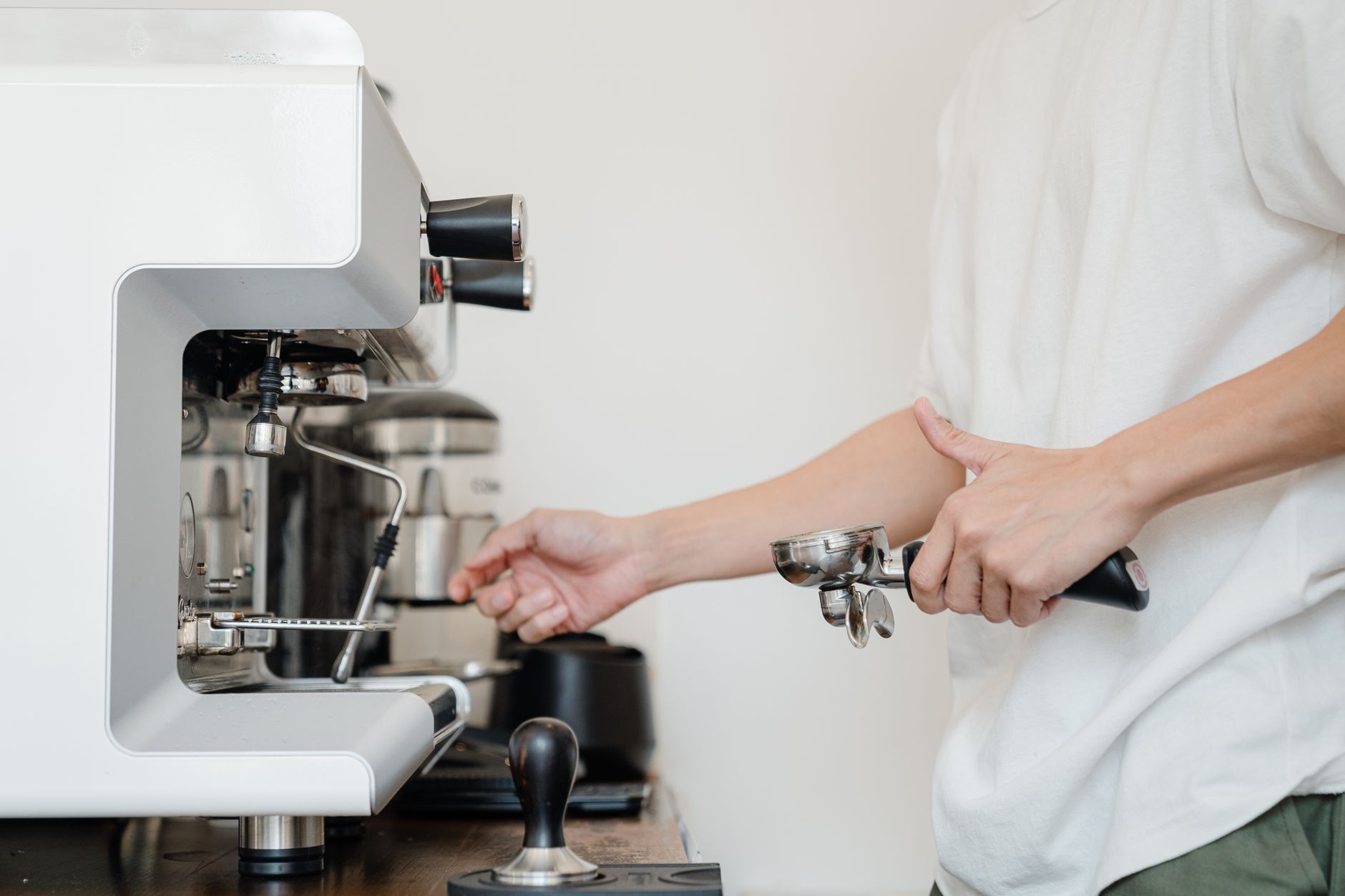 Photo: Ketut Subiyanto via Pexels
Most modern espresso follows a 1:2 ratio — 18 g dose producing 36 g yield. But that’s a starting point, not a law. Ristretto pulls run closer to 1:1.5; lungo shots stretch to 1:3 or beyond. What matters is that you’re working intentionally within a defined framework.
The reason ratio matters more than either number alone: a 20 g dose pulling 40 g yield behaves identically to an 18 g dose pulling 36 g — same 1:2 ratio, same extraction dynamics, similar flavor profile (adjusted for basket geometry). Ratio is the repeatable unit.
Standard Espresso Ratios Explained
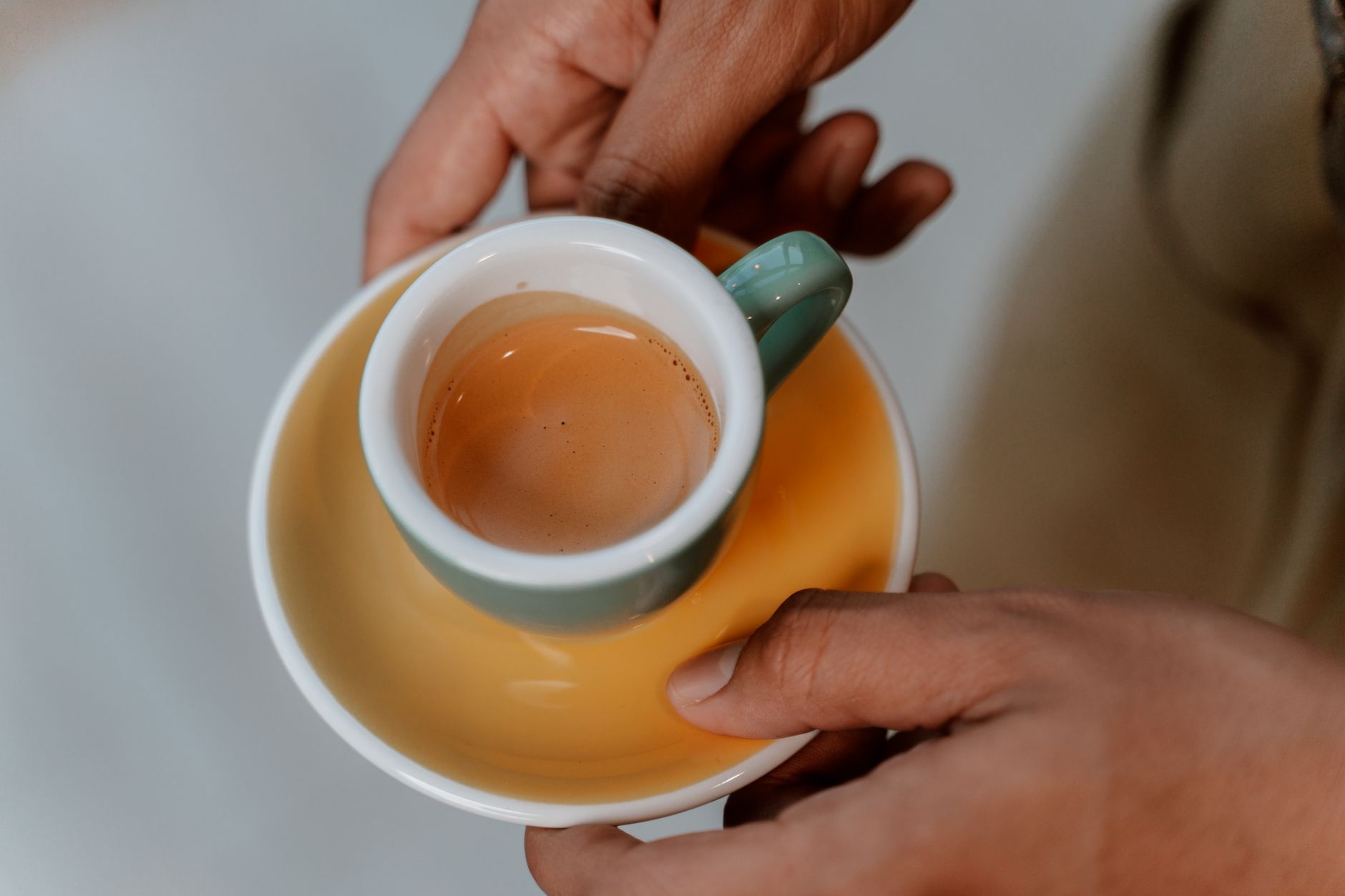
1:1.5 (ristretto), 1:2 (espresso), 1:3 (lungo) — each ratio produces a distinct flavor profile. Ristretto is dense and sweet; lungo is lighter with more bitter finish. The 1:2 ratio hits the balanced extraction window for most quality coffees.
 Photo: 🇻🇳🇻🇳 Việt Anh Nguyễn 🇻🇳🇻🇳 via Pexels
| Style | Dose | Yield | Ratio | Character |
|---|---|---|---|---|
| Ristretto | 18 g | 27 g | 1:1.5 | Dense, syrupy, low bitterness |
| Espresso | 18 g | 36 g | 1:2 | Balanced, full body |
| Lungo | 18 g | 54 g | 1:3 | Light, more bitter, thinner |
| Allongé | 18 g | 72 g | 1:4 | Americano-adjacent |
Why Specialty Coffee Uses Higher Doses
Third-wave cafés commonly run 18–22 g doses in 58 mm baskets. Higher doses slow flow through a denser puck, increasing contact time and extraction potential. This suits lighter roasts — which need more coaxing to reach target extraction — better than the 7 g single-shot standards from decades past.
Basket capacity sets your dose ceiling. A 58 mm VST 20 g basket is rated for 19–21 g. Overfill it and the shower screen compresses the puck; underfill and you get uneven flow. Always dose to basket spec, not habit.
How to Measure Espresso Dose and Yield Accurately
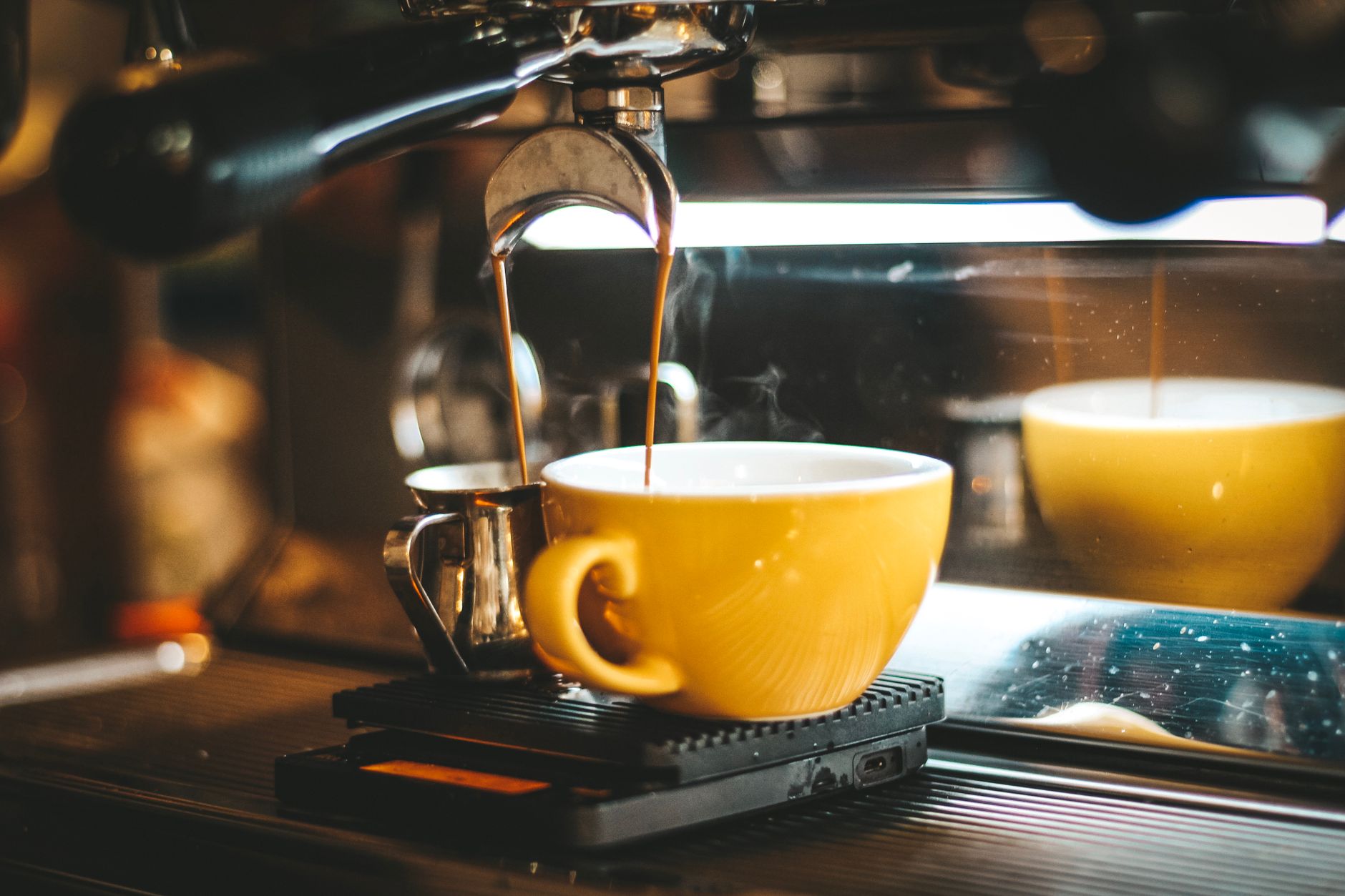
You need a scale that reads to 0.1 g for dose, and one under your cup for yield. Volumetric measurement is unreliable — crema volume varies with roast level, freshness, and water hardness, making weight the only reproducible metric.
A basic espresso scale with a fast response timer handles both jobs. Weigh your dry grounds before grinding (if your grinder permits) or weigh the portafilter before and after to get exact dose. For yield, tare your cup on the drip tray and stop the shot at target weight.
Shot-to-Shot Consistency
Single-dose grinders let you weigh beans before grinding, eliminating dose variance entirely. Grinders with hoppers require dialing in retention — the coffee sitting in the chute from the previous grind. Run a purge dose before each shot if retention exceeds 0.3–0.5 g.
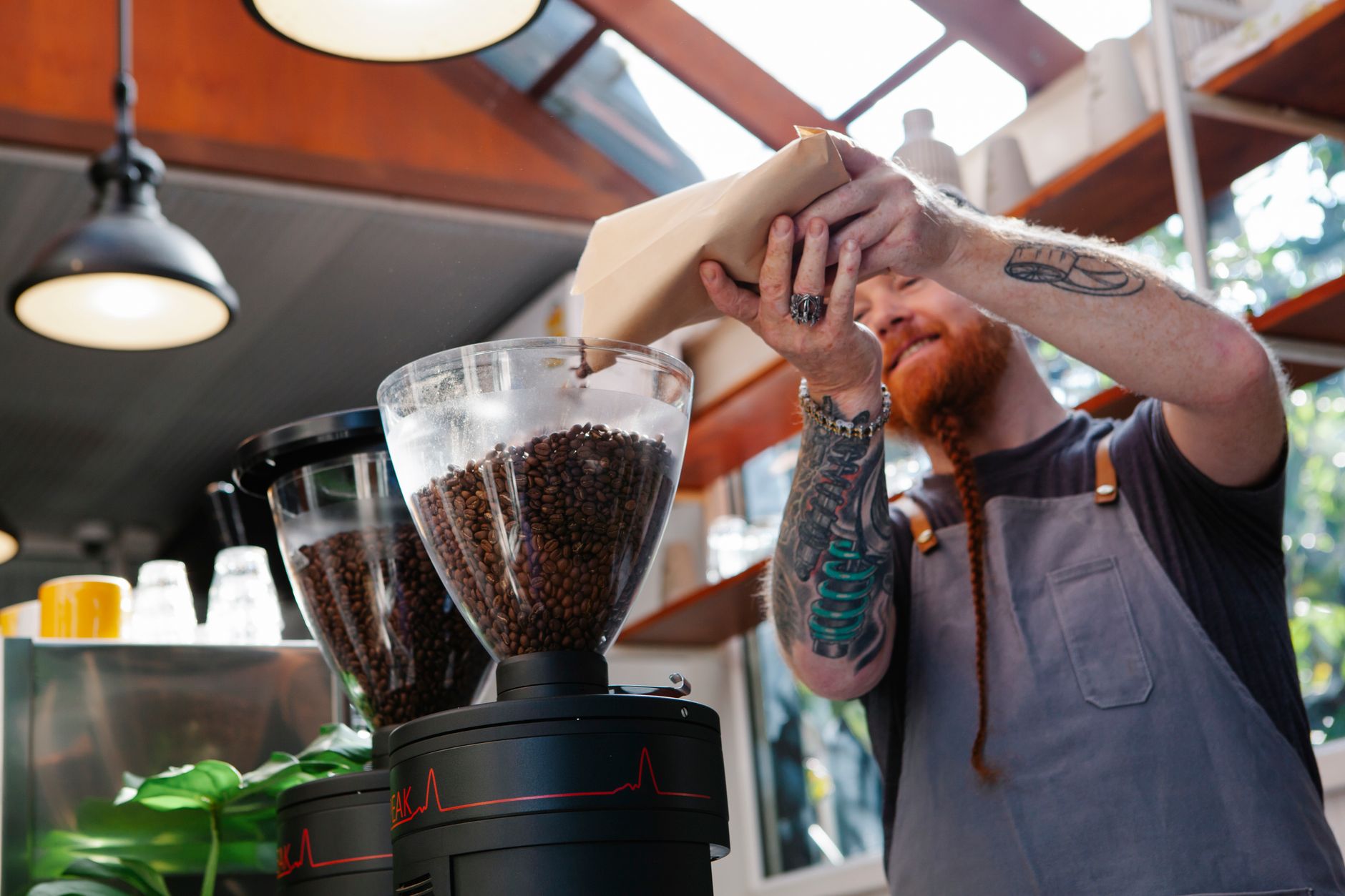 Photo: Tim Douglas via Pexels
Brewing Guide: Dialing In by Ratio
Extraction Parameters
| Parameter | Target |
|---|---|
| Dose | 18–20 g (adjust to basket spec) |
| Yield | 36–40 g (1:2 ratio) |
| Ratio | 1:2 starting point |
| Time | 25–30 seconds |
| Temperature | 90–96 °C (lighter roasts higher) |
| Pressure | 9 bar (6 bar for pressure profiling) |
Puck Prep
WDT (Weiss Distribution Technique): After grinding, use a thin-needle tool to break up clumps before tamping. Clumps create channels — water finds the path of least resistance and under-extracts the surrounding coffee.
Leveling: Tap the portafilter lightly or use a distribution tool to settle grounds evenly before tamping. An uneven bed produces tilted pucks and uneven extraction.
Tamping: Apply 15–20 kg of consistent, level pressure. Tamper diameter should match the basket within 0.5 mm. Crooked tamps open gaps between the puck edge and basket wall.
Channeling prevention: If your machine supports it, pre-infusion at low pressure (2–4 bar) for 3–5 seconds before ramping to full pressure saturates the puck and reduces channel formation significantly.
Troubleshooting Matrix
| Symptom | Likely Cause | Fix |
|---|---|---|
| Shot runs fast (<20 sec) | Grind too coarse, dose too low, tamping light | Grind finer, increase dose by 0.5 g, re-tamp |
| Shot runs slow (>35 sec) | Grind too fine, dose too high, over-tamped | Grind coarser, reduce dose by 0.5 g |
| Sour, thin taste | Under-extracted (ratio too tight or short time) | Increase yield, slow down grind |
| Bitter, harsh finish | Over-extracted (ratio too wide or long time) | Reduce yield, coarsen grind |
| Channeling/blonding early | Uneven distribution or tamping | Improve WDT and tamp technique |
| Inconsistent shot to shot | Variable dose or grinder retention | Single-dose, purge grinder between shots |
How Roast Level Affects Your Ratio
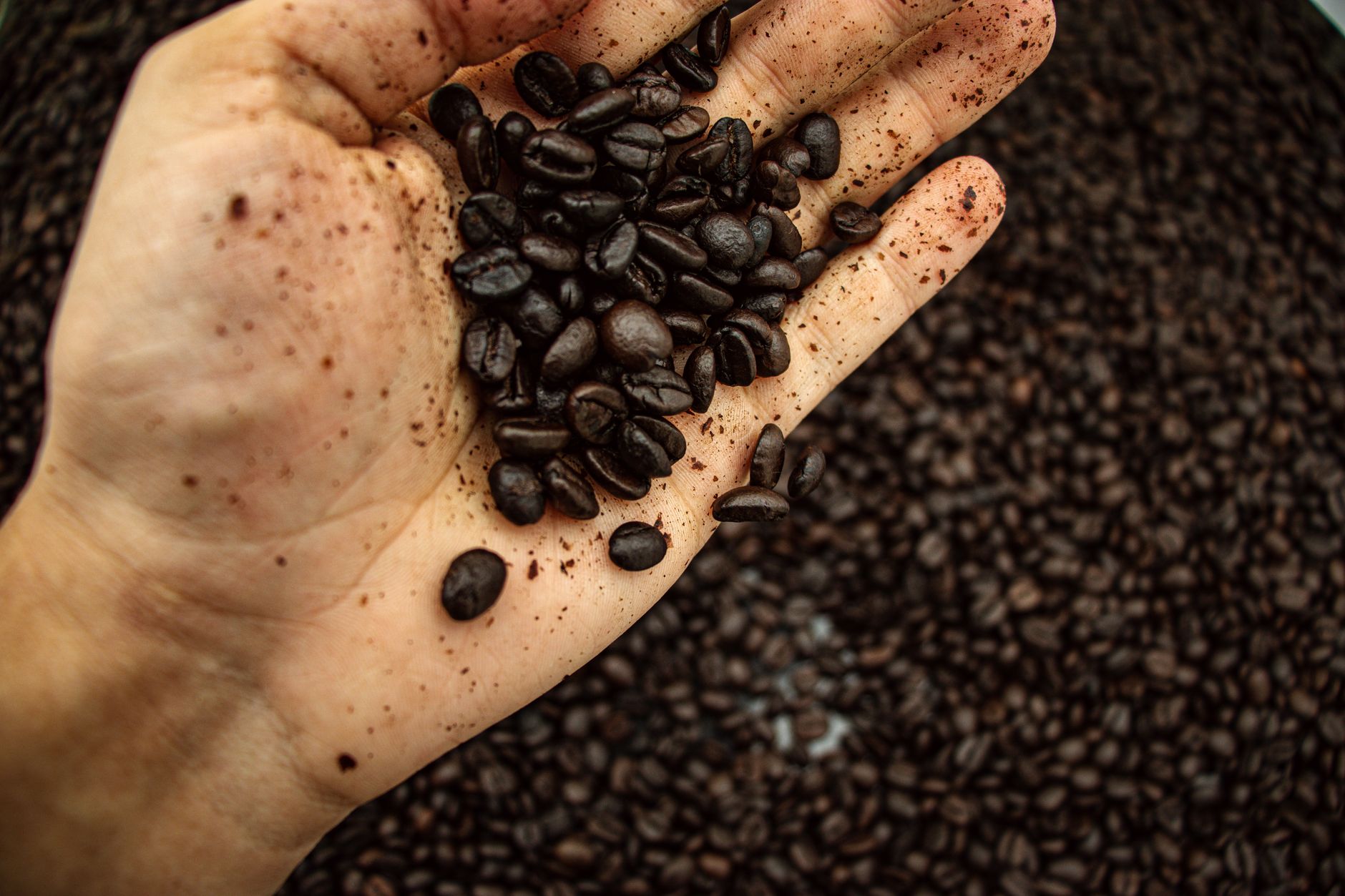 Photo: CAPITAL9GOLD via Pexels
Light roasts are denser and harder to extract — they reward slightly higher ratios (1:2.2–1:2.5) and higher temperatures (93–96 °C). Dark roasts extract faster and more completely; pulling them at 1:2 prevents bitterness from dominating.
| Roast Level | Suggested Ratio | Temperature |
|---|---|---|
| Light | 1:2–1:2.5 | 93–96 °C |
| Medium | 1:2 | 91–93 °C |
| Dark | 1:1.5–1:2 | 88–91 °C |
This isn’t dogma — taste every adjustment. Ratios are a map, not the territory.
→ See also:
- How to Dial In Espresso: Step-by-Step Decision Tree
- Espresso Extraction Explained: Under, Over, and Perfect
- How to Tamp Espresso Correctly (Pressure, Technique, Tools)
FAQ
What is a normal espresso dose? The most common dose range is 18–20 g for a double shot in a standard 58 mm portafilter. Single shots use 7–10 g, though most specialty cafés don’t pull singles. Your basket’s rated capacity should guide the upper limit — overfilling causes compression and channeling.
Does a higher dose make stronger espresso? A higher dose increases the amount of coffee being extracted, but strength depends on the ratio you pull. A 22 g dose at 1:2 produces similar TDS (total dissolved solids) to an 18 g dose at 1:2 — the ratio is the dominant factor. Dose affects body, puck resistance, and flow rate more than perceived strength.
What ratio do professional baristas use? Most competition and specialty café espresso runs at 1:2 to 1:2.5, with some baristas exploring 1:2.8–1:3 for complex light roasts. Ratio choice depends on the coffee’s origin, processing, and roast level — there’s no universal professional standard beyond working precisely and tasting critically.
How do I adjust ratio to fix sour espresso? Sour espresso is usually under-extracted. Increase your yield — pull more liquid from the same dose, moving toward 1:2.2 or 1:2.5. If that alone doesn’t resolve it, also grind finer to slow the shot and increase extraction time. Adjust one variable at a time.
Can I use volumetric measurement instead of weighing? You can, but it introduces error. Crema volume changes with roast freshness, water mineral content, and temperature, meaning the same volumetric output can represent wildly different yield weights. Weighing takes 10 extra seconds and removes an entire category of shot-to-shot variance.
Editorial methodology: Assessments are based on manufacturer specifications, published user reviews, and editorial research. Physical hands-on testing is noted explicitly where it occurred. Rankings reflect our editorial judgment and are not influenced by affiliate commission rates. Full editorial policy · Affiliate disclosure