Contents
How to Use a Portafilter: Basket Types and Loading Guide
TL;DR: To use a portafilter, dose ground coffee into the basket, distribute evenly, tamp level at ~30 lbs of pressure, and lock into the group head immediately before pulling your shot. Choosing the right basket type — single, double, pressurized, or naked — affects extraction quality more than most beginners expect.
What Is a Portafilter and Why It Matters
A portafilter is the handled filter assembly that locks into your espresso machine’s group head and holds the coffee basket. It’s the most hands-on component in how to use a portafilter correctly — and the most common source of extraction problems when ignored.
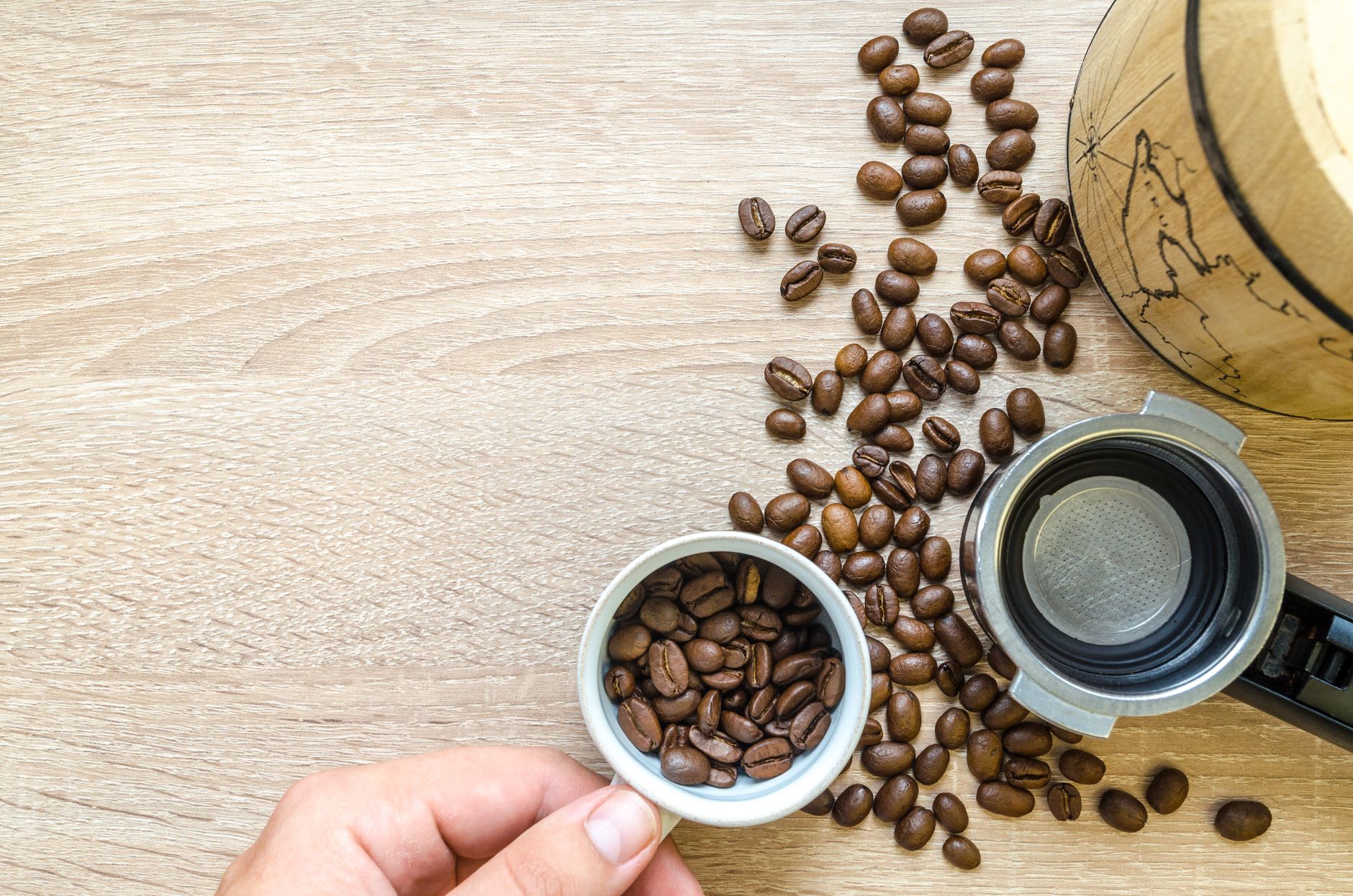 Photo: Lukas Blazek via Pexels
Every shot passes through this tool. The basket depth, the spout configuration, and how you load the puck all directly control whether espresso extracts evenly or channels and goes bitter.
Portafilter Basket Types Explained
Your basket type determines the dose range, flow resistance, and margin for error. Single-wall (non-pressurized) baskets reward precision; double-wall (pressurized) baskets are forgiving but limit ceiling quality. Match the basket to your grinder and skill level.
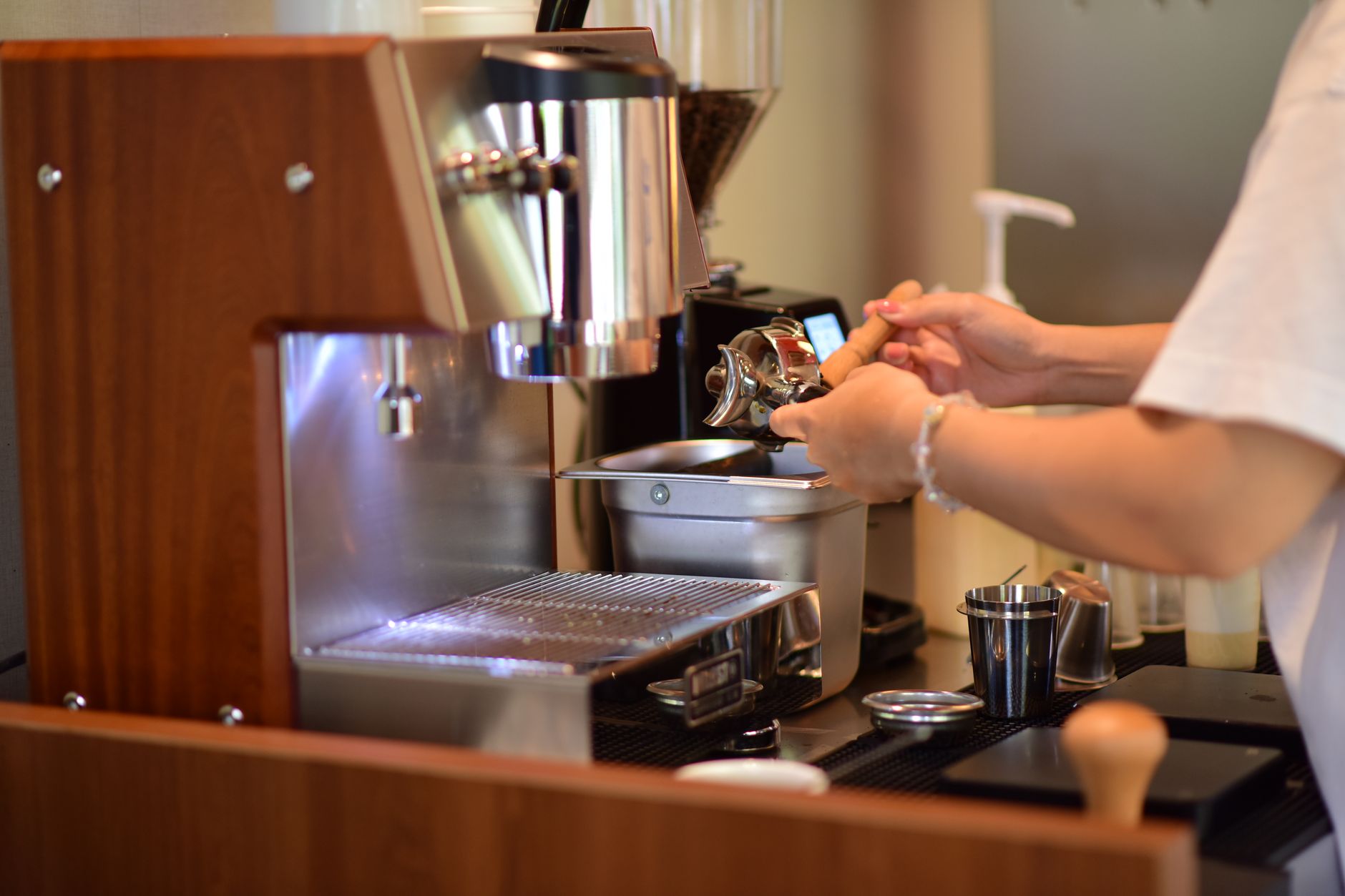 Photo: Sóc Năng Động via Pexels
Single-Wall (Non-Pressurized) Baskets
The standard basket on any semi-serious espresso setup. Water flows through the coffee bed itself — the puck creates all the resistance. This means grind size, distribution, and tamping technique matter enormously.
- Single basket: 7–9g dose, one spout. Rarely worth using on dual-boiler machines; flow dynamics favor doubles.
- Double basket: 14–21g dose depending on basket volume. The everyday workhorse for home and café.
- VST / IMS precision baskets: Tighter hole tolerances than OEM baskets, more consistent extraction. Worth the upgrade once your technique is solid.
Double-Wall (Pressurized) Baskets
A second perforated plate creates back-pressure regardless of grind consistency. Pre-ground or coarsely ground coffee still produces crema-topped espresso. The tradeoff: compressed flavor, less complexity, no feedback on what needs fixing.
Use these only with a blade grinder or pre-ground coffee. Once you have a burr grinder dialed in, swap them out.
Naked (Bottomless) Portafilters
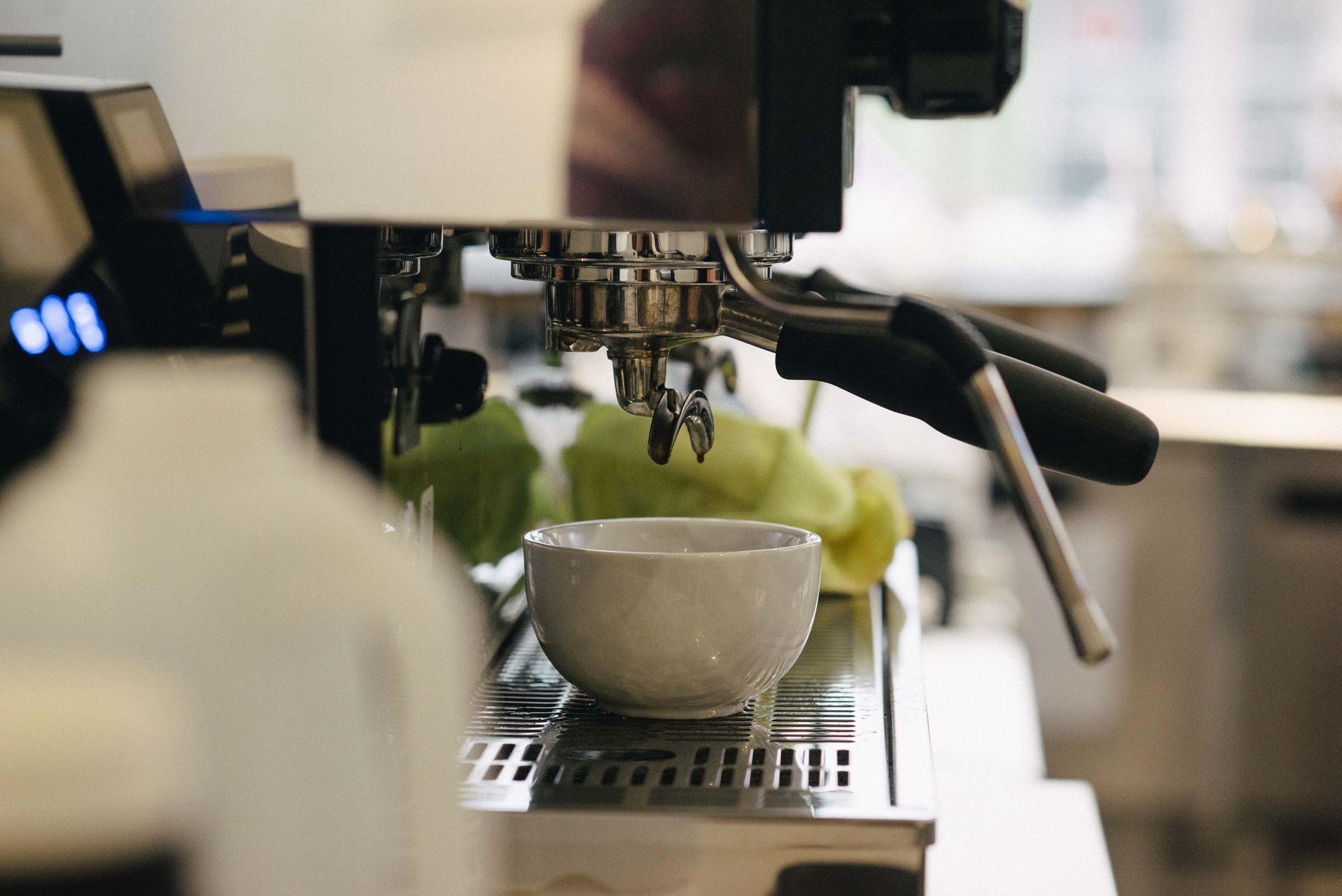 Photo: Olga Lioncat via Pexels
No spouts — espresso drops directly from the basket. The visual feedback is the whole point: channeling shows immediately as spraying, uneven flow, or blonding on one side. Essential diagnostic tool for improving puck prep technique.
How to Use a Portafilter: Step-by-Step Loading
Load the portafilter in this order — warm, dose, distribute, tamp, lock, pull. Skipping the warmup or rushing distribution are the two fastest paths to an uneven puck.
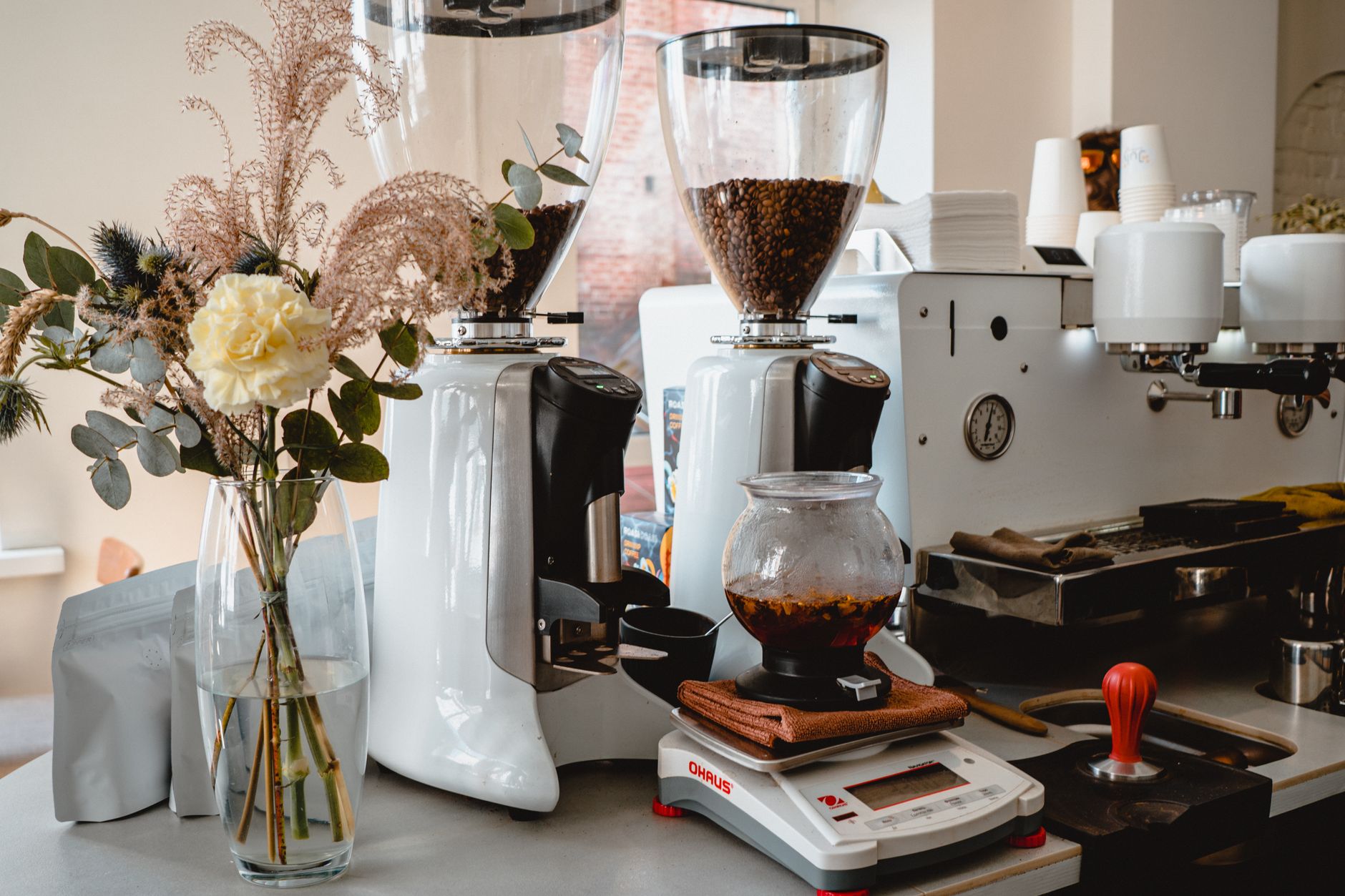 Photo: Arti Kh via Pexels
Step 1 — Purge and Warm the Basket
Lock the empty portafilter into the group head for 20–30 seconds before dosing. A cold basket drops extraction temperature at the critical first contact. Run a blank shot to purge stale water from the group head.
Step 2 — Dose Accurately
Weigh your dose. Target dose depends on basket size — a 58mm double basket typically takes 17–19g. Dosing by volume (scoops) introduces shot-to-shot inconsistency you’ll spend weeks chasing.
Step 3 — Distribute Before Tamping
Distribution matters as much as tamping. Options in order of effectiveness:
| Method | Tool | Notes |
|---|---|---|
| WDT (Weiss Distribution Technique) | Thin needle tool | Breaks clumps, most thorough |
| NSEW taps | Palm | Settles grounds, minimal benefit alone |
| Distribution tool | Stockfleth or OCD-style | Fast, consistent in practiced hands |
| Blind tamping | Tamper | Doesn’t distribute — it just compresses |
Use WDT first — stir the dose with a thin needle in small circular motions to break compaction clumps from the grinder chute. Then level with a distribution tool or NSEW tap sequence.
Step 4 — Tamp Level
Apply ~30 lbs of pressure (roughly the weight of leaning one hand firmly). More important than force is levelness — an angled tamp creates a thicker side the water bypasses, causing channeling.
A calibrated tamper (one that clicks at a fixed pressure) is useful while learning. Once your wrist angle is consistent, any flat-base tamper of the correct diameter works. See How to Tamp Espresso Correctly for the full technique breakdown.
Step 5 — Lock In and Pull Immediately
Stale heat from the group head damages the puck surface. Lock the portafilter in and start the shot within 5–10 seconds. Leaving a loaded portafilter sitting in the group is a reliable way to scorch the top of the puck and bake in bitterness.
Brewing Guide: Extraction Parameters
Dose:         17–19g (adjust to basket spec)
Yield:        34–38g (1:2 ratio starting point)
Ratio:        1:2 (dose:yield by weight)
Time:         25–32 seconds
Temperature:  90–96°C (194–205°F)
Pressure:     9 bar (6 bar for lever or low-pressure pre-infusion)
Puck Prep Summary
- WDT: Needle-stir the dosed grounds to break grinder clumps
- Leveling: NSEW light taps or distribution tool before tamping
- Tamping: 30 lbs, flat base, wrist straight — one press, no polish
- Channeling prevention: Consistent grind, level tamp, no basket overfill
- Pre-infusion: 3–8 seconds at low pressure saturates the puck and reduces channeling
Troubleshooting Matrix
| Symptom | Likely Cause | Fix |
|---|---|---|
| Shot runs fast, watery | Grind too coarse or underdose | Finer grind or increase dose 0.5g |
| Shot runs slow, sour | Grind too fine or overdose | Coarser grind or reduce dose 0.5g |
| Spraying from basket bottom | Channeling | WDT + level tamp, check basket for damage |
| Bitter, dark finish | Overextraction or burnt puck | Check dose, reduce yield or extraction time |
| Blonding early (pale stream fast) | Thin puck, coarse grind | Finer grind, increase dose |
| Uneven stream on naked portafilter | Off-level tamp | Tamp with mirror, check tamper base levelness |
→ See also
- How to Dial In Espresso: Step-by-Step Decision Tree
- Espresso Extraction Explained: Under, Over, and Perfect
- How to Tamp Espresso Correctly (Pressure, Technique, Tools)
FAQ
What size portafilter basket do I need? Match the basket to your machine’s group head diameter — 58mm is standard on prosumer machines, 54mm on Breville/Sage, 51mm on some entry-level machines. Check your machine spec before buying aftermarket baskets. Using the wrong diameter creates a loose fit and unpredictable extraction.
Does portafilter material affect espresso taste? Not directly. Chrome-plated brass is standard. What matters is temperature stability — a cold basket drops group head temperature at first contact. Warming the portafilter before dosing resolves this regardless of material.
Can I use pre-ground coffee in a non-pressurized basket? Technically yes, but results will be poor. Pre-ground coffee is too coarse and inconsistent for single-wall baskets — the puck won’t hold adequate resistance, shots will run fast and flat. A pressurized basket is a better match for pre-ground.
How do I know if I’ve tamped correctly? The puck surface should be flat, even, and slightly shiny. When you remove the portafilter after a shot, the spent puck should be firm, hold its shape when knocked out, and show no wet channels or dry patches. A dry, crumbly puck signals underdosing; a waterlogged puck signals channeling.
What’s the difference between a spouted and naked portafilter? Spouted portafilters direct espresso through one or two spouts into the cup — cleaner, quieter, standard for service. Naked (bottomless) portafilters expose the basket underside so you can watch flow pattern and diagnose puck prep issues. Both produce the same shot from the same puck; the naked version just shows you exactly what’s happening.
How often should I clean the portafilter basket? After every session minimum — knock out the puck, rinse, and wipe. Weekly backflush if your machine supports it, and a citric acid or dedicated espresso cleaner soak monthly to clear oil buildup from the basket holes. Clogged basket holes restrict flow unevenly and cause extraction problems that look like grind or tamp issues.
Editorial methodology: Assessments are based on manufacturer specifications, published user reviews, and editorial research. Physical hands-on testing is noted explicitly where it occurred. Rankings reflect our editorial judgment and are not influenced by affiliate commission rates. Full editorial policy · Affiliate disclosure