Contents
Espresso Troubleshooting Guide: 15 Problems and Fixes
TL;DR: Most espresso troubleshooting comes down to grind size, dose, or distribution errors. This guide covers the 15 most common espresso problems — from sour shots and channeling to no crema and bitter aftertaste — with direct causes and actionable fixes for each.
1. Sour Espresso
Direct Answer: Sour espresso is underextracted. The shot pulled too fast, the grind is too coarse, or the dose is too low — acids extract first, sweetness and body never catch up.
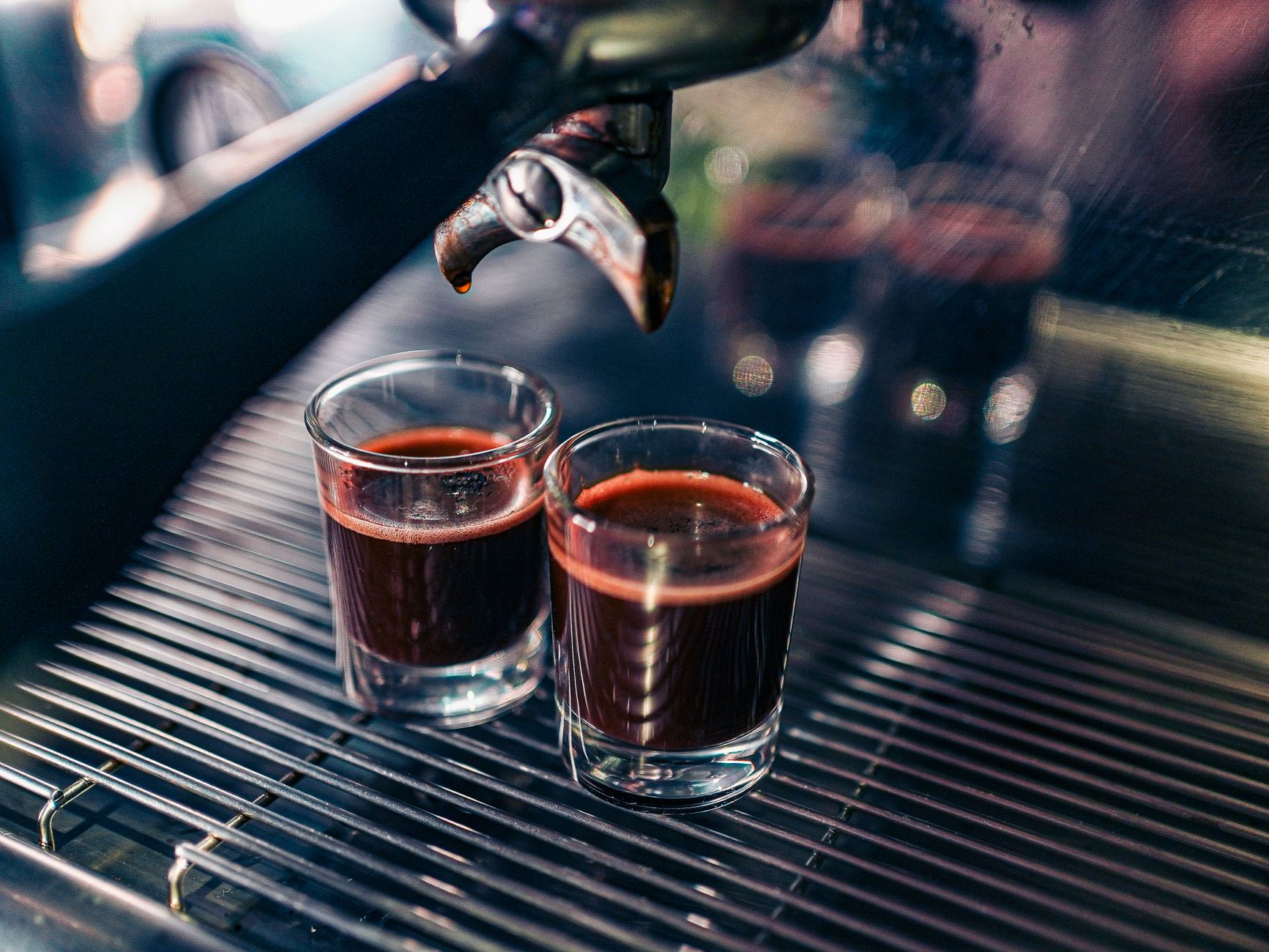
 Photo: Olha Ruskykh via Pexels
Sourness is acidity without balance. Early-extracting compounds (chlorogenic acids, malic acid) dominate when water doesn’t spend enough time in contact with the puck. The result tastes sharp, citric, and thin.
Fix it:
- Grind finer by 1–2 notches
- If time is already in range (25–35s), increase dose by 0.5g
- Check brew temperature — below 90°C accelerates sour extraction
| Symptom | Root Cause | Fix |
|---|---|---|
| Sour + watery | Grind too coarse | Grind finer |
| Sour + fast shot | Channeling or low dose | Fix distribution; increase dose |
| Sour + correct time | Low brew temperature | Raise temp 1–2°C |
2. Bitter Espresso
Direct Answer: Bitter espresso is overextracted. The shot ran too long, grind is too fine, or temperature is too high — late-extracting compounds (caffeine, tannins) dominate.
Bitterness has a dry, harsh, lingering quality distinct from the pleasant bitterness of dark chocolate. If your espresso tastes like burnt rubber or astringent tea, overextraction is the culprit.
Fix it:
- Grind coarser by 1–2 notches
- Reduce shot time by pulling finer yield (shorter ratio)
- Drop brew temperature by 1–2°C for dark roasts
3. Channeling
Direct Answer: Channeling is when water finds a weak path through the puck and sprints through it, bypassing most of the coffee. The result is a mix of overextracted (along the channel) and underextracted (around it) — often tasting simultaneously sour and bitter.
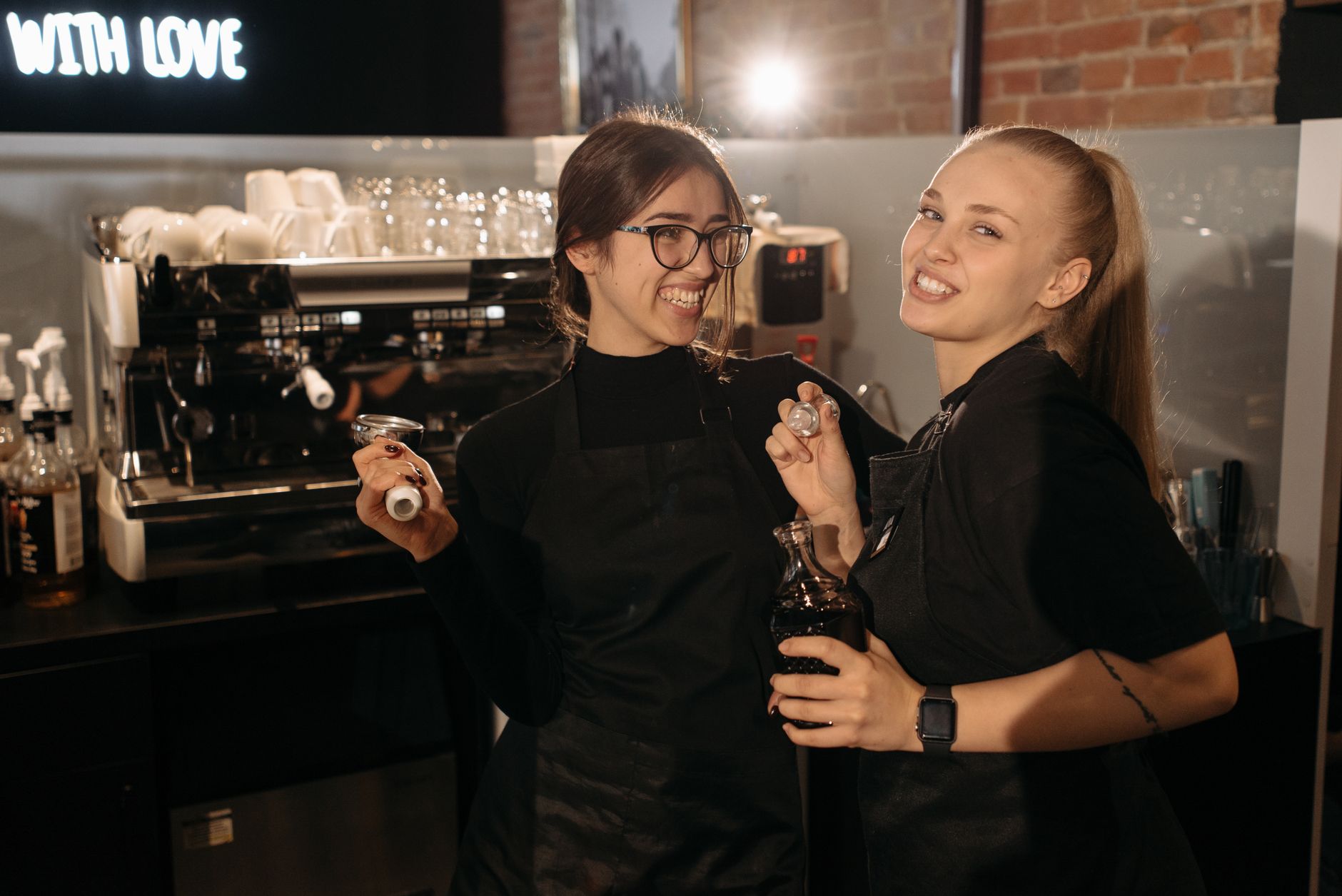
 Photo: Yagyaansh Khaneja via Pexels
Signs of channeling: uneven puck after pulling, blonde streaks in the shot early, erratic flow rate, or a shot that accelerates mid-pull.
Fix it:
- Use a WDT tool (Weiss Distribution Technique) to break up clumps before dosing
- Level the puck with a distribution tool before tamping
- Tamp with even, level pressure — no side-to-side rocking
- Check portafilter basket for damage or blockages
4. No Crema (or Crema Disappears Immediately)
Direct Answer: Thin or absent crema usually means stale coffee, not a machine problem. CO₂ degasses from roasted coffee within 2–4 weeks; no CO₂ means no crema.
Crema is an emulsion of CO₂ bubbles, oils, and water. Fresh coffee (roasted within 2–4 weeks) produces abundant crema. Beans past their prime, pre-ground coffee, or supermarket shelf coffee will always produce weak crema regardless of technique.
Other causes:
- Grind too coarse → under-pressurized extraction
- Machine pressure too low (check 9-bar at group head)
- Wrong roast profile (very light roasts produce less crema naturally)
5. Shot Pulls Too Fast (Under 20 Seconds)
Direct Answer: A shot finishing in under 20 seconds for a 1:2 ratio is running too fast — grind finer, increase dose, or fix distribution before anything else.
Fast shots are almost always a grind problem. Coarse grind = low puck resistance = water blasts through. Secondary causes: dose too low, uneven distribution, or a worn/oversized basket.
Fix it:
- Grind finer in small increments (one notch at a time)
- Weigh your dose — confirm it matches basket spec (±0.2g)
- Distribute evenly before tamping
6. Shot Pulls Too Slow (Over 40 Seconds)
Direct Answer: Shots running past 40 seconds are grinding too fine, overdosing, or tamping too hard — reduce one variable at a time.
Over-resistance in the puck chokes the shot. Water pressure builds but can’t push through at the right rate. The result is overextracted, bitter, and potentially astringent.
Fix it:
- Grind coarser
- Reduce dose by 0.5–1g
- Confirm tamp pressure is ~15–20kg, not excessive
- Check for a clogged shower screen
7. Weak, Thin Body
Direct Answer: Thin body typically means low dose, high yield ratio, or underextraction — you’re pulling too much water through too little coffee.
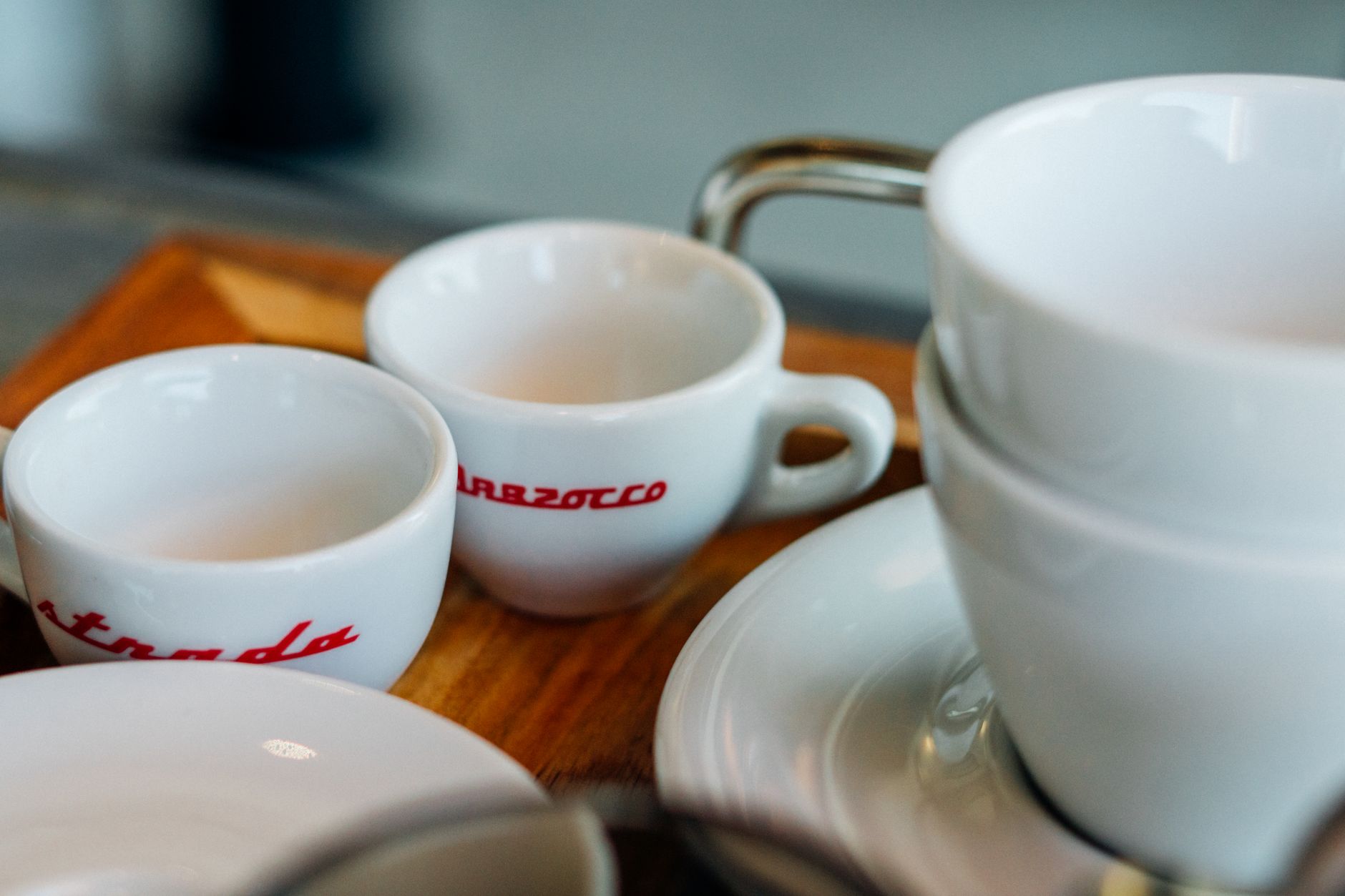
 Photo: Nathan Baldwin via Pexels
Body (mouthfeel, viscosity) comes from dissolved solids and oils. When the ratio stretches too far (1:3+) or dose is too low, you get a watery, hollow cup.
Fix it:
- Pull to a 1:2 ratio (e.g., 18g in → 36g out) instead of stretching to 1:3
- Increase dose within basket spec
- Grind slightly finer to slow the shot and increase extraction yield
8. Inconsistent Shots (Different Every Time)
Direct Answer: Shot-to-shot inconsistency almost always traces to inconsistent workflow — varying dose, inconsistent distribution, or a grinder with retention issues.
If your machine and grinder are the same and your shots vary, something in your prep routine is varying. Common culprits: not weighing dose, skipping distribution, or flushing the group head inconsistently.
Consistency checklist:
- Weigh every dose to 0.1g
- Flush group head 3–5 seconds before pulling
- Use same WDT and distribution routine every time
- Purge grinder retention between doses (especially single-dose grinders)
9. Portafilter Leaking or Spraying
Direct Answer: Leaking from the portafilter seal means a worn group head gasket, overdosing, or a damaged portafilter basket.
If water escapes around the portafilter collar during extraction, the seal isn’t holding. On older machines this is usually a degraded rubber gasket — a 10-minute fix with a $5 part.
Fix it:
- Inspect and replace the group head gasket (replace annually or when leaking begins)
- Check dose: overfilling the basket causes seal failure
- Confirm basket is seated correctly and not warped
10. Coffee Grounds in the Cup
Direct Answer: Fine coffee particles in the cup mean a cracked or hole-riddled basket, worn basket bottom, or grind size finer than the basket’s filter holes.
Run a blank shot (water only, no coffee) through the portafilter to check for basket damage. Even microscopic cracks let fines through under 9 bars of pressure.
Fix it:
- Inspect basket under light for damage — replace if cracked or perforated unevenly
- Grind slightly coarser if fines are passing through consistently
- Clean basket holes with a pin or ultrasonic cleaner
11. Bitter Aftertaste (Lingers Too Long)
Direct Answer: A persistent bitter aftertaste that outlasts the shot points to overextraction or a dirty machine, not just the roast.
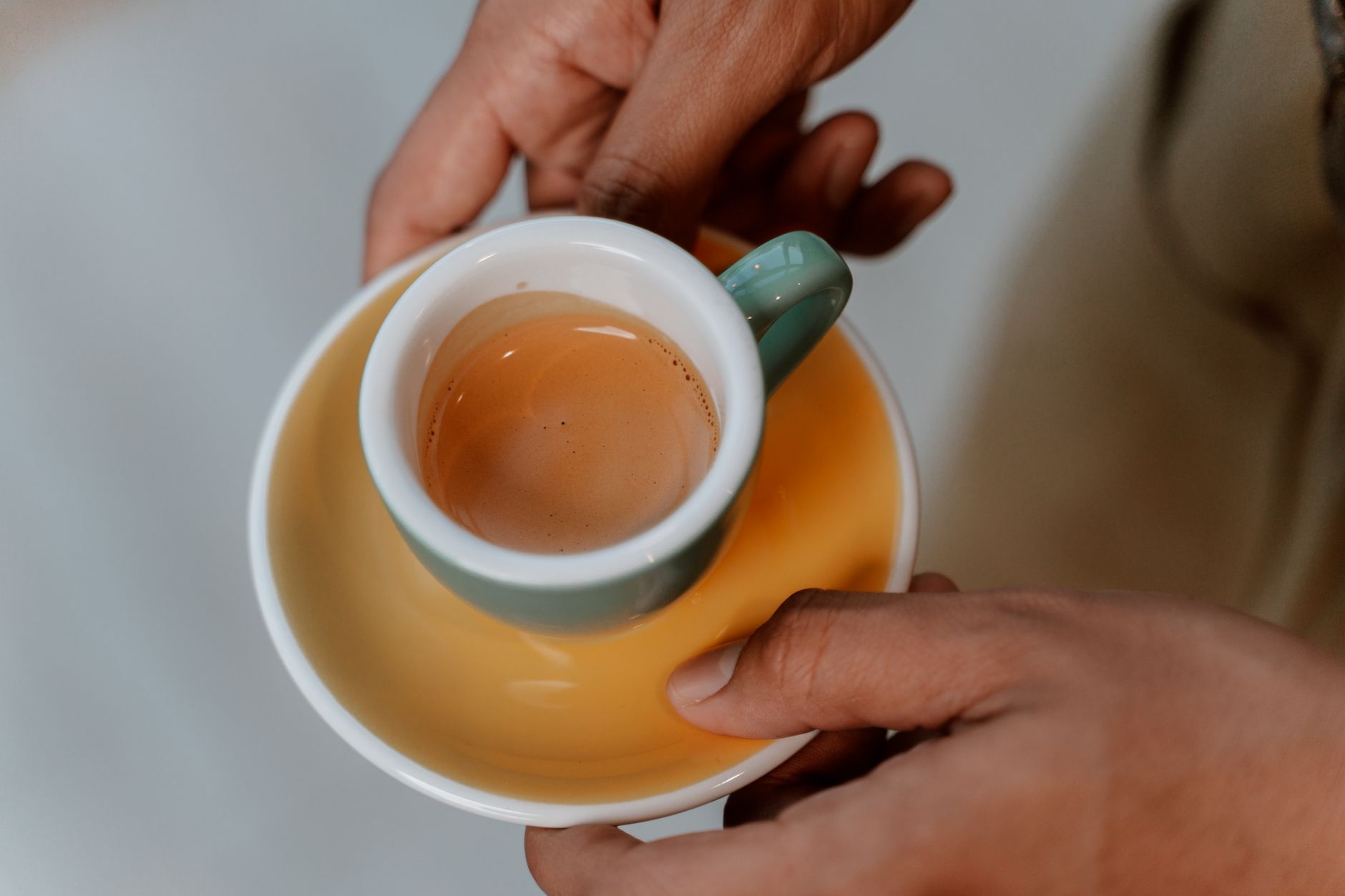
 Photo: Ketut Subiyanto via Pexels
A clean machine is a prerequisite to diagnosing extraction. Rancid oil buildup in the group head, basket, or shower screen adds bitterness regardless of technique. Backflush and deep clean before adjusting grind or ratio.
Cleaning protocol:
- Backflush with Cafiza or Puly Caff weekly (machines with solenoid valves)
- Soak portafilter and basket in cleaning solution daily
- Remove and scrub shower screen weekly
- Descale every 2–3 months
12. Steam Wand Spitting Water
Direct Answer: A steam wand spitting liquid water means the boiler hasn’t fully purged condensation — always purge the wand into a cloth for 2–3 seconds before steaming milk.
Water spitting into milk collapses foam structure and makes latte art impossible. Most single-boiler machines need a 30–60 second heat soak after switching to steam mode before condensation clears.
Fix it:
- Purge 2–3 seconds into a damp cloth before every steam
- Allow full heat-up time after switching to steam mode
- On dual-boiler machines: check steam boiler temperature setting
13. Milk Not Foaming Properly
Direct Answer: Milk that won’t foam is either too warm (above 4°C), too old, or the steam tip is submerged too deep.
Foam requires introducing air early in the steam process, before milk proteins set (below ~40°C). Cold, fresh whole milk foams best. Starting with warm milk gives you no window to incorporate air.
Fix it:
- Use cold milk (straight from fridge, ideally 1–4°C)
- Keep steam tip just below the surface at a slight angle during aeration phase
- Submerge deeper once desired volume is reached to finish texturing
- Use whole milk for lattes; oat milk requires specific technique (less aeration, faster)
14. Espresso Machine Not Reaching Pressure
Direct Answer: Low pressure (below 7–8 bar at the group head) typically means a failing pump, clogged OPV, or scale buildup in the boiler lines.
Use a portafilter pressure gauge (blind basket + gauge) to confirm actual extraction pressure. Most machines target 9 bar. If you’re reading 5–6 bar, the pump is underperforming or the OPV needs adjustment.
Diagnosis steps:
- Check pump (listen for unusual noise — buzzing instead of a steady hum)
- Run a descale cycle — scale narrows water lines and drops pressure
- Check OPV (over-pressure valve) — may need adjustment or cleaning
- If pump is >3 years old under heavy use, replacement may be necessary
15. Espresso Tastes Burnt
Direct Answer: Burnt-tasting espresso is almost always a temperature problem — brew temp too high, or coffee sitting on a heating element (never use the cup warmer tray as a coffee resting spot).
 Photo: valverdesupport via Pexels
True burning happens above ~96°C brew temperature or when hot brew water hits stale, over-roasted coffee. Flush the group head before pulling — this drops the temperature of the first water that hits the puck.
Fix it:
- Drop brew temperature to 90–93°C for medium roasts, 88–91°C for dark
- Flush 3–5 seconds before pulling to stabilize group head temp
- Switch coffee — if the beans are dark and oily, they may simply taste burnt regardless of technique
Espresso Troubleshooting: Full Extraction Parameters
Extraction params:
| Parameter | Target Range |
|---|---|
| Dose | 14–20g (basket-dependent) |
| Yield | 28–40g (1:2 ratio for standard espresso) |
| Ratio | 1:2 (adjust to taste: ristretto 1:1.5, lungo 1:3) |
| Time | 25–35 seconds (first drip to last) |
| Temperature | 90–96°C (light roast higher, dark roast lower) |
| Pressure | 9 bar (pre-infusion at 4–6 bar if machine allows) |
Puck prep sequence:
- WDT — stir ground coffee in the basket with a fine wire tool to break clumps
- Level — use a distribution tool or finger-sweep to create even surface
- Tamp — apply ~15–20kg even downward pressure, no rocking
- Channeling check — puck surface should be flat and uniform before locking in
- Pre-infusion — if available, 4–8 seconds at low pressure saturates the puck before full pressure ramp
Troubleshooting matrix:
| Symptom | Likely Cause | Fix |
|---|---|---|
| Sour, thin, fast | Underextraction / coarse grind | Grind finer |
| Bitter, harsh, slow | Overextraction / fine grind | Grind coarser |
| Watery, no body | High ratio or low dose | Tighten ratio; increase dose |
| Channeling streaks | Poor distribution or low dose | WDT + level + check dose |
| No crema | Stale beans or low pressure | Fresh beans; check pump |
| Grounds in cup | Damaged basket | Inspect and replace basket |
| Inconsistent | Workflow variation | Weigh dose; standardize prep |
| Burnt taste | Temp too high or scale buildup | Lower temp; descale |
| Milk won’t foam | Warm milk or wrong technique | Cold milk; proper tip angle |
| Pressure too low | Scale, pump, or OPV | Descale; inspect pump |
→ See also
- How to Dial In Espresso: Step-by-Step Decision Tree
- Espresso Extraction Explained: Under, Over, and Perfect
- How to Tamp Espresso Correctly (Pressure, Technique, Tools)
FAQ
Why does my espresso taste sour even with a fine grind? If you’ve already ground fine and the shot is still sour, check brew temperature — low temperature (below 90°C) underextracts even with correct grind size. Also confirm your dose: a low-dose fine grind can still pull fast if there’s not enough coffee in the basket. Try increasing dose by 1g before grinding finer.
How do I know if my espresso is channeling? Look at the spent puck after extraction: uneven wet patches, holes, or a crater in the center indicate channeling. During the shot, watch for a stream that starts blonde immediately, flows unevenly, or speeds up mid-pull. A puck that breaks apart when you knock it out (rather than holding together) also suggests channeling.
Can grinder quality affect espresso troubleshooting? Yes — significantly. Low-quality grinders produce inconsistent particle size (bimodal distribution), which means fine particles over-extract while coarser ones under-extract simultaneously. If you’re dialing in properly and still getting muddy, bitter-sour flavor, the grinder is likely the ceiling. Upgrading burrs or the grinder entirely often resolves issues that technique cannot.
Why does my espresso taste different every morning even with the same settings? Ambient humidity affects grind size — high humidity causes coffee to clump and flow differently, shifting extraction. Seasonal bean age also matters: a bag that tasted great two weeks ago extracts differently near the bottom as CO₂ continues degassing. Adjust grind by 1 notch when you open a new bag or notice a sudden shift.
Is it normal for crema to disappear quickly? Crema naturally dissipates within 1–3 minutes on most espresso — this is normal. Crema that vanishes in under 30 seconds usually indicates stale coffee or very low extraction pressure. Crema that’s extremely thick and pale (like foam) suggests overextraction or a dark roast. A reddish-brown crema that holds for 1–2 minutes with a tiger-stripe pattern is the target.
How often should I descale my espresso machine? In most moderate water hardness areas, every 2–3 months. With soft water, every 4–6 months. With very hard water, monthly. Machines with automatic descale alerts are calibrated to water hardness setting — configure this correctly at setup. Scale buildup restricts water flow, drops pressure, and raises boiler temperature, causing multiple simultaneous problems that mimic grind or technique errors.
Editorial methodology: Assessments are based on manufacturer specifications, published user reviews, and editorial research. Physical hands-on testing is noted explicitly where it occurred. Rankings reflect our editorial judgment and are not influenced by affiliate commission rates. Full editorial policy · Affiliate disclosure