Contents
How to Dial In Espresso: Step-by-Step Decision Tree
TL;DR: To dial in espresso, adjust grind size first — finer to slow extraction, coarser to speed it up. Target a 1:2 dose-to-yield ratio in 25–30 seconds. Taste guides every decision: sour means under-extracted, bitter means over-extracted. Follow this decision tree shot by shot until the cup balances.
What “Dialing In” Actually Means
Direct Answer: Dialing in espresso is the iterative process of adjusting grind size, dose, and yield until your shot extracts in the target time window and tastes balanced. It’s not a one-time setup — it changes with every new bag of coffee, seasonal humidity shifts, and equipment warm-up.
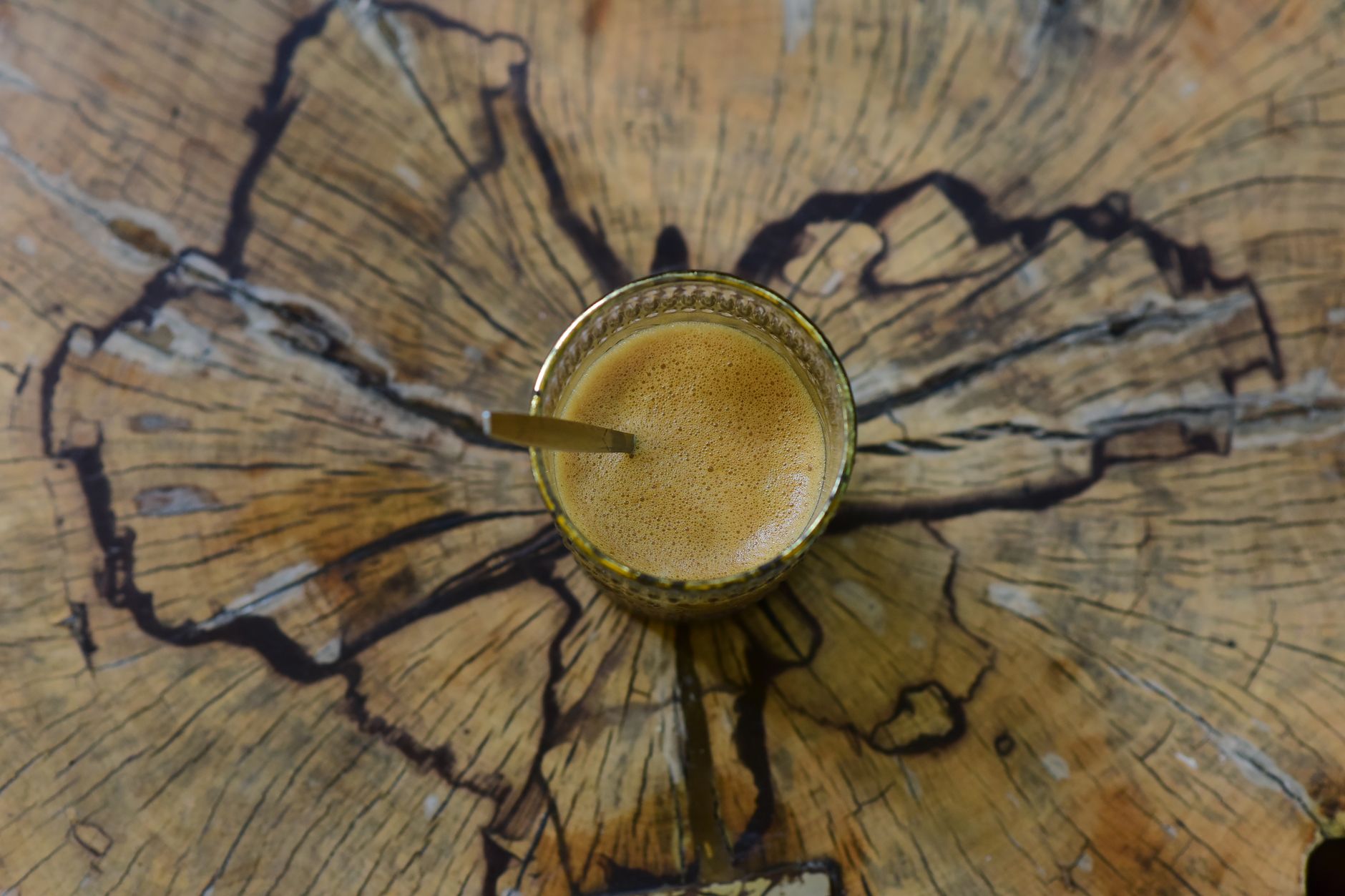 Photo: Sóc Năng Động via Pexels
Every variable in espresso interacts with every other. Change the grind and you change resistance, which changes flow rate, which changes extraction time, which changes flavor. This is why you adjust one variable at a time — otherwise you can’t isolate cause and effect.
The order of operations matters. Grind size is the primary lever because it changes flow resistance directly. Dose and yield are secondary — they fine-tune flavor and intensity once your grind is dialed. Temperature and pressure are tertiary, adjusted only after the fundamentals are solid.
The Espresso Dial-In Decision Tree
Direct Answer: Start with a fixed dose, pull the shot, check the time, taste the result. If it runs fast and tastes sour, grind finer. If it runs slow and tastes bitter, grind coarser. If time is in range but taste is off, adjust yield. This tree covers every scenario you’ll encounter.
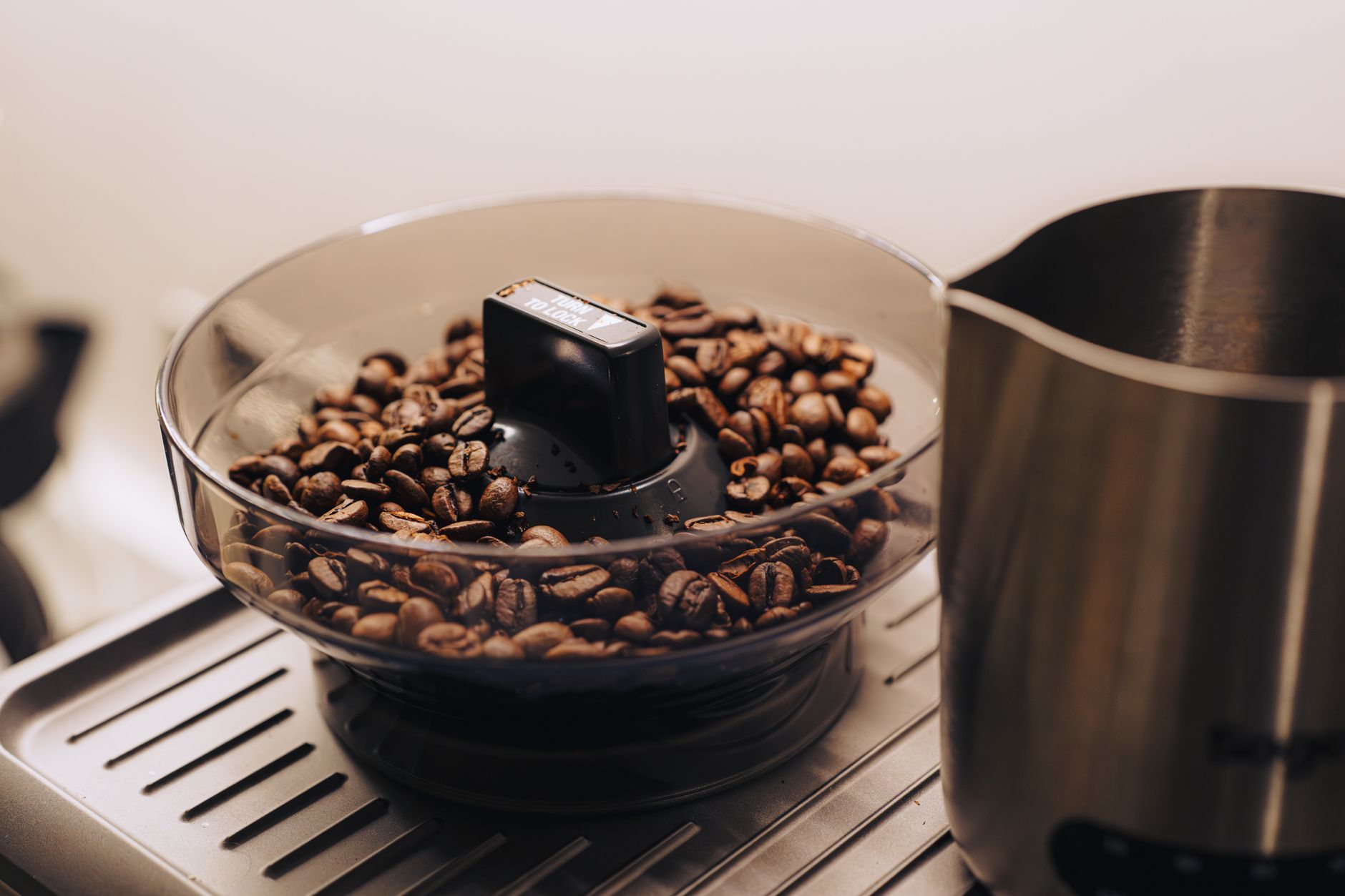 Photo: Selim Karadayı via Pexels
Step 1: Establish Your Starting Parameters
Before pulling shot one, set these defaults:
| Parameter | Starting Point |
|---|---|
| Dose | 18g (double basket) |
| Yield | 36g (1:2 ratio) |
| Time | 25–30 seconds |
| Temperature | 93°C / 199°F |
| Pressure | 9 bar |
Weigh your dose every time. A 0.5g variation in dose changes resistance enough to throw your time off by 3–5 seconds — which looks like a grind problem when it isn’t. Use a portafilter scale or pull the basket and weigh before distribution.
Weigh your yield into the cup. Eyeballing volume is unreliable because crema volume varies with freshness, roast, and pressure. A gram scale under the cup removes one variable entirely.
Step 2: Pull Your First Shot and Check the Time
Start your timer when you press the brew button (not when liquid appears). Stop it when you reach your target yield.
If the shot runs in under 20 seconds: The grind is too coarse. Water is passing through the puck with minimal resistance. Grind finer by 1–2 clicks (or a small increment on stepless grinders) and pull again.
If the shot runs in 25–30 seconds: You’re in the target window. Move to Step 3: taste the shot.
If the shot runs over 35 seconds: The grind is too fine. You may also see uneven or spurting flow. Grind coarser by 1–2 clicks and pull again.
If the shot stops mid-pull or pressure spikes: The puck is too resistant — either grind too fine, dose too high, or both. Check dose first (weigh it), then adjust grind if dose is correct.
Step 3: Taste the Shot and Diagnose
Time puts you in the ballpark. Taste tells you whether you’re actually there.
Sour or sharp: Under-extracted. The shot didn’t pull enough soluble compounds. Options in order of preference:
- Grind finer (increases extraction)
- Raise water temperature by 1–2°C
- Increase yield slightly (more water, more extraction)
Bitter or harsh: Over-extracted. Too many compounds dissolved, including the unpleasant ones. Options:
- Grind coarser (decreases extraction)
- Lower water temperature by 1–2°C
- Reduce yield
Thin or watery with acceptable flavor: Under-dosed or yield too high. The ratio is off — you’re making lungo, not espresso. Reduce yield target or increase dose by 0.5–1g.
Strong but unbalanced: Over-dosed. Reduce dose by 0.5–1g.
Balanced but low intensity: Increase dose by 0.5g or reduce yield slightly (tighten the ratio toward 1:1.5).
Understanding Extraction: The Science Behind the Tree
Direct Answer: Espresso extraction is the process of dissolving coffee solids into water under pressure. The first compounds to extract are fruity acids (bright, sour), followed by sugars and body, then bitter phenols and plant matter. Your target is stopping extraction after the sugars but before the bitterness dominates.
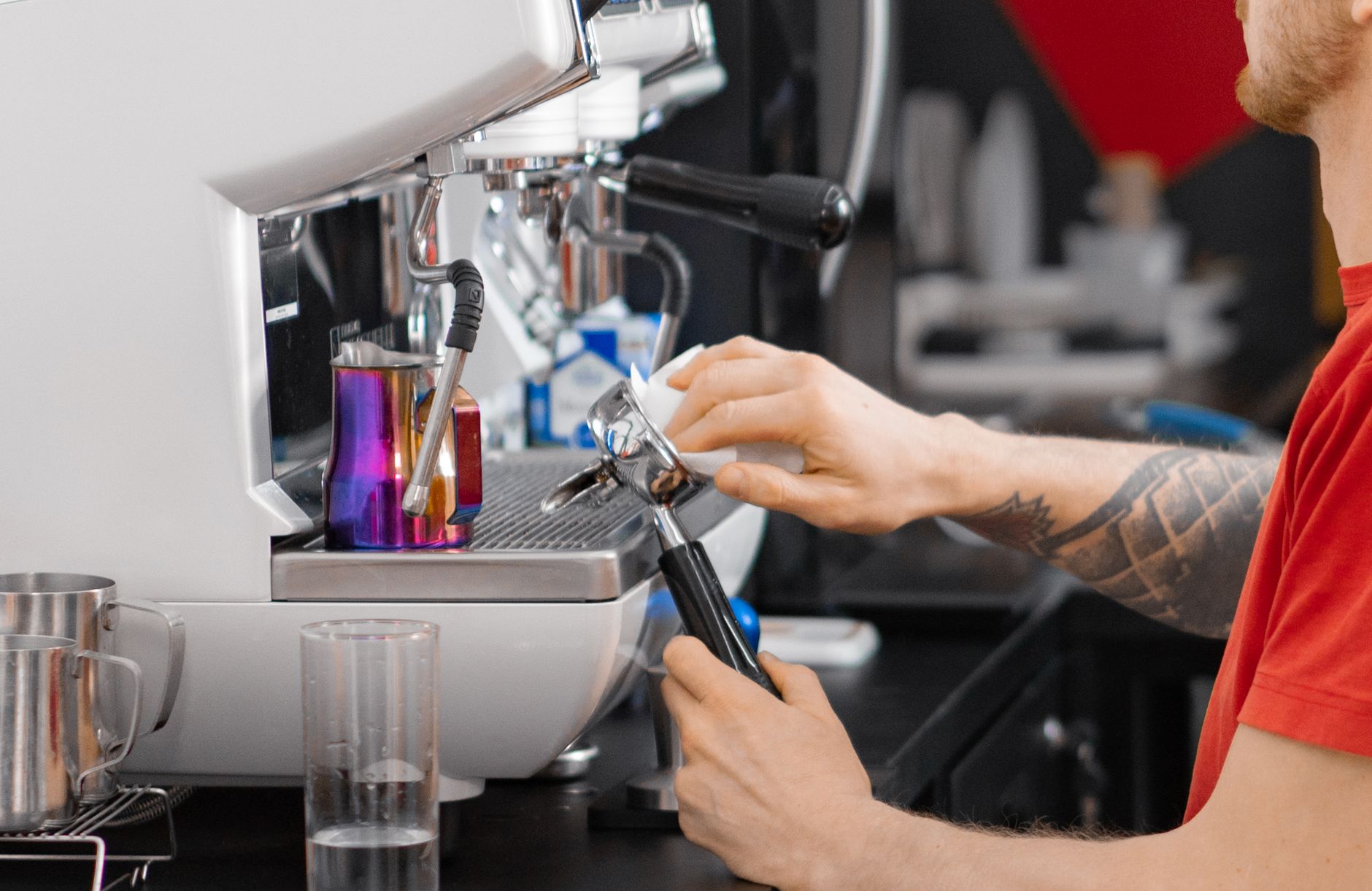 Photo: Mikhail Nilov via Pexels
Extraction yield — the percentage of the coffee’s dry mass that ends up in the cup — targets 18–22% for espresso. Below 18% is under-extracted; above 22% is over-extracted. You can’t measure this without a refractometer, but your palate is a reliable proxy once calibrated.
The grind distribution determines how uniformly water extracts across the puck. A wider particle distribution (typical of entry-level grinders) means fine particles over-extract while coarser ones under-extract simultaneously — producing shots that are both sour and bitter. This “bimodal extraction” is why upgrading a grinder often solves flavor problems that endless dialing can’t fix.
Why Grind Size Is the Master Variable
Surface area controls extraction rate. Finer grind = more surface area = faster extraction = more dissolved solids in the same time. This relationship is direct and predictable, which is why grind size is adjusted first and adjusted alone.
Temperature and pressure affect extraction rate too, but less predictably at the margins. A 1°C temperature change has a smaller, less consistent effect than a meaningful grind adjustment. Lock those variables in and leave them until grind and ratio are dialed.
Dose and Ratio: Fine-Tuning Intensity
Once grind is dialed and shots taste balanced at your target ratio, you can adjust intensity without changing flavor character:
- Ristretto (1:1 to 1:1.5): More concentrated, syrupy, emphasizes sweetness and body. Pulls in 20–25 seconds.
- Normale (1:2 to 1:2.5): Standard espresso. Full expression of the coffee’s flavor profile.
- Lungo (1:3+): More dilute, more bitter compounds extracted. Not the same as americano — the extraction is different.
Ratio is a tool for matching espresso to its use. Milk drinks tolerate a tighter ratio because the milk dilutes; straight espresso rewards a slightly looser pull that shows nuance.
Puck Prep: Removing the Variables Before They Start
Direct Answer: Inconsistent puck prep produces channeling — water finding paths of least resistance through the puck rather than extracting uniformly. A shot that channels looks fine on time but tastes simultaneously sour and bitter. Fix puck prep before you blame grind.
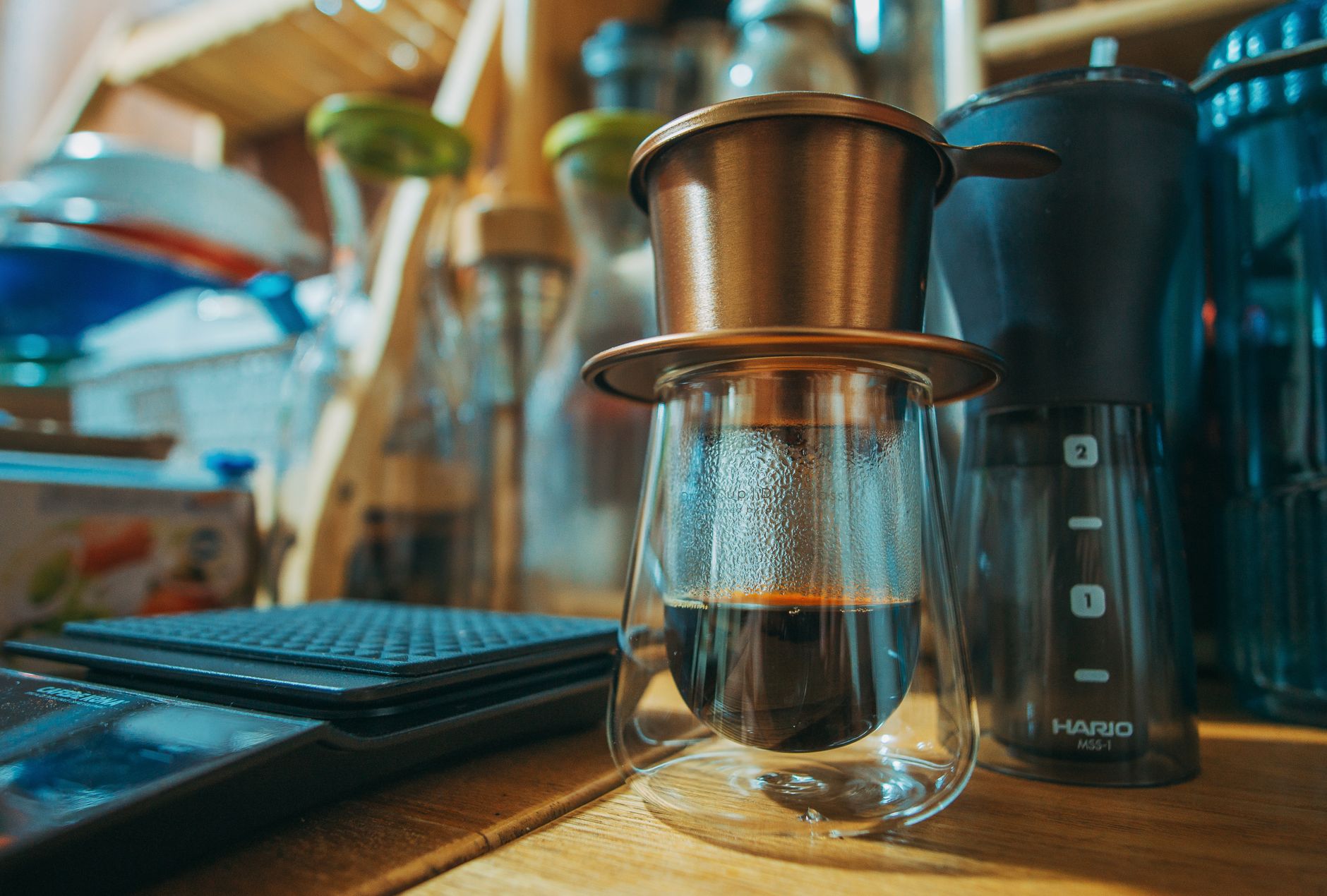 Photo: FOX ^.ᆽ.^= ∫ via Pexels
Distribution
Ground coffee falls unevenly into the basket. Do not tap the portafilter — it compacts unevenly and creates density gradients. Instead:
WDT (Weiss Distribution Technique): Use a thin needle tool to stir the grounds in the basket before tamping. This breaks up clumps and produces an even density throughout the puck. A 0.3–0.4mm needle at multiple angles for 10–15 seconds is sufficient. You can use a straightened paperclip on a wine cork as a functional DIY version.
Distribution tools: A flat or convex distribution tool (OCD-style) sets a consistent depth and levels the surface before tamping. These are useful but not mandatory if your WDT technique is consistent.
Tamping
Tamp with ~15–20kg of pressure, straight down. Consistency matters more than exact pressure — calibrated tamper springs or self-leveling tampers remove the variable entirely. A 58.5mm tamper in a 58mm basket eliminates the possibility of an untamped edge ring.
What actually causes channeling: an angled tamp, an edge gap, clumps not broken up before tamping, or a wet/worn basket. Pressure magnitude matters less than evenness.
Pre-Infusion
Pre-infusion wets the puck at low pressure (1–4 bar) before full extraction pressure ramps up. It reduces channeling by allowing the puck to swell and seal before water forces through at 9 bar. Most modern machines with solenoid-controlled pre-infusion: 5–8 seconds is a useful starting point. Longer pre-infusion tends to increase extraction and reduce channeling risk on fresh, gassy coffee.
Extraction Parameters: Full Reference Block
| Parameter | Espresso Standard | Ristretto | Lungo |
|---|---|---|---|
| Dose | 18–20g | 18–20g | 18–20g |
| Yield | 36–40g | 18–25g | 54–60g |
| Ratio | 1:2 | 1:1 to 1:1.5 | 1:3+ |
| Time | 25–30 sec | 20–25 sec | 30–40 sec |
| Temperature | 90–94°C | 88–92°C | 91–94°C |
| Pressure | 9 bar | 9 bar | 6–9 bar |
Temperature varies by roast: light roasts benefit from higher temperatures (93–94°C) to extract sufficient compounds; dark roasts pull better at 88–91°C to avoid harsh bitterness.
Troubleshooting Matrix
| Symptom | Likely Cause | Fix |
|---|---|---|
| Shot pulls in under 20 sec | Grind too coarse | Grind finer 1–2 steps |
| Shot pulls over 35 sec | Grind too fine | Grind coarser 1–2 steps |
| Tastes sour, time correct | Under-extracted | Finer grind, +1°C temperature, or +5g yield |
| Tastes bitter, time correct | Over-extracted | Coarser grind, −1°C temperature, or −5g yield |
| Sour AND bitter simultaneously | Channeling | Fix puck prep (WDT, level tamp), check basket condition |
| Thin body, pale crema | Under-dosed or too coarse | Increase dose 0.5g or grind finer |
| Shot spurts or flows unevenly | Channeling or cracked puck | Redistribute grounds, check tamper alignment |
| Crema disappears immediately | Coffee too old or too fresh | Rest coffee 7–21 days post-roast |
| Shot tastes flat, no brightness | Coffee stale | Buy fresher coffee |
| Inconsistent shots day to day | Grinder retention / clumping | Purge stale grounds before dosing, use SSP / single-dose grinder |
| Pressure spikes above 12 bar | Grind too fine or OPV fault | Coarser grind; test OPV calibration |
Grinder Selection and Its Impact on Dialing In
Direct Answer: Your grinder determines the ceiling of what dialing in can achieve. A grinder with high fines production and wide particle distribution forces a compromise — you’ll always be extracting some fraction of the puck in the wrong range. Upgrading the grinder solves flavor problems that no amount of technique adjustments can fix.
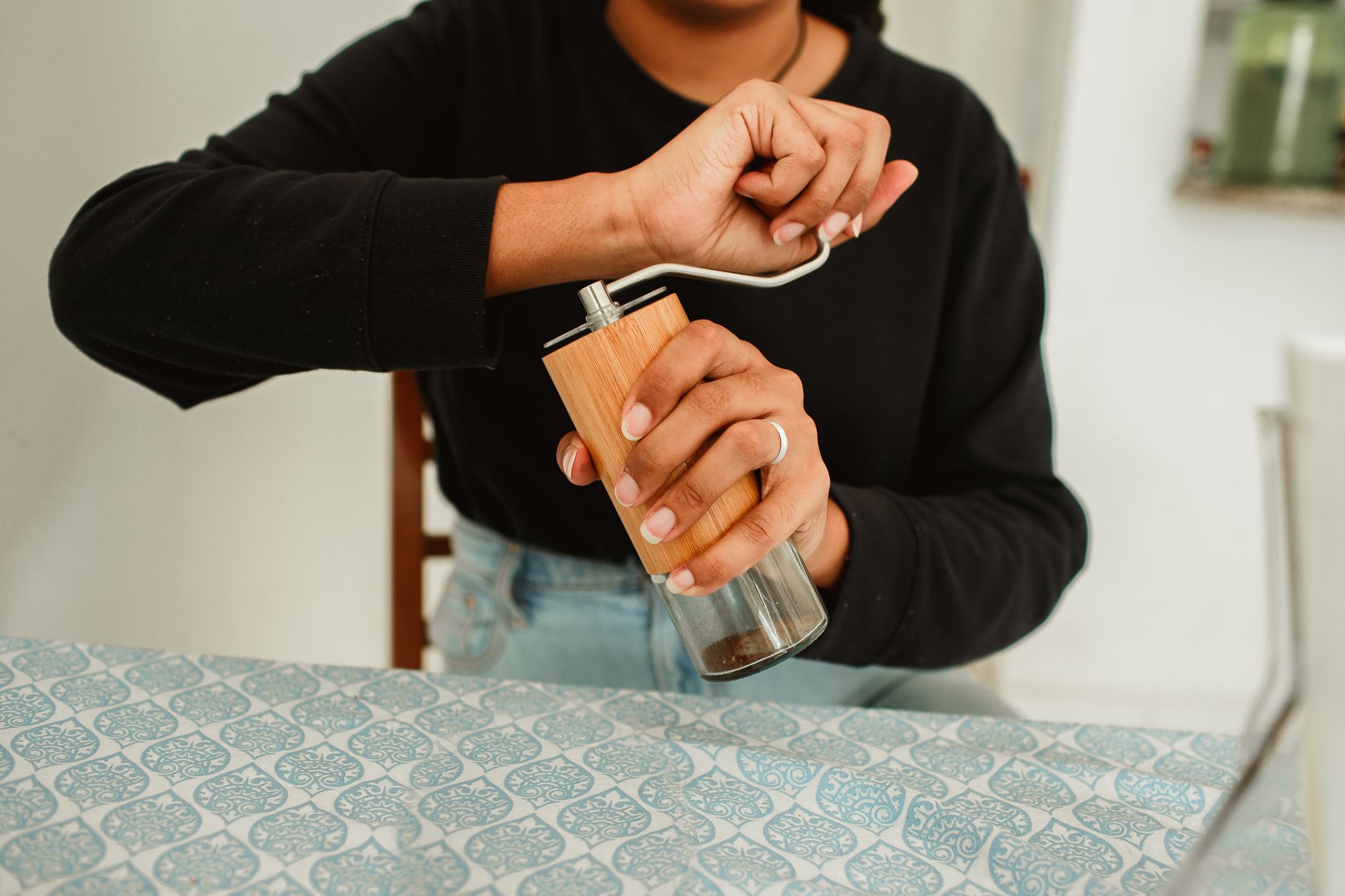 Photo: Helena Lopes via Pexels
For home espresso, the minimum threshold for consistent dialing is a flat or conical burr grinder with stepless or micro-step adjustment. Blade grinders and coarsely-stepped burr grinders don’t allow the precision adjustment that dialing in requires.
The Baratza Encore
Single-dosing (grinding only what you’ll use for one shot, rather than filling a hopper) reduces retention and stale grounds in the grinder. This is particularly relevant when switching between coffees or dialing in new bags — retained grounds from a previous setting mix with freshly ground coffee and muddy your adjustments.
Grinder Retention and Dialing In
High-retention grinders (most hopper-fed grinders) keep several grams of old grounds in the grinding path. When you make a grind adjustment, the first 1–2 shots may still contain mostly old grounds at the old setting. Purge by running a few grams through and discarding before pulling your adjustment shot. Without purging, you’ll think your adjustment didn’t work when it simply hasn’t arrived in the cup yet.
When to Stop Adjusting
A common mistake is chasing perfection past the point of diminishing returns. You’re done dialing when:
- The shot pulls in 25–30 seconds consistently
- The flavor is balanced — you can identify the coffee’s character (fruit, chocolate, nuts, florals) without one quality overwhelming the others
- Three consecutive shots produce the same result
Shot-to-shot variation below 1–2 seconds at a fixed setting is normal. Larger variation indicates a puck prep or grinder consistency issue, not a grind setting issue.
Different coffees dial in at different settings. A medium-light Yirgacheffe and a dark Italian-roast blend will require completely different parameters on the same machine. Save your settings by coffee (label bags with the grind setting that worked), but treat each new bag as a fresh dial-in — even the same coffee from the same roaster varies batch to batch.
Espresso Machine Variables
The machine itself contributes variables beyond grind and technique:
Temperature stability: Machines with a single thermoblock or small boiler fluctuate between shots. Flush the group head between shots on these machines — pulling stale hot water out of the head stabilizes temperature for the next shot. Dual-boiler or heat-exchanger machines are more stable and require less management.
Pressure consistency: An over-pressure valve (OPV) set above 9 bar increases extraction aggressiveness and can cause channeling. Most prosumer machines allow OPV adjustment. If your shots taste bitter and harsh despite correct grind and technique, check OPV calibration.
Group head condition: A worn or damaged shower screen distributes water unevenly across the puck. Replace the shower screen if it’s more than 2 years old under regular use — it’s a $10–15 part that meaningfully affects shot quality.
Portafilter basket condition: Holes wear larger and unevenly over time. A worn basket affects flow resistance and distribution. VST and IMS precision baskets offer tighter tolerances than stock baskets and are a cost-effective upgrade for consistency.
Dialing In for Different Coffee Types
Light Roasts
Light roasts are denser and more resistant to extraction. Compensate by:
- Grinding finer than you would for a medium roast at the same dose
- Raising temperature to 93–94°C
- Extending yield slightly (1:2.2 to 1:2.5) to increase extraction
Expect longer dial-in time. Light roasts are less forgiving of technique inconsistencies.
Dark Roasts
Dark roasts are more porous and extract faster. Compensate by:
- Grinding coarser than for medium roast
- Lowering temperature to 88–91°C
- Tightening yield toward 1:1.5 to 1:2 to avoid bitterness
Dark roasts mask subtle flavor complexity — a ristretto ratio can concentrate the best qualities while cutting before bitter phenols dominate.
Fresh vs. Rested Coffee
Coffee off-roast (under 5 days) produces excessive CO₂ outgassing during extraction. This creates crema that looks impressive but dissipates immediately, and produces shots that taste chaotic — bright but hollow. Rest espresso-intended beans 7–14 days post-roast for medium roasts, up to 21 days for light roasts.
Very fresh coffee also requires a coarser grind than the same coffee after resting, because CO₂ provides additional resistance. You’ll need to adjust coarser as beans age through the bag.
→ See Also
- Espresso Extraction Explained: Under, Over, and Perfect — the science behind why flavors taste the way they do, and how to read extraction visually
- How to Tamp Espresso Correctly (Pressure, Technique, Tools) — detailed tamping technique, calibrated tampers, and fixing uneven tamps
FAQ
How many shots does it take to dial in espresso? Typically 3–6 shots per bag when starting fresh. If you’re switching from one coffee to a similar one, 2–3 shots is often enough. Budget more shots — and more time — when moving between very different roast levels or origins. Keep a log of your adjustments so you can move faster with the next bag.
Should I adjust grind, dose, or yield first? Adjust grind first, always. Dose and yield are ratio levers — they control intensity, not extraction rate. Chasing a flavor problem with dose or yield before grind is dialed produces inconsistent results and makes the problem harder to isolate. Fix grind until time is in range, then use yield to fine-tune flavor.
Why does my espresso taste bitter even when the shot time is correct? The most common cause is over-extraction at correct time — often from water temperature too high, pre-infusion too long, or a grind distribution skewed toward fines. Try lowering temperature 1–2°C first. If bitterness persists, grind slightly coarser and accept a marginally faster shot. Also check whether your basket is worn — a high-retention, worn basket extracts unevenly and introduces harshness.
What does a well-extracted espresso taste like? Balanced: you can identify sweetness, brightness, and body without one dominating. Origin character comes through — fruity, chocolatey, nutty, or floral depending on the coffee. The finish lingers without being sharp or drying. Crema is golden-brown and holds for at least 60 seconds. If you’re not sure whether your shot is good, pull a 1:2 ratio, sip it black, and note whether you want to finish the cup.
How does humidity affect espresso dialing? Higher humidity causes coffee particles to absorb moisture and clump more, effectively increasing resistance. You may need to grind slightly coarser on humid days. This is more noticeable with very fresh coffee or in tropical climates. Single-dose grinders with low retention are less affected because grounds spend less time exposed to ambient air.
Can I dial in espresso without a scale? You can approximate, but you’re introducing uncontrolled variables. Dose variation of even 1g changes extraction resistance enough to require a grind adjustment. Volume-based yield measurement (by eye or volumetric preset) is less accurate than weight because crema volume fluctuates. A basic kitchen scale accurate to 0.1g costs less than one bag of specialty coffee — it’s the highest-ROI tool in espresso after the grinder.
Why do I need to re-dial every new bag? Coffee degrades from the moment it’s roasted. CO₂ content, moisture, density, and grind behavior all change as a bag ages. Two bags of the same coffee from the same roaster vary in moisture content, degree of roast consistency, and particle hardness — enough to require 2–4 clicks of adjustment. Dialing in is an ongoing practice, not a setup task.
JSON-LD Schema
Editorial methodology: Assessments are based on manufacturer specifications, published user reviews, and editorial research. Physical hands-on testing is noted explicitly where it occurred. Rankings reflect our editorial judgment and are not influenced by affiliate commission rates. Full editorial policy · Affiliate disclosure