Contents
Breville vs DeLonghi: Which Makes Better Espresso Machines?
TL;DR: For most home baristas, Breville wins on build quality, grinder integration, and extraction precision at each price tier. DeLonghi wins on convenience, super-automatic options, and long-term reliability in the entry-to-mid range. The right pick depends entirely on how hands-on you want to be with your espresso.
Head-to-Head: Breville vs DeLonghi Espresso Machine
Direct Answer: Breville dominates for manual and semi-automatic espresso with superior portafilter sizing, PID temperature control, and precision engineering. DeLonghi leads in super-automatics and one-touch convenience. Neither brand is universally better — the winner is the one that matches your workflow.
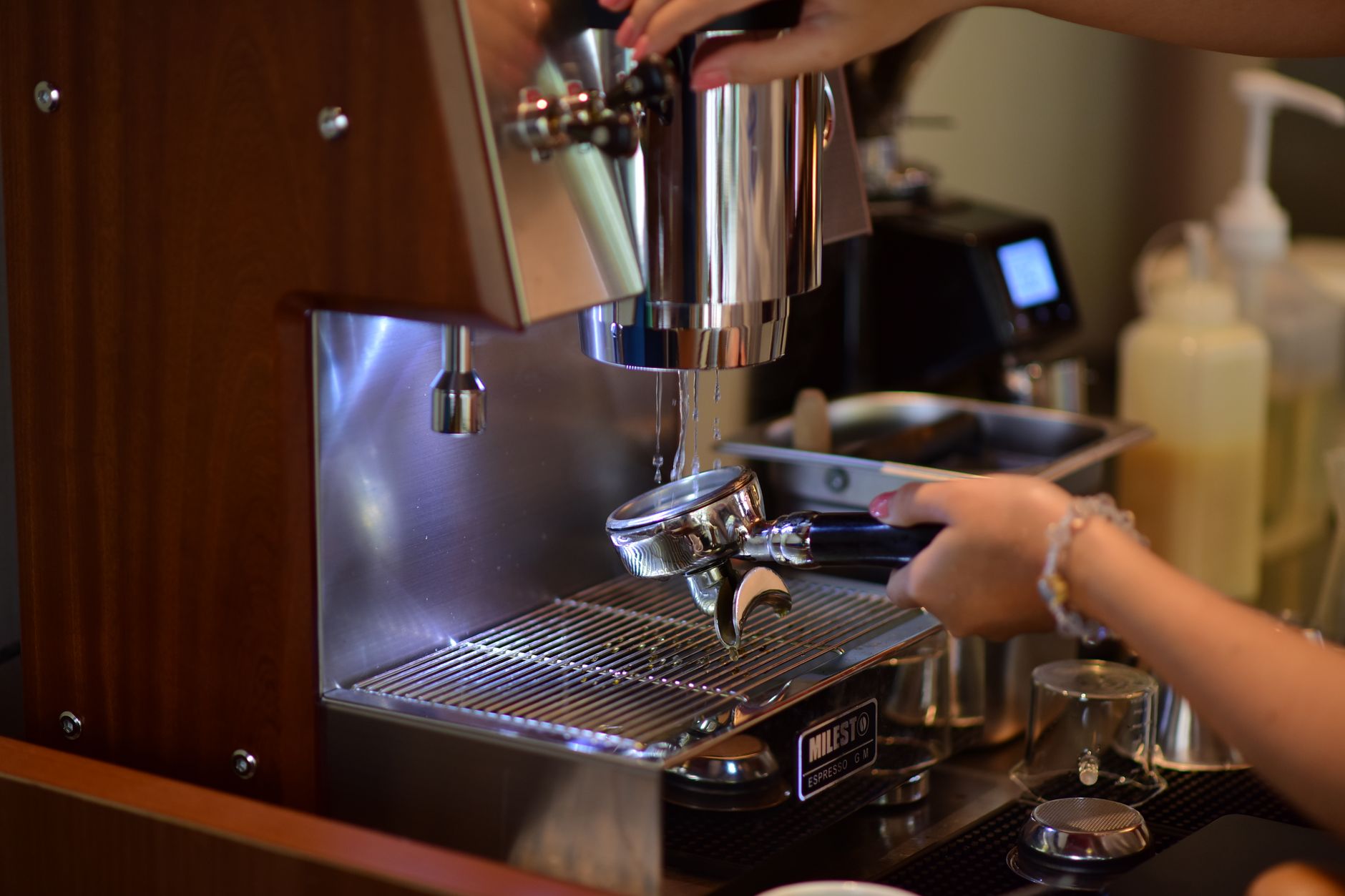
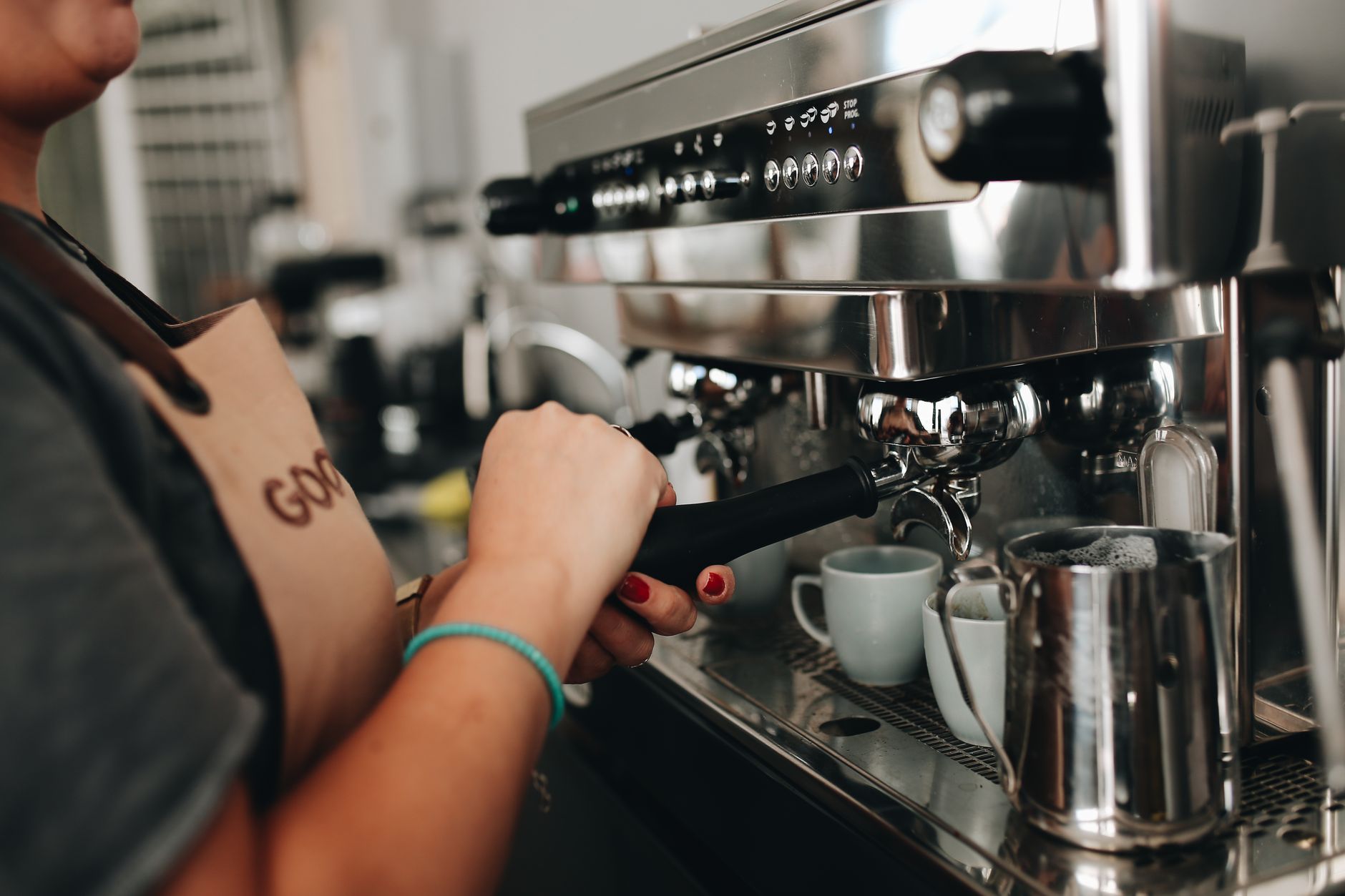 Photo: Melike B via Pexels
Both brands occupy the $200–$2,000 home espresso market, but they target different philosophies. Breville (sold as Sage in Europe) engineers machines for baristas who want control. DeLonghi engineers for people who want great coffee with minimal fuss.
Build Quality and Engineering
Direct Answer: Breville uses more stainless steel, larger portafilters (54–58mm), and integrates PID temperature control at lower price points than DeLonghi. DeLonghi machines are solid but lean on plastic internals and proprietary components that can complicate repairs.
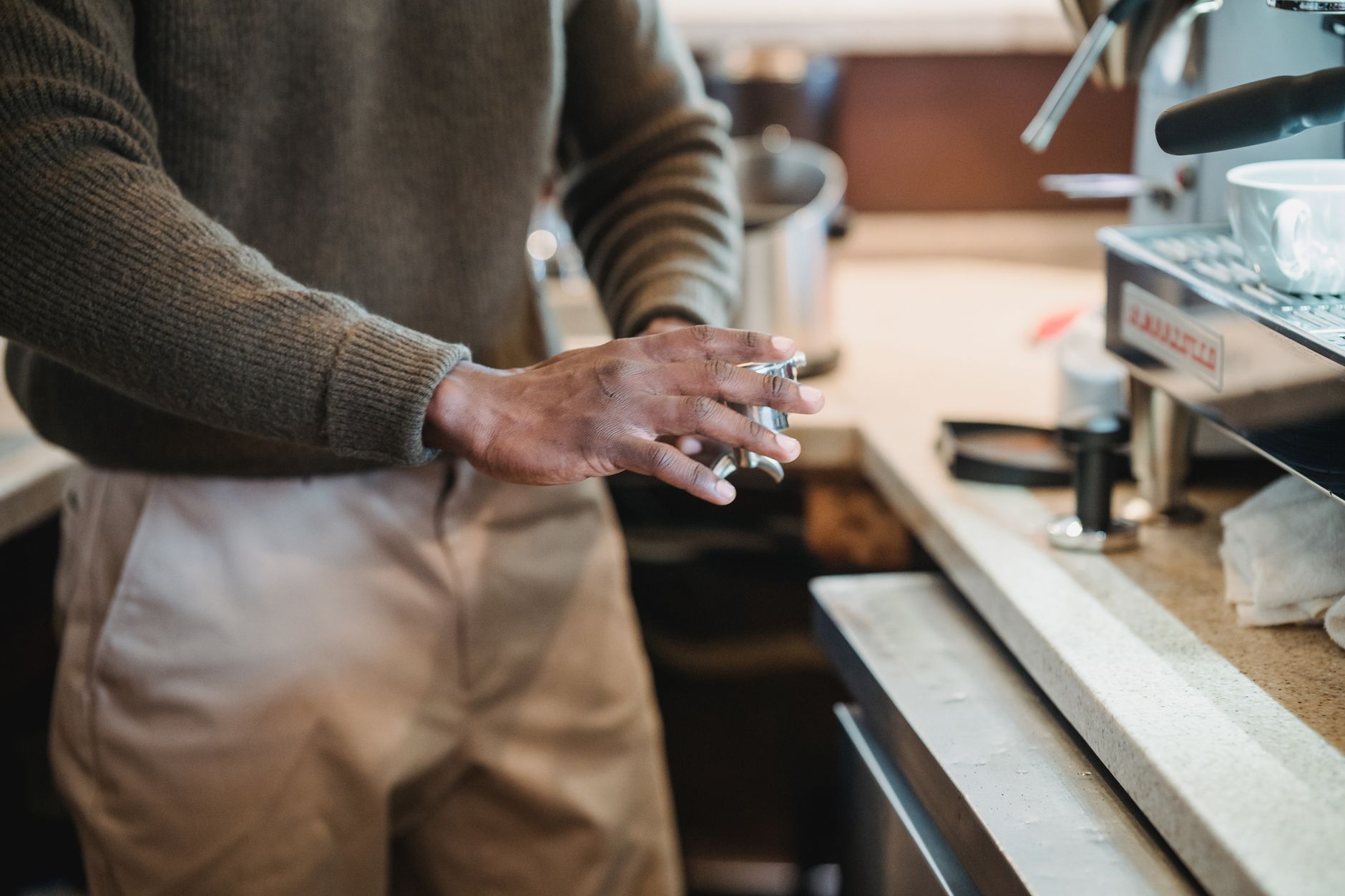
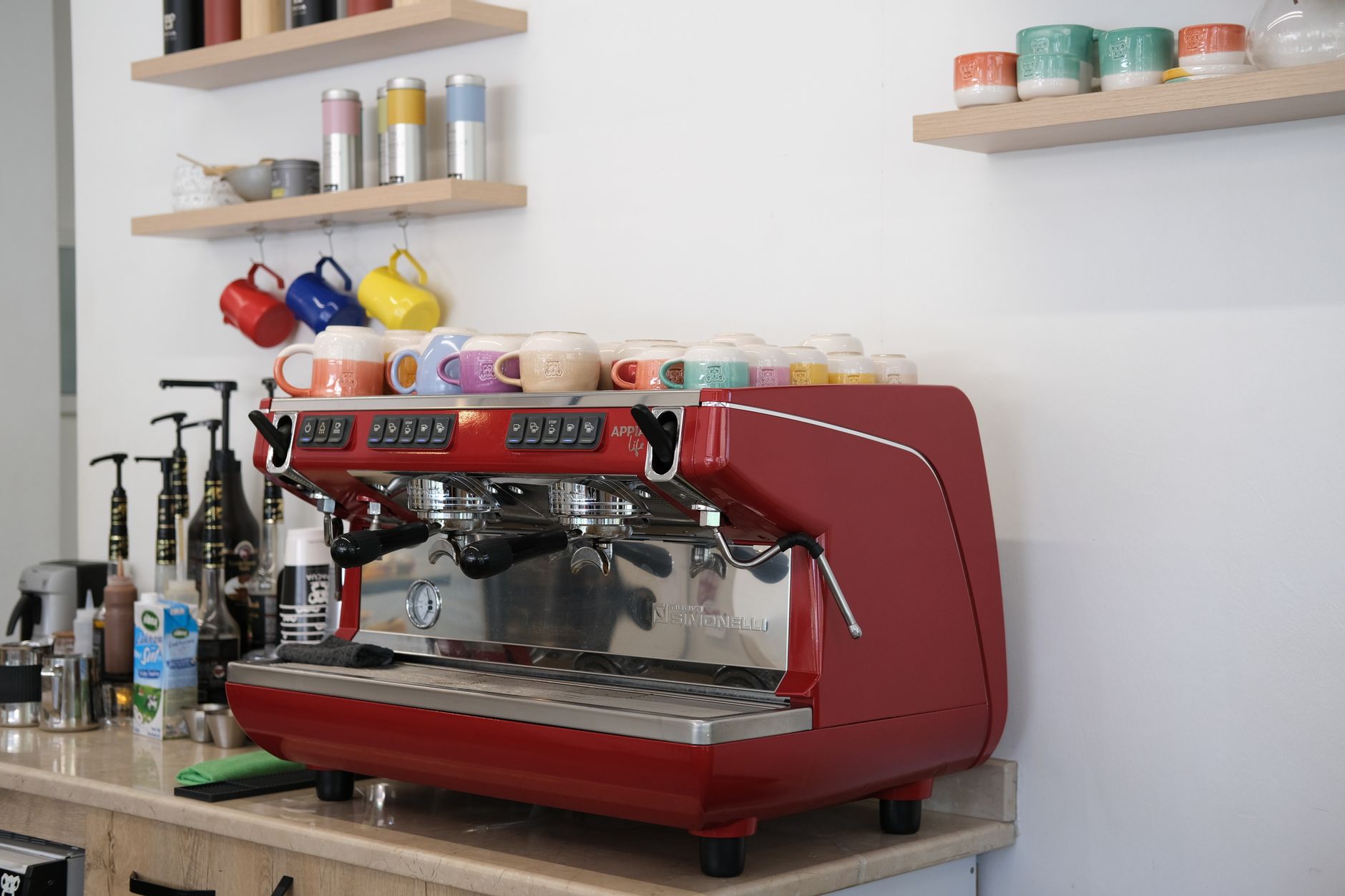 Photo: Esra Afşar via Pexels
Portafilter Size
Breville’s mid-range machines (Barista Express, Barista Pro, Oracle) use a 54mm or 58mm commercial-standard portafilter. That matters because a wider basket distributes coffee more evenly, which directly improves extraction consistency.
DeLonghi’s La Specialista range uses 51mm portafilters across most of the lineup. The Dedica uses an even narrower 51mm. Smaller diameter means less margin for error in puck prep and a narrower extraction window.
Temperature Stability
Breville fits PID controllers into machines starting around $500 (Bambino Plus). PIDs hold brew temperature within ±1°C, which is the difference between a thin espresso and a balanced one. DeLonghi’s La Specialista Arte and Maestro include thermoblock temperature systems with sensor control, but true PID appears higher up their lineup.
Grinder Integration
Direct Answer: Breville’s built-in grinders (Barista Express, Barista Pro, Oracle) use 54mm conical steel burrs with 25–30 grind settings and dose-by-weight or dose-by-time options. DeLonghi’s La Specialista grinders are functional but offer fewer adjustment steps and less consistent particle distribution.
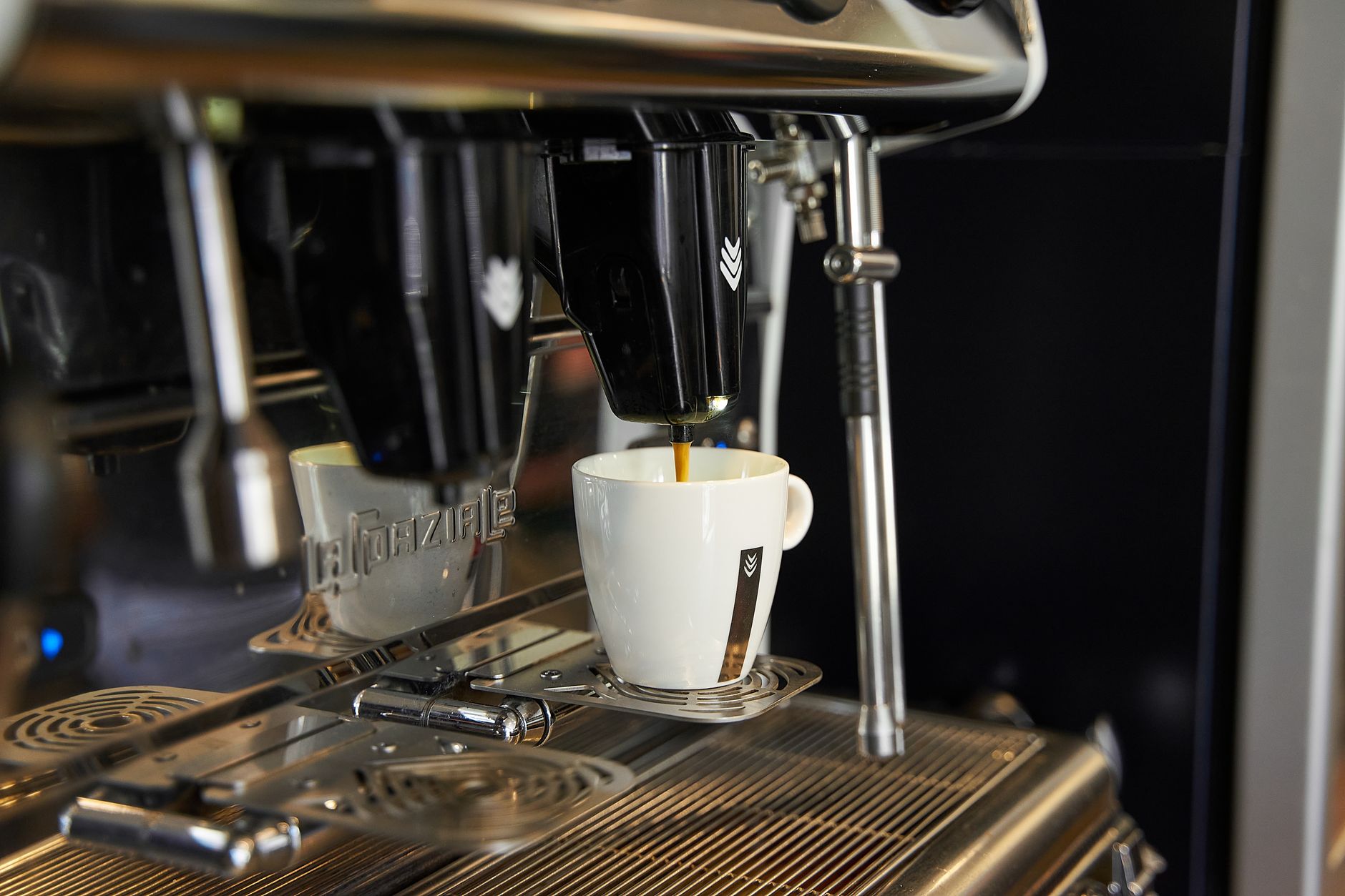
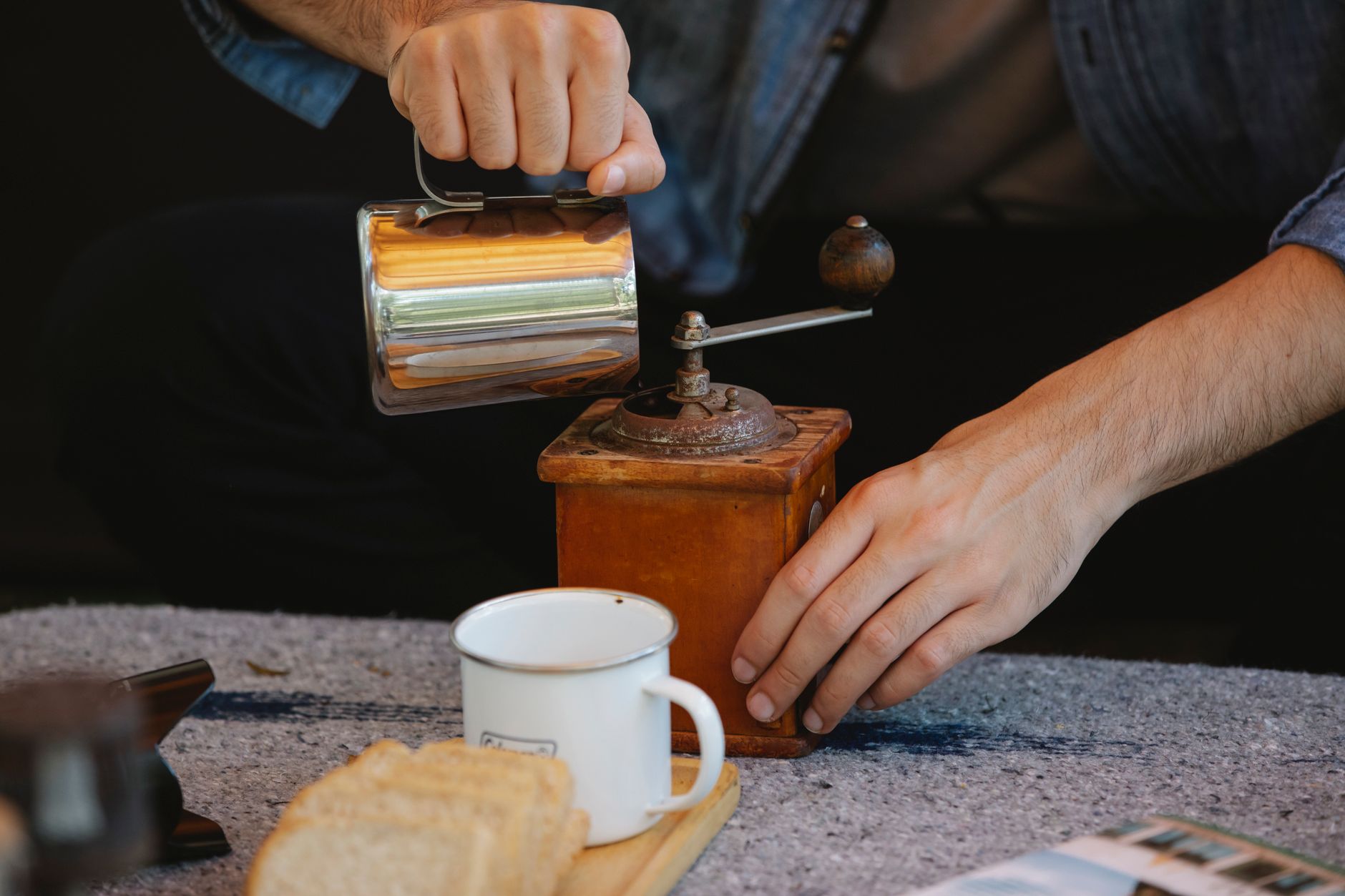 Photo: Uriel Mont via Pexels
If you’re buying a machine with an integrated grinder, Breville’s grind-to-shot workflow is tighter. The Barista Express and Barista Pro grind directly into the portafilter. The Oracle Touch automates the entire process — grind, tamp, and extract — with adjustable parameters.
DeLonghi’s La Specialista Maestro integrates a reasonable grinder with an “Active Temperature Control” system, but the grind adjustment is coarser and the dose consistency less predictable than Breville’s equivalent.
For serious espresso, a standalone grinder paired with either machine beats both integrated options — but if you want one unit, Breville’s grinder wins.
Model Comparison Table
| Machine | Price | Boiler | Portafilter | PID | Pump | Best For |
|---|---|---|---|---|---|---|
| Breville Bambino Plus |
Espresso Quality: Shot by Shot
Direct Answer: Breville machines pull more consistent, higher-quality espresso shots in the $500–$1,000 range. Larger portafilters, real PID, and better grinder integration produce shots with richer crema and more balanced flavor. DeLonghi matches up in super-automatics where consistency is automated.
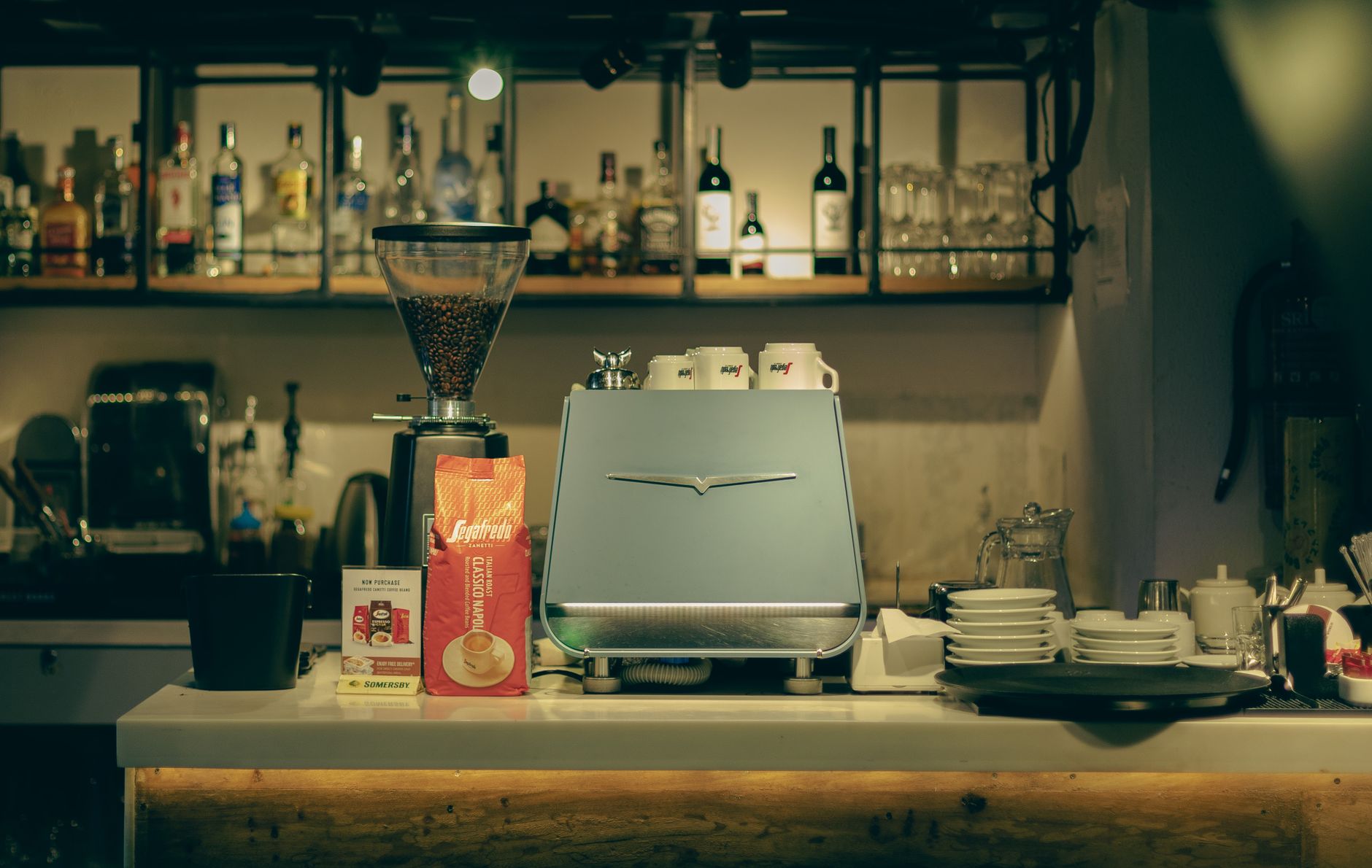
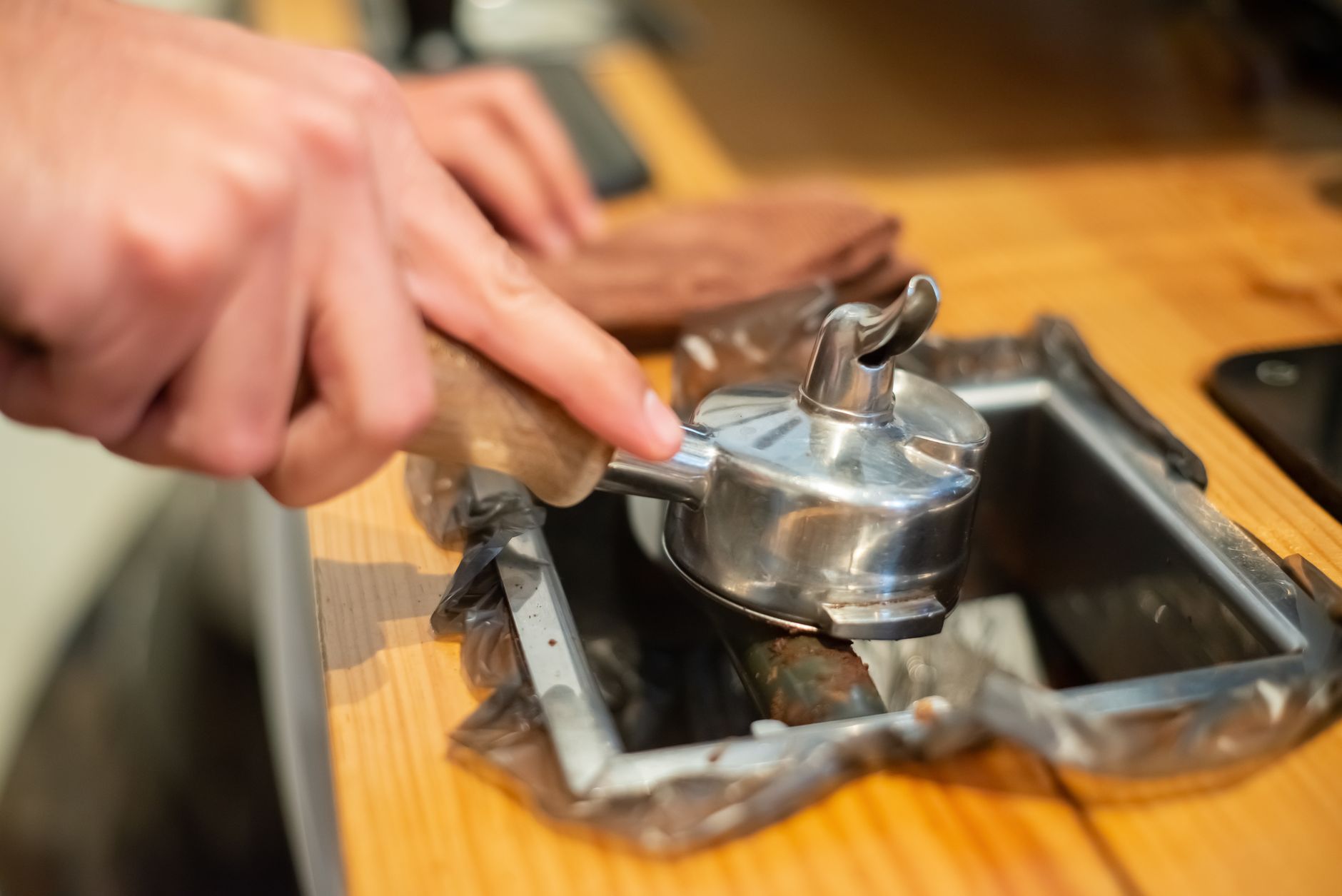 Photo: Kampus Production via Pexels
The La Specialista Maestro pulls a respectable shot for a one-unit system, but the 51mm basket and sensor-based temperature control leave some extraction quality on the table. Side-by-side against a Barista Pro, the Breville shot is noticeably denser with better crema retention.
Where DeLonghi catches up: their super-automatic machines (Dinamica, Magnifica) consistently produce decent espresso and milk drinks with zero technique required. For offices, households with mixed coffee preferences, or anyone who wants espresso without a learning curve, the DeLonghi super-auto is a legitimate competitor that Breville doesn’t fully answer.
Milk Steaming
Direct Answer: Breville’s steam wands on the Bambino Plus, Barista Express, and above offer manual steaming that produces proper microfoam for latte art. DeLonghi’s automated milk systems (LatteCrema, LatteArt) are convenient and produce good foam but sacrifice the texture control that manual steaming gives you.
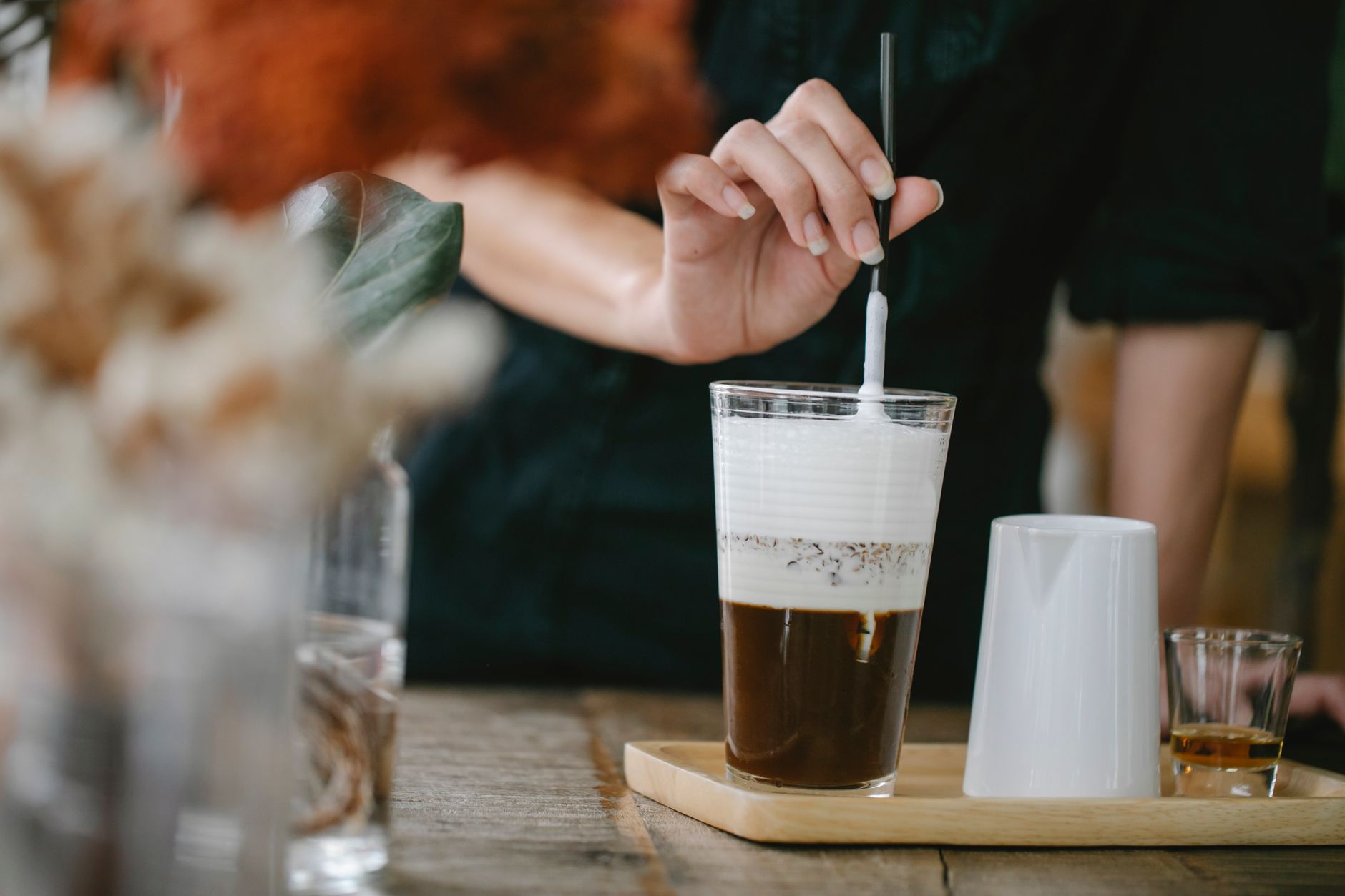 Photo: Charlotte May via Pexels
The Breville Barista Pro and Oracle Touch both include 360° steam wands with enough pressure and control to texture milk properly — silky microfoam at lower temperatures, drier foam for cappuccinos. The Bambino Plus auto-steams at a fixed temperature, useful for beginners but limiting for experienced baristas.
DeLonghi’s LatteCrema system (on the Dinamica Plus and higher) produces consistently decent milk froth for lattes and cappuccinos, but it’s a fixed process. You get reliable results, not craft results.
Reliability and Longevity
Direct Answer: Both brands are reliable in the 3–5 year range for home use. DeLonghi has a longer track record of durable, repairable machines; third-party parts are easier to source. Breville machines are well-built but can be more expensive to repair out of warranty due to proprietary components.
DeLonghi has been manufacturing espresso equipment since the 1990s, and older machines (EC155, EC702) still run in millions of homes. Parts availability is good and the repair community is extensive. Breville’s engineering is excellent, but the brand has had some documented issues with the Barista Touch’s touchscreen and the Oracle’s grinder motor at high volume.
For a commercial or high-volume home setting, neither brand is the right answer — a Rocket, ECM, or Lelit machine is the smarter investment. For typical home use (1–3 shots per day), both brands hold up well.
Verdict by User Type
Espresso purist: Breville Barista Pro or Oracle Touch. Real PID, commercial portafilter size, better grind-to-shot workflow.
Milk drink drinker: Breville Bambino Plus for manual control; DeLonghi La Specialista Maestro if you want the full integrated system without much fuss.
Convenience-first / super-auto buyer: DeLonghi Dinamica Plus or Magnifica Evo. Breville has no real super-automatic competitor.
Budget buyer under $300: DeLonghi Dedica Arte. No Breville semi-auto at this price beats it.
All-in-one under $800: Breville Barista Express. The grinder, portafilter, and PID combination is unmatched at the price.
→ See Also
- The Complete Guide to Espresso Machines (2026)
- Best Espresso Machine Under $200 (2026)
- Best Espresso Machine Under $500 (2026)
FAQ
Is Breville better than DeLonghi for espresso? For semi-automatic espresso in the $500–$1,500 range, yes. Breville’s larger portafilters, true PID temperature control, and better grinder integration produce more consistent, higher-quality shots. DeLonghi is more competitive in super-automatics and the budget tier.
Why is Breville called Sage in Europe? Breville licensed the Sage brand name for the European market after a naming rights dispute. The machines are identical — Breville Barista Express and Sage Barista Express are the same product. If you’re shopping in the UK or EU, search for Sage.
Which DeLonghi machine is comparable to the Breville Barista Express? The DeLonghi La Specialista Maestro is the closest comparison: both include an integrated grinder, steamer, and semi-automatic extraction. The Barista Express wins on portafilter size (54mm vs 51mm) and PID precision; the Maestro wins on ease of use and milk automation.
Do Breville espresso machines use standard 58mm portafilters? The Breville Oracle and Oracle Touch use a full 58mm commercial portafilter. The Barista Express, Barista Pro, Bambino, and Bambino Plus use a 54mm portafilter. Both sizes use standard basket types, but 54mm accessories are less common than 58mm.
Is DeLonghi good for beginners? Yes, particularly the Dedica Arte, La Specialista Arte, and the Dinamica super-automatic range. The automated milk systems, pre-programmed extraction modes, and simpler grind adjustments make DeLonghi more approachable for someone who doesn’t want to learn manual technique. Breville machines reward skill; DeLonghi machines tolerate the lack of it.
Can you use aftermarket baskets in DeLonghi La Specialista machines? Yes, but with caveats. The 51mm portafilter accepts third-party precision baskets from brands like IMS or VST, which improves extraction consistency. However, the non-standard 51mm size has fewer aftermarket options than 58mm, so selection is narrower and prices are higher.
Editorial methodology: Assessments are based on manufacturer specifications, published user reviews, and editorial research. Physical hands-on testing is noted explicitly where it occurred. Rankings reflect our editorial judgment and are not influenced by affiliate commission rates. Full editorial policy · Affiliate disclosure