Contents
Best Italian Espresso Machines (2026)
TL;DR: The best Italian espresso machine depends on your budget and skill level. For home use, the Gaggia Classic Pro and Rancilio Silvia consistently outperform their price points. For serious espresso, the ECM Synchronika or Bezzera Magica deliver cafe-quality results. All four are Italian-engineered machines worth owning.
What Makes an Italian Espresso Machine Different?
Italian espresso machines are built around a single premise: extract a 25–30ml shot at 9 bars of pressure through 18–20g of fine-ground coffee in 25–30 seconds. The engineering tradition behind this — from E61 group heads to heat exchanger boilers — is why Italian brands still dominate the market after 80 years.
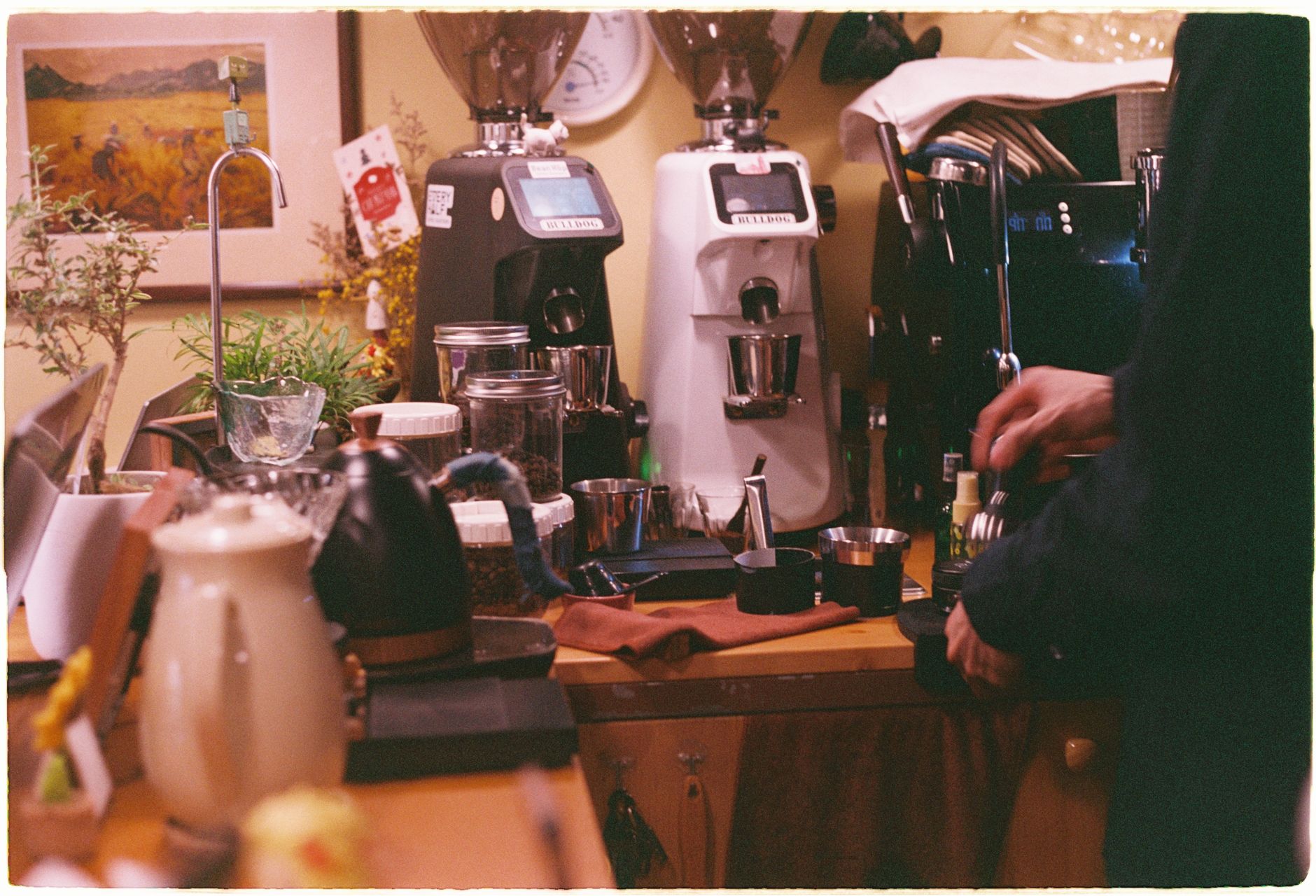 Photo: Ánh Đặng via Pexels
Italy didn’t just invent espresso — it industrialized it. Brands like Gaggia, Rancilio, ECM, and Bezzera have been refining the same fundamentals since the 1940s. What you get from an Italian machine that cheaper alternatives skip: commercial-grade brass group heads that retain heat, proper 58mm portafilters that accept any third-party basket, and pump systems sized for real extraction pressure — not marketing specs.
The tradeoff is learning curve and price. Most Italian machines require dialing in grind, dose, and tamp. That’s not a flaw; it’s the point.
Best Italian Espresso Machines by Category
Best Overall: Gaggia Classic Pro
**The Gaggia Classic Pro
 Photo: Breakingpic via Pexels
The Classic Pro runs a 15-bar pump (effective extraction pressure is 9 bar — standard) and a 58mm chrome portafilter. The solenoid valve releases pressure after extraction, keeping your puck dry and your machine cleaner than competitors without one. Boiler temperature can run slightly hot out of the box; a $15 OPV spring swap brings it to spec.
What it skips at this price: PID temperature control and a quality steam wand tip. Both are fixable upgrades under $80 combined, but they’re upgrades you’ll want to make.
Best Under $300: Delonghi EC9155 La Specialista Arte
The De’Longhi La Specialista Arte packs a 51mm portafilter, a built-in tamper, and a thermocoil heating system into a genuinely stylish machine. It’s not a traditional Italian espresso machine — it’s a smart convenience play for espresso drinkers who don’t want to manage separate gear.
 Photo: Asaad Alabri via Pexels
The thermocoil reaches brew temperature in 40 seconds. The built-in tamper ensures consistent 15kg tamp pressure, which removes one common variable for beginners. The 51mm portafilter limits your basket options — this machine is designed as a closed ecosystem, and that’s fine if you accept it going in.
Best Mid-Range: Rancilio Silvia Pro X
**The Rancilio Silvia Pro X
The dual boiler system means independent temperature control for brew and steam. The PID holds brew temperature within ±1°C, which matters for light roasts that require precise extraction. The steam boiler runs at full pressure, giving you proper microfoam capability.
At this price, the competition includes the Breville Dual Boiler (made in China) and the Lelit Bianca (Italian, around $2k). The Silvia Pro X occupies a real gap: Italian manufacturing, proper dual boiler, under $1,200.
Best Prosumer: ECM Synchronika
The ECM Synchronika is a German-Italian hybrid — ECM designs in Germany, manufactures to Italian espresso standards. At $2,200–2,500, it’s the last machine most home baristas will ever need. Dual boilers, E61 group head, flow control, PID on both circuits, and a build quality that will outlast multiple rental apartments.
 Photo: Ubeydulah Beşir KÖROĞLU via Pexels
The E61 group head provides passive thermal mass for consistent brew temperature. Flow control lets you ramp pressure during extraction — useful for lighter roasts and experimental profiles. The machine runs quietly, heats in about 20 minutes, and the rotary pump means you can plumb it directly to a water line.
Specs Comparison
| Machine | Boiler Type | Portafilter | PID | Pump Type | Price |
|---|---|---|---|---|---|
| Gaggia Classic Pro | Single | 58mm | No (mod available) | Vibratory | ~$450 |
| De’Longhi La Specialista Arte | Thermocoil | 51mm | No | Vibratory | ~$280 |
| Rancilio Silvia Pro X | Dual | 58mm | Yes (dual) | Vibratory | ~$1,100 |
| ECM Synchronika | Dual | 58mm | Yes (dual) | Rotary | ~$2,300 |
| Bezzera Magica | Dual | 58mm | Yes | Rotary | ~$2,000 |
| Lelit Bianca V3 | Dual | 58mm | Yes + flow control | Rotary | ~$2,200 |
Full Buying Guide: Which Italian Espresso Machine Is Right for You?
Budget: Under $500
Start with the Gaggia Classic Pro. It has the best resale value in this price tier, accepts third-party baskets and tampers, and a strong modification community means you can extend its capabilities for years. If you want something simpler from day one, the De’Longhi La Specialista Arte trades flexibility for convenience.
Budget: $500–$1,500
The Rancilio Silvia Pro X is the clear pick. The original Silvia (single boiler, ~$700) is still respected but the temperature juggling between shots gets old fast. Spend the extra $400 for dual boilers and PID — you’ll use the steam wand more once steaming doesn’t require a 10-minute wait.
Budget: $1,500+
ECM Synchronika or Lelit Bianca V3. Both are excellent; the Bianca adds paddle-based flow control and a slightly more user-friendly interface. The Synchronika has more robust after-sales support in North America. Either one is a 10+ year purchase.
Verdict by User Type
| User Type | Recommended Machine | Why |
|---|---|---|
| Espresso-only purist | Gaggia Classic Pro + PID mod | 58mm system, dry puck, upgradeable |
| Milk drink daily driver | Rancilio Silvia Pro X | Dual boiler eliminates workflow compromise |
| Convenience-first | De’Longhi La Specialista Arte | Built-in tamper, fast heat, low fuss |
| Home cafe / serious hobbyist | ECM Synchronika | Flow control, rotary pump, plumb-in option |
| Flat white obsessive | Lelit Bianca V3 | Paddle flow control + dual boiler |
What to Look for in a Best Italian Espresso Machine
Group Head Design
The E61 group head — designed by Faema in 1961 — remains the industry standard for a reason. Its lever pre-infusion mechanism, brass construction, and thermal stability reduce temperature variance across consecutive shots. Any machine with an E61 head (Synchronika, Bezzera, Lelit) starts with a mechanical advantage over plastic-bodied alternatives.
Portafilter Size
58mm is the commercial standard. It means you can use any aftermarket basket (VST, Pullman, IMS), any tamper, and any distribution tool on the market. Machines using 51mm or 54mm portafilters lock you into proprietary accessories. If you plan to experiment with dose, that’s a real constraint.
Boiler Configuration
Single boiler machines (Classic Pro, original Silvia) require temperature surfing or flushing between espresso and steam. For one or two drinks a day, manageable. For a household that makes multiple drinks every morning, dual boiler or heat exchanger machines are worth the premium.
PID Temperature Control
PID controllers sample boiler temperature dozens of times per second and adjust the heating element to hold a precise setpoint. Without one, boilers cycle on/off with ±5–10°C variance — which doesn’t matter much for dark roasts but kills light roast extractions. If you’re spending over $700, no PID is a dealbreaker.
→ See Also
- The Complete Guide to Espresso Machines (2026)
- Best Espresso Machine Under $200 (2026)
- Best Espresso Machine Under $500 (2026)
FAQ
Is Gaggia an Italian brand? Yes. Gaggia was founded in Milan in 1948 by Achille Gaggia, who invented the lever-operated piston espresso machine. The brand is now owned by Evoca Group and continues to manufacture machines in Italy. The Classic Pro line remains Italian-made.
What’s the difference between a single and dual boiler espresso machine? A single boiler machine uses one boiler for both brewing and steaming, requiring temperature changes between the two functions. A dual boiler machine has separate circuits for each, letting you pull a shot and steam milk simultaneously at their respective optimal temperatures — 93–96°C for brew, 125–130°C for steam.
Do I need a PID on my espresso machine? For dark roasts, a PID matters less — the wide extraction window of dark coffee tolerates temperature variance. For medium or light roasts, a PID holds brew temperature within ±1°C, which directly affects extraction consistency. If you drink specialty coffee, a PID is worth the cost.
Is Rancilio still made in Italy? Yes. Rancilio Group is headquartered in Villasanta, near Milan, and manufactures commercial and home machines in Italy. The Silvia line, including the Pro X, is Italian-made.
How long do Italian espresso machines last? With regular descaling and occasional gasket replacement, a well-built Italian machine like the Gaggia Classic Pro or Rancilio Silvia routinely runs 15–20 years. The Synchronika and comparable prosumer machines are designed for commercial-adjacent duty cycles and will outlast most appliances in your kitchen.
Can I use pre-ground coffee in these machines? Technically yes, but pre-ground coffee loses CO₂ and volatile aromatics within 15–30 minutes of grinding, which directly reduces crema development and flavor complexity. Any of these machines will expose pre-ground’s weaknesses. A burr grinder — even an entry-level Baratza Encore or Eureka Mignon — transforms what these machines can do.
Editorial methodology: Assessments are based on manufacturer specifications, published user reviews, and editorial research. Physical hands-on testing is noted explicitly where it occurred. Rankings reflect our editorial judgment and are not influenced by affiliate commission rates. Full editorial policy · Affiliate disclosure