Contents
Best Ethiopian Coffee Beans (2026): Top Picks for Every Brew
TL;DR: The best Ethiopian coffee beans deliver floral, fruity, and wine-like flavors that no other origin can match. For most people, Yirgacheffe natural process is the go-to — complex enough to impress, forgiving enough to brew any way you like. Our top picks below cover every budget and brew method.
What Makes Ethiopian Coffee Worth Your Money?
Ethiopian coffee is the genetic birthplace of Arabica, and it shows. No other origin produces the same density of floral aromatics, stone fruit clarity, and berry-forward sweetness — especially from Yirgacheffe, Sidama, and Harrar. Washed coffees lean tea-like and jasmine-bright; naturals go full fruit-bomb. Neither costs more to brew.
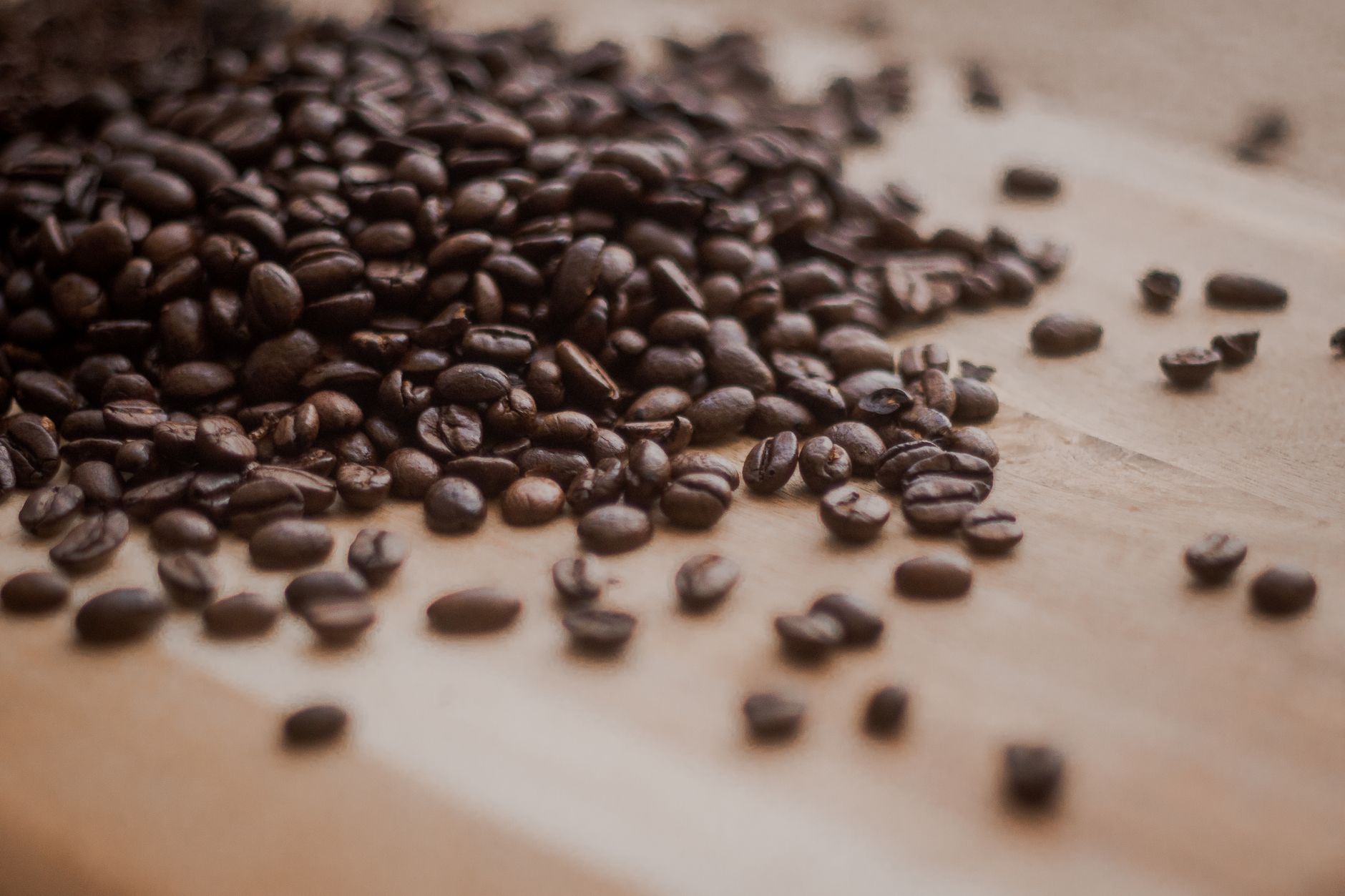
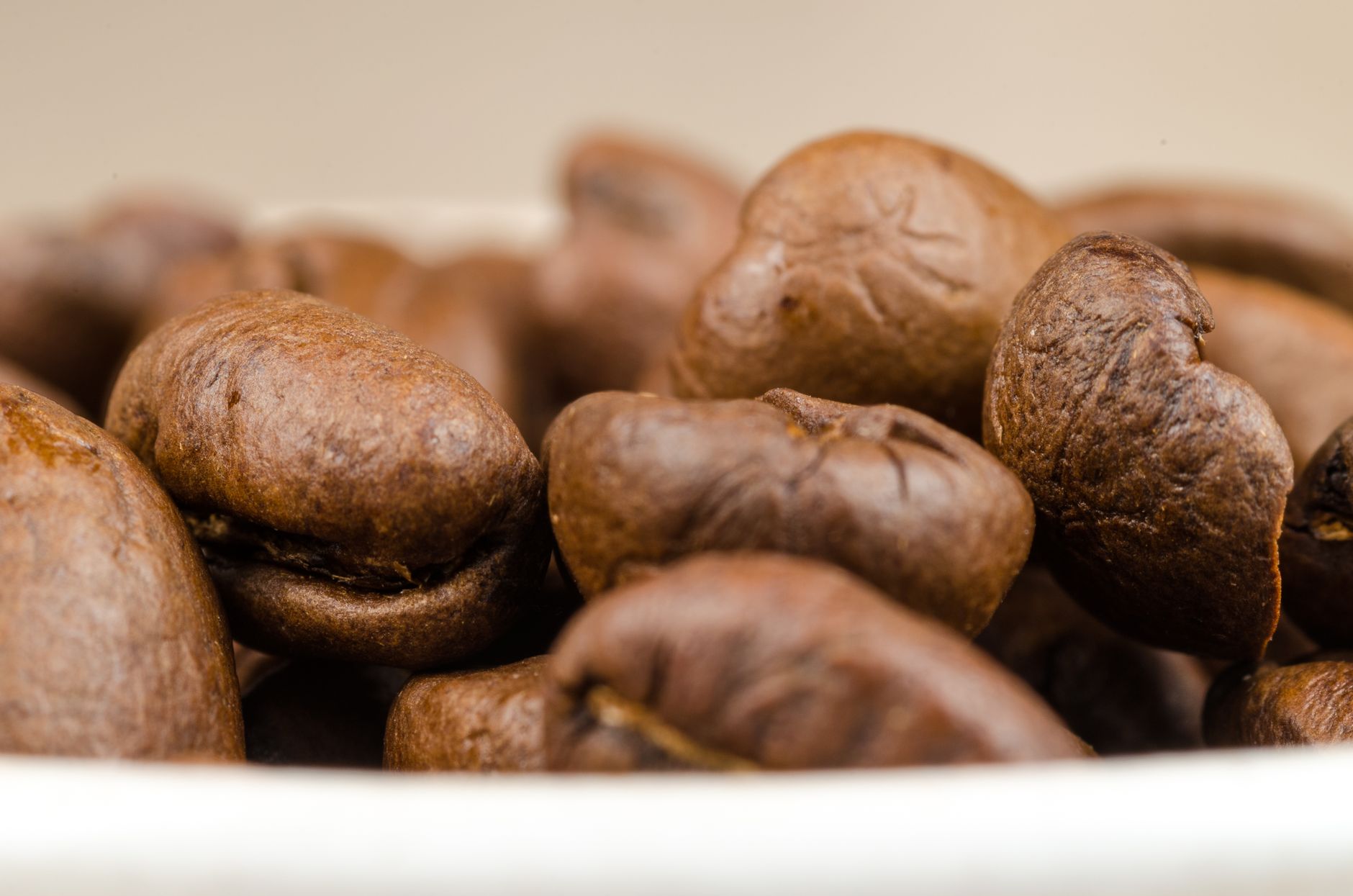 Photo: Lukas Blazek via Pexels
Ethiopia isn’t one flavor — it’s a spectrum. The three regions dominating specialty shelves each have a distinct character:
| Region | Processing | Typical Flavor | Best Brew Method |
|---|---|---|---|
| Yirgacheffe | Washed or Natural | Bergamot, jasmine, lemon, peach | Pour-over, AeroPress |
| Sidama (Sidamo) | Washed | Blueberry, stone fruit, dark chocolate | Filter, espresso |
| Harrar | Natural (dry) | Wild berry jam, wine, earthy spice | French press, moka pot |
| Guji | Natural or Washed | Strawberry, apricot, floral | Pour-over, cold brew |
Best Ethiopian Coffee Beans: Our Top Picks
Seven years of cupping Ethiopian lots has taught us one thing: roaster matters as much as region. The same Yirgacheffe from a precision light-roast specialist tastes completely different from a gas-station “Ethiopian blend.” We’ve vetted these roasters for sourcing transparency, roast quality, and consistency across multiple orders.
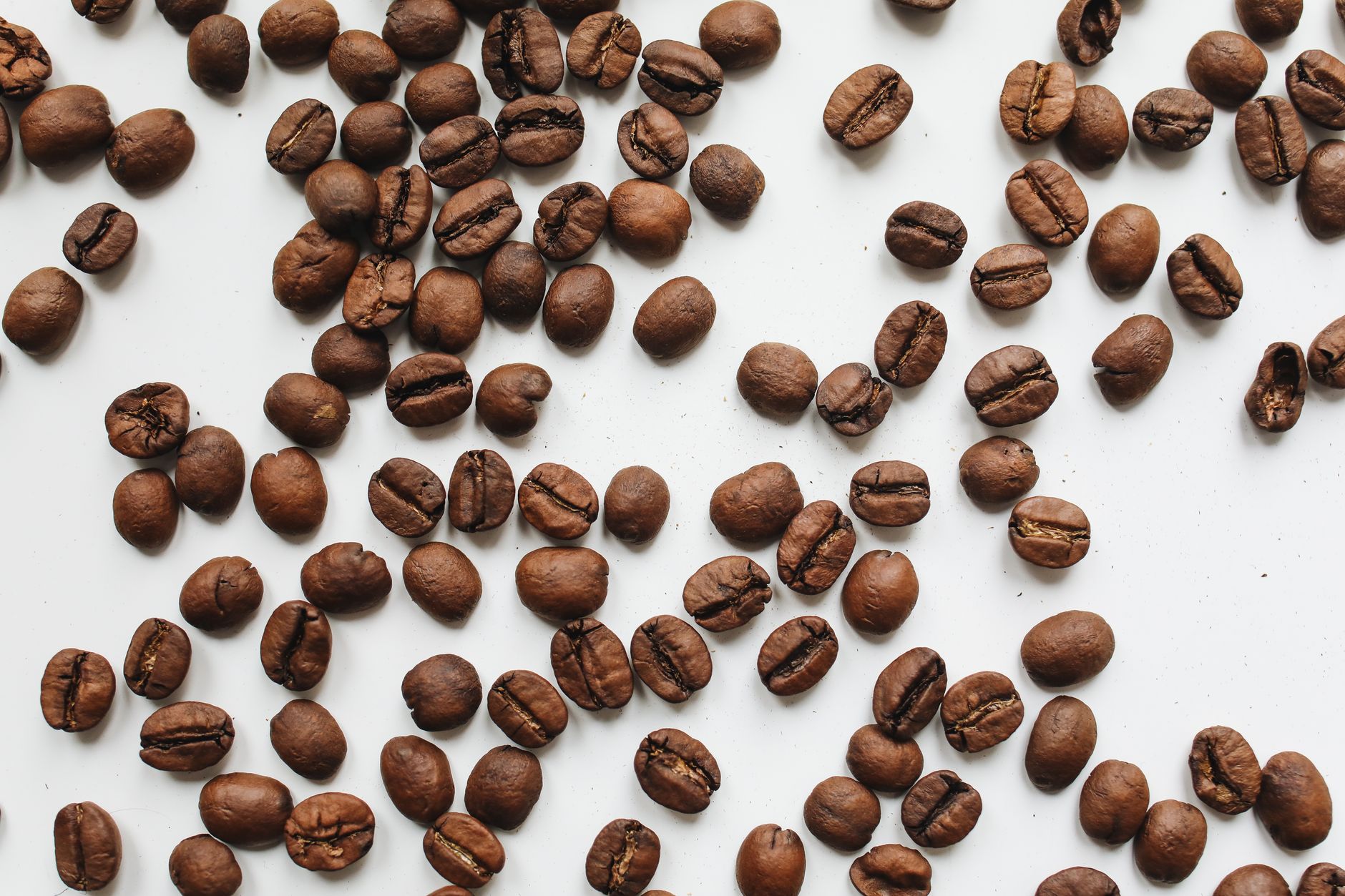
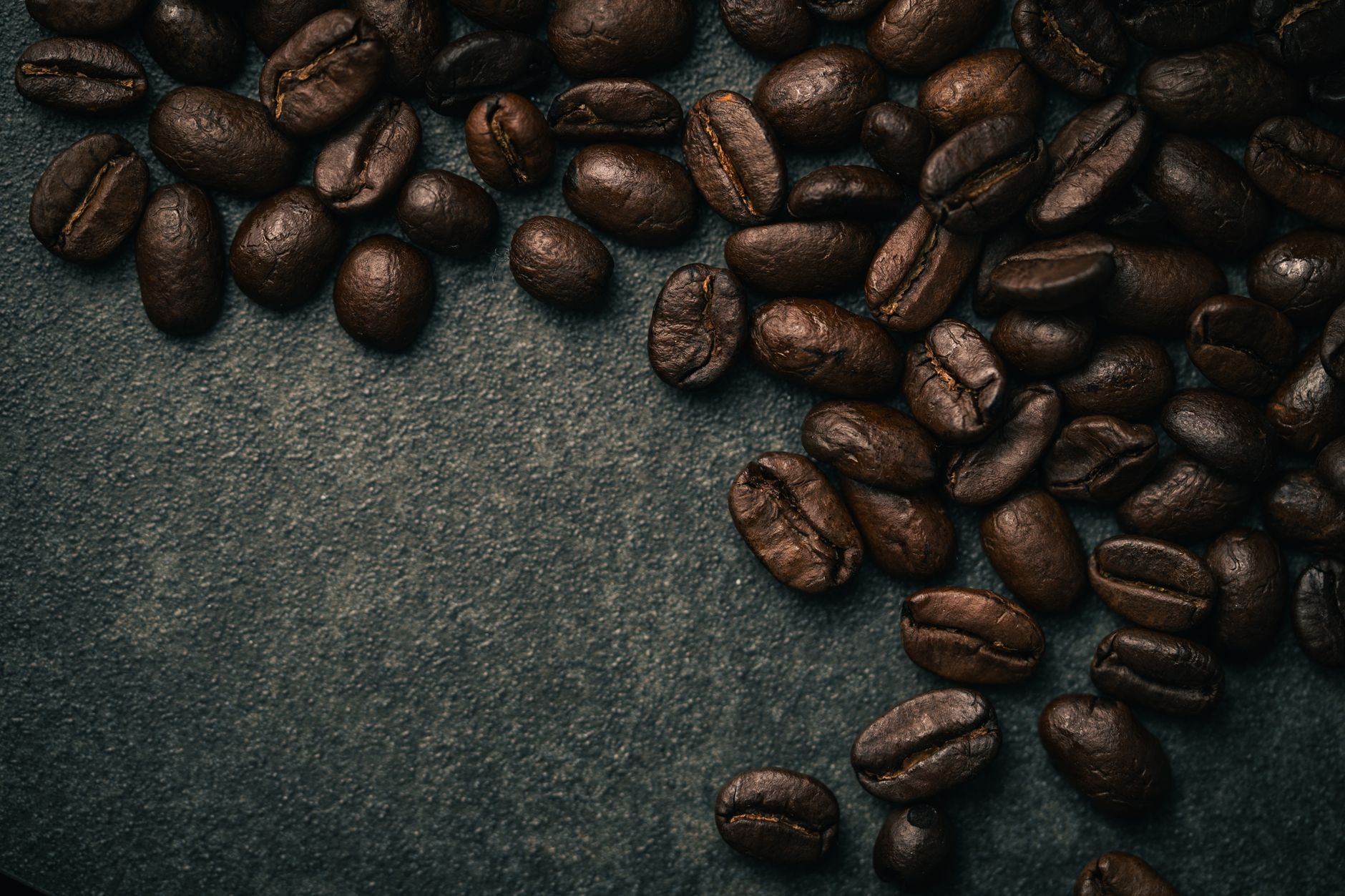 Photo: Erik Mclean via Pexels
Best Overall: Intelligentsia Black Cat Ethiopia Yirgacheffe
Intelligentsia’s Black Cat sets the bar. Washed Gedeb lots from the Yirgacheffe zone: white peach, bergamot, and a clean citrus finish. Roasted light, pulls cleanly as espresso, exceptional as filter. Consistent from batch to batch.
- Roast: Light
- Process: Washed
- Altitude: 1,800–2,200 MASL
- Best for: Espresso, pour-over
Best Natural Process: Onyx Coffee Lab Ethiopia Guji Natural
The Onyx Ethiopia Guji Natural is a master class in what natural processing does when the producer controls fermentation tightly. Strawberry and apricot up front, honey sweetness through the middle, clean finish. No ferment funk — this is the version you show people who think naturals are too funky.
- Roast: Light-medium
- Process: Natural
- Altitude: 1,900–2,200 MASL
- Best for: Pour-over, cold brew
Best Budget Pick: Trade Coffee Ethiopia Subscription
If you want rotating Ethiopian single origins without paying specialty-shop prices, Trade Coffee’s Ethiopia-focused tier delivers. You fill out a palate quiz, they match you with a rotating roster of roasters — common pairings include Tandem and Bird Rock. Hit-rate is high for the price.
- Best for: Drip, pour-over
- Price point: ~$15–18 / 12oz equivalent
Best for Espresso: Counter Culture Apollo
Counter Culture’s Apollo is a blend anchored by Ethiopian Yirgacheffe that’s built specifically for espresso. Brighter than most espresso blends, but with enough body to cut through milk. Pulls at 94°C beautifully; benefits from 18g in, 36g out in 28–30 seconds.
- Roast: Medium
- Process: Washed
- Best for: Espresso, flat white
Best Subscription for Ethiopian Fans: Atlas Coffee Club
Atlas Coffee Club rotates through global origins, but their Ethiopia months consistently feature well-sourced Yirgacheffe and Sidama lots with detailed tasting cards. Great if you want to explore the breadth of Ethiopian terroir without committing to one roaster.
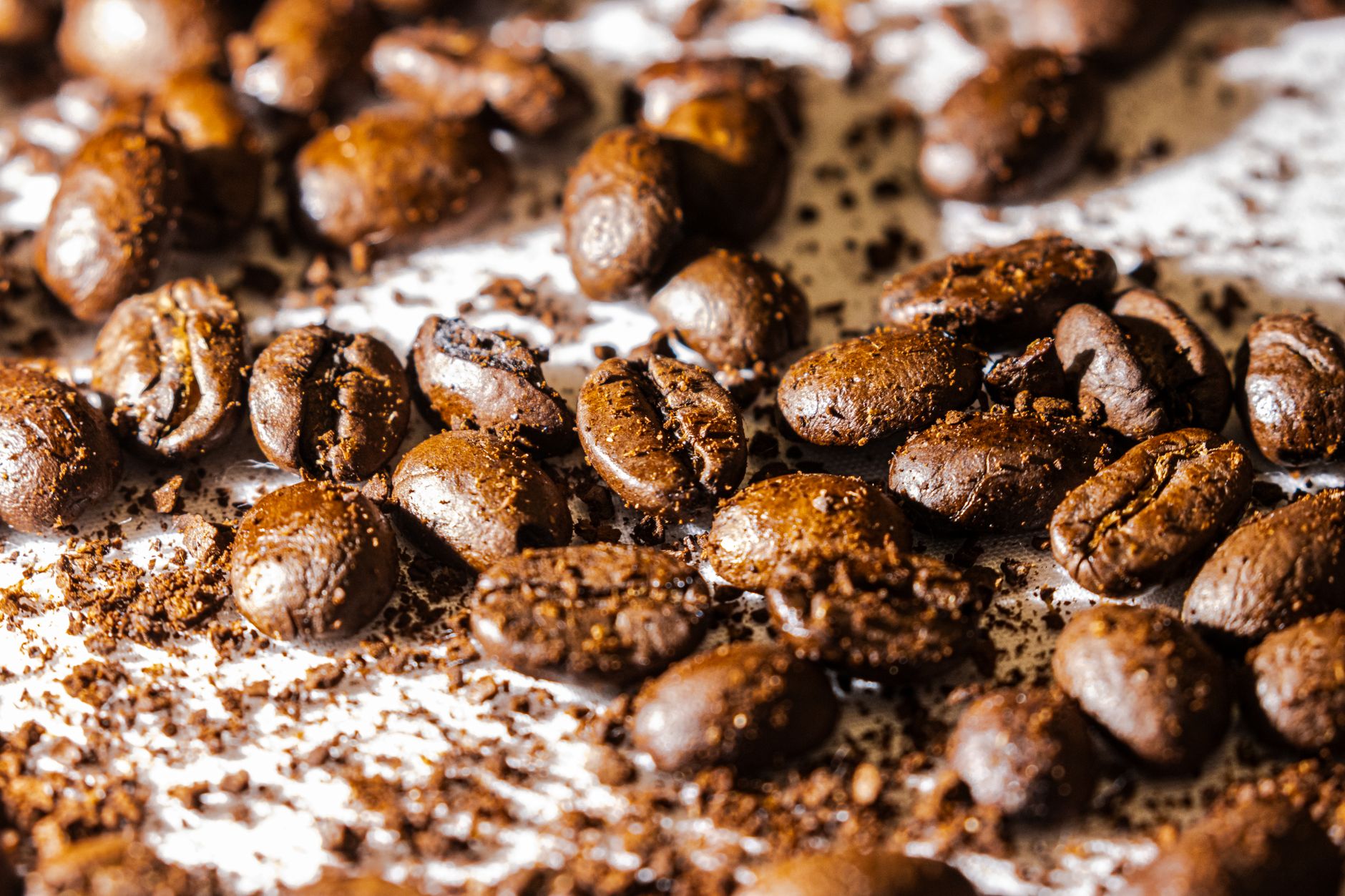
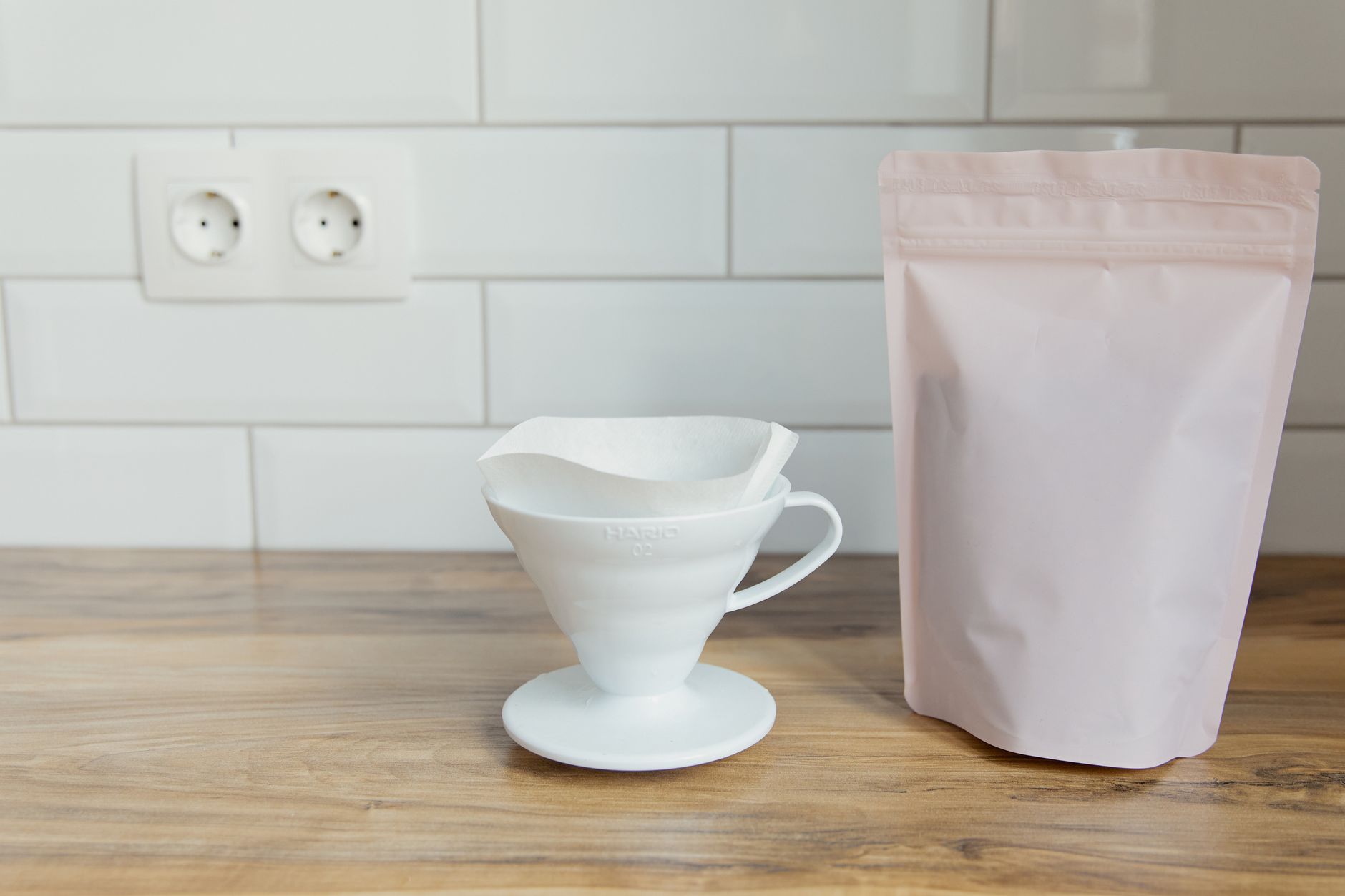 Photo: Darina Belonogova via Pexels
Coffee Module C — Ethiopian Beans & Origins
Origin Reference Table
| Country / Region | Altitude (MASL) | Processing | Roast | Tasting Notes |
|---|---|---|---|---|
| Ethiopia — Yirgacheffe | 1,800–2,200 | Washed | Light | Bergamot, jasmine, lemon, white peach |
| Ethiopia — Yirgacheffe | 1,800–2,200 | Natural | Light | Blueberry, strawberry, floral, tropical |
| Ethiopia — Sidama | 1,550–2,200 | Washed | Light-Med | Blueberry, stone fruit, dark chocolate |
| Ethiopia — Harrar | 1,500–2,100 | Natural | Med-Dark | Wild berry, wine, earthy, tobacco |
| Ethiopia — Guji | 1,900–2,400 | Natural/Washed | Light | Apricot, strawberry, honey, clean finish |
| Ethiopia — Limu | 1,400–2,000 | Washed | Medium | Winey, floral, mild citrus |
Brew Method & Grind Pairings
Pour-over (V60, Chemex): Ethiopian naturals shine hardest here. Use a medium-coarse grind (Baratza Encore
AeroPress: Medium grind, inverted method, 88–90°C water for washed lots (lower temp preserves floral brightness). 1:15 ratio, 2-minute steep.
Espresso: Ethiopian for espresso is underrated. Washed Yirgacheffe: dose 18g, yield 36g, 27–30 seconds, 93°C. Naturals need slightly coarser grind and higher dose (18.5g) to manage sweetness without cloy. Drop temp to 92°C if you’re getting bitter edge.
French press / moka pot: Harrar naturals were made for these. Coarse grind, 4-minute steep. Harrar’s earthy-wine character integrates beautifully with the full-immersion extraction.
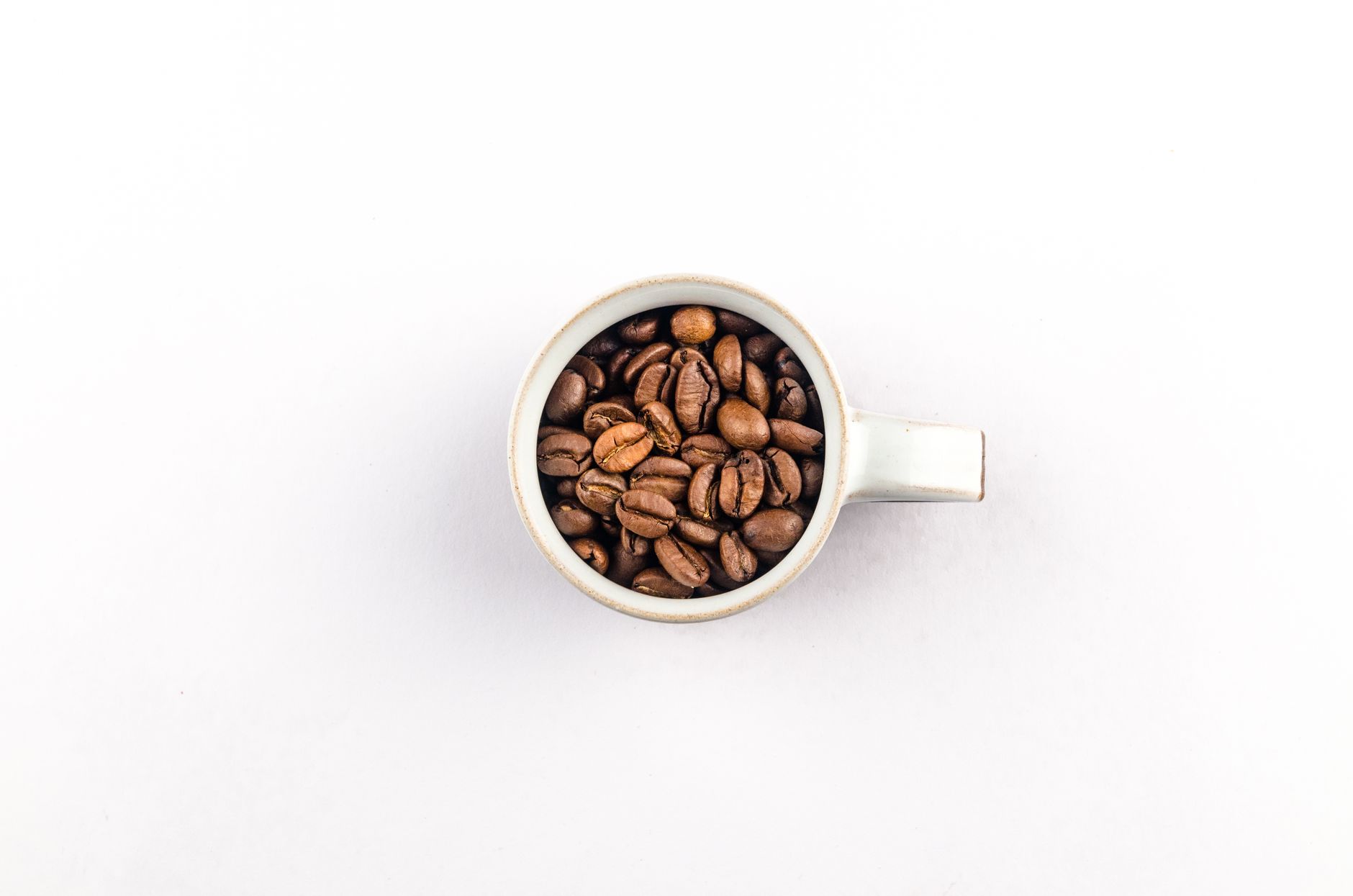
 Photo: Ubeydulah Beşir KÖROĞLU via Pexels
Freshness & Storage
Degassing: Ethiopian naturals off-gas aggressively post-roast — wait 7–10 days before brewing for best results. Washed lots are ready in 5–7 days. Both peak in the 10–21 day window.
Storage: Airtight container, room temperature, away from light. A one-way valve bag works fine for the first week. After opening a 250g bag, aim to finish within 3 weeks. The florals in Yirgacheffe are volatile — they fade faster than most origins.
Shelf life after opening: 3–4 weeks at room temp in a sealed container. Freezing works if you portion first and never refreeze.
→ See Also
- Coffee Bean Guide: Origins, Roasts, and How to Choose
- Best Coffee Subscription Boxes (2026 Ranked)
- Trade Coffee Review (2026): Is It Worth It?
FAQ
What is the best Ethiopian coffee for beginners? Start with a washed Yirgacheffe from a reputable roaster — the flavor profile is complex but clean, which makes it easier to identify what you’re tasting. Intelligentsia, Counter Culture, or anything from Trade Coffee’s lighter tiers will serve well. Avoid naturals until you’ve calibrated to the baseline.
Is Ethiopian coffee high in caffeine? It’s moderate. Ethiopian Arabica averages 1.2–1.5% caffeine by dry weight — typical for Arabica, well below Robusta’s 2.7%. Lighter roasts retain slightly more caffeine than dark roasts by mass, but the difference in a brewed cup is negligible.
What’s the difference between Yirgacheffe and Sidama coffee? Both are from the Sidama zone in southern Ethiopia, but Yirgacheffe is a sub-region with distinct elevation and microclimate producing more pronounced floral and citrus notes. Sidama (outside Yirgacheffe) tends toward blueberry, stone fruit, and mild chocolate — fuller body, slightly less brightness.
Can you use Ethiopian coffee beans for espresso? Yes — washed Ethiopian works especially well for espresso, producing a bergamot-bright, complex shot. The key is dialing in: Ethiopians tend to need a slightly lower water temperature (92–94°C) and finer grind adjustment than Brazilians or Colombians. Pull at 1:2 ratio in 27–30 seconds.
Why does Ethiopian coffee taste like blueberries? In natural-processed Ethiopian lots, the coffee cherry dries around the bean during processing. The fruity sugars and fermentation byproducts absorb into the bean, producing intense berry-like aromatics — blueberry is the signature note of Sidama and Yirgacheffe naturals. Washed processing removes the cherry first, resulting in cleaner, more tea-like florals.
How do I choose between natural and washed Ethiopian beans? If you want floral and complex with clean brightness, choose washed. If you want intense fruit, sweetness, and body, choose natural. Neither is “better” — they’re essentially different products from the same raw material. Many experienced drinkers keep both on the shelf for different moods and brew methods.
Editorial methodology: Assessments are based on manufacturer specifications, published user reviews, and editorial research. Physical hands-on testing is noted explicitly where it occurred. Rankings reflect our editorial judgment and are not influenced by affiliate commission rates. Full editorial policy · Affiliate disclosure