Contents
Best Colombian Coffee Beans (2026): Top Picks for Every Brew
TL;DR: The best Colombian coffee beans balance bright acidity, caramel sweetness, and clean finish — hallmarks of high-altitude Andean growing regions. For filter coffee, Huila and Nariño single-origins lead. For espresso, a medium-roast blend from a Colombian-forward roaster hits consistently. Top picks: Intelligentsia El Diablo, Onyx Coffee Lab Colombia, and Volcanica Colombian Supremo.
What Makes Colombian Coffee Worth Buying?
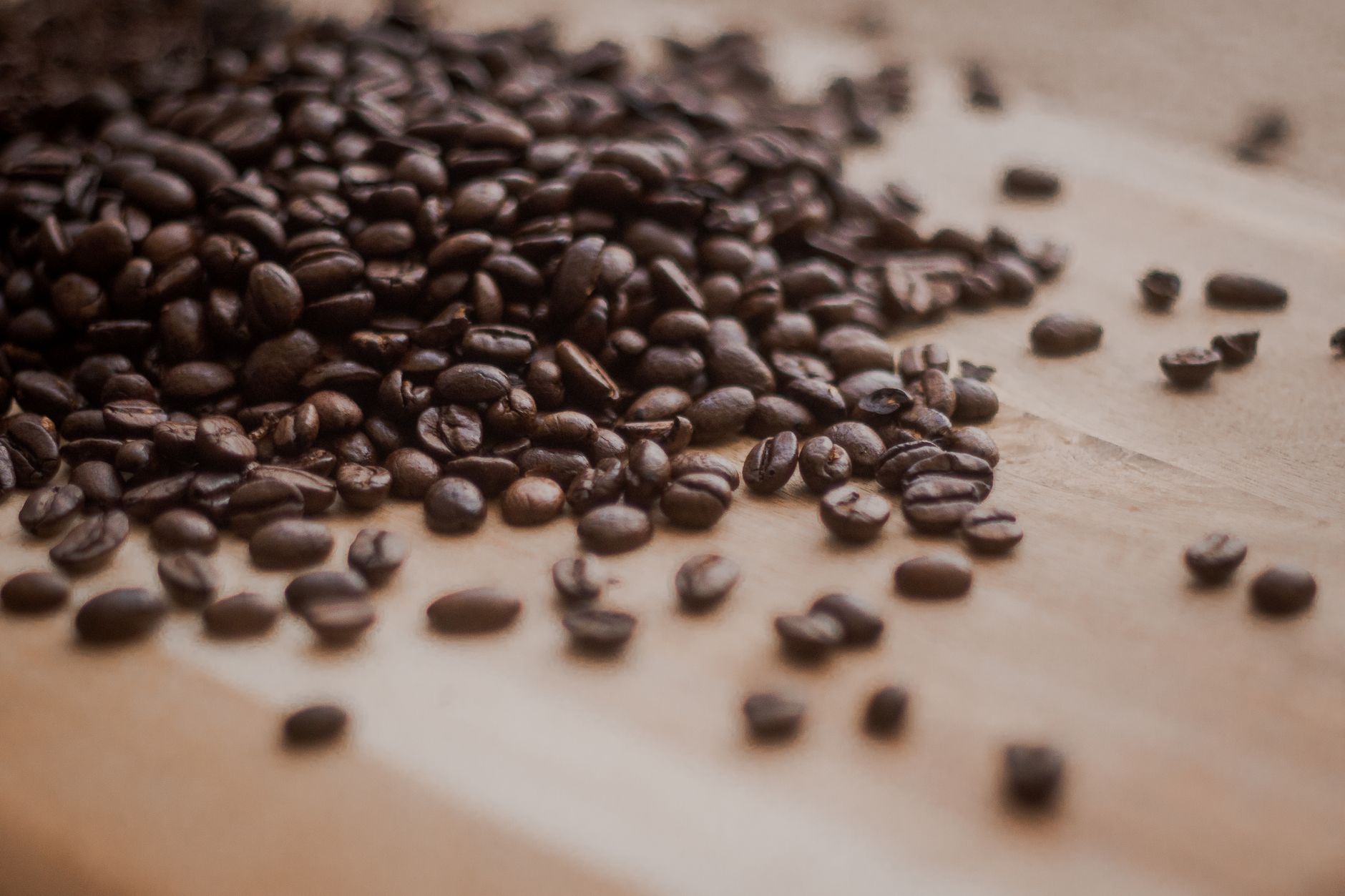
Colombian coffee earns its reputation through geography, not marketing. The Andes split Colombia into three mountain ranges, creating microclimates at 1,500–2,200 MASL that produce slow-developing beans with layered acidity, stone fruit sweetness, and low bitterness. Washed processing dominates, which keeps the cup clean and the origin character intact.
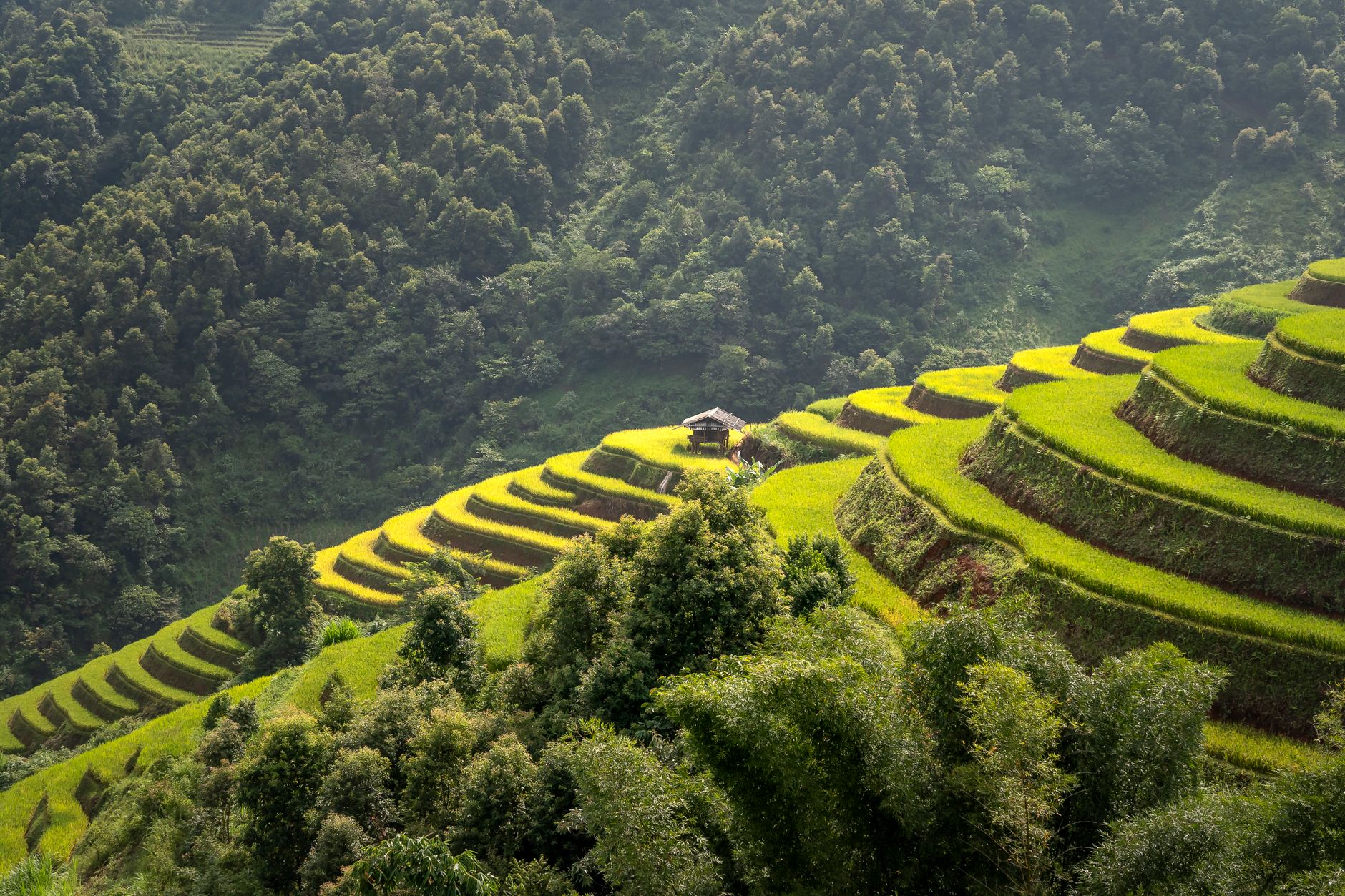 Photo: Quang Nguyen Vinh via Pexels
Colombia’s coffee regions aren’t interchangeable. Huila grows at extreme altitude and produces intense blackcurrant and dark cherry notes. Nariño, near the Ecuadorian border, sits even higher and delivers bright citrus acidity with floral aromatics. Antioquia (the classic “Juan Valdez” heartland) is more balanced — mild, nutty, approachable. Knowing the region tells you more than knowing the country.
The “Supremo” grade label you’ll see on bulk bags refers only to bean screen size (≥18 screen), not flavor. It’s a commodity classification. Single-origin bags with a named farm, cooperative, or municipality tell you far more.
Best Colombian Coffee Beans: Our Top Picks
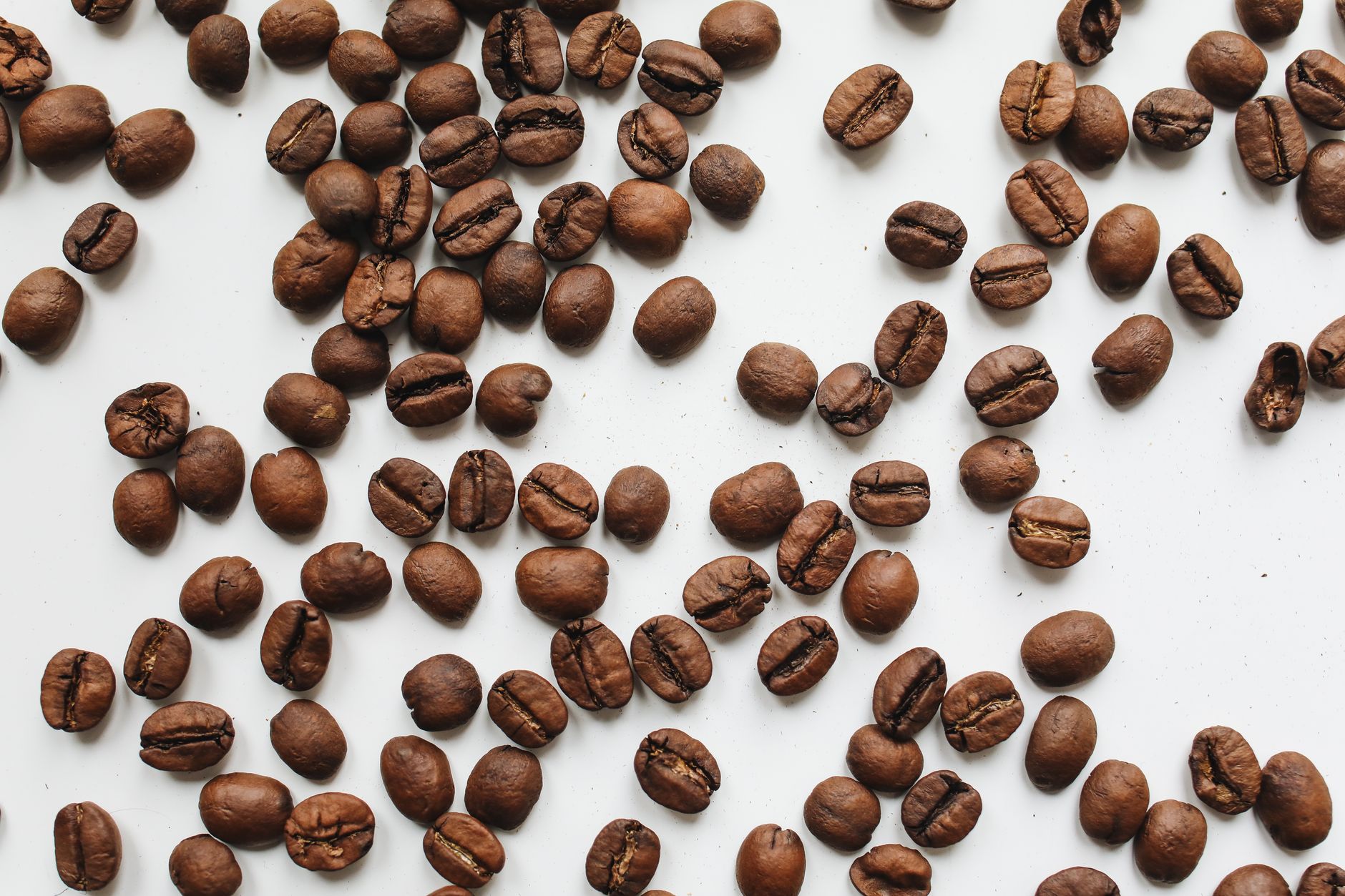
These picks span filter, espresso, and subscription use cases. All are sourced from named Colombian regions, roasted with restraint, and available to order in the US without a café membership or roaster relationship.
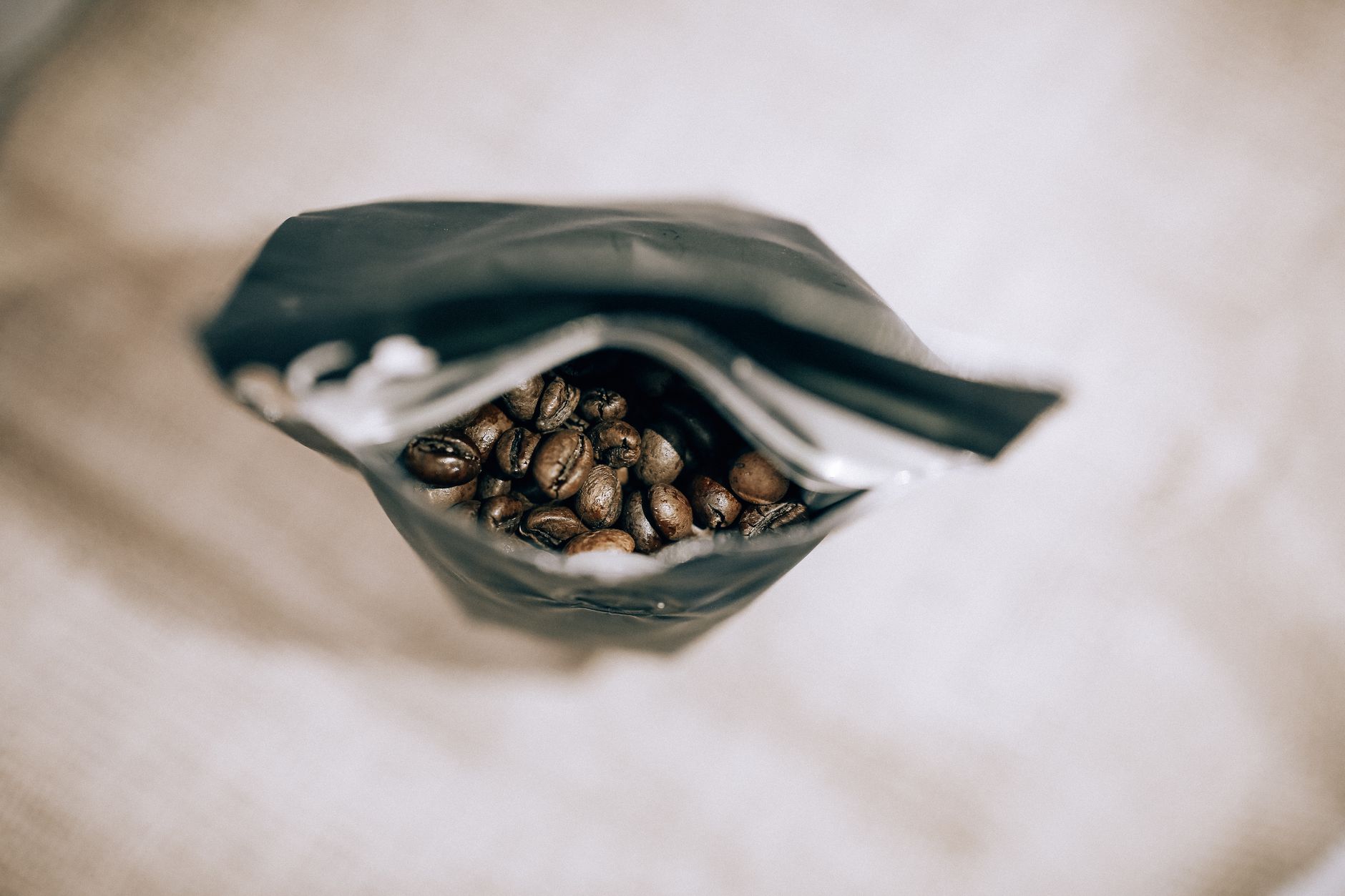 Photo: Melike B via Pexels
Best Overall: Intelligentsia El Diablo Colombia
Intelligentsia’s El Diablo sources from small farms in Huila and Cauca. The roast sits squarely in the medium zone — no char, no bake — and the cup opens with apricot jam, brown sugar, and a winey finish that holds up through milk. Works as pour-over and pulls a clean 9-bar shot without extra dialing.
Best Budget Pick: Volcanica Colombian Supremo
Volcanica Colombian Supremo is whole-bean, fresh-roasted to order, and sits under $20/lb. It’s a Huila Supremo-grade washed bean roasted medium. Expect chocolate, caramel, and mild citrus — nothing that’ll win a cupping competition, but a consistently enjoyable daily driver. Excellent for auto-drip and French press.
Best for Espresso: Onyx Coffee Lab Colombia Blend
Onyx’s Colombia-forward espresso blend is built for 18–20g baskets at 93–94°C. The washed Huila component carries structure and acidity; the natural Nariño adds body and fruit. Pull it at 1:2.2 ratio for a shot that works straight or in milk drinks.
Best Subscription: Trade Coffee Colombian Selections
Trade Coffee algorithmically matches you to Colombian roasters based on your brew method and flavor preferences. If you call out “fruity, medium roast, pour-over,” you’ll cycle through Onyx, Passenger, and smaller regional roasters without chasing down each bag manually. See our Trade Coffee Review (2026) for full details.
Best Single-Origin: Passenger Coffee Nariño
Passenger’s Nariño sits at 2,100 MASL, washed, and tastes like peach oolong tea with a brown sugar close. It’s a pourover-specific bean — grind fine for V60, slightly coarser for Chemex. Don’t run it through an espresso machine unless you want a sharp, polarizing shot.
Colombian Coffee Regions Compared
| Region | Altitude (MASL) | Processing | Best Roast | Tasting Notes |
|---|---|---|---|---|
| Huila | 1,700–2,100 | Washed | Medium | Dark cherry, blackcurrant, caramel |
| Nariño | 1,900–2,300 | Washed | Light–Medium | Peach, citrus, jasmine |
| Antioquia | 1,500–1,800 | Washed | Medium | Chocolate, hazelnut, mild citrus |
| Cauca | 1,700–2,000 | Washed/Natural | Medium | Plum, brown sugar, floral |
| Sierra Nevada | 1,400–1,800 | Washed | Medium–Dark | Almond, cocoa, mild acidity |
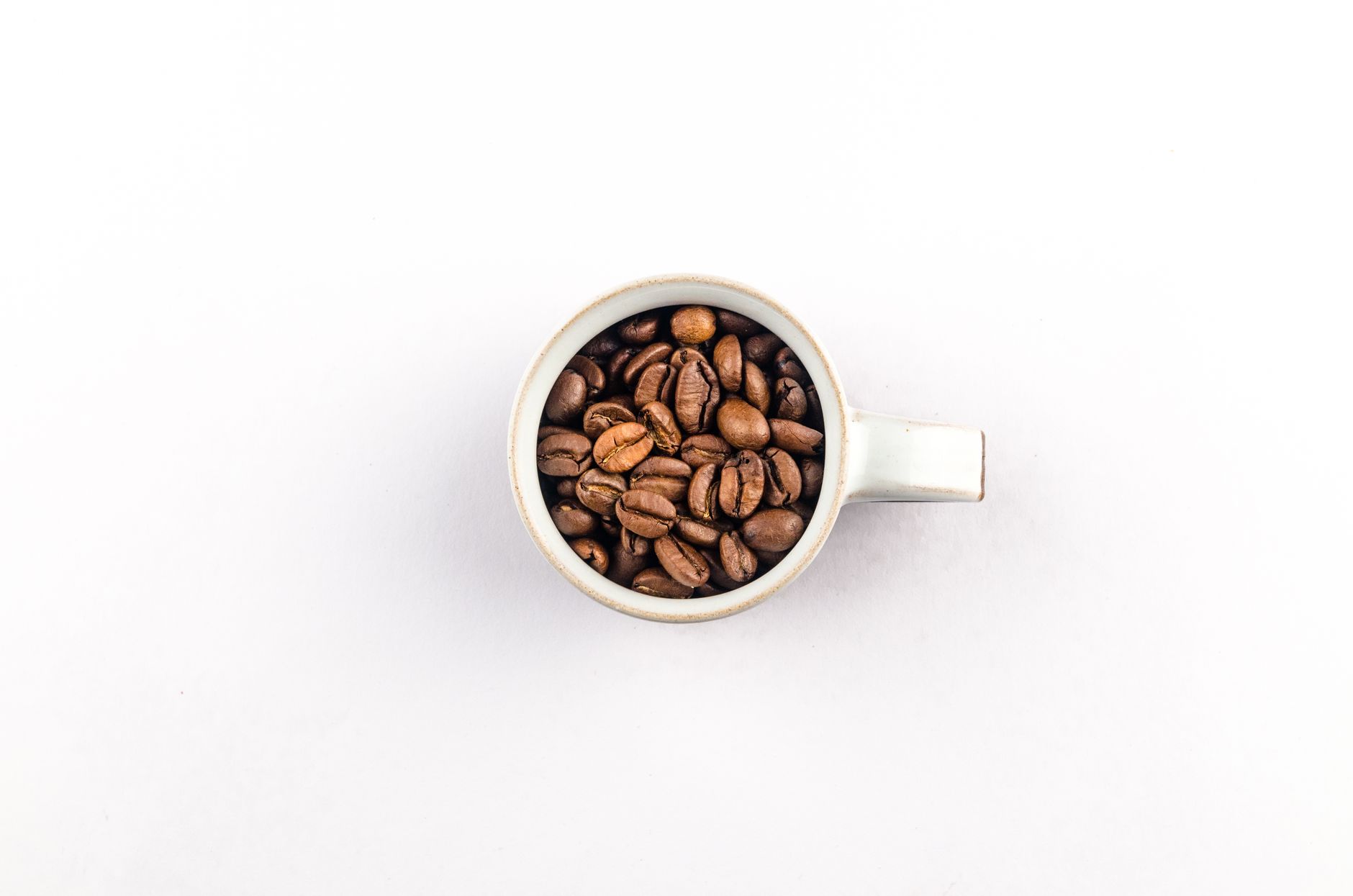
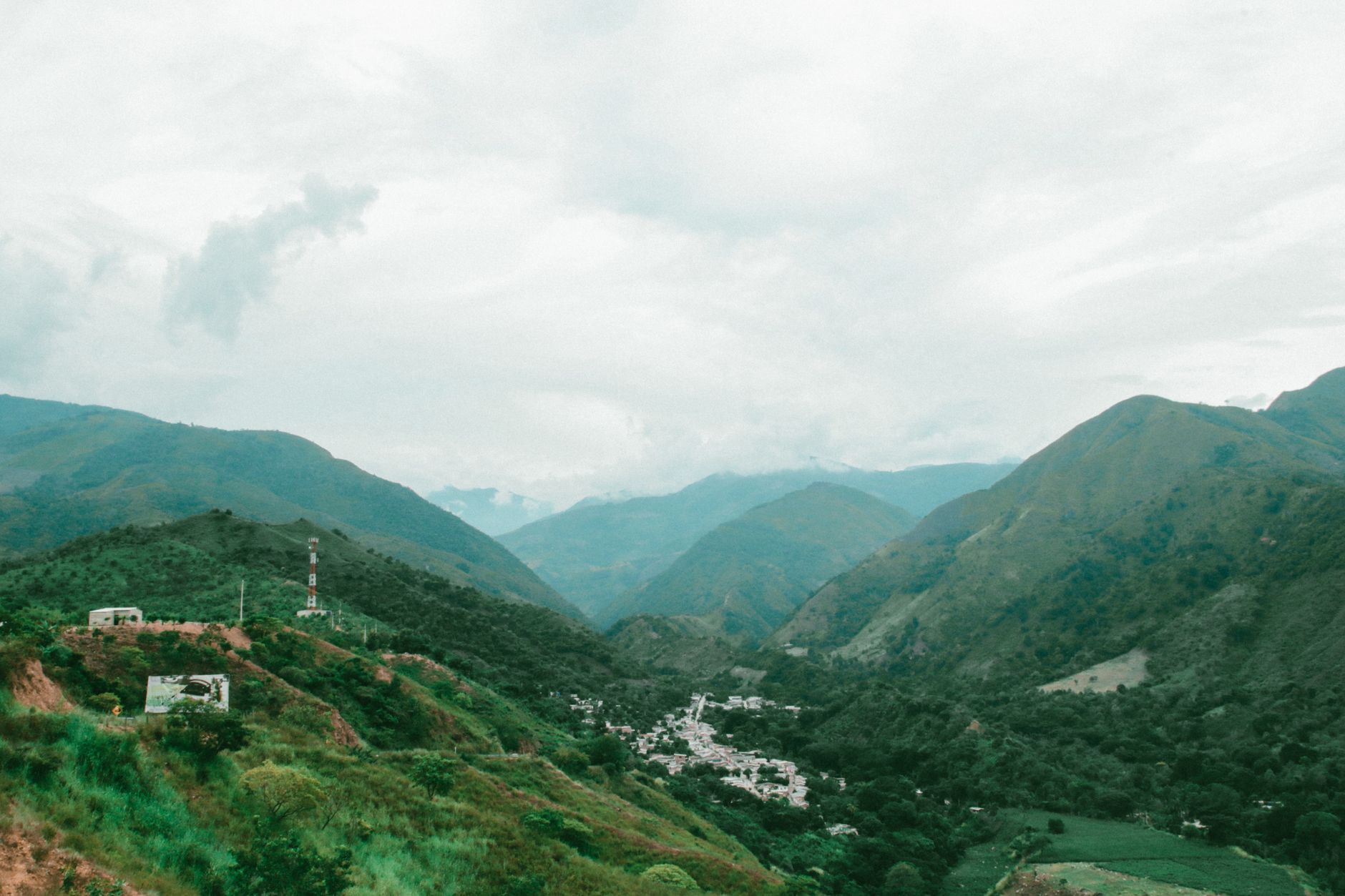 Photo: Luis Quintero via Pexels
Buying Guide: How to Choose the Right Bag
Match the bean to your brew method first, region second. A light-roasted Nariño single-origin punishes a poorly calibrated espresso setup. A dark-roasted Antioquia blend will taste flat in a V60. Get the method fit right and the rest falls into place.
For Pour-Over and Filter
Go light to medium roast, single-origin, Huila or Nariño. Look for roast dates within 7–21 days for peak solubility. Grind at 25–28 clicks on a Baratza Encore
For Espresso
Medium roast, 10+ days post-roast (CO₂ must degass or shots channel). Blends outperform single-origins here for consistency across seasons. Dial starting point: 18g in / 38–40g out / 27–32 seconds at 93°C.
For French Press and Auto-Drip
Medium to medium-dark, coarser grind. Volcanica and any Antioquia-region bean holds up to full immersion without turning muddy. Freshness matters less here — up to 30 days post-roast is fine.
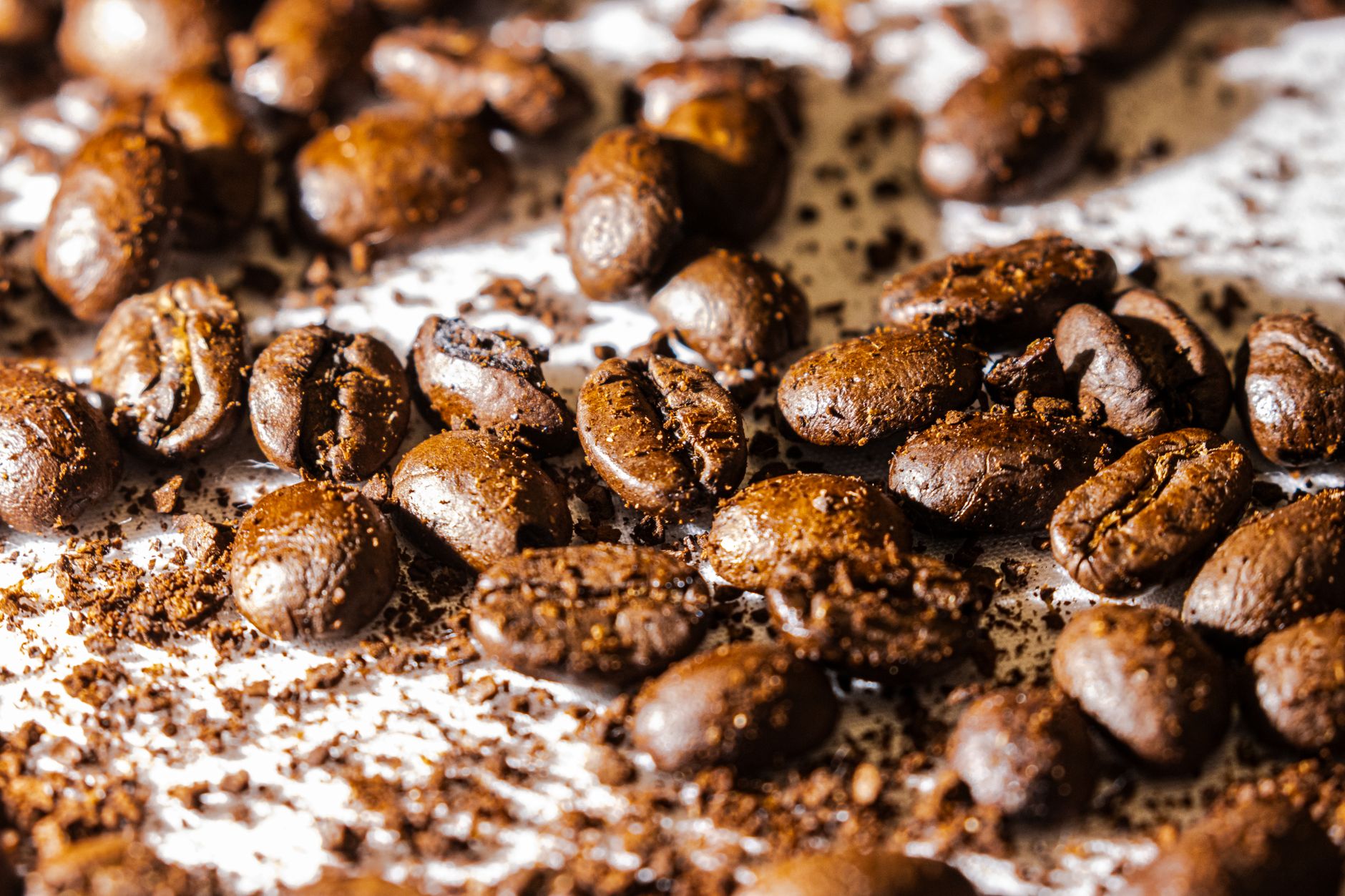
 Photo: Selim Karadayı via Pexels
Coffee Module C — Beans & Origins
Origin Profile
| Country | Altitude (MASL) | Processing | Roast | Tasting Notes |
|---|---|---|---|---|
| Colombia (Huila) | 1,700–2,100 | Washed | Medium | Cherry, caramel, cocoa |
| Colombia (Nariño) | 1,900–2,300 | Washed | Light | Peach, jasmine, bright citrus |
| Colombia (Antioquia) | 1,500–1,800 | Washed | Med–Dark | Hazelnut, milk chocolate, mild acid |
| Colombia (Cauca) | 1,700–2,000 | Washed/Natural | Medium | Plum, brown sugar |
Brew Method Pairing & Grind
- V60 / Chemex: Light–medium Nariño or Huila. Grind medium-fine. Water 92–94°C. 1:15–1:16 ratio.
- Espresso: Medium-roast Huila or blend. 18g dose, 93°C, 9 bar. Rest 10–14 days post-roast.
- French Press: Medium Antioquia. Coarse grind (28–32 on Encore). 4-minute steep. 93°C water.
- Cold Brew: Any medium roast. Coarse grind. 16–20 hours at fridge temp. 1:8 ratio concentrate.
- Espresso dose/temp offset: For Nariño (high acidity), drop temp 0.5–1°C and extend ratio to 1:2.3–2.4 to avoid sharpness.
Freshness & Storage
- Degassing: 5–10 days for filter; 10–14 days for espresso
- Storage: Airtight container, room temperature, away from light. Avoid fridge.
- Shelf life after opening: 3–4 weeks for filter; 3 weeks for espresso before flavor degrades noticeably
- Whole bean vs. ground: Always whole bean if possible — grind within 30 minutes of brewing
How to Spot a Good Colombian Bag
The bag itself is a filter. Look for:
- Roast date (not “best by”) — within 30 days for filter, 10–28 days for espresso
- Region or farm name — “Colombia” alone tells you almost nothing
- Processing method — washed = clean and bright; natural = fruity and heavy
- Variety — Caturra, Castillo, and Colombia are common; Gesha commands a premium
- Altitude — higher is generally slower-growing and more complex, but not automatically better
Avoid: “dark roasted Colombian blend” with no origin detail, vacuum-sealed with no roast date, or anything labeled only “Supremo” without additional provenance.
→ See also:
- Coffee Bean Guide: Origins, Roasts, and How to Choose
- Best Coffee Subscription Boxes (2026 Ranked)
- Trade Coffee Review (2026): Is It Worth It?
FAQ
What is the best Colombian coffee for beginners? Volcanica Colombian Supremo is the easiest entry point — consistent, affordable, medium roast, and forgiving across brew methods. It won’t demand a perfectly calibrated grinder or precise water temperature to taste good.
Is Colombian coffee good for espresso? Yes, particularly medium-roast Huila and Cauca beans or blends built around them. Single-origin Colombian espresso works but requires precise dialing — the brightness that makes it shine in pour-over can turn sharp in a 25-second shot if the ratio isn’t extended slightly.
What’s the difference between Colombian Supremo and Excelso grades? Supremo is screen size 18 or larger; Excelso is screen 14–16. Larger beans roast more evenly, which is why Supremo commands a slight premium on commodity markets. Neither grade tells you about flavor, region, or processing method — only bean size.
How fresh should Colombian coffee be? For filter brewing, 7–21 days post-roast is the sweet spot. For espresso, wait at least 10 days — fresh beans off-gas CO₂ aggressively and cause uneven extraction. Beyond 30 days, most Colombian washed coffees start losing their high notes.
Why does Colombian coffee taste different from Ethiopian coffee? Processing and terroir. Most Colombian coffee is washed (wet-processed), which strips the fruit mucilage and produces a clean, bright cup. Ethiopian naturals ferment with the fruit intact, producing wilder, more fermented fruit notes. Colombian beans also grow in different soil types and at altitudes optimized for caramel-sweet acidity rather than the floral or blueberry character common in Ethiopian Yirgacheffe.
Are Colombian coffee subscriptions worth it? If you go through more than one bag per week and don’t want to chase roasters individually, yes. Trade Coffee and Atlas Coffee Club both rotate Colombian origins and can match your brew method to the right roast. For occasional buyers, a direct purchase from Intelligentsia or Onyx per-bag is better value.
Editorial methodology: Assessments are based on manufacturer specifications, published user reviews, and editorial research. Physical hands-on testing is noted explicitly where it occurred. Rankings reflect our editorial judgment and are not influenced by affiliate commission rates. Full editorial policy · Affiliate disclosure