Contents
Best Coffee Beans for Cold Brew (2026)
TL;DR: The best coffee beans for cold brew are medium-to-dark roasted, low-acid, and processed with methods that emphasize chocolate and fruit sweetness. Coarse-ground, high-quality single origins or intentional blends steep cleanest. Our top picks: Bizzy Organic Cold Brew, Verena Street Coffee Co., and Stumptown Hair Bender.
What Makes the Best Coffee Beans for Cold Brew?
Direct Answer: Cold brew extracts differently than hot methods — slow, room-temp steep pulls less acidity and more sweetness. You want beans with inherent sweetness, low-to-moderate brightness, and body that holds up diluted over ice. Medium or dark roasts from Central America, Brazil, or Indonesia dominate here.
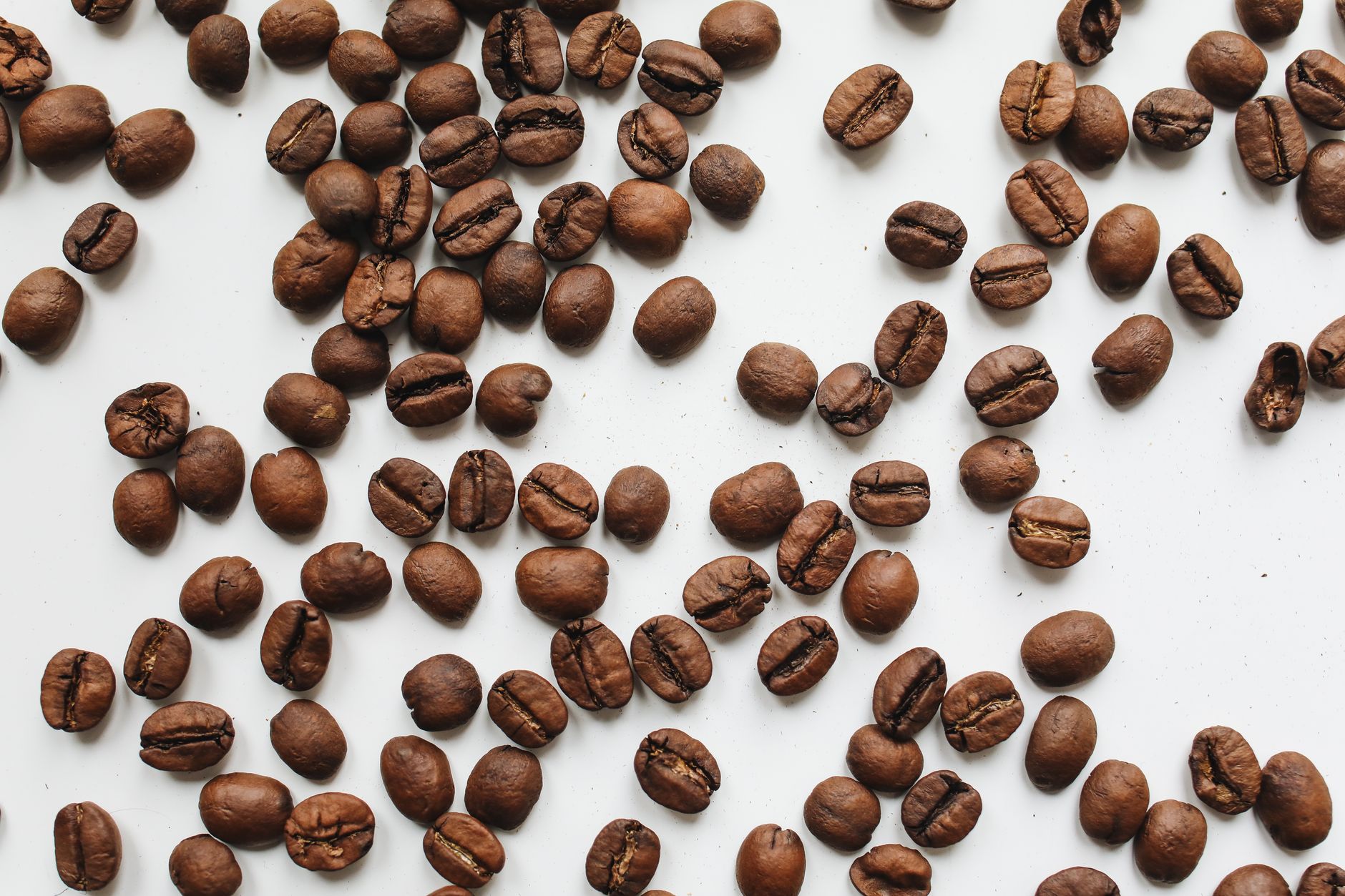
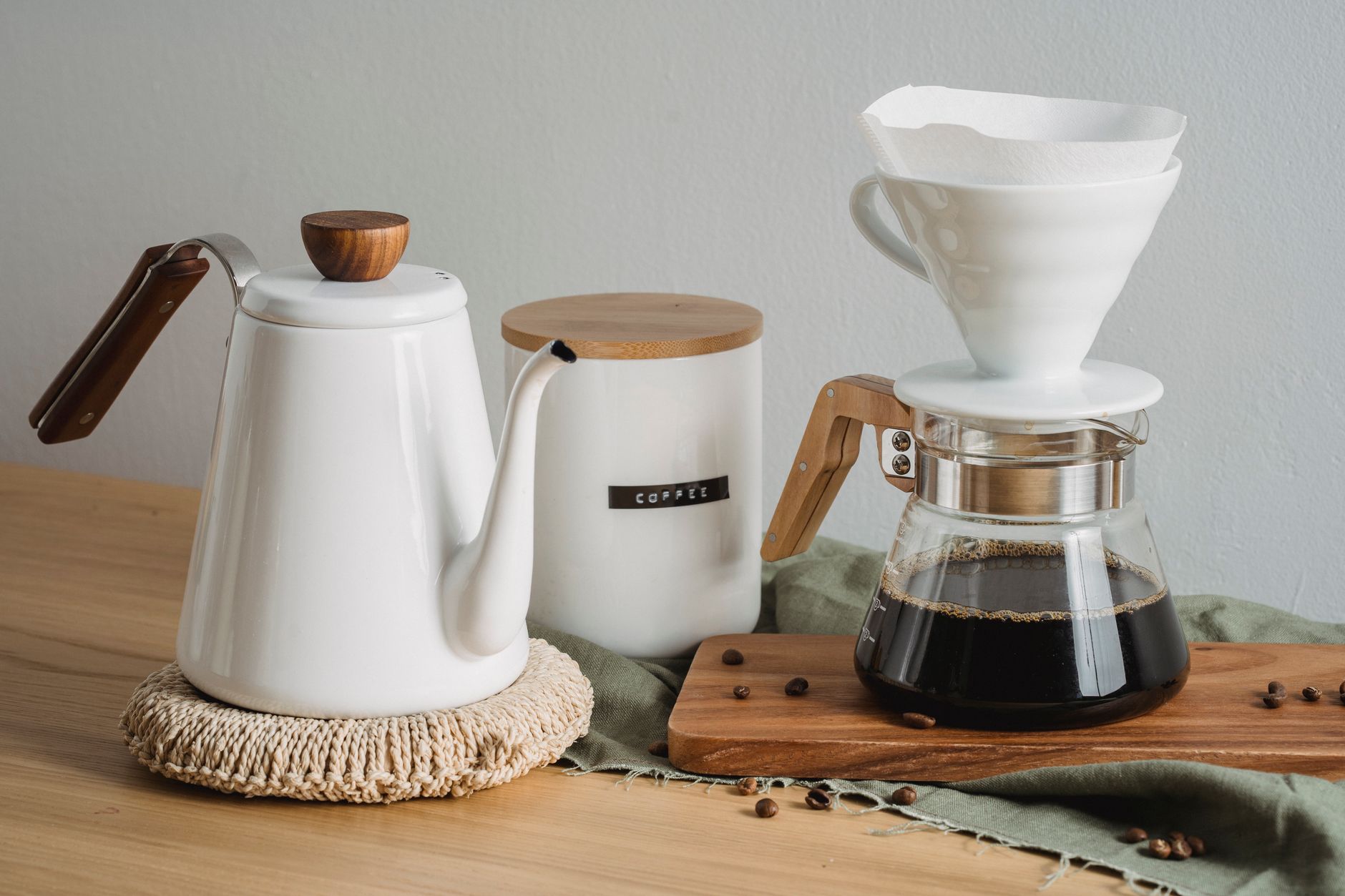 Photo: Nicola Barts via Pexels
Cold water extracts fewer acidic compounds but pulls oils and sugars efficiently over 12–24 hours. That’s why a bean that tastes thin or harsh as drip can become silky and chocolatey as cold brew. The roast level matters more here than almost any other brew method — light roasts often come out underdeveloped and sour; medium to dark delivers cocoa, caramel, and stone fruit without bitterness.
Grind coarse, like breadcrumbs. Fine grind over-extracts, clogs filters, and produces a muddy, bitter concentrate.
Top 7 Best Coffee Beans for Cold Brew (2026)
1. Bizzy Organic Cold Brew Coffee
Direct Answer: Purpose-formulated for cold brew. Coarse pre-ground blend of Brazilian and Colombian beans, certified organic, consistent batch-to-batch — the easiest entry point for anyone making cold brew at home.
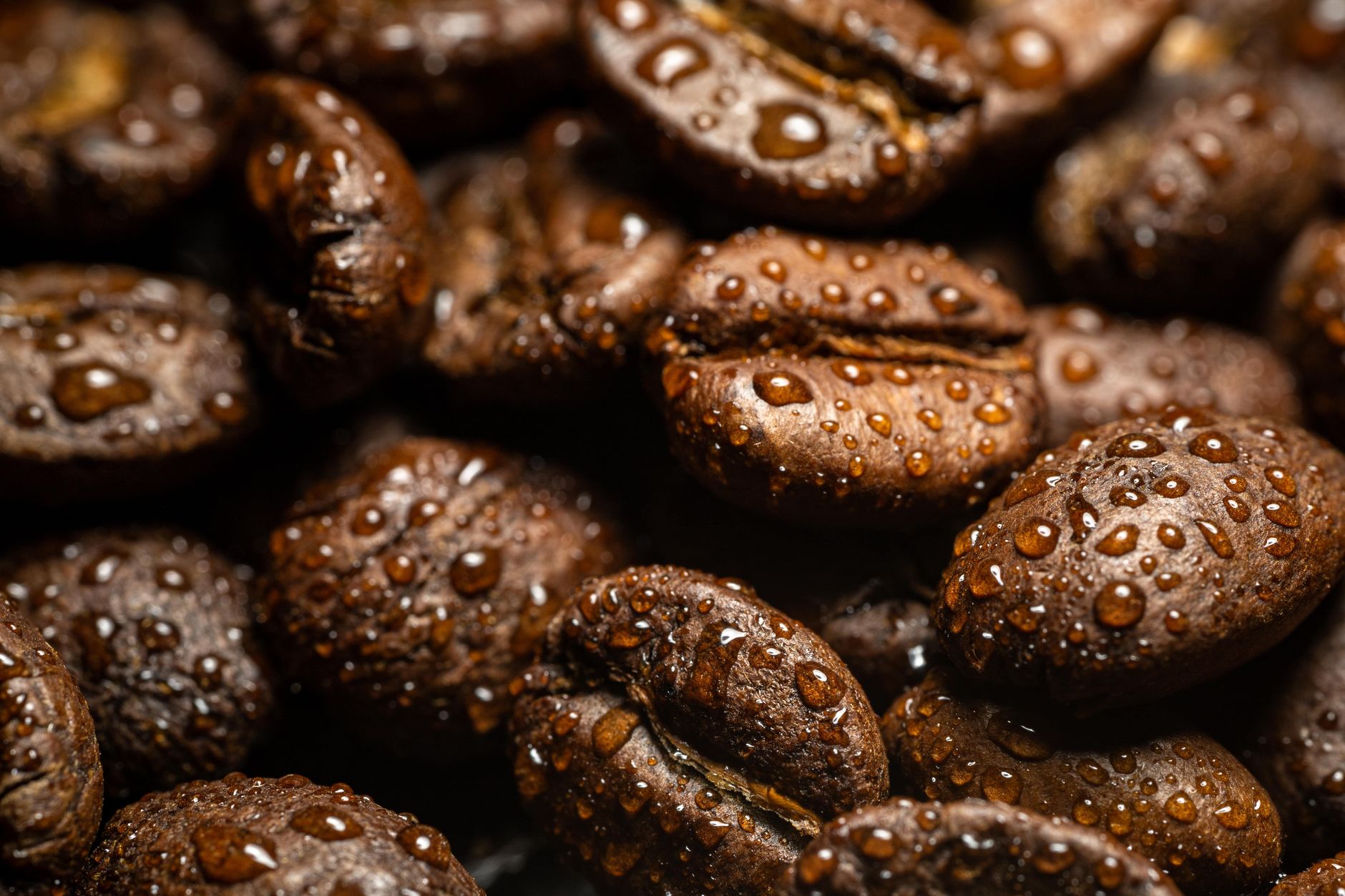 Photo: Ignacio Vazquez via Pexels
Bizzy’s blend is medium-dark roasted and blended specifically for slow extraction. The cup is sweet, chocolatey, and low-acid with a syrupy body. Pre-ground at the right coarseness is a genuine advantage if you don’t own a quality burr grinder.
Tasting notes: Dark chocolate, brown sugar, light hazelnut
Roast: Medium-dark
Origin blend: Brazil + Colombia
Best for: Beginners, batch brewing, milk-based cold brew drinks
2. Stumptown Coffee Hair Bender
Direct Answer: A benchmark specialty blend that punches above its weight in cold brew. Developed for espresso but thrives in cold brew — the complexity holds through dilution.
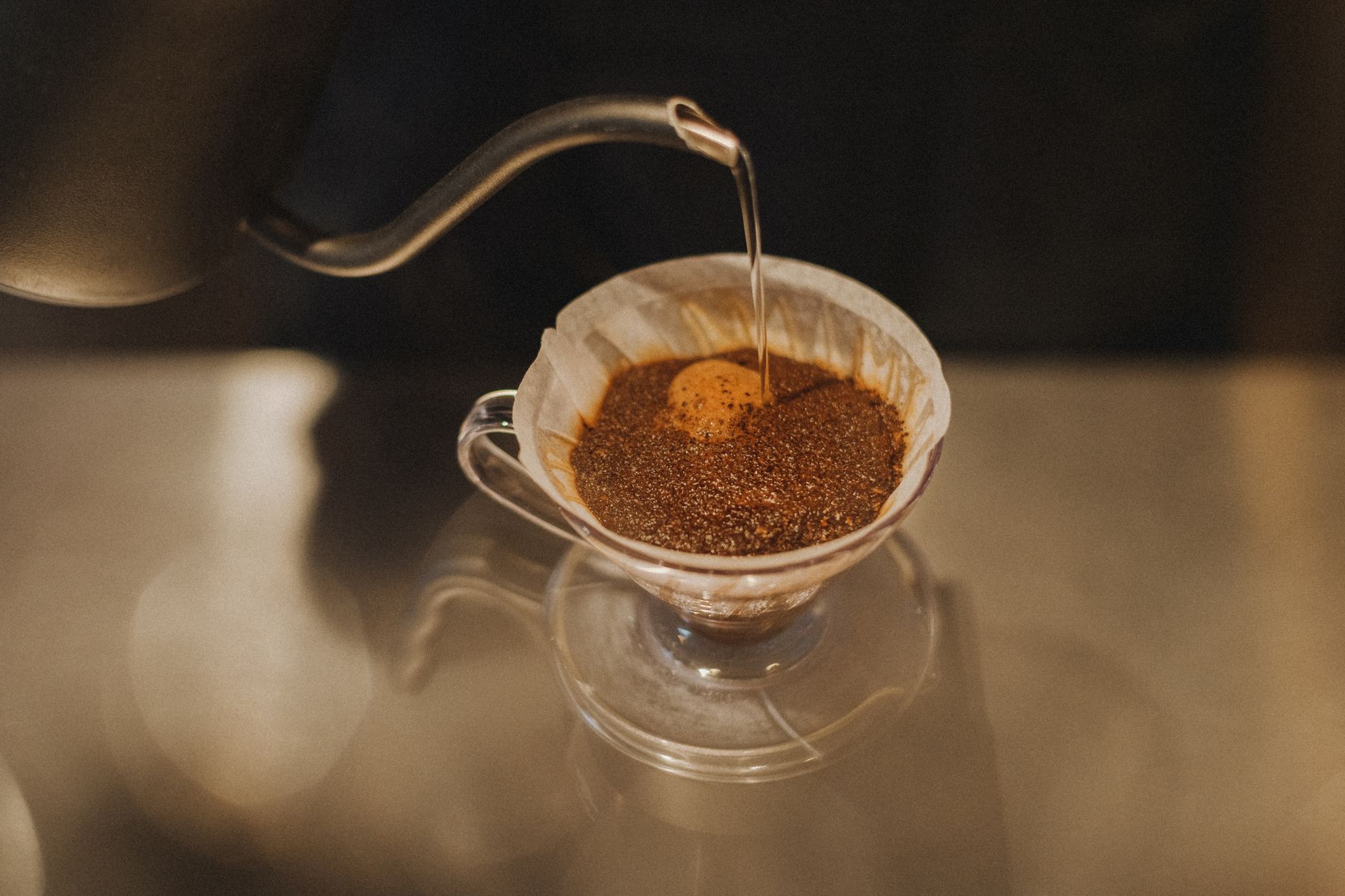 Photo: Gu Ko via Pexels
Hair Bender uses rotating origins — usually a backbone of Latin American beans with Sumatran or African accents. The result is a complex cold brew with caramel sweetness, a fruit edge, and lingering chocolate finish. Buy whole bean and grind coarse yourself.
Tasting notes: Caramel, dark cherry, baker’s chocolate
Roast: Medium
Origin blend: Rotating (Latin America + Indonesia + East Africa)
Best for: Specialty drinkers who want complexity in concentrate
3. Verena Street Coffee Co. Shotgun Alley
Direct Answer: One of the best value-per-ounce options available. Dark roast with consistent extraction, zero astringency, and a clean cup that scales well to large batches.
Shotgun Alley is a no-nonsense dark roast blend optimized for big flavor. It brews consistently whether you’re making 32 oz or a gallon. Low acid, smooth, and full-bodied — particularly good if you’re cutting with milk or cream.
Tasting notes: Milk chocolate, toasted almond, vanilla finish
Roast: Dark
Origin blend: Central/South America
Best for: Large-batch brewing, cream-forward drinks
4. Stone Street Coffee Cold Brew Reserve
Direct Answer: Colombian single origin, dark roast, pre-ground at cold brew coarseness. Simple, reliable, widely available — a solid everyday choice.
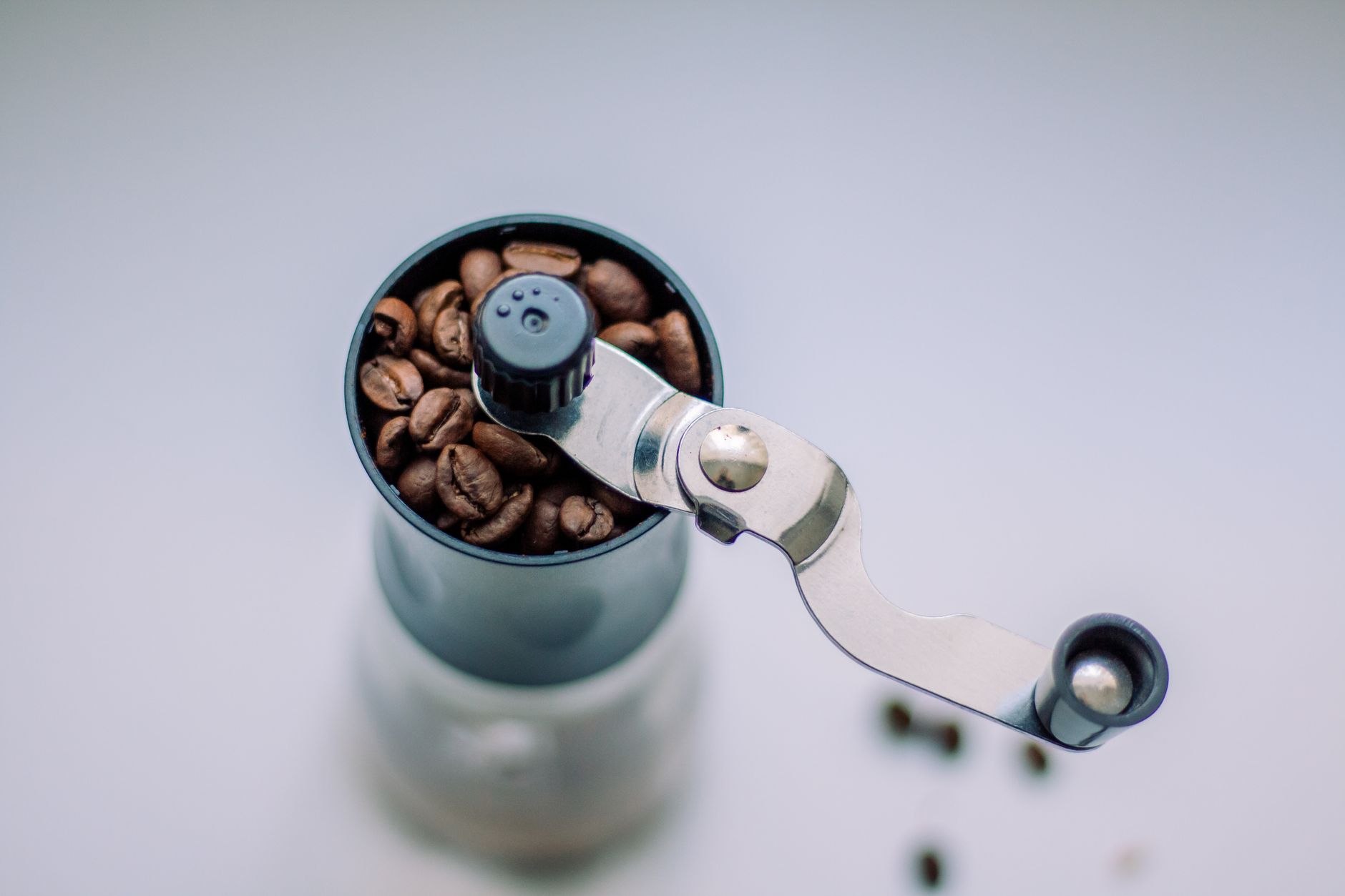 Photo: Sedanur Kunuk via Pexels
Stone Street’s Cold Brew Reserve is Colombian Supremo roasted dark and ground specifically for immersion cold brew. It’s a straightforward cup: rich, low-acid, and sweet. Not the most complex, but dependably good and priced competitively for everyday use.
Tasting notes: Dark chocolate, brown sugar, mild citrus
Roast: Dark
Origin: Colombia
Best for: Everyday batches, budget-conscious buyers
5. Tiny Footprint Cold Press Organic
Direct Answer: Carbon-negative certified, USDA organic, and purpose-built for cold press. Nicaraguan beans, medium-dark roast, and a genuinely clean environmental story for buyers who care about sourcing.
Tiny Footprint donates a portion of revenue to reforestation in Ecuador — and the coffee itself is actually good. Smooth, slightly sweet with cocoa notes and no unpleasant bitterness. Consistent enough for daily batching.
Tasting notes: Bittersweet chocolate, walnut, brown sugar
Roast: Medium-dark
Origin: Nicaragua
Best for: Eco-conscious buyers, clean-tasting cold brew
6. S&W Seed Co. / Wandering Bear Whole Bean
Direct Answer: USDA organic blend, intended for cold brew, with a bold dark roast profile. Ships whole bean, holds freshness well, and delivers a reliable strong concentrate.
Wandering Bear built their brand on ready-to-drink cold brew, and their whole bean translates that same profile to home brewing. Full-bodied, low-acid, good for straight concentrate drinking or mixing.
Tasting notes: Dark cocoa, caramelized sugar, subtle smoke
Roast: Dark
Origin blend: Central/South America
Best for: Bold drinkers, straight black cold brew
7. Trade Coffee Subscription (Best for Cold Brew)
Direct Answer: Not a single product — Trade’s personalized subscription lets you filter for roaster-recommended cold brew beans. Best option for specialty-sourced, freshly roasted whole beans delivered to order.
Trade connects you with 50+ independent roasters. Filter for “cold brew” in the preference quiz and you’ll receive whole-bean options matched to the profile: usually medium-dark, low-acid, high sweetness. Freshness is the biggest differentiator here — beans arrive within days of roast, not months.
Best for: Specialty coffee buyers, whole-bean grinders, subscription convenience
Cold Brew Bean Comparison Table
| Bean | Roast | Origin | Pre-ground? | Best For | Price Range |
|---|---|---|---|---|---|
| Bizzy Organic Cold Brew | Medium-Dark | Brazil/Colombia | Yes | Beginners, convenience | $ |
| Stumptown Hair Bender | Medium | Rotating blend | No | Specialty, complexity | $$ |
| Verena Street Shotgun Alley | Dark | C/S America | No | Large batches, value | $ |
| Stone Street Cold Brew Reserve | Dark | Colombia | Yes | Everyday, budget | $ |
| Tiny Footprint Cold Press | Medium-Dark | Nicaragua | Yes | Eco-conscious buyers | $$ |
| Wandering Bear Whole Bean | Dark | C/S America | No | Bold black cold brew | $$ |
| Trade Coffee Subscription | Varies | Varies | No | Freshness, variety | $$–$$$ |
Coffee Module C — Beans & Origins for Cold Brew
Origin Table
| Country | Altitude (MASL) | Processing | Roast | Tasting Notes |
|---|---|---|---|---|
| Brazil | 800–1,200 | Natural / Pulped Natural | Medium-Dark | Chocolate, nuts, low acid |
| Colombia | 1,500–2,000 | Washed | Medium-Dark | Caramel, red fruit, balanced |
| Nicaragua | 1,200–1,600 | Washed / Natural | Medium | Cocoa, brown sugar, clean |
| Sumatra | 1,000–1,500 | Wet-Hulled | Dark | Earthy, cedar, full body |
| Guatemala | 1,500–2,000 | Washed | Medium | Milk chocolate, dried fruit |
Pairing: Brew Method, Grind & Dose Adjustments
Grind: Always coarse — around 900–1000 microns, similar to raw sugar. A blade grinder produces uneven fines that over-extract and cloud the brew; use a burr grinder.
Dose: Standard ratio is 1:8 (coffee:water by weight) for concentrate, 1:15 for ready-to-drink. For 32 oz concentrate: 140g coffee / 1,120g water.
Steep time: 16–24 hours refrigerated. Room-temp steeps work in 12–14 hours but increase fermentation risk. Refrigerator-first is safer and produces a cleaner cup.
Espresso offset for cold brew concentrate: If using as an espresso substitute, dose slightly higher (1:6) and target 18–20 hours. No temperature offset required.
Freshness & Storage
| Stage | Recommendation |
|---|---|
| Degassing | Whole beans: rest 5–10 days post-roast; pre-ground: 2–5 days |
| Storage | Airtight container, away from light and heat — not the freezer for daily-use |
| Shelf life (whole bean, opened) | 2–3 weeks at peak; 4–6 weeks acceptable |
| Brewed cold brew concentrate | Refrigerated up to 14 days; flavor peaks days 1–7 |
→ See Also
- Coffee Bean Guide: Origins, Roasts, and How to Choose
- Best Coffee Subscription Boxes (2026 Ranked)
- Trade Coffee Review (2026): Is It Worth It?
FAQ
What roast is best for cold brew? Medium to dark roast. Light roasts often produce a sour, underdeveloped cup because cold water can’t fully extract their higher acidity. Medium and dark roasts extract cleanly, yielding chocolate, caramel, and nut sweetness that reads as smooth rather than bitter.
Can I use any coffee beans for cold brew? Yes, but results vary significantly. Any bean can steep cold — but beans with high natural acidity (most East African light roasts) often taste sharp or unpleasantly sour in cold brew. Stick to low-acid origins like Brazil, Colombia, and Nicaragua for the cleanest cups.
Should I buy pre-ground or whole bean for cold brew? Whole bean if you own a burr grinder. Cold brew requires a consistent coarse grind — pre-ground options like Bizzy and Stone Street are formulated for it, but whole bean gives you fresher extraction and more control. Avoid blade grinders for cold brew; the uneven particle size causes over-extraction.
How much coffee do I use for cold brew? For concentrate: 1:8 coffee-to-water ratio by weight (e.g., 100g coffee / 800g water). For ready-to-drink: 1:15. Concentrate can be diluted 1:1 with water or milk at serving. Most commercial cold brews are sold as 2x concentrate.
How long should I steep cold brew? 16–24 hours refrigerated. Under 12 hours risks under-extraction (thin, sour). Over 24 hours can push toward over-extraction (bitter, astringent). 18 hours in the refrigerator is a reliable sweet spot for most medium-dark roasts.
Is single origin or blend better for cold brew? Both work. Blends — like Bizzy or Hair Bender — are often engineered for consistency and balance, which is ideal for cold brew’s forgiving extraction. Single origins shine when you want distinctive flavor (a fruity Nicaraguan, an earthy Sumatran), but they demand more precision in grind and steep time.
Does water quality affect cold brew? More than it affects hot brewing. Cold brew uses no heat to mask mineral flavors, so chlorinated tap water comes through clearly. Use filtered or spring water in the 50–150 ppm TDS range for best results.
<script type="application/ld+json">
{
  "@context": "https://schema.org",
  "@graph": [
    {
      "@type": "FAQPage",
      "mainEntity": [
        {
          "@type": "Question",
          "name": "What roast is best for cold brew?",
          "acceptedAnswer": {
            "@type": "Answer",
            "text": "Medium to dark roast. Light roasts often produce a sour, underdeveloped cup because cold water can't fully extract their higher acidity. Medium and dark roasts extract cleanly, yielding chocolate, caramel, and nut sweetness."
          }
        },
        {
          "@type": "Question",
          "name": "Can I use any coffee beans for cold brew?",
          "acceptedAnswer": {
            "@type": "Answer",
            "text": "Yes, but results vary. Beans with high natural acidity often taste sharp in cold brew. Stick to low-acid origins like Brazil, Colombia, and Nicaragua for the cleanest cups."
          }
        },
        {
          "@type": "Question",
          "name": "Should I buy pre-ground or whole bean for cold brew?",
          "acceptedAnswer": {
            "@type": "Answer",
            "text": "Whole bean if you own a burr grinder. Cold brew requires a consistent coarse grind. Pre-ground options like Bizzy and Stone Street are formulated for it, but whole bean gives fresher extraction and more control."
          }
        },
        {
          "@type": "Question",
          "name": "How much coffee do I use for cold brew?",
          "acceptedAnswer": {
            "@type": "Answer",
            "text": "For concentrate: 1:8 coffee-to-water ratio by weight (e.g., 100g coffee / 800g water). For ready-to-drink: 1:15. Concentrate can be diluted 1:1 with water or milk at serving."
          }
        },
        {
          "@type": "Question",
          "name": "How long should I steep cold brew?",
          "acceptedAnswer": {
            "@type": "Answer",
            "text": "16–24 hours refrigerated. Under 12 hours risks under-extraction. Over 24 hours can push toward over-extraction. 18 hours refrigerated is a reliable sweet spot for most medium-dark roasts."
          }
        },
        {
          "@type": "Question",
          "name": "Is single origin or blend better for cold brew?",
          "acceptedAnswer": {
            "@type": "Answer",
            "text": "Both work. Blends are often engineered for consistency and balance, ideal for cold brew. Single origins shine when you want distinctive flavor, but demand more precision in grind and steep time."
          }
        },
        {
          "@type": "Question",
          "name": "Does water quality affect cold brew?",
          "acceptedAnswer": {
            "@type": "Answer",
            "text": "More than it affects hot brewing. Cold brew uses no heat to mask mineral flavors. Use filtered or spring water in the 50–150 ppm TDS range for best results."
          }
        }
      ]
    },
    {
      "@type": "ItemList",
      "name": "Best Coffee Beans for Cold Brew (2026)",
      "itemListElement": [
        {
          "@type": "ListItem",
          "position": 1,
          "name": "Bizzy Organic Cold Brew Coffee",
          "description": "Purpose-formulated medium-dark Brazilian and Colombian blend, pre-ground at cold brew coarseness."
        },
        {
          "@type": "ListItem",
          "position": 2,
          "name": "Stumptown Coffee Hair Bender",
          "description": "Benchmark specialty blend with caramel, dark cherry, and baker's chocolate notes."
        },
        {
          "@type": "ListItem",
          "position": 3,
          "name": "Verena Street Shotgun Alley",
          "description": "Dark roast blend with milk chocolate and toasted almond, excellent for large batches."
        },
        {
          "@type": "ListItem",
          "position": 4,
          "name": "Stone Street Coffee Cold Brew Reserve",
          "description": "Colombian Supremo dark roast, pre-ground for cold brew, consistent everyday option."
        },
        {
          "@type": "ListItem",
          "position": 5,
          "name": "Tiny Footprint Cold Press Organic",
          "description": "Carbon-negative certified Nicaraguan medium-dark roast with bittersweet chocolate notes."
        },
        {
          "@type": "ListItem",
          "position": 6,
          "name": "Wandering Bear Whole Bean",
          "description": "USDA organic dark roast blend delivering bold, full-bodied cold brew concentrate."
        },
        {
          "@type": "ListItem",
          "position": 7,
          "name": "Trade Coffee Subscription",
          "description": "Personalized subscription matching you with freshly roasted cold brew-optimized whole beans."
        }
      ]
    }
  ]
}
</script>
Editorial methodology: Assessments are based on manufacturer specifications, published user reviews, and editorial research. Physical hands-on testing is noted explicitly where it occurred. Rankings reflect our editorial judgment and are not influenced by affiliate commission rates. Full editorial policy · Affiliate disclosure