Contents
Best Coffee Beans for Espresso (2026)
TL;DR: The best coffee beans for espresso are medium to dark roasts with low acidity, dense structure, and a roast date within 14 days. For most home setups, Lavazza Super Crema or Intelligentsia Black Cat hit the right balance of forgiving extraction and complex flavor. Specialty single-origins can work beautifully — they just demand tighter dialing.
What Makes a Coffee Bean Good for Espresso
Direct answer: Espresso’s high pressure and concentration demand beans with dense cell structure, moderate to low acidity, and enough sweetness to survive the 9-bar extraction without turning sharp or flat. Roast level, origin, and freshness all shape whether a bean extracts cleanly or fights you.
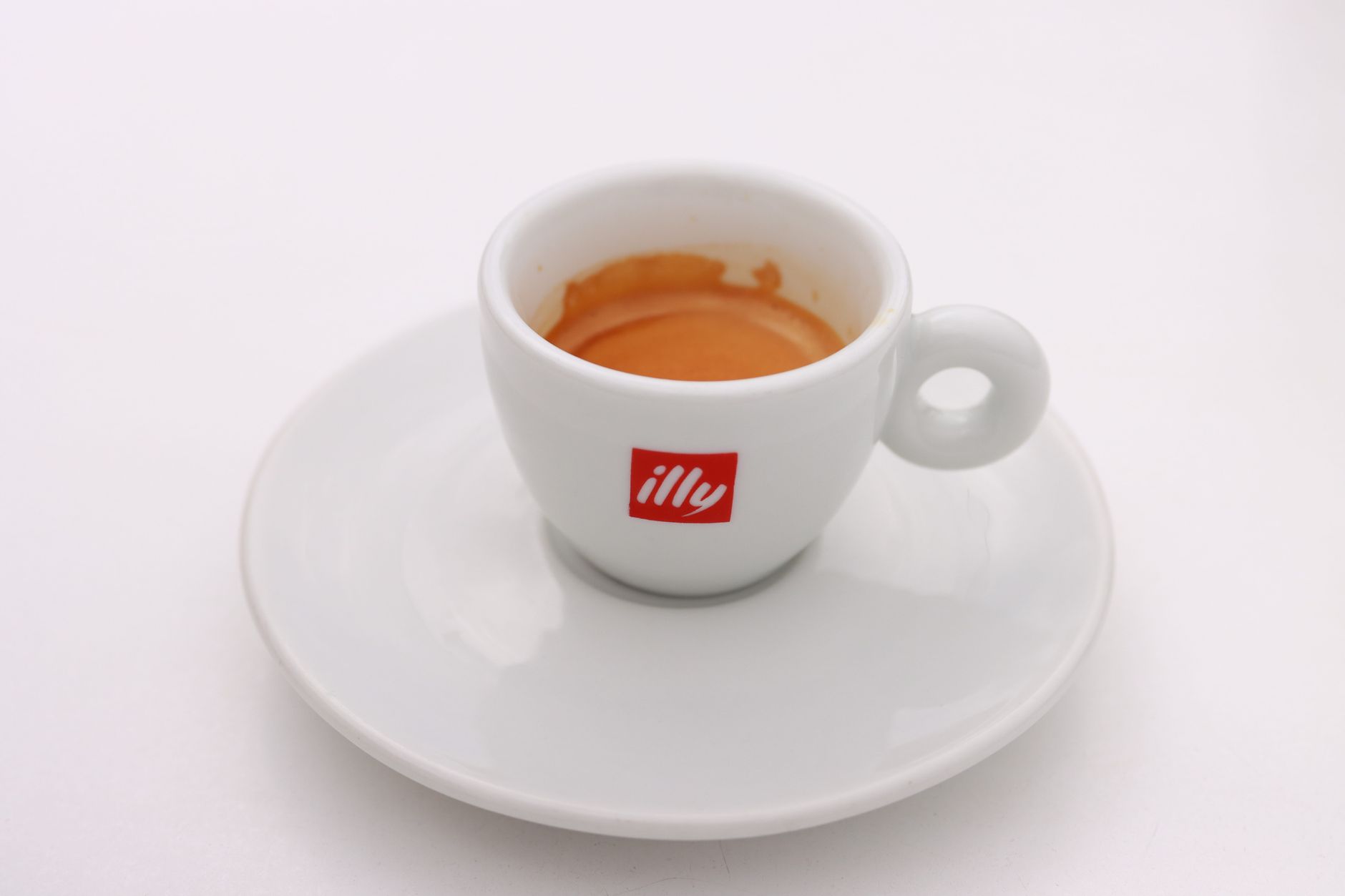 Photo: Efrem Efre via Pexels
Espresso extracts at roughly 9 bars of pressure in 25–30 seconds, which amplifies everything — sweetness, bitterness, acidity, body. A bean that’s pleasant as filter coffee can turn harsh, thin, or unpleasantly acidic under espresso conditions.
Three variables matter most:
- Roast level: Medium to medium-dark roasts have lower moisture, more soluble compounds, and oils that support crema. Very light roasts extract unevenly and often taste sour; very dark roasts go bitter fast.
- Density and processing: Washed coffees extract cleanly and predictably. Naturals add body and fruit but require tighter dose control. Dense high-altitude beans give you more room to work with before extraction goes wrong.
- Freshness: Espresso is unforgiving of stale beans. CO₂ released during degassing actually helps crema formation, but after 30+ days off roast you’re fighting dead beans. Sweet spot: 7–21 days post-roast.
Best Coffee Beans for Espresso: Top Picks
Best Overall: Lavazza Super Crema
Direct answer: Lavazza Super Crema is the most reliable all-around espresso bean for home baristas — medium-dark, pre-blended, consistent batch to batch, and produces excellent crema even on mid-range machines.
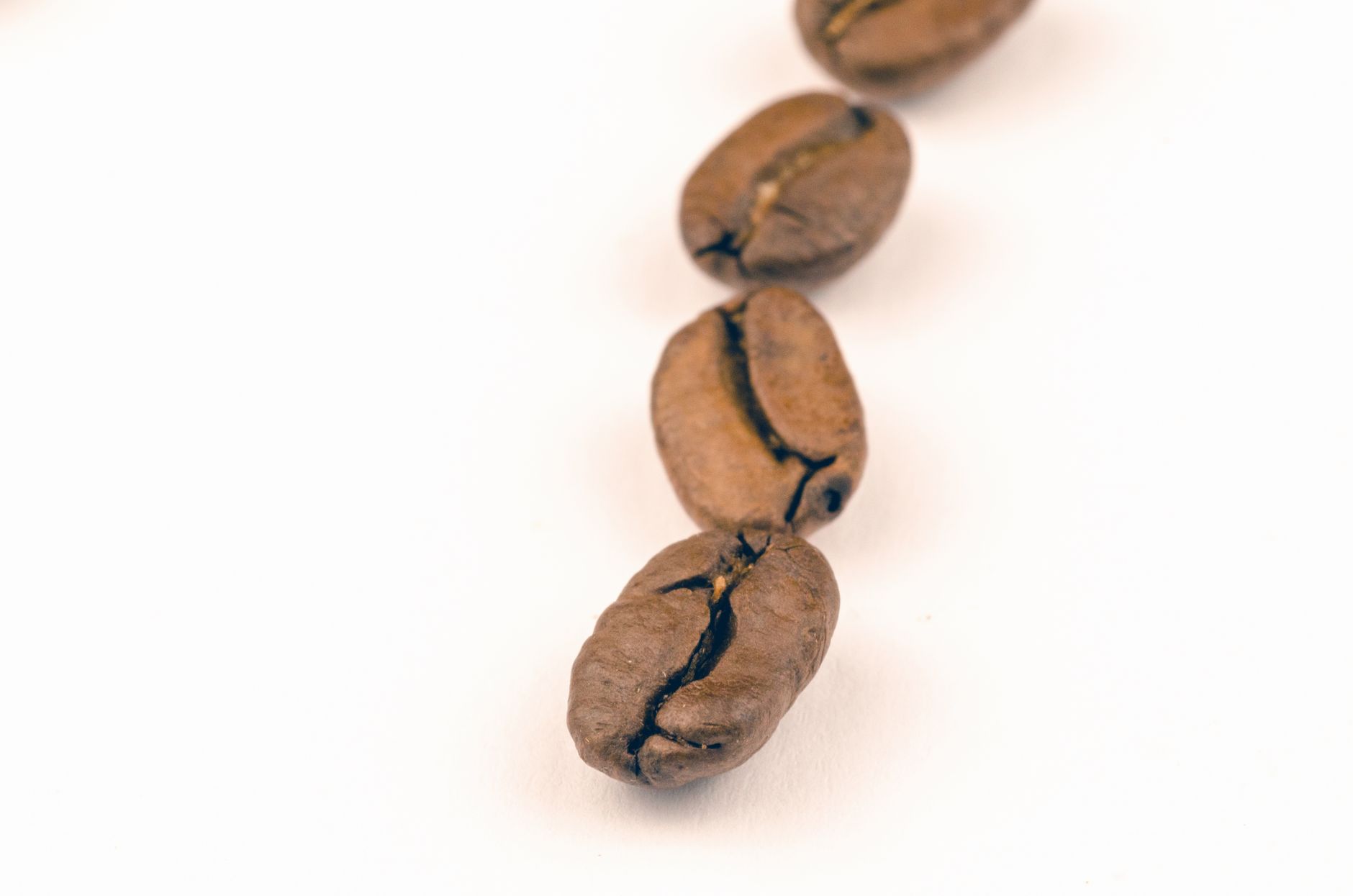 Photo: Lukas Blazek via Pexels
Lavazza Super Crema is a blend of Arabica (60%) and Robusta (40%) roasted to a medium-dark profile. The Robusta component does two things: it adds body and it boosts crema thickness, which is why this bean works so well on machines that don’t hit precise 9-bar pressure.
Tasting profile: hazelnut, brown sugar, light dried fruit. It’s not the most complex cup, but it’s deeply consistent — important when you’re dialing in and don’t want variables from the bean itself.
Grind target: Medium-fine, around 18–19g dose for a 36–38g yield in 28 seconds.
Best Specialty Single-Origin: Intelligentsia Black Cat Classic Espresso
Direct answer: Black Cat Classic is the benchmark specialty espresso blend — developed specifically for espresso, it extracts predictably and delivers chocolate, dark cherry, and molasses across a wide range of shot parameters.
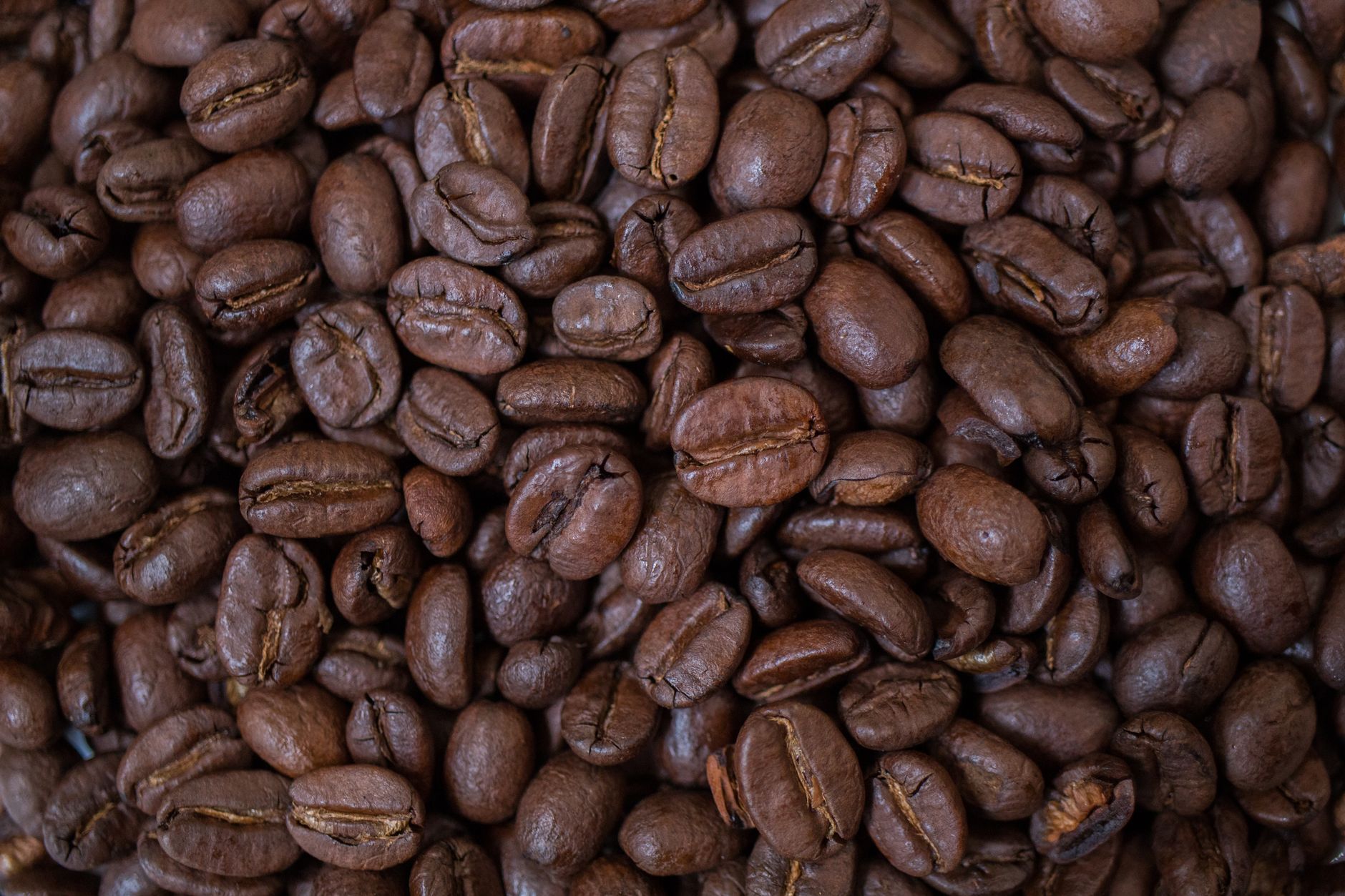 Photo: Vero Andrade via Pexels
Intelligentsia Black Cat Classic is a rotating blend anchored in washed Latin American beans (typically Colombia or Guatemala base) with an Ethiopian natural for fruit complexity. It’s roasted to a true medium — not as light as filter roasts, not dark enough to lose the origin character.
What sets it apart for espresso: the blend is calibrated for 1:2 ratio at 200°F, and Intelligentsia publishes its target parameters. That makes dialing in faster and more systematic.
Grind target: 18g dose, 36g yield, 28–32 seconds, 200°F / 93°C.
Best Budget Pick: Café Bustelo Espresso Roast
Direct answer: For budget espresso, Café Bustelo delivers strong, full-bodied shots with genuine crema at a price per ounce that no specialty roaster can touch. It’s dark and blunt, but it works.
Café Bustelo is a pre-ground Latin-style dark roast. Yes, pre-ground is a compromise — you lose grind freshness. But at this price point, paired with a capable grinder, the whole-bean version pulls shots that outperform similarly-priced competitors by a wide margin.
This isn’t a nuanced cup. It’s bold, slightly bitter, full of roast character. Perfect for milk drinks where you need espresso to hold its own through steamed milk.
Best Subscription Option: Trade Coffee Espresso Roasts
Direct answer: Trade Coffee matches you to roasters based on your espresso preferences, ships within days of roast, and gives you access to small-batch roasters that aren’t available in retail.
Trade Coffee is worth considering if you want a rotating single-origin or small-batch blend without committing to a single roaster. The personalization algorithm skews toward your stated preferences — if you flag “espresso” and “medium roast” you’ll stop seeing filter-focused light roasts.
→ See our full Trade Coffee Review (2026): Is It Worth It? for a detailed breakdown of the subscription tiers.
Comparison: Best Coffee Beans for Espresso (2026)
| Bean | Roast | Blend/Single | Best For | Price/lb |
|---|---|---|---|---|
| Lavazza Super Crema | Medium-Dark | Blend (Arabica/Robusta) | All-around home espresso | ~$12 |
| Intelligentsia Black Cat | Medium | Rotating Blend | Specialty / dialing in | ~$22 |
| Café Bustelo Espresso | Dark | Blend | Budget / milk drinks | ~$7 |
| Stumptown Holler Mountain | Medium | Blend | Balanced, fruit-forward | ~$19 |
| Onyx Monarch | Medium | Blend | High-end machines | ~$25 |
| Death Wish Coffee | Dark | Robusta-heavy blend | High caffeine / bold | ~$17 |
Coffee Module C — Beans & Origins
Origin Guide: Best Espresso-Producing Regions
| Country | Altitude (MASL) | Processing | Roast Sweet Spot | Tasting Notes |
|---|---|---|---|---|
| Brazil (Cerrado) | 800–1,200 | Natural / Pulped Natural | Medium-Dark | Chocolate, nuts, low acidity |
| Colombia (Huila) | 1,600–2,000 | Washed | Medium | Caramel, red apple, bright finish |
| Ethiopia (Yirgacheffe) | 1,800–2,200 | Washed / Natural | Medium | Bergamot, blueberry, jasmine |
| Guatemala (Antigua) | 1,500–1,700 | Washed | Medium-Dark | Brown sugar, cocoa, mild citrus |
| Sumatra (Mandheling) | 1,200–1,500 | Wet-Hulled | Dark | Earthy, syrupy body, cedar |
Pairing and brew adjustments:
- Brazil/Sumatra blends: Dial grind finer, lower dose slightly (17g vs 18g) — high-solubility naturals extract fast.
- Ethiopian naturals in espresso: Drop brew temp 1–2°C (to 91–92°C) to control fruit acidity; extend yield to 1:2.5 for clarity.
- Washed Colombians: Standard 1:2 at 93°C, 18g/36g, 28 seconds — very forgiving.
Freshness:
- Degassing period: 5–10 days post-roast for espresso (lighter roasts need longer — up to 14 days)
- Storage: Airtight container with one-way valve, away from light, room temperature
- Shelf life after opening: 2–3 weeks at peak; acceptable up to 6 weeks, dry storage
How to Choose Beans for Your Specific Setup
Semi-Automatic Machines (Breville, Gaggia, Rancilio)
These machines hold 9 bar consistently and allow grind/dose control. You can dial in specialty single-origins. Start with a blend like Black Cat to establish your baseline, then move to single-origins once your technique is dialed.
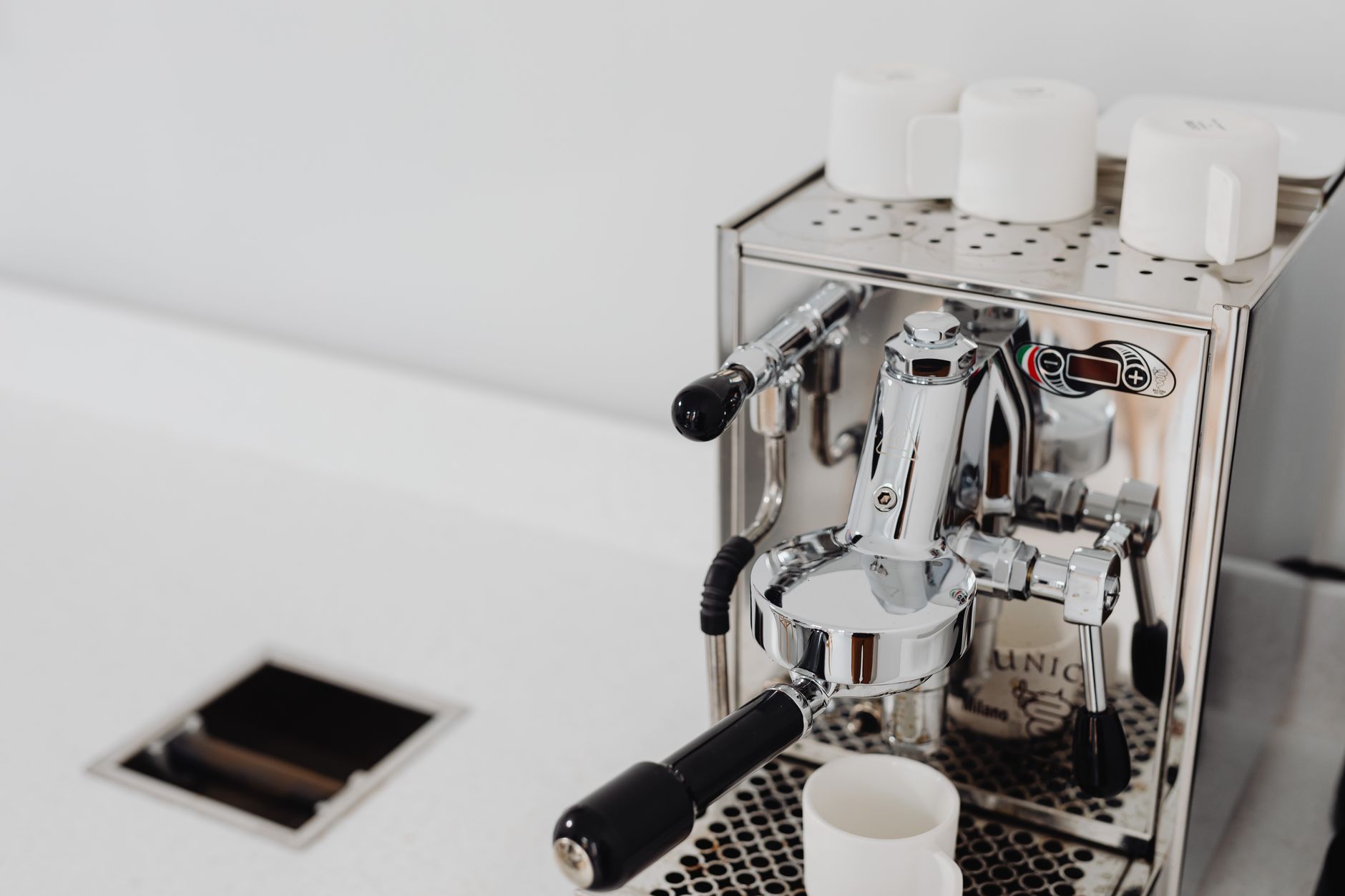 Photo: https://kaboompics.com/ via Pexels
Super-Automatic / Pod Machines
Stick with medium-dark blends with a Robusta component. Lavazza Super Crema and illy Classico are purpose-built for machines that don’t give you parameter control. Single-origins and light roasts will pull under-extracted and sour.
Moka Pot Espresso-Style
Moka pots brew at 1–2 bar, not 9. Espresso beans work but adjust your grind coarser than true espresso — closer to drip. A medium-dark Italian-style blend (Lavazza Rossa , Kimbo Espresso ) performs best here.
→ See also:
- Coffee Bean Guide: Origins, Roasts, and How to Choose
- Best Coffee Subscription Boxes (2026 Ranked)
- Trade Coffee Review (2026): Is It Worth It?
FAQ
What roast level is best for espresso? Medium to medium-dark roasts are the standard for espresso — they’re soluble enough for fast, even extraction and sweet enough to avoid the sharpness of light roasts or the bitterness of very dark ones. If you’re using a well-controlled machine, a true medium roast (especially from washed Latin American beans) can produce outstanding shots. Avoid anything labeled “French” or “Italian” roast if you care about flavor beyond bitterness.
Can you use light roast beans for espresso? Yes, but it’s harder. Light roasts are denser and less soluble, which means they extract unevenly at standard espresso parameters. To make them work: increase brew temperature to 94–96°C, extend extraction time to 30–35 seconds, and drop your dose slightly. Expect more acidity and brightness — some people love it, some don’t.
How fresh do espresso beans need to be? For best results, use beans roasted within the last 7–21 days. The first few days post-roast, CO₂ off-gassing is so active it disrupts extraction (shots rush, crema is unstable). After 3–4 weeks, you start losing aromatics and the shot goes flat. If you buy from a supermarket without a roast date, you’re guessing — stick to roasters who print the roast date on the bag.
Are single-origin beans good for espresso? Single-origins can make exceptional espresso, but they’re less forgiving than blends. A blend is engineered to extract consistently across a range of parameters; a single-origin has one flavor profile and punishes you for drift in temperature, dose, or grind. Start with a blend to learn your machine, then experiment with single-origins once your technique is stable.
What’s the difference between espresso beans and regular coffee beans? Functionally, nothing — “espresso beans” is a marketing term. Any coffee can be brewed as espresso. The difference is that beans sold as “espresso” are typically roasted to a profile designed for high-pressure extraction: lower moisture, higher solubility, flavor compounds that survive 9-bar pressure without turning harsh. A light roast filter bean isn’t “wrong” for espresso — it’s just harder to extract well.
Does Robusta in a blend make better espresso? Robusta adds crema thickness, body, and a caffeine boost, which is why Italian-style commercial blends use 20–40% Robusta. The tradeoff: Robusta has a harsh, rubbery flavor when used in excess or roasted poorly. In a well-crafted blend (like Lavazza Super Crema), you don’t taste the Robusta — you taste the crema and the body it contributes. Pure Arabica blends from specialty roasters can match that crema quality through careful roast development without the Robusta harshness.
Editorial methodology: Assessments are based on manufacturer specifications, published user reviews, and editorial research. Physical hands-on testing is noted explicitly where it occurred. Rankings reflect our editorial judgment and are not influenced by affiliate commission rates. Full editorial policy · Affiliate disclosure