Contents
Best Espresso Machines Under $150: Are They Worth It?
TL;DR: The best espresso machine under $150 can pull a decent shot — but only if you set expectations correctly. These machines use pressurized portafilters and pump pressures that compensate for coarser grinds and pre-ground coffee. For a first machine or a casual drinker, they’re worth it. For specialty espresso, they’re a starting point, not a destination.
What You’re Actually Getting for $150
At this price, every machine uses a thermoblock or single-boiler system with a pressurized (crema-enhancing) portafilter basket. You won’t get PID temperature control, a commercial-grade pump, or a non-pressurized basket. What you will get: consistent pressure, steam capability, and real espresso extraction — with limitations.
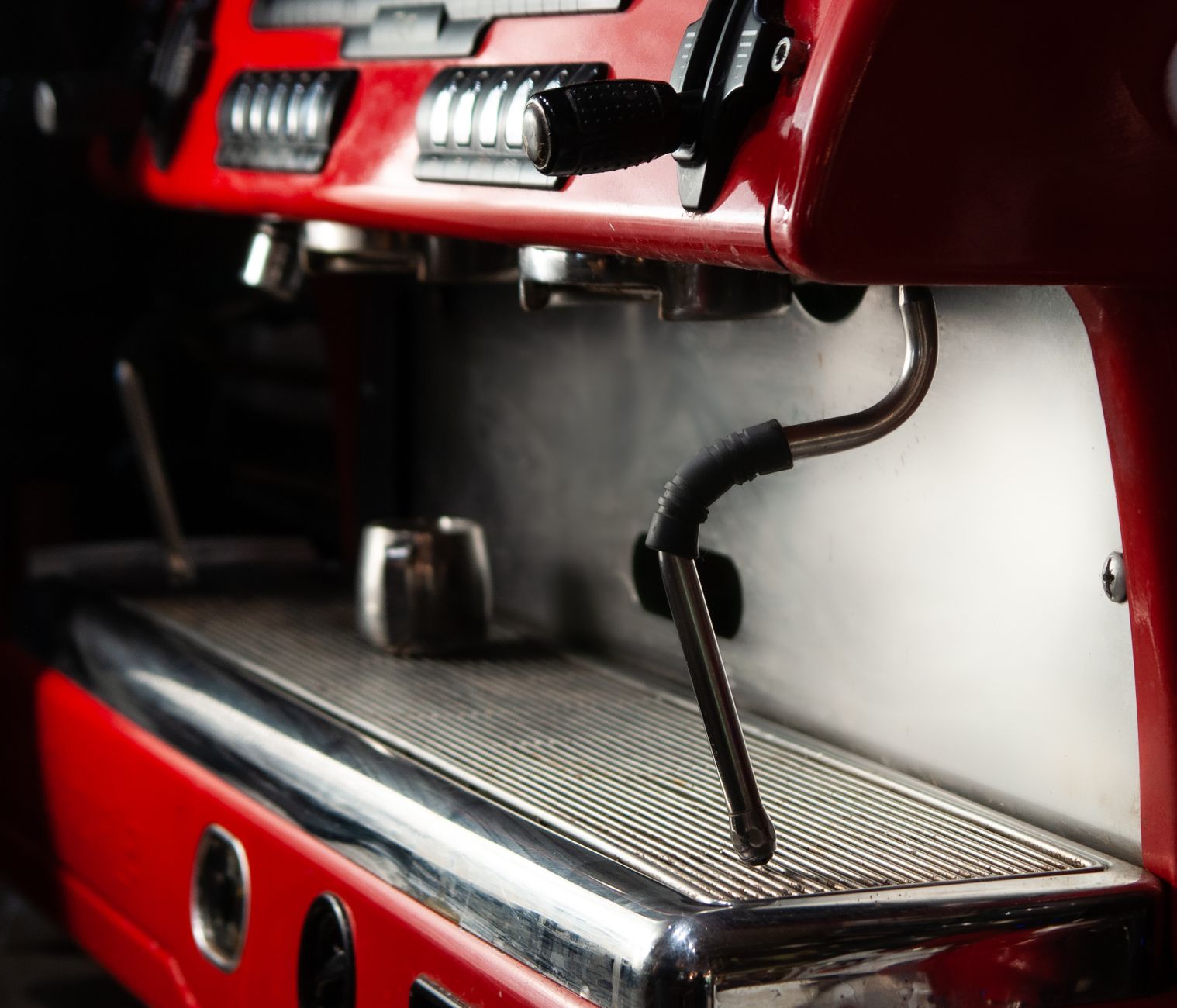 Photo: Boryslav Shoot via Pexels
The honest truth about the best espresso machine under $150 market: manufacturers make tradeoffs that matter. Thermoblocks heat water fast but can’t hold stable brew temperature the way a brass boiler does. Pressurized baskets mask grind inconsistency, which is why pre-ground supermarket coffee actually works reasonably well in these machines.
None of that makes them bad. It makes them entry-level — and entry-level has a real audience.
The Best Espresso Machines Under $150
De’Longhi EC155M
The EC155M is the default recommendation at this price. It has a 15-bar pump, a manual frother, dual-filter baskets (pressurized and non-pressurized), and a stainless body that doesn’t look cheap on a counter. The non-pressurized basket is the sleeper feature — it lets you grow into proper espresso technique.
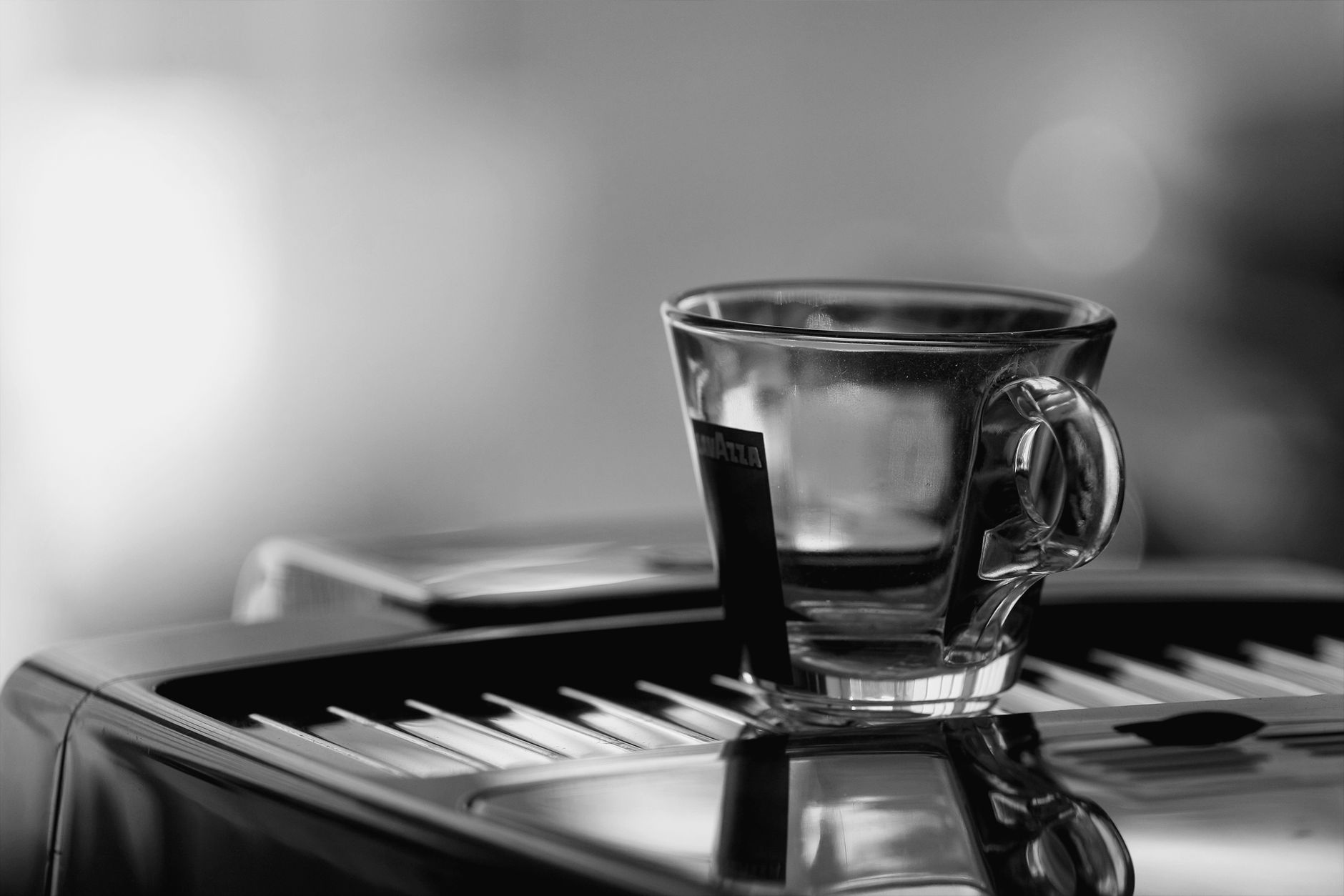 Photo: Сокіл Sokil via Pexels
| Spec | Detail |
|---|---|
| Boiler type | Thermoblock |
| Portafilter size | 51mm |
| PID | No |
| Pump type | Vibratory (15-bar) |
| Burr size | N/A (no built-in grinder) |
The dual-basket system is what separates the EC155M from cheaper competitors. Start with the pressurized basket and pre-ground coffee. As your technique improves and you pick up a decent burr grinder, switch to the non-pressurized basket and you’ll be pulling shots that punch above the machine’s price tag.
Steam wand is a panarello (auto-frothing) style — you can get microfoam with some practice, but it takes patience and a bit of swirling to coax it.
Mr. Coffee Espresso and Cappuccino Maker
Best for convenience-first buyers. One-touch cappuccino and latte buttons handle milk frothing automatically via an integrated milk reservoir. Shots are consistent. You won’t learn much about espresso, but you will have café drinks on your counter every morning without thinking.
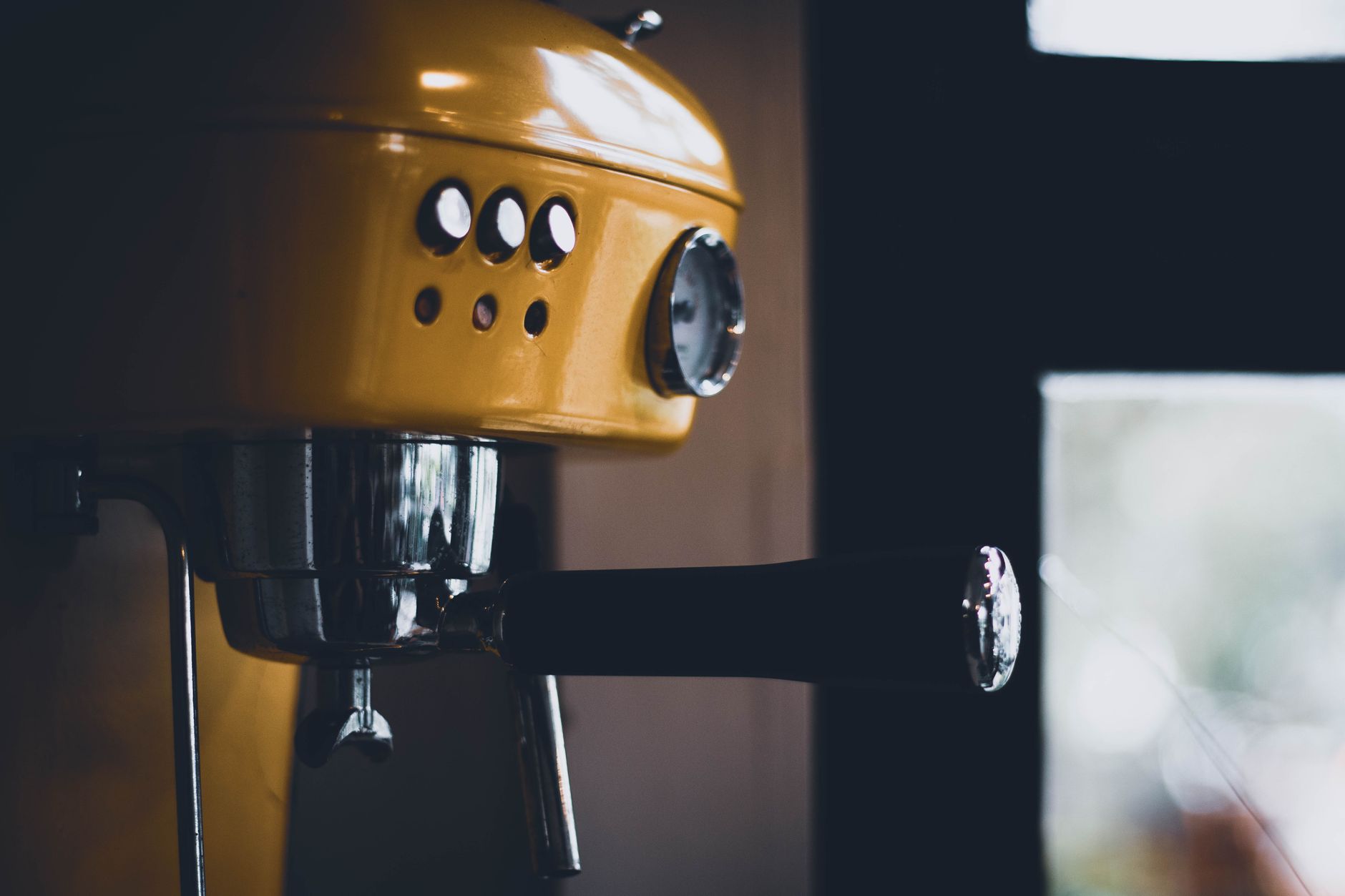 Photo: O’NEIL GONZALES via Pexels
| Spec | Detail |
|---|---|
| Boiler type | Thermoblock |
| Portafilter size | 51mm |
| PID | No |
| Pump type | Vibratory (15-bar) |
| Burr size | N/A |
The tradeoff for that convenience: less control. You can’t adjust milk texture, steam pressure, or shot timing through the machine. It’s a sealed system that does one thing reliably. If that’s what you want, it delivers.
Nespresso Essenza Mini
Technically not an espresso machine — it’s a capsule system — but it earns a spot because it produces the most consistently good small cup in this price range. If you define “espresso” as a short, concentrated, crema-topped shot, the Essenza Mini delivers it every time with zero skill required.
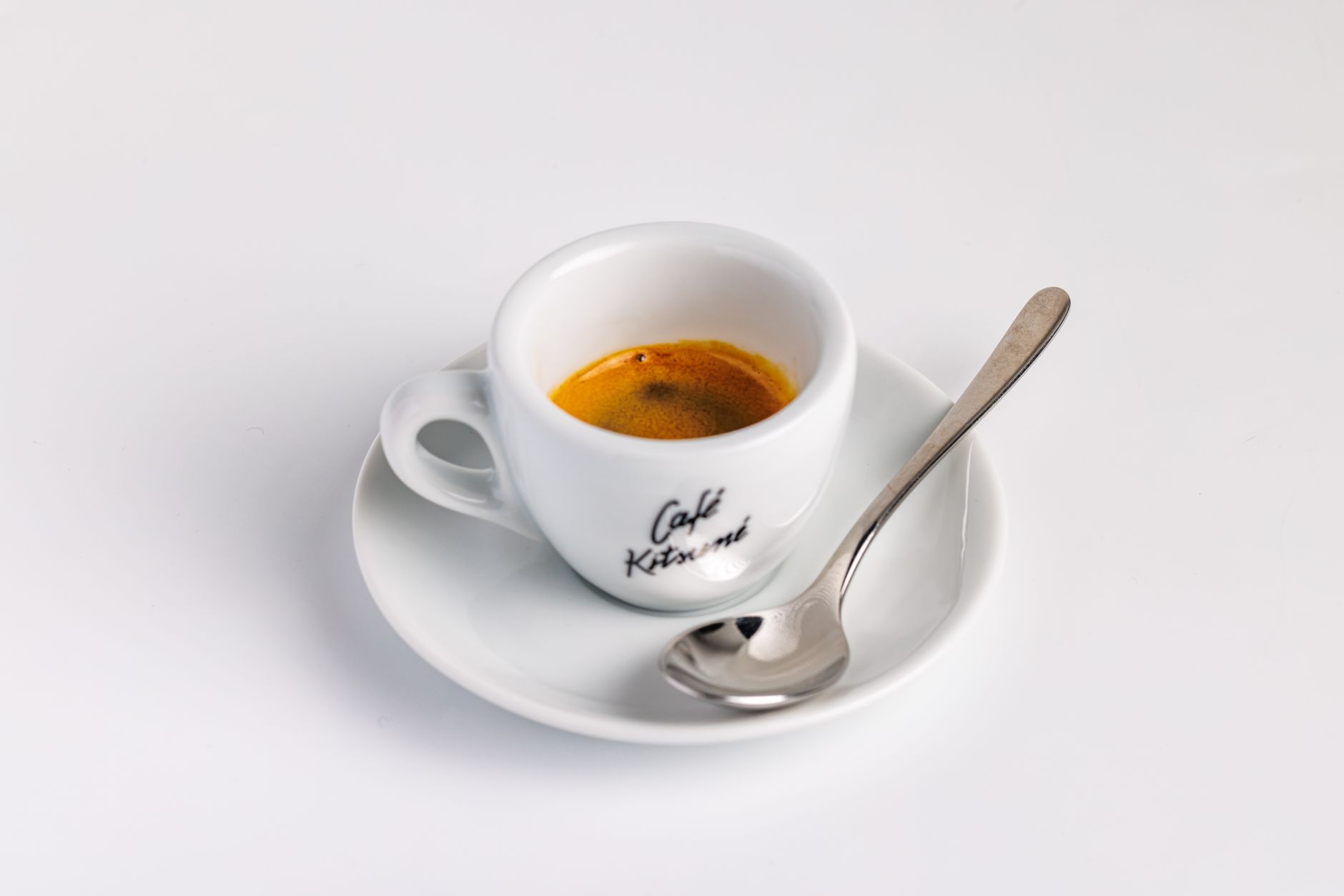 Photo: Swarup Sarkar via Pexels
| Spec | Detail |
|---|---|
| Boiler type | Thermoblock |
| Portafilter size | N/A (capsule) |
| PID | No |
| Pump type | Vibratory (19-bar) |
| Burr size | N/A |
The ongoing capsule cost (~$1.10–$1.50/shot) adds up fast. Do the math for your volume before committing — at 2 shots/day, you’re spending $66–$110/month on pods. That changes the value calculation significantly.
Full Comparison
| Machine | Price | Boiler | Portafilter | PID | Pump | Best For |
|---|---|---|---|---|---|---|
| De’Longhi EC155M | ~$100 | Thermoblock | 51mm | No | Vib 15-bar | Learning + growing |
| Mr. Coffee Café Barista | ~$120 | Thermoblock | 51mm | No | Vib 15-bar | Convenience drinks |
| Nespresso Essenza Mini | ~$100 | Thermoblock | Capsule | No | Vib 19-bar | Consistent daily shot |
What These Machines Can’t Do
No machine under $150 has PID temperature control, a brass boiler, or a 58mm professional portafilter. These aren’t marketing omissions — they’re physics and cost. A PID-controlled brass boiler alone costs more than these entire machines to manufacture.
 Photo: Pixabay via Pexels
Specifically, expect these limitations:
- Temperature instability: Thermoblocks cycle. You’ll get shot-to-shot variance of ±5–8°C without surfing techniques.
- Steam pressure: Adequate for a cappuccino, weak for high-volume milk drinks. One drink at a time.
- Portafilter size: 51mm limits your basket options and accessory compatibility.
- No pressure profiling: Fixed 9-bar (nominal) extraction only.
None of this is disqualifying for the target buyer. It’s just honest.
Who Should Buy One (and Who Shouldn’t)
Verdict by archetype:
Milk drinker / latte person: The Mr. Coffee or De’Longhi EC155M both work. The Mr. Coffee’s auto-frother is genuinely useful if you’re making drinks for multiple people every morning.
Espresso purist: Buy the De’Longhi EC155M specifically for its non-pressurized basket. Pair it with a Baratza Encore or Timemore C3 grinder. You’ll get shots worth drinking. Don’t buy the Nespresso — capsules cap your ceiling permanently.
Convenience-first: Nespresso Essenza Mini. It’s the only machine here that produces a good result with zero technique, every time, forever.
→ See also
- The Complete Guide to Espresso Machines (2026) — full breakdown of what specs actually matter
- Best Espresso Machine Under $200 (2026) — what an extra $50 unlocks
- Best Espresso Machine Under $500 (2026) — where the real espresso begins
FAQ
Are cheap espresso machines worth buying? Yes, with the right expectations. A $100–$150 machine won’t replicate what a $600 machine does, but it will pull real espresso, steam milk, and make daily café drinks. For someone who’d otherwise spend $5/day at a coffee shop, the payback period is measured in weeks.
What’s the best espresso machine under $150 for beginners? The De’Longhi EC155M. It comes with both pressurized and non-pressurized baskets, which means it grows with your skill level. Start easy, upgrade your technique over time — the machine accommodates both.
Can you pull real espresso with a pressurized portafilter? Yes. Pressurized baskets use a restricted exit valve to build back-pressure, which compensates for coarser or inconsistent grinds. The shot won’t taste identical to one pulled on a non-pressurized basket with dialed-in grounds, but it’s real espresso extraction — concentrated, with crema.
Do I need a separate grinder for these machines? Not immediately — pressurized baskets are designed to work with pre-ground coffee. If you want to improve shot quality, yes: a burr grinder makes a significant difference even on entry-level machines. The De’Longhi’s non-pressurized basket rewards fresh-ground coffee.
What’s the difference between 15-bar and 19-bar pumps? In practice at home, almost nothing. Both exceed the 9 bars actually needed for espresso extraction. Marketing uses peak pump pressure — not brew pressure — as a spec. A 19-bar machine doesn’t produce better espresso than a 15-bar machine; both regulate down to 9 bar at the puck.
How long do cheap espresso machines last? Typically 3–5 years with regular descaling. Thermoblock systems are simpler than boiler systems and have fewer failure points — but the plastic components and lower-grade seals mean they’re not indefinite. Budget for replacement or an upgrade at the 3-year mark.
Editorial methodology: Assessments are based on manufacturer specifications, published user reviews, and editorial research. Physical hands-on testing is noted explicitly where it occurred. Rankings reflect our editorial judgment and are not influenced by affiliate commission rates. Full editorial policy · Affiliate disclosure