Contents
Best Coffee Grinders Under $200 (2026)
TL;DR: The best coffee grinder under $200 right now is the Baratza Encore ESP — it’s built for espresso and filter, uses a proper steel burr set, and holds its calibration long-term. If your budget stretches to $199, the Eureka Mignon Notte edges ahead for pure espresso work. Anything under $150 that grinds acceptably for espresso is a compromise worth knowing before you buy.
Why Burr Size and Motor Matter More Than the Price Tag
Direct Answer: A 38–40mm flat burr or a conical burr over 38mm produces consistent particle distribution. Below that, you’re buying a grinder that looks the part but grinds unevenly — and uneven grinds mean sour-bitter espresso that no dialing-in will fix. Motor torque determines whether the burr maintains RPM under load; underpowered motors stall on dense roasts.
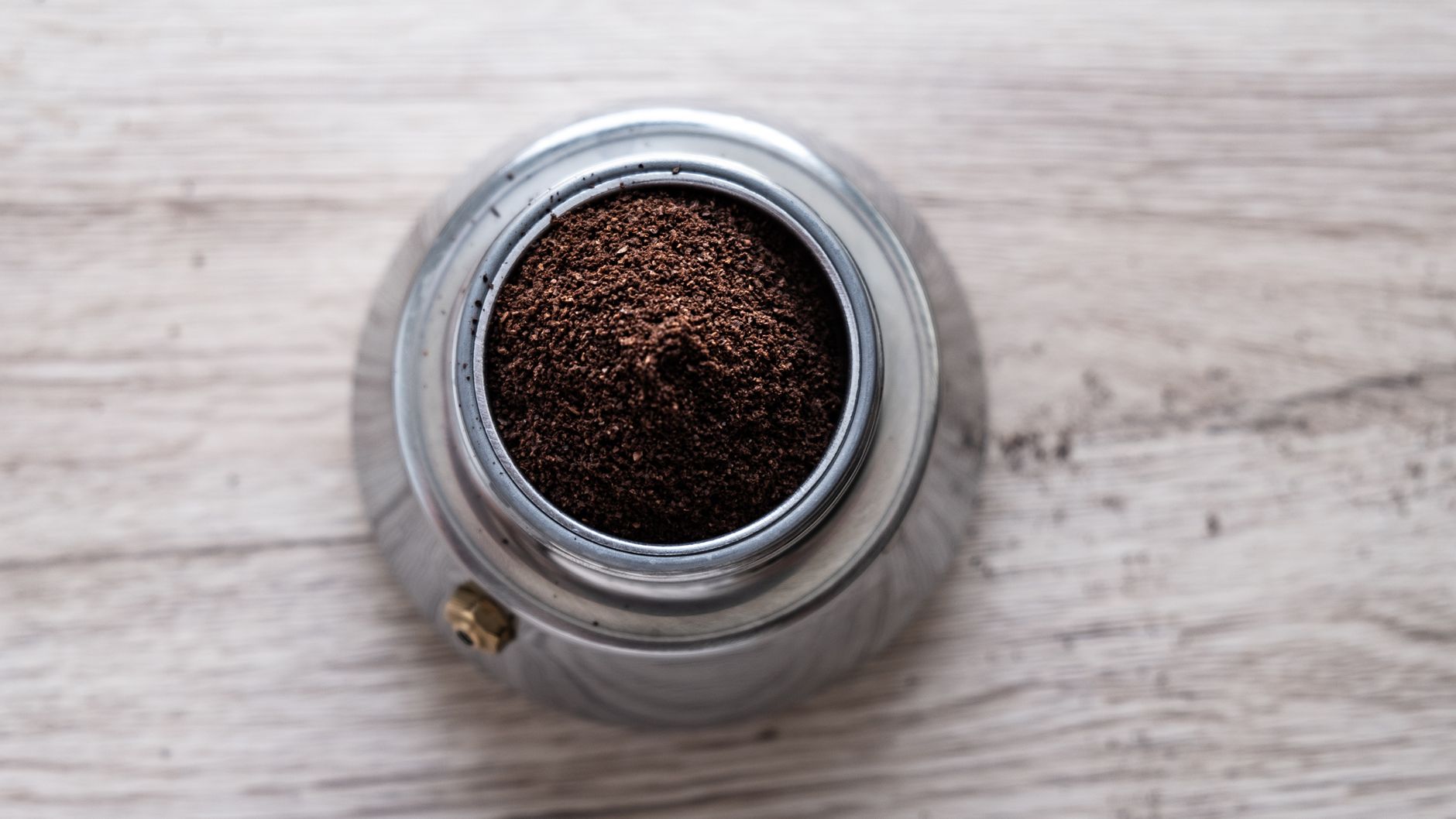 Photo: István Szitás via Pexels
The sub-$200 bracket has gotten genuinely competitive. Three years ago, you were choosing between blade grinders dressed up as burr grinders and one or two actual contenders. Now there are six machines worth serious consideration — each with different strengths depending on whether you’re pulling espresso, brewing filter, or both.
Retention matters here too. High retention (leftover grinds inside the machine) means stale coffee on the next dose. Single-dose grinders flush clean. Most $200-range grinders retain 0.5–2g — fine for daily use, annoying for single-origin experimentation.
The 6 Best Coffee Grinders Under $200 in 2026
Direct Answer: For espresso, prioritize stepless adjustment and a burr 38mm or larger. For filter, stepped grinders work fine and often give more reliable repeatability. For both — buy the Encore ESP and accept the minor filter compromise.
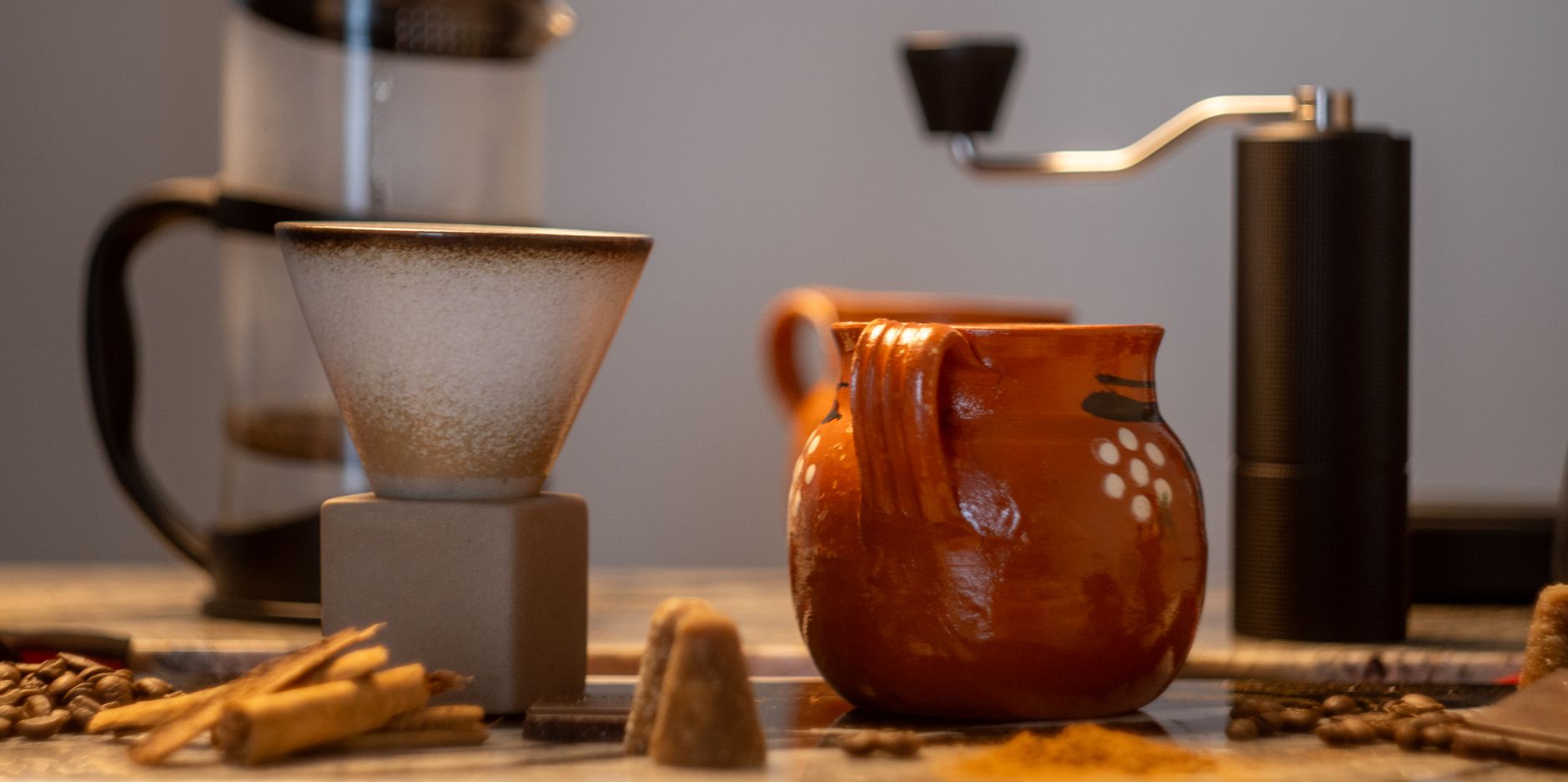 Photo: Vintage Lenses via Pexels
1. Baratza Encore ESP — Best Overall
The Encore ESP replaced the original Encore in 2022 and fixed its one real problem: espresso range. The new 40mm conical burr set has a micro-adjustment mode that gives you 230 grind steps total — 44 macro steps with 5 micro steps each. That’s enough resolution to split the difference between a 27-second and a 29-second shot.
Motor is DC, runs quiet, and won’t overheat on back-to-back shots. Grounds drop into the included portafilter holder or the standard grounds bin. Hopper holds 8oz. At ~$195 retail, it’s the most-repaired grinder on the market — and that’s a feature, not a bug. Baratza sells every internal part separately. A grinder you can rebuild for $20 is worth more than a grinder you throw away at $150.
Specs:
| Feature | Detail |
|---|---|
| Burr type | 40mm conical steel |
| Grind steps | 230 (44 macro × 5 micro) |
| Motor | DC motor |
| Retention | ~0.5g |
| Hopper capacity | 8oz / 227g |
| Weight | 2.3kg |
| Price | ~$195 |
2. Eureka Mignon Notte — Best for Espresso Purists
The Notte is the entry point to Eureka’s Mignon line and the most focused espresso grinder in this price bracket. 50mm flat burrs at this price is unusual — most competitors use conicals under 40mm. Flat burrs produce a bimodal particle distribution that pulls differently: brighter, cleaner, with more clarity on single origins.
Stepless micrometric adjustment gives you genuinely infinite dial positions. The grind-by-weight mode via the touch-sensitive timer isn’t lab-accurate, but it’s repeatable enough for daily workflow. Retention is low (~0.3g). It does not do filter well — the grind range doesn’t open up coarse enough for pour-over — so buy it only if espresso is your primary brew method.
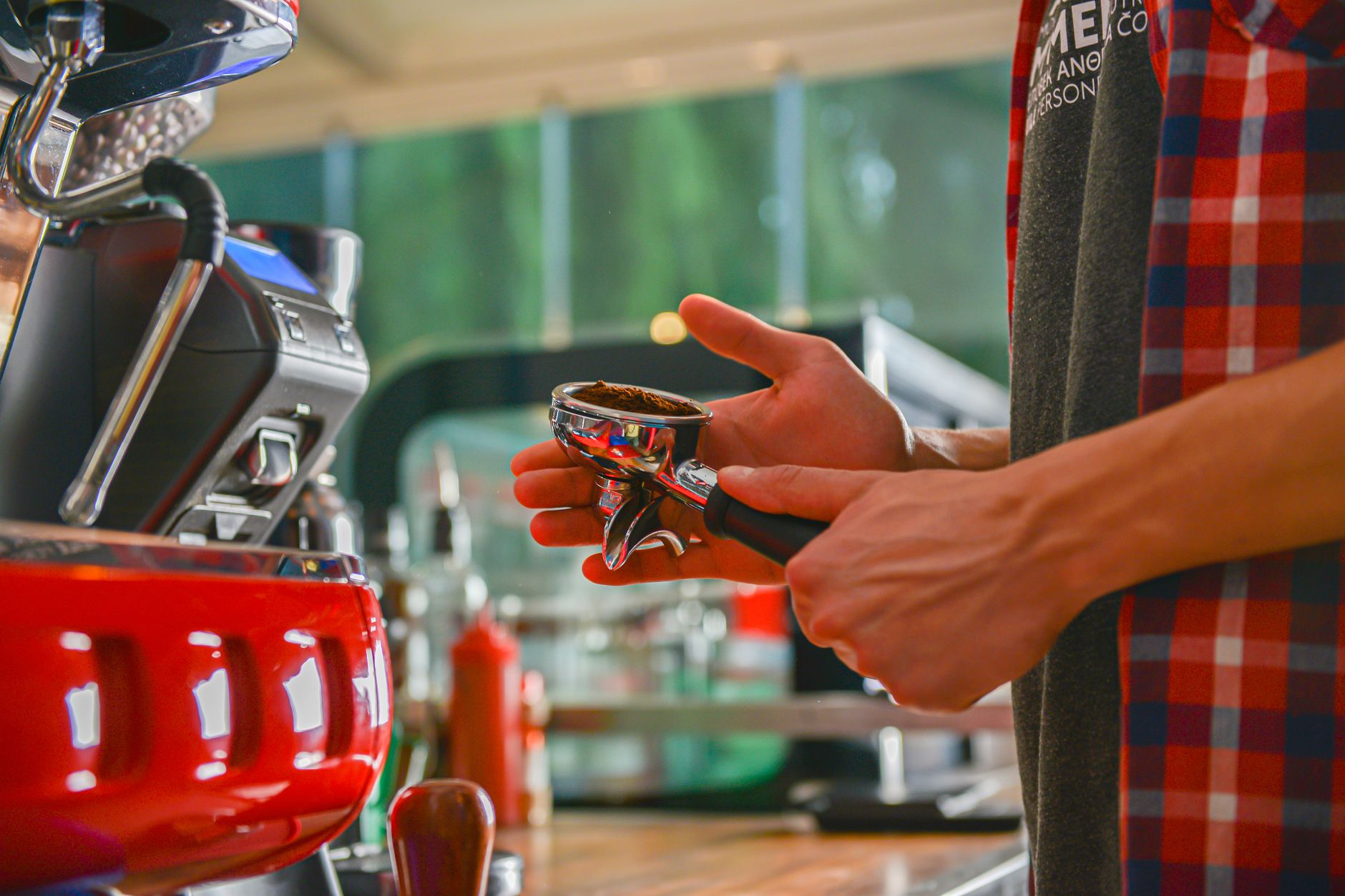 Photo: aidin gheshlaghi via Pexels
3. Timemore Chestnut C3 ESP Pro — Best Manual Option
Manual grinders have no motor to blame. The C3 ESP Pro uses 38mm stainless steel conical burrs inside a machined aluminum body, and it grinds 18g in about 60 seconds for espresso. That’s not fast — but for a single morning shot, it’s acceptable.
The real advantage is grind quality per dollar. At $109, it competes with $150 electric grinders on consistency. If you have a Flair, a Cafelat Robot, or any manual lever machine, this is the grinder to pair with it. Not suitable for a household doing multiple drinks or milk-based back-to-back.
4. Fellow Opus — Best for Filter and Batch Brewing
The Opus targets the filter-first crowd: 38mm conical burrs, 41 grind settings, and a design that genuinely prioritizes batch brewing (its coarse range is better-separated than most competitors). It handles espresso adequately but not excellently — the stepless fine adjustment isn’t as refined as the Notte.
The hopper design includes an anti-static coating on the grounds bin. Retention is around 1g. At $195, it’s priced identically to the Encore ESP but optimized differently. Buy the Encore if espresso comes first; buy the Opus if filter comes first.
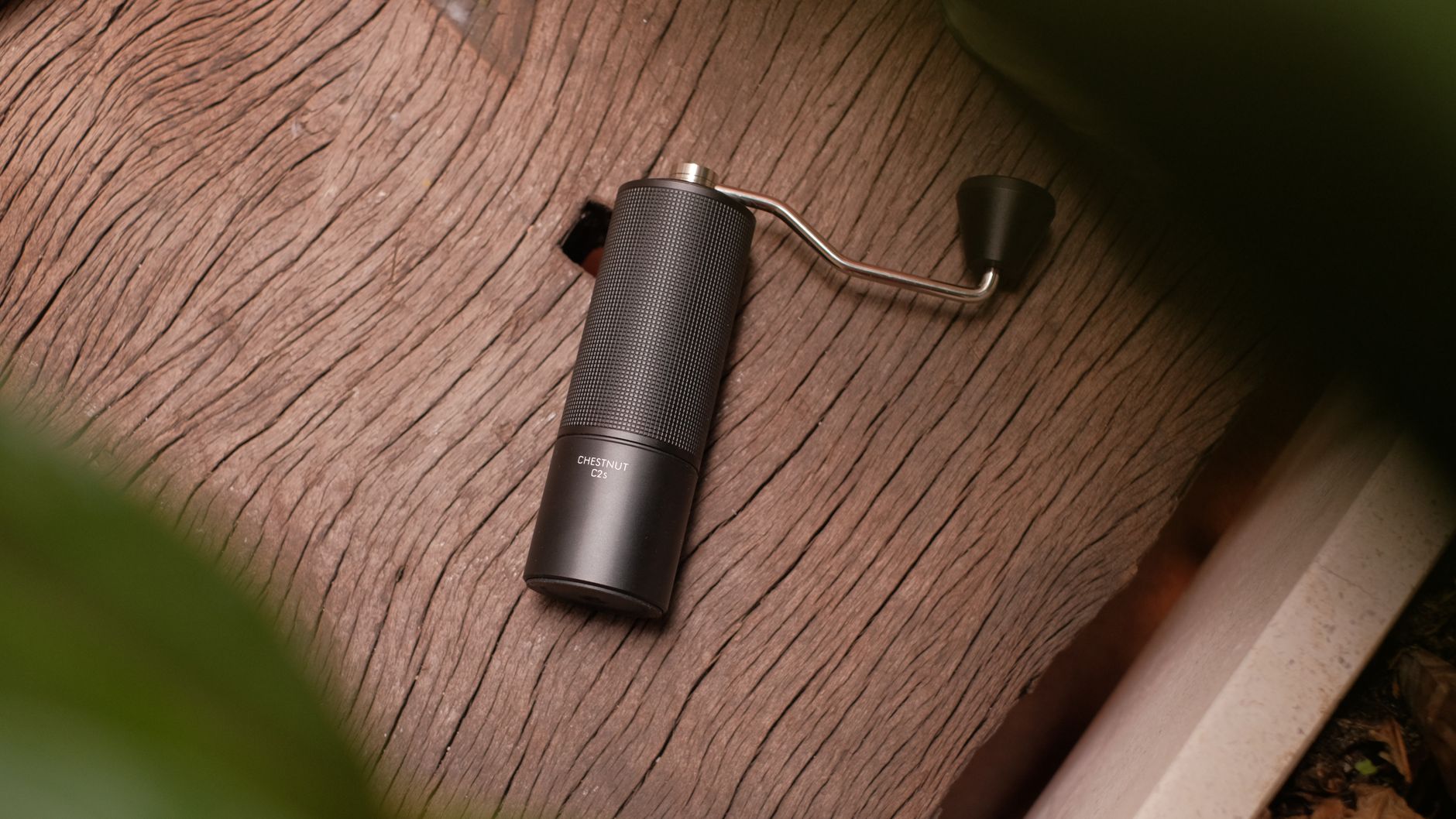 Photo: Pew Nguyen via Pexels
5. Kingrinder K6 — Best Value Under $150
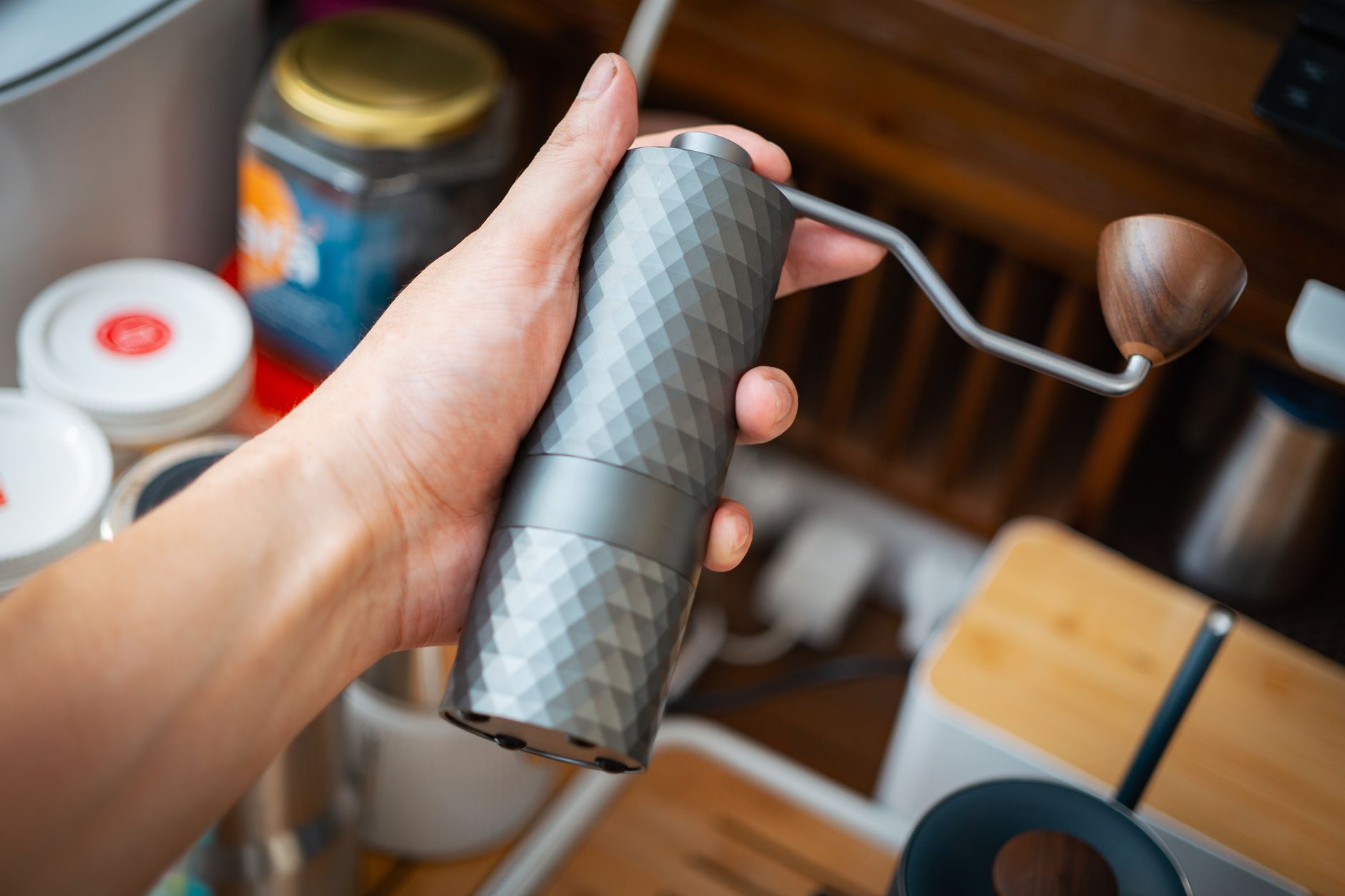
The K6 is a manual grinder with 48mm stainless conical burrs — a burr diameter that electric grinders at this price point can’t match. It grinds fine enough for moka pot and espresso (with some machines), with a genuine titanium-coated burr option that sharpens the grind edges. Body is CNC-machined aluminum, feels like gear, not plastic. At $89–$109, it’s the most burr-per-dollar on this list.
The ceiling: it’s manual, it’s slow, and the bearing assembly requires careful alignment at first use. But once set up, it’s extremely consistent.
6. Breville Smart Grinder Pro — Best for Convenience
60 grind settings, a digital dosing display, and a portafilter holder that fits 54mm and 58mm baskets. The Smart Grinder Pro has been in production for over a decade for a reason: it works, it’s available everywhere, and it’s easy to use out of the box. Conical steel burrs, ~$200 street price.
The grind consistency is good but not great for espresso — the stepped adjustment (60 steps) occasionally means you’re stuck between two settings rather than where you need to be. For a superautomatic household or someone new to espresso, it’s a confidence-building machine.
Head-to-Head Comparison
| Machine | Price | Burr | Adjustment | Best For | Retention |
|---|---|---|---|---|---|
| Baratza Encore ESP | ~$195 | 40mm conical | Stepped + micro | Espresso + filter | ~0.5g |
| Eureka Mignon Notte | ~$199 | 50mm flat | Stepless | Espresso only | ~0.3g |
| Timemore C3 ESP Pro | ~$109 | 38mm conical | Stepped | Manual espresso | N/A |
| Fellow Opus | ~$195 | 38mm conical | Stepped | Filter + espresso | ~1g |
| Kingrinder K6 | ~$99 | 48mm conical | Stepless | Manual all-brew | N/A |
| Breville Smart Grinder Pro | ~$200 | Conical steel | 60-step | Convenience / beginner | ~1.5g |
Equipment Review: Baratza Encore ESP
Specs
| Feature | Spec |
|---|---|
| Boiler type | N/A (grinder) |
| Portafilter size | 54mm + 58mm holder included |
| PID | N/A |
| Pump type | N/A |
| Burr size | 40mm conical steel |
Comparison: Top Picks Side-by-Side
| Machine | Price | Burr Type | Burr Size | Adjustment | Best For |
|---|---|---|---|---|---|
| Baratza Encore ESP | $195 | Conical | 40mm | Stepped + micro | All-around |
| Eureka Mignon Notte | $199 | Flat | 50mm | Stepless | Espresso purist |
| Fellow Opus | $195 | Conical | 38mm | Stepped | Filter-first |
| Breville Smart Grinder Pro | $200 | Conical | N/A | 60-step | Beginner |
Verdict by Archetype
Milk drinker (cappuccinos, lattes daily): Baratza Encore ESP. You need reliable espresso extraction with enough grind range to handle different beans. The micro-adjustment gives you fine control without complexity.
Espresso purist: Eureka Mignon Notte if you stay under $200. The 50mm flat burr punches above this price class. Pair with a precision basket and a decent tamper, and you’ll taste the difference versus conical.
Convenience-first: Breville Smart Grinder Pro. It’s not the most refined grinder here, but the portafilter dock, digital timer, and wide retail availability make it the easiest daily-driver for someone who wants to press a button and go.
→ See Also
- The Complete Coffee Grinder Guide (2026) — full breakdown of burr types, motor specs, and what actually matters
- Burr vs Blade Grinder: Why It Matters for Your Coffee — if you’re upgrading from a blade grinder, start here
- Best Coffee Grinders Under $100 (2026) — tighter budget? These still grind better than most
FAQ
Is a $200 coffee grinder worth it compared to a $50 blade grinder? Yes, categorically. A blade grinder chops randomly — you get dust and boulders in the same batch, which extracts unevenly and tastes bitter and sour simultaneously. A $200 burr grinder produces uniform particles that extract cleanly. The grinder matters more than the espresso machine for shot quality.
Can I use the Baratza Encore ESP for pour-over and espresso? Yes. That’s exactly what it’s designed for. The 44 macro steps cover everything from coarse French press to fine espresso, and the 5 micro-steps per position give you the precision for espresso dialing without having to hunt between two macro positions.
What’s the difference between flat and conical burrs at this price range? Flat burrs (like the Eureka Mignon Notte’s 50mm set) produce a bimodal distribution — a distinct separation between fine and coarse particles — which gives espresso more clarity and brightness. Conical burrs produce a more unimodal distribution, which is generally more forgiving and works better across brew methods. At $200, flat burrs are uncommon; the Notte is the exception.
How important is grind retention under $200? More important than most buyers realize. A grinder retaining 2g means your first dose of the day is partly yesterday’s stale grounds. Sub-1g retention (Encore ESP at ~0.5g, Notte at ~0.3g) keeps things fresh. If you single-dose with premium beans, prioritize retention above almost everything else.
Which grinder should I buy if I only make filter coffee? Fellow Opus. It’s optimized for the coarser end of the grind range, the hopper design minimizes static cling, and the 41-step adjustment is appropriately spaced for pour-over and batch brewing. The Encore ESP is technically capable here too, but the Opus was designed filter-first.
Do I need to season a new burr grinder before use? Yes — run 50–100g of cheap beans through it before pulling shots. New burrs have sharp edges that produce inconsistent fines until broken in. Retention numbers and grind distribution both improve after seasoning. Don’t skip this step and then blame the grinder for early inconsistency.
Editorial methodology: Assessments are based on manufacturer specifications, published user reviews, and editorial research. Physical hands-on testing is noted explicitly where it occurred. Rankings reflect our editorial judgment and are not influenced by affiliate commission rates. Full editorial policy · Affiliate disclosure