Contents
Why Is My Coffee Grinder Clumping? (Causes & Fixes)
TL;DR: Coffee grinder clumping happens when fine ground particles stick together due to static electricity, moisture, or grind size. The fix depends on the cause — anti-static sprays, Ross Droplet Technique (RDT), or adjusting your grind coarseness resolves most cases in under a minute.
What Causes Coffee Grinder Clumping?
Direct Answer: The three main causes of coffee grinder clumping are static buildup in the grinding chamber, moisture in your beans or grinder, and grind size being too fine. Static is the most common culprit in burr grinders, especially with dry-roasted or low-moisture beans.
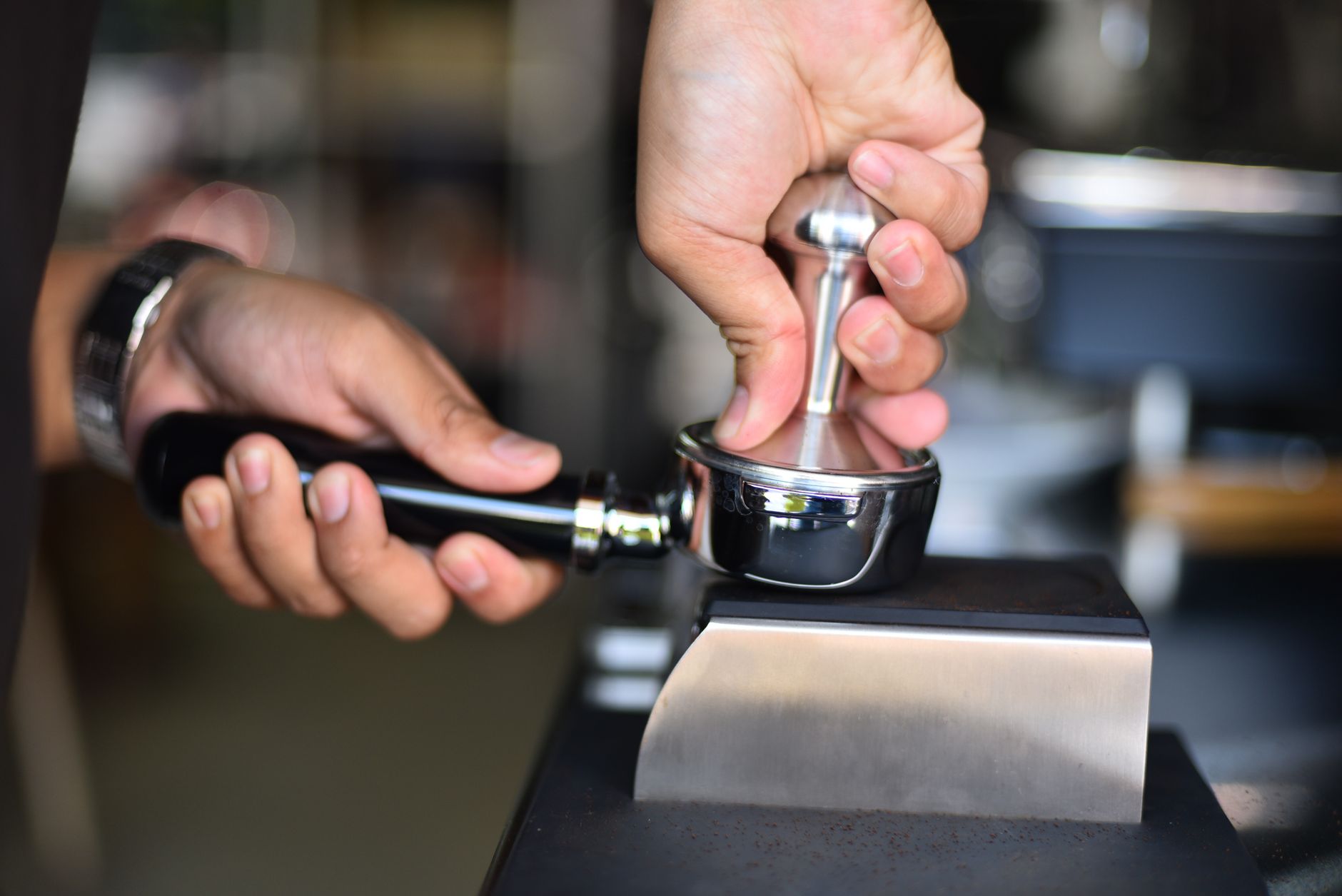 Photo: Chevanon Photography via Pexels
Static charges build up as beans are fractured by the burrs — the same friction that makes your hair stand up. Lighter roasts and very dry beans exacerbate this because they contain less residual moisture to dissipate charge. The result: grounds repel each other into fluffy clumps or cling to the chute and bin walls, making dosing inconsistent.
Moisture from steam (near an espresso machine), ambient humidity, or beans that weren’t fully dry when roasted can also cause clumping — but for the opposite reason. Wet particles bond together rather than flowing freely.
How to Stop Coffee Grinder Clumping
Direct Answer: The fastest fix for static-related coffee grinder clumping is RDT — add one drop of water to your beans before grinding. For chute clumping, a WDT (Weiss Distribution Technique) tool breaks up clumps in the portafilter basket. Persistent clumping points to a grinder that needs more attention.
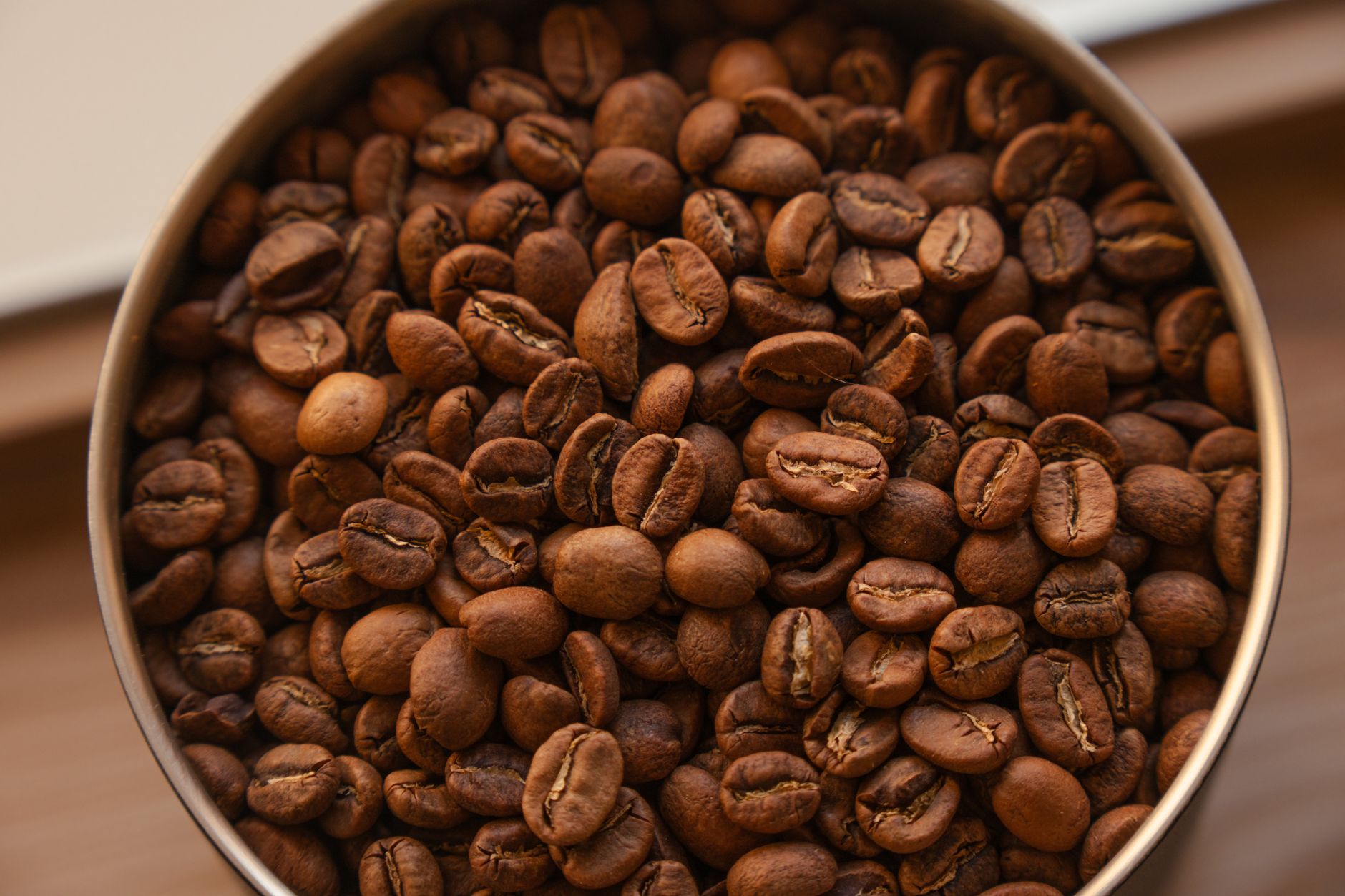 Photo: Miguel Rivera via Pexels
Ross Droplet Technique (RDT)
Add one small drop of water (literally one drop — around 0.3–0.5 ml) to your measured dose of beans and let it sit 10 seconds before grinding. The trace moisture is enough to neutralize static without introducing meaningful water into your grind. This is the simplest, zero-cost fix and works on almost every grinder.
Don’t overdo it. More water doesn’t mean better results — it means a clogged grinder and inconsistent extraction. One drop, full stop.
WDT After Grinding
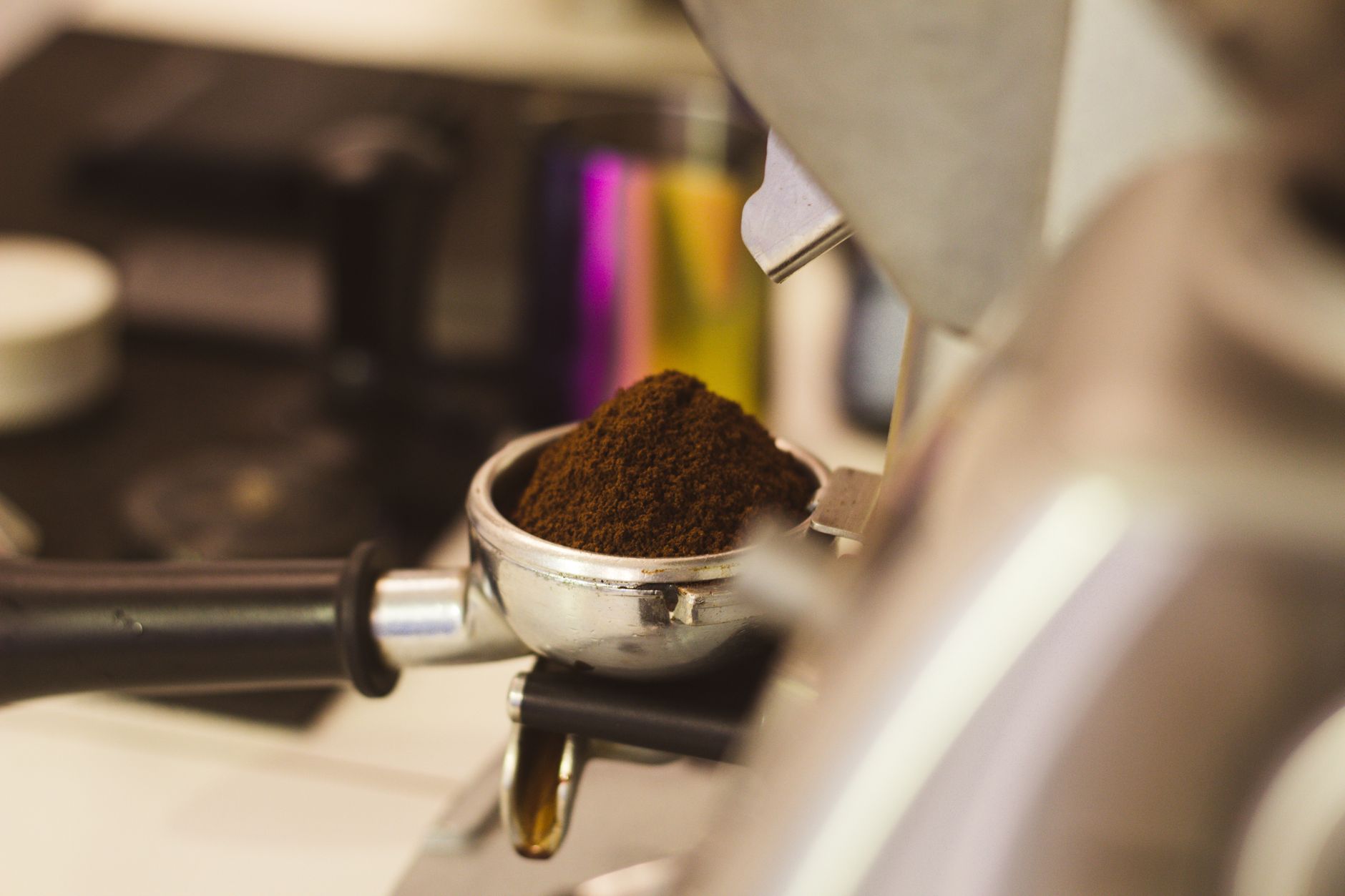 Photo: Far MWX via Pexels
A WDT tool (a thin needle or set of needles in a handle) breaks up clumps in the portafilter basket after dosing. This doesn’t prevent clumping but eliminates its downstream effect — channeling in the puck. For filter coffee, a gentle tap of the cup against the counter does the same job.
Anti-Static Sprays and Treatments
Products like Urnex Grindz cleaning tablets or dedicated anti-static sprays for grinders reduce buildup in the chamber. These are more relevant for high-volume use where RDT becomes impractical.
Does Grind Size Affect Clumping?
Direct Answer: Yes — finer grinds produce more surface area per gram, increasing both static potential and the mechanical tendency to clump. Espresso grinds will always clump more than coarse filter grinds. That’s expected behavior, not a defect.
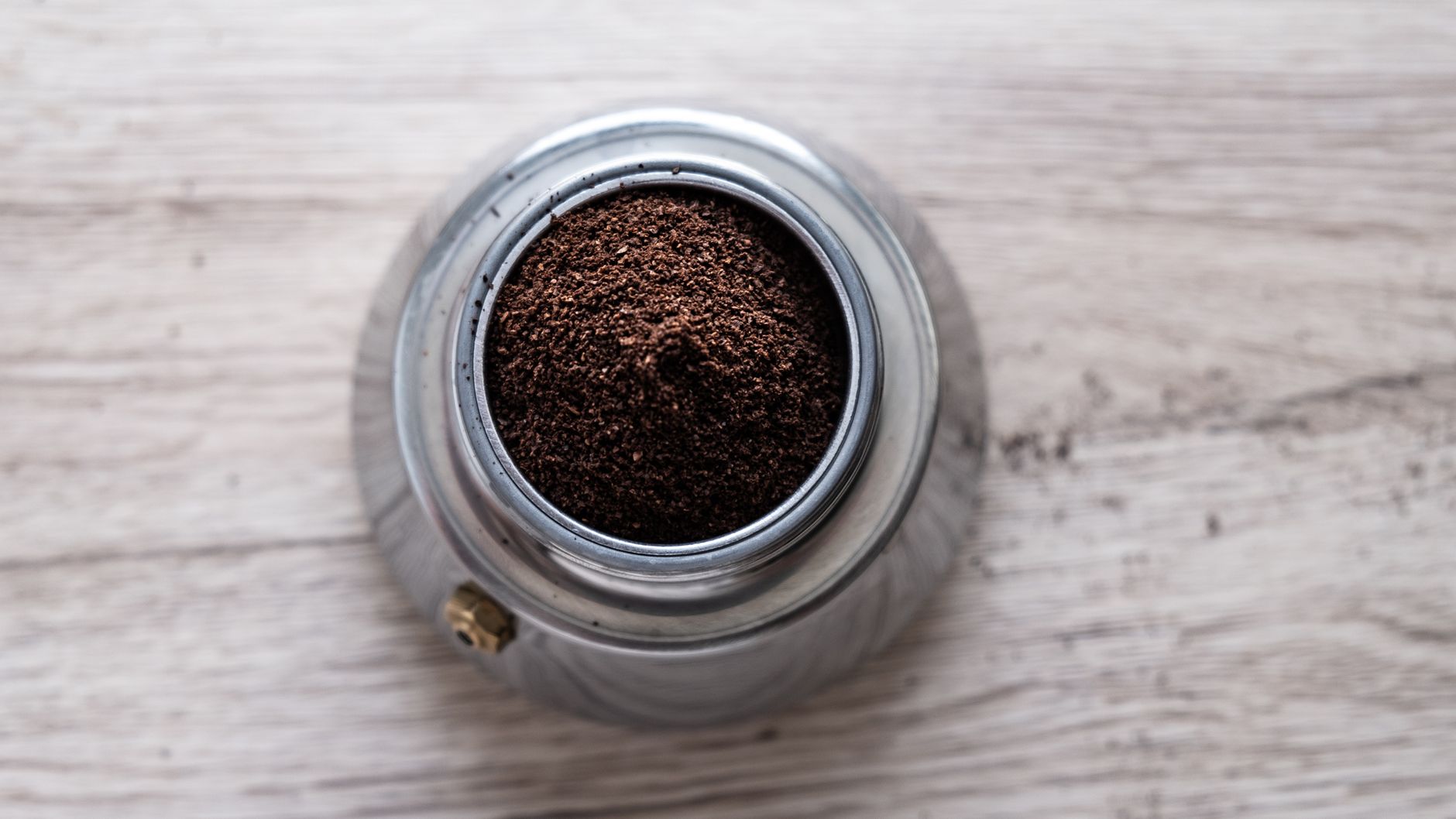 Photo: István Szitás via Pexels
If you’re grinding for espresso and seeing heavy clumping, it’s not necessarily a problem with your grinder. A slight coarsening of the grind (half a step) and RDT usually brings it under control. If clumping persists even at medium-fine grinds, the issue is likely moisture contamination or a grinder that needs cleaning.
Does Bean Type or Roast Level Change Clumping?
Direct Answer: Light roasts clump more than dark roasts because they’re denser and drier. Natural-process beans clump more than washed beans. Fresh beans off-gas CO₂, which also increases static in the grinding chamber — counterintuitively, very fresh beans (within a day or two of roast) can clump more than beans rested for a week.
Rest your espresso beans 7–14 days post-roast. This isn’t just about flavor — it genuinely reduces clumping by allowing CO₂ to dissipate and the bean structure to stabilize.
→ See also
- The Complete Coffee Grinder Guide (2026)
- Burr vs Blade Grinder: Why It Matters for Your Coffee
- Best Coffee Grinders Under $100 (2026)
FAQ
Does RDT damage my grinder? No. One drop of water per dose is far below the moisture tolerance of any burr grinder on the market. The water evaporates almost immediately on contact with the beans and by the time it reaches the burrs, there’s negligible moisture present. Coffee itself contains water — a drop added externally is not a risk.
Why does my grinder clump more in winter? Dry indoor air in winter reduces ambient humidity, which amplifies static buildup in the grinding chamber. The same beans you grind in summer will clump more in January. RDT solves this — increase your water drop slightly (still under 0.5 ml) during the dry season.
Can a dirty grinder cause clumping? Yes. Coffee oil residue on the burrs and chute walls attracts fine particles and creates sticky buildup. Grind a dose of Grindz tablets monthly and brush the burrs clean quarterly. A clean grinder has significantly less clumping across all roast levels.
Is clumping a sign my grinder is broken? Rarely. Coffee grinder clumping is almost always a normal physical phenomenon — static and particle size — not a mechanical fault. If clumping appeared suddenly and RDT doesn’t help, check for moisture contamination: store beans in an airtight container away from your espresso machine’s steam wand.
Does a more expensive grinder clump less? Higher-end grinders (Niche Zero, DF64, Eureka Mignon range) often include design features that reduce static — metallic chutes, tighter tolerances, and faster grounds exit. They clump less, but they still benefit from RDT. No grinder is entirely immune at espresso grind settings.
Editorial methodology: Assessments are based on manufacturer specifications, published user reviews, and editorial research. Physical hands-on testing is noted explicitly where it occurred. Rankings reflect our editorial judgment and are not influenced by affiliate commission rates. Full editorial policy · Affiliate disclosure