Contents
Best Coffee Grinders Under $100 (2026)
TL;DR: The best coffee grinder under $100 is the Baratza Encore ESP — it grinds consistently for espresso and filter, it’s built to last, and Baratza actually sells spare parts. If you just need drip or French press, the Oxo Brew Conical Burr Grinder costs less and does the job.
Which Grinder Should You Buy?
Direct Answer: For most people, the Baratza Encore ESP is the single best coffee grinder under $100. It uses 40mm conical burrs, covers espresso through coarse drip with 40 grind settings, and holds up for years of daily use. If your budget is tighter, the Oxo Brew is the next best thing for non-espresso brewing.
The $100 ceiling used to mean blade grinders or barely-functional burr options. That’s changed. Baratza, Oxo, and Cuisinart now sell real burr grinders under $100 — machines that produce consistent particle size instead of the uneven, scorched dust a blade grinder delivers.
That said, not every burr grinder at this price is worth buying. You need to know which ones actually perform.
The Best Coffee Grinders Under $100 at a Glance
| Machine | Price | Burr Type | Burr Size | Grind Settings | Best For |
|---|---|---|---|---|---|
| Baratza Encore ESP | ~$100 | Conical | 40mm | 40 | Espresso + filter |
| Oxo Brew Conical Burr | ~$70 | Conical | 40mm | 15 | Drip + French press |
| Cuisinart DBM-8 | ~$45 | Flat | 18-tooth | 18 | Budget drip |
| Capresso Infinity Plus | ~$90 | Conical | 42mm | 16 | Drip + light espresso |
| Krups GX5000 | ~$50 | Flat | — | 9 | Entry-level drip |
Baratza Encore ESP — Best Overall
Direct Answer: The Baratza Encore ESP is the best coffee grinder under $100 because it handles both espresso and filter brewing, produces uniform grinds across all settings, and is repairable. Baratza publishes every spare part online. You’re buying a machine that can outlast five cheap grinders.
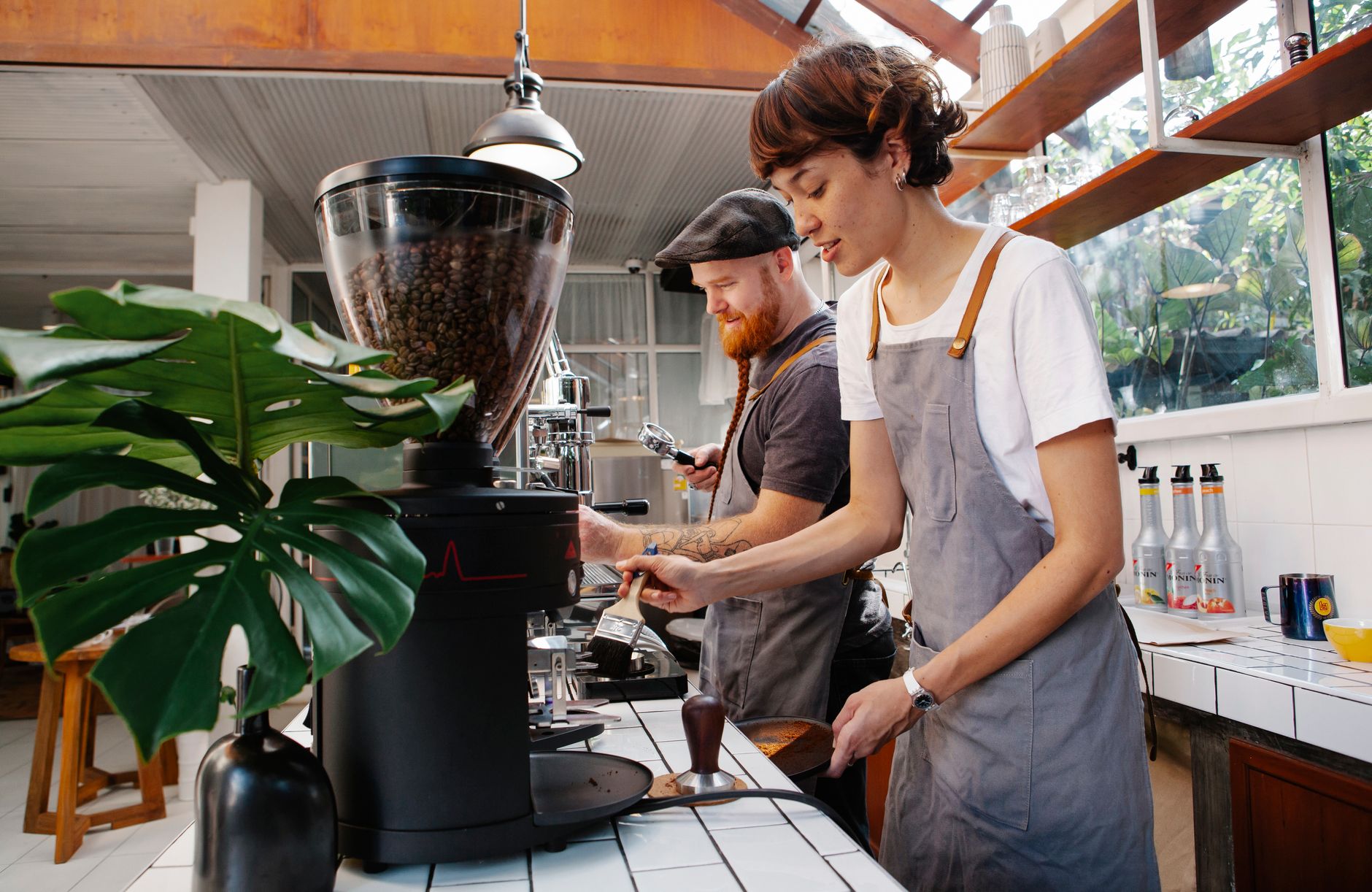 Photo: Tim Douglas via Pexels
The Encore ESP is the upgraded version of the original Encore — the ESP suffix signals better espresso-range calibration. The 40mm hardened steel conical burrs are the same burrs found in grinders costing twice as much.
Grind Consistency
Particle distribution is tight. You’ll see some fines at all settings, but at espresso range (settings 5–15 on the ESP), shot channeling is minimal. For pour-over and drip, it’s excellent — grinds are uniform enough that you won’t need to sift.
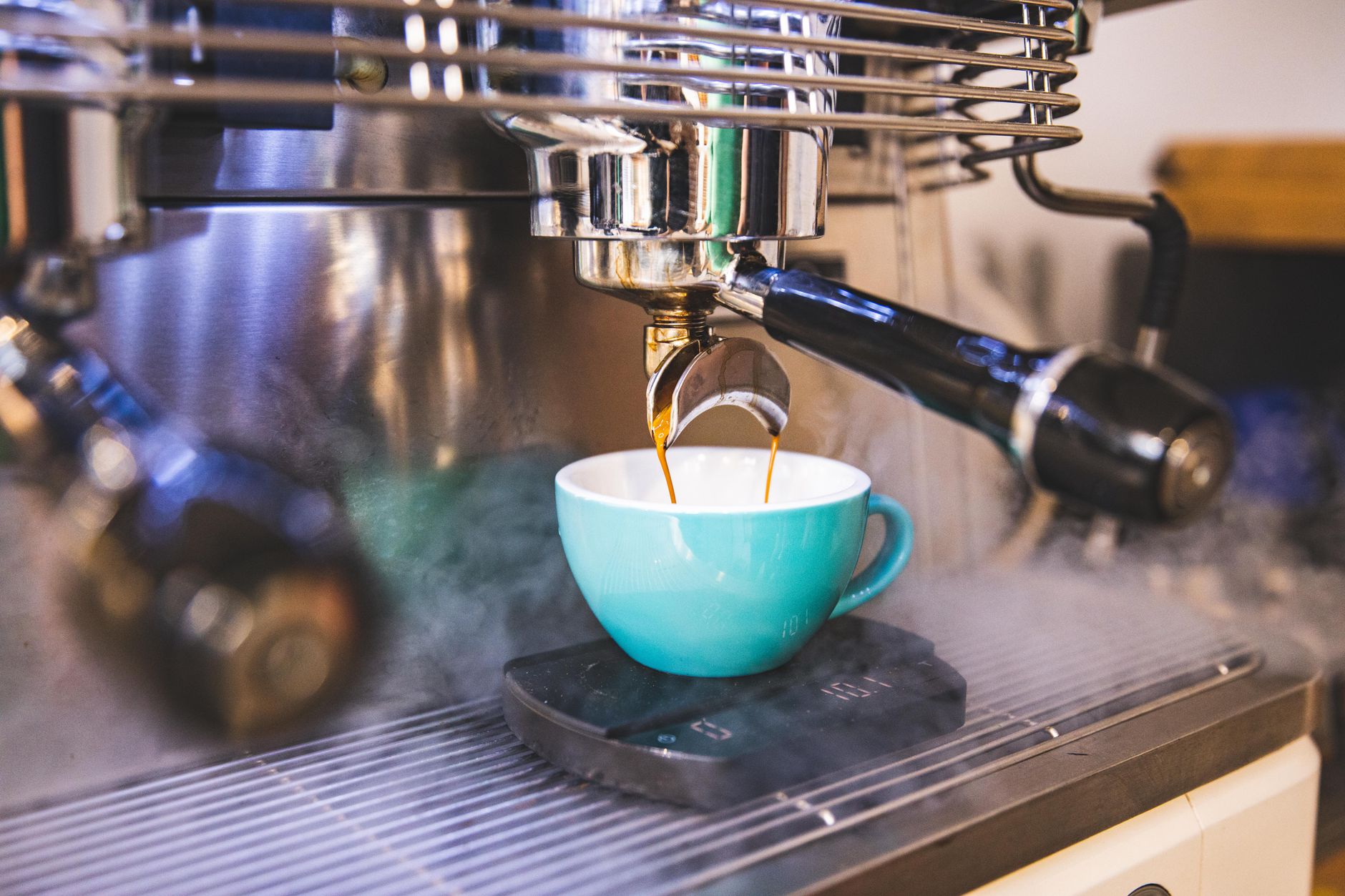 Photo: Claro Cafe via Pexels
Compared to a blade grinder, the difference is dramatic. Blade grinders shatter beans randomly — the resulting mix of powder and large chunks extracts unevenly, producing bitter and sour notes in the same cup.
Repairability
This is underrated at any price point. Baratza sells the burr set, the motor, the grounds bin — everything. If a part breaks in year three, you order it. That’s rare at $100.
Specs
| Spec | Value |
|---|---|
| Burr type | Conical |
| Burr size | 40mm |
| Grind settings | 40 stepped |
| Hopper capacity | 8 oz |
| Grounds bin | 5 oz |
| Motor | DC with gear reduction |
| Weight | 7 lbs |
Oxo Brew Conical Burr Grinder — Best Under $70
Direct Answer: The Oxo Brew is the best option for drip and French press brewing under $70. It grinds consistently for coarser methods, but it doesn’t dial in tight enough for espresso — don’t buy it if that’s your goal.
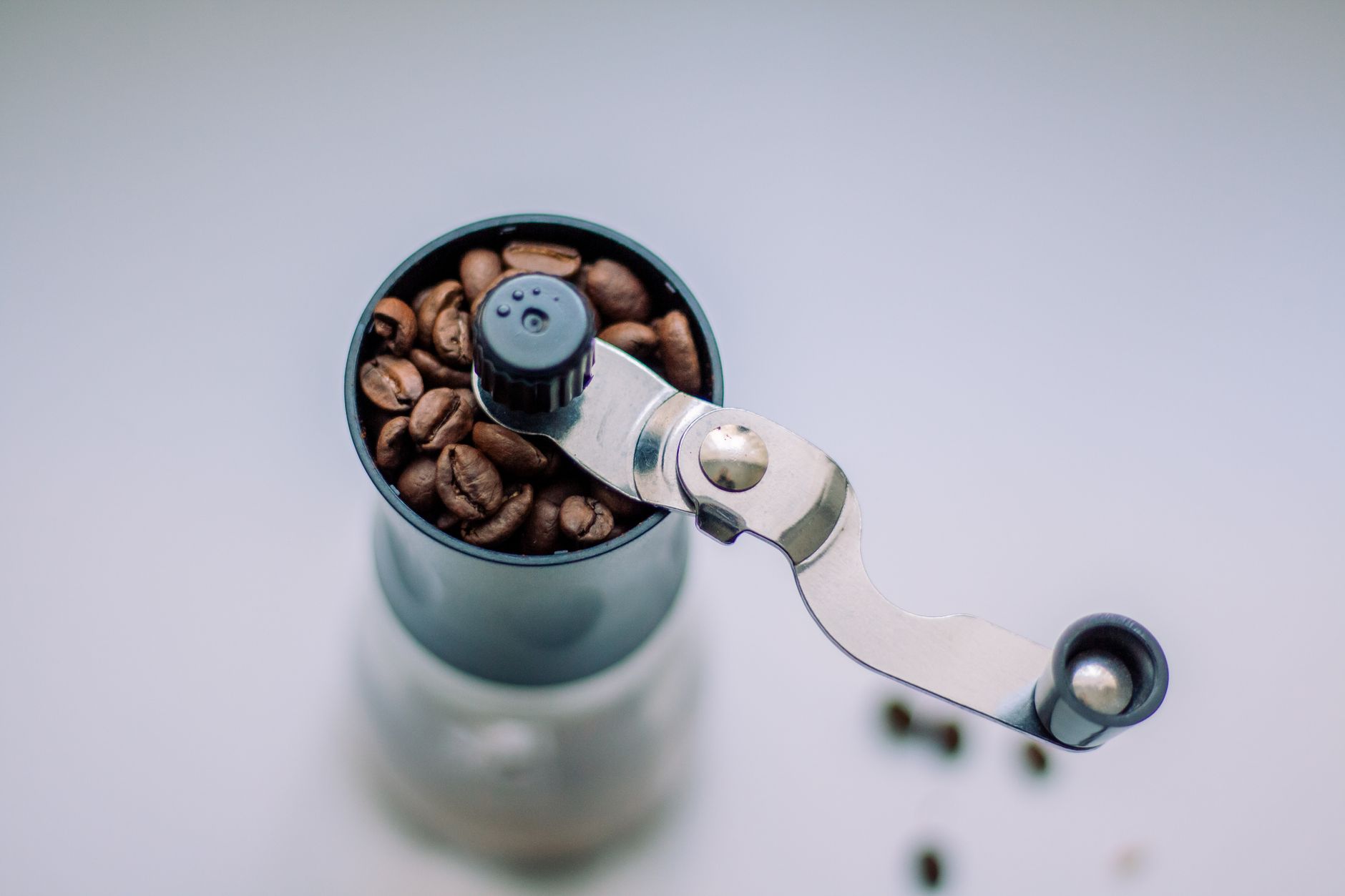 Photo: Sedanur Kunuk via Pexels
The Oxo is well-built for the money. Its 40mm conical burrs match the Encore ESP on paper, but the grind range skews coarser. Espresso settings exist on paper; in practice, you’ll struggle to pull a balanced shot without a pressurized portafilter.
For drip, pour-over, Chemex, and French press, the Oxo is excellent. The one-touch timer is genuinely useful — you dial in your dose once and repeat it every morning without weighing beans.
Where It Falls Short
Fifteen grind settings sounds like enough until you realize espresso tuning requires micro-adjustments. The steps between settings on the Oxo are too coarse to fine-tune a flat-bed espresso machine properly.
Capresso Infinity Plus — Best for Slow Grinding
Direct Answer: The Capresso Infinity Plus uses a gear-reduction motor that spins burrs at 450 RPM — slower than most grinders at this price. Less heat means less flavor degradation. It’s good for drip and light espresso use, but the grind range doesn’t go fine enough for true espresso.
The Infinity Plus has 16 settings across four zones (Extra Fine / Fine / Regular / Coarse), which is misleading — those zones contain four steps each, and the Extra Fine zone only gets close to espresso. It works well for Moka pot and Aeropress but stops short of a real espresso machine.
Cuisinart DBM-8 — Best True Budget Option
Direct Answer: The Cuisinart DBM-8 is the best drip-only grinder if you’re spending under $50. It’s not quiet, the burrs aren’t precision-made, and it won’t do espresso — but it grinds consistently enough for an automatic drip machine and it costs almost nothing.
The DBM-8 is an 18-tooth flat burr grinder. For its price, that’s an overstatement — the grind uniformity at the finest settings is poor. For medium to coarse settings, it’s acceptable. If you own a basic 10-cup drip machine and want better than pre-ground, this works.
What to Look for in a Grinder Under $100
Burr Type: Conical vs Flat
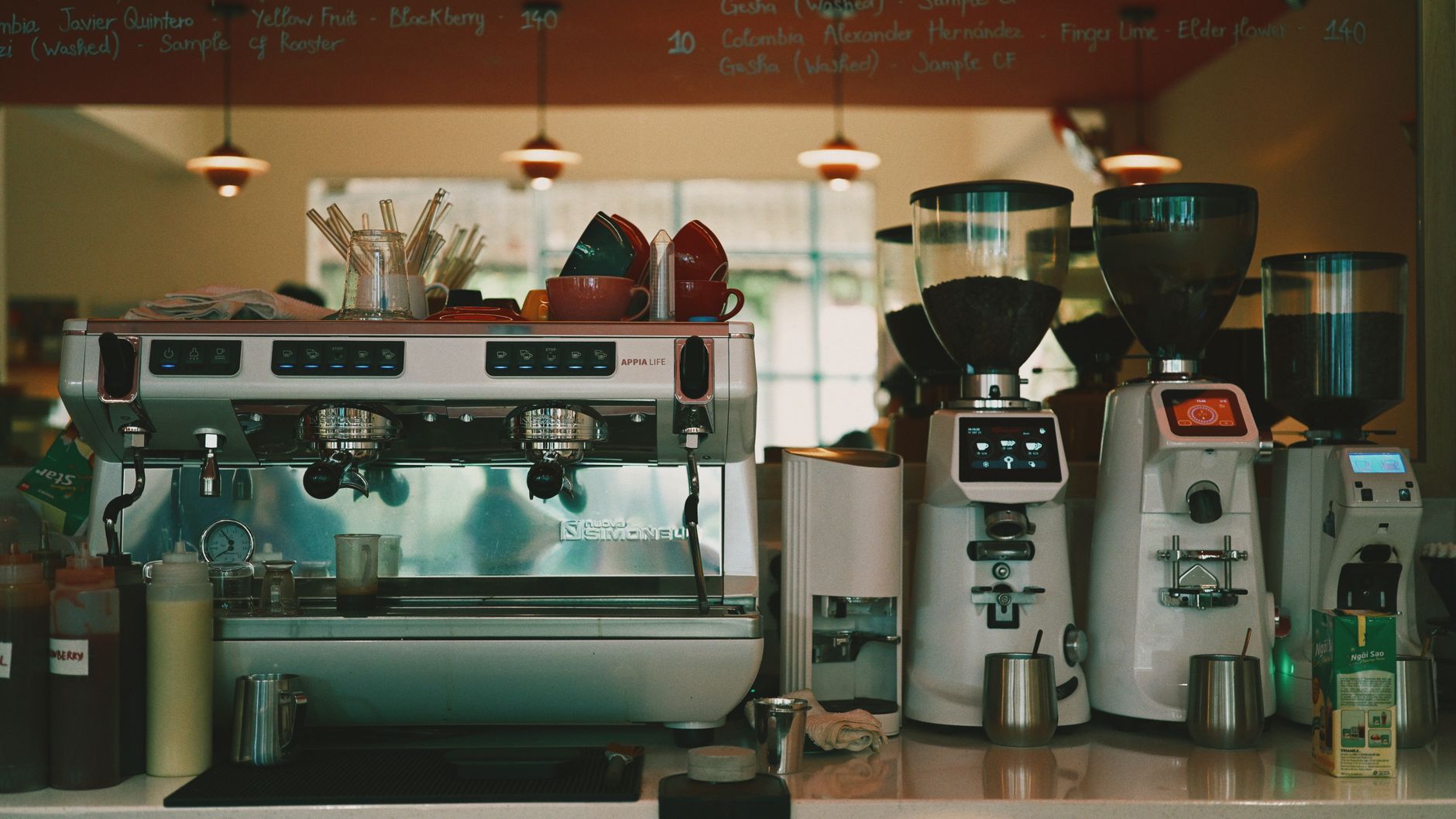 Photo: 🇻🇳🇻🇳 Việt Anh Nguyễn 🇻🇳🇻🇳 via Pexels
Conical burrs use a cone-shaped inner burr inside a ring-shaped outer burr. They produce a bimodal distribution — a mix of coarser and finer particles — which is fine for most brew methods and forgiving in espresso. Flat burrs produce a more uniform distribution and are preferred by espresso purists, but the good flat burr grinders start above $200.
At under $100, buy a conical burr grinder. The flat burr options at this price (Cuisinart, Krups) use low-quality burrs that don’t outperform good conicals.
Grind Settings
More settings isn’t automatically better — step size matters more than step count. A grinder with 40 finely-spaced steps (Encore ESP) is more useful than one with 60 widely-spaced steps.
For espresso, you need fine adjustment capability in the 200–300 micron range. For filter brewing, medium settings around 700–900 microns are standard.
RPM and Heat
High-speed motors (above 1500 RPM) generate heat from friction. That heat volatilizes aromatic compounds — the reason some expensive grinders run gear-reduction motors. At this price tier, only the Capresso Infinity Plus specifically addresses this. For daily home use with fresh beans, heat from a consumer burr grinder is not a significant variable.
Grinder Comparison: Which Brewing Method?
| Brewing Method | Minimum Grinder | Recommended |
|---|---|---|
| Espresso machine (non-pressurized) | Baratza Encore ESP | Baratza Encore ESP |
| Moka pot | Capresso Infinity Plus | Baratza Encore ESP |
| Aeropress | Oxo Brew | Oxo Brew |
| Pour-over / V60 | Oxo Brew | Baratza Encore ESP |
| Drip (auto) | Cuisinart DBM-8 | Oxo Brew |
| French press | Cuisinart DBM-8 | Oxo Brew |
| Cold brew | Cuisinart DBM-8 | Cuisinart DBM-8 |
Should You Buy a Manual Grinder Instead?
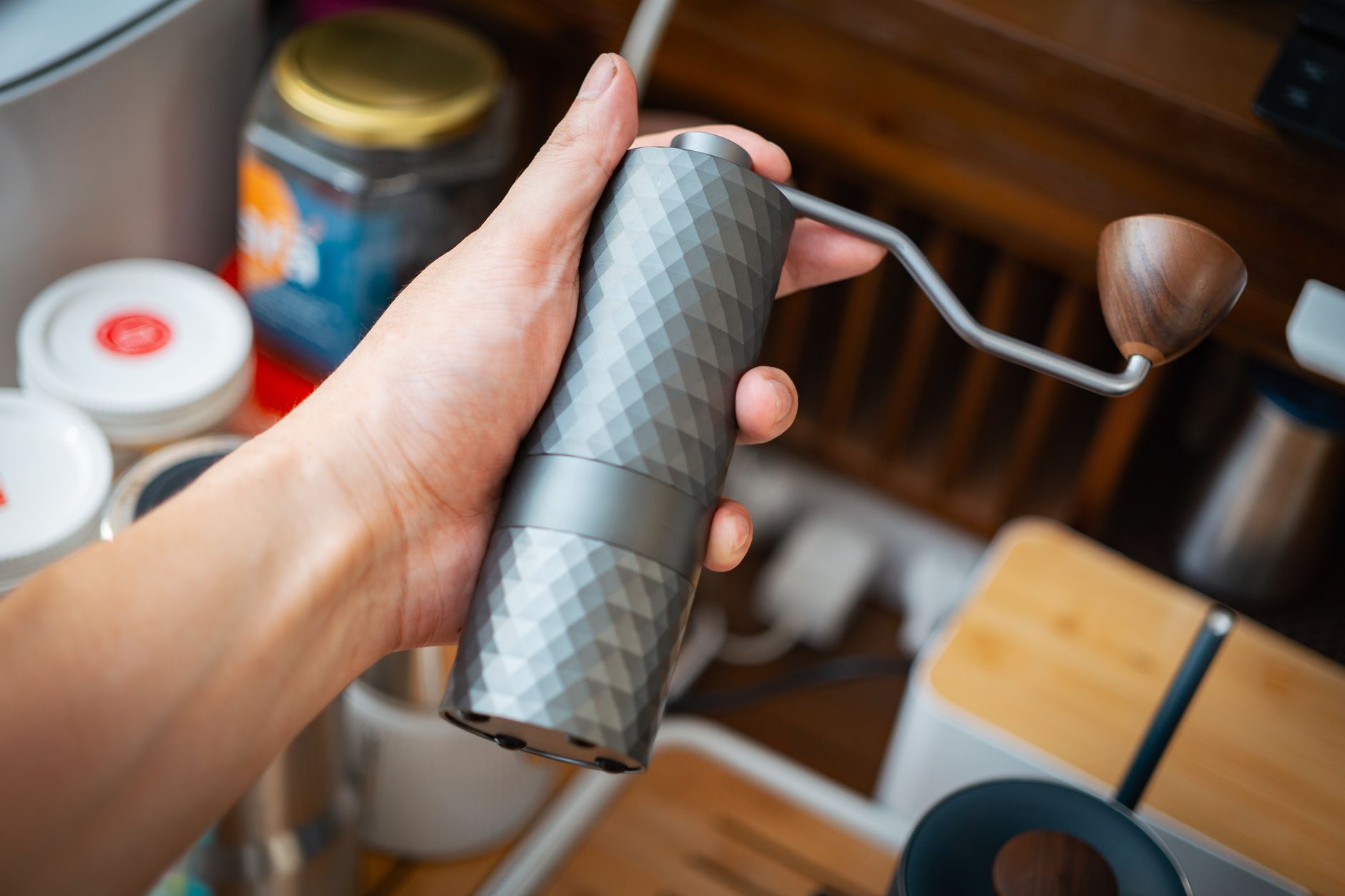
At under $100, manual grinders are serious competition. The 1Zpresso Q2 S ($70) and Timemore Chestnut C2 ($45) produce grinds that match or beat every electric option at this price. The trade-off is effort — 30–60 seconds of hand-cranking per dose.
If you make one cup at a time and don’t mind the ritual, a manual grinder from either brand outperforms the Encore ESP on grind uniformity per dollar. If you’re making coffee for two people every morning, buy the Encore ESP.
→ See Also
- The Complete Coffee Grinder Guide (2026)
- Burr vs Blade Grinder: Why It Matters for Your Coffee
- Best Coffee Grinders Under $200 (2026)
FAQ
Is the Baratza Encore ESP actually good for espresso? Yes, with caveats. The ESP version is specifically tuned to grind finer than the original Encore, and it works well with home espresso machines like the Breville Bambino or Gaggia Classic. You won’t get competition-level consistency, but it’s entirely capable of pulling excellent shots with proper technique.
What’s the difference between the Baratza Encore and the Encore ESP? The Encore ESP has a tighter grind range on the fine end — it was recalibrated to grind fine enough for espresso. The burrs are the same 40mm conical set. If you own or plan to buy an espresso machine, pay the small premium for the ESP over the original.
Can I use a $50 grinder for espresso? Not well. The Cuisinart DBM-8 and Krups GX5000 don’t grind fine or consistently enough for a non-pressurized espresso machine. You’d need a pressurized portafilter to compensate — at which point you’re masking the grinder’s limitations rather than making good espresso.
Why do baristas hate blade grinders? A blade grinder chops beans randomly. You get a mix of fine powder and large chunks in the same dose. Powder over-extracts (bitter), chunks under-extract (sour) — both end up in the cup simultaneously. There’s no way to fix this with brew technique. A burr grinder, even a cheap one, produces particles in a defined size range.
How long will a sub-$100 grinder last? The Baratza Encore ESP is built to last 5–10 years with basic maintenance (brush the burrs monthly, descale the chute). Baratza’s repair program is exceptional — they refurbish returned units and sell reconditioned grinders at a discount. The Cuisinart and Krups options typically last 2–4 years before the motor or burrs degrade noticeably.
Do I need to calibrate a new grinder? You don’t need to calibrate it, but you should dial it in for your specific beans. Grind setting, dose, and yield interact — what works for one coffee won’t work for another. Start in the middle of the espresso range and adjust one variable at a time until shots taste balanced (15–20 seconds for a medium roast as a starting point with a standard 9-bar machine).
Editorial methodology: Assessments are based on manufacturer specifications, published user reviews, and editorial research. Physical hands-on testing is noted explicitly where it occurred. Rankings reflect our editorial judgment and are not influenced by affiliate commission rates. Full editorial policy · Affiliate disclosure