Contents
What Is a Macchiato? Espresso vs Starbucks Explained
TL;DR: A macchiato is a shot of espresso “stained” with a small amount of milk — roughly 1–2 teaspoons of steamed milk or foam. The traditional Italian espresso macchiato is a 2 oz drink; the Starbucks Latte Macchiato is an entirely different beverage, closer to a latte, with espresso poured over several ounces of steamed milk.
What Is a Macchiato, Exactly?
The word “macchiato” is Italian for “stained” or “marked.” An espresso macchiato is a single or double espresso with just enough steamed milk or foam to cut the intensity — typically 1–2 teaspoons. The milk is the accent, not the base. Total volume: 2–3 oz.
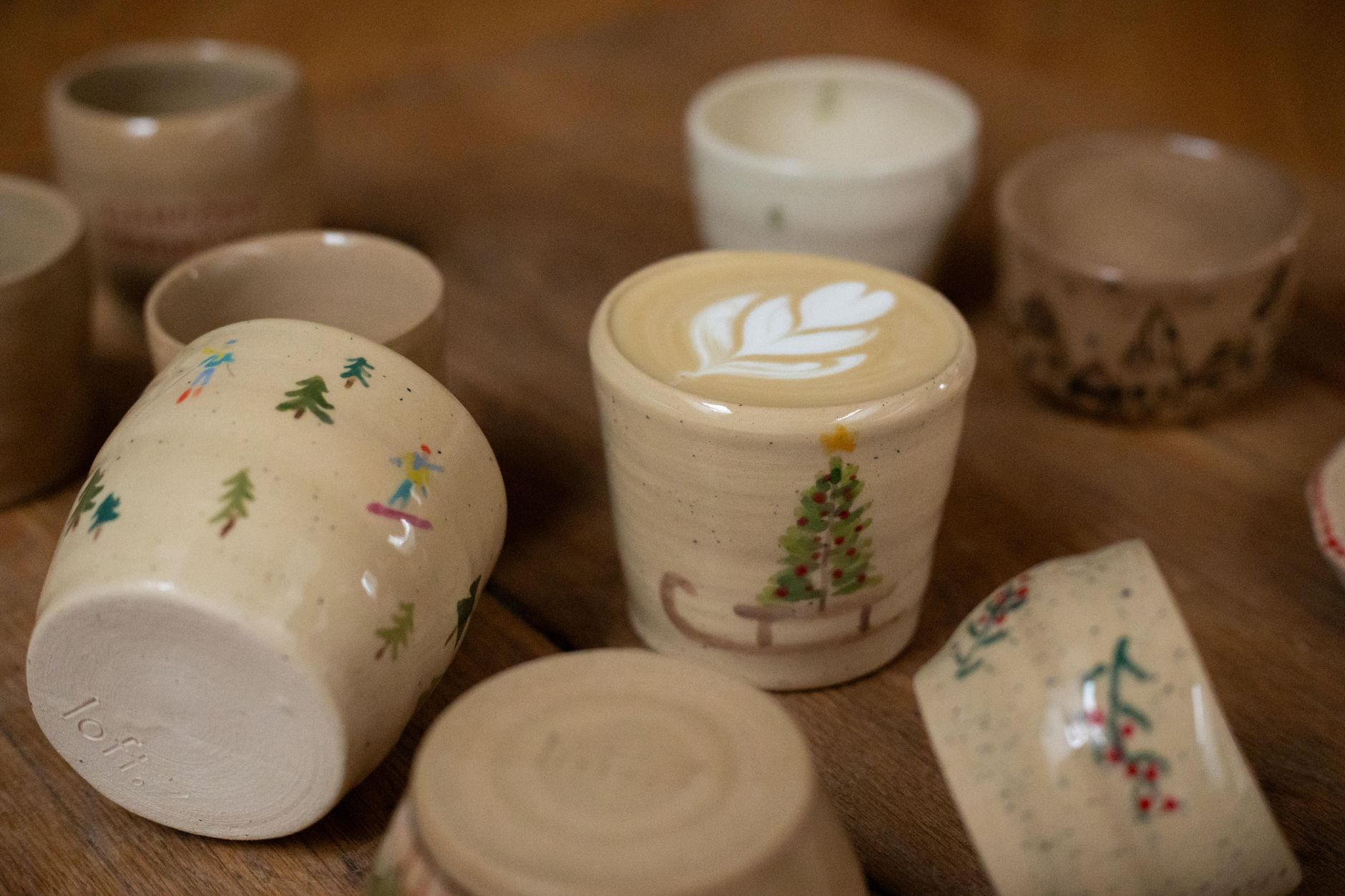 Photo: Raymond Petrik via Pexels
Macchiato originated in Italian espresso bars as a practical solution: customers wanted to signal whether they took their espresso with or without a touch of milk. The barista would “mark” the shot with foam, making it easy to distinguish from a straight espresso on a busy counter.
There are two traditional forms:
- Espresso macchiato (macchiato caldo) — espresso with a small dollop of steamed milk or dense foam on top
- Latte macchiato — steamed milk “stained” by espresso poured through it; milk is the base, espresso creates a layered dark mark
Both are small, milk-forward only in proportion, and carry a strong espresso character throughout.
Espresso Macchiato vs Starbucks Macchiato
Starbucks uses “macchiato” to describe two drinks neither of which matches the Italian original. The Espresso Macchiato is the closest — espresso with a dollop of foam — but the Caramel Macchiato and Latte Macchiato are effectively large lattes, built upside-down with vanilla syrup and flavored drizzle.
 Photo: Engin Akyurt via Pexels
| Espresso Macchiato (traditional) | Starbucks Latte Macchiato | Starbucks Caramel Macchiato | |
|---|---|---|---|
| Volume | 2–3 oz | 12–20 oz | 12–20 oz |
| Base | Espresso | Steamed milk | Steamed milk + vanilla syrup |
| Milk | 1–2 tsp | ~8–16 oz | ~8–16 oz |
| Espresso position | Under foam | Poured over milk | Poured over milk |
| Flavor profile | Intense, espresso-forward | Mild, latte-like | Sweet, dessert-adjacent |
| Closest Italian equivalent | Espresso macchiato | Latte macchiato | N/A |
The naming confusion is real and widespread. If you order a macchiato at a specialty café, you’ll get 2–3 oz of near-straight espresso. Order one at Starbucks and you’ll get something closer to a vanilla latte with caramel drizzle.
How to Make an Espresso Macchiato at Home
Pull a double espresso into a small 3 oz cup. Steam a small amount of milk — 1–2 oz is plenty — and spoon 1–2 teaspoons of dense microfoam onto the shot. That’s it. Ratio is roughly 4:1 espresso to milk.
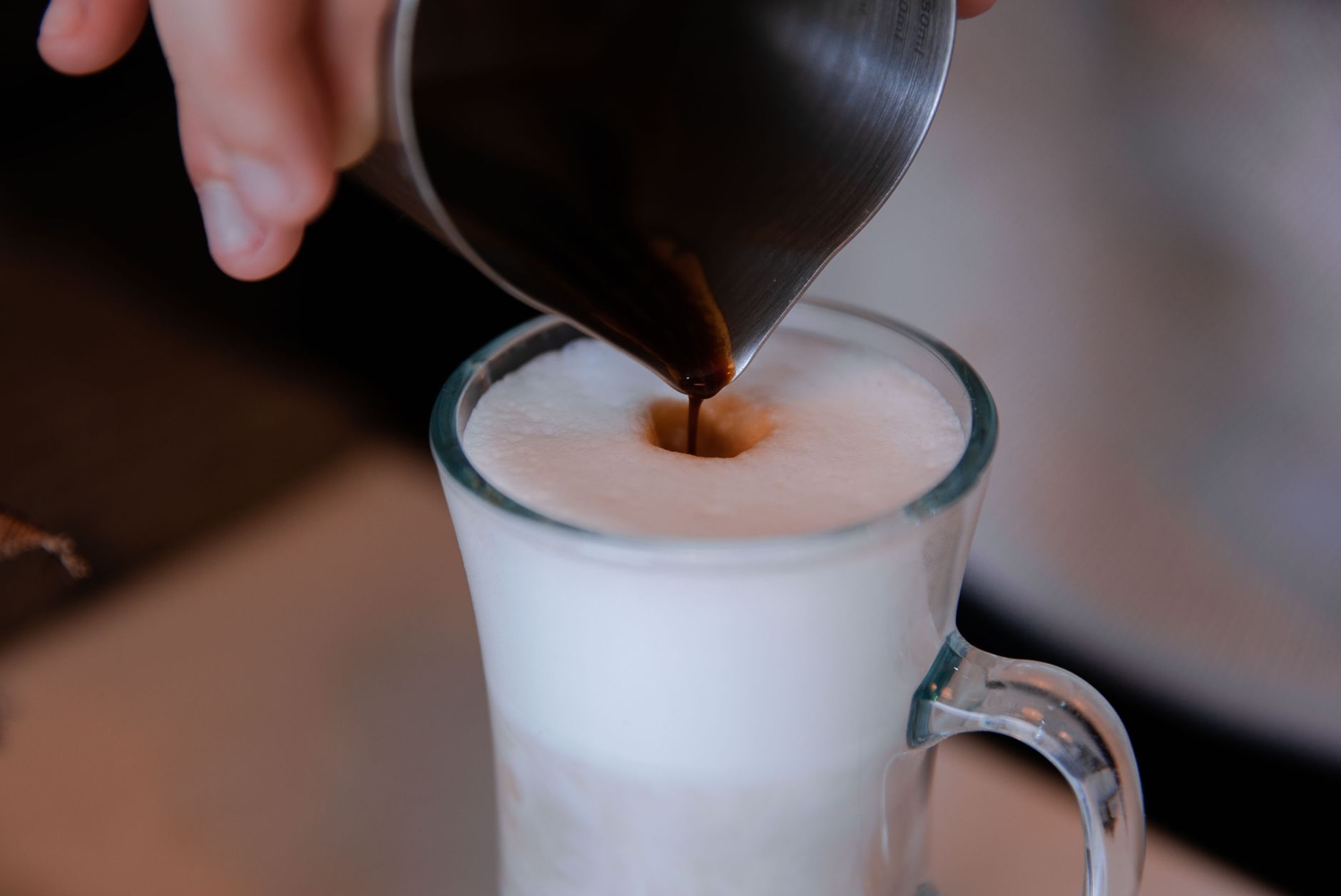 Photo: Casa Norte via Pexels
Equipment you need:
- Espresso machine with a steam wand
- Double portafilter basket — a single shot gets overwhelmed even by a small milk addition
- A small pitcher (12 oz works; less milk means better steam control at small volumes)
The biggest mistake is over-milking. Once you cross 1 oz of milk on a double espresso, you’ve made a cortado. That’s not wrong — but it’s a different drink.
For grinding, a consistent burr grinder matters more here than in longer milk drinks because the espresso is almost unmasked. A good entry-level option is the Baratza Encore
Macchiato vs Cortado vs Flat White
The macchiato is the smallest and most espresso-forward of the three. The cortado doubles the milk to balance rather than accent the shot. The flat white uses microfoam throughout and tips toward milk dominance.
 Photo: Pavel Danilyuk via Pexels
| Drink | Espresso | Milk | Ratio | Character |
|---|---|---|---|---|
| Espresso macchiato | 2 oz | 1–2 tsp | ~8:1 | Espresso with a mark |
| Cortado | 2 oz | 2 oz | 1:1 | Balanced, no dominance |
| Flat white | 2 oz | 4 oz | 1:2 | Milk-forward, silky |
| Latte | 2 oz | 8–10 oz | 1:4–5 | Mild, milk-dominant |
The macchiato occupies the sharpest end of the milk-drink spectrum. If you want espresso character with just enough milk to round the edges, this is the drink.
→ See Also
- Espresso Drinks: The Complete Guide to Every Type
- What Is a Cortado? (And How It Differs From a Macchiato)
- Cortado vs Flat White vs Macchiato: Full Comparison
FAQ
What does macchiato mean in Italian? “Macchiato” means “stained” or “marked.” The name refers to the espresso being marked with a small amount of milk or foam, distinguishing it visually from a straight black espresso on the bar counter.
Is a macchiato stronger than a latte? Yes, significantly. A traditional espresso macchiato is 90–95% espresso by volume; a latte is roughly 20%. The macchiato has the same caffeine as a double espresso — around 120–130 mg — but delivers it in a 2–3 oz serving rather than 12–16 oz, so every sip is more concentrated.
What’s the difference between a latte macchiato and an espresso macchiato? In a latte macchiato, steamed milk fills the glass first and espresso is poured through it — the milk is marked by the espresso. In an espresso macchiato, the sequence reverses: espresso comes first and the milk marks the shot. The espresso macchiato is small and intense; the latte macchiato is large and mild.
Why does Starbucks call it a macchiato if it’s basically a latte? Starbucks adapted the latte macchiato concept — espresso poured over milk — and scaled it to their standard cup sizes with added syrups. The layered pour is the loose connection to the traditional name. It’s more a branding choice than a strict adherence to Italian espresso tradition.
Can you make a macchiato without an espresso machine? You can approximate one using a Moka pot or an AeroPress for strong concentrate, with a small amount of frothed milk added. It won’t have true espresso pressure extraction, so the flavor profile differs — less crema, slightly different sweetness — but the ratio and construction remain the same idea.
Editorial methodology: Assessments are based on manufacturer specifications, published user reviews, and editorial research. Physical hands-on testing is noted explicitly where it occurred. Rankings reflect our editorial judgment and are not influenced by affiliate commission rates. Full editorial policy · Affiliate disclosure