Contents
Sugar-Free Coffee Syrups: Best Brands (2026)
TL;DR: The best sugar free coffee syrup depends on how you use it. Torani Sugar Free leads for variety and availability, Jordan’s Skinny Syrups for budget value, and Monin Sugar Free for bartender-grade flavor complexity. All three are zero-calorie and mix cleanly into espresso without separating.
What Makes a Good Sugar-Free Coffee Syrup?
The short answer: sweetener type and flavor concentration. Syrups sweetened with sucralose or erythritol blend most cleanly into hot espresso without aftertaste. Stevia-based syrups can turn bitter in acidic drinks. Concentration matters too — a well-made zero-sugar syrup should match 1:1 with its full-sugar counterpart, no over-pumping required.
 Photo: sanynjez gao via Pexels
The sweetener is where most sugar-free syrups live or die. Sucralose (Splenda-based) is heat-stable and acid-stable — it holds up in a hot cortado or iced latte without off-flavors. Erythritol, used in some “natural” options, has a cooling finish that disappears in milk drinks but surfaces in black Americanos. Maltitol and sorbitol show up in cheaper syrups and can cause digestive issues at volume.
Flavor concentration separates the good from the watery. A properly concentrated syrup coats the palate and doesn’t disappear behind a flat white’s steamed milk. The full-sugar Monin vanilla and the Monin Sugar Free vanilla should taste structurally similar — if the sugar-free version requires twice the pumps, it’s under-built.
Best Sugar-Free Coffee Syrups: Top Picks
Torani Sugar Free holds the top overall spot because it covers the widest flavor range (over 35 SKUs), uses sucralose, and is stocked in most grocery chains and café supply warehouses. Jordan’s Skinny Syrups wins on price-per-ounce for home use. Monin Sugar Free is the professional choice for recipe work where flavor accuracy matters most.
 Photo: Pixabay via Pexels
Torani Sugar Free
The de facto standard. Torani’s sugar-free line uses sucralose and natural flavors, and it integrates cleanly into everything from a vanilla latte to a brown sugar shaken espresso duplicate. Vanilla, hazelnut, caramel, and raspberry are the four core SKUs worth keeping on a home bar. The caramel is notably less artificial-tasting than the competition at this price tier.
Pump bottle sizing (750ml) is practical for daily use. Shelf life is 6 months after opening — label the bottle.
Jordan’s Skinny Syrups
Best value per ounce. The flavor range leans dessert-forward (birthday cake, salted caramel, pumpkin spice) which suits home baristas more than café menus. The sweetener base uses sucralose plus a small amount of erythritol — this works fine in milk drinks, but the cooling finish is detectable in black coffee.
At roughly 30–40% less than Torani per fluid ounce, it’s the right call if you’re burning through vanilla syrup in daily lattes and don’t need professional-grade precision.
Monin Sugar Free
The professional tier. Monin’s sugar-free range uses sucralose and matches their full-sugar formula more closely than any competitor. The French vanilla and the hazelnut are the two standout SKUs — both translate well into competition-style drinks and cold brew recipes where flavor authenticity matters.
It costs more per bottle, but the 1-liter format used in café installations is cost-effective at volume. For home use, the 750ml is the practical choice.
 Photo: Patricia Bozan via Pexels
DaVinci Gourmet Sugar Free
DaVinci’s sugar-free line is a quiet workhorse in café environments. The vanilla and caramel hold up well in steamed milk applications. Flavor is slightly thinner than Monin but more consistent than Jordan’s Skinny at high volume. Primarily a foodservice SKU — harder to find in retail but available direct and through restaurant supply.
Wholesome Yum (Keto-Friendly)
For keto and diabetic-specific use cases, Wholesome Yum uses allulose and monk fruit — no sucralose, no erythritol cooling effect. The flavor profile is cleaner in black coffee than any sucralose-based option. The trade-off: fewer flavors (vanilla, caramel, brown sugar, pumpkin), and it’s priced at a premium. Worth it if you’re sensitive to artificial sweetener aftertastes.
Sugar-Free Syrup Comparison Table
| Brand | Sweetener | Flavors | Best For | Price Tier |
|---|---|---|---|---|
| Torani SF | Sucralose | 35+ | All-purpose home & café | $$ |
| Jordan’s Skinny | Sucralose + Erythritol | 50+ | Budget home use | $ |
| Monin SF | Sucralose | 20+ | Professional/recipe work | $$$ |
| DaVinci Gourmet SF | Sucralose | 25+ | Foodservice volume | $$ |
| Wholesome Yum | Allulose + Monk Fruit | 5 | Keto / sensitive palates | $$$$ |
How to Use Sugar-Free Syrups in Espresso Drinks
Add syrup to the cup before pulling the shot. Hot espresso dissolves syrup more thoroughly than adding it after milk. Standard ratio: 1–2 pumps per 6oz drink, 2–3 pumps for a 12oz. Sugar-free syrups at proper concentration should require the same pump count as full-sugar versions.
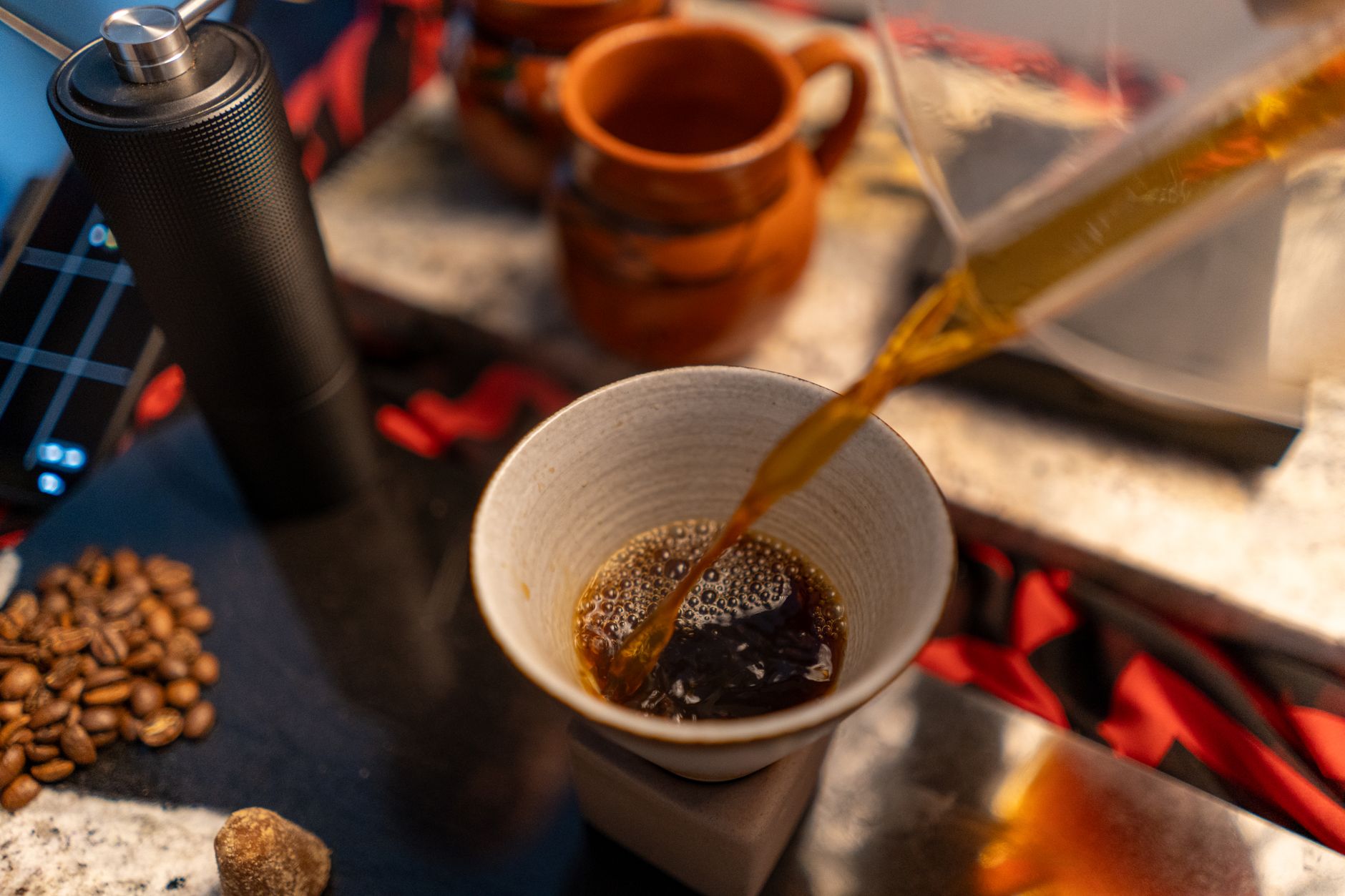 Photo: Omar Tapia via Pexels
Cold drinks need a different approach. Sugar-free syrups don’t thin as readily in cold liquid. For iced lattes, add syrup to the espresso while it’s still hot, stir, then pour over ice. For cold brew, a light warm-water stir before adding ice ensures full integration.
One mistake to avoid: over-pumping to compensate for perceived sweetness difference. If a syrup needs 4 pumps where the full-sugar version needed 2, the syrup is under-concentrated — that’s a product problem, not a dosing problem. Switch brands rather than doubling volume.
Natural vs. Artificial Sweeteners in Coffee Syrups
| Sweetener | Flavor Profile | Works in Hot Coffee | Works in Cold Coffee | Notes |
|---|---|---|---|---|
| Sucralose | Clean, neutral | Yes | Yes | Most common, heat-stable |
| Erythritol | Slight cooling finish | Yes (masked by milk) | Detectable in black | Fine in lattes |
| Stevia | Can turn bitter | Marginal in espresso | Better in cold brew | Dose-sensitive |
| Monk Fruit | Clean, slightly fruity | Yes | Yes | Rare, expensive |
| Allulose | Closest to sugar | Yes | Yes | Best texture, premium cost |
→ See also:
- Espresso Drinks: The Complete Guide to Every Type
- What Is a Cortado? (And How It Differs From a Macchiato)
- Cortado vs Flat White vs Macchiato: Full Comparison
FAQ
Is sugar-free coffee syrup actually healthy? Zero-calorie doesn’t mean without effect. Sucralose and other non-nutritive sweeteners don’t spike blood sugar in most people, which is why they’re used in diabetic and keto diets. Evidence on long-term gut microbiome effects is mixed — for daily latte drinkers who aren’t managing a metabolic condition, a few pumps is a reasonable trade-off.
Does sugar-free syrup dissolve in cold coffee? Yes, but less readily than in hot coffee. Add it to the hot espresso base before combining with cold liquid or ice, and stir. Alternatively, use a handheld frother to mix it into cold brew or iced coffee directly.
What’s the best sugar-free vanilla syrup for lattes? Torani Sugar Free Vanilla for everyday use, Monin Sugar Free French Vanilla for a richer, more layered flavor. Both use sucralose and mix cleanly into steamed milk without separation or aftertaste at 1–2 pump doses.
Can I use sugar-free syrup in a milk frother? Add it to the cup after frothing, not inside the frother jug. Syrup inside the frother can disrupt surface tension and reduce foam quality. Pour frothed milk over espresso and syrup, then stir gently.
Are sugar-free syrups safe for diabetics? The major brands — Torani, Monin, Jordan’s Skinny — are zero glycemic index when sweetened with sucralose. Allulose-based options (Wholesome Yum) are also safe. Check the label on any syrup listing “sugar alcohol” as the sweetener: maltitol and xylitol still affect blood sugar in some individuals, unlike erythritol.
Why does my sugar-free syrup taste bitter in espresso? Stevia and monk fruit can amplify bitter notes in high-extraction espresso shots. Switch to a sucralose-based syrup, or pull a slightly shorter, less bitter shot. Bitterness also increases when syrup is added after milk rather than directly to the espresso.
Editorial methodology: Assessments are based on manufacturer specifications, published user reviews, and editorial research. Physical hands-on testing is noted explicitly where it occurred. Rankings reflect our editorial judgment and are not influenced by affiliate commission rates. Full editorial policy · Affiliate disclosure