Contents
Soy Milk Latte: Does Soy Foam Well for Espresso?
TL;DR: A soy milk latte recipe works best with barista-edition soy milk heated to 55–60°C — it foams adequately, though less stable than oat or dairy. Use 18g espresso to 180–200ml soy milk for a balanced, slightly sweet result.
Does Soy Milk Actually Foam?
Yes — soy milk foams, but it’s temperamental. Protein content (around 3–4g per 100ml) enables foam formation, but soy’s fat and emulsifier composition makes it collapse faster than dairy. Barista-edition soy milk adds extra stabilizers that extend foam life significantly. Standard supermarket soy is workable; barista soy is noticeably better.
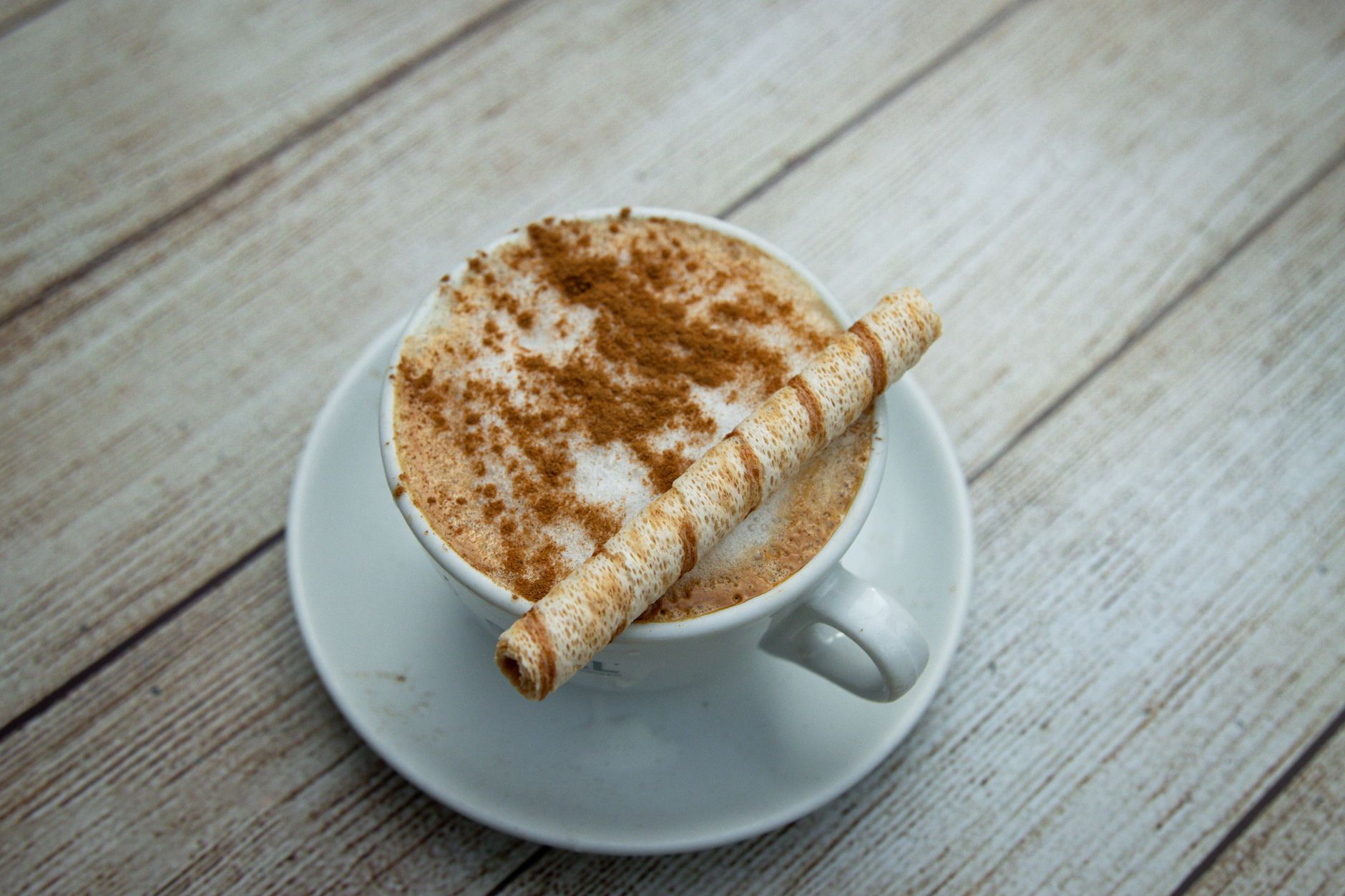
 Photo: Towfiqu barbhuiya via Pexels
Soy milk foams through the same mechanism as dairy: proteins denature under heat and trap air bubbles. The difference is dairy casein micelles form a tighter, more elastic network. Soy proteins — predominantly glycinin and β-conglycinin — create foam, but it drains faster.
Temperature discipline matters more with soy than dairy. Push past 65°C and soy proteins over-denature, producing grainy, separated foam. Keep your steam wand tip just below the surface and stop at 60°C.
The Soy Milk Latte Recipe
Pull a 18g → 36g double espresso (1:2 ratio, 25–28 seconds). Steam 180–200ml barista soy milk to 55–60°C with minimal air incorporation in the first 5 seconds. Pour immediately — soy foam separates faster than dairy, so speed between steam and pour matters.
 Photo: Ayberk Mirza via Pexels
Ingredients
| Component | Amount | Notes |
|---|---|---|
| Espresso | 18g in / 36g out | Medium-dark roast pairs well |
| Soy milk | 180–200ml | Barista edition preferred |
| Steam temperature | 55–60°C | Stop before 65°C |
Step-by-Step
- Dose and tamp 18g into a clean portafilter. Pull a 36g shot over 25–28 seconds.
- Purge the steam wand, submerge tip 1cm below surface.
- Open steam fully — introduce air for 3–4 seconds maximum, then lower the pitcher to create a vortex.
- Bring to 55–60°C. Stop. Wipe and purge.
- Tap the pitcher firmly on the counter, swirl to integrate, pour within 20 seconds.
Barista Soy vs. Standard Soy: Which Should You Use?
Barista-edition soy contains added stabilizers (typically sunflower lecithin or gellan gum) that meaningfully improve foam stability and reduce curdling risk when hitting hot espresso. For home use, standard soy works; for consistent results or café service, barista soy is worth the small price premium.
 Photo: Thirdman via Pexels
Side-by-Side
| Property | Standard Soy | Barista Soy |
|---|---|---|
| Foam stability | 30–45 seconds | 90–120 seconds |
| Curdling risk | Moderate | Low |
| Steaming ease | Moderate | Easy |
| Price | Lower | +20–40% |
| Latte art potential | Fair | Good |
Curdling — the visible splitting you sometimes see — happens when acidic espresso hits cold or low-pH soy milk. To minimise it: warm the soy slightly before steaming, use fresher espresso (less acidic as CO₂ off-gases), and pour steamed soy into the cup before adding espresso if splitting is persistent.
Soy vs. Oat vs. Almond: Which Plant Milk Foams Best?
Oat milk foams closest to dairy — beta-glucan gives it body and a creamy mouthfeel. Soy foams adequately with good temperature control. Almond foams poorly without stabilizers; its low protein content (0.5–1g/100ml) can’t hold structure. For a soy milk latte recipe, expect results between oat and almond in texture.
 Photo: NastyaSensei via Pexels
| Milk | Foam Quality | Mouthfeel | Espresso Compatibility |
|---|---|---|---|
| Dairy (whole) | Excellent | Rich | Excellent |
| Oat (barista) | Very good | Creamy | Very good |
| Soy (barista) | Good | Thin–medium | Good |
| Almond (barista) | Fair | Thin | Fair |
| Coconut | Poor | Rich | Moderate |
Flavour Profile: What Does a Soy Latte Taste Like?
Soy milk adds a mild, slightly beany sweetness that complements medium-roast espresso well. It can amplify roasty bitterness with darker roasts — if that’s unwanted, pull a slightly shorter shot or choose a lighter roast with fruit-forward notes.
The natural sugars in soy (sucrose, stachyose) caramelise slightly under steaming heat, adding a gentle sweetness without syrups. This makes soy lattes work well unsweetened in a way that almond milk often doesn’t.
Roast pairing guide:
- Light roast (fruity, floral): soy milk tames acidity, adds body — excellent pairing
- Medium roast (chocolate, caramel): natural affinity, the classic choice
- Dark roast (bitter, smoky): soy can amplify bitterness — add a half-pump of vanilla if needed
→ See also:
- Espresso Drinks: The Complete Guide to Every Type
- What Is a Cortado? (And How It Differs From a Macchiato)
- Cortado vs Flat White vs Macchiato: Full Comparison
FAQ
Does soy milk curdle in espresso? It can, particularly if the soy milk is cold, the espresso is highly acidic, or you pour espresso into soy (rather than soy into espresso). Using barista-edition soy and pouring steamed milk first reduces curdling to near-zero in practice.
What temperature should I steam soy milk to? 55–60°C is the target range. Below 50°C and foam formation is weak; above 65°C, soy proteins over-denature and the texture turns grainy or separates. A basic clip-on thermometer eliminates guesswork until you develop feel.
Is soy milk the healthiest option for a latte? Soy milk has the closest macronutrient profile to dairy of any plant milk — 3–4g protein per 100ml versus dairy’s 3.5g. Oat milk is higher in carbohydrates; almond milk is very low calorie but also very low protein. “Healthiest” depends on your dietary goals.
Can I make a soy latte without an espresso machine? Yes. Use a Moka pot or AeroPress for the espresso base. For foam without a steam wand, heat soy milk to 60°C, then froth with a handheld milk frother for 30–45 seconds. The foam is less stable but perfectly acceptable for a home soy milk latte recipe.
Which soy milk brand works best for lattes? Barista editions from Alpro, Oatly’s soy line, and Silk Barista all perform consistently. The key variable is stabilizer content — check for sunflower lecithin or gellan gum in the ingredients list. Generic supermarket soy without these additives will foam but with less reliability.
Editorial methodology: Assessments are based on manufacturer specifications, published user reviews, and editorial research. Physical hands-on testing is noted explicitly where it occurred. Rankings reflect our editorial judgment and are not influenced by affiliate commission rates. Full editorial policy · Affiliate disclosure