Contents
Washed vs Natural vs Honey Process Coffee Explained
TL;DR: Washed coffees taste cleaner and brighter — the fruit is removed before drying, so you taste the bean itself. Natural coffees dry inside the fruit, picking up sweetness and body. Honey process sits between them, with some mucilage left on, dialing up sweetness without full fermentation funk. The washed vs natural coffee process choice shapes flavor more than almost any other variable.
What Is Washed (Washed Process) Coffee?
Washed coffee has the skin and all fruit pulp removed before the bean dries. You get high clarity, bright acidity, and a lean body — the cup reflects terroir and variety directly, with nothing from the fruit muddying the signal. It dominates Ethiopian and Kenyan specialty lots.
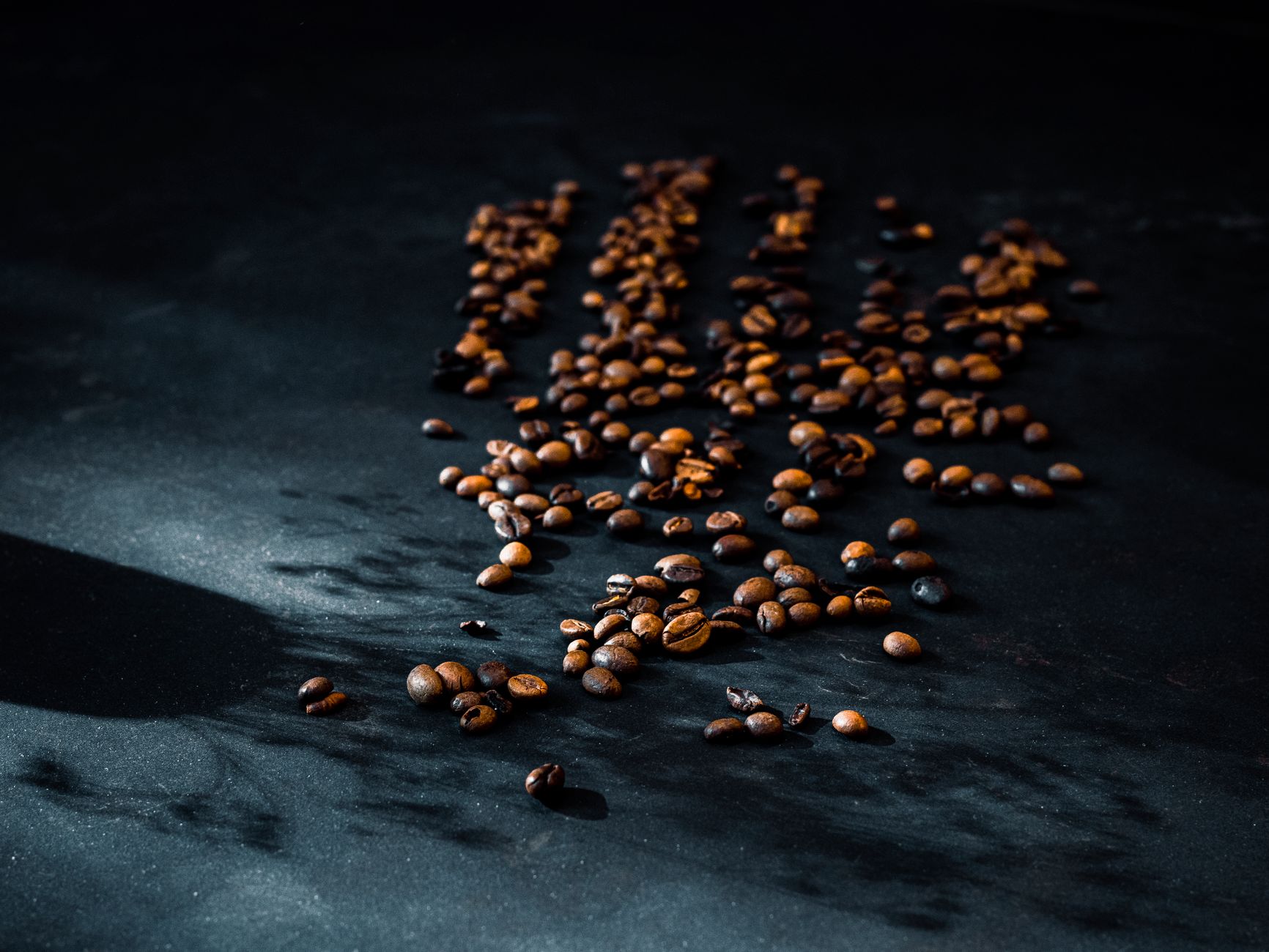
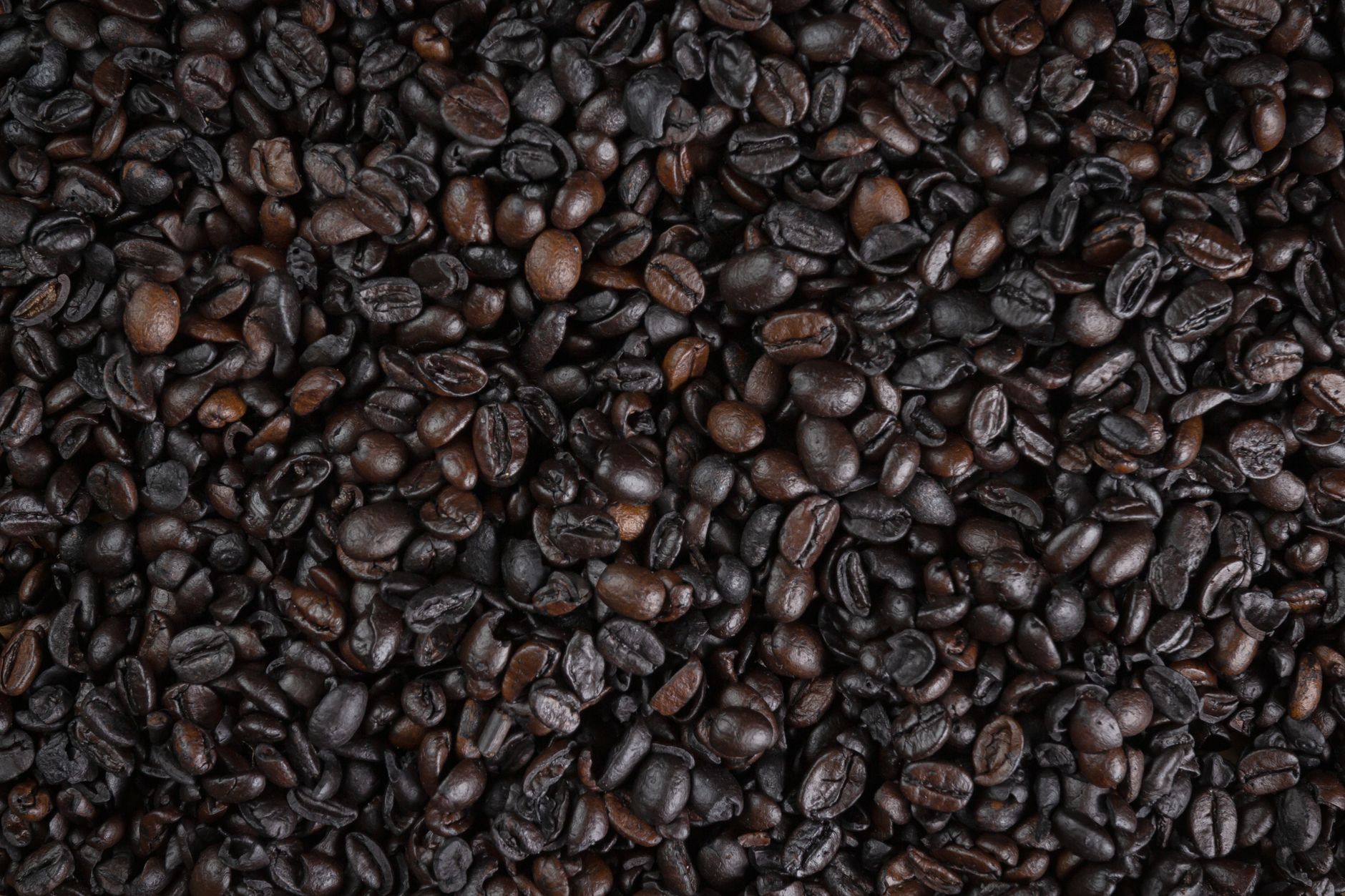 Photo: Márcio Carvalho via Pexels
After picking, cherries are pulped immediately. The beans ferment in water tanks for 12–72 hours to break down the remaining mucilage, then are rinsed clean and dried on raised beds or patios. Because no ferment-forward fruit sugars carry into the cup, you taste the variety — Heirloom Ethiopian washed cups hit blueberry and jasmine; Kenyan SL28 goes full blackcurrant.
Why Washed Dominates Espresso Bars
Most third-wave roasters default to washed for single-origin espresso. The acidity is predictable, the shot dials in faster, and the cup doesn’t swing toward fermented or boozy when pulled a second or two long. Ethiopian washed, Colombian Huila washed, and Guatemalan Antigua are workhorses of specialty espresso menus.
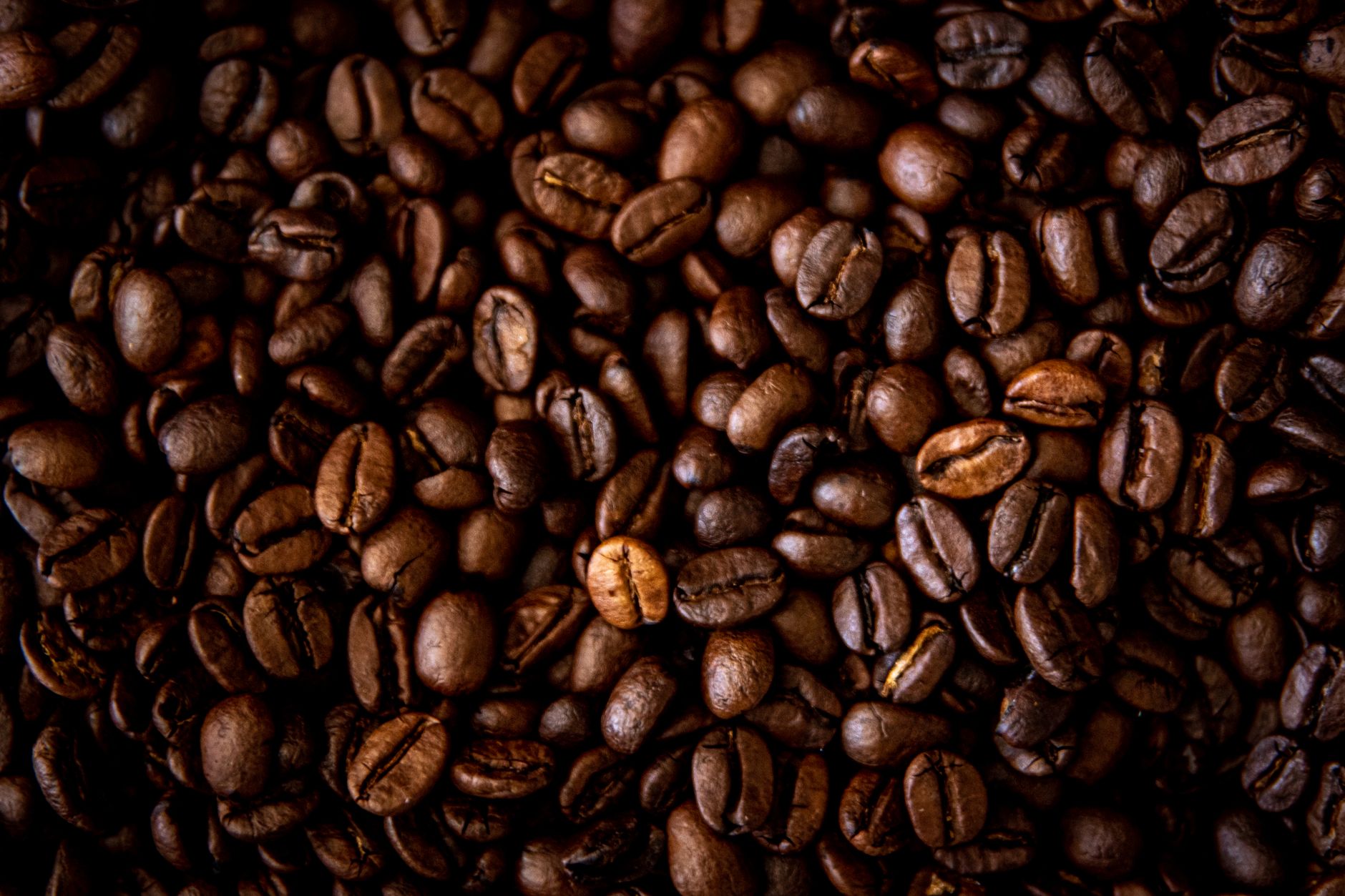
 Photo: Callum Hilton via Pexels
Dose/temp note: washed coffees generally pull cleaner at 92–93°C. Drop below 90°C and the brightness collapses into sourness. Grind tighter than you would for a natural — the open structure of washed beans doses slightly less dense by volume.
What Is Natural (Dry) Process Coffee?
Natural process coffees dry whole — fruit still on. The bean sits inside the cherry for weeks, absorbing sugars and fermenting. The result is a fruit-forward, heavy-bodied cup with lower perceived acidity and a distinct sweetness. Ethiopian Yirgacheffe naturals and Brazilian naturals are the canonical examples.
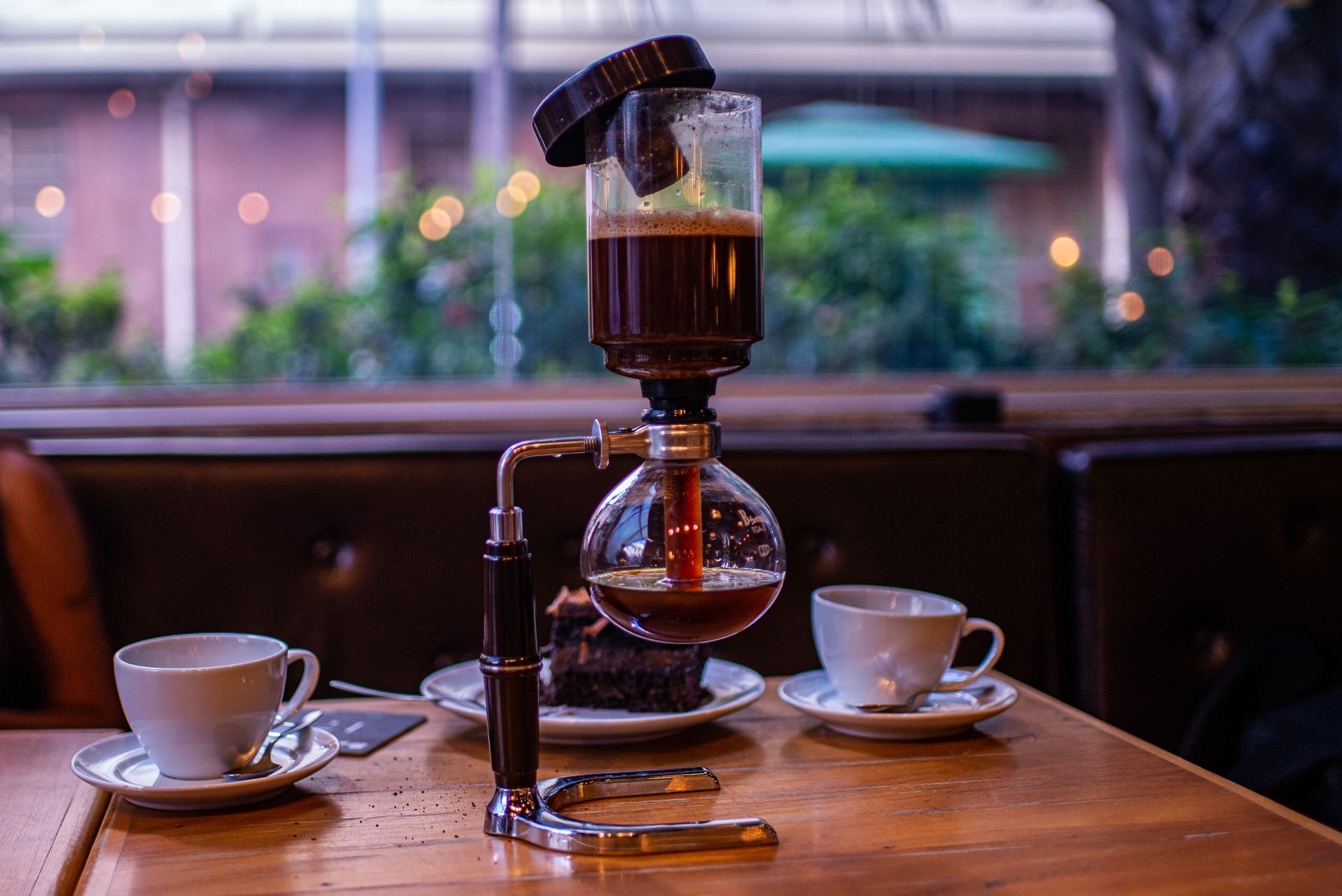
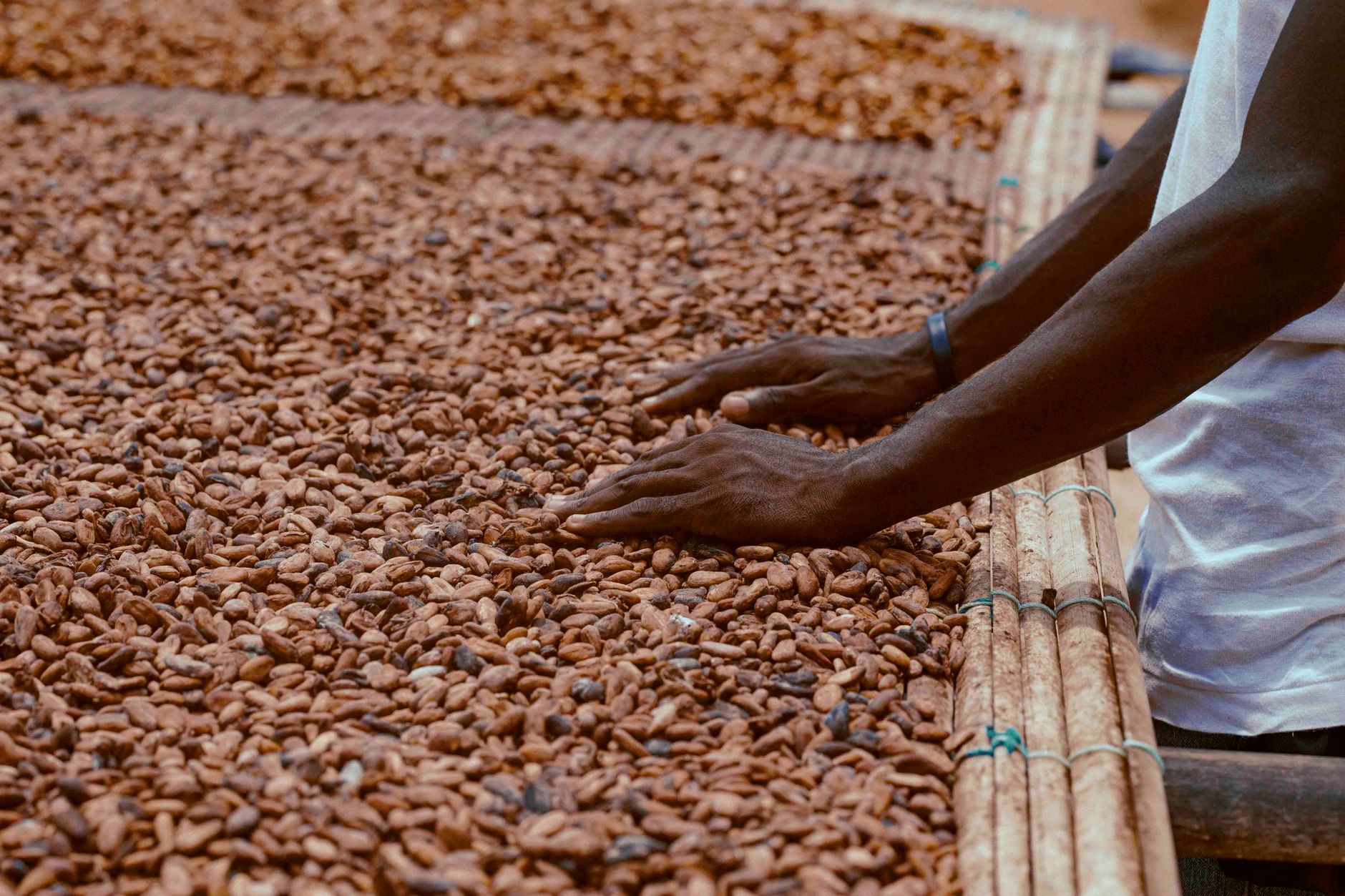 Photo: Zeal Creative Studios via Pexels
Cherries are laid out on raised beds or patios and turned regularly over 3–6 weeks until moisture drops to ~11%. The slower you dry, the more complex and controlled the ferment. Rush it in humid conditions and you get defects — sour, moldy, or over-fermented cups that even a master roaster can’t rescue.
Brazilian naturals lean toward chocolate, nuts, and dried fruit — the standard commodity and specialty base for espresso blends. Ethiopian naturals from Guji or Sidama push into strawberry jam, blueberry muffin, and wine. That’s not marketing copy; it’s actual fermentation byproduct carrying into the cup.
Natural Process and Espresso
Naturals pull sweeter and heavier, which is why they dominate espresso blends — a Brazilian natural gives a blend its body and sweetness baseline. As a single origin, they’re polarizing: some drinkers love the wine-and-fruit experience; others want none of it.
Dose/temp: naturals tolerate — and often reward — slightly higher extraction temperatures, 93–94°C. The higher sugar content can mask under-extraction, so pull to full extraction time rather than cutting short. Grind slightly coarser than a washed of equivalent roast level.
What Is Honey Process Coffee?
Honey process leaves a controlled amount of mucilage (the sticky, sugary layer under the skin) on the bean during drying. No honey involved — the name comes from the sticky texture. The result sits between washed and natural: more sweetness and body than washed, more clarity than natural.
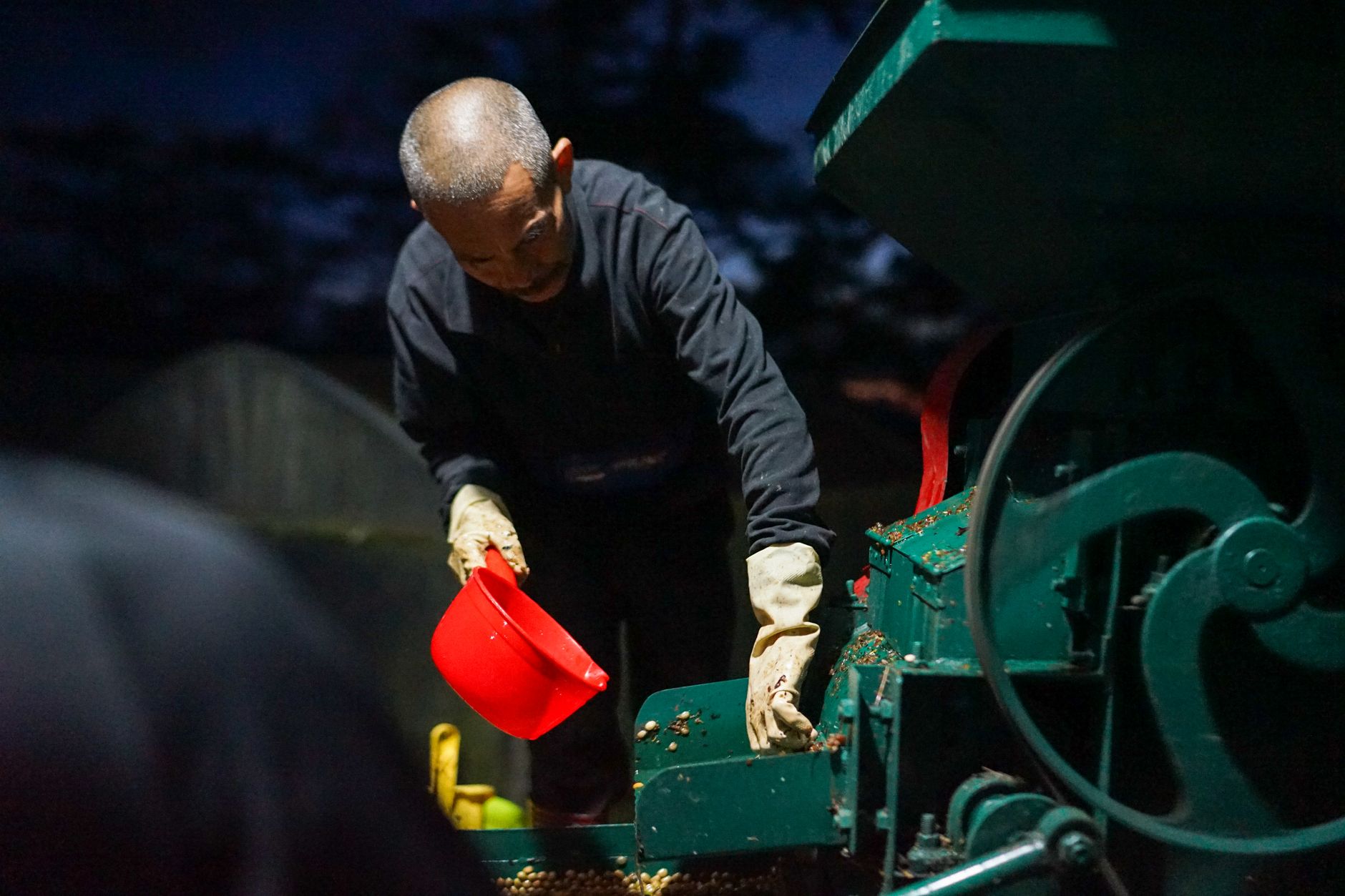 Photo: 1500m Coffee via Pexels
After pulping, the beans skip the fermentation tank and go straight to drying with varying amounts of mucilage left on. The spectrum runs:
| Honey Level | Mucilage Left | Cup Profile |
|---|---|---|
| Yellow Honey | ~25% | Clean, slight sweetness, close to washed |
| Red Honey | ~50% | Stone fruit, medium body, balanced |
| Black Honey | ~75–100% | Rich sweetness, heavy body, approaching natural |
| White Honey | <25%, very controlled | Cleanest, delicate, nearly washed |
Costa Rica pioneered honey processing at scale. You’ll also find it across Guatemala, El Salvador, and increasingly in Colombia and Panama.
Honey Process in the Cup
Red and black honey are the sweet spot for pour-over — enough sweetness to work without milk or sugar, enough clarity to track origin character. For espresso, black honey pulls close to a natural: thick mouthfeel, fruit-forward sweetness, excellent in milk-based drinks.
Washed vs Natural vs Honey: Full Comparison
| Attribute | Washed | Natural | Honey |
|---|---|---|---|
| Fruit removed | Fully | None | Partially |
| Fermentation | Water tank | Whole cherry | Mucilage on bean |
| Acidity | High, bright | Low, soft | Medium |
| Body | Light–medium | Full, heavy | Medium–full |
| Sweetness | Low–medium | High | Medium–high |
| Clarity | Highest | Lowest | Middle |
| Complexity | Terroir-driven | Ferment-driven | Blended |
| Consistency | Easiest to control | Hardest | Moderate |
| Best brew method | Pour-over, espresso | Espresso, French press | Pour-over, espresso |
| Defect risk | Low | High (requires precision drying) | Medium |
Coffee Module C — Beans & Origins
Origin Table
| Country | Altitude (MASL) | Common Process | Roast | Tasting Notes |
|---|---|---|---|---|
| Ethiopia (Yirgacheffe) | 1,800–2,200 | Washed / Natural | Light | Jasmine, bergamot, blueberry |
| Ethiopia (Guji) | 1,800–2,100 | Natural | Light–medium | Strawberry, wine, dark chocolate |
| Kenya (Nyeri) | 1,700–2,100 | Washed | Light–medium | Blackcurrant, tomato, bright citrus |
| Colombia (Huila) | 1,600–2,000 | Washed | Light–medium | Red apple, caramel, clean finish |
| Brazil (Sul de Minas) | 900–1,300 | Natural | Medium | Chocolate, hazelnut, low acidity |
| Costa Rica (Tarrazú) | 1,200–1,800 | Honey (Red/Black) | Light–medium | Peach, brown sugar, mandarin |
| Guatemala (Antigua) | 1,500–1,700 | Washed | Medium | Milk chocolate, spice, walnut |
| El Salvador | 1,000–1,700 | Honey / Washed | Light–medium | Caramel, stone fruit, syrupy |
Brew Method Pairing by Process
Washed: Best in V60, Chemex, Aeropress (medium grind), or as a dialed-in single-origin espresso. Highlight clarity with water at 93–94°C, medium-fine grind. Filter ratios of 1:16–1:17 bring out the acidity without sharpness.
Natural: Shine in French press (full immersion preserves body), moka pot, or espresso blends. Coarser grind than equivalent washed. Bloom longer (45s) for pour-over to degas the denser fruit layer.
Honey: Excellent across most methods. Red honey in a Kalita Wave at 1:15 ratio is a benchmark cup — the flat bed extracts evenly, and the cup shows both sweetness and clarity. Black honey in a flat-bottom dripper or espresso.
Freshness & Storage
- Degassing: Naturals and honey process beans need longer post-roast rest than washed. Washed: 4–7 days. Natural: 7–14 days. Honey: 7–10 days. The extra mucilage fermentation products continue off-gassing CO₂ longer.
- Storage: Airtight, opaque container away from light, heat, and moisture. Vacuum-sealed bags with one-way valves (what most specialty roasters ship in) keep beans fresh for 4–6 weeks post-roast.
- After opening: Use within 2–3 weeks for washed, 2–4 weeks for natural (its higher sugar content slightly extends perceived freshness in the cup).
→ See also
- Coffee Bean Guide: Origins, Roasts, and How to Choose
- Best Coffee Subscription Boxes (2026 Ranked) — many subscriptions let you filter by process type
- Trade Coffee Review (2026): Is It Worth It?
FAQ
Q: Does washed coffee have more caffeine than natural? No — processing method doesn’t meaningfully affect caffeine content. Caffeine levels are determined by the coffee variety (Robusta vs Arabica), growing altitude, and genetics. The drying method doesn’t degrade or concentrate caffeine.
Q: Why do natural process coffees sometimes taste fermented or “off”? Fermentation during drying is hard to control. If cherries aren’t turned frequently, if temperatures spike, or if moisture lingers too long, wild fermentation goes too far — producing acetic acid, butyric acid, and other compounds that read as vinegary, sour, or barnyard in the cup. A well-executed natural tastes fruity and sweet; a poorly dried one tastes like a mistake.
Q: Is honey process coffee actually made with honey? No. The name refers to the texture of the mucilage left on the bean — sticky like honey — not any added ingredient. The naming varies: some producers use “pulped natural” (Brazil) or “semi-washed” (Indonesia) for essentially the same technique.
Q: Which process is best for espresso? It depends on what you want in the cup. Washed for clean, bright, traceable origin character and predictable dialing-in. Natural for sweetness, body, and fruit forward pulls that work well in milk drinks. Black honey for something between the two. Most commercial blends lean on Brazilian naturals for body and sweetness baseline.
Q: Can I tell which process was used by looking at the bean? Sometimes. Natural processed beans often have a rougher, more irregular surface and some residual dried fruit matter. Honey processed beans can show a slightly brownish cast. Washed beans tend to be cleaner, more uniform in color, with a visible center crease. It’s not foolproof, but visible variation on a white cupping tray often signals natural or honey processing.
Q: Does process type affect how I should store coffee? Slightly. Naturals and black honey coffees retain volatile aromatic compounds longer but also off-gas CO₂ more aggressively post-roast. Rest them longer before brewing (see degassing table above), and use the same airtight, opaque container you’d use for any specialty coffee. Don’t refrigerate — condensation damages the bean surface.
Editorial methodology: Assessments are based on manufacturer specifications, published user reviews, and editorial research. Physical hands-on testing is noted explicitly where it occurred. Rankings reflect our editorial judgment and are not influenced by affiliate commission rates. Full editorial policy · Affiliate disclosure