Contents
How Long Do Coffee Beans Last?
TL;DR: Whole roasted coffee beans last 2–4 weeks at peak flavor after opening, and up to 6–9 months unopened (though quality degrades after 2–3 months). Ground coffee goes stale in 1–2 weeks once opened. The roast date — not the best-by date — is what matters.
How Long Do Coffee Beans Actually Stay Fresh?
Whole roasted beans stay at their flavor peak for 2–4 weeks after the bag is opened, assuming proper storage. Unopened, a sealed valve bag preserves acceptable quality for 2–3 months. After that, the coffee won’t hurt you — it just tastes flat, papery, or rancid depending on how it’s been stored.
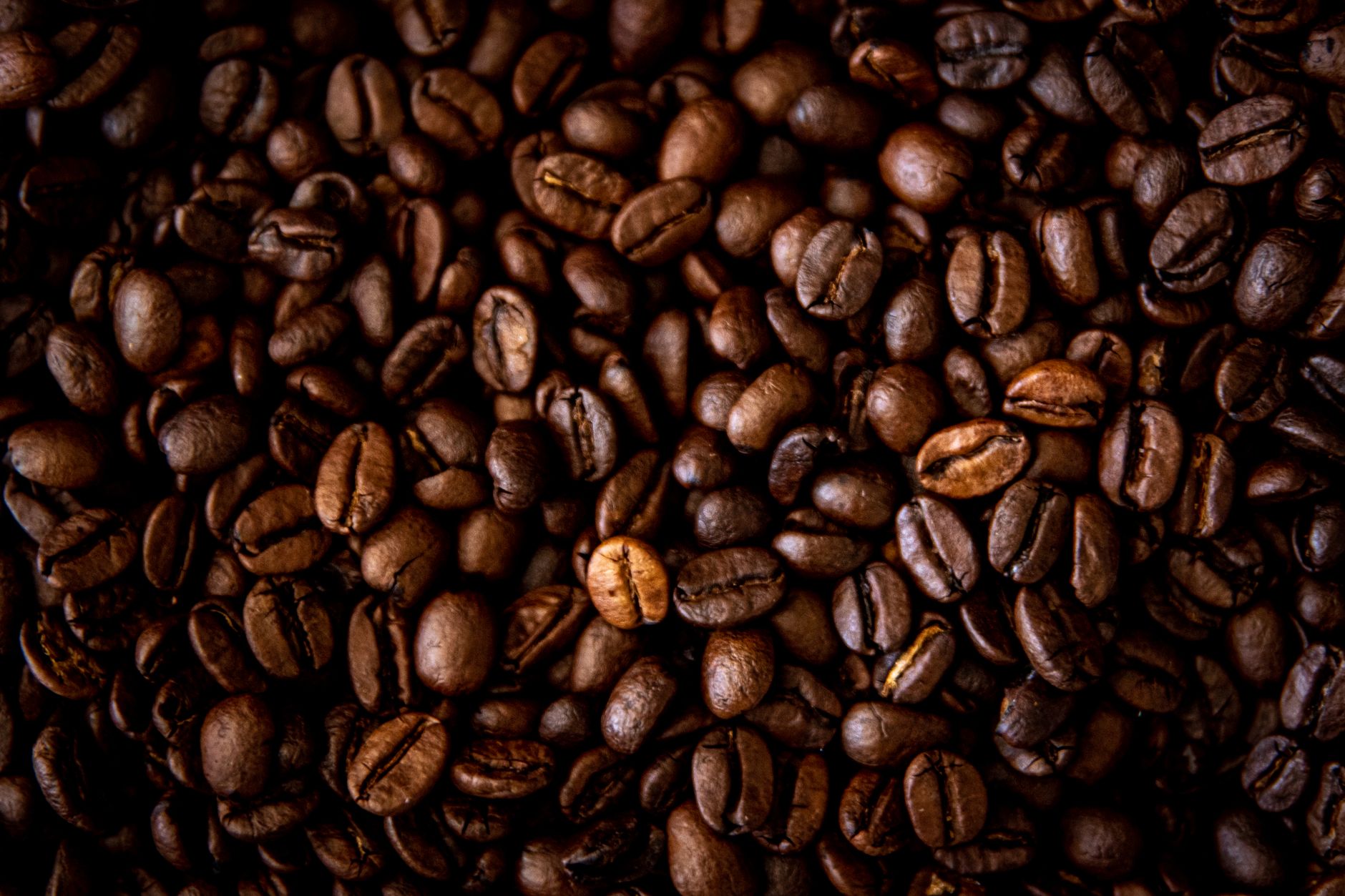
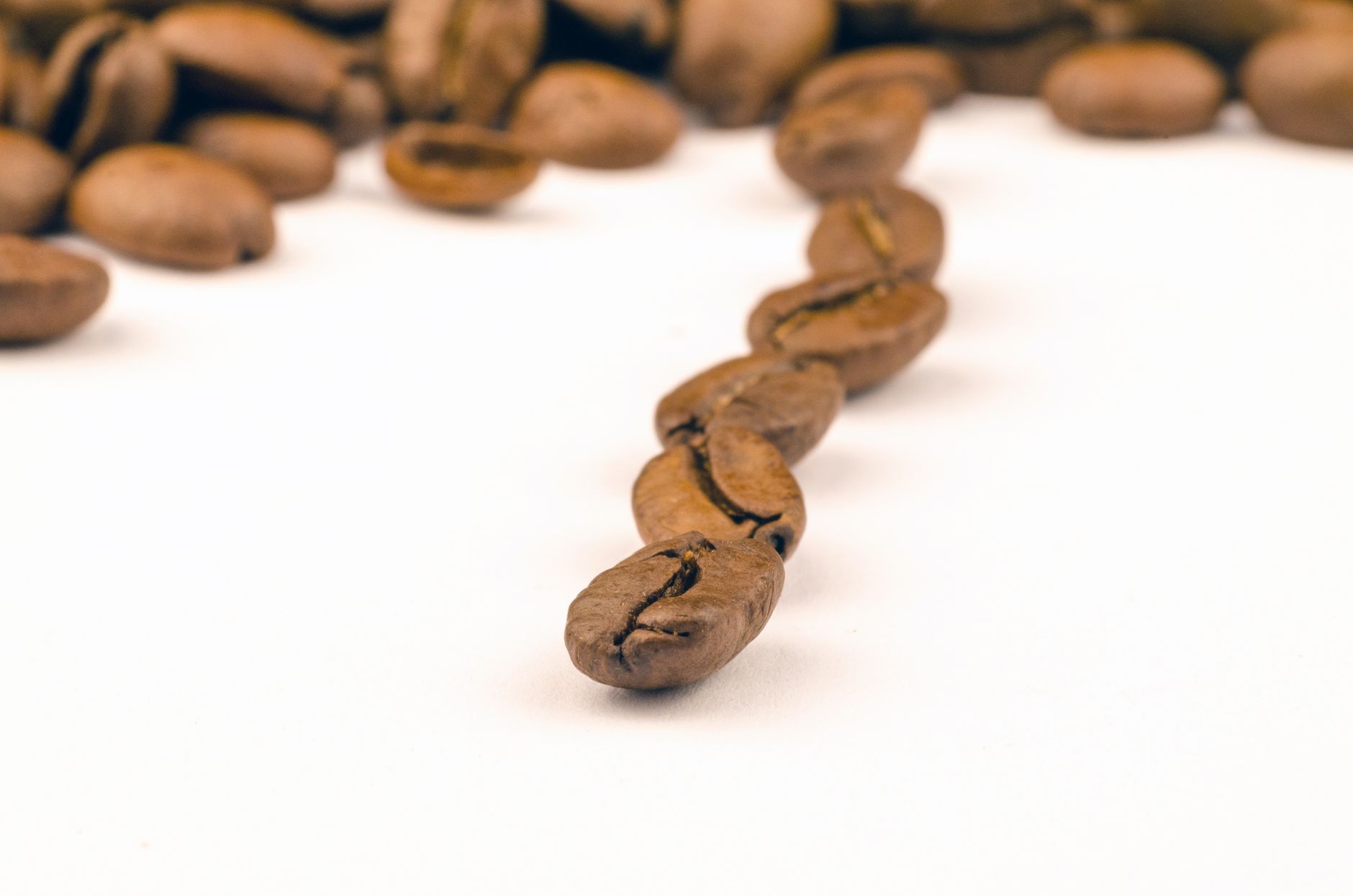 Photo: Lukas Blazek via Pexels
“Fresh” and “safe to drink” are different standards. Coffee doesn’t spoil like dairy — oxidation and CO₂ loss are the enemies, not bacteria. Once roasted, beans start outgassing CO₂ and absorbing oxygen. The first week post-roast is actually a sweet spot: enough degassing to brew cleanly, not yet oxidized.
Key timelines by state:
| Coffee form | Opened | Unopened (valve bag) |
|---|---|---|
| Whole bean | 2–4 weeks peak; 2–3 months acceptable | 2–3 months peak; up to 9 months drinkable |
| Pre-ground | 1–2 weeks peak; 1 month acceptable | 3–5 months acceptable |
| Espresso grind | 5–7 days peak | Same as pre-ground |
Does the Roast Date Matter More Than the Best-By Date?
Yes — always look for the roast date, not the best-by date. Most best-by dates are set 9–12 months after roasting, which tells you nothing about when the coffee was at its best. Specialty roasters print the roast date; if a bag only has a best-by date, that’s a red flag about freshness transparency.
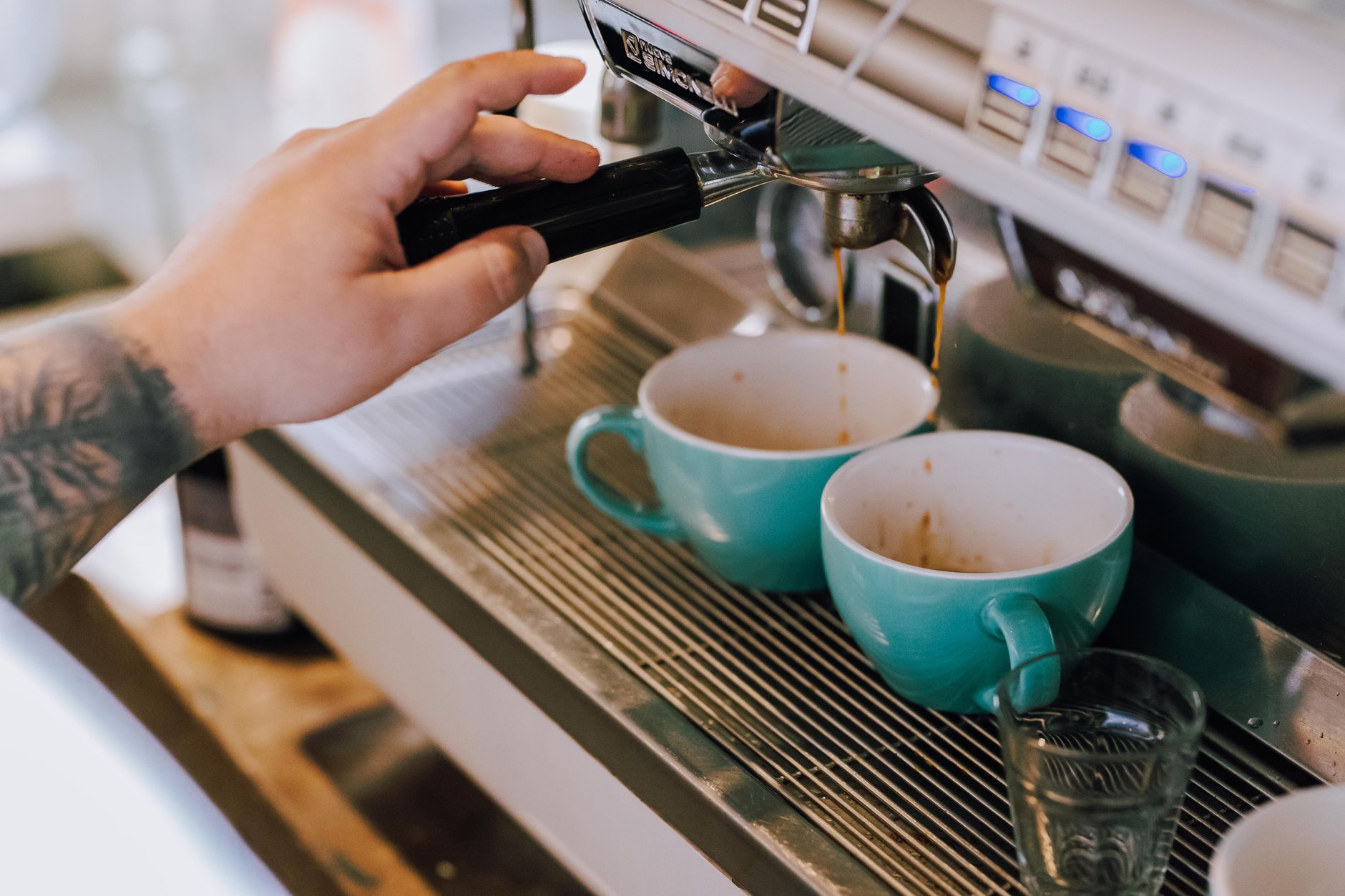
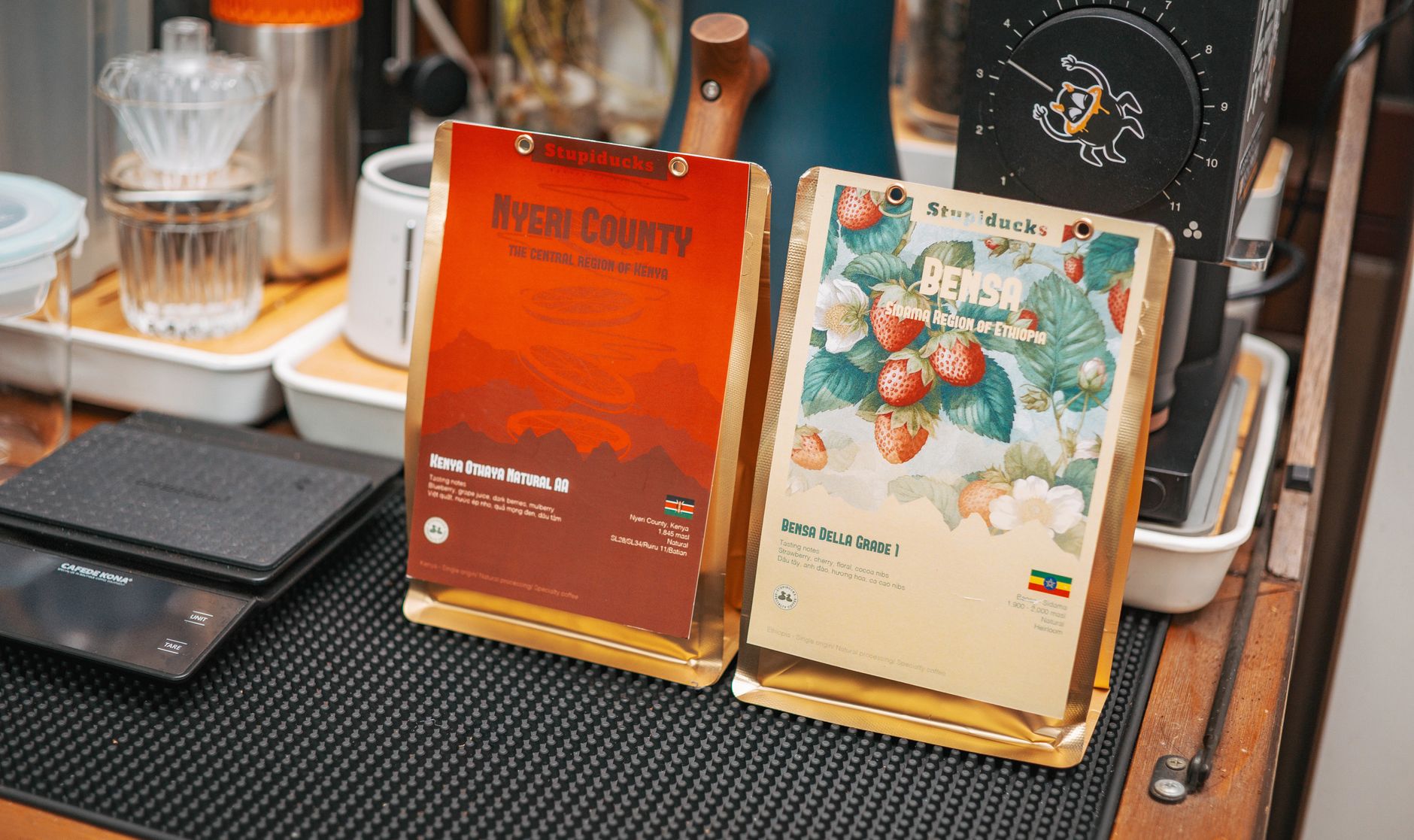 Photo: FOX ^.ᆽ.^= ∫ via Pexels
Freshly roasted beans need 24–72 hours of degassing before brewing (espresso benefits from up to 7–10 days rest). After that window closes, you want to brew within 2–4 weeks of opening. A bag roasted six months ago but “best by” next month is already well past its window.
What’s the Best Way to Store Coffee Beans?
Store in an airtight, opaque container at room temperature, away from heat, light, and moisture. A ceramic canister with a rubber-gasket lid or a purpose-built coffee vault with a CO₂ valve works well. Avoid clear glass, the fridge, and the freezer (unless freezing in single-dose portions — more on that below).
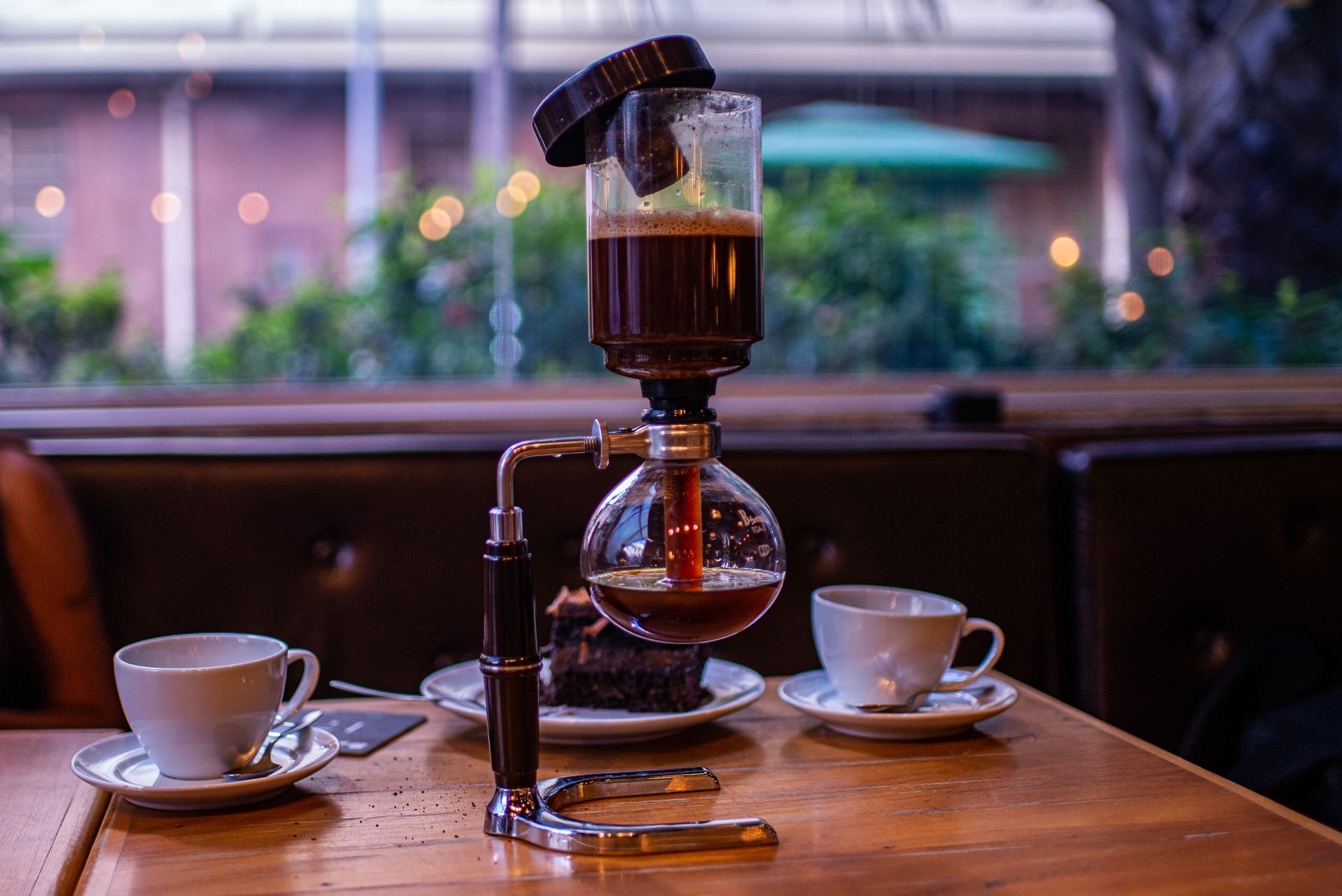
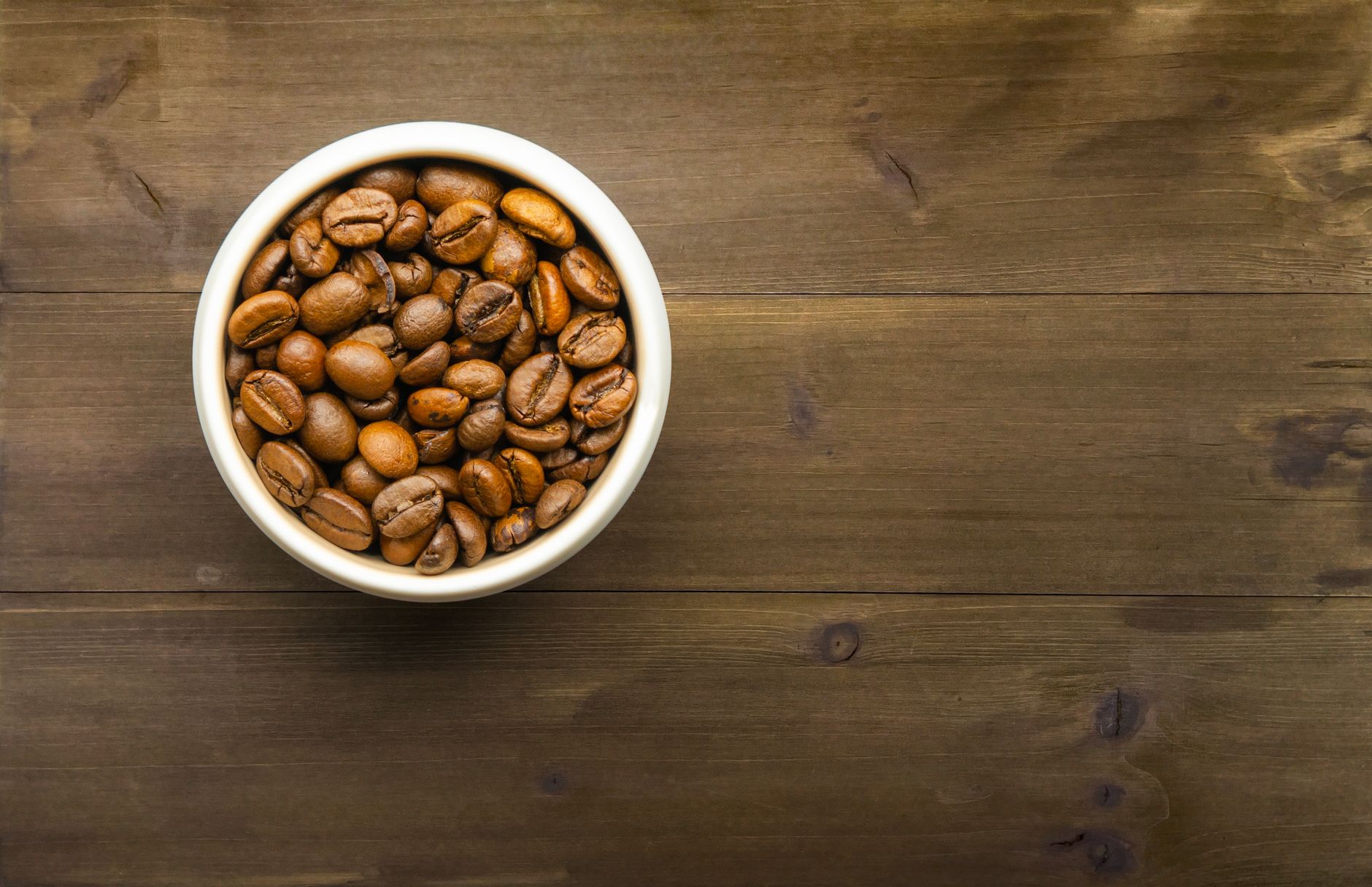 Photo: Komet Flicker via Pexels
Does Freezing Coffee Beans Extend Shelf Life?
Freezing whole beans works — but only if you do it right. Moisture and freeze-thaw cycles are the killers. If you freeze, portion into airtight bags before freezing so you never return beans to the freezer after thawing.
- Single-dose vacuum bags (18–22g per bag): freeze on roast day, pull out each morning, brew directly from frozen or let sit 10 minutes at room temperature
- Whole bag in freezer: acceptable once, but don’t refreeze
The fridge is nearly always a bad idea. It’s humid, full of odors, and doesn’t get cold enough to stop oxidation — it just adds moisture.
Storage Conditions at a Glance
| Storage method | Shelf life after opening | Notes |
|---|---|---|
| Airtight opaque canister, room temp | 3–4 weeks | Best for daily use |
| Original valve bag, sealed | 2–3 weeks | Acceptable if bag reseals well |
| Freezer (single-dose portions) | 3–6 months | Best long-term method |
| Open bowl or clear jar | 3–5 days | Avoidable waste |
| Refrigerator | Don’t | Moisture and odor absorption |
How Long Do Coffee Beans Last: Origins & Freshness by Roast
Light roasts retain nuance longer than dark roasts — they’re denser, with less surface area exposed by the roast. Dark roasts have more oils on the surface, which oxidize faster. Expect peak flavor windows of 3–5 weeks for light roasts versus 2–3 weeks for dark.
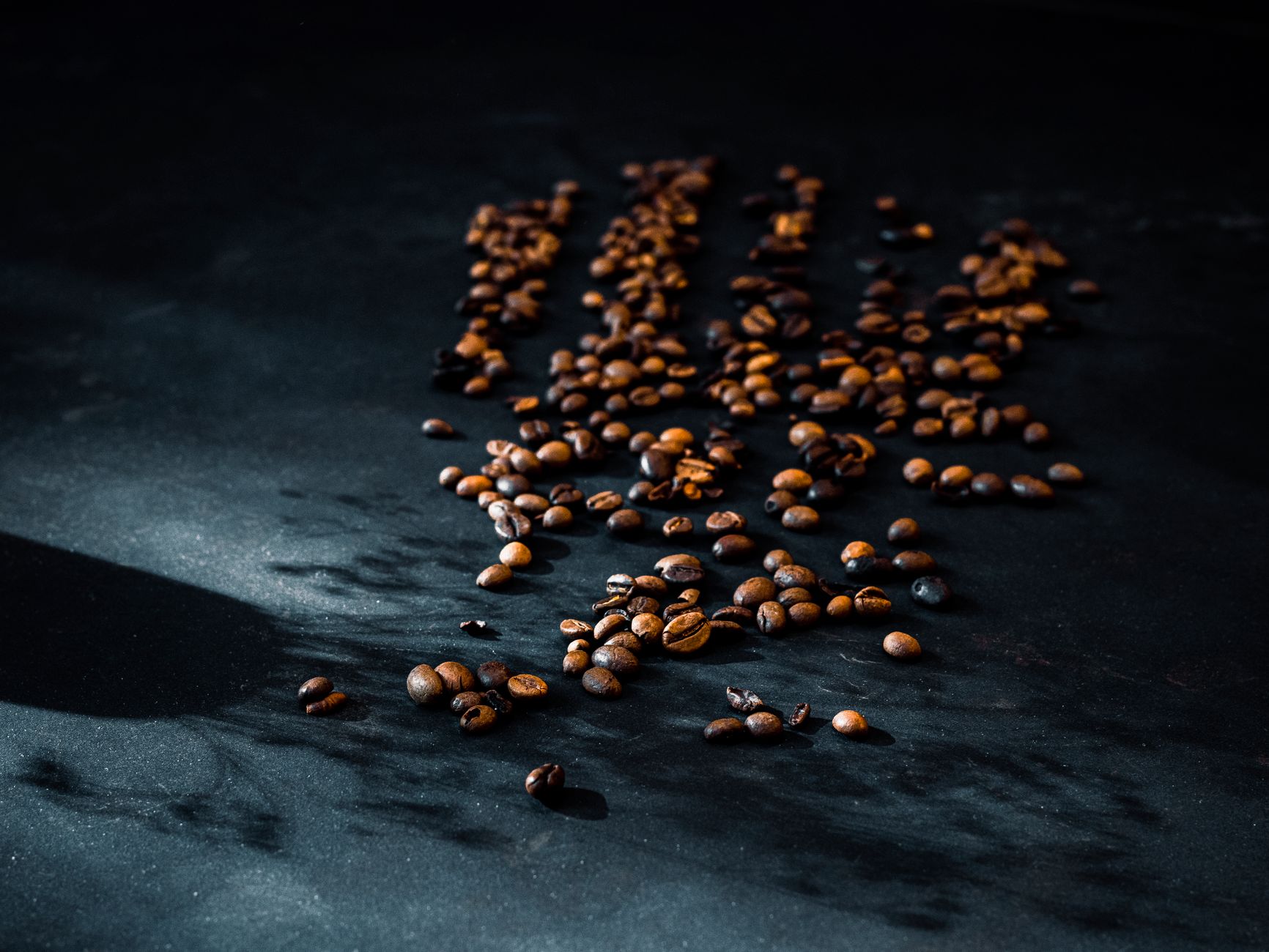
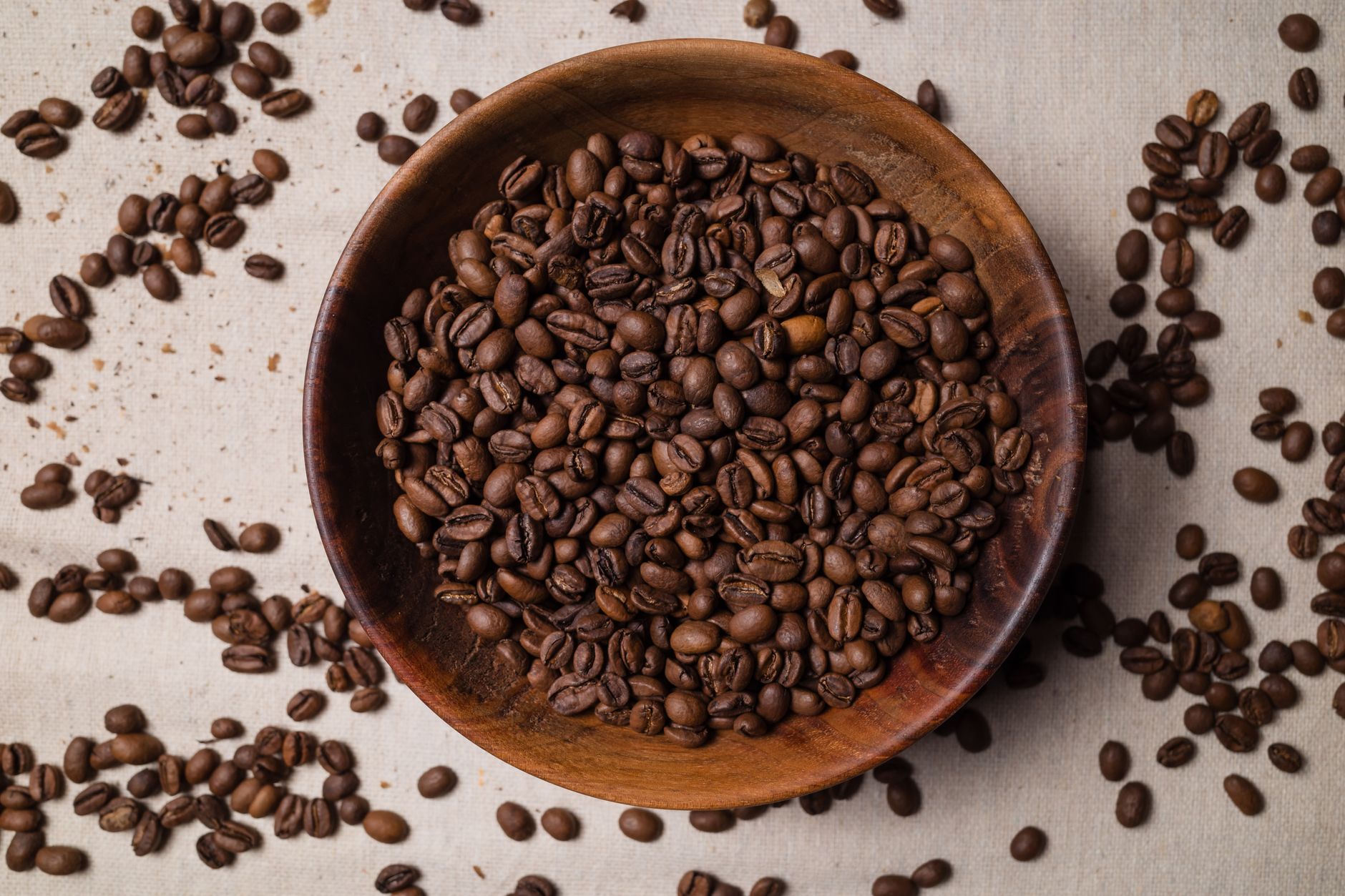 Photo: K via Pexels
Origin and Processing Effects on Freshness
| Country | Altitude (MASL) | Processing | Roast | Tasting notes |
|---|---|---|---|---|
| Ethiopia (Yirgacheffe) | 1,800–2,200 | Washed | Light | Jasmine, bergamot, lemon |
| Colombia (Huila) | 1,700–2,000 | Washed | Light–medium | Red apple, brown sugar, almond |
| Brazil (Cerrado) | 850–1,250 | Natural | Medium–dark | Chocolate, peanut, low acid |
| Guatemala (Antigua) | 1,500–1,700 | Washed | Medium | Dark fruit, cocoa, walnut |
| Sumatra (Mandheling) | 1,000–1,500 | Wet-hulled | Dark | Cedar, earthy, tobacco |
Brew method pairings and adjustments:
- Washed light roasts (Ethiopia, Colombia): filter methods (V60, Chemex), grind slightly finer, water 93–96°C
- Natural/honey processed (Brazil): espresso, moka pot — sweetness amplified under pressure; standard espresso dose (18–20g in, 36–40g out)
- Wet-hulled dark roasts (Sumatra): French press, cold brew; coarser grind, lower temp (88–92°C) to avoid harsh extraction
Freshness specifics:
- Degassing: light roasts need 5–10 days post-roast; dark roasts 2–4 days
- Storage: airtight container, 15–22°C, away from light
- Shelf life after opening: light roast 3–5 weeks, dark roast 2–3 weeks
→ See also
- Coffee Bean Guide: Origins, Roasts, and How to Choose
- Best Coffee Subscription Boxes (2026 Ranked)
- Trade Coffee Review (2026): Is It Worth It?
FAQ
How long do coffee beans last after opening? Whole bean coffee stays at peak flavor for 2–4 weeks after opening when stored in an airtight container at room temperature. You can drink it past that point, but expect noticeably less complexity and sweetness — oxidation flattens the aromatics.
Can you drink expired coffee beans? Yes — roasted coffee doesn’t go rancid in a way that makes it unsafe, assuming it’s been kept dry. “Expired” beans taste stale, bitter, or cardboard-like, but they won’t make you sick. The exception is beans that got wet and developed mold; those should be discarded.
Does grinding coffee make it go stale faster? Significantly. Grinding increases surface area by roughly 10,000x, accelerating oxidation and CO₂ loss. Ground coffee goes stale in 1–2 weeks versus 2–4 weeks for whole beans. Grind immediately before brewing whenever possible.
How can I tell if coffee beans have gone stale? Smell them — fresh beans smell intensely aromatic (fruity, chocolatey, floral depending on origin). Stale beans smell faint, papery, or vaguely rancid. You can also taste a brewed cup: flat, thin body with no aftertaste is the clearest sign of staleness.
Is it worth buying a coffee subscription to get fresher beans? For most home brewers, yes. Subscriptions from specialty roasters like Trade or Atlas ship beans within a few days of roasting, which beats the typical supermarket bag that’s been sitting in a warehouse for months. If you’re grinding at home, fresh beans make a bigger difference than any equipment upgrade under $200.
Editorial methodology: Assessments are based on manufacturer specifications, published user reviews, and editorial research. Physical hands-on testing is noted explicitly where it occurred. Rankings reflect our editorial judgment and are not influenced by affiliate commission rates. Full editorial policy · Affiliate disclosure