Contents
How to Store Coffee Beans to Keep Them Fresh
TL;DR: Store coffee beans in an airtight, opaque container at room temperature, away from heat, light, and moisture. Avoid the fridge or freezer for daily-use beans — temperature cycling degrades them faster than air does. Freshly roasted beans stay at peak flavor for 2–4 weeks after roast date.
The Four Enemies of Fresh Coffee Beans
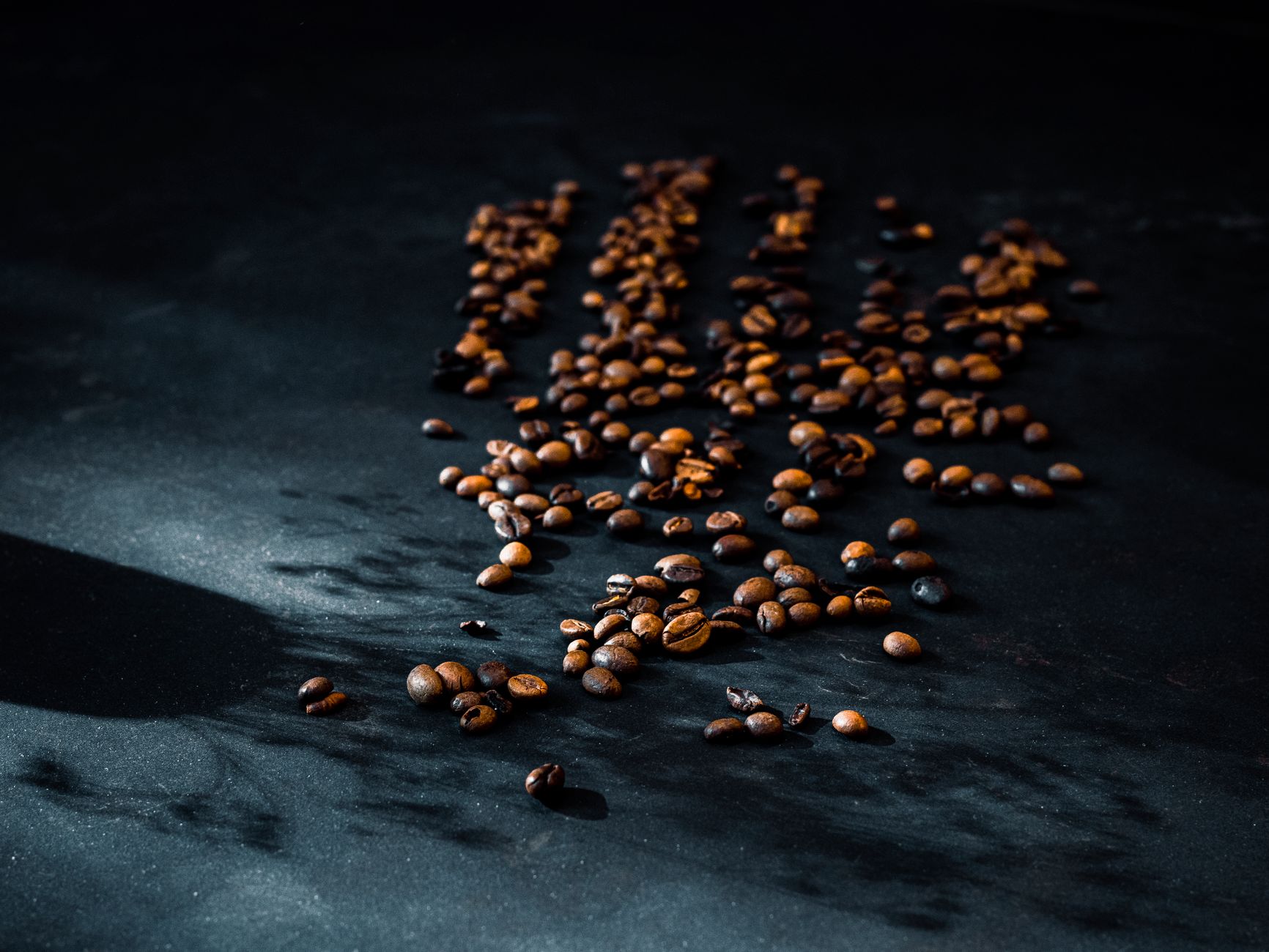
Oxygen, light, heat, and moisture are what kill coffee beans. Every storage decision you make is about limiting exposure to these four. A bag left open on a sunny counter loses noticeable flavor within 48 hours; the same beans sealed in a ceramic canister in a cupboard stay vibrant for weeks.
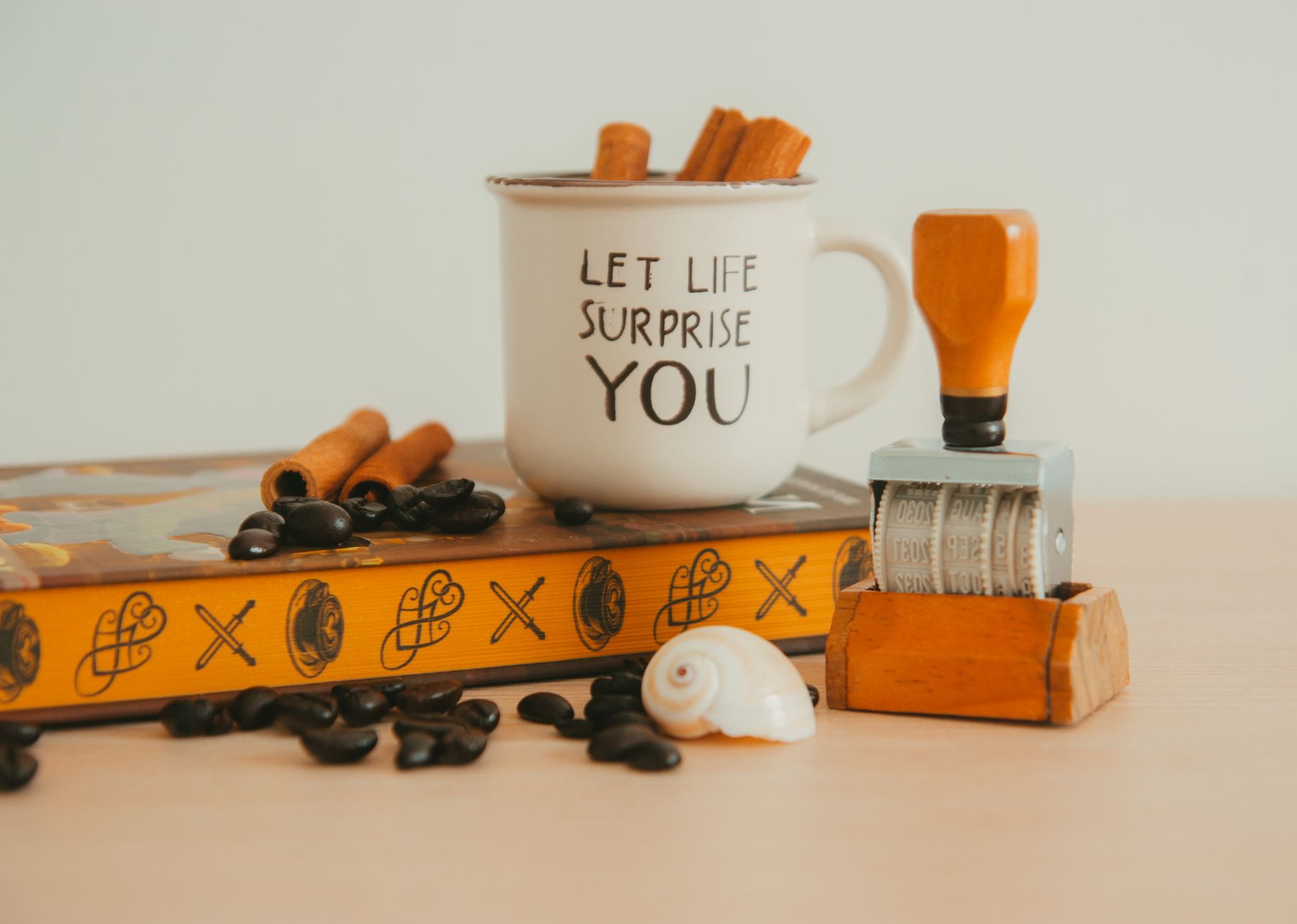 Photo: Dagmara Dombrovska via Pexels
Coffee beans are porous and absorb surrounding aromas — store them near spices or on a counter near a stove and you’ll taste it. The CO₂ released during degassing (the first 3–10 days post-roast) actually helps protect beans from oxygen, which is why many roasters seal bags with one-way valves rather than nitrogen flushing.
What “Stale” Actually Means
Staleness is oxidation of coffee’s aromatic compounds — primarily volatile esters and acids. The result isn’t just flat taste; it’s often rancid, papery, or hollow. Ground coffee goes stale roughly 10× faster than whole beans because surface area explodes.
Best Containers for Storing Coffee Beans
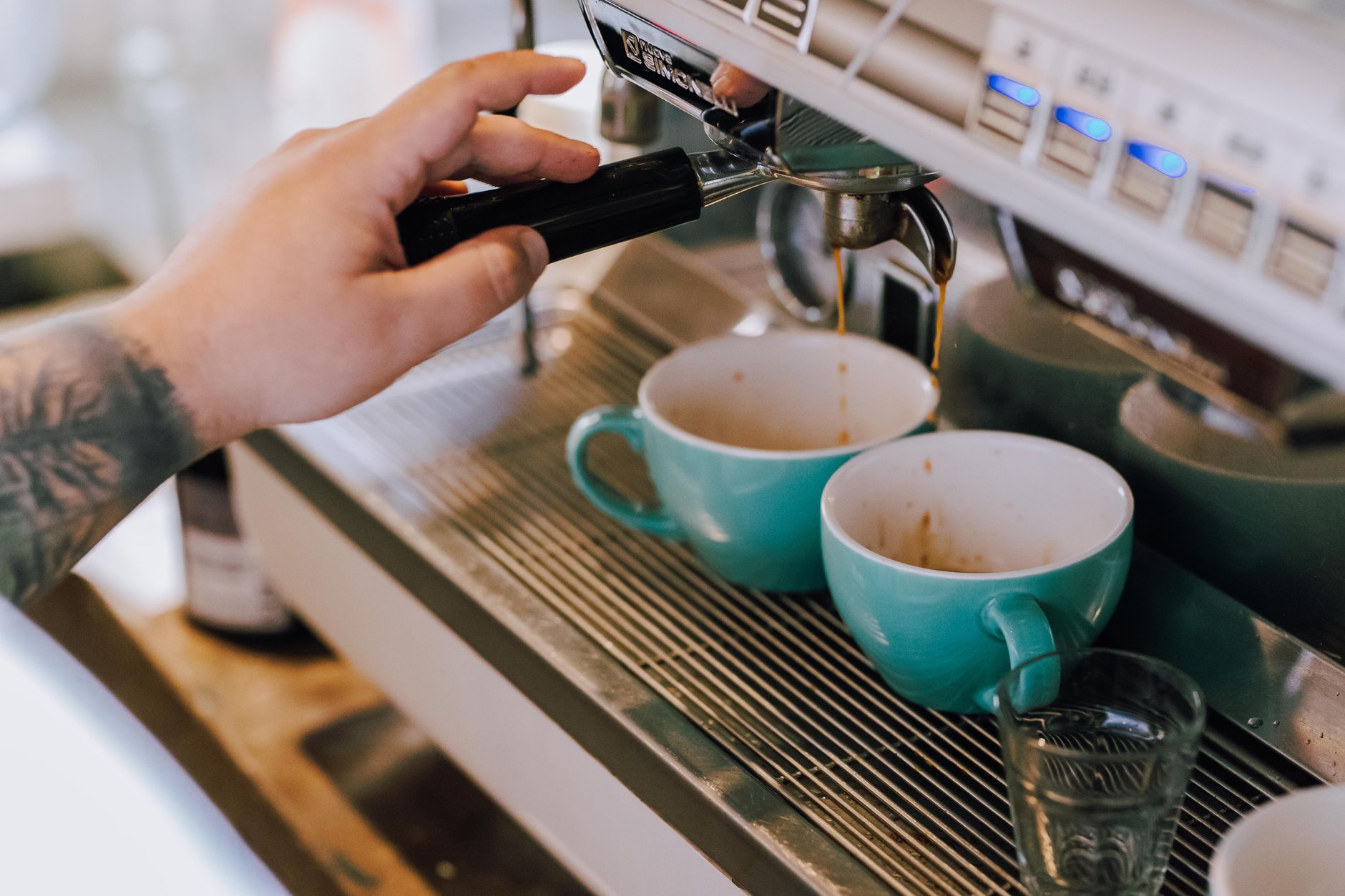
An opaque, airtight container with a CO₂ valve wins for daily use. Ceramic or stainless steel canisters with rubber-sealed lids are the practical standard. Glass works but lets in light — keep it in a cupboard. Avoid plastic long-term; it transfers odors and doesn’t seal as consistently.
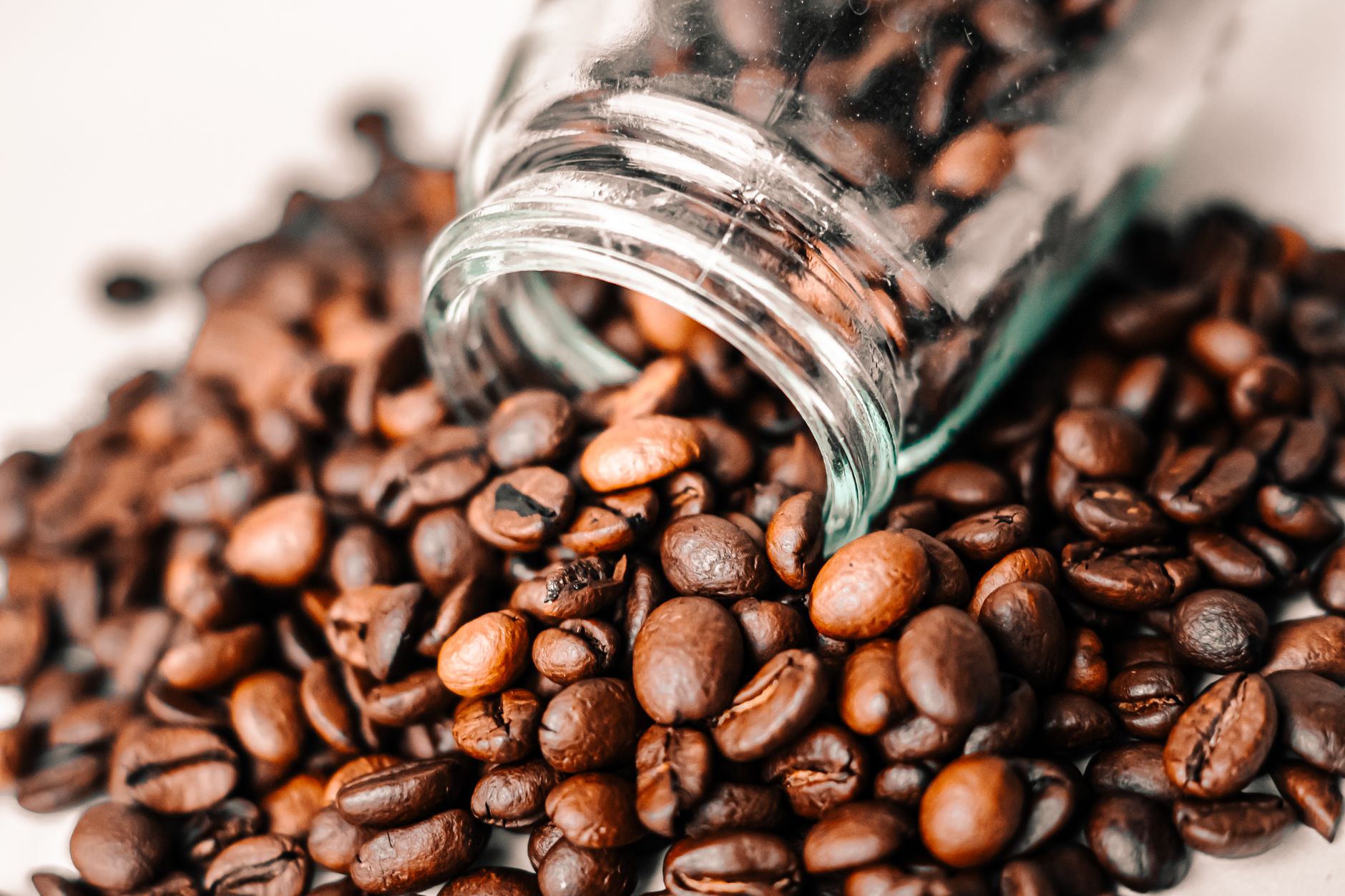 Photo: Wojtek Pacześ via Pexels
| Container Type | Airtight | Opaque | CO₂ Valve | Best For |
|---|---|---|---|---|
| Ceramic canister (rubber seal) | ✓ | ✓ | ✗ | Daily use, 1–2 week supply |
| Stainless steel with latch | ✓ | ✓ | ✗ | Daily use, looks clean on counter |
| Roaster bag (one-way valve) | ✓ | ✓ | ✓ | First 1–2 weeks post-roast |
| Glass jar (dark cupboard) | ✓ | ✗ | ✗ | Works if stored dark |
| Plastic zip bag | Partial | Partial | ✗ | Short-term only |
| Vacuum canister | ✓✓ | ✓ | N/A | Best for 2+ week storage |
The Airscape Coffee Storage Canister is a consistent performer — it pushes air out as you close the lid, creating an internal vacuum without any pump. For serious home baristas, the Fellow Atmos Vacuum Canister achieves a deeper vacuum seal and has a freshness indicator built in.
Should You Refrigerate or Freeze Coffee Beans?
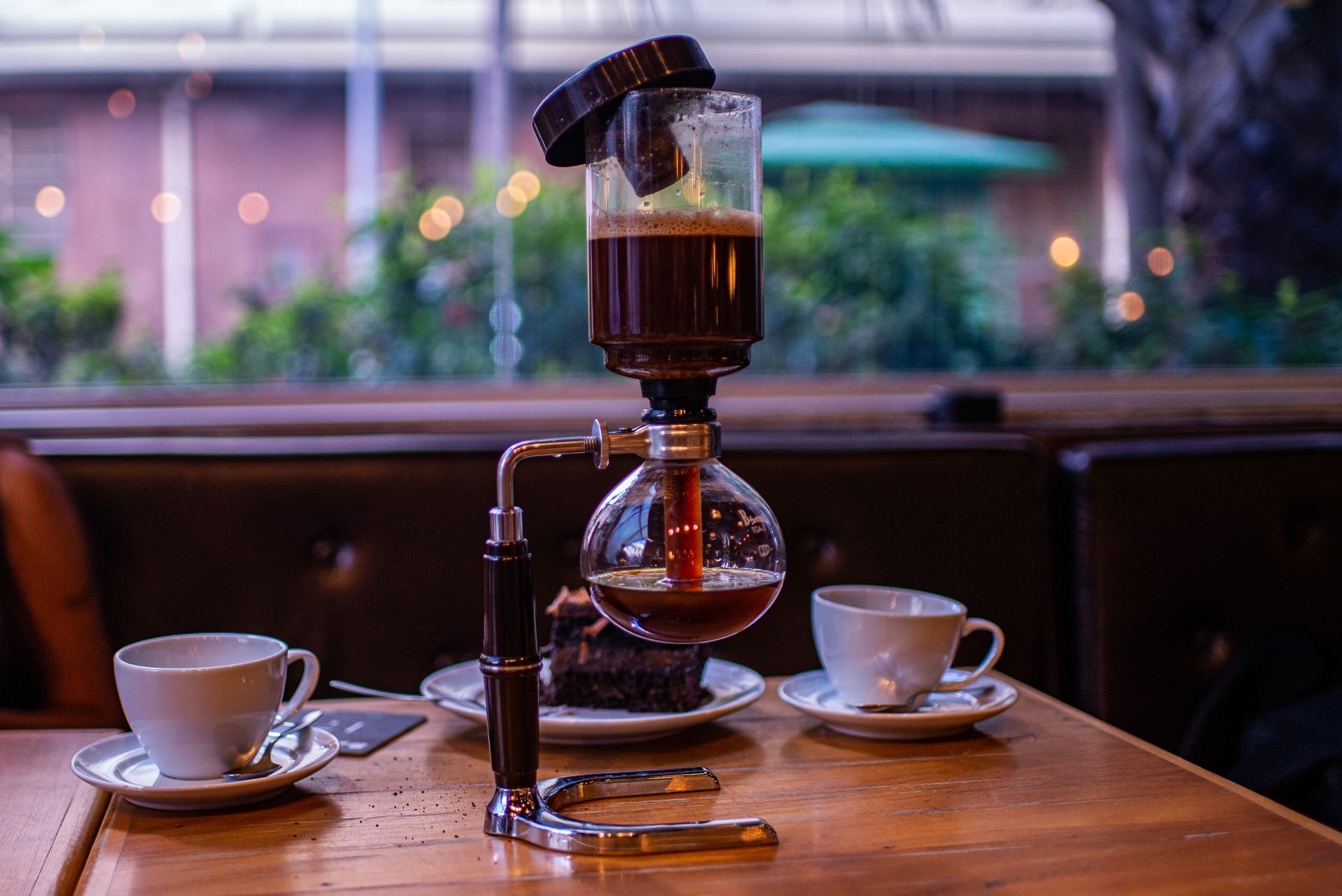
No fridge, ever. The freezer works only under specific conditions: one large sealed batch you won’t open repeatedly. If you open the freezer container daily, condensation forms on the beans from temperature cycling — that moisture is worse than room-temperature air.
 Photo: indra projects via Pexels
The freezer is legitimate for long-term bulk storage — say you bought a 5 lb bag and only use 12 oz per week. Portion the beans into weekly-sized vacuum-sealed bags before freezing, freeze once, and never refreeze. Thaw a bag at room temperature for 12–24 hours before opening.
The fridge introduces moisture and odors (coffee absorbs both readily) without meaningfully slowing oxidation. It is not a valid storage environment for coffee beans under any circumstances.
Freezer Storage Protocol
- Divide beans into single-week portions immediately after purchase
- Vacuum-seal each portion (FoodSaver or similar)
- Freeze; use within 3 months for peak quality, up to 6 months for acceptable quality
- Remove one bag at a time; thaw sealed at room temperature before opening
- Once thawed and opened, treat as fresh — use within 1–2 weeks
How Long Do Coffee Beans Stay Fresh?
Whole beans: 2–4 weeks from roast date at peak, 6–8 weeks still drinkable. Ground coffee: 1–2 weeks in an airtight container. Pre-ground in an open bag: 3–5 days before noticeable flavor loss.
| Form | Peak Flavor Window | Still Drinkable | Noticeably Stale |
|---|---|---|---|
| Whole bean (sealed) | 7–28 days post-roast | Up to 8 weeks | 3+ months |
| Whole bean (open canister) | 7–14 days | 4–5 weeks | 8+ weeks |
| Ground (airtight) | 3–7 days | 1–2 weeks | 3+ weeks |
| Ground (open bag) | 1–2 days | 3–5 days | 1 week |
| Frozen (vacuum-sealed) | Thaw + 1–2 weeks | Thaw + 3 weeks | — |
Always check the roast date, not the best-by date. Specialty roasters print roast date; supermarket bags print best-by, which can be 12+ months out — that coffee is already old. Buying beans more than 6 weeks post-roast means you’re already behind.
Buying Fresh: What to Look For
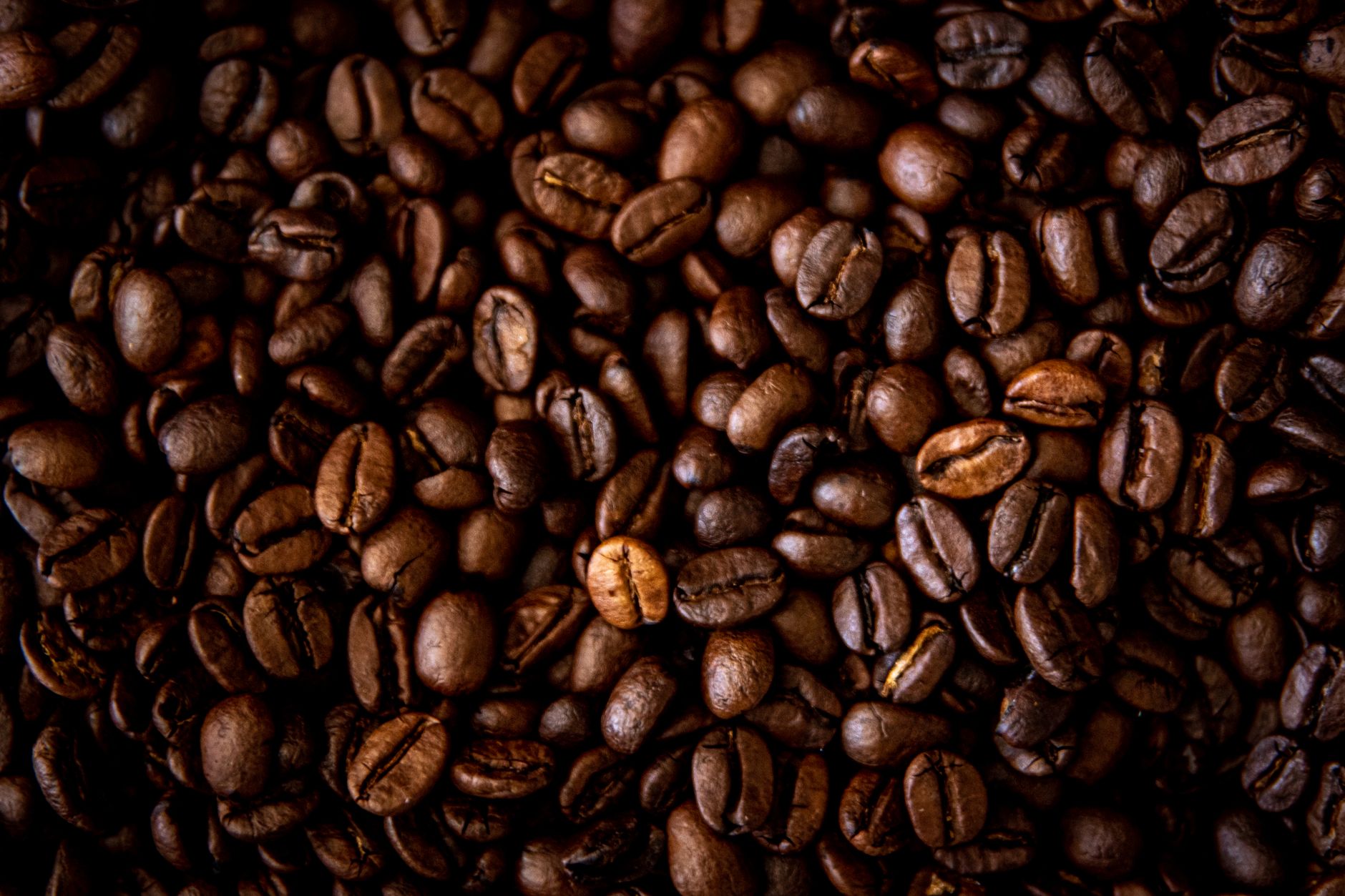
 Photo: Alan Kabeš via Pexels
- Roast date printed on the bag — non-negotiable for specialty coffee
- One-way valve on the bag — indicates CO₂ degassing management, which means the roaster cares
- Whole bean, not pre-ground — grind fresh immediately before brewing
- Local roasters or fresh-ship subscriptions — most reliable way to get sub-14-day beans consistently
Subscriptions through services like Trade Coffee and Atlas Coffee Club ship roasted-to-order, meaning beans arrive within a few days of roast — the freshest beans most people can access without visiting a roaster directly.
→ See also:
- Coffee Bean Guide: Origins, Roasts, and How to Choose
- Best Coffee Subscription Boxes (2026 Ranked)
- Trade Coffee Review (2026): Is It Worth It?
FAQ
How do I know if my coffee beans have gone stale? Stale beans smell flat, papery, or faintly rancid rather than aromatic and sweet. The bloom when you brew (the CO₂ release when hot water hits grounds) will be weak or absent — fresh beans produce a visible, vigorous dome of foam within 30 seconds of contact.
Can I store coffee beans in the original bag? Yes, if the bag has a one-way valve and a resealable zipper — fold the top down tight and close the zipper after each use. It works well for the first 1–2 weeks. After that, transfer to a dedicated airtight canister because repeated opening degrades the bag’s seal.
Does whole bean coffee last longer than pre-ground? Significantly longer. Grinding increases surface area by roughly 1,000×, which accelerates oxidation proportionally. A whole bean sealed in a canister will taste noticeably better at the 3-week mark than the same coffee ground on day one.
Is a vacuum canister worth the cost over a standard airtight canister? For most home brewers, a quality airtight canister (Airscape or similar) is sufficient if you’re buying fresh and consuming within 2–3 weeks. Vacuum canisters add meaningful benefit when you brew infrequently, buy in bulk, or want to extend beans from 3 to 5+ weeks without freezing.
What’s the best way to store coffee beans for espresso specifically? Same rules, but note that espresso extraction is more sensitive to freshness state. Many espresso drinkers actually prefer beans that have degassed for 5–14 days post-roast — too-fresh beans (under 5 days) can be over-gassy and produce unstable extraction. Store in an airtight canister and aim to pull shots in that 5–21 day window from roast date.
Does the type of roast affect how quickly beans go stale? Darker roasts go stale faster. The roasting process breaks down cell structure and drives off more CO₂, leaving less natural protection against oxidation. A dark roast at week three will taste considerably more flat than a light or medium roast stored identically.
Editorial methodology: Assessments are based on manufacturer specifications, published user reviews, and editorial research. Physical hands-on testing is noted explicitly where it occurred. Rankings reflect our editorial judgment and are not influenced by affiliate commission rates. Full editorial policy · Affiliate disclosure