Contents
Moka Pot vs Espresso Machine: Are They the Same?
TL;DR: A moka pot and an espresso machine are not the same. Moka pots brew at 1–2 bars of pressure — far below the 9 bars required for true espresso. The result is strong, concentrated coffee, but it lacks the emulsified oils and crema that define a proper espresso shot.
What Is the Actual Difference Between a Moka Pot and Espresso Machine?
Pressure is everything here. A moka pot generates 1–2 bars of steam pressure; a true espresso machine pumps water through the puck at 9 bars. That gap means different extraction chemistry, different mouthfeel, and a fundamentally different drink — even if both are small, dark, and concentrated.
 Photo: Walls.io via Pexels
| Feature | Moka Pot | Espresso Machine |
|---|---|---|
| Brew pressure | 1–2 bar | 9 bar |
| True espresso? | No | Yes |
| Crema | Minimal/none | Yes |
| Brew time | 4–6 min | 25–30 sec |
| Cost | $30–$60 | $200–$3,000+ |
| Grind required | Medium-fine | Fine/espresso |
| Skill ceiling | Low | High |
| Milk drinks possible | With separate steamer | Yes (built-in) |
The Specialty Coffee Association defines espresso as brewed at 9 ± 1 bar. Moka pots don’t qualify. Calling moka pot output “espresso” is a marketing shorthand that’s stuck around — not a technical reality.
How a Moka Pot Actually Works
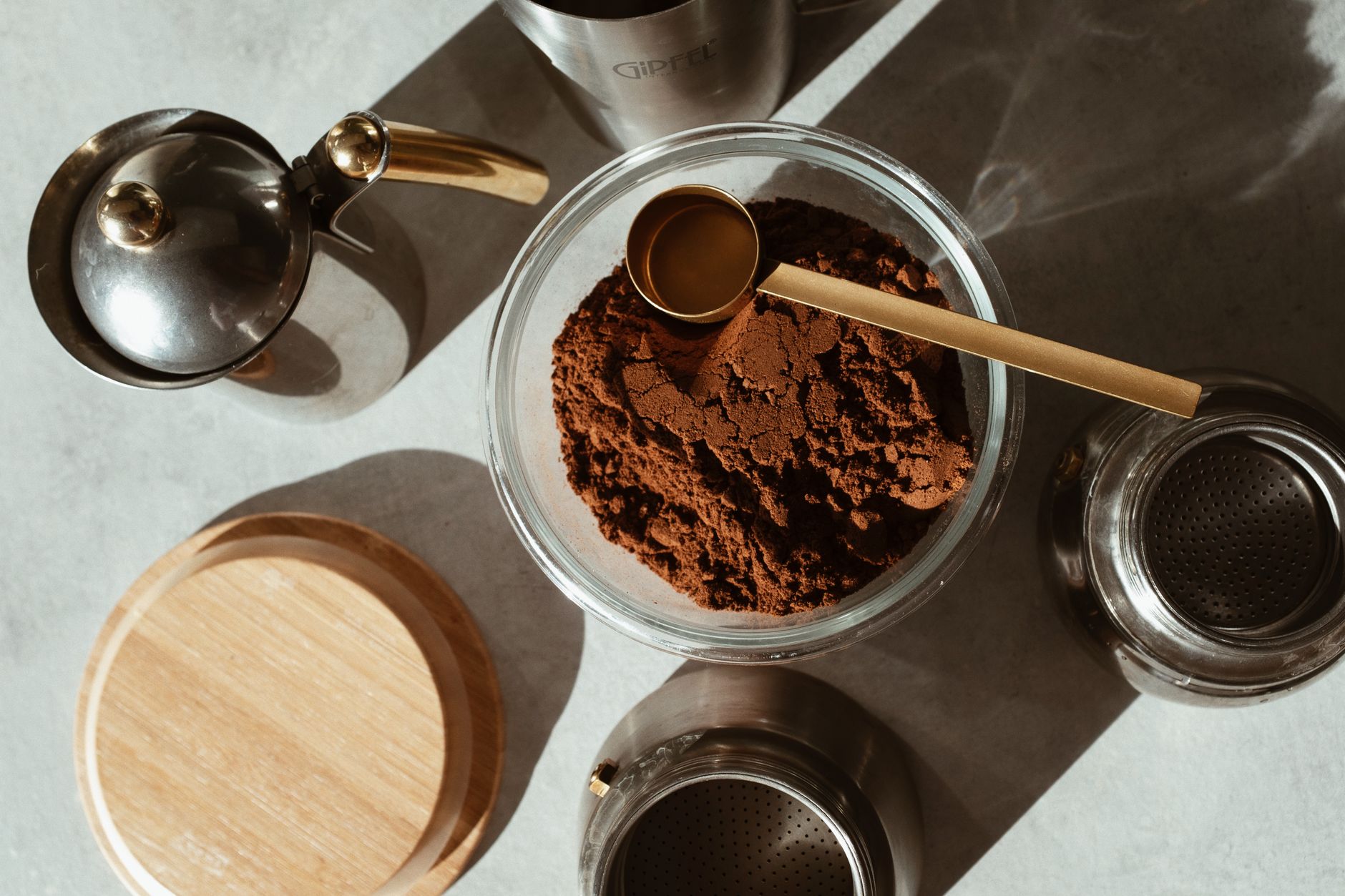
A moka pot works by heating water in a sealed lower chamber until steam pressure pushes it up through a coffee basket and into a top collection chamber. The process is entirely passive — no pump, no thermostat, no electronics.
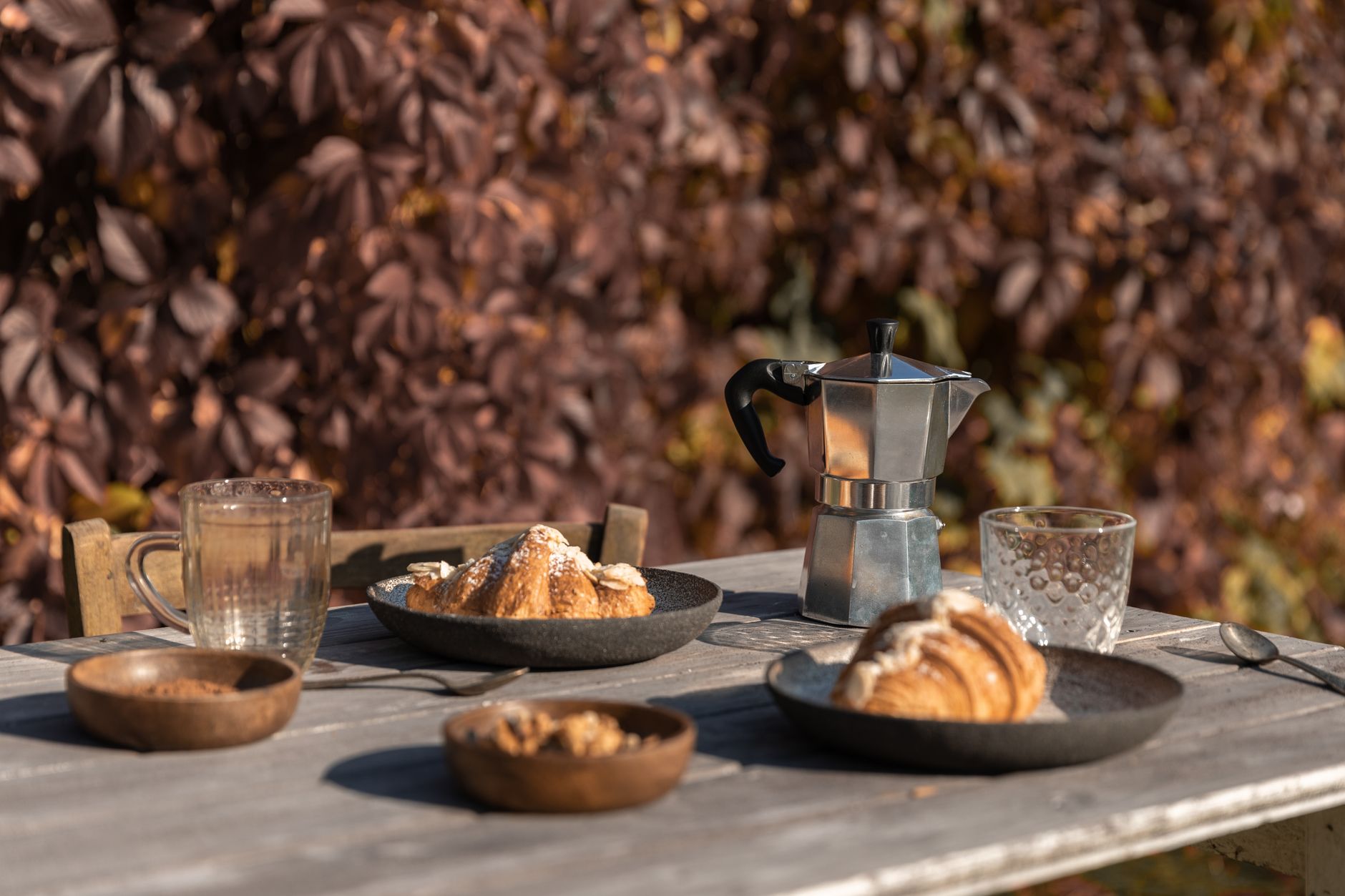 Photo: KATRIN BOLOVTSOVA via Pexels
The Bialetti Moka Express is the original design and still the benchmark. Stovetop, three-part, aluminum or stainless. You fill the bottom with cold water to just below the safety valve, pack the basket loosely with medium-fine grounds, screw it together, and put it on heat. When you hear it gurgling, pull it off immediately — over-extraction happens in seconds.
Grind and Dose for Moka Pot
Don’t grind as fine as espresso. Moka pot works best around the fineness of table salt — finer than drip, coarser than espresso. Too fine and the restricted flow causes pressure spikes, bitter extraction, and potential valve trips.
Fill the basket level without tamping. Tamping restricts flow the same way a fine grind does. The coffee should be level and lightly settled, nothing more.
How an Espresso Machine Works
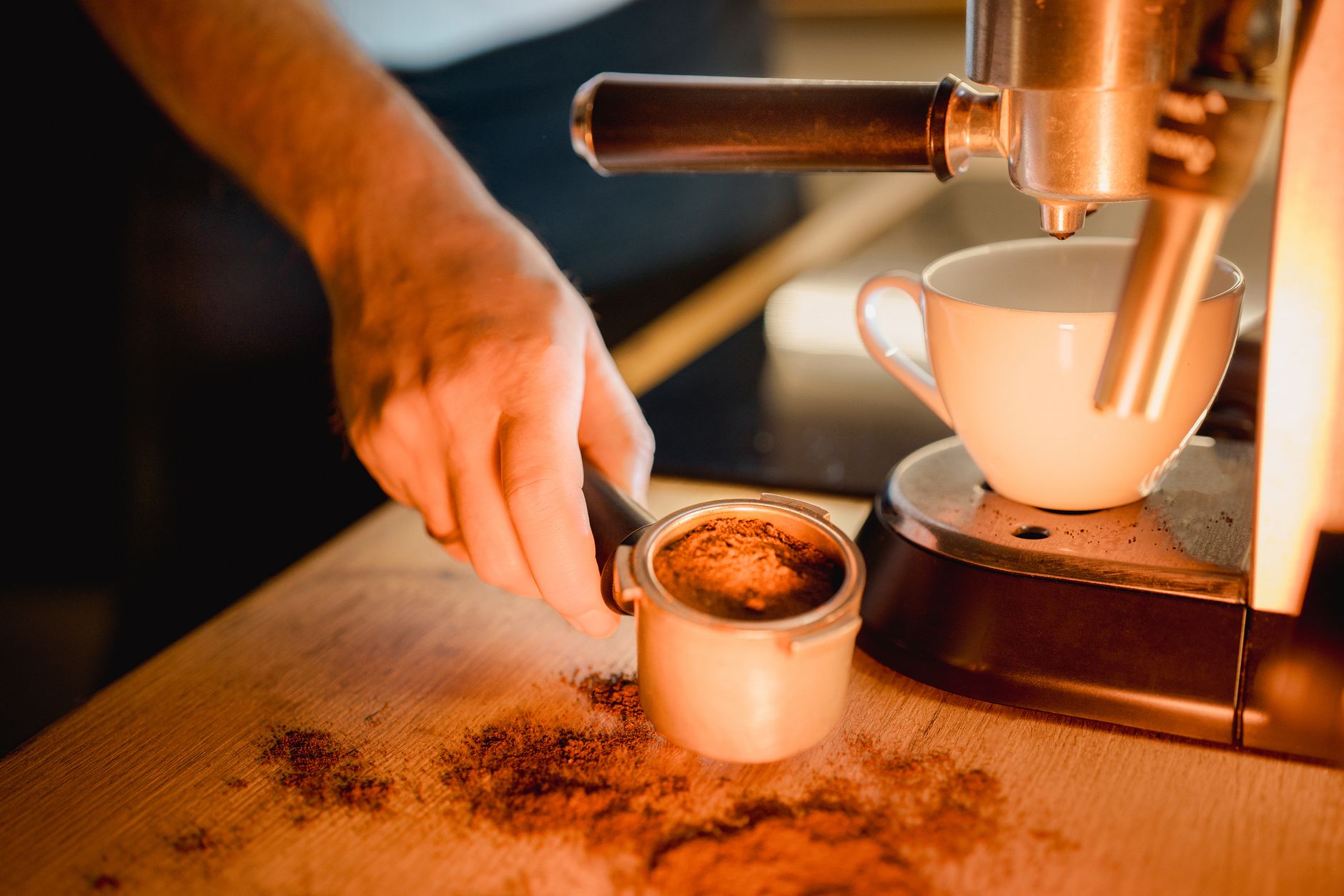
An espresso machine forces hot water (90–96°C) through a compressed puck of finely ground coffee at 9 bar using an electric pump. That pressure extracts emulsified lipids and dissolved solids that lower pressures physically cannot reach, producing the syrupy body and persistent crema that define espresso.
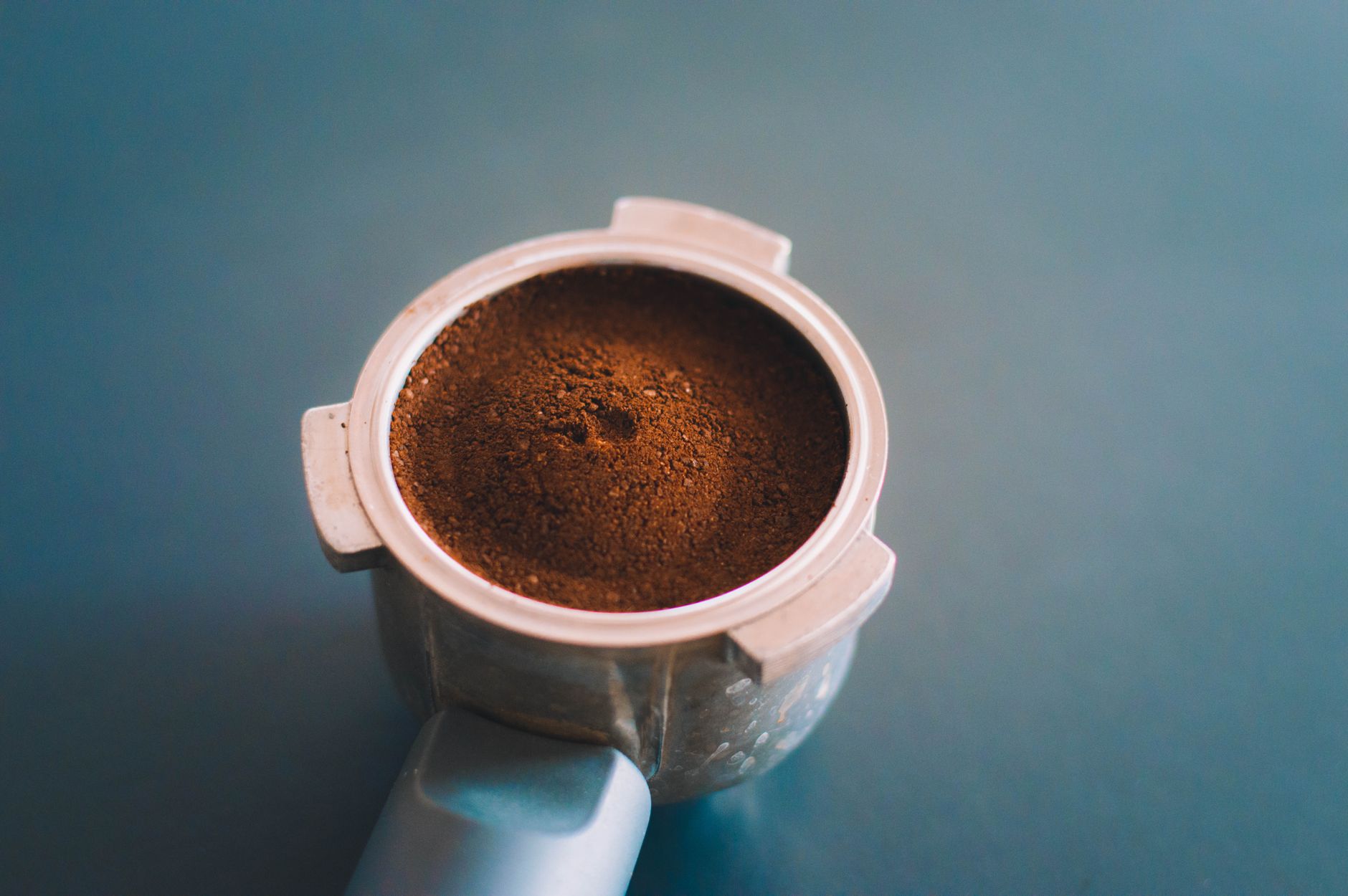 Photo: Chitokan C. via Pexels
Entry-level machines like the Breville Bambino
What Crema Actually Tells You
Crema is CO₂ dissolved in lipids, released under pressure during extraction. It appears as a reddish-brown foam on top of the shot. Moka pots produce a small, short-lived brownish foam sometimes called “caffe crema” — it’s not the same thing. Real espresso crema is thicker, more stable, and a byproduct of true pressure extraction.
Fresh beans (roasted within the past 3 weeks) produce more crema. Dark roasts produce more crema than light roasts because they off-gas CO₂ more aggressively — which is worth knowing if your crema looks thin.
Brewing Guide: Moka Pot
Extraction Parameters
| Parameter | Target |
|---|---|
| Dose | 15–17g (3-cup), 22–24g (6-cup) |
| Yield | ~60–80ml (3-cup) |
| Ratio | ~1:4 to 1:5 (coffee:water by weight) |
| Time | 4–6 min total; gurgling starts ~3–4 min |
| Temperature | Water cold-start; heat medium-low |
| Pressure | 1–2 bar (passive) |
Puck Prep
No tamping. Level the basket with a finger or the back of a spoon. Wipe the basket rim clean before threading the top — grounds on the gasket cause leaks and uneven pressure.
Pre-infusion equivalent: Some brewers start with warm (not boiling) water in the bottom chamber to reduce heat exposure time and lower the chance of bitterness. Worth trying if your results taste harsh.
Channeling prevention: An even, untamped bed prevents channeling. If grounds are piled unevenly or packed at the edges, water takes the easy path and over-extracts one zone while under-extracting another.
Troubleshooting
| Symptom | Likely Cause | Fix |
|---|---|---|
| Bitter, harsh taste | Too fine a grind; too much heat | Coarsen grind one step; use medium-low heat |
| Weak, watery output | Grind too coarse; underfilled basket | Fine up one step; fill basket level |
| Coffee spurting from spout | Heat too high; grind too fine | Reduce heat immediately; check grind size |
| Safety valve releasing steam | Grind too fine; basket overpacked | Coarsen grind; stop tamping |
| Metallic taste | Aluminum oxidation (new pot) | Season the pot: brew and discard 2–3 pots before drinking |
Brewing Guide: Espresso Machine
Extraction Parameters
| Parameter | Target |
|---|---|
| Dose | 18–20g (double shot) |
| Yield | 36–40g output |
| Ratio | 1:2 (dose:yield) |
| Time | 25–30 seconds |
| Temperature | 92–94°C (light roasts: 94–96°C) |
| Pressure | 9 bar |
Puck Prep
WDT (Weiss Distribution Technique): Stir grounds in the portafilter basket with a thin needle tool before tamping. Breaks up clumps that cause channeling.
Leveling: After WDT, level the puck with a distribution tool or finger. The surface should be flat and even before the tamp.
Tamping: Apply ~15–20kg of even, level pressure. Crooked tamp = channeling.
Pre-infusion: Many machines (including the Bambino) apply low pressure before ramping to 9 bar. This wets the puck evenly and dramatically reduces channeling. Enable it when available.
Troubleshooting
| Symptom | Likely Cause | Fix |
|---|---|---|
| Shot runs fast (<20s) | Grind too coarse; underdosed | Grind finer; add 0.5–1g dose |
| Shot runs slow (>35s) | Grind too fine; overdosed | Coarsen grind; reduce dose |
| Bitter, burnt taste | Over-extraction; too hot | Coarsen grind; drop temperature 1–2°C |
| Sour, thin shot | Under-extraction; too cool | Finer grind; raise temperature |
| Blond streaks in crema | Channeling | WDT + even tamp; check basket |
| No crema | Stale beans; pressure too low | Use beans roasted <3 weeks ago; check pump pressure |
Which Should You Buy?
If budget is the constraint, buy a moka pot. A Bialetti Moka Express costs $35 and lasts decades. The coffee it produces is strong, bold, and genuinely excellent — just not espresso.
If you want milk drinks (lattes, cappuccinos), you need an espresso machine. Moka pot output is too dilute and lacks the body to hold up under steamed milk the way a real espresso shot does. The Breville Bambino
If you want espresso and you’re willing to learn the craft, the Gaggia Classic Pro
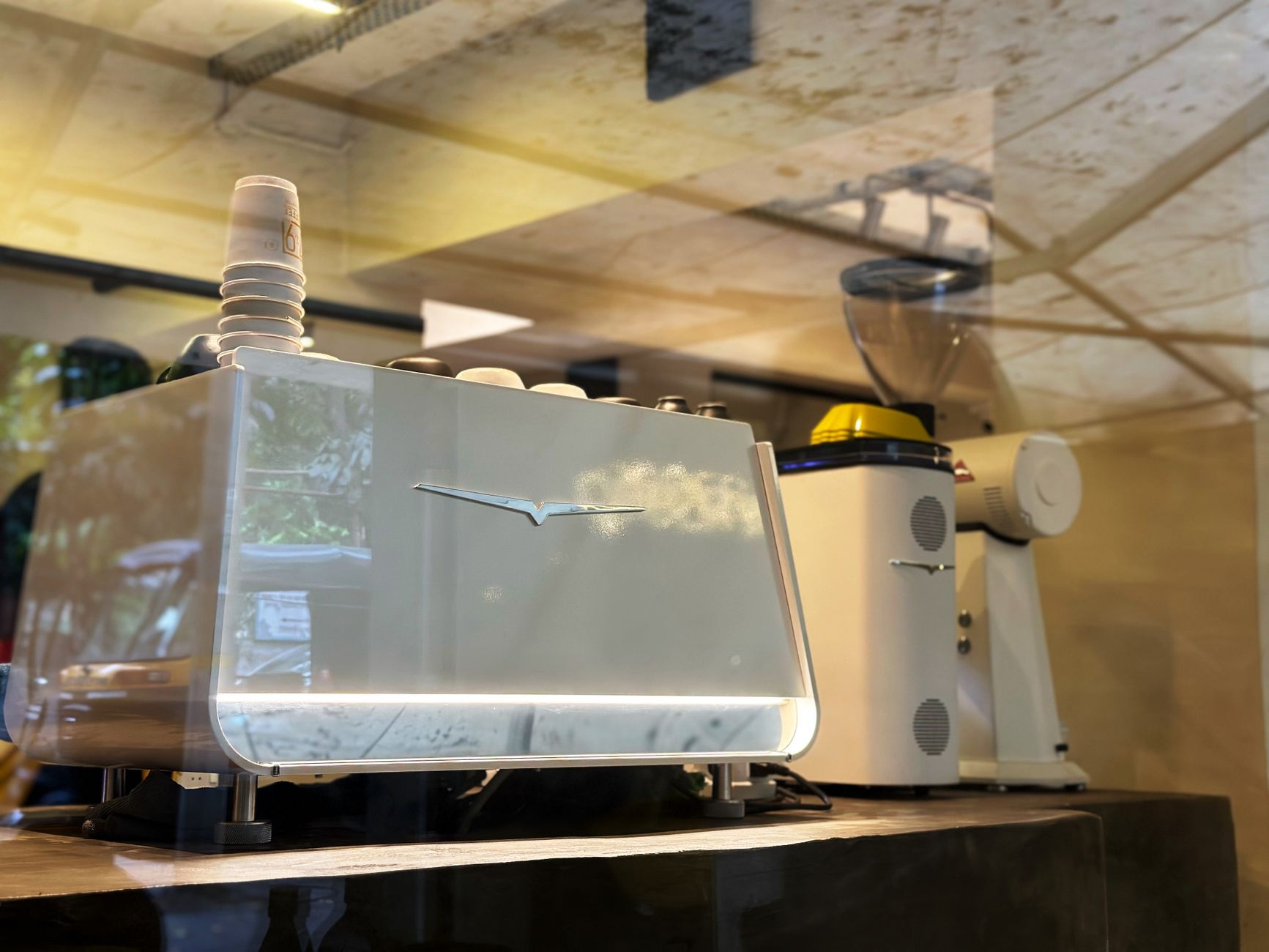 Photo: Anubhav Arora via Pexels
→ See also:
- How to Brew Coffee at Home: Complete Method Guide
- French Press Coffee: Complete Brewing Guide (Ratios + Technique)
- French Press Coffee-to-Water Ratio Calculator
FAQ
Is moka pot coffee the same as espresso? No. Moka pots brew at 1–2 bar; espresso requires 9 bar. The difference in pressure means different extraction chemistry — moka output lacks the emulsified lipids and stable crema that define espresso. It’s strong coffee, not espresso.
Can I make lattes with a moka pot? Technically yes, but results are compromised. Moka pot output doesn’t have the body or concentration of a true espresso shot, so milk-based drinks come out thin and flat. If lattes are the goal, an espresso machine with a steam wand is the right tool.
Why does my moka pot coffee taste bitter? The most common culprits: grind too fine, heat too high, or leaving it on the stove past the gurgling stage. Use medium-fine grounds, brew on medium-low heat, and pull it off the moment you hear liquid rising into the top chamber.
Do I need to tamp a moka pot? No — and you shouldn’t. Tamping restricts flow, causes pressure spikes, and risks tripping the safety valve. Fill the basket level and leave it. Tamping is for espresso machines, not moka pots.
How much does a decent espresso machine cost? Entry-level machines that produce real espresso (9 bar, PID temperature control) start around $200–$300. The Breville Bambino sits at the lower end; the Gaggia Classic Pro at ~$500 is the practical sweet spot for a home setup that won’t feel limiting within a year.
Is moka pot coffee stronger than espresso? Moka pot coffee is often stronger by caffeine-per-volume than regular drip, but it’s not stronger than espresso. A double espresso shot (36–40g yield from 18–20g dose) is more concentrated and higher in dissolved solids than moka pot output at an equivalent volume.
Can I use espresso beans in a moka pot? Yes — but don’t grind them to espresso fineness. Use the same beans if you like, but grind to medium-fine (table salt texture). The roast level matters more than the bean label: medium-dark roasts work well in moka pots; very light roasts can taste sour due to the lower extraction pressure.
Editorial methodology: Assessments are based on manufacturer specifications, published user reviews, and editorial research. Physical hands-on testing is noted explicitly where it occurred. Rankings reflect our editorial judgment and are not influenced by affiliate commission rates. Full editorial policy · Affiliate disclosure