Contents
Best Pour Over Coffee Makers (2026 Ranked)
TL;DR: The best pour over coffee maker depends on your budget and skill level. The Hario V60 delivers the clearest, most nuanced cup for experienced brewers; the Chemex is the best pour over coffee maker for batch brewing and aesthetics; the Kalita Wave is the most forgiving for beginners. All three outperform any drip machine for clarity and control.
Which Pour Over Is Actually Best?
The Hario V60 wins on cup quality and versatility. The Chemex wins on volume and filter clarity. The Kalita Wave wins on consistency and forgiveness. If you’re buying one pour over and you brew for yourself, get the V60. If you brew for two or more people regularly, get the Chemex. If technique precision stresses you out, get the Kalita Wave.
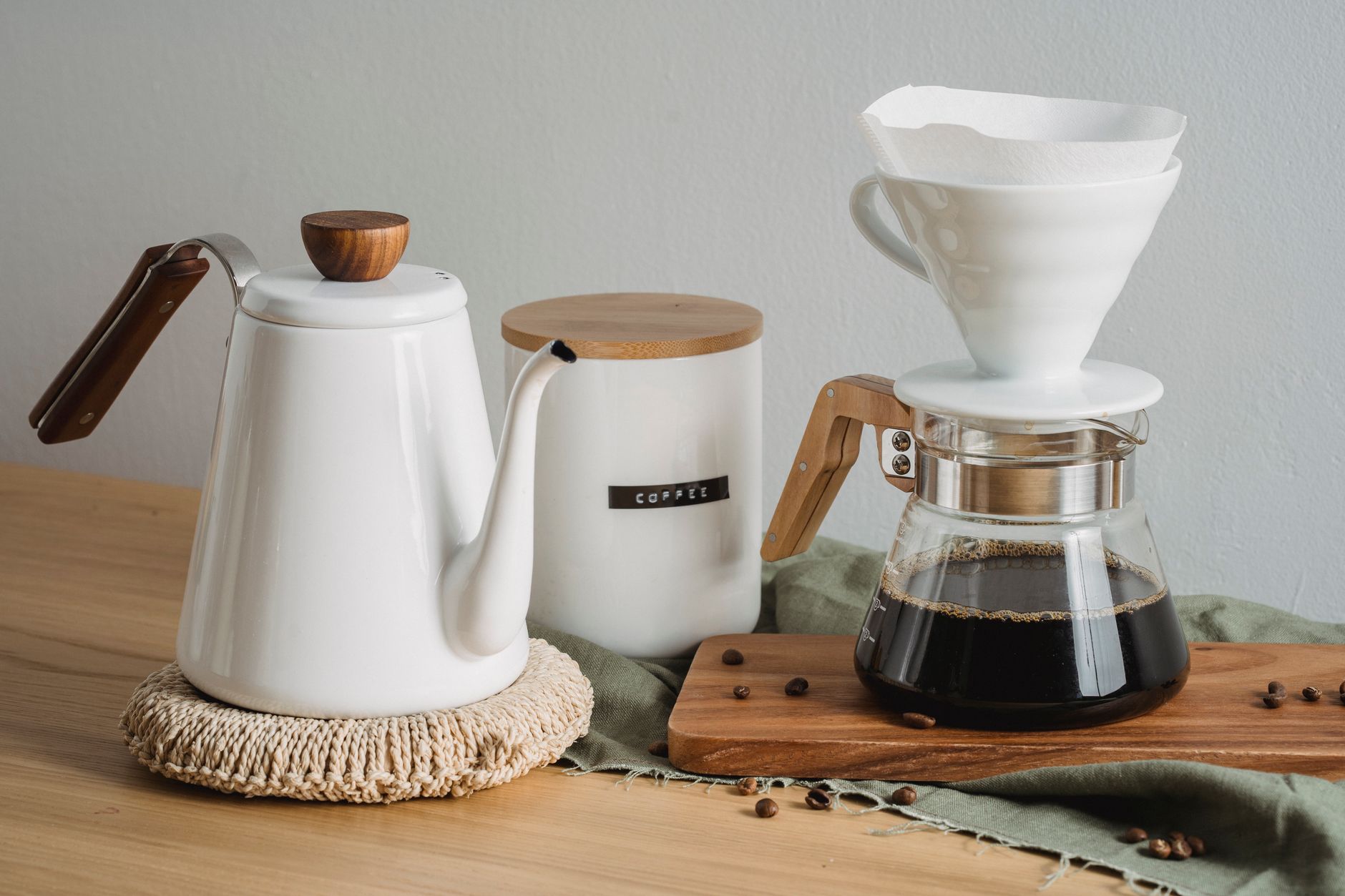 Photo: Nicola Barts via Pexels
Pour over coffee extracts cleanly because hot water contacts grounds on a fixed schedule you control. Unlike immersion methods (French press, AeroPress), flow rate and pour pattern directly shape the final cup — which means equipment design matters more than it does elsewhere.
The makers below were selected based on filter availability, build quality, community support, and real-world brewability. Price ranges reflect 2026 street prices.
Top Pick: Hario V60 (Ceramic)
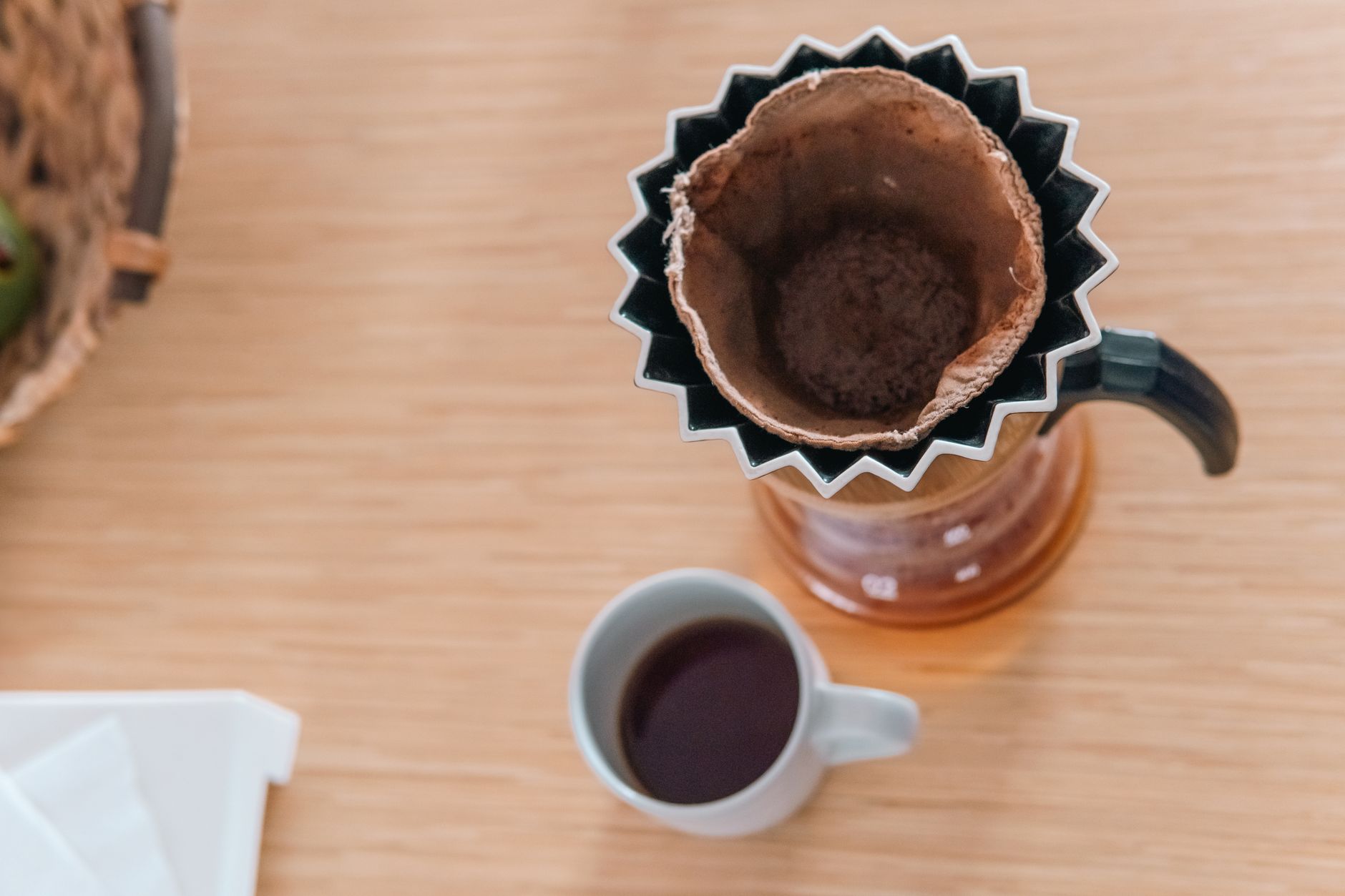
The V60’s 60-degree cone and single large drain hole give you maximum control over flow rate. That control rewards technique — slow spiral pours produce extraordinary clarity and sweetness. It’s unforgiving of sloppy pouring, which is a feature, not a flaw, once you’ve dialed it in.
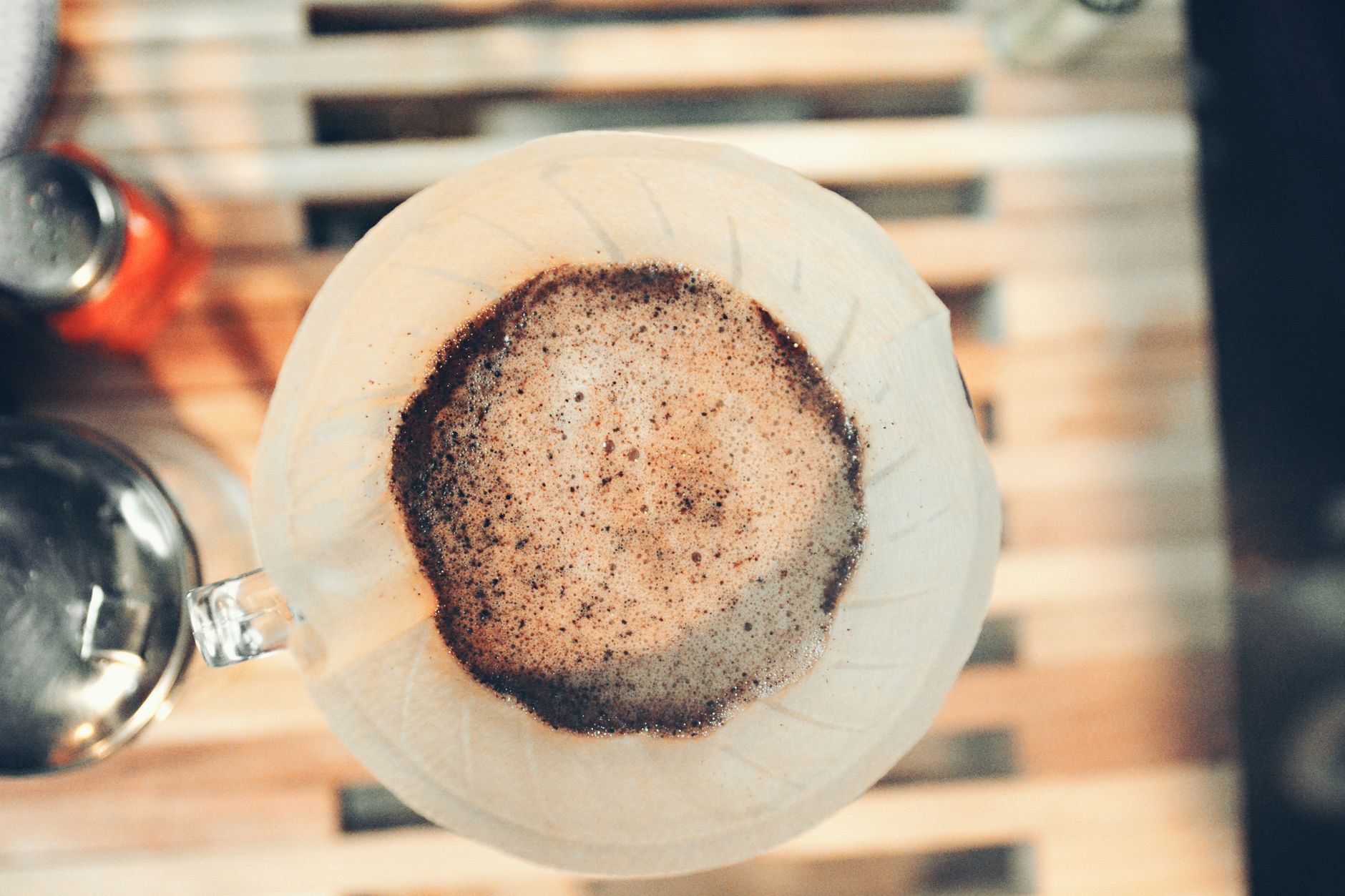 Photo: DΛVΞ GΛRCIΛ via Pexels
The ceramic version retains heat better than plastic and doesn’t impart flavors. The 01 size (1–2 cups) and 02 size (1–4 cups) use different filters — buy the 02. Paper filters are widely available and cheap. Metal filters exist but reduce clarity.
Spiral ribs run the full interior length, ensuring the filter doesn’t seal against the wall and choke airflow. That open flow is what makes the V60 so responsive to grind size and pour speed.
Price: ~$25 (ceramic 02) | Filter cost: ~$0.06/brew
Runner-Up: Chemex (6-Cup)
The Chemex uses a thicker proprietary filter than any other pour over — 20–30% denser than standard — which strips oils and fines aggressively. The result is the clearest, lightest-bodied cup you can brew without espresso equipment. Batch-brews 6–8 cups without losing temperature.
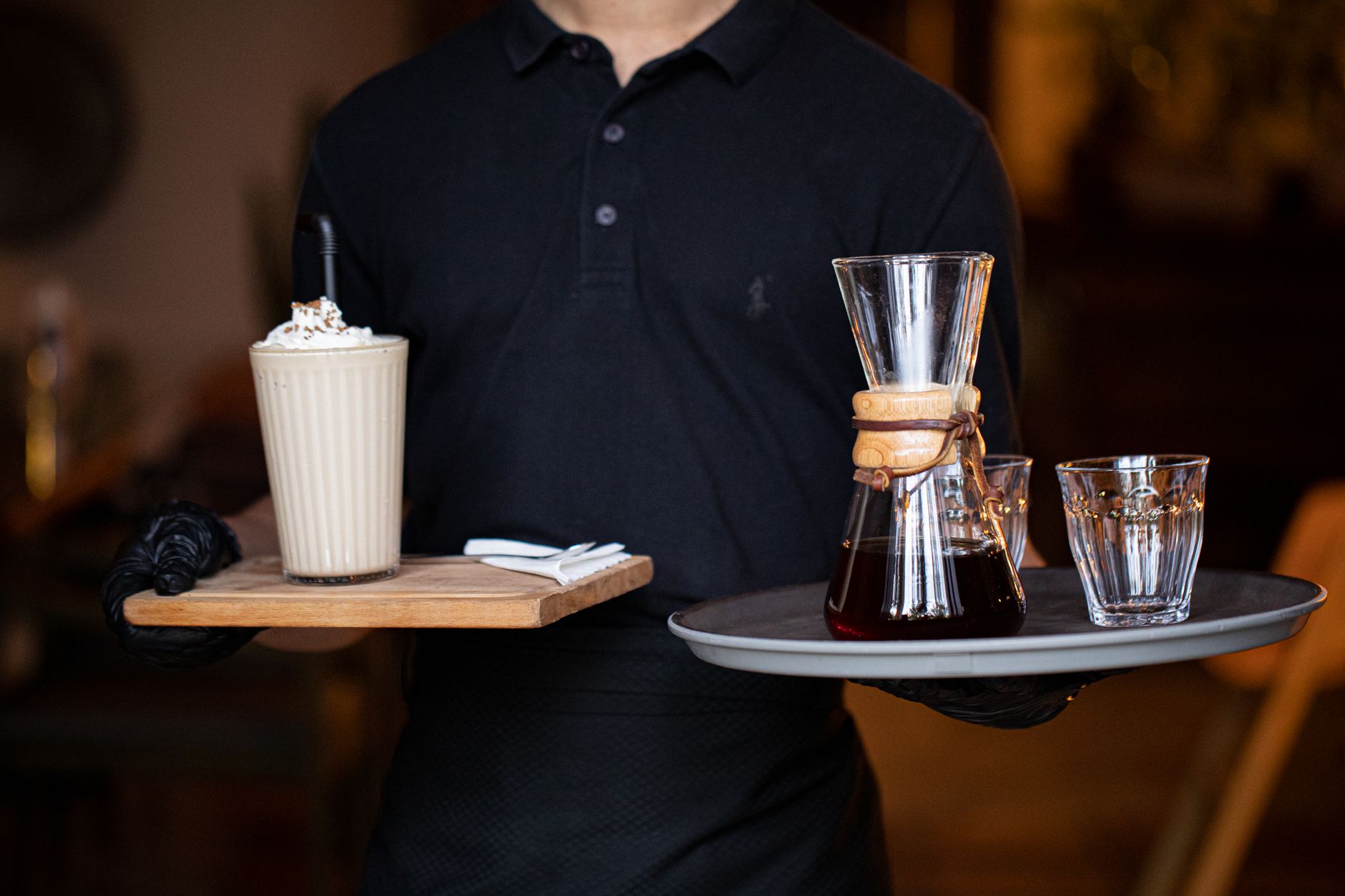 Photo: saeed basseri via Pexels
The Chemex’s hourglass borosilicate body is also a server, so there’s no separate carafe to heat or wash. That simplicity is real. The wooden collar with leather tie is purely aesthetic but genuinely nice to hold.
Where the Chemex falls short: the filters are proprietary and cost more (~$0.15–0.18/brew). Pouring is less precise because the wide opening makes it harder to target specific zones. For single cups, the V60 wins; for a 700ml morning batch, the Chemex is hard to beat.
Price: ~$45 (6-cup glass) | Filter cost: ~$0.16/brew
Best for Beginners: Kalita Wave 185
The flat-bed extraction chamber and three small drain holes slow flow and buffer against pour-speed errors. You can dump water clumsily and still get a decent cup. That consistency ceiling is lower than the V60’s at its best — but the floor is much higher for new brewers.
 Photo: Sóc Năng Động via Pexels
The Wave 185 (for 2–4 cups) uses a distinctive crimped paper filter that holds its shape, preventing wall contact regardless of how it’s seated. Stainless steel construction runs hotter than ceramic; the glass version loses heat faster.
Grind size is less critical here — a medium-fine setting that would choke a V60 is fine in the Wave. That forgiveness makes it the right pick for anyone who doesn’t want to spend six weeks dialing in variables before getting a good cup.
Price: ~$65 (stainless 185) | Filter cost: ~$0.10/brew
Full Comparison Table
| Dripper | Best For | Skill Level | Body | Clarity | Price |
|---|---|---|---|---|---|
| Hario V60 02 | Single cups, nuance | Intermediate–Advanced | Light–Med | Excellent | ~$25 |
| Chemex 6-Cup | Batch brewing | Beginner–Intermediate | Light | Outstanding | ~$45 |
| Kalita Wave 185 | Consistency, beginners | Beginner–Intermediate | Med–Light | Good | ~$65 |
| Origami Dripper | Versatility | All levels | Variable | Very Good | ~$55 |
| Melodrip | Slow-flow control | Advanced | Light | Excellent | ~$35 |
Pour Over Brewing Guide
Extraction Parameters
| Parameter | V60 02 | Chemex 6-Cup | Kalita Wave 185 |
|---|---|---|---|
| Dose | 15g | 42g | 22g |
| Yield | 250ml | 700ml | 360ml |
| Ratio | 1:16.7 | 1:16.7 | 1:16.4 |
| Total Time | 2:45–3:15 | 5:00–6:00 | 3:30–4:00 |
| Water Temp | 94–96°C (201–205°F) | 93–95°C (199–203°F) | 93–96°C (199–205°F) |
| Grind Size | Medium-fine | Medium | Medium-fine |
Puck Prep and Pour Technique
Bloom: Add 2–3× the coffee weight in water (30–45ml for a 15g dose). Let it bloom for 30–45 seconds. Degassing CO₂ from fresh coffee prevents uneven extraction — skip this with stale beans and you’ll see the difference immediately.
WDT equivalent (pour over): Stir the bloom slurry gently with a chopstick or spoon. This wets all the grounds evenly and breaks any dry clumps hiding beneath the surface.
Pouring: Use concentric circles starting from the center, spiraling out to ~1cm from the edge, then back. Avoid pouring directly onto the filter wall — you’re bypassing grounds. With the V60, pour speed controls drawdown; faster pour = faster total time = lighter extraction.
Pre-infusion for machines: If using an automatic pour over machine (Fellow Stagg EKG paired with any dripper), set pre-infusion to 30s at 25% of total water. Most machines handle this natively.
Channeling prevention: Level your grounds before the bloom. Uneven beds channel; water finds the path of least resistance and extracts those grounds while leaving others under-extracted.
Troubleshooting Matrix
| Symptom | Likely Cause | Fix |
|---|---|---|
| Sour, thin, watery | Under-extraction | Grind finer or slow pour rate |
| Bitter, harsh, dry finish | Over-extraction | Grind coarser or reduce water temp 2°C |
| Muddy, murky cup | Fines in cup | Rinse filter thoroughly; grind less fine |
| Draws down in <2 min | Too coarse or too fast | Grind finer; slow pour to match draw |
| Draws down in >5 min (V60) | Too fine or bloom clogged | Grind coarser; stir bloom more aggressively |
| Flat taste, no clarity | Old or poorly sourced coffee | Fresher beans, ideally <4 weeks post-roast |
What Grinder to Use
The best pour over coffee maker is only as good as the grinder feeding it. A blade grinder produces uneven particles that simultaneously over- and under-extract — the grinder is the bottleneck, not the dripper.
Budget: Baratza Encore
Mid-range: Baratza Virtuoso+ ($250) or Fellow Ode Gen 2 ($320). The Ode is flat-burr, optimized for filter coffee — noticeably cleaner cup at the same dose.
High-end: Niche Zero
→ See also:
- How to Brew Coffee at Home: Complete Method Guide
- French Press Coffee: Complete Brewing Guide (Ratios + Technique)
- French Press Coffee-to-Water Ratio Calculator
FAQ
What is the best pour over coffee maker for beginners? The Kalita Wave 185 is the most forgiving entry point — its flat bed and three-hole drain buffer against pour-speed inconsistency. The Hario V60 plastic version (~$10) is a cheap alternative that teaches technique faster but punishes sloppy pours more visibly.
Is pour over coffee better than drip coffee? Pour over produces a cleaner, more complex cup than most drip machines because you control water temperature, bloom timing, and flow rate precisely. A high-end drip machine (Breville Precision Brewer , Technivorm Moccamaster ) closes that gap significantly — but pour over still wins on transparency of flavor.
How fine should I grind for pour over? Medium-fine for V60 and Kalita Wave — roughly kosher salt texture. Chemex takes a medium grind because its thick filters already slow extraction. Start there and adjust: faster drawdown than expected means grind finer; slower means coarser.
Do I need a gooseneck kettle for pour over? Yes, for the V60. A gooseneck gives you directional control that a standard kettle can’t match — you’ll struggle to target specific zones without one. The Kalita Wave is more tolerant of a regular kettle, but a gooseneck still improves results. The Fellow Stagg EKG is the best-in-class option.
How much coffee do I use for pour over? A 1:15 to 1:17 ratio covers most preferences — 15g of coffee to 225–255ml of water for a single cup. Start at 1:16 (15g coffee, 240ml water) and adjust to taste. Stronger: decrease water or increase dose. Weaker: add water or reduce dose.
Can I use pre-ground coffee for pour over? Yes, but results drop significantly. Pre-ground coffee oxidizes quickly, losing aromatic compounds within days of grinding. If using pre-ground, buy in the smallest available quantity and store in an airtight container away from light and heat.
Editorial methodology: Assessments are based on manufacturer specifications, published user reviews, and editorial research. Physical hands-on testing is noted explicitly where it occurred. Rankings reflect our editorial judgment and are not influenced by affiliate commission rates. Full editorial policy · Affiliate disclosure