Contents
Flair Espresso Maker Review: Is It Worth the Effort?
TL;DR: The Flair espresso maker review verdict is simple — it produces exceptional espresso for under $300, but demands manual skill and time every shot. If you want café-quality pulls without a four-figure machine, the Flair 58 is the benchmark. Beginners should start with the Flair Classic or PRO 2.
What Is the Flair Espresso Maker?
The Flair is a hand-powered lever espresso press that generates 6–9 bar pressure through manual force alone — no electricity, no boiler, no pump. You heat water separately, load the portafilter, and press. The result, when dialed in, rivals shots from machines costing ten times more.
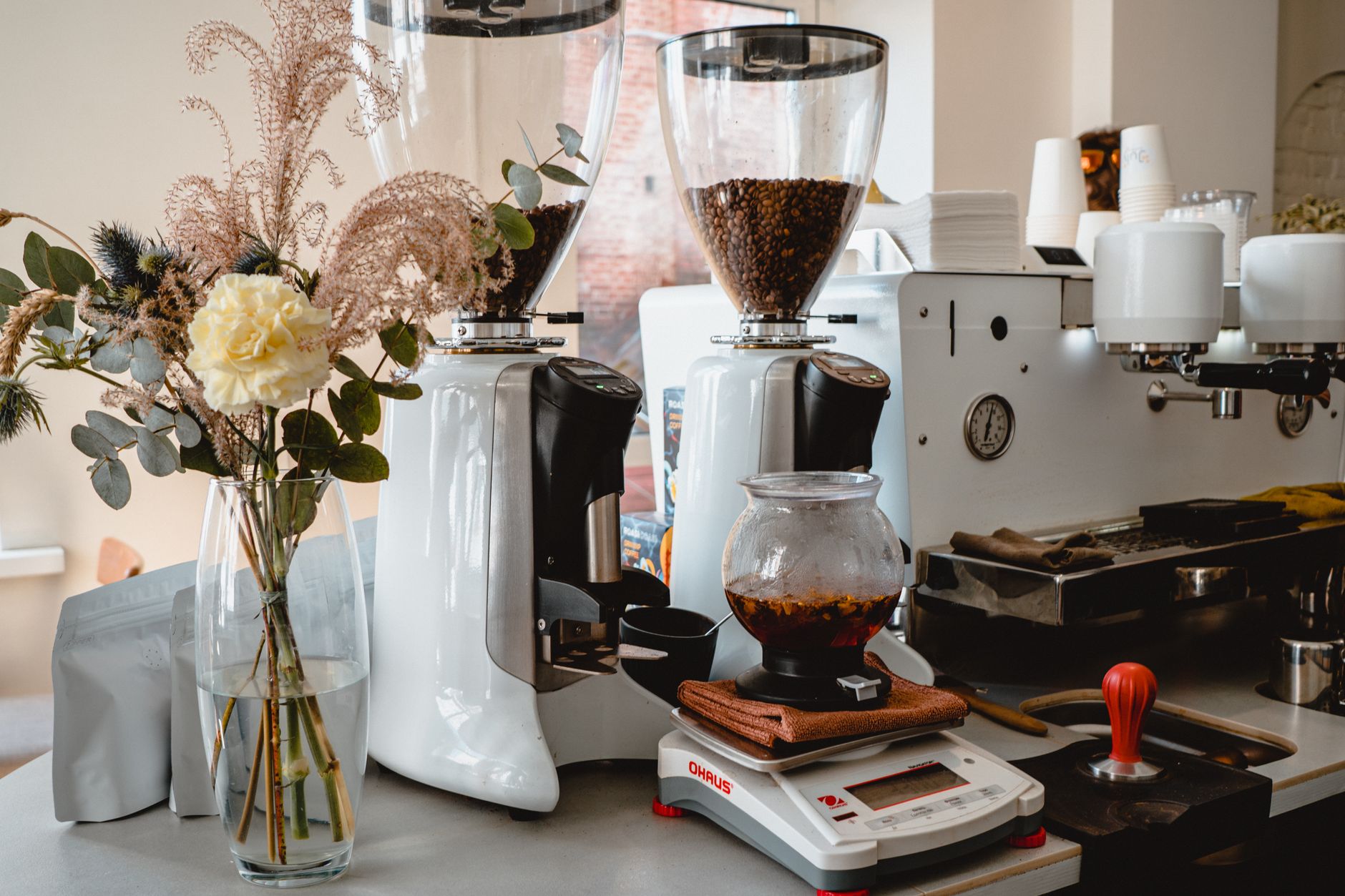
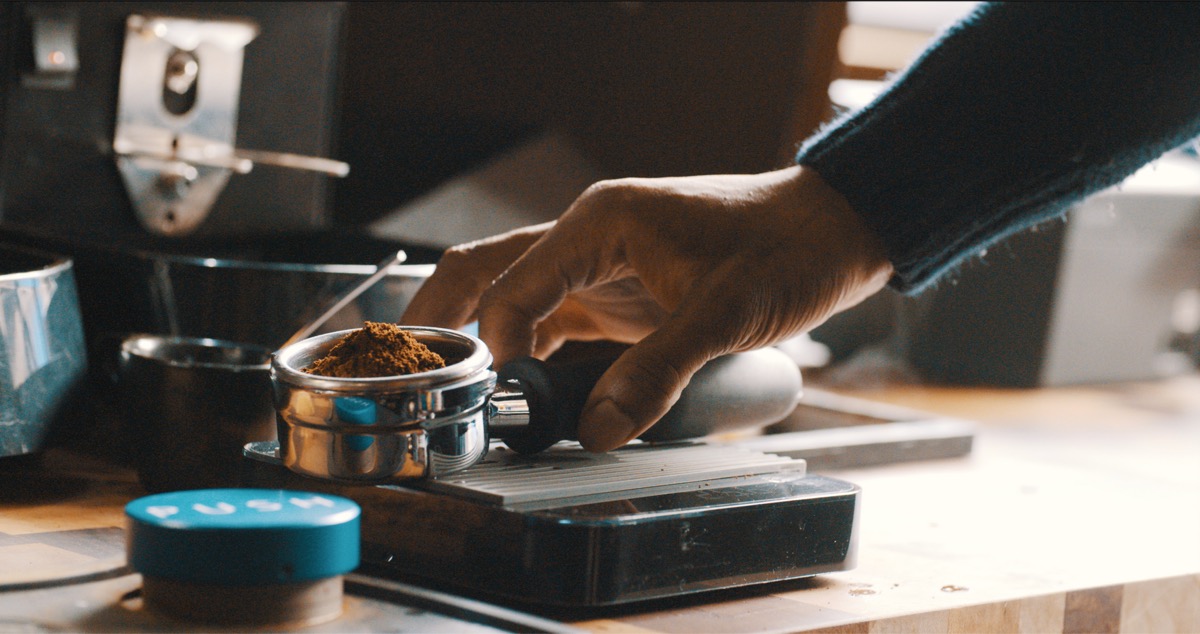 Photo: K via Pexels
Flair Espresso launched in 2016 via Kickstarter and now runs four models: Classic, PRO 2, 58, and 58x. Each shares the same core lever mechanism but differs in portafilter size, pressure gauge inclusion, and build material.
The appeal is straightforward: a $200–$350 device that produces third-wave-quality espresso. The catch is equally straightforward: you are the pump, the temperature controller, and the pressure profiler.
Flair Espresso Maker Models Compared
Four models, meaningfully different. The Classic suits a curious beginner; the 58x is a serious tool for the obsessive home barista who wants every variable dialed.
| Model | Price | Portafilter | Pressure Gauge | Best For |
|---|---|---|---|---|
| Flair Classic | ~$160 | 50mm | No | Budget entry point |
| Flair PRO 2 | ~$230 | 58mm | Yes | Best value |
| Flair 58 | ~$350 | 58mm | Yes | Espresso purists |
| Flair 58x | ~$475 | 58mm | Yes + flow profiling | Advanced users |
The jump from Classic to PRO 2 is worth every dollar — the 58mm portafilter accepts standard commercial baskets, and the built-in pressure gauge removes guesswork from your press. The 58 adds a polished stainless brew head and improved preheat retention. The 58x adds an adjustable flow control valve for pressure profiling on the way down.
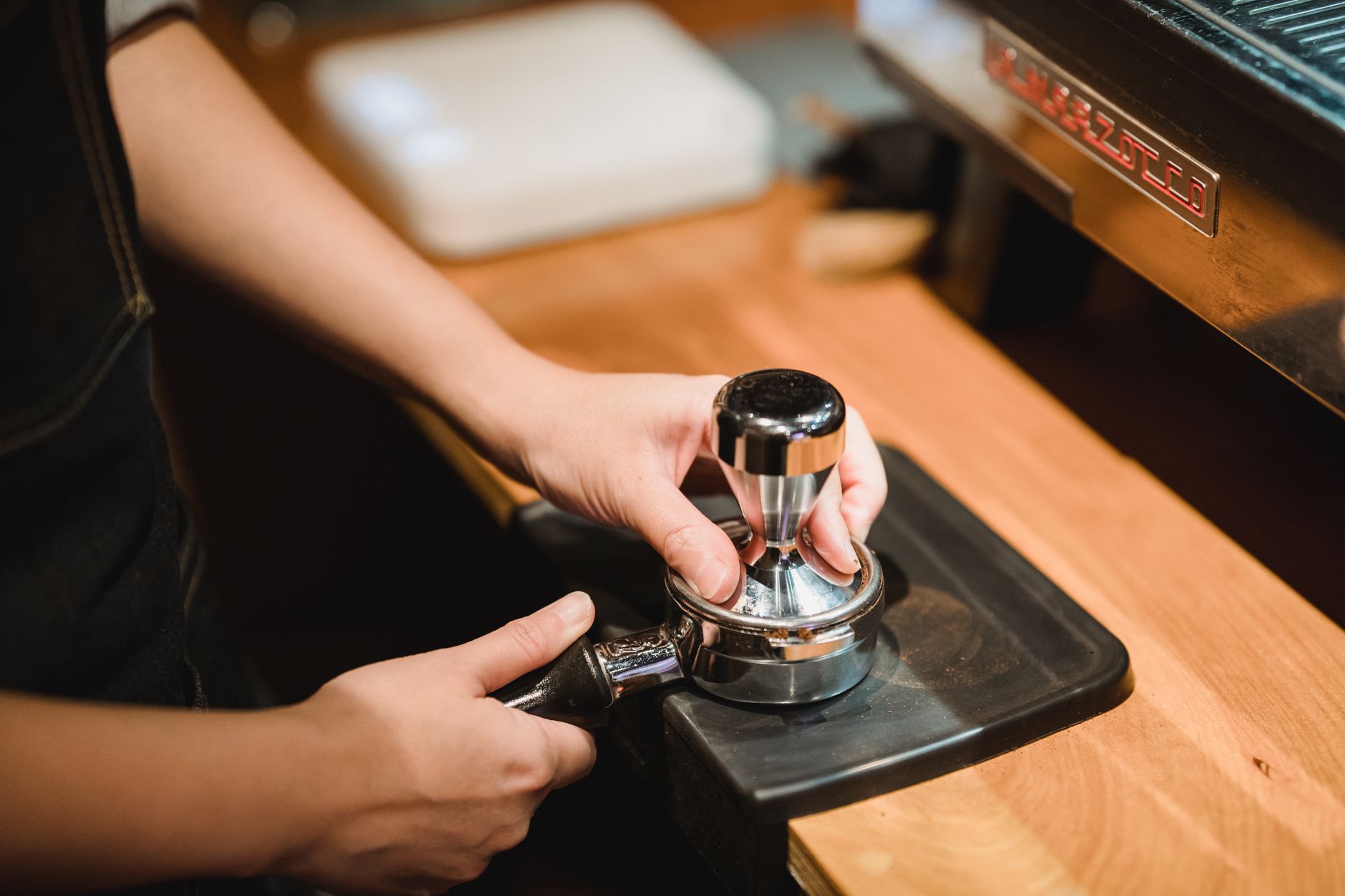
 Photo: Di Bella Coffee via Pexels
Equipment Specs: Flair PRO 2 (Reference Model)
| Spec | Detail |
|---|---|
| Boiler type | None (external kettle required) |
| Portafilter size | 58mm |
| PID | None |
| Pump type | Manual lever |
| Pressure gauge | Integrated (0–16 bar) |
| Weight | 2.3 kg |
| Dimensions | 30 × 14 × 37 cm |
The lack of a boiler is both the limitation and the freedom. You control brew temperature by preheating the brew head and choosing your kettle temperature. Most users land at 93–96°C water off the kettle, adjusted by grind.
Shot Quality: How Good Is It Really?
Dialed in with a quality grinder, the Flair PRO 2 and Flair 58 produce espresso that is genuinely difficult to distinguish from a $1,500–$2,000 prosumer machine. The brew group is simple, the variables are few, and pressure consistency comes down to arm technique — which most users nail within a week.
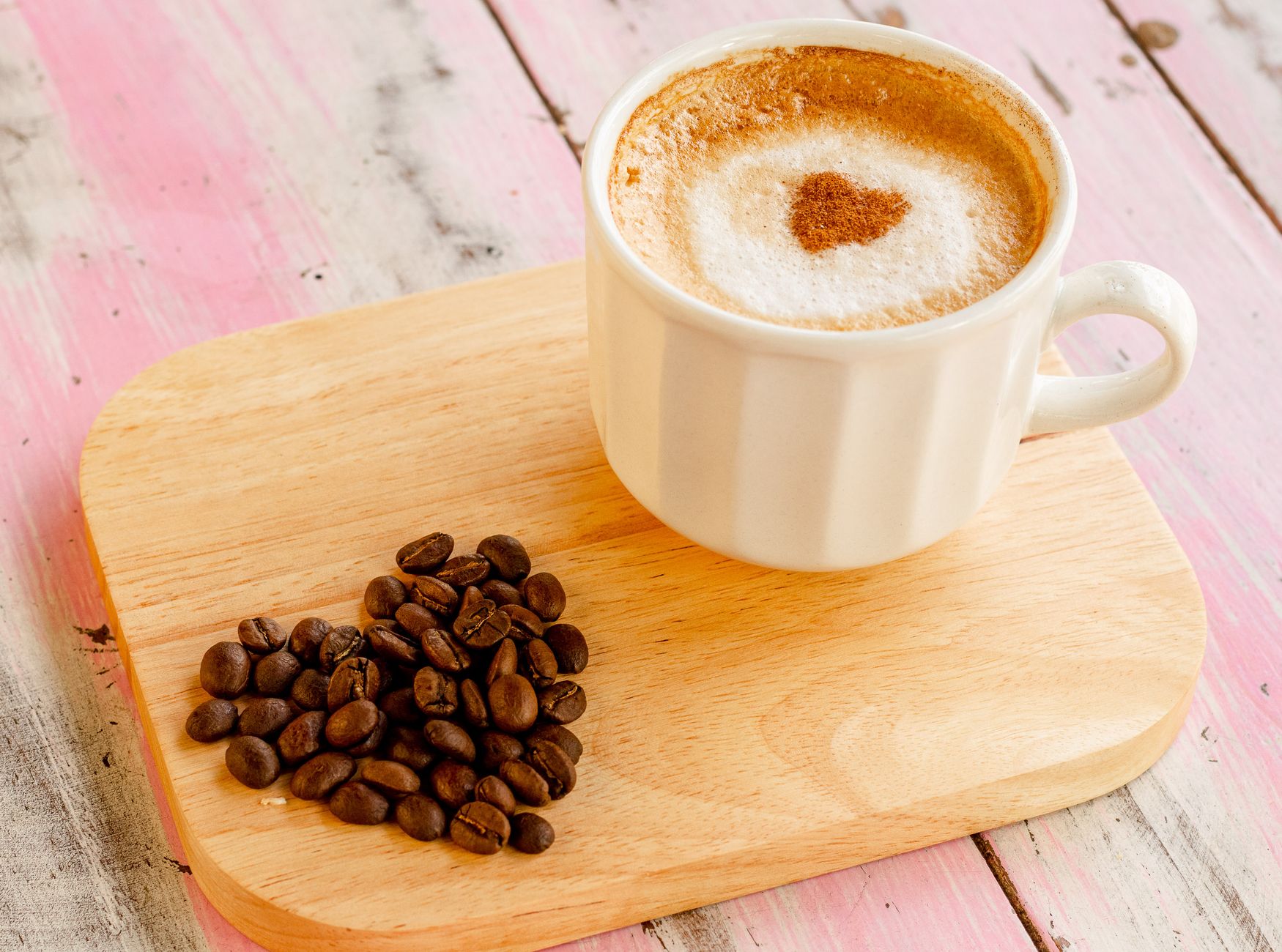
 Photo: freestocks.org via Pexels
The key constraint is the grinder, not the machine. The Flair rewards a quality burr grinder — the Kingrinder K6 or 1Zpresso JX-Pro are the standard pairings at this price tier. Feed it pre-ground coffee and the machine looks bad; feed it freshly ground single-origin and it sings.
Temperature stability is the real variable. Without a boiler, you rely on:
- Preheating the brew cylinder with hot water for 60–90 seconds
- Pulling quickly after filling to minimize temperature drop
- Adjusting kettle temperature by roast level (lighter roasts: hotter)
Users who skip the preheat step consistently report sour, under-extracted shots. Follow the preheat protocol and it disappears.
Who Should Buy the Flair Espresso Maker?
Espresso Purist on a Budget
If you care about shot quality above convenience, the Flair PRO 2 is the right call. You get 58mm compatibility, a pressure gauge, and repeatable results once your technique is consistent. Pair it with a hand grinder and your total investment stays under $400 for a genuinely world-class espresso setup.
Travel and Off-Grid Use
The Flair is the only serious espresso option for travel, camping, or van life. It weighs 2.3 kg, packs into a carry-on, and requires nothing but a kettle. The Classic model specifically was designed for portability.
 Photo: Jessica Lewis 🦋 thepaintedsquare via Pexels
Milk Drinker
This is where the Flair falls short. There is no steam wand. To make a latte or flat white, you need a separate milk frother — the Bellman Stovetop Steamer is the most popular pairing, or a standalone electric frother. If milk drinks are your daily order, a semi-automatic machine will serve you better.
Convenience-First User
Wrong machine. Every shot takes 5–8 minutes including preheat and cleanup. The portafilter disassembles for rinsing. This is a hobby device for people who enjoy the process.
Verdict by Archetype
| Archetype | Recommendation |
|---|---|
| Espresso purist | Flair PRO 2 or Flair 58 — buy it |
| Milk drinker | Look at the Breville Bambino |
What You Need Alongside the Flair
The Flair ships with everything needed for shots. What it does not include:
- A grinder — non-negotiable. Budget $100–$200 minimum. The 1Zpresso JX-Pro is the standard recommendation at this tier.
- A kettle — ideally a gooseneck with temperature control. The Fellow Stagg EKG is the pairing most Flair owners land on.
- A scale — dose by weight, not volume. Any 0.1g resolution scale works.
Total setup cost with PRO 2 + JX-Pro + basic kettle: ~$450–$500. For that budget you get a pull quality that beats most $1,000 semi-autos.
Flair vs. Competitors
| Machine | Price | Type | Pressure Control | Portafilter | Steam |
|---|---|---|---|---|---|
| Flair PRO 2 | ~$230 | Manual lever | Manual (gauge) | 58mm | No |
| Flair 58 | ~$350 | Manual lever | Manual (gauge) | 58mm | No |
| Cafelat Robot | ~$290 | Manual lever | Manual | 58mm | No |
| Wacaco Picopresso | ~$120 | Portable manual | None | 58mm | No |
| Breville Bambino | ~$300 | Semi-auto | Electronic | 54mm | Yes |
| Gaggia Classic Pro | ~$450 | Semi-auto | Electronic | 58mm | Yes |
The Cafelat Robot is the Flair’s closest competitor — slightly simpler design, no gauge on the base model, similar shot quality. The Flair wins on accessory ecosystem and model range. If you want steam capability at the $300 price point, the Breville Bambino is the correct pivot.
→ See Also
- The Complete Guide to Espresso Machines (2026)
- Best Espresso Machine Under $200 (2026)
- Best Espresso Machine Under $500 (2026)
FAQ
Is the Flair espresso maker worth it for beginners? The Flair PRO 2 is manageable for a motivated beginner, but expect a two-to-three week learning curve. The pressure gauge removes most of the guesswork. Start with a medium roast, follow the preheat protocol, and use a quality grinder — those three things cover 90% of the early failures.
Does the Flair make real espresso or just strong coffee? Real espresso. The Flair generates 6–9 bar of pressure through the lever mechanism, which is the same range used by commercial machines. Properly extracted shots show crema, syrupy body, and the full flavor compression that defines espresso — not the diluted result you get from a Moka pot or AeroPress.
Which Flair model should I buy? The PRO 2 is the value sweet spot for most buyers — 58mm portafilter, integrated pressure gauge, and full accessory compatibility at $230. Step up to the Flair 58 if you want better heat retention and a more refined build. The 58x is only worth the premium if you specifically want to experiment with pressure profiling.
Can you make milk drinks with the Flair? Not directly — there is no steam wand on any Flair model. You can pair it with a stovetop steamer like the Bellman, an electric milk frother, or a battery-powered whisk. The Bellman produces genuine microfoam; the others give you frothed milk suitable for a latte but not latte art.
How long does a Flair shot take? The full process — boiling water, preheating the brew head, dosing, tamping, pulling, and rinsing — takes 7–10 minutes. The pull itself is 25–35 seconds. If you need espresso in under two minutes, the Flair is not the right device.
Editorial methodology: Assessments are based on manufacturer specifications, published user reviews, and editorial research. Physical hands-on testing is noted explicitly where it occurred. Rankings reflect our editorial judgment and are not influenced by affiliate commission rates. Full editorial policy · Affiliate disclosure