Contents
De’Longhi EC155 Review: Entry-Level Espresso Worth It?
TL;DR: The De’Longhi EC155 produces passable espresso at around $100, but its 15-bar pump, single thermoblock, and pressurized portafilter all compromise extraction quality. It’s a legitimate starter machine — not a gateway to specialty espresso, but a decent cup-in-the-morning appliance that won’t break the bank or your counter space.
What Is the De’Longhi EC155?
The EC155 is a sub-$100 pump-driven espresso machine designed for beginners who want espresso-style drinks without committing to prosumer gear. It uses a pressurized (crema-enhancing) portafilter, a single thermoblock, and a 15-bar Italian pump. Expectations need calibrating: this machine is built to price, not to barista standards.
 Photo: Alexey Demidov via Pexels
De’Longhi has been making entry-level consumer espresso machines for decades, and the EC155 sits near the bottom of that range — alongside the EC155M (stainless variant) and just below the EC260 in feature count. The machine has been around long enough to accumulate thousands of verified reviews. That’s useful signal.
The EC155 ships with a dual-wall pressurized portafilter, meaning the basket has a false bottom with a pinhole that artificially generates pressure. This creates crema regardless of grind quality or tamping. It’s not “real” crema — it’s foam — but it looks the part and matters less than you’d think when milk is involved.
De’Longhi EC155 Review: Build Quality and Design
Compact, light, and plastic-dominant — the EC155 weighs under 5 lbs and takes up minimal counter space. The chrome-accented housing looks decent in photos but feels insubstantial in person. The drip tray, portafilter handle, and steam knob are all plastic. Nothing here suggests longevity past 2–3 years of daily use.
 Photo: Alex Giroux via Pexels
The 35 oz water reservoir sits at the back, accessible from the top. It’s removable for filling but requires pulling the machine forward. The steam wand is a manual Panarello-style frother — it injects air automatically, which means consistent foam without technique, but no path to latte art.
Controls are minimal: a power switch, shot button, and steam dial. There’s no PID, no pre-infusion, no programmable volume. The thermoblock heats water in under a minute, which is genuinely fast — but it also means you need to wait between pulling a shot and steaming milk, since the machine can’t do both simultaneously.
Espresso Quality: What to Expect
With the stock pressurized basket, grind quality barely matters — the machine compensates via its pressurized design. Shots from pre-ground or blade-ground coffee will still produce something resembling espresso. Swap to a non-pressurized basket (sold separately), add a decent grinder, and the machine shows its real ceiling: inconsistent temperature, limited pressure control, mediocre body.
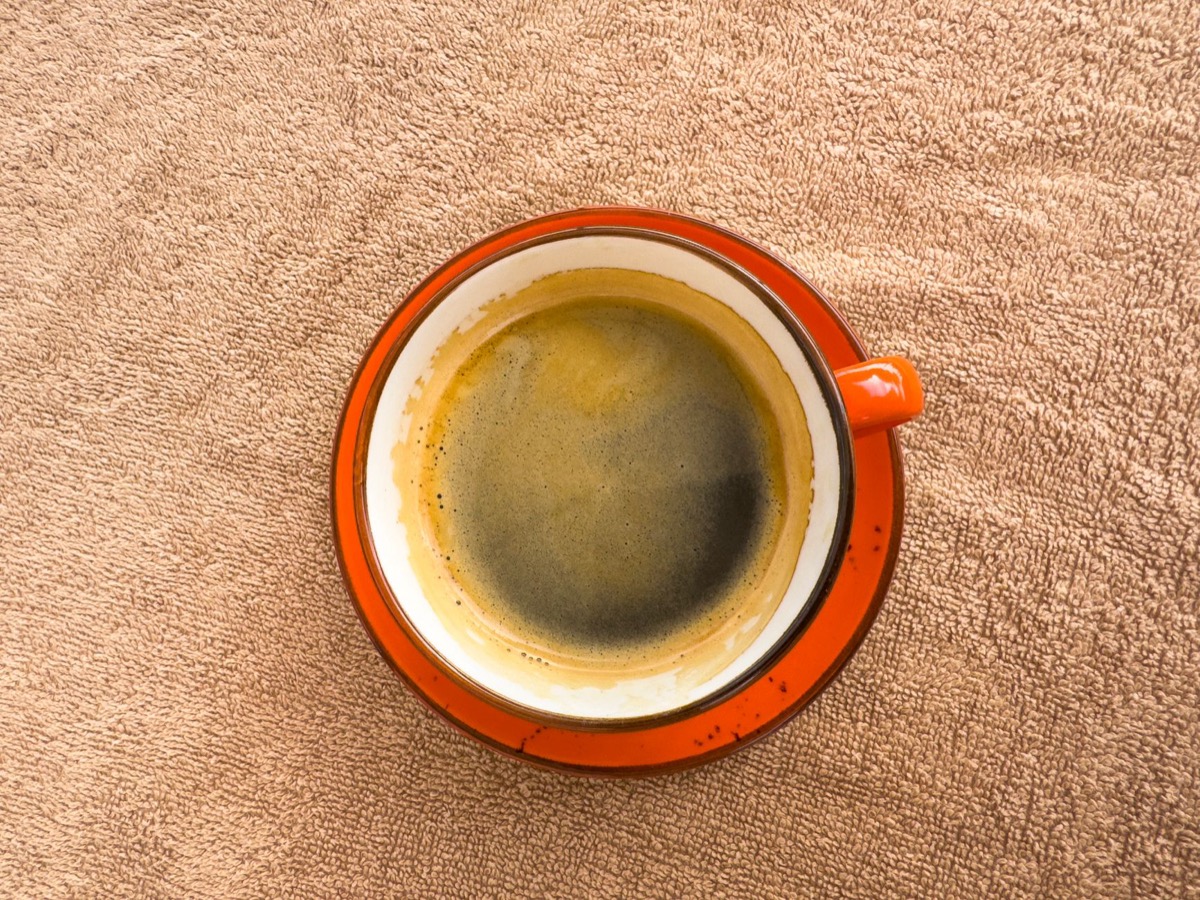 Photo: Engin Akyurt via Pexels
On pre-ground supermarket espresso roasts, the EC155 produces an acceptable 1–2 oz shot in 25–30 seconds. Flavor is muted compared to a machine with a single boiler and real pressure regulation, but workable. Bitterness runs slightly high — a sign of over-extraction driven by temperature instability in the thermoblock.
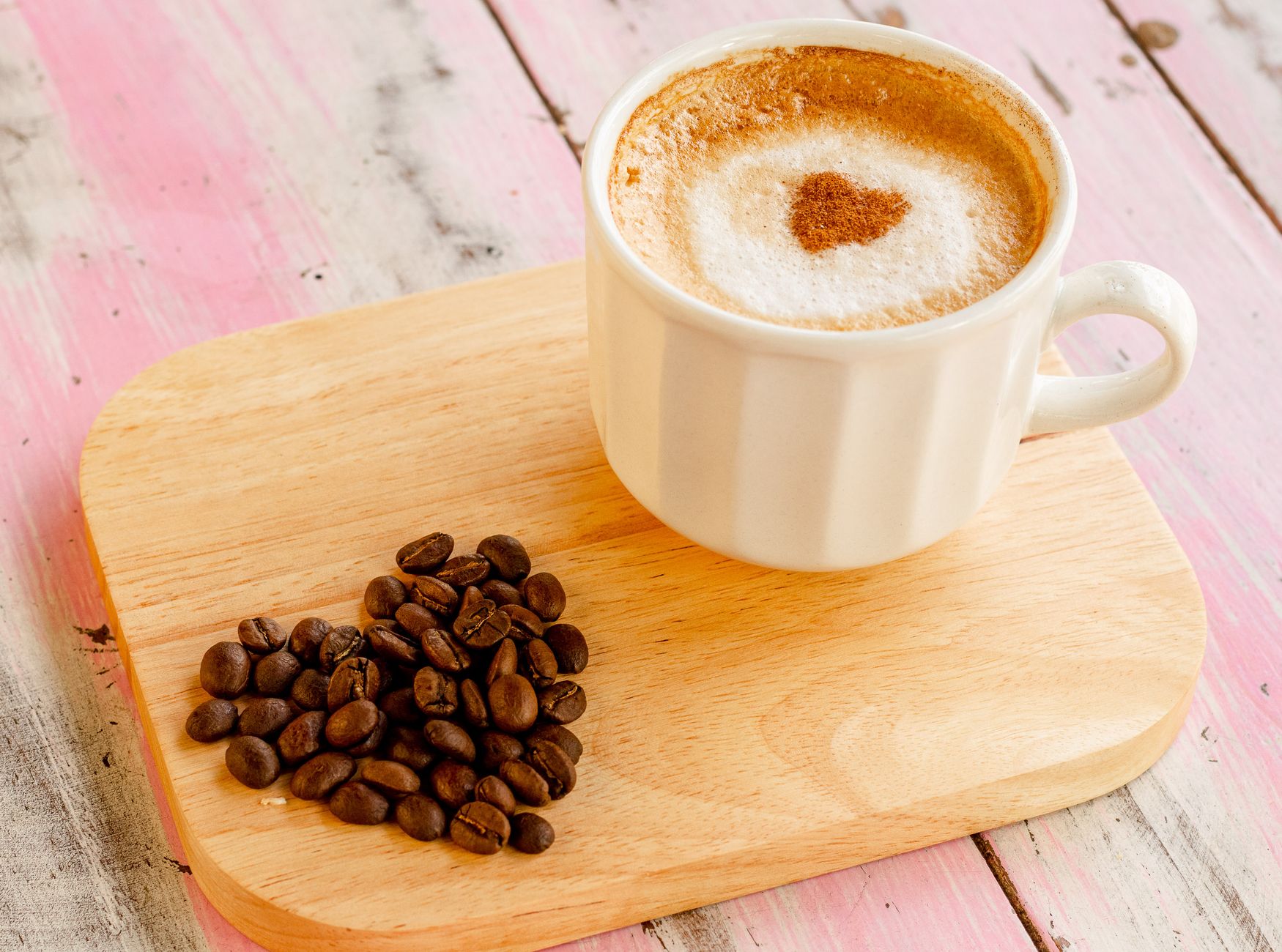
For milk drinks, the picture improves. The Panarello wand produces thick, dense microfoam suitable for cappuccinos and flat whites at the textural level, even if the espresso underneath lacks depth. Most EC155 users drink milk-based drinks — that’s the correct use case.
Pulling Shots Without a Grinder
Pre-ground coffee designed for espresso (Lavazza, Illy, Kimbo) works reasonably well. The pressurized basket forgives coarse grinds. If you’re using a blade grinder or buying pre-ground: yes, this machine handles it. If you own a decent burr grinder and want to use it properly: the EC155 will bottleneck you.
De’Longhi EC155 Specs
| Spec | Detail |
|---|---|
| Boiler type | Thermoblock |
| Portafilter size | 51mm |
| PID | No |
| Pump type | 15-bar Ulka vibration pump |
| Burr size | N/A (no grinder included) |
EC155 vs. Comparable Machines
| Machine | Price | Boiler | Portafilter | PID | Best For |
|---|---|---|---|---|---|
| De’Longhi EC155 | ~$100 | Thermoblock | 51mm pressurized | No | Pre-ground users, beginners |
| De’Longhi EC155M | ~$120 | Thermoblock | 51mm pressurized | No | Same, stainless finish |
| Mr. Coffee ECMP50 | ~$80 | Thermoblock | 51mm pressurized | No | Absolute budget entry |
| Gaggia Classic Pro |
The EC155 wins only on price. At $200+, the Breville Bambino pulls ahead decisively on extraction quality and steam performance. At $450, the Gaggia Classic Pro is in a different category.
Who Should Buy the De’Longhi EC155?
Verdict by archetype:
- Milk drinker / convenience-first: The EC155 is a reasonable buy. Cappuccinos and lattes come out well with the Panarello wand. If you drink one milk drink a day and have no intention of going deeper into espresso, this does the job.
- Espresso purist: Skip it. Pressurized portafilters, thermoblock instability, and a 51mm basket are hard limits. Spend $300+ and get something that rewards a good grinder.
- Beginner who wants to learn: Acceptable starting point only if budget is the hard constraint. Understand that you’ll likely replace it within 18 months if the hobby sticks.
Common Issues and Longevity
 Photo: Bijay Chaurasia via Pexels
The most frequently reported failure is the steam wand o-ring degrading after 12–18 months. Replacement costs under $5 and takes 10 minutes. The thermoblock itself rarely fails but can scale up in hard-water areas — descale every 2–3 months if your tap water is hard.
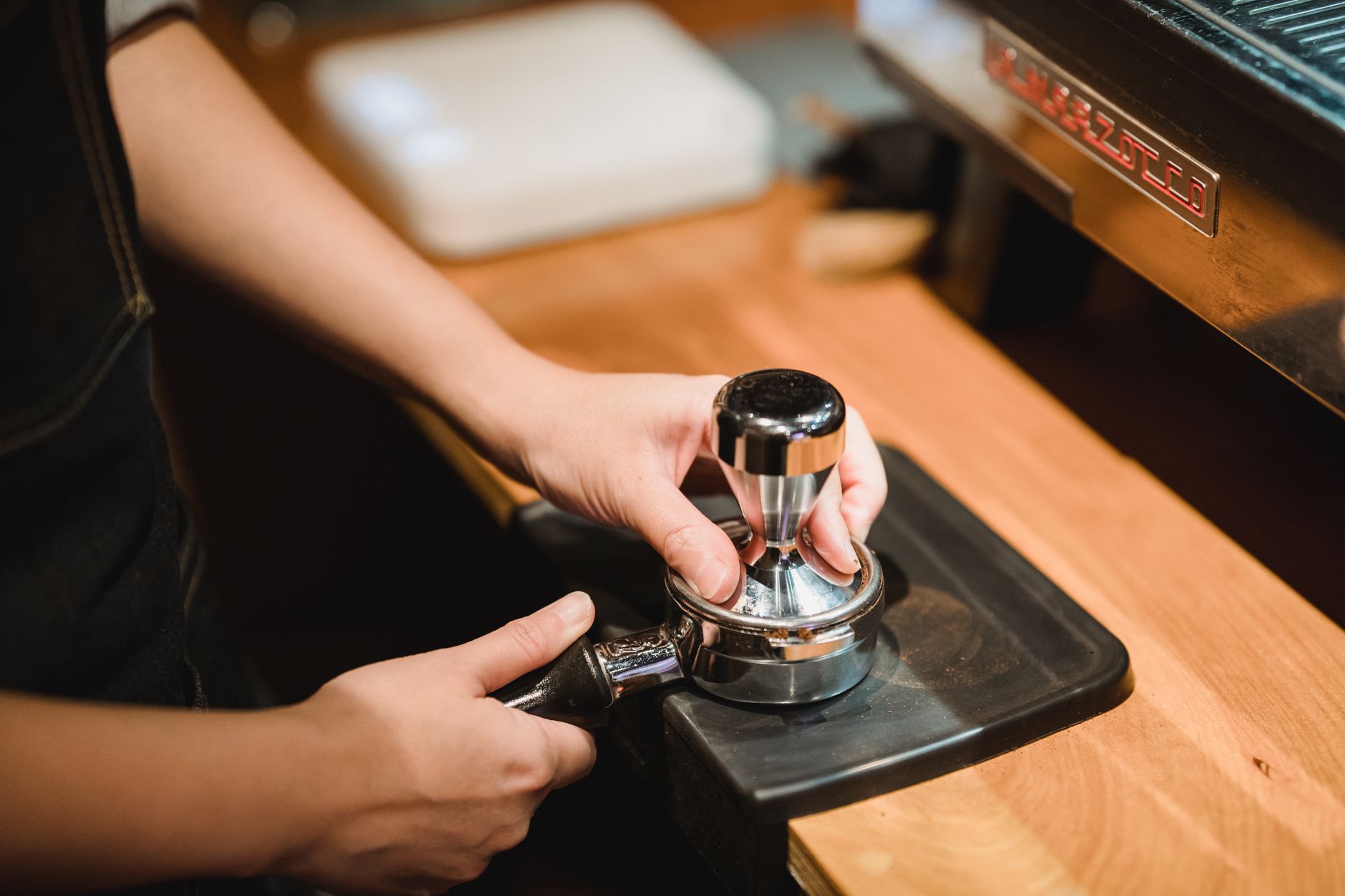
The pressurized portafilter basket clogs over time with coffee oils if not cleaned. Pull the basket and soak it in hot water with a small amount of espresso machine cleaner weekly. Neglecting this is the most common cause of flow restriction complaints.
→ See also
- The Complete Guide to Espresso Machines (2026) — full framework for choosing a machine at any budget
- Best Espresso Machine Under $200 (2026) — if you can stretch the budget slightly
- Best Espresso Machine Under $500 (2026) — where real quality begins
FAQ
Is the De’Longhi EC155 worth it in 2026? At ~$100, it’s worth it if your priority is cost and convenience over extraction quality. It produces acceptable espresso for milk drinks and handles pre-ground coffee without issue. If you’re serious about espresso flavor, it hits its ceiling fast and you’ll want to upgrade within a year.
Can the De’Longhi EC155 use a non-pressurized basket? Yes. The portafilter is 51mm and compatible with aftermarket non-pressurized single-wall baskets. The upgrade costs around $10–15 and changes the dynamic: you’ll need a consistent burr grinder and proper tamping technique, but you get real extraction feedback instead of a false pressure floor.
How long does the De’Longhi EC155 last? Most users report 2–4 years with regular cleaning. The steam wand o-ring typically degrades first, followed by internal plastic components under heat cycling. It’s not built for a decade of daily use, but for the price, 2–3 years is reasonable.
Is the De’Longhi EC155 good for lattes and cappuccinos? Yes — this is its strongest use case. The Panarello wand produces usable milk foam without technique, and the espresso base is adequate for milk drinks where the coffee flavor is partially masked. Drinkers who are mostly milk-forward will be more satisfied than those who want a straight espresso.
What grinder should I use with the De’Longhi EC155? With the stock pressurized basket, any grinder — including blade — produces workable results. If you upgrade to a non-pressurized basket, a budget burr grinder like the Baratza Encore
Editorial methodology: Assessments are based on manufacturer specifications, published user reviews, and editorial research. Physical hands-on testing is noted explicitly where it occurred. Rankings reflect our editorial judgment and are not influenced by affiliate commission rates. Full editorial policy · Affiliate disclosure