Contents
Drip Coffee Maker Guide: Better Coffee From Any Machine
TL;DR: A drip coffee maker guide boils down to four variables — grind size, water temperature, coffee-to-water ratio, and clean equipment. Nail those and your drip machine produces genuinely excellent coffee, regardless of price point. The machine matters less than the inputs you feed it.
Water Temperature: The Variable Your Machine May Be Failing
Direct Answer Block: Most drip machines brew between 185–205°F (85–96°C). The SCAA-certified range is 195–205°F (90–96°C). If your machine runs cooler, you’re getting under-extracted, sour, weak coffee — and no grind adjustment fully compensates for cold water.
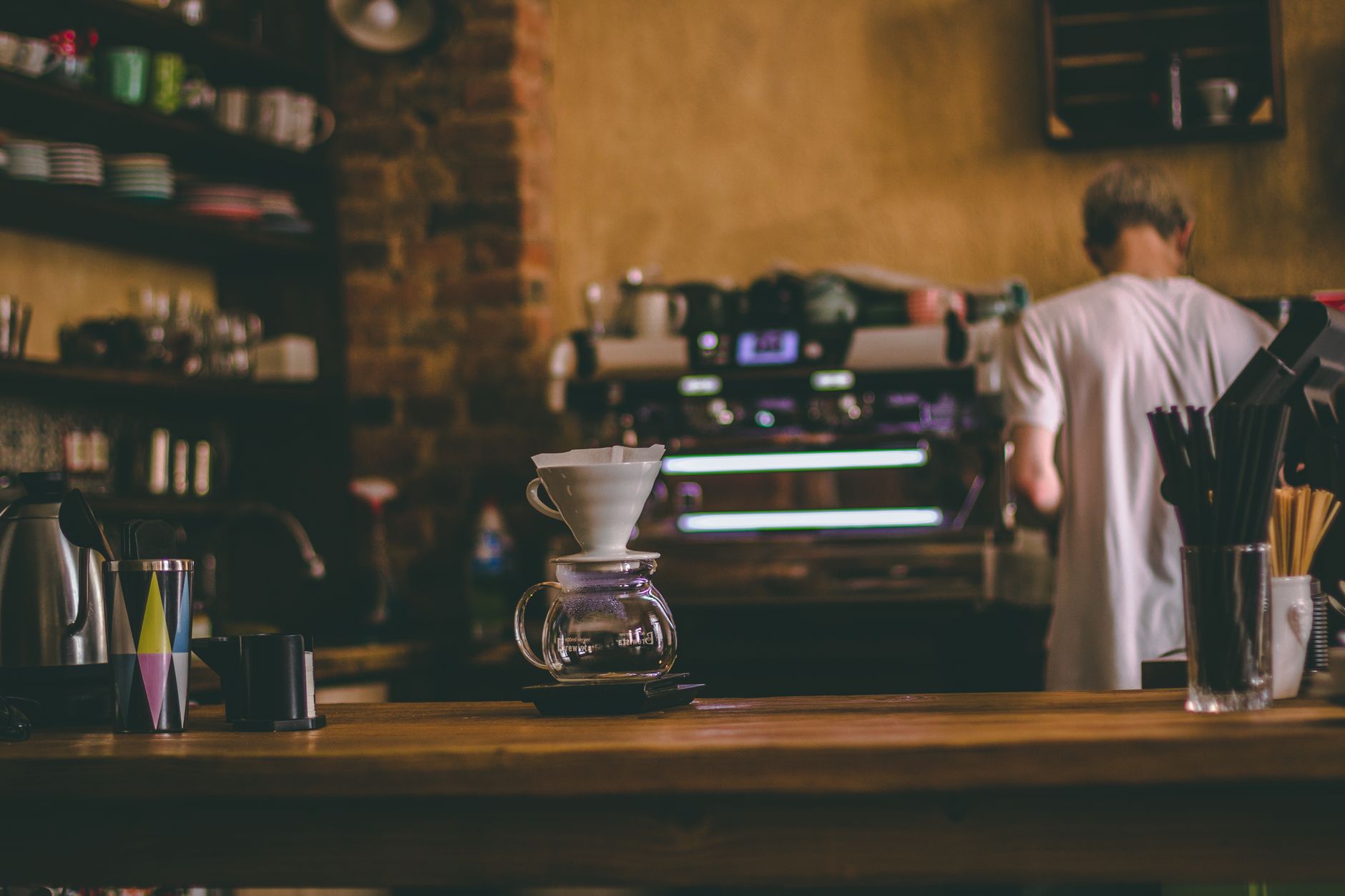
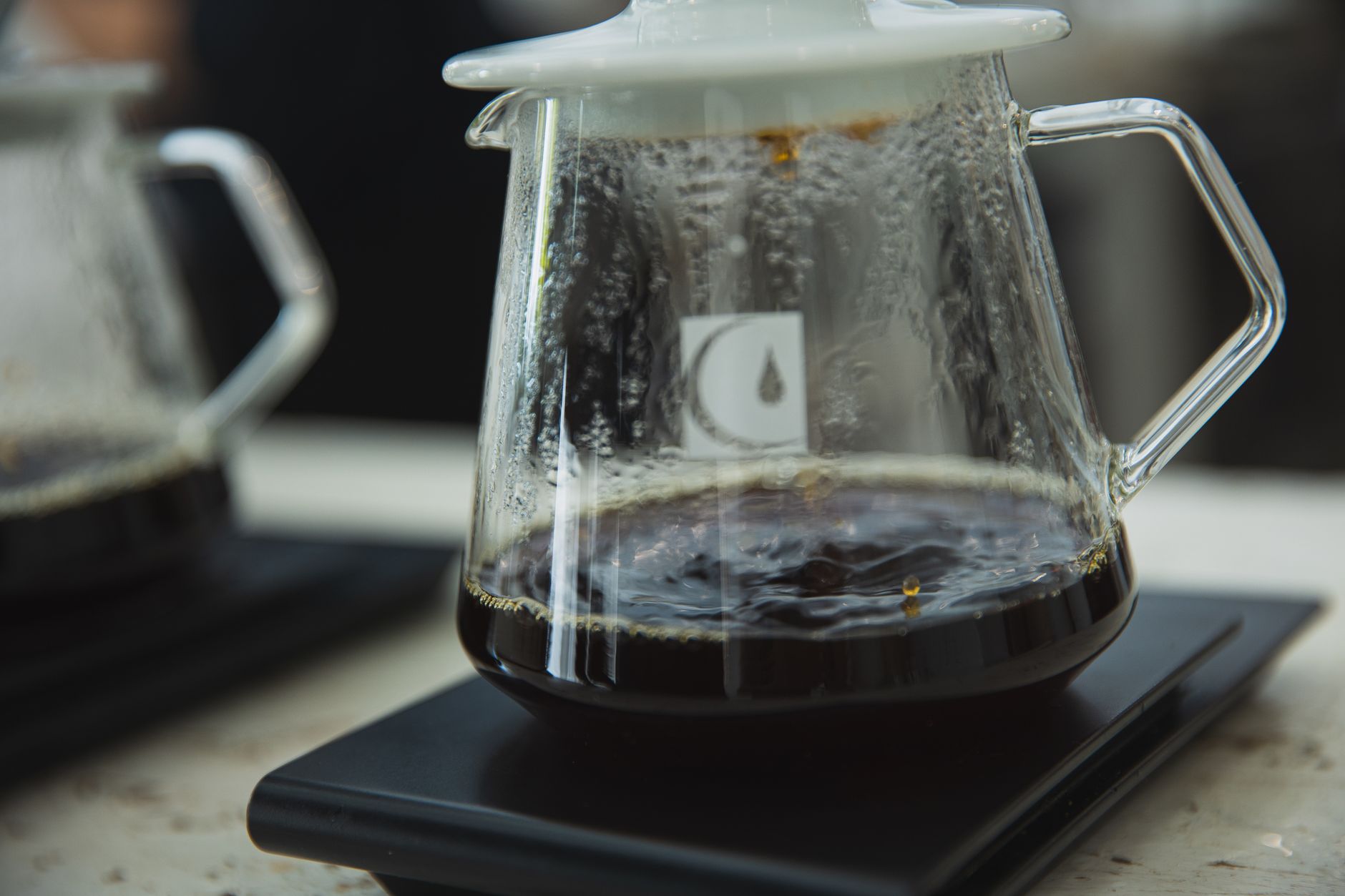 Photo: Ryutaro Tsukata via Pexels
Budget machines often heat to only 175–185°F. You can test yours with an instant-read thermometer placed at the brew basket during a cycle. If it reads below 195°F consistently, you have three options: upgrade to a SCAA-certified machine, use a pour-over for better control, or pre-warm the carafe and basket with hot water to reduce thermal loss.
SCAA-Certified Machines Worth Knowing
Machines that reliably hit the correct brew temperature and maintain it:
| Machine | Price Range | Key Feature |
|---|---|---|
| Technivorm Moccamaster | $$$ | Brews full pot in 6 min, copper heating element |
| Breville Precision Brewer | $$ | Bloom mode, programmable, thermal carafe option |
| OXO Brew 9-Cup | $$ | Rainmaker showerhead, SCA certified |
| Bonavita 8-Cup | $ | Simple, reliable, excellent temperature for the price |
Coffee-to-Water Ratio: Where Most People Go Wrong
Direct Answer Block: Use 1:15 to 1:17 by weight — roughly 1 gram of coffee per 15–17ml of water. For a 12-cup carafe (roughly 60oz / 1,775ml), that’s 100–120g of coffee. Most people use half that and wonder why their drip coffee tastes thin.
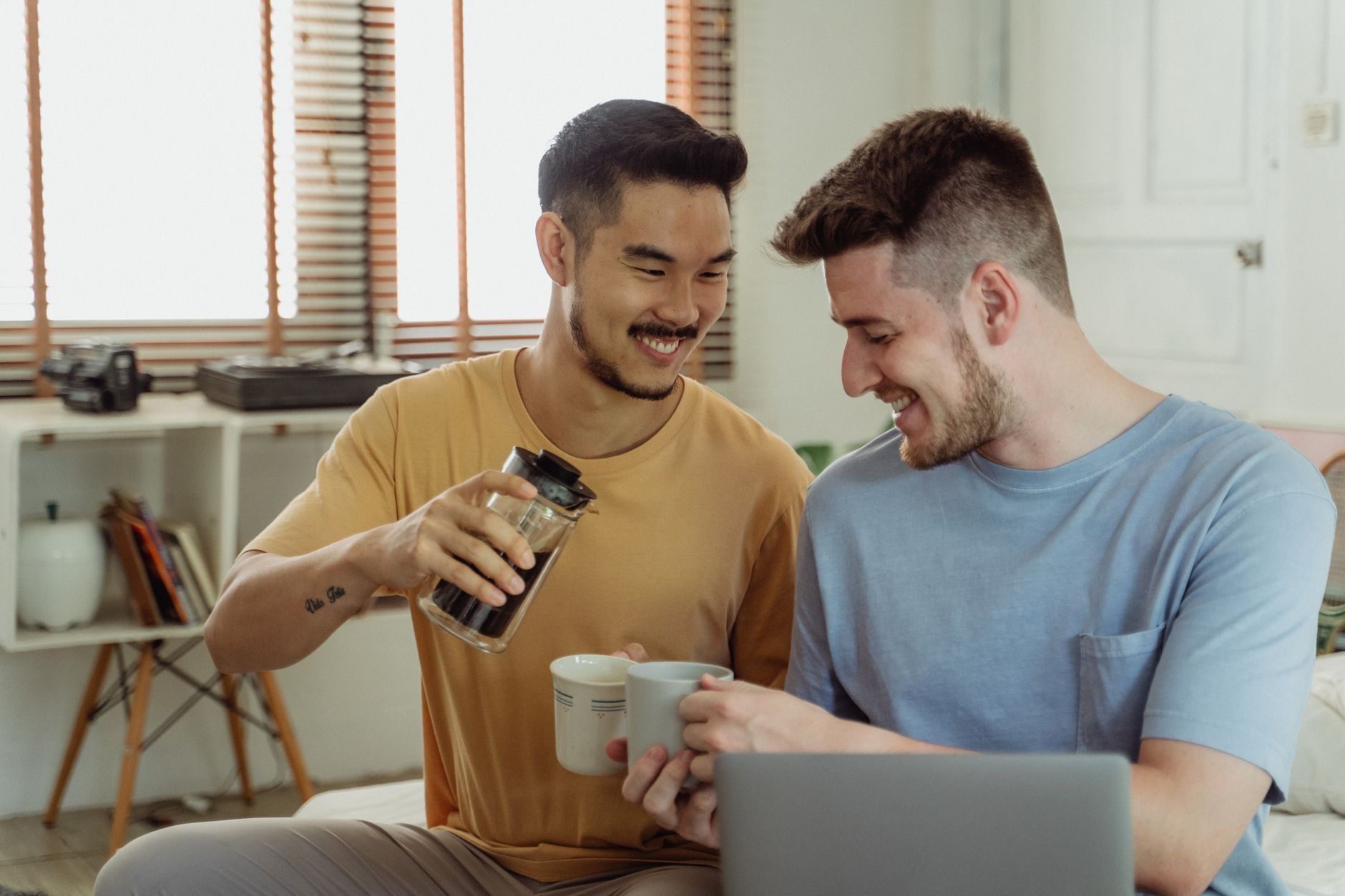
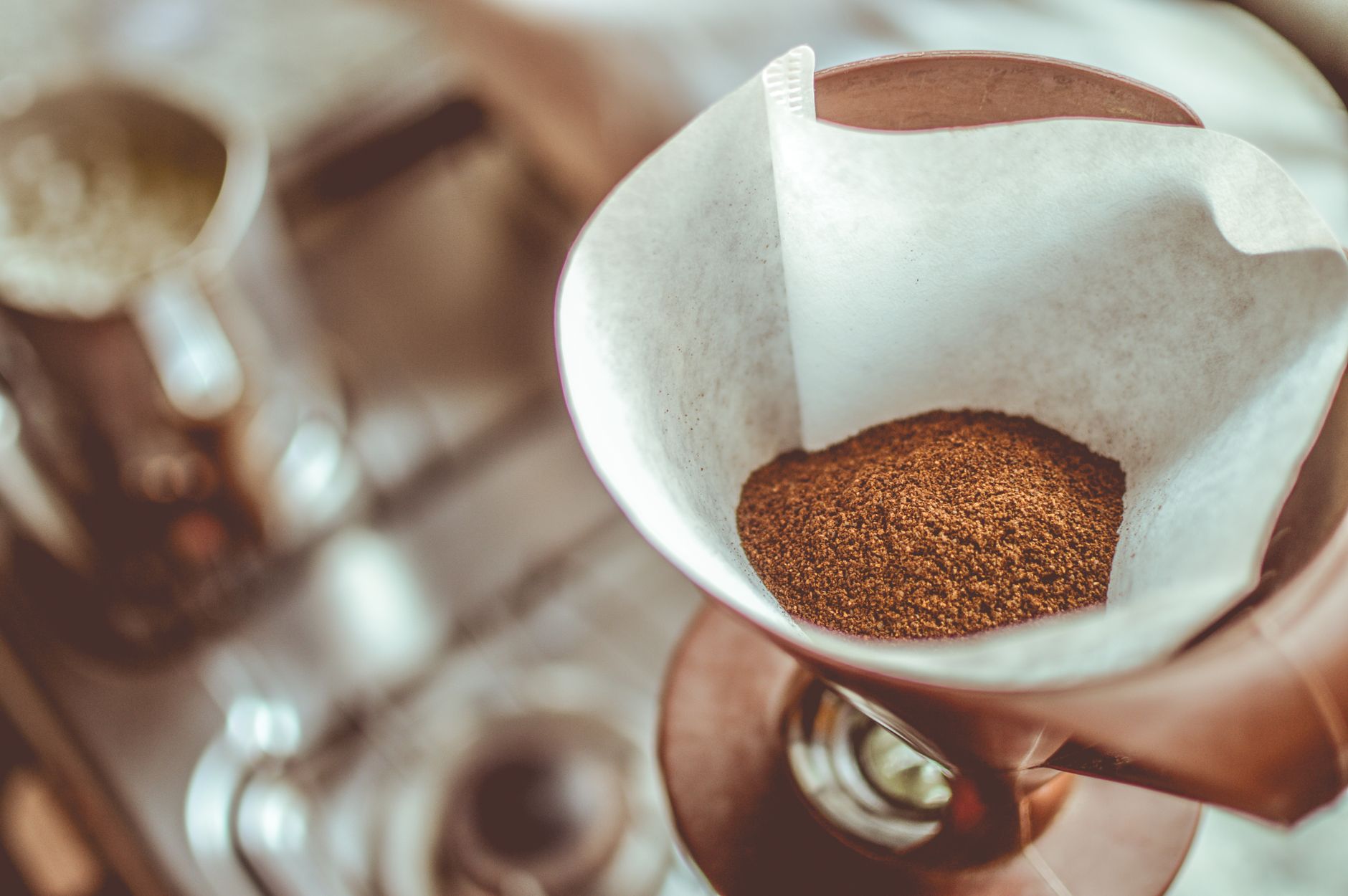 Photo: Caio via Pexels
Volume measures (scoops, tablespoons) are imprecise because grind size affects density. A “heaping tablespoon” of coarse grounds weighs far less than the same scoop of fine. A $10 kitchen scale eliminates all of this ambiguity.
Quick Reference: Ratio by Carafe Size
| Carafe Size | Water Volume | Coffee (1:15) | Coffee (1:17) |
|---|---|---|---|
| 4-cup | 600ml | 40g | 35g |
| 8-cup | 1,200ml | 80g | 70g |
| 10-cup | 1,500ml | 100g | 88g |
| 12-cup | 1,775ml | 118g | 104g |
Grind Size: Medium Is Correct, but Medium Means Something Specific
Direct Answer Block: Drip coffee requires a medium grind — roughly the texture of coarse sand or sea salt. Too fine and water flows slowly, extracting bitterly. Too coarse and water rushes through, producing weak, sour coffee. A burr grinder produces the even particle size that makes this consistent.
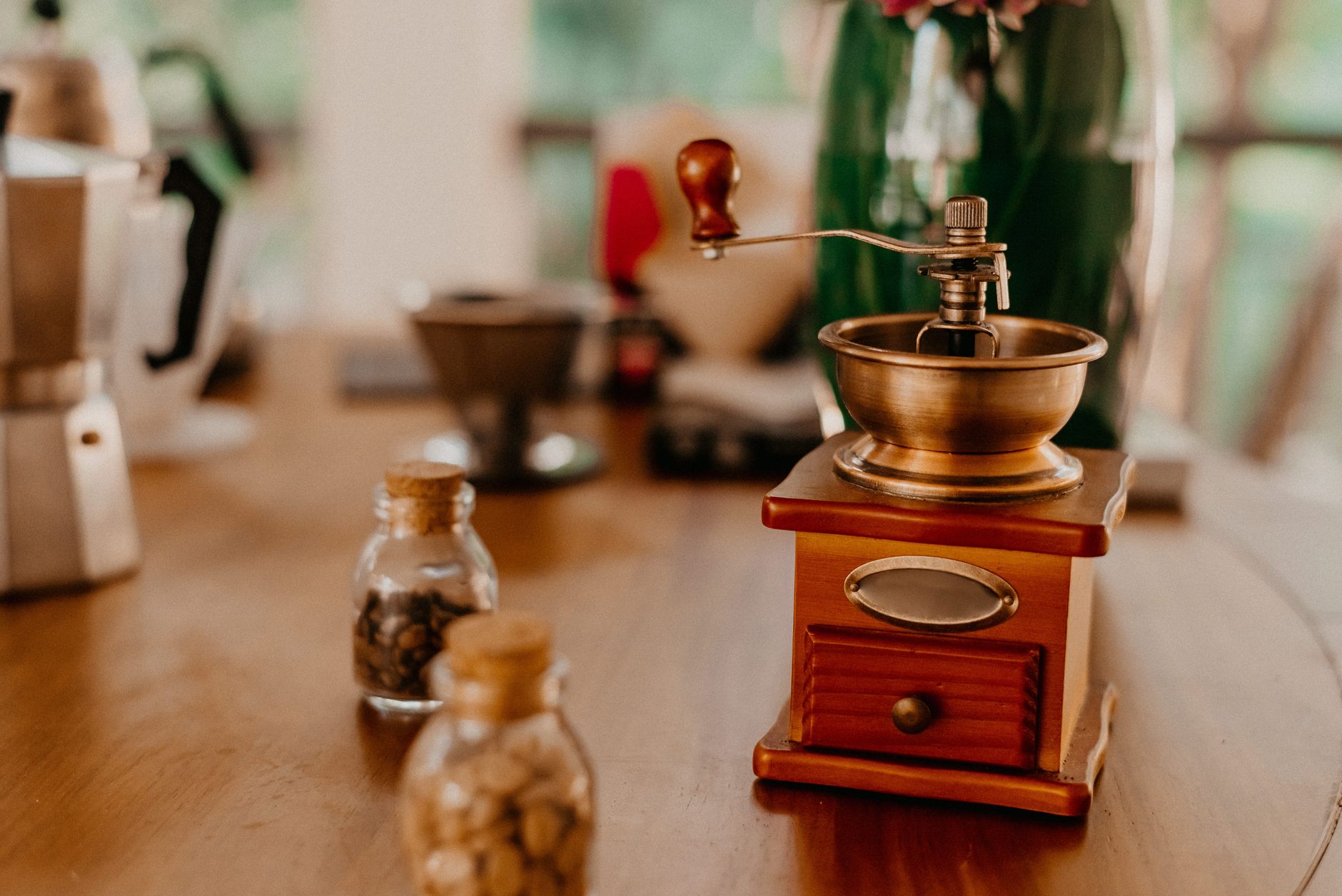
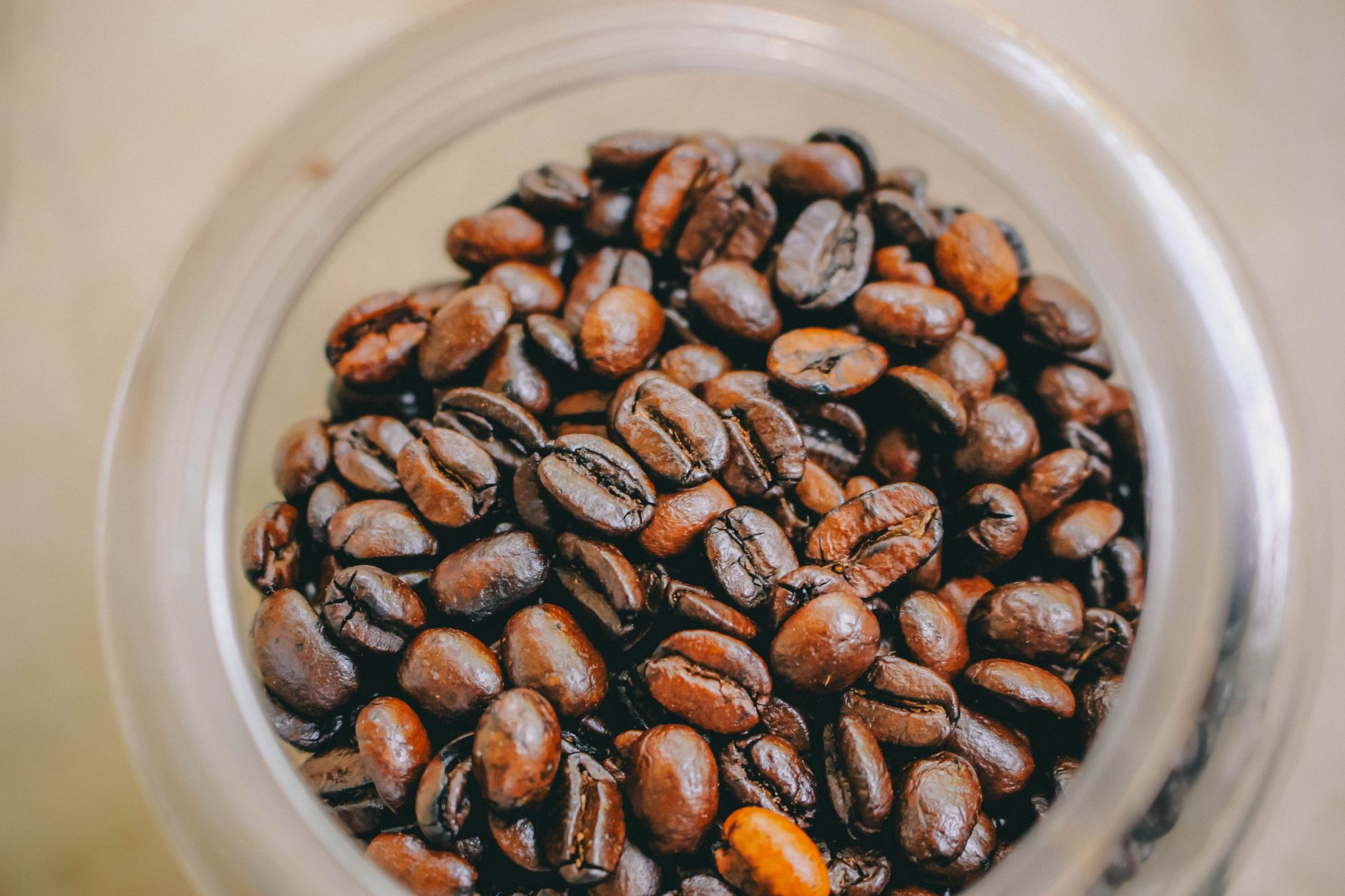 Photo: Samer Daboul via Pexels
Blade grinders chop unevenly, creating a mix of powder and chunks in the same batch. This guarantees uneven extraction — some particles over-extracted (bitter), some under (sour) — simultaneously. If you’re using a blade grinder, it’s the single highest-leverage upgrade you can make.
Grind Size Troubleshooting
| Symptom | Likely Cause | Fix |
|---|---|---|
| Bitter, harsh, heavy | Too fine | Go one step coarser |
| Weak, sour, watery | Too coarse | Go one step finer |
| Muddy sediment in cup | Far too fine / paper filter tears | Coarsen significantly, check filter seal |
| Astringent, dry finish | Over-extracted | Coarsen or reduce brew time |
| Flat, no complexity | Stale beans | Buy fresher coffee |
Brewing Guide: Drip Coffee Module
Extraction Parameters
| Parameter | Target |
|---|---|
| Dose | 60–70g per liter of water |
| Yield | Full carafe volume (no partial brews if avoidable) |
| Ratio | 1:15 to 1:17 |
| Brew Time | 5–8 minutes (full carafe) |
| Temperature | 195–205°F / 90–96°C |
| Pressure | N/A (gravity-fed) |
Setup and Technique
Filter: Use a #4 cone or basket filter matching your machine. Pre-rinse paper filters with hot water directly in the basket, then discard that water before adding grounds. This removes paper taste and pre-warms the basket.
Leveling: After adding grounds, shake the basket gently to level the bed. An uneven bed creates channeling — water finds the path of least resistance and bypasses sections of grounds.
Bloom (if your machine supports it): Some machines have a pre-infusion or bloom cycle that wets the grounds briefly before full brew begins. This degasses fresh coffee and improves extraction evenness. The Breville Precision Brewer’s bloom mode is the clearest example of this done well.
Water: Use filtered water. Hard water causes scale buildup on heating elements — the primary reason machines start running cold over time. Descale every 1–3 months depending on water hardness.
Troubleshooting Matrix
| Symptom | Likely Cause | Fix |
|---|---|---|
| Coffee tastes sour and thin | Under-extraction: water too cold or grind too coarse | Test water temp; go finer; increase dose |
| Coffee tastes bitter and heavy | Over-extraction: grind too fine or too much coffee | Go coarser; reduce dose slightly |
| Brew takes longer than 8 min | Grind too fine or scale buildup in showerhead | Coarsen; descale machine |
| Coffee cools too fast | Glass carafe losing heat | Switch to thermal carafe or preheat |
| Weak despite correct ratio | Machine not reaching brew temp | Test with thermometer; consider upgrade |
| Oily residue, sluggish flow | Dirty basket or clogged showerhead | Deep clean with cafiza or white vinegar |
Keeping Equipment Clean
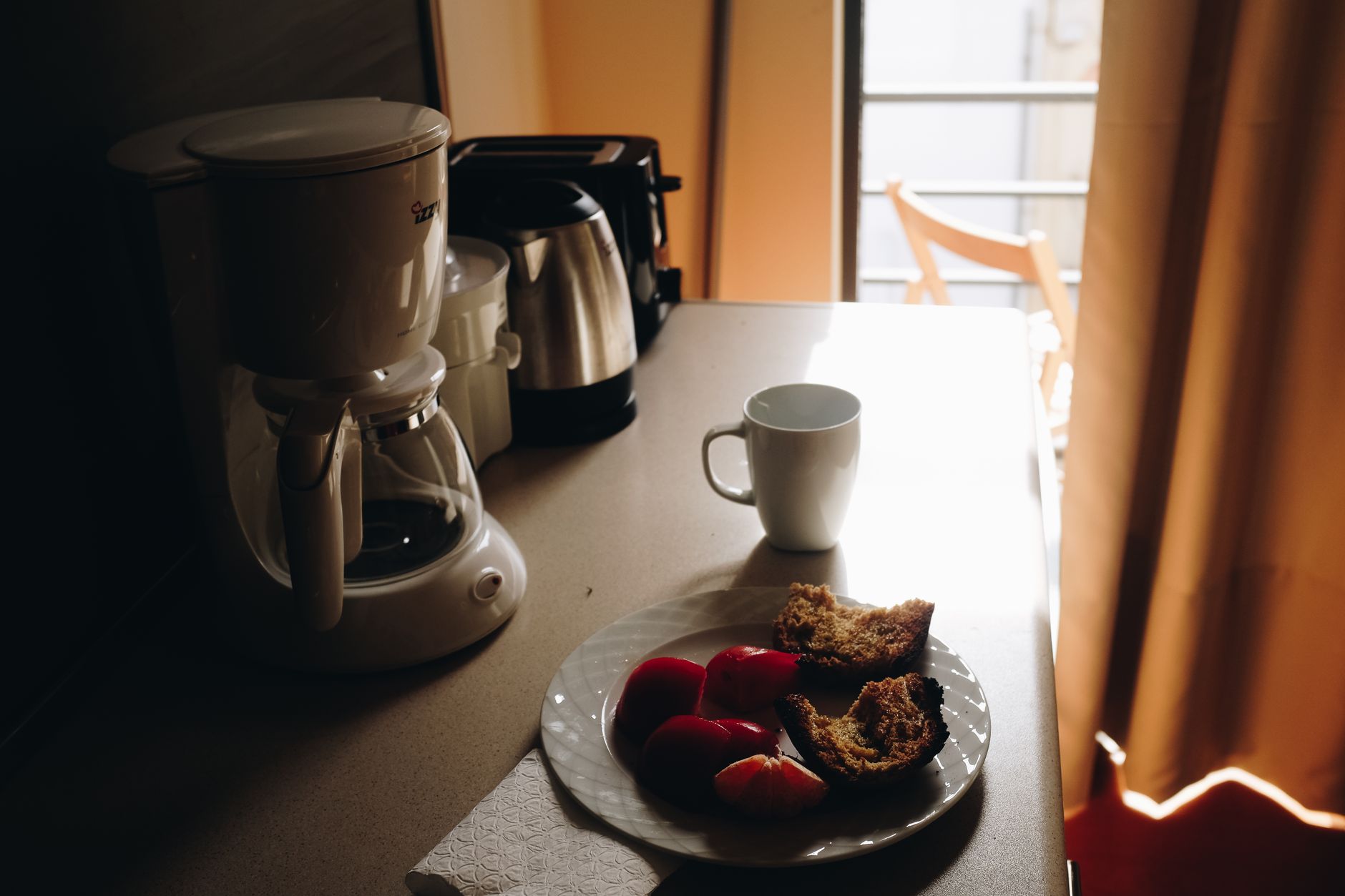
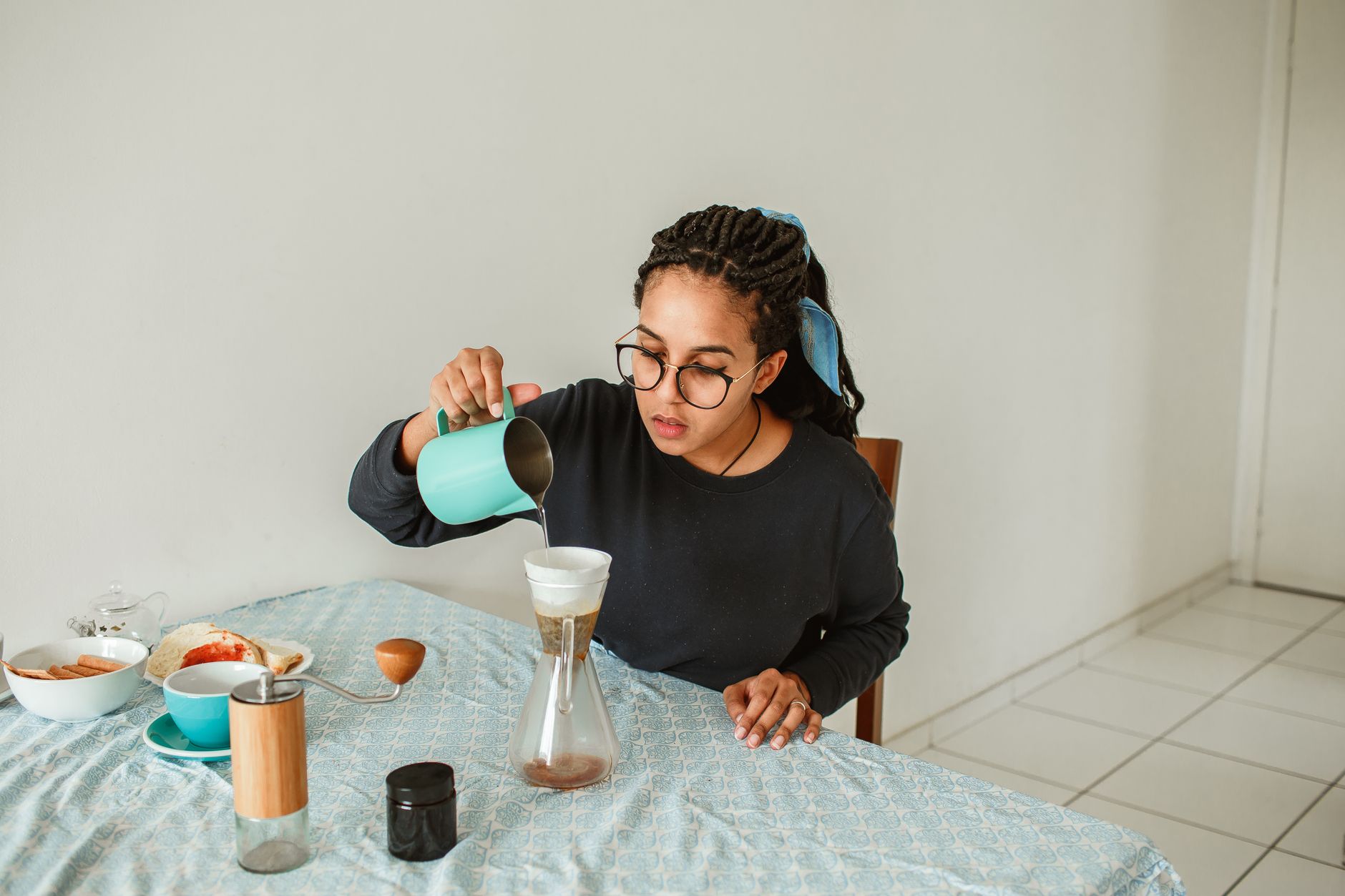 Photo: Helena Lopes via Pexels
A dirty machine produces bad coffee regardless of bean quality. Coffee oils go rancid and accumulate in baskets, carafes, and showerheads within days. Build a simple maintenance schedule:
- After every brew: Rinse basket and carafe with hot water immediately
- Weekly: Wash basket, carafe, and lid with dish soap
- Monthly: Run a descale cycle (50/50 white vinegar and water, then two plain water cycles, or use a purpose-made descaler)
- Quarterly: Inspect and clean the showerhead holes with a toothpick or small brush
→ See also
- How to Brew Coffee at Home: Complete Method Guide
- French Press Coffee: Complete Brewing Guide (Ratios + Technique)
- French Press Coffee-to-Water Ratio Calculator
FAQ
Does an expensive drip machine actually make better coffee? Yes, but only because of temperature consistency and brew time, not mystical engineering. A $300 SCAA-certified machine reliably hits 200°F and saturates grounds evenly. Many $50 machines heat to 180°F and produce structurally under-extracted coffee that no amount of ratio-tweaking fully fixes. The Breville Precision Brewer is the sweet spot for most people — certified performance without the Moccamaster price tag.
What grind setting should I use on my burr grinder for drip coffee? For most burr grinders, medium is 4–6 on a 1–10 scale, or roughly the middle of the grinder’s range. Start in the center and adjust based on taste: bitter means coarser, sour means finer. Single-dose testing (one batch at a time) makes the feedback loop fast.
Why does my drip coffee taste worse than the same beans made as pour-over? Control. Pour-over lets you dial water temperature exactly, adjust pour rate, and ensure complete saturation. A drip machine automates those variables — and if any one of them (temperature, flow rate, bloom) is off, you can’t compensate mid-brew. Good machines close this gap; cheap ones don’t.
Can I use pre-ground coffee in a drip maker? Yes, and pre-ground coffee specifically labeled “drip” or “medium grind” is calibrated for this. The problem is oxidation — pre-ground coffee loses volatile aromatics within days of grinding. If you’re buying pre-ground, buy smaller bags more frequently and store in an airtight container away from heat and light.
How much coffee should I use for a 12-cup drip maker? A standard “12-cup” carafe holds roughly 60oz (1,775ml). At a 1:15 ratio that’s about 118g of coffee — significantly more than most people use. If that tastes strong, the answer isn’t less coffee, it’s coarser grind. Weak-but-correct-ratio coffee means extraction is the problem, not dosing.
Editorial methodology: Assessments are based on manufacturer specifications, published user reviews, and editorial research. Physical hands-on testing is noted explicitly where it occurred. Rankings reflect our editorial judgment and are not influenced by affiliate commission rates. Full editorial policy · Affiliate disclosure