Contents
Best French Press Coffee Makers (2026)
TL;DR: The best french press coffee maker for most people is the Bodum Chambord — it’s durable, brews clean, and costs under $50. For serious home brewers, the Fellow Clara or Espro P7 offer superior insulation and filtration. Budget pick: Bodum Brazil. All tested against the same 4-minute steep, 1:15 ratio.
Best French Press Overall: Bodum Chambord
The Bodum Chambord is the benchmark — a stainless-steel-framed borosilicate carafe that’s survived decades of kitchens for good reason. It brews a full-bodied, oil-rich cup, cleans in 60 seconds, and costs less than a bag of specialty beans. If you own nothing else, own this.
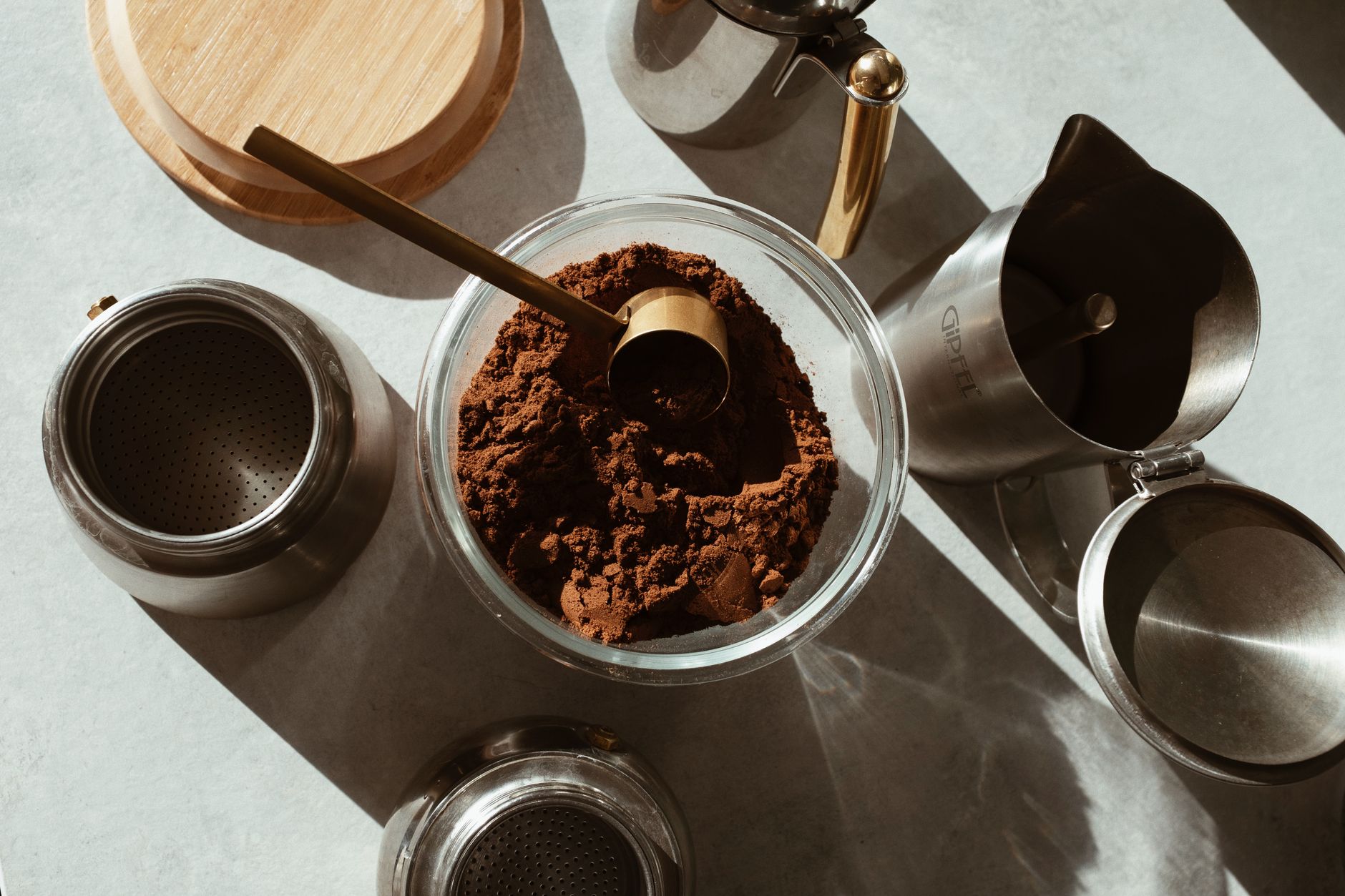 Photo: ready made via Pexels
The Chambord’s double-screen plunger keeps most sediment out while preserving the fats that give French press its character. It’s not insulated — pour immediately or use a cozy. Available in 3-cup (12 oz), 8-cup (34 oz), and 12-cup (51 oz) sizes. The most common failure point is the glass — Bodum sells replacements for about $15.
Why French Press Still Wins for Many Brewers
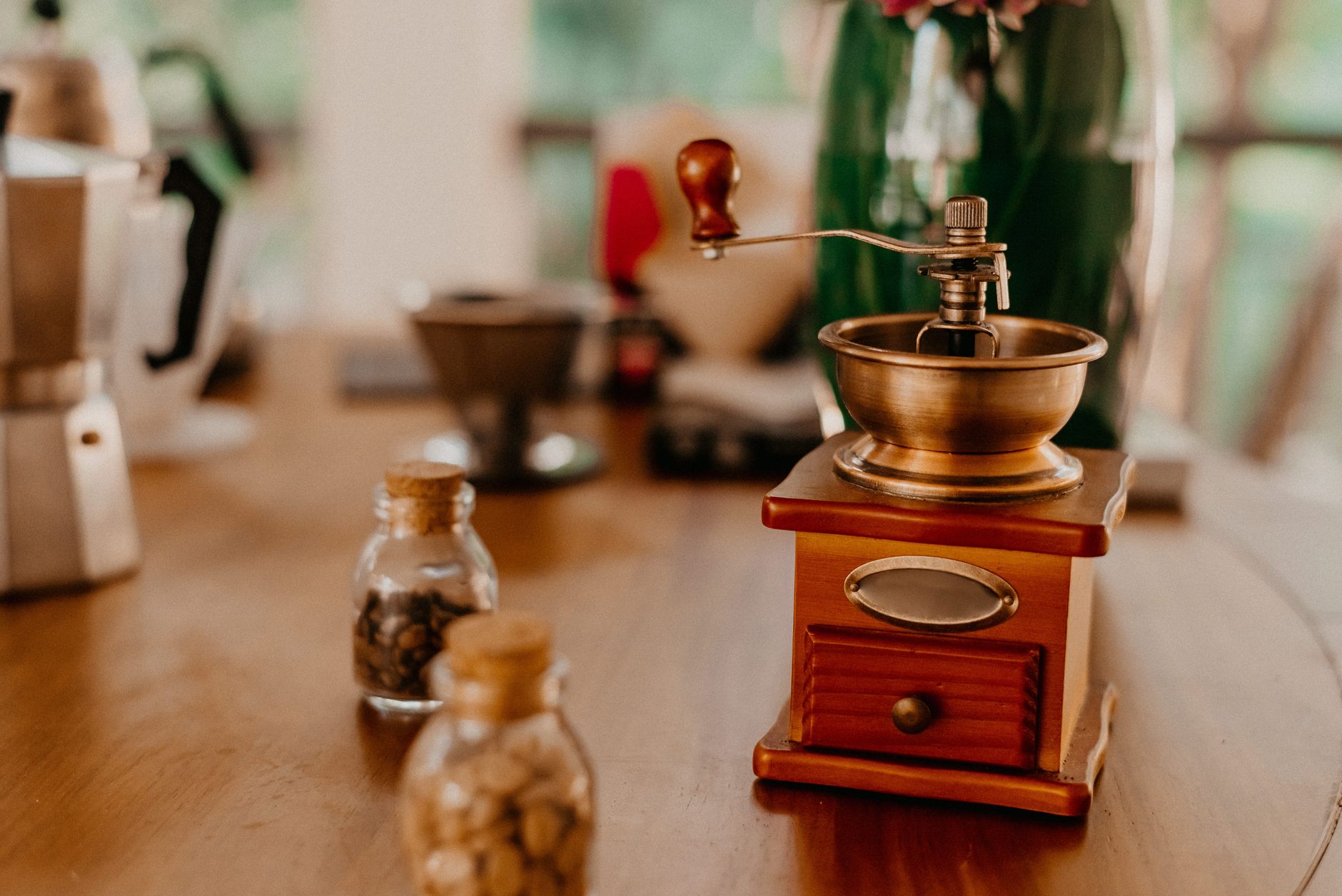
French press extracts oils and fine particles that paper filters strip out, producing a heavier, more textured cup. That’s a feature, not a flaw — but it does mean grind consistency matters more than almost any other brew method. Use a burr grinder, coarse setting.
 Photo: Letícia Alvares via Pexels
Best French Press for Heat Retention: Fellow Clara
The Fellow Clara is the best insulated french press available. Double-wall stainless steel keeps your brew at temperature for 60+ minutes without a separate thermal carafe. It also has a catch-basin lid that slows sediment migration — a real problem every other press ignores.
 Photo: Vlada Karpovich via Pexels
The Clara’s plunger uses a silicone seal ring against the carafe wall, which reduces bypass sediment significantly compared to standard mesh-only designs. It’s heavier and costs three times the Chambord, but if you drink coffee over 30–45 minutes or live somewhere cold, it pays for itself in hot cups.
| Feature | Bodum Chambord | Fellow Clara | Espro P7 |
|---|---|---|---|
| Insulation | None (glass) | Double-wall SS | Double-wall SS |
| Filtration | Single mesh | Single mesh + seal | Dual micro-mesh |
| Capacity | 12–51 oz | 24 oz | 18 / 32 oz |
| Sediment | Moderate | Low | Very low |
| Price | ~$40 | ~$80 | ~$100 |
| Best for | Value, visual | Heat retention | Cleaner cup |
Best French Press for a Clean Cup: Espro P7
The Espro P7 uses a patented dual micro-filter that stops fine particles better than any other press on the market. If you find standard French press too gritty, the P7 closes most of that gap while keeping the body and oils that make French press worth brewing.
 Photo: valverdesupport via Pexels
The P7 is double-walled stainless — heat retention is excellent. The filter system does add resistance on the plunge; go slow and steady. One genuine downside: the dual filter assembly has more parts to clean. A quick rinse isn’t enough — disassemble weekly if you’re brewing daily.
Budget Pick: Bodum Brazil
The Bodum Brazil does everything the Chambord does for about $20 less. The frame is plastic instead of stainless, and the handle feels cheaper, but the brewing mechanism is identical. If you’re buying your first French press or one for a vacation property, the Brazil is the honest answer.
How to Brew French Press: The Method
Extraction Parameters
| Parameter | Target |
|---|---|
| Dose | 60 g per 1000 ml |
| Yield | ~900–950 ml (accounting for absorption) |
| Ratio | 1:15 to 1:17 (coffee:water by weight) |
| Steep time | 4:00 minutes |
| Water temperature | 93–96 °C (200–205 °F) |
| Grind size | Coarse (sea salt texture) |
Puck Prep and Process
- Rinse and preheat — pour hot water into the empty press, swirl, dump. Prevents the glass or steel from dropping water temperature on contact.
- Weigh your coffee — volume scoops vary. Use a scale.
- Bloom — add twice the coffee weight in water, stir, wait 30 seconds. Off-gasses CO₂ and improves even extraction.
- Fill — pour remaining water to target weight. Place lid on (plunger up) — don’t plunge yet.
- 4-minute steep — set a timer.
- Plunge slowly — 20–30 seconds of steady downward pressure. Rushing forces fine particles through the mesh.
- Pour immediately — leaving brewed coffee in contact with grounds continues extraction and turns it bitter.
Troubleshooting
| Symptom | Likely Cause | Fix |
|---|---|---|
| Bitter, harsh | Over-extracted | Grind coarser, reduce steep time to 3:30, lower water temp to 91°C |
| Weak, flat, sour | Under-extracted | Grind finer, increase dose, use hotter water |
| Excessive sediment | Grind too fine OR mesh damaged | Check grind — should be coarse sea salt; inspect mesh for tears |
| Plunger hard to press | Grind too fine | Coarsen grind by 2–3 steps |
| Plunger sinks on its own | Worn seal or bent frame | Replace plunger assembly (usually $8–12) |
| Oily film, heavy mouthfeel | Normal for French press | If unwanted, try Espro P7 or add paper filter layer |
→ See also:
- How to Brew Coffee at Home: Complete Method Guide
- French Press Coffee: Complete Brewing Guide (Ratios + Technique)
- French Press Coffee-to-Water Ratio Calculator
FAQ
What size French press should I buy? For one person, the 3-cup (12 oz) Bodum is enough. For two people or anyone who drinks more than one cup, get the 8-cup (34 oz). The 12-cup only makes sense if you’re serving a group — brewing a partial carafe reduces extraction consistency.
Is French press coffee bad for you? French press coffee contains cafestol and kahweol — diterpenes that modestly raise LDL cholesterol. Paper-filtered coffee removes them; French press does not. For most healthy people this is a minor concern, but if your doctor has flagged cholesterol, paper-filtered methods are a safer daily driver.
How long should French press coffee steep? Four minutes at 93–96°C is the standard. Shorter steeps produce weak, sour coffee; longer steeps extract bitter compounds. Once you’ve dialed in your ratio and grind, the time rarely needs adjustment — fix other variables first.
Why is my French press coffee always gritty? Grind size is almost always the cause — too fine and particles pass through the mesh. Set your grinder to coarse (similar to coarse sea salt). If you’re already grinding coarse, check whether your mesh is torn or warped. The Espro P7’s dual micro-filter is the equipment fix if grind adjustment doesn’t resolve it.
Can I use pre-ground coffee in a French press? Yes, but results will be inconsistent. Pre-ground coffee is usually medium grind — too fine for French press, which leads to sediment and over-extraction. Look for pre-ground labeled “French press” or “coarse grind.” Better outcome than most methods with pre-ground, but a $40 hand grinder closes the gap significantly.
How do I clean a French press? Remove the plunger, dump grounds into the trash (not the drain — they clog pipes), then rinse with warm water. Weekly: disassemble the plunger fully and wash each screen with dish soap. Monthly: a baking soda soak removes oils that accumulate on the glass or metal and go rancid.
Editorial methodology: Assessments are based on manufacturer specifications, published user reviews, and editorial research. Physical hands-on testing is noted explicitly where it occurred. Rankings reflect our editorial judgment and are not influenced by affiliate commission rates. Full editorial policy · Affiliate disclosure