Contents
How to Fix Bitter French Press Coffee
Why is my french press coffee bitter? Over-extraction is the most common cause — usually from too-fine a grind, too-long a steep, or too-hot water. Fix the grind first (go coarser), then check your steep time (4 minutes is the ceiling for most beans), and drop water temp to 93–96°C (200–205°F).
Why Is My French Press Coffee Bitter?
Over-extraction pulls too many compounds from the grounds, including harsh tannins and bitter chlorogenic acids. The three fastest fixes: coarsen your grind one full step, cap steep time at 4 minutes, and let boiled water rest 30 seconds before pouring. Any one of these often solves it; all three together will.
 Photo: Lukas Blazek via Pexels
French press is a full-immersion brew — the grounds stay in contact with water the entire steep. That makes it more sensitive to over-extraction than pour-over or drip, where water passes through quickly.
The bitterness hierarchy, in order of impact:
| Cause | How to Spot It | Quick Fix |
|---|---|---|
| Grind too fine | Silt in the cup, hard to press | Coarsen by one full step |
| Steep too long | Bitter even with correct grind | Set a 4-minute timer, pour immediately |
| Water too hot | Scalded, flat bitterness | Rest off-boil 30–45 sec (≈93°C) |
| Low-quality or stale beans | Bitter regardless of technique | Fresh beans, roasted within 4–6 weeks |
| Dirty equipment | Rancid, musty bitterness | Full disassembly clean after every use |
Grind Size: The Biggest Lever
Use a coarse grind — roughly the texture of coarse sea salt or breadcrumbs. A blade grinder produces inconsistent particle sizes that force you to under-extract the big chunks while over-extracting the fine dust. A burr grinder fixes this at the source.
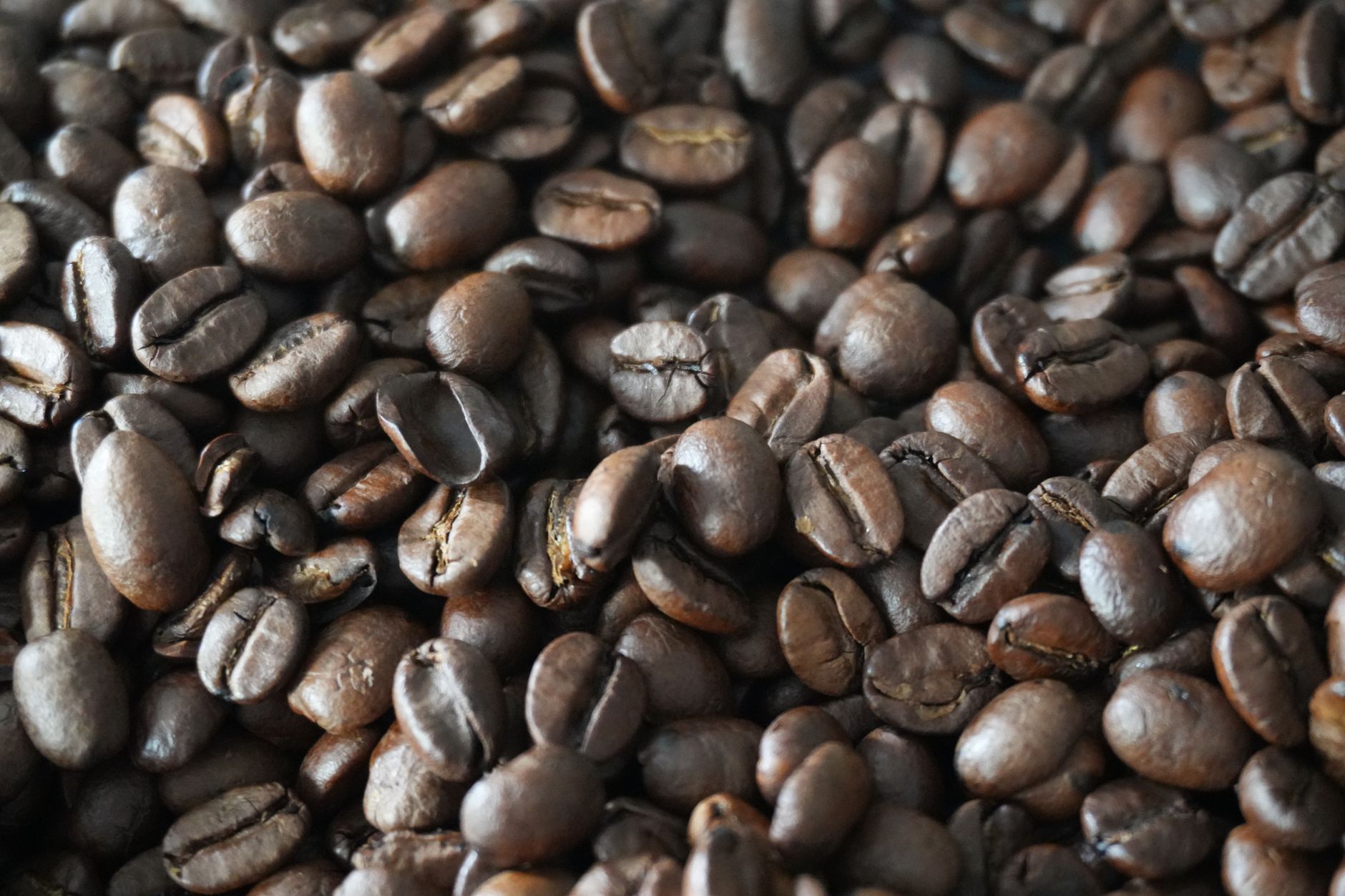 Photo: Şinasi Müldür via Pexels
If you’re using a blade grinder, you’re fighting an unwinnable battle. The fines — the powdery particles from uneven cutting — extract in under 2 minutes and go bitter fast, while larger chunks stay sour and under-extracted. The cup tastes simultaneously bitter and weak.
A mid-range burr grinder produces uniform particles that extract at the same rate, giving you a clean, controlled steep with none of the fines problem.
How to Dial In Grind Coarseness
If your grinder has numbered settings, move two or three steps coarser than you think you need. Brew. If it’s still bitter, go coarser again. If it tastes sour or thin, step slightly finer. This is calibration — expect two or three brews to find your setting.
Steep Time and Temperature
Four minutes is the standard steep for French press. Pull the plunger at 4 minutes and pour everything out immediately — don’t let it sit in the carafe, because the grounds keep extracting even after pressing.
 Photo: cottonbro studio via Pexels
Water temperature matters more than most guides admit. Boiling water (100°C) is too aggressive for light and medium roasts, driving bitter extraction in under 3 minutes. The target is 93–96°C (200–205°F).
No thermometer? Boil water and wait 30–45 seconds before pouring. That drop is enough to land in the safe window.
Dark roasts tolerate slightly cooler water — 90–93°C — because they’re already more soluble and extract faster. If you’re using a dark roast and still getting bitterness at 4 minutes, try 3:30 and drop the temp.
Brewing Guide
Extraction Parameters
| Parameter | Target |
|---|---|
| Dose | 15g coffee per 250ml water |
| Yield | 250ml per serving |
| Ratio | 1:16 to 1:17 (coffee:water by weight) |
| Steep Time | 4 minutes |
| Temperature | 93–96°C (200–205°F) |
| Pressure | Gentle plunge — 20–30 seconds, no forcing |
Puck Prep and Brew Process
- Preheat the press with hot water, discard
- Add grounds — no WDT needed, just level the bed by tapping gently
- Bloom — pour 2× the coffee weight in water (e.g. 30ml for 15g), stir, wait 30 seconds
- Fill to target volume, stir once, fit lid with plunger pulled up
- Steep 4 minutes exactly — use a timer, not intuition
- Plunge slowly — consistent downward pressure, stop at grounds
- Pour immediately — don’t let it sit
Troubleshooting Matrix
| Symptom | Likely Cause | Fix |
|---|---|---|
| Harsh, sharp bitterness | Grind too fine | Coarsen one full step |
| Flat, dull bitterness | Water too hot or stale beans | Lower temp; check roast date |
| Bitter + weak simultaneously | Blade grinder fines + large chunks | Switch to burr grinder |
| Bitter even with coarse grind | Steep time too long | Pour at 4 min, don’t let sit |
| Gritty and bitter | Filter clogged or worn | Replace filter mesh |
| Rancid, musty bitter | Dirty press | Full disassembly soak in hot water + dish soap |
→ See also:
- How to Brew Coffee at Home: Complete Method Guide
- French Press Coffee: Complete Brewing Guide (Ratios + Technique)
- French Press Coffee-to-Water Ratio Calculator
FAQ
Why does my French press taste bitter even with a short steep? The grind is almost certainly too fine. Even 2–3 minutes is enough to over-extract fine particles. Coarsen your grind significantly — coarser than feels intuitive — and retest before adjusting anything else.
Does a French press make coffee more bitter than other methods? It can, because full immersion keeps grounds in contact with water for the entire brew. But a properly dialed-in French press is smooth and rich, not bitter. Pour-over and drip are more forgiving of grind inconsistency because water passes through rather than sitting.
Should I use filtered water in a French press? Yes, if your tap water tastes bad, your coffee will taste worse. Chlorinated or very hard water can amplify bitterness. Filtered water isn’t mandatory but removes a variable that’s easy to control.
Why is my French press coffee bitter after I switched to a darker roast? Dark roasts are more soluble and extract faster. If you kept your previous grind size and steep time, you’re now over-extracting. Go slightly coarser, drop to 3:30–4 minutes, and lower water temp to 90–93°C.
Can old coffee beans cause bitterness in French press? Yes. Coffee past its peak (typically 4–6 weeks post-roast for whole beans, 1–2 weeks post-grind for pre-ground) develops stale, papery, or rancid bitter notes that no brew adjustment can fix. Buy fresh, buy whole bean, grind before brewing.
Editorial methodology: Assessments are based on manufacturer specifications, published user reviews, and editorial research. Physical hands-on testing is noted explicitly where it occurred. Rankings reflect our editorial judgment and are not influenced by affiliate commission rates. Full editorial policy · Affiliate disclosure