Contents
Pour Over Coffee Flow Rate: How to Control It
TL;DR: Pour over coffee flow rate is the speed at which water drains through your grounds and filter, typically 2–4 minutes total brew time for a 300ml cup. Control it by adjusting grind size (coarser speeds it up, finer slows it), dose, and pour technique. Too fast = weak and sour; too slow = bitter and over-extracted.
What Is Pour Over Coffee Flow Rate?
Pour over coffee flow rate describes how quickly water passes through the coffee bed and filter into your cup. The target drain rate is roughly 1–2 ml per second during active brewing, with a full 300ml brew finishing in 2:30–3:30 minutes. Grind size is the primary lever — everything else is fine-tuning.
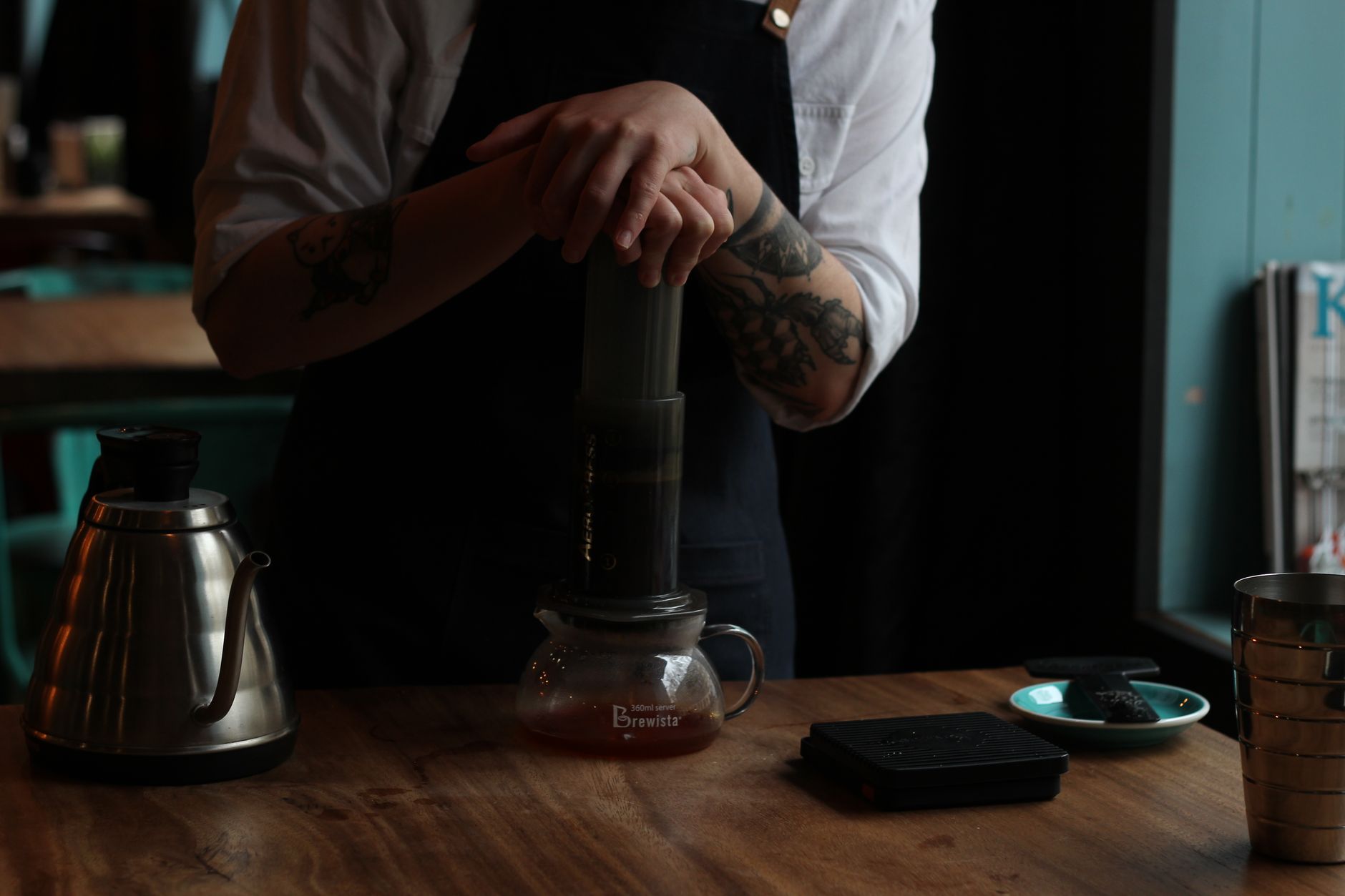
 Photo: Dagmara Dombrovska via Pexels
Flow rate isn’t a fixed number you chase. It’s a diagnostic signal. If your brew finishes in 90 seconds, you’re under-extracting. If it’s dragging past 4 minutes, you’re over-extracting — or your filter is clogged. The goal is consistent, controlled drainage that gives water enough contact time to pull the good stuff without lingering long enough to extract the harsh stuff.
How Grind Size Controls Flow Rate
Grind finer → smaller particles → denser coffee bed → slower flow. Grind coarser → larger particles → more gaps → faster flow. A single step on a quality hand grinder can shift your brew time by 20–30 seconds.
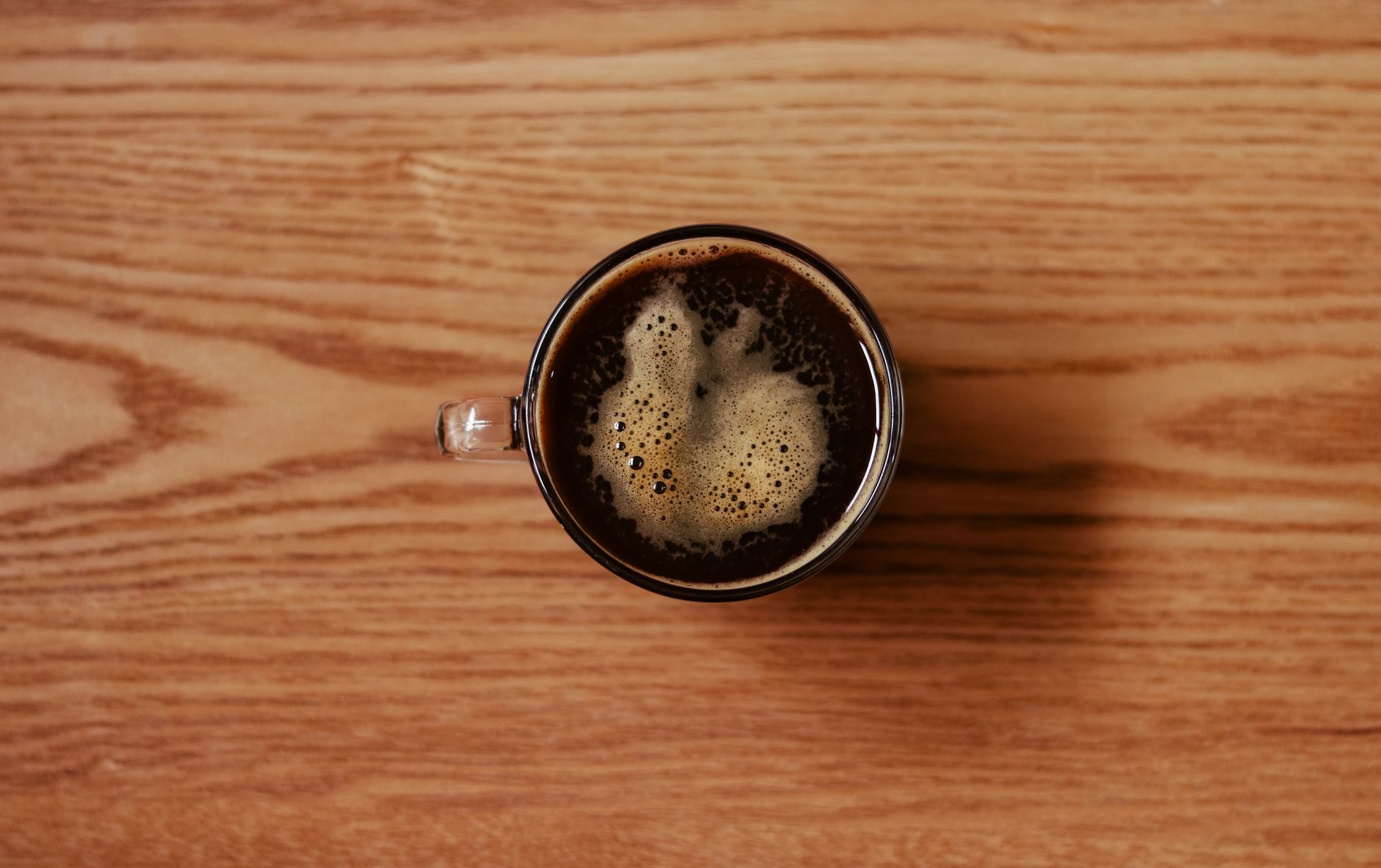
 Photo: Sedanur Kunuk via Pexels
This is why grind consistency matters as much as grind size. Uneven grinds (lots of fines mixed with coarse particles) create an inconsistent bed — the fines fill gaps and create localized resistance, causing channeling where water finds the easy path rather than flowing evenly. The result is simultaneous over- and under-extraction in the same cup.
Grind Size Reference for Common Pour Over Brewers
| Brewer | Grind Setting | Target Brew Time |
|---|---|---|
| Hario V60 | Medium-fine | 2:30–3:00 |
| Chemex | Medium-coarse | 3:30–4:30 |
| Kalita Wave | Medium | 3:00–3:30 |
| Origami | Medium-fine | 2:45–3:15 |
How Pour Technique Affects Flow Rate
Aggressive, high-volume pours agitate the bed and temporarily speed drainage. Slow, controlled pours let the bed compact slightly and slow the flow. Pulse pouring — multiple smaller additions — gives you the most control over contact time and extraction evenness.
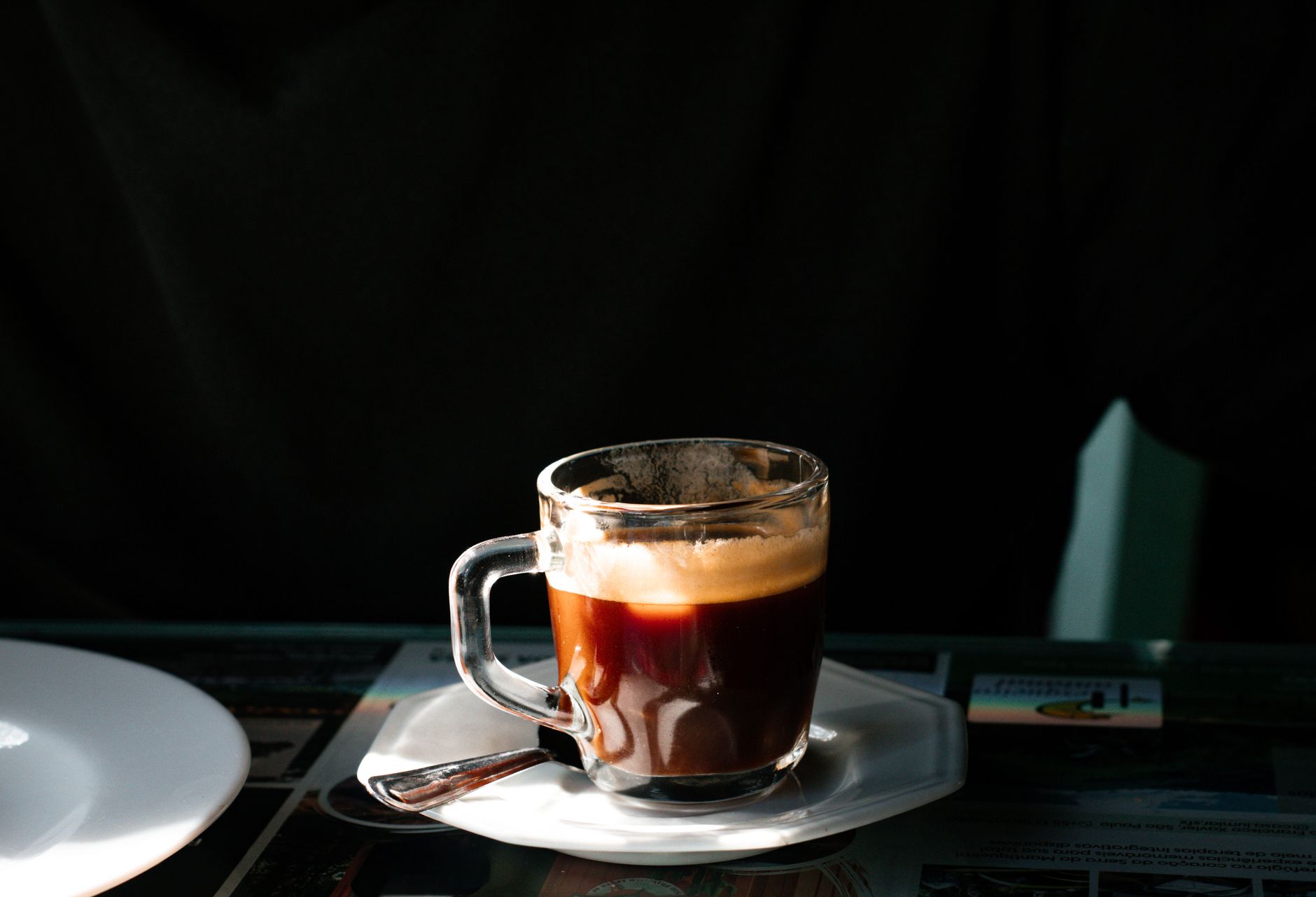
 Photo: Alina Skazka via Pexels
Pouring height also matters. A high pour from a standard kettle creates turbulence and channels. A gooseneck kettle held close (3–5 cm above the bed) lets you place water precisely and maintain a steady, even flow.
For a standard V60 recipe, a common approach:
- Bloom: 2× coffee weight in water, 30–45 seconds
- First pour: slow spiral to 60% of target weight
- Second pour: steady center pour to target weight
- Drawdown: let the bed drain completely
Skipping the bloom or shortening it traps CO₂ in the bed, which can create uneven drainage and resist water uptake in the first critical seconds.
Brewing Guide: Pour Over Extraction Parameters
Dose: 15–18g coffee Yield: 250–300ml Ratio: 1:15 to 1:17 Time: 2:30–3:30 (V60); 3:30–4:30 (Chemex) Temperature: 92–96°C (197–205°F) for light roasts; 88–92°C for dark Pressure: N/A — gravity-fed
Puck Prep Equivalent: Bed Prep
- Distribution: Gently shake or tap the dripper after adding grounds to level the bed before blooming
- Blooming: Always bloom — it de-gases the coffee and ensures even saturation
- Channeling prevention: Pour in a slow spiral from center outward; avoid pouring directly on the filter edge
- Pre-infusion: The bloom serves this function — give it the full 30–45 seconds
Troubleshooting: Flow Rate Problems
| Symptom | Likely Cause | Fix |
|---|---|---|
| Drains in under 2 minutes | Grind too coarse | Grind 2–3 steps finer |
| Stalls completely | Grind too fine, compacted bed | Grind coarser; check filter isn’t double-folded |
| Uneven drainage, one side fast | Channeling | Level the bed; use slower, more centered pours |
| Slow start, fast finish | CO₂ off-gassing disrupting bed | Extend bloom time; use slightly older coffee |
| Consistently bitter despite correct time | Water too hot or too fine | Drop temperature 2–3°C or coarsen grind slightly |
Water Temperature and Flow Rate
Temperature doesn’t directly change flow rate, but it changes extraction efficiency at a given flow rate. Hotter water extracts faster, so if your flow is already slow, high temps compound over-extraction. If your flow is fast, higher temps partially compensate.
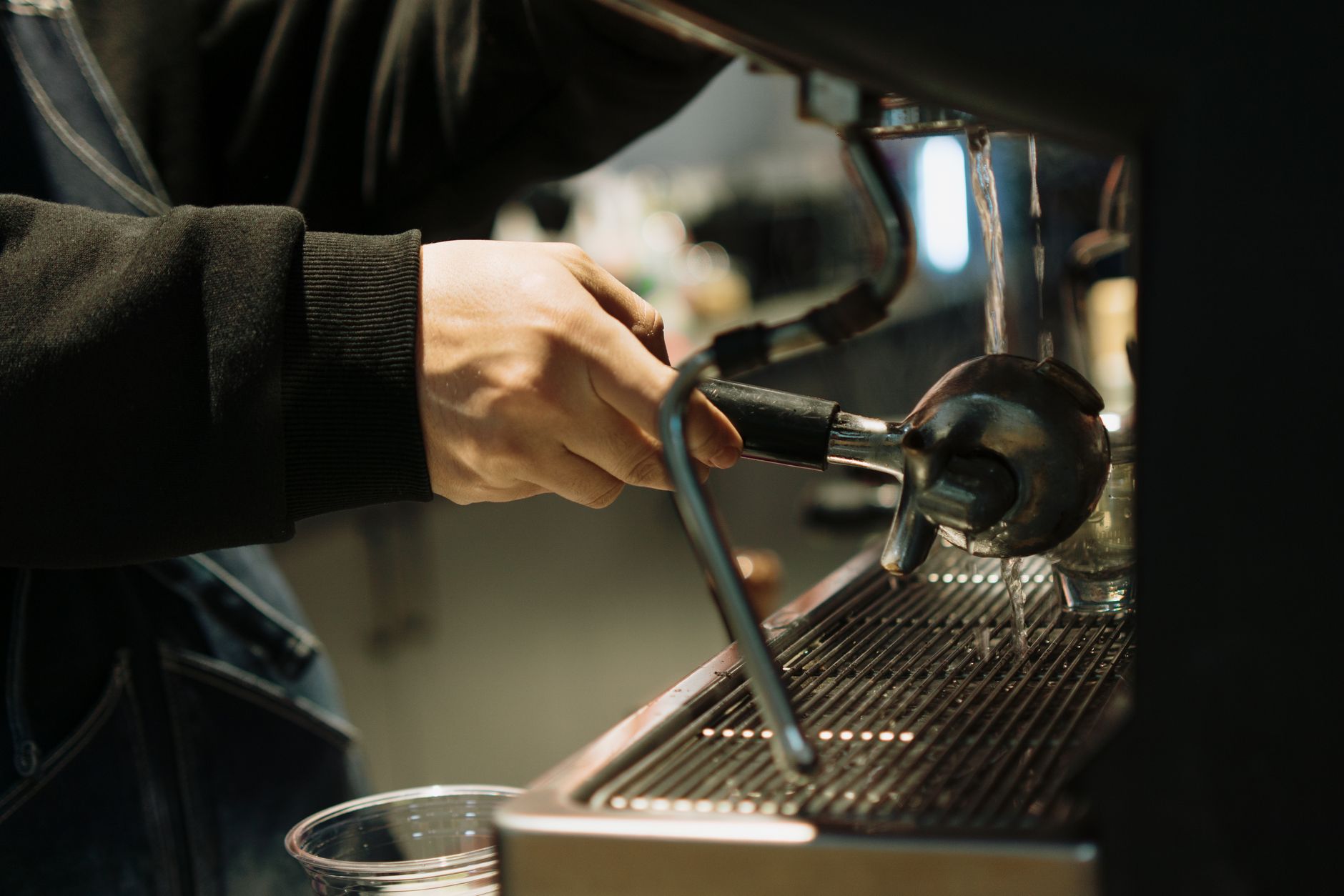
 Photo: 🇻🇳🇻🇳 Việt Anh Nguyễn 🇻🇳🇻🇳 via Pexels
Light roasts are denser and need 94–96°C to extract their complex acids and sugars fully. Dark roasts are more porous — they extract quickly, and high heat pulls harsh, ashy notes. Match your temperature to your roast, then adjust grind size to hit your time target.
→ See Also
- How to Brew Coffee at Home: Complete Method Guide
- French Press Coffee: Complete Brewing Guide (Ratios + Technique)
- French Press Coffee-to-Water Ratio Calculator
FAQ
What is the ideal pour over flow rate? The target is a full brew completing in 2:30–3:30 minutes for most drippers (V60, Kalita) using a 15–18g dose. Chemex runs slower at 3:30–4:30 due to its thicker filters. Within those windows, a steady drain rate of roughly 1–2 ml per second during active pouring is a useful live indicator.
Why is my pour over draining too fast? Almost always grind size — go finer by 2–3 increments. Secondary causes include too low a dose (thin coffee bed with less resistance) or paper filter not properly seated and pre-wetted. If you pre-wet your filter, make sure to dump that water before brewing.
Does water temperature affect how fast pour over drains? Not directly. Temperature changes extraction rate, not physical flow rate. The only time it indirectly affects drainage is if very hot water causes rapid off-gassing that temporarily disrupts the coffee bed, which you’d see as slight bubbling during the bloom.
Why does my pour over taste different each time even with the same grind setting? Coffee freshness changes flow behavior. Fresh coffee (within days of roast) off-gases more CO₂, which resists water uptake and can slow initial drainage. As coffee ages, off-gassing decreases and the same grind setting may drain faster. Dial in on the specific bag you’re using, and expect to re-adjust as it ages past 2–3 weeks post-roast.
Editorial methodology: Assessments are based on manufacturer specifications, published user reviews, and editorial research. Physical hands-on testing is noted explicitly where it occurred. Rankings reflect our editorial judgment and are not influenced by affiliate commission rates. Full editorial policy · Affiliate disclosure