Contents
French Press Steeping Time: Does It Matter?
TL;DR: French press steeping time directly controls extraction strength and flavor balance. The standard is 4 minutes for a medium-coarse grind — shorter pulls under-extracted, sour notes; longer pushes bitter, astringent ones. Nail the time and you control the cup.
Does French Press Steeping Time Actually Affect Flavor?
Yes — and more than most variables. French press steeping time determines how many soluble compounds leave the grounds and enter your cup. Under 3 minutes leaves sugars and acids behind, producing sourness and weak body. Over 6 minutes extracts bitter phenols and harsh tannins. The 4-minute window is where balance lives.
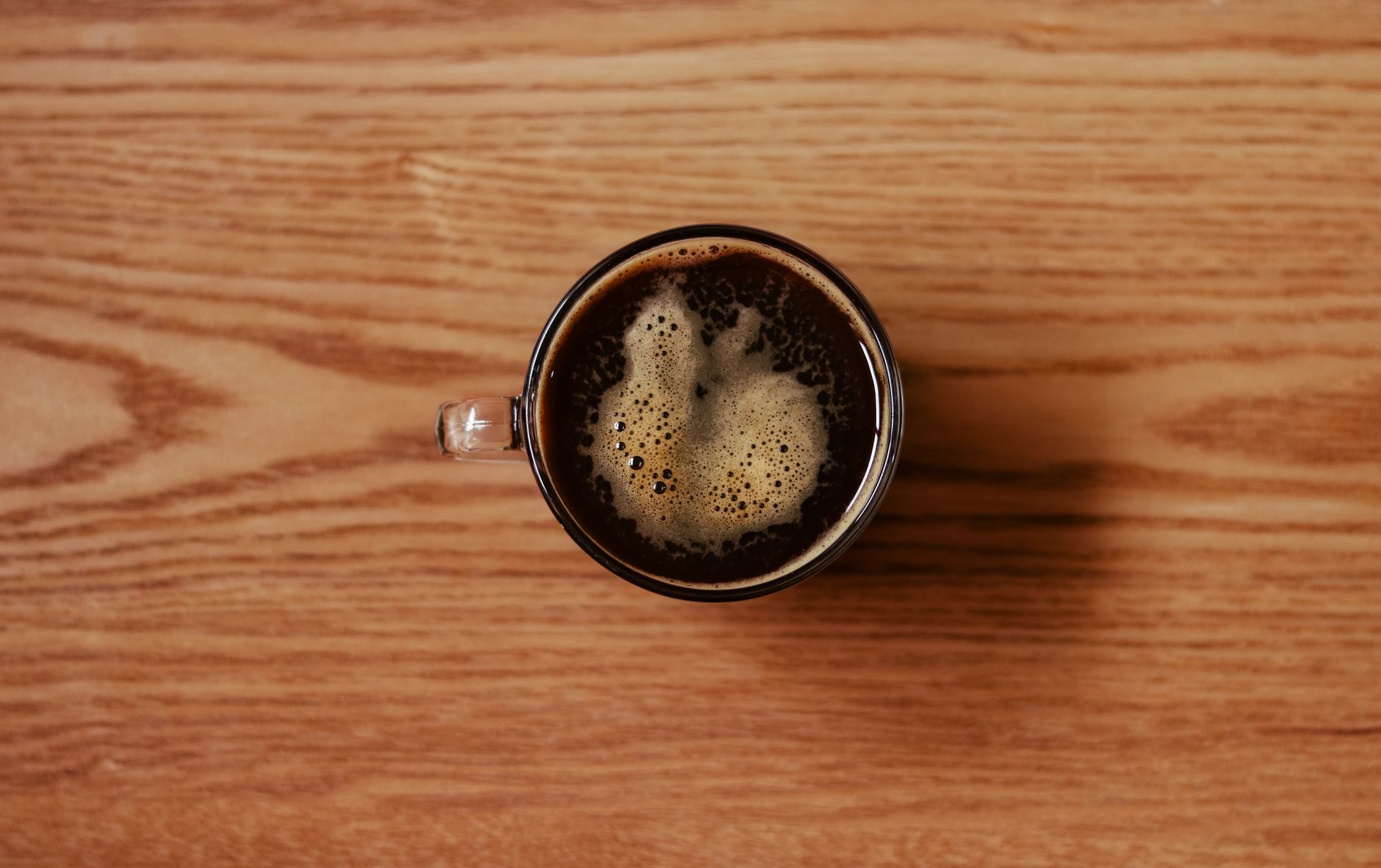
 Photo: Furkan Tumer via Pexels
French press is full-immersion brewing: grounds sit in contact with water the entire time, unlike pour-over where water passes through once. That means time is the primary extraction lever — you can’t drain the grounds early without a separate filter step.
The dissolved solids follow a predictable sequence: first acids (brightness), then sugars (sweetness and body), finally bitter compounds (phenols, tannins). A 4-minute steep catches the first two waves before the third dominates.
What Happens at Different Steep Times?
Each minute of steeping extracts different compound classes. Under 3 minutes = under-extracted sourness. 4–5 minutes = the sweet spot. Beyond 6 minutes = over-extracted bitterness. Grind size shifts these thresholds — finer grinds extract faster, coarser grinds slower.
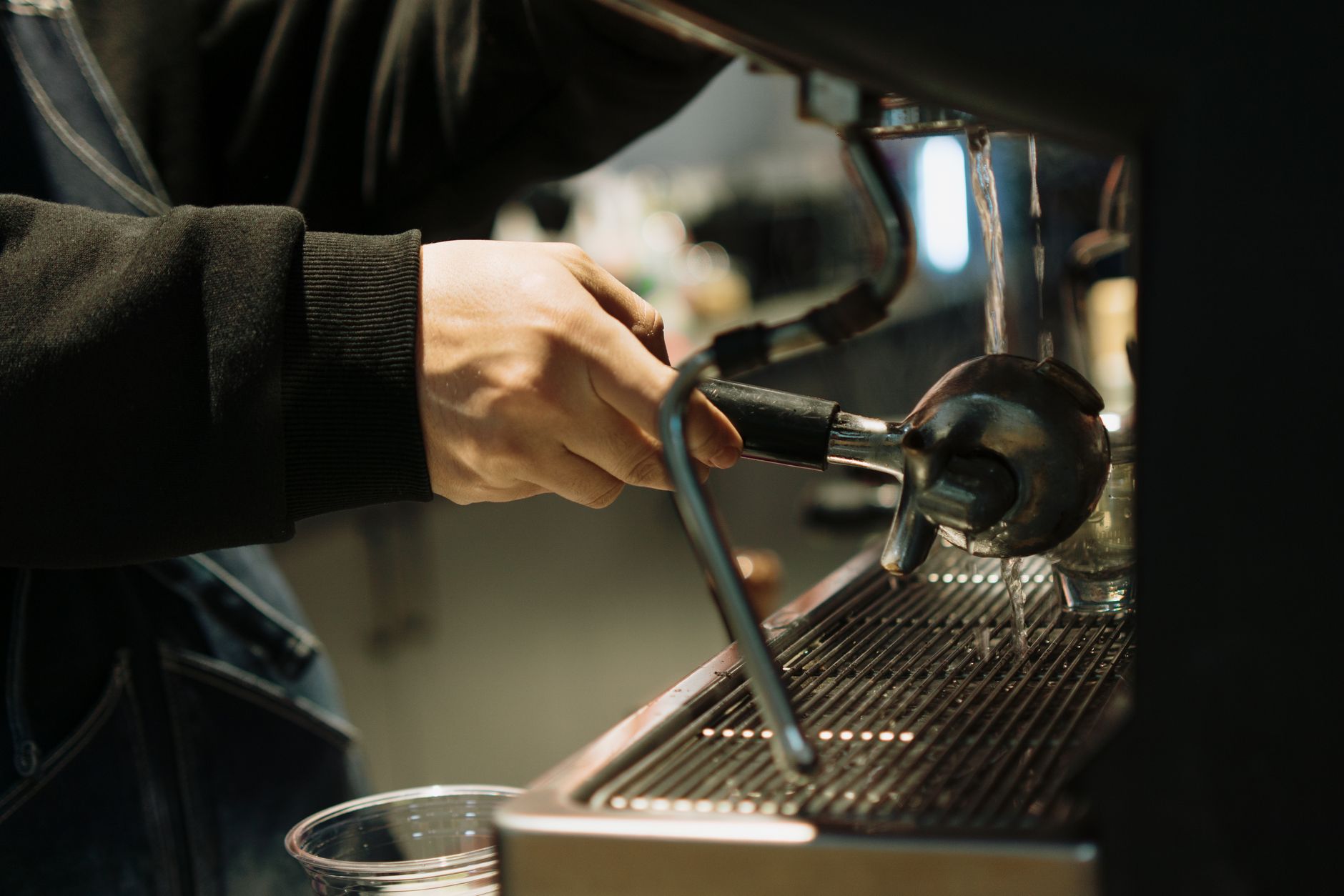
 Photo: Oscar Calstrom via Pexels
| Steep Time | Flavor Profile | Common Cause |
|---|---|---|
| 1–2 min | Sour, thin, weak | Too short / too coarse |
| 3 min | Bright but unbalanced | Slightly under-extracted |
| 4 min | Sweet, full-bodied, balanced | Target |
| 5 min | Richer, slightly heavier | Acceptable with coarser grind |
| 6+ min | Bitter, astringent, harsh | Over-extracted |
Does the Plunger Position Matter After Pressing?
Once you press, pour immediately. Grounds remain in contact with liquid after pressing — the plunger traps them at the bottom but extraction continues. Leaving a pressed french press sitting for 10 minutes is functionally the same as a 14-minute steep.
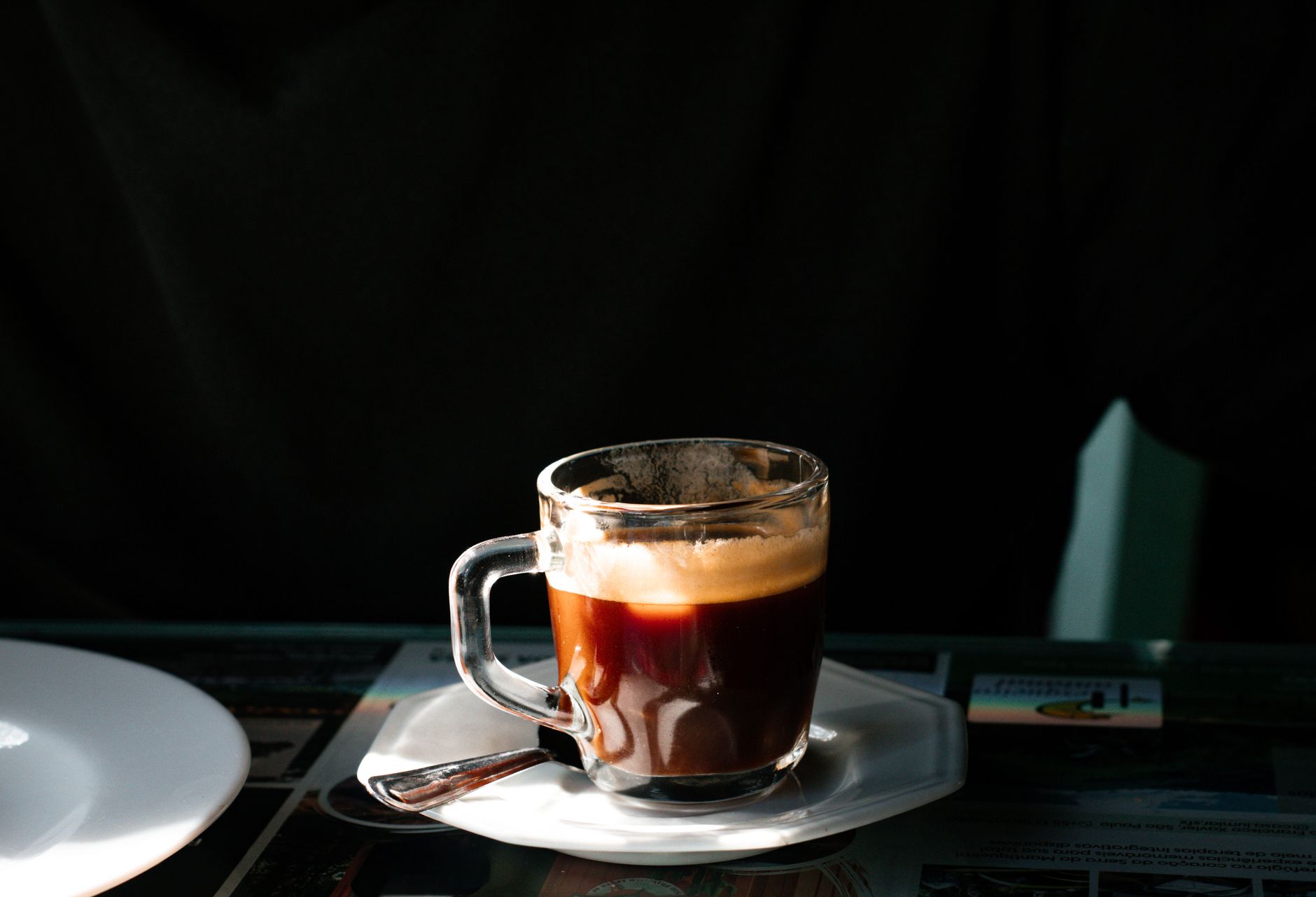
 Photo: Cup of Couple via Pexels
Pour into a preheated server or mug right after pressing. If you’re not drinking it all at once, decant the entire batch.
Brewing Guide: French Press Extraction Parameters
Extraction block:
| Parameter | Value |
|---|---|
| Dose | 60 g/L (1:16 ratio) |
| Yield | Full immersion — no bypass |
| Ratio | 1:15 to 1:17 by weight |
| Steep Time | 4 minutes |
| Water Temperature | 93–96°C / 200–205°F |
| Pressure | Gravity only — plunge slowly (20–30 sec) |
Puck prep / brew sequence:
- Rinse the french press with hot water; discard.
- Add medium-coarse grounds — burrs should produce a texture between table salt and kosher salt.
- Start timer, pour all water at once (bloom optional — 30 sec with 2× water helps degas fresh beans).
- Stir gently at 1 minute to ensure even saturation.
- Place lid on (plunger up) at minute 1. Do not plunge yet.
- At 4 minutes, plunge slowly and steadily — 20–30 seconds. Forcing the plunger fast increases fines migration and sediment.
- Pour immediately and completely.
Troubleshooting matrix:
| Symptom | Likely Cause | Fix |
|---|---|---|
| Sour, thin cup | Under-extracted: too short or too coarse | Extend steep 30 sec, or grind finer |
| Bitter, harsh cup | Over-extracted: too long or too fine | Reduce steep 30 sec, or grind coarser |
| Muddy, gritty texture | Too fine a grind + fines in cup | Grind coarser; plunge slower |
| Weak but not sour | Too low a dose | Increase coffee ratio to 1:15 |
| Flat, no brightness | Water too cool | Raise temp to 95–96°C |
| Channeling / uneven extraction | Grounds not saturated evenly | Stir at 30 sec after pour |
How Grind Size Changes the Optimal Steep Time
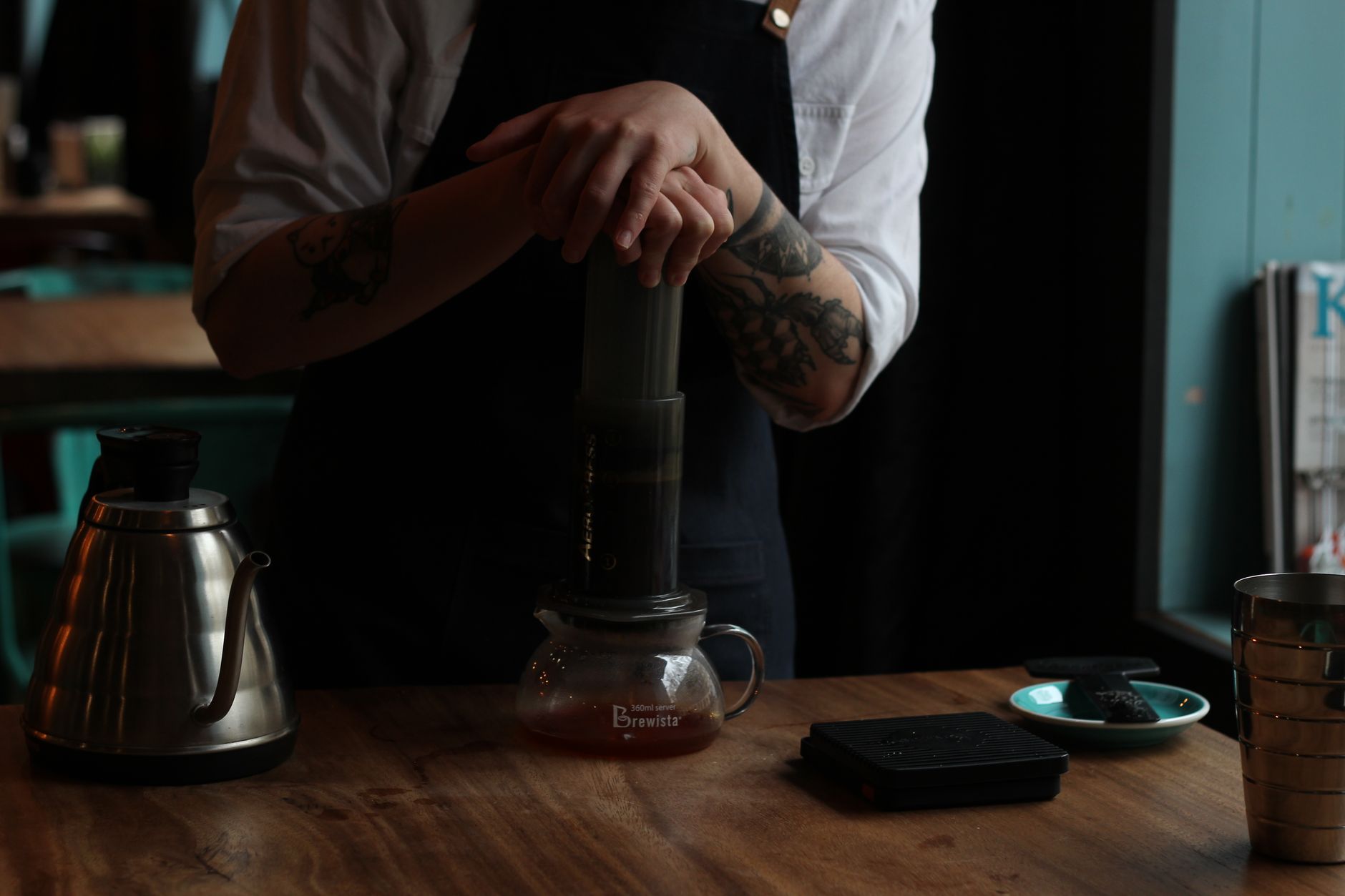
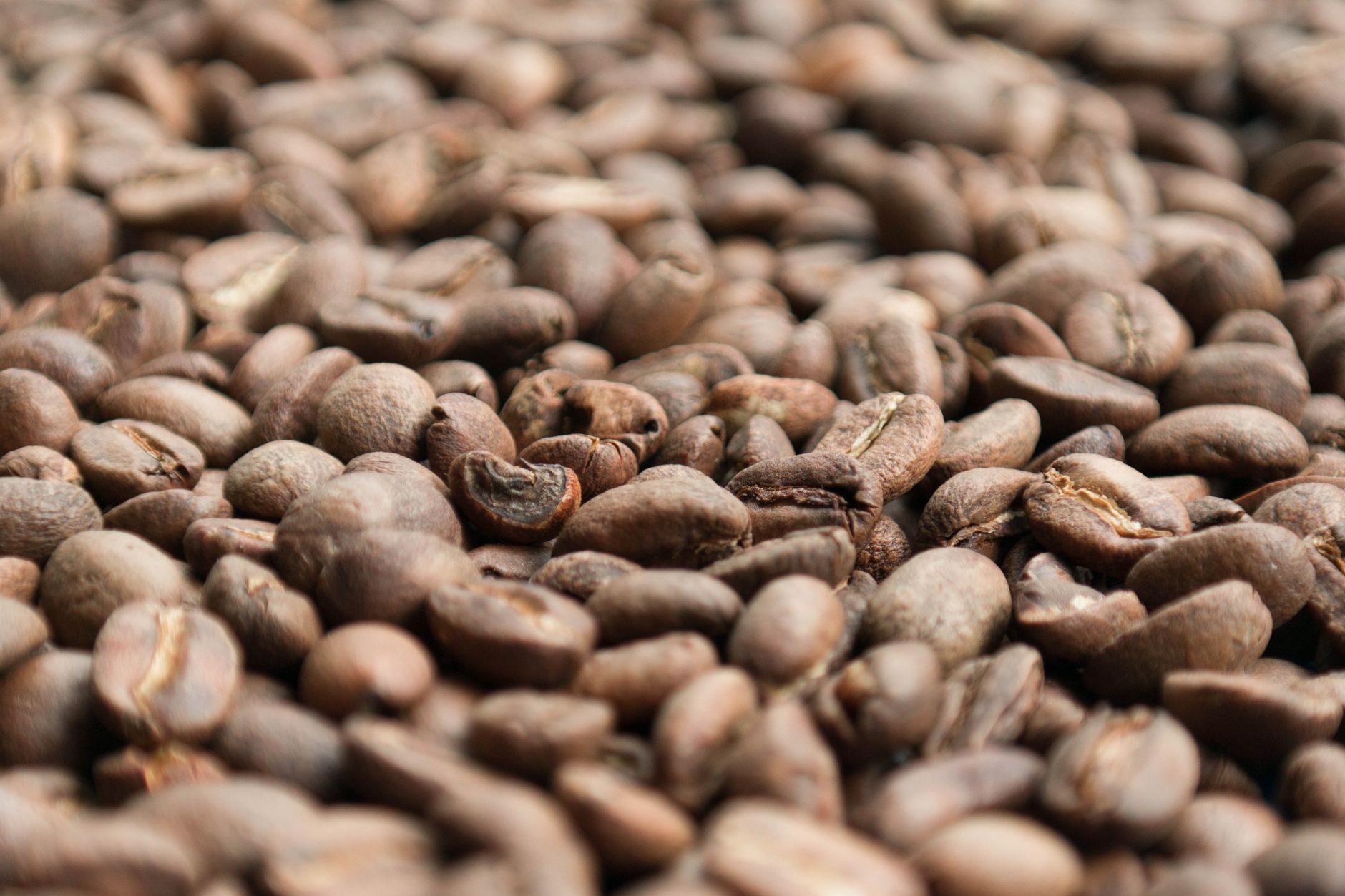 Photo: Rio Lecatompessy via Pexels
Grind size and steep time are coupled variables. Finer grounds expose more surface area and extract faster — the same 4 minutes at a medium-fine grind will over-extract. Coarser grounds need more contact time.
Practical rule: if you grind finer (e.g., switching from a hand grinder to an electric flat burr), reduce steep time by 30–60 seconds. If you go coarser, add time in 30-second increments until balanced.
This is why recipes specify grind and time together — adjusting one without the other breaks the ratio.
→ See also:
- How to Brew Coffee at Home: Complete Method Guide
- French Press Coffee: Complete Brewing Guide (Ratios + Technique)
- French Press Coffee-to-Water Ratio Calculator
FAQ
How long should I steep french press coffee? Four minutes is the standard for a medium-coarse grind at 93–96°C. This window extracts sweetness and body before bitter phenols dominate. Adjust by 30-second increments based on taste — sour means more time or finer grind; bitter means less time or coarser grind.
Can I steep french press for 8 minutes? You can, but the result will be bitter and astringent for most roast levels. Extended steeps work only with very coarse grinds and light roasts that under-extract easily — even then, 6 minutes is the practical ceiling. The safer fix for a weak cup is adjusting dose or grind, not time.
Does french press coffee get stronger the longer it steeps? It gets more extracted, not just stronger — and those aren’t the same thing past a point. More time increases total dissolved solids up to a ceiling, but bitter compounds extracted late mask sweetness and perceived body. A 3-minute and 8-minute steep may measure similar TDS but taste very different: one sharp, one harsh.
What happens if I forget my french press for 10 minutes? The cup will be over-extracted: bitter, astringent, possibly metallic depending on roast level. Once you notice, pour it out — continuing to steep won’t fix it. For next time, set a timer before you pour.
Does water temperature affect how long to steep? Yes. Cooler water extracts more slowly, so if you’re brewing at 85–90°C (common for lighter roasts), add 30–60 seconds to compensate. At 96°C+ with a finer grind, you may need to drop below 4 minutes to avoid bitterness. Temperature and time move in opposite directions on the extraction curve.
Editorial methodology: Assessments are based on manufacturer specifications, published user reviews, and editorial research. Physical hands-on testing is noted explicitly where it occurred. Rankings reflect our editorial judgment and are not influenced by affiliate commission rates. Full editorial policy · Affiliate disclosure