Contents
What Makes Ethiopian Coffee Unique? A Deep Dive
TL;DR: Ethiopian coffee is unique because it’s the birthplace of Arabica, grown at extreme altitudes with wild genetic diversity you can’t find anywhere else. Expect bright floral, bergamot, and stone fruit notes in washed lots — jammy berry and dark chocolate in naturals. No other origin produces this flavor range.
Why Ethiopian Coffee Tastes Different From Everything Else
Ethiopian coffee carries more genetic diversity than any other origin. Wild Arabica varieties evolved here over millennia, producing flavor compounds — jasmine, blueberry, lychee, bergamot — that appear nowhere else at this concentration. The combination of altitude, heirloom genetics, and distinct processing traditions makes Ethiopia structurally impossible to replicate.
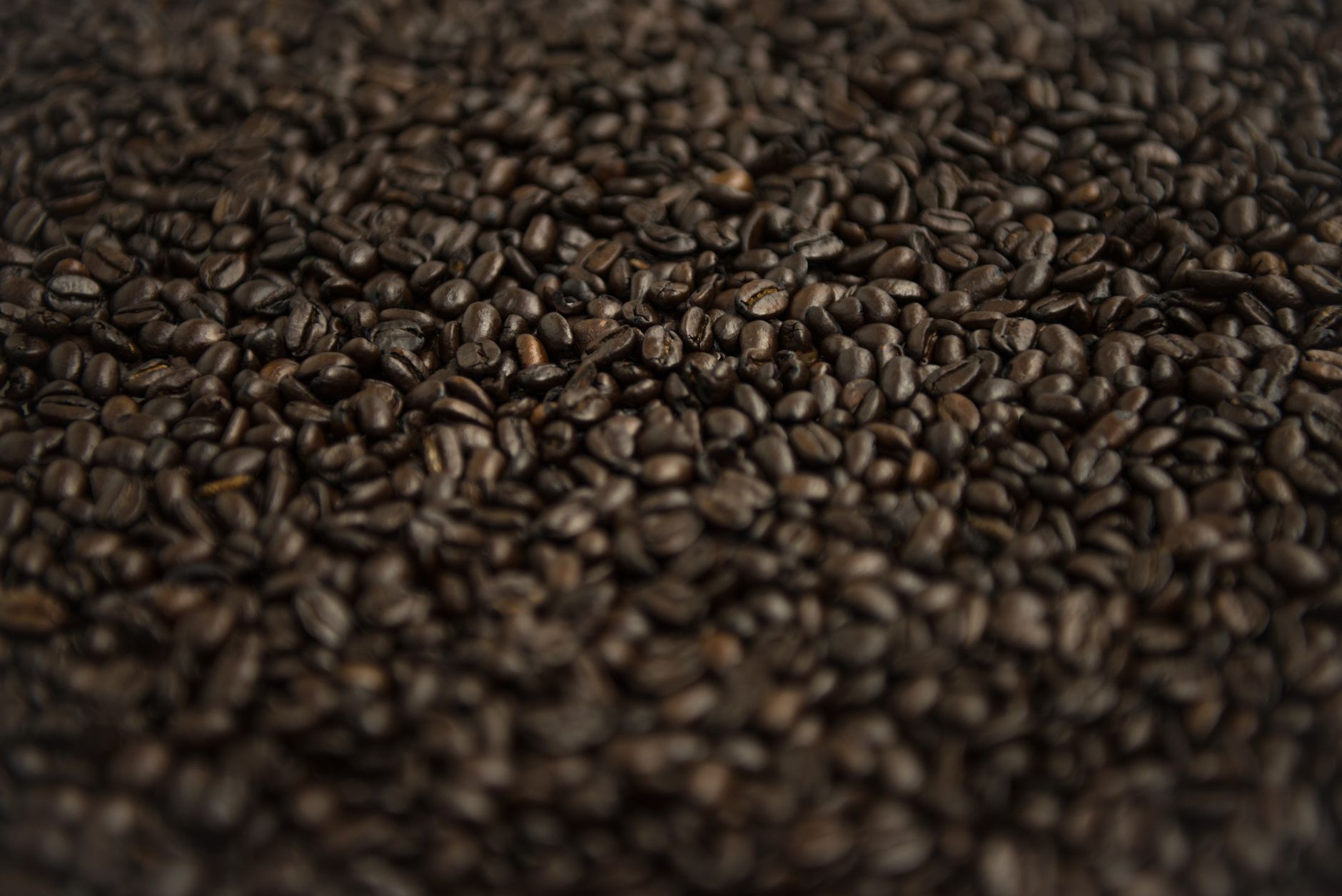
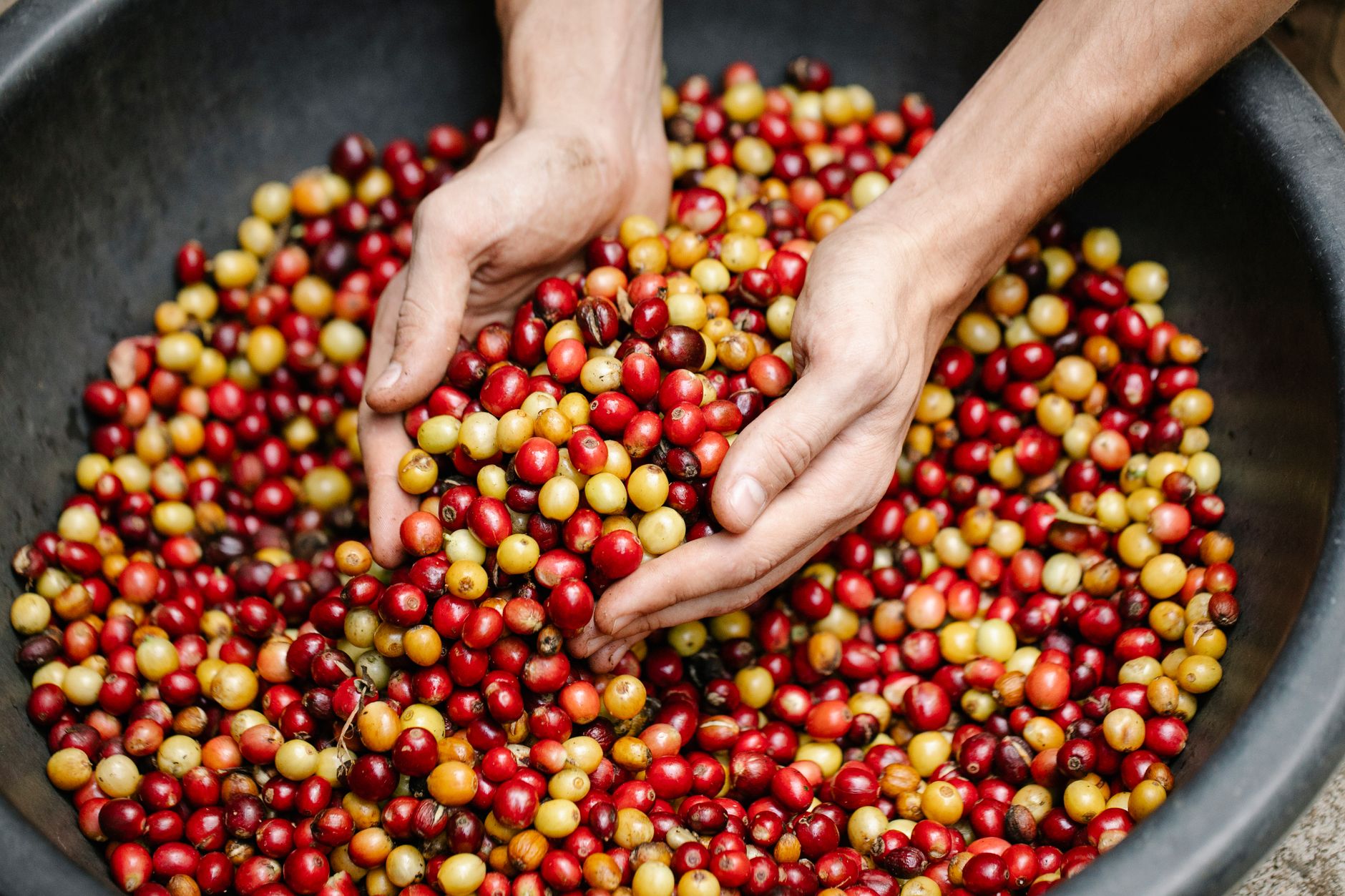 Photo: Michael Burrows via Pexels
Ethiopia isn’t just a coffee-producing country — it’s the evolutionary cradle of Coffea arabica. Every other Arabica-growing region on earth traces its genetics back to Ethiopia’s forests, specifically the highland zones of Kaffa, Jimma, and Sidama.
What this means in the cup: Ethiopian coffees carry flavor precursors — particularly aromatic compounds like linalool and geraniol — at concentrations that modern cultivars bred for yield and disease resistance have largely lost. When you taste a washed Yirgacheffe and get a cup that smells like Earl Grey tea, that’s not roaster trickery. It’s the terroir doing the work.
The Altitude Factor
Most Ethiopian specialty coffee grows between 1,700 and 2,200 MASL. At that elevation, cherries ripen slowly — sometimes over four months. Slow maturation builds sugar complexity and preserves delicate acids that would burn off in faster-ripening, lower-altitude lots.
For reference: Colombian coffee averages 1,500–1,800 MASL, and Ethiopian natural Yirgacheffe regularly tops 2,100 MASL. That 300-meter difference is measurable in the cup.
The Two Processing Methods That Define Ethiopian Coffee
Washed and natural processing aren’t just techniques in Ethiopia — they’re distinct flavor dialects. Washed (wet-processed) coffees deliver clarity and floral precision. Natural (dry-processed) coffees deliver explosive fruit, wine-like complexity, and heavier body. The same region produces radically different cups depending on method.
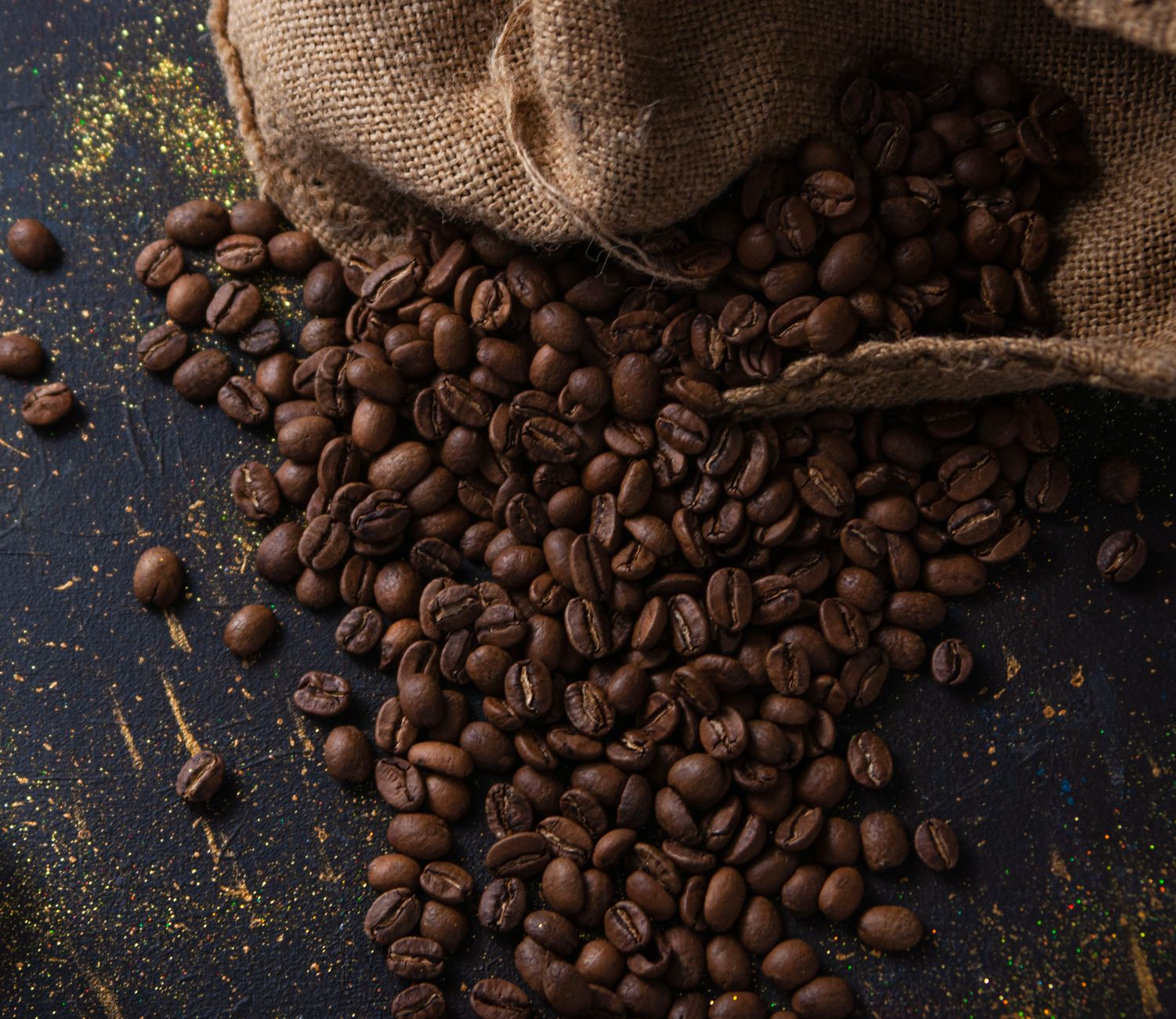
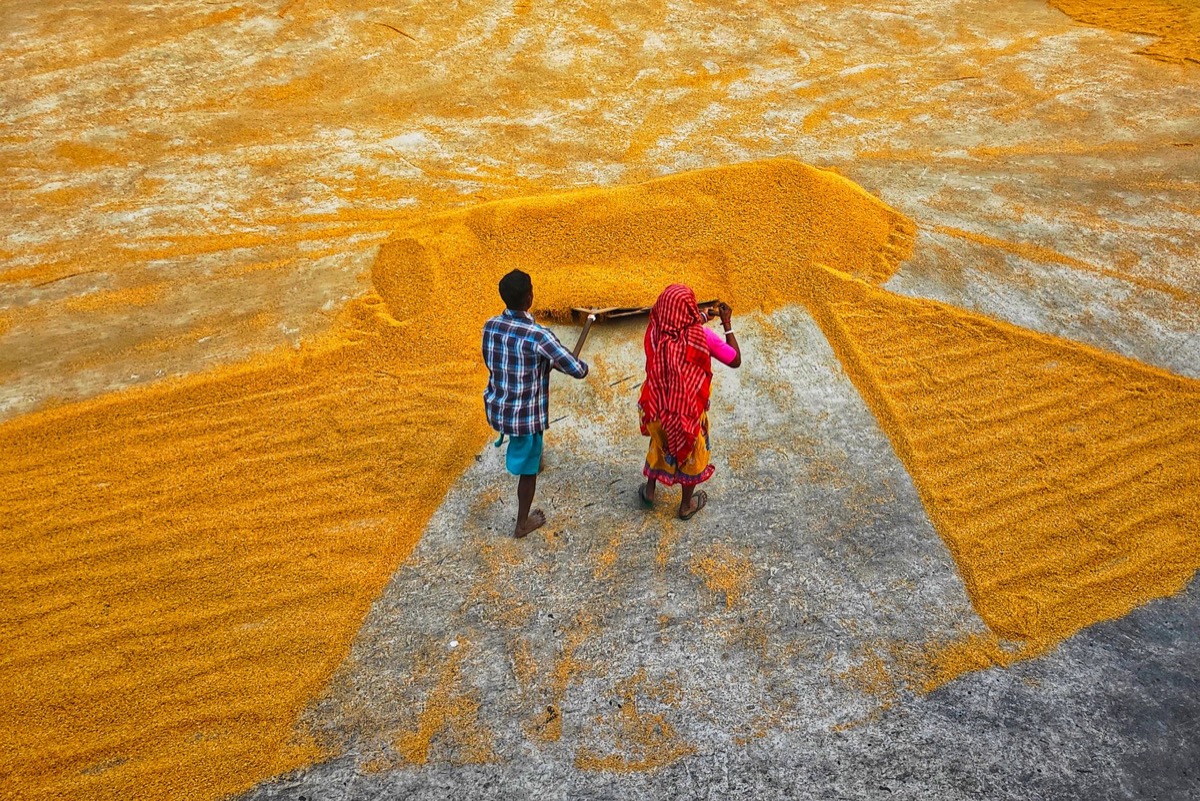 Photo: Dibakar Roy via Pexels
Washed Ethiopian: The cherry skin and fruit are removed before drying. This isolates the bean’s intrinsic character — which in Ethiopia means transparent floral aromatics, lemon citrus, and jasmine. Yirgacheffe washed lots are the canonical example: the aromatics are so pronounced that first-time drinkers often assume something has been added.
Natural Ethiopian: Cherries dry whole on raised beds for 3–6 weeks. The fruit ferments around the seed, driving berry, red wine, dark chocolate, and tropical fruit into the bean. Harrar naturals and natural Yirgacheffe belong here. The trade-off: more complexity, higher cup variation, and fermentation notes that divide opinion.
Honey process is far less common in Ethiopia than in Central America, but it’s emerging in some Guji and Sidama micro-lots.
Ethiopia’s Key Growing Regions
Each Ethiopian region is effectively its own terroir. Yirgacheffe, Sidama, Guji, and Harrar are not interchangeable — they produce distinct flavor profiles driven by microclimate, soil type, and local variety populations.
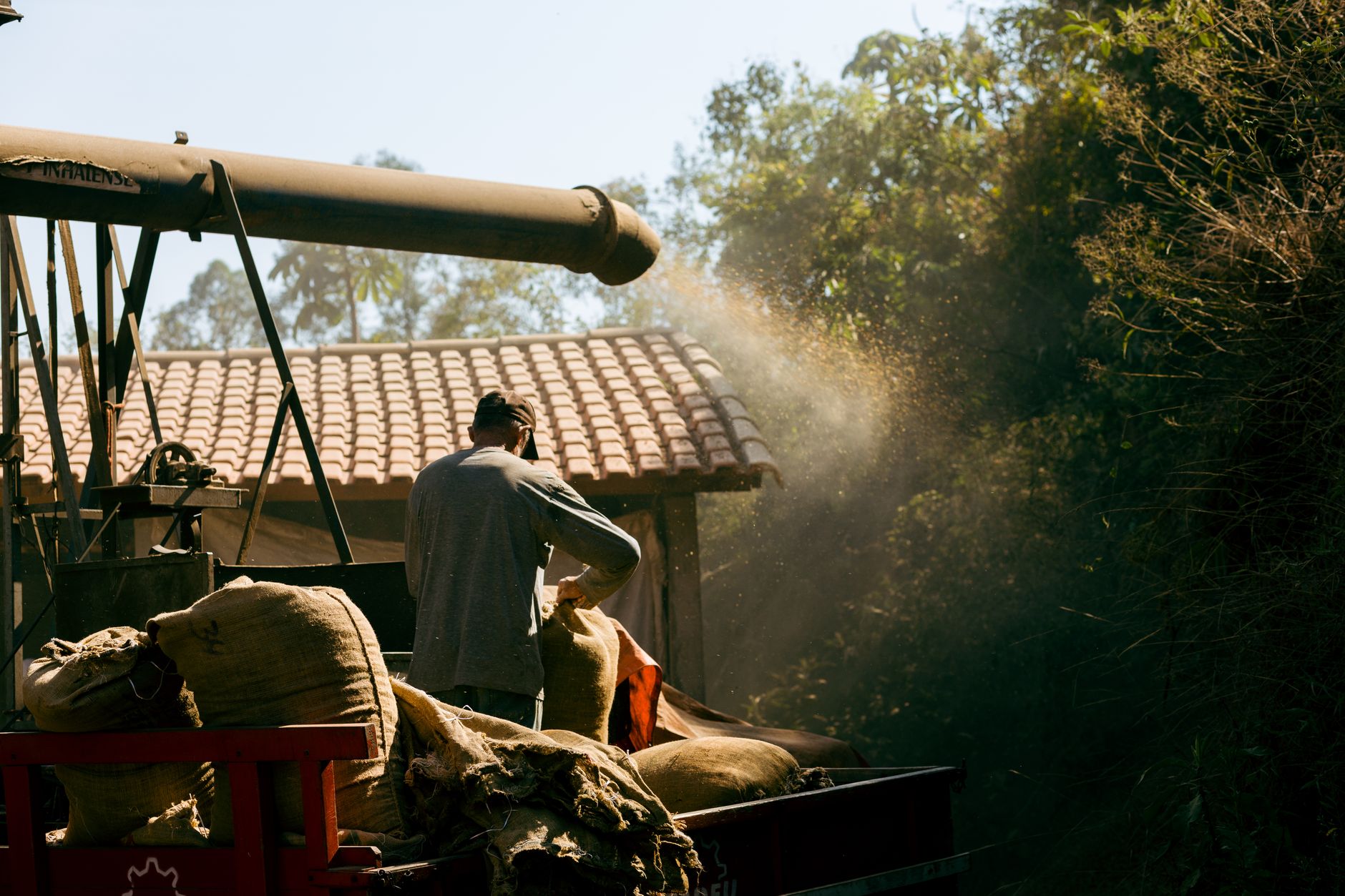
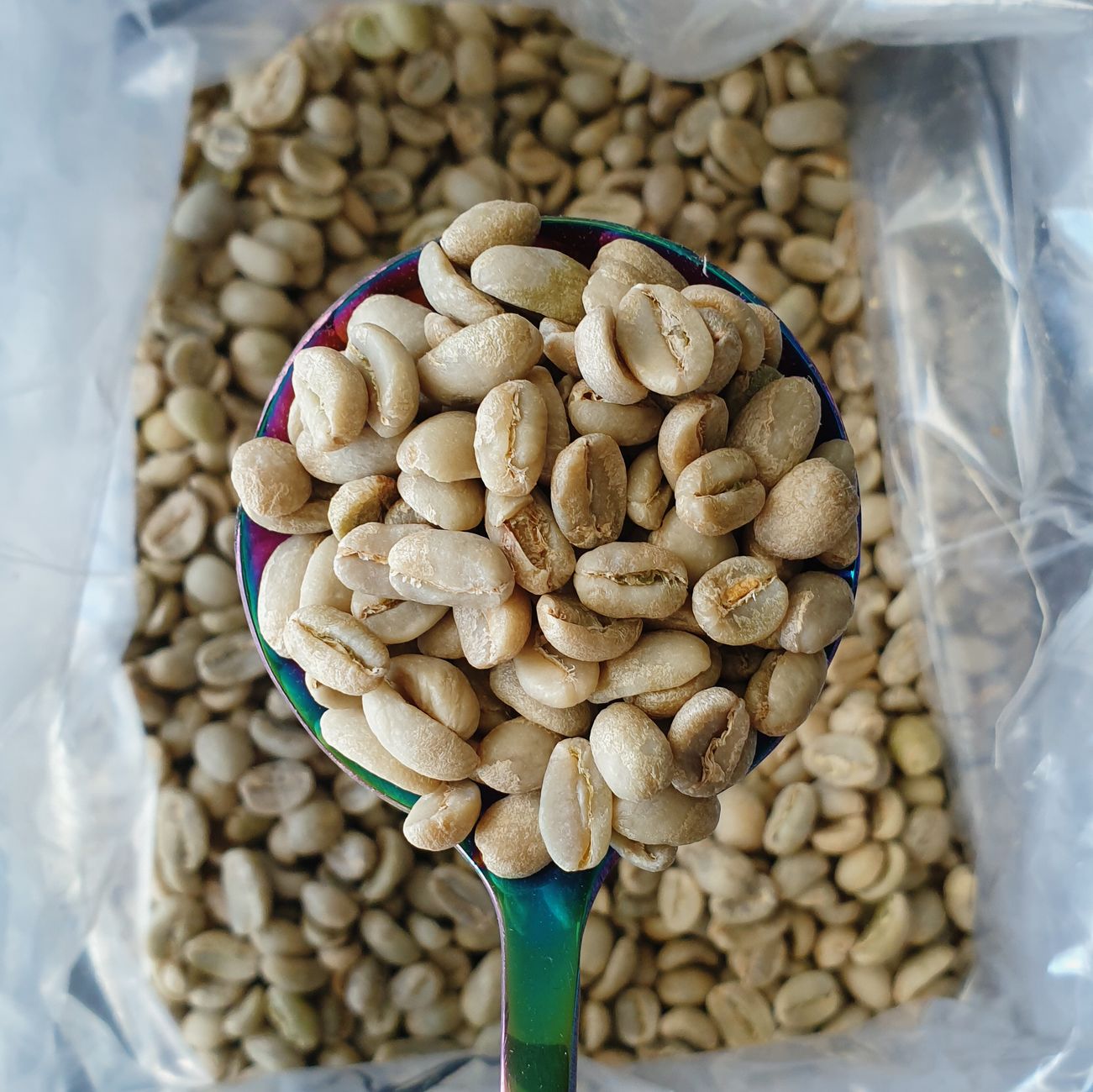 Photo: Cihan Yüce via Pexels
| Region | Altitude (MASL) | Processing | Roast Range | Tasting Notes |
|---|---|---|---|---|
| Yirgacheffe | 1,700–2,200 | Washed, Natural | Light–Medium | Jasmine, bergamot, lemon, blueberry (natural) |
| Sidama / SNNPR | 1,500–2,200 | Washed, Natural | Light–Medium | Peach, apricot, brown sugar, mild floral |
| Guji | 1,800–2,200 | Washed, Natural | Light–Medium | Stone fruit, dark berry, wine, floral complexity |
| Harrar | 1,500–2,100 | Natural only | Medium | Blueberry jam, dark chocolate, wild berry, wine |
| Kaffa / Jimma | 1,400–1,900 | Natural, Washed | Medium–Dark | Earthy, spice, dark fruit, low brightness |
Yirgacheffe within Sidama zone is the most exported, most recognized. But Guji has overtaken it on the specialty auction circuit for complexity — particularly from producers in Shakiso and Hambela.
Coffee Module C — Beans & Origins
Origin Detail
| Country | Altitude (MASL) | Processing | Roast | Tasting Notes |
|---|---|---|---|---|
| Ethiopia (Yirgacheffe) | 1,700–2,200 | Washed | Light | Jasmine, bergamot, lemon, green tea |
| Ethiopia (Yirgacheffe) | 1,700–2,200 | Natural | Light–Medium | Blueberry, strawberry, dark chocolate |
| Ethiopia (Guji) | 1,800–2,200 | Washed | Light | Stone fruit, floral, citrus peel |
| Ethiopia (Guji) | 1,800–2,200 | Natural | Light–Medium | Red wine, berry compote, dark cherry |
| Ethiopia (Harrar) | 1,500–2,100 | Natural | Medium | Blueberry jam, bakers chocolate, wild ferment |
| Ethiopia (Sidama) | 1,500–2,200 | Washed | Light–Medium | Peach, apricot, mild citrus, caramel |
Brew Method Pairing & Grind Adjustments
Pour-over (V60, Chemex): The ideal method for washed Ethiopian. Highlights floral aromatics and acid clarity. Use a medium-fine grind, 92–94°C water. Don’t go coarser than necessary — these coffees often flow fast and under-extract easily on coarser settings.
AeroPress: Works well with both washed and natural. Inverted method at 90°C extracts fruit without over-amplifying ferment notes in naturals. Medium grind, 2-minute steep.
Espresso: Light-roast Ethiopian espresso is polarizing but rewarding. Expect sourness if you dial it like a dark roast. Compensate: lower brew ratio (1:2.2–1:2.5), 91–93°C, 27–30 second pull. Natural Yirgacheffe makes a spectacular single-origin espresso when dialed in correctly.
French Press: Works for naturals — the heavy body complements the method. Avoid with delicate washed lots; immersion muddies the florals.
Grind adjustment from baseline: Ethiopian light roasts are often denser than their roast level suggests. Start 1–2 clicks finer than your usual light roast setting on manual burr grinders.
Freshness Protocol
| Stage | Detail |
|---|---|
| Degassing | 7–14 days post-roast (longer than most origins — dense, light-roasted beans off-gas slowly) |
| Peak brew window | Days 10–35 post-roast for pour-over; days 14–42 for espresso |
| Storage | Airtight valve bag, room temperature, away from light — do not refrigerate |
| Shelf life after opening | 3–4 weeks for peak flavor; acceptable up to 6 weeks |
Heirloom vs. JARC Varieties
Most Ethiopian coffee sold as “heirloom” is an umbrella term for thousands of unnamed landrace varieties — genetically distinct from each other but never formally classified. The Ethiopian Institute of Agricultural Research (EIAR, formerly JARC) has released named selections like 74110 and 74112 that offer disease resistance while preserving much of the cup quality.
For buyers: “heirloom” on a bag means wild or semi-wild genetics, high cup potential, variable consistency. JARC selections mean more predictable production, still excellent quality.
 Photo: Muhammad-Taha Ibrahim via Pexels
Why Ethiopian Coffee Commands Premium Prices
Several structural factors drive pricing above other origins:
- Smallholder fragmentation. Over 95% of Ethiopian coffee is grown on plots under 2 hectares. Traceability and quality control require significant infrastructure investment.
- ECX complications. The Ethiopia Commodity Exchange historically anonymized lots, making direct trade relationships difficult. The 2008 exemptions for specialty-certified cooperatives partially addressed this — but logistics remain complex.
- Altitude and harvest logistics. Coffee at 2,000+ MASL is harder and more expensive to transport to processing stations and export hubs.
- Cup quality premium. In specialty auctions, top Guji and Yirgacheffe lots regularly score 90+. Buyers pay accordingly.
→ See also
- Coffee Bean Guide: Origins, Roasts, and How to Choose
- Best Coffee Subscription Boxes (2026 Ranked)
- Trade Coffee Review (2026): Is It Worth It?
FAQ
What makes Ethiopian coffee taste like blueberries? Natural-processed Ethiopian coffees, particularly from Harrar and Yirgacheffe, ferment inside the cherry during drying. This drives anthocyanins and other fruit-forward compounds directly into the bean. The “blueberry” note is real — it’s not a flavoring or a roasting artifact.
Is Ethiopian coffee stronger than other coffees? “Stronger” usually means caffeine content or intensity. Ethiopian Arabica has typical Arabica caffeine levels (0.8–1.4%) — not unusually high. What it does have is intense flavor complexity and high perceived brightness, which can read as “strong” to people accustomed to mild blends.
What’s the difference between Yirgacheffe and Sidama coffee? Both come from the SNNPR region and share genetic heritage, but Yirgacheffe coffees tend toward higher floral aromatics (jasmine, bergamot, tea-like clarity), while Sidama coffees lean more toward stone fruit (peach, apricot) with softer acidity. Yirgacheffe is technically a sub-zone within the broader Sidama zone, demarcated by microclimate and elevation.
How should I brew Ethiopian coffee at home? Washed Ethiopian: pour-over (V60 or Chemex) at 93°C, medium-fine grind, 1:16 ratio. Natural Ethiopian: AeroPress or pour-over at 91°C — slightly lower temperature tames ferment notes. Both benefit from resting 10–14 days post-roast before brewing.
Why does Ethiopian coffee taste different every year? Harvest conditions — rainfall timing, temperature fluctuations, cherry ripeness windows — shift year to year. Combined with the genetic variation in heirloom plots, even the same farm, same region, same processing method will produce a noticeably different cup across vintages. This is a feature of authentic single-origin coffee, not a quality control failure.
Editorial methodology: Assessments are based on manufacturer specifications, published user reviews, and editorial research. Physical hands-on testing is noted explicitly where it occurred. Rankings reflect our editorial judgment and are not influenced by affiliate commission rates. Full editorial policy · Affiliate disclosure